Michelin stars usually bring to mind white tablecloths and quiet dining rooms. Yet some starred restaurants break that mold with underwater views, train stations, and theatrical tasting menus.
Each place on this list offers a setting or style you will not find anywhere else. Here is a look at twelve that stand out from the crowd.
1. Under – Lindesnes, Norway
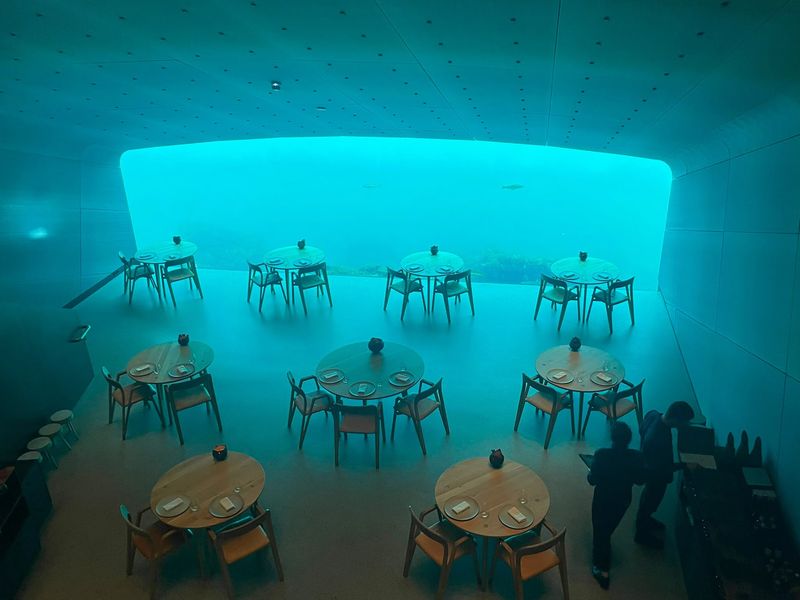
Picture eating dinner while fish drift past your table. Under sits at the southern tip of Norway, and its concrete body slopes into the North Sea like a sunken ship.
It is often called the largest underwater restaurant in Europe.
A huge window, about 11 meters wide, looks onto the seabed. The building was designed by the architecture firm Snohetta, and its rough outer shell helps mussels and seaweed attach over time.
In a way, the restaurant is also a marine research station.
The kitchen, led by chef Nicolai Ellitsgaard, builds tasting menus around local seafood and foraged coastal ingredients. Dishes might feature scallops, cod, or sea herbs picked nearby.
Tables are limited, so booking well ahead is wise.
Fun fact: the walls are about half a meter thick to handle the pressure and storm waves of the open sea. Bring a warm jacket for the walk in, since coastal winds can be fierce.
2. Alchemist – Copenhagen, Denmark
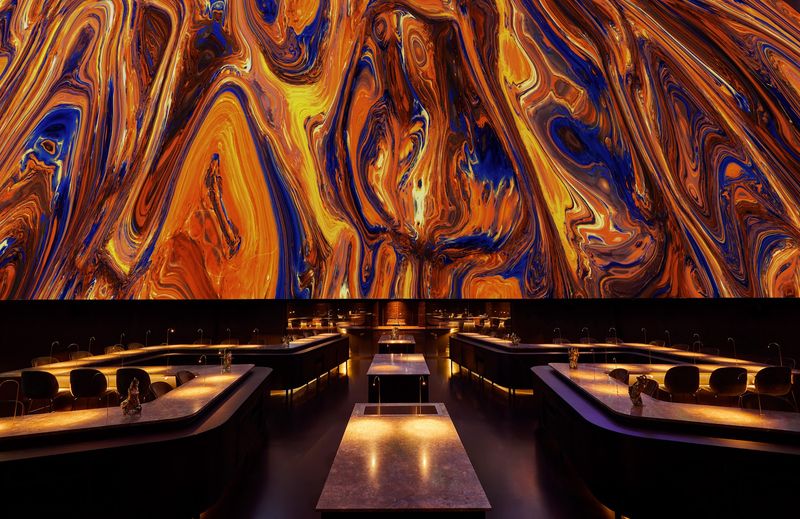
Dinner at Alchemist can feel more like a stage show than a meal. Chef Rasmus Munk created a multi-sensory experience that runs about five hours and includes around 50 small moments.
The restaurant holds two Michelin stars.
Guests move through different rooms, starting in a space that looks like an industrial kitchen and ending beneath a huge dome. Images of nature and society are projected overhead while food is served below.
Some dishes are meant to make diners think about topics like food waste, animal welfare, and technology.
Not every bite is simple to explain, and that is part of the point. Plates are often playful, surprising, and made to be eaten in unexpected ways.
Plan for a long evening and wear comfortable clothes. Because the menu is so carefully timed, arriving on schedule matters.
Tell the staff about allergies when booking so they can adjust the experience.
3. Locanda Don Serafino – Ragusa, Italy
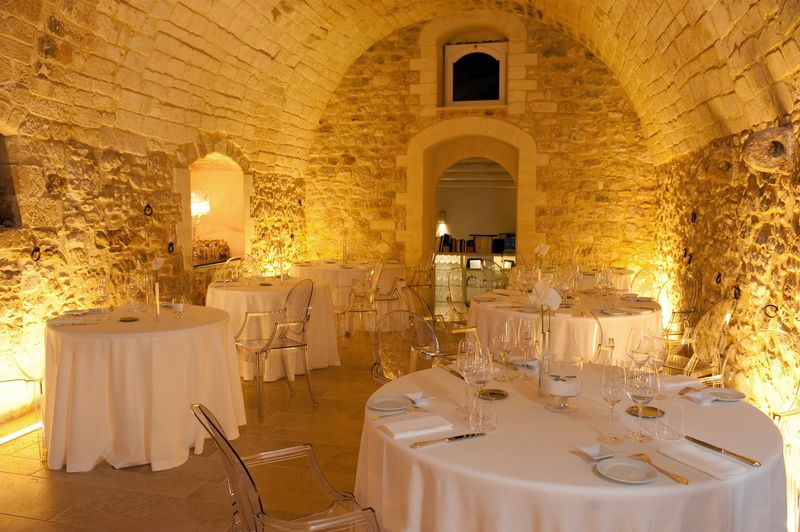
Few restaurants can claim a dining room carved from old stone stables. Locanda Don Serafino sits in Ragusa Ibla, a hilltop town in Sicily known for its baroque buildings.
Below street level, the cave-like rooms have vaulted ceilings and warm lighting.
The restaurant has earned a Michelin star for its cooking, which is rooted in Sicilian tradition. Chef Vincenzo Candiano uses ingredients from the island, including local olive oil, ricotta, and fresh seafood.
Pasta dishes and slow-cooked meats often appear on the menu.
The setting feels timeless, almost like stepping back a few centuries. Yet the plates look modern and carefully designed.
If you visit, take time to wander the winding streets before dinner. Ragusa Ibla is a UNESCO World Heritage site, and the evening light on the stone buildings is lovely.
Reservations are a good idea, especially in summer.
4. Aponiente – El Puerto de Santa María, Spain
The sea is the only ingredient list Chef Ángel León needs. Known as the Chef of the Sea, he runs Aponiente inside a restored 19th-century tide mill on Spain’s Atlantic coast.
The restaurant holds three Michelin stars.
León is famous for using parts of the ocean most cooks ignore. He has cooked with plankton, fish that are often discarded, and even fish skin turned into a type of charcuterie.
His goal is to make seafood more sustainable while keeping flavors bold.
The tasting menu feels like a tour of the ocean, with dishes that look as delicate as sea foam.
Aponiente also supports research into marine ingredients, including a plankton-based product developed with scientists. The town sits near Cádiz, so travelers can pair dinner with a day exploring white villages and sandy beaches.
5. Enigma – Barcelona, Spain
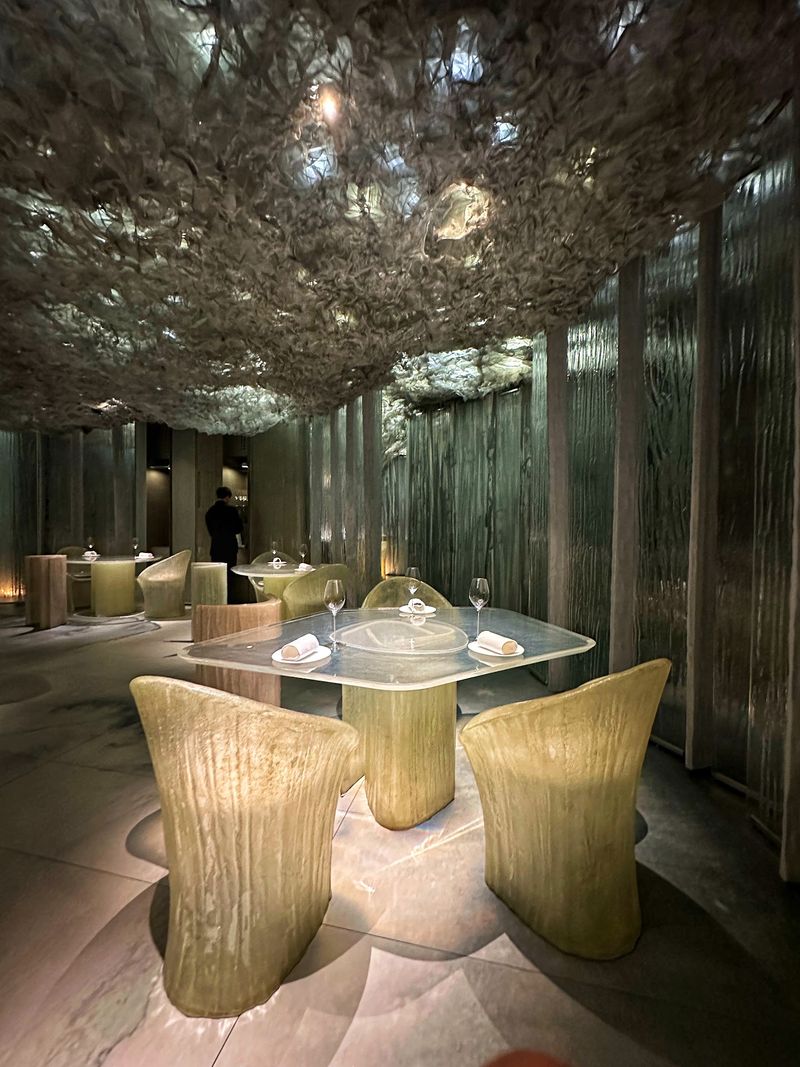
Enigma is hard to describe, and that is exactly what its creators intended. Led by Albert Adrià, the restaurant in Barcelona is a major part of the family’s culinary legacy.
Albert worked for years at the famous elBulli before opening his own projects.
The restaurant’s modern white space is built around a series of spaces. Diners often move from room to room as the meal progresses, enjoying different courses in different settings.
The tasting menu includes dozens of small bites, many that surprise with texture and temperature.
Ingredients might be familiar, but the form is rarely what you expect. A dish that looks like a dessert could turn out to be savory.
Enigma holds one Michelin star. If you go, come hungry and curious, and be ready for a long, playful evening.
Booking opens in advance, so check the restaurant’s official website for dates.
6. Canfranc Express – Canfranc, Spain
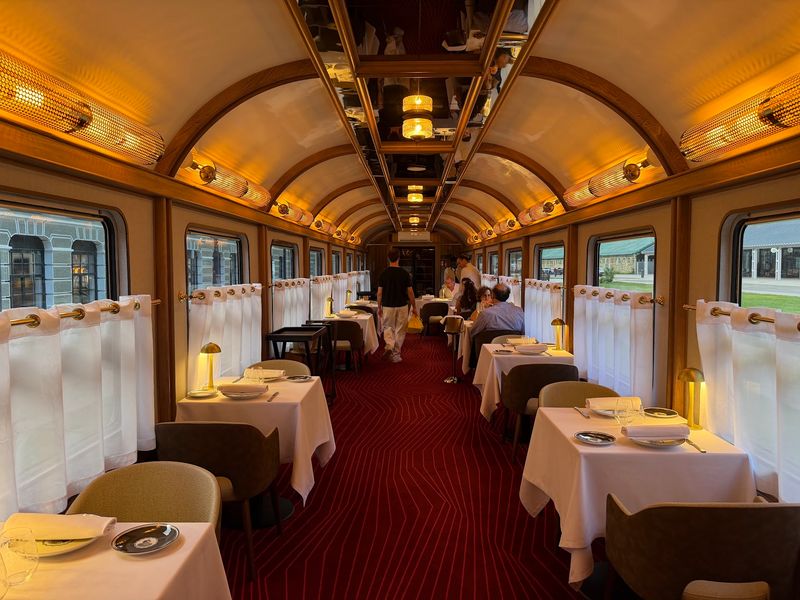
Once called the Titanic of the mountains, Canfranc International Station is a giant building in a tiny Pyrenees village. It opened in 1928 and was built to connect Spain and France by rail.
Today, part of it has been restored into a hotel, and its restaurant, Canfranc Express, has earned recognition from Michelin.
The station is nearly 240 meters long and has hundreds of windows. Its story includes wartime intrigue, a long period of decline, and a recent revival.
Dining there lets guests enjoy the history alongside the food.
The menu draws on the nearby region of Aragon, with mountain ingredients and traditional flavors given a modern touch.
Before or after your meal, take a walk around the platform and the old halls. The surrounding mountain scenery is wonderful, especially in autumn and winter, when the peaks are dusted with snow.
7. Casa de Chá da Boa Nova – Leça da Palmeira, Portugal
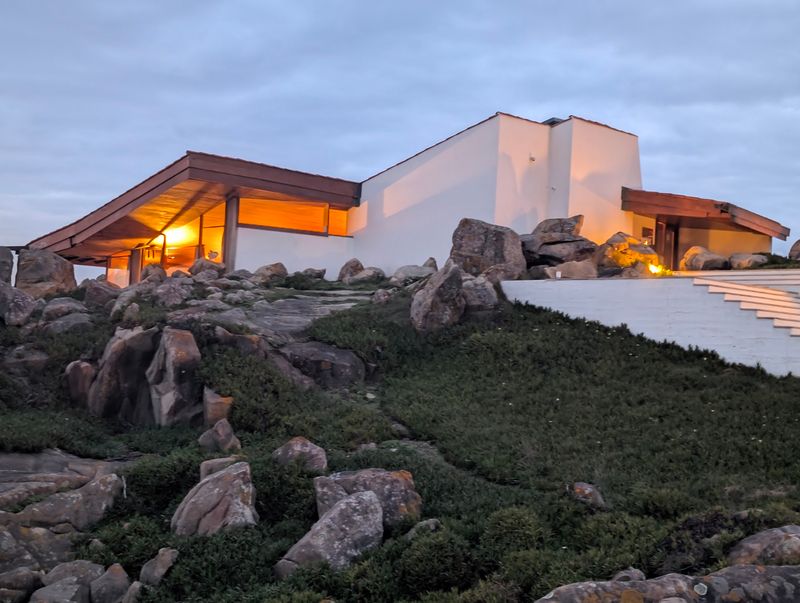
Waves crash just below the windows at Casa de Chá da Boa Nova. Designed by Pritzker Prize winner Álvaro Siza Vieira in the late 1950s, the building seems to grow out of the rocks.
Its low roof and wood interior blend naturally into the Atlantic shoreline near Porto.
It started as a tea house, which explains its name. Today it is a destination restaurant with a Michelin star, run by chef Rui Paula.
The menu showcases Portuguese seafood, often prepared with careful technique and a modern touch.
Ordering a tasting menu is a good way to sample local fish, shellfish, and seasonal vegetables.
Architecture fans often visit just to admire the design, but the food gives them another reason to stay. Try to book a table near sunset, when the light over the ocean turns golden.
8. Le Jules Verne – Paris, France
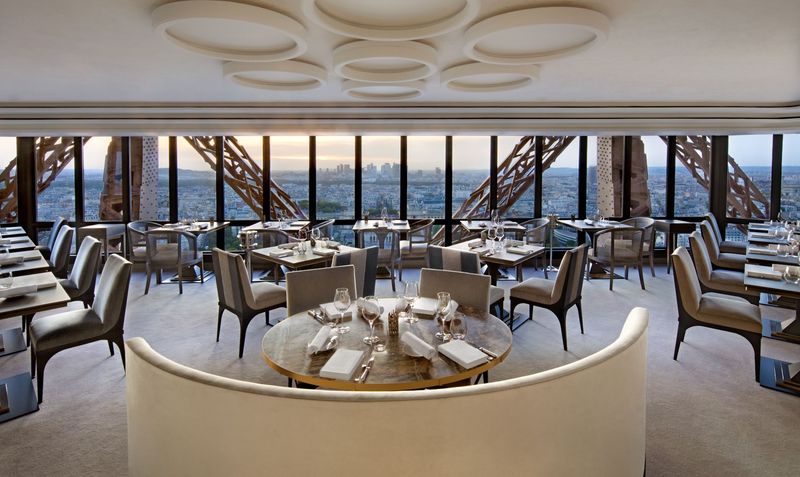
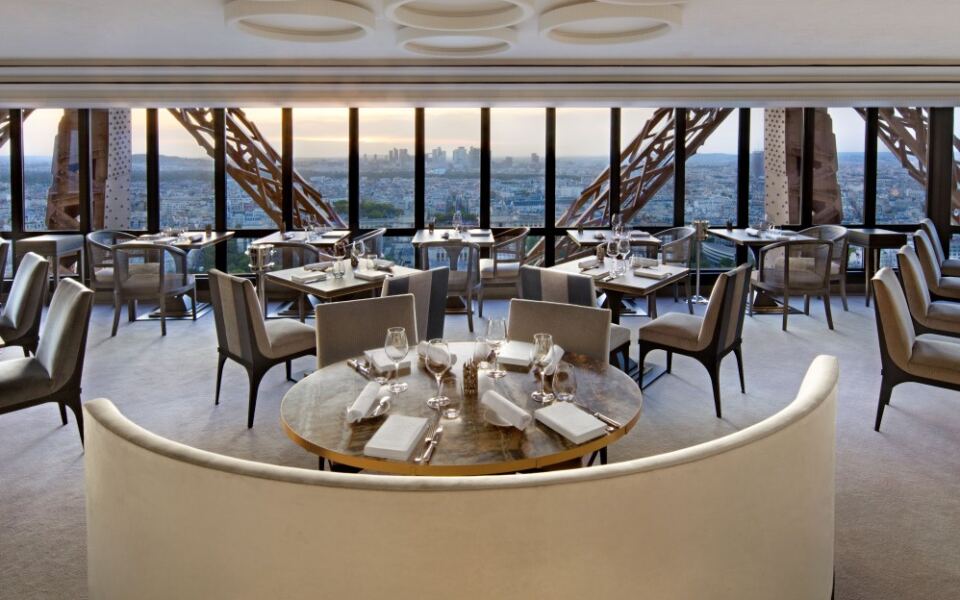
Reaching your table by a private elevator is just the start. Le Jules Verne sits on the second level of the Eiffel Tower, about 125 meters above Paris.
It holds a Michelin star and is run by chef Frédéric Anton.
The dining room has a sleek, dark design that keeps attention on the view. Large windows frame landmarks like the Seine, the Louvre area, and the rooftops of the city.
At night, the lights make the setting especially memorable.
The cooking is classic French with a modern spirit, using top-quality ingredients and careful presentation. Lunch and dinner menus are available, and lunch is often a little more affordable.
Reservations are essential, and they open well in advance. Dress smartly, and be prepared for security checks at the private entrance on the tower’s south pillar.
9. Nōksu – New York City, USA
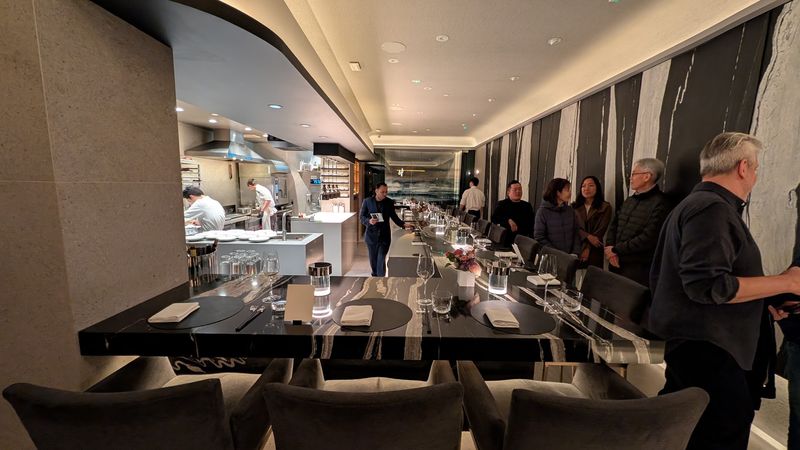
The entrance looks like a quiet corner of a subway platform, and then a door opens into a hidden dining room. Nōksu is tucked inside a station near Herald Square in Manhattan.
It offers a Korean-inspired tasting menu and has earned a Michelin star.
The restaurant seats a small number of guests at a counter and a few tables. Chefs prepare dishes close to diners, so you can watch each step.
The name comes from a Korean word related to water and is tied to the restaurant’s calm, careful style.
Courses often blend Korean flavors with fine dining technique, using ingredients like fermented sauces and fresh seafood.
Because seats are limited, book early. After dinner, step back into the busy station and enjoy the contrast.
It is a fun reminder that great food can show up in surprising places.
10. Born – Singapore
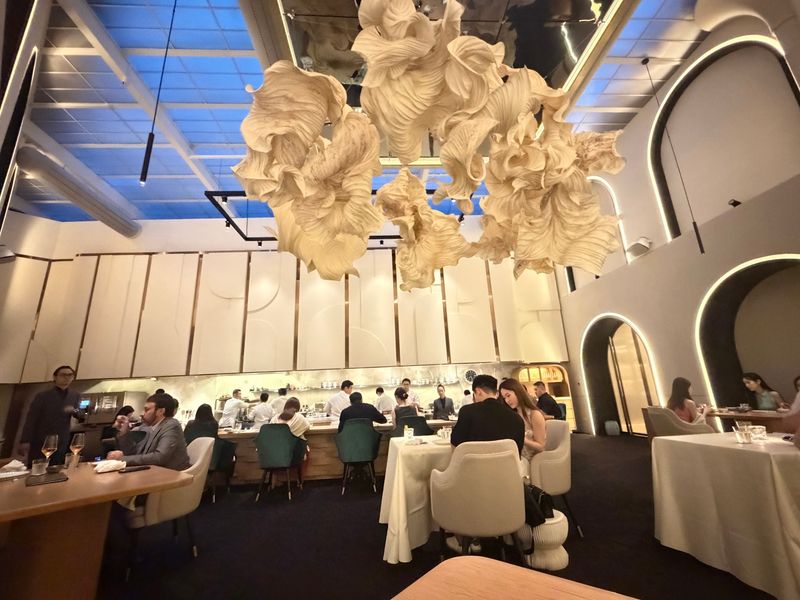
Chef Zor Tan calls his cooking a chance to be reborn through food. At Born in Singapore, Chinese flavors meet French technique in a modern tasting menu.
The restaurant has earned a Michelin star for its creative approach.
Dishes often take inspiration from Tan’s memories and from Singapore’s mix of cultures. A plate may look like a work of art, but it still carries familiar comfort flavors.
Ingredients such as abalone, spices, and local produce appear in thoughtful ways.
The dining room has a refined, calm feel that keeps attention on the plates. Service is warm and well paced.
Singapore has a lively food scene, from hawker centers to fine dining. A good plan is to try both in one trip.
Eating at a street stall at lunch and a tasting menu at night shows just how wide the city’s food world really is.
11. Tin Lung Heen – Hong Kong, China
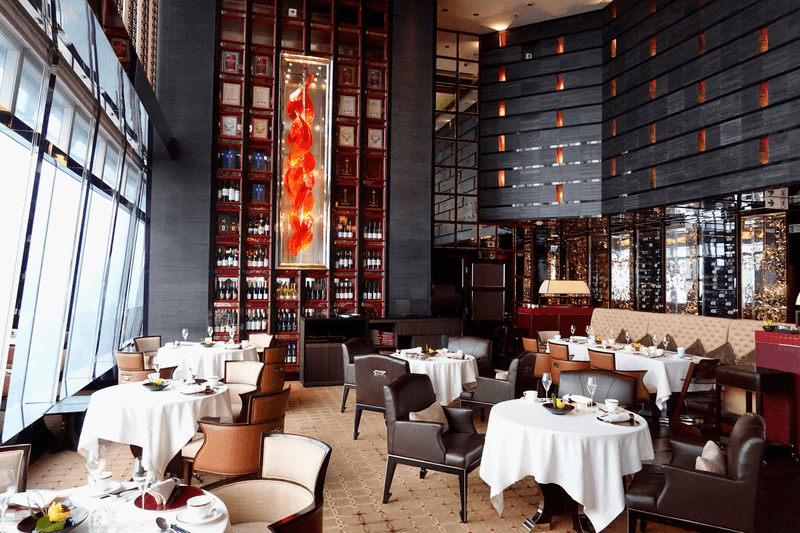
Dim sum tastes a little different when the clouds are close. Tin Lung Heen means Heavenly Dragon Court, and it sits on the 102nd floor of the Ritz-Carlton Hong Kong.
It is often listed among the highest restaurants in the world and holds two Michelin stars.
Floor-to-ceiling windows show Victoria Harbour and the dense skyline below. The room blends soft lighting with traditional Chinese touches, creating a calm atmosphere high above the busy city.
The kitchen focuses on refined Cantonese cooking. Expect delicate dim sum, roasted meats, and seafood dishes made with precise technique.
Dim sum lunch is a popular way to visit, and it can be easier on the budget than dinner. Reserve a window seat if you can.
On a clear day, the view across the water to Hong Kong Island is hard to forget.
12. Potong – Bangkok, Thailand
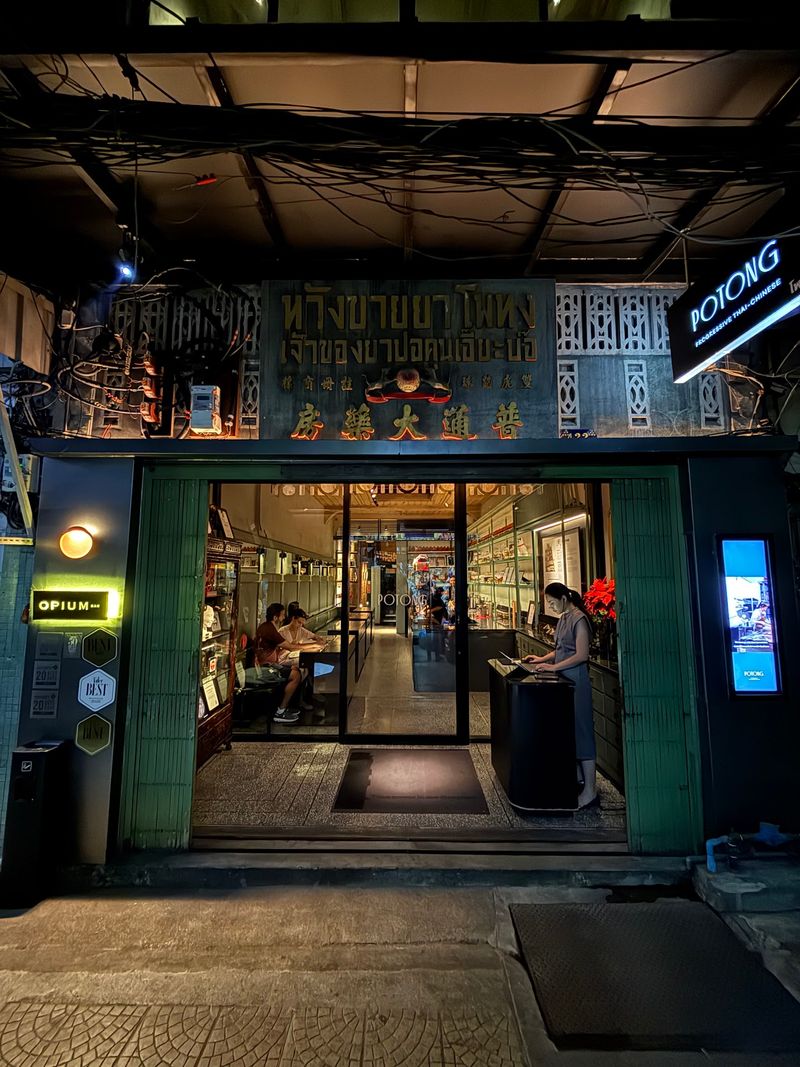
A family pharmacy once stood where this restaurant now serves its tasting menu. Potong occupies a five-story building in Bangkok’s Chinatown, and it honors the story of chef Pichaya Soontornyanakij, known as Chef Pam.
Her family ran a Chinese herbal medicine shop in the same space.
The restaurant has earned a Michelin star for its inventive take on Thai-Chinese cooking. Each floor of the building offers a different part of the experience, from drinks to dessert.
Old tools and decor nod to the family’s past.
The menu is called a journey through memory, and dishes often use ingredients linked to traditional medicine and street food.
Chinatown is full of lively markets and snacks, so arrive early and explore. Walking its busy lanes before dinner adds context to the flavors on the plate.
Share this story