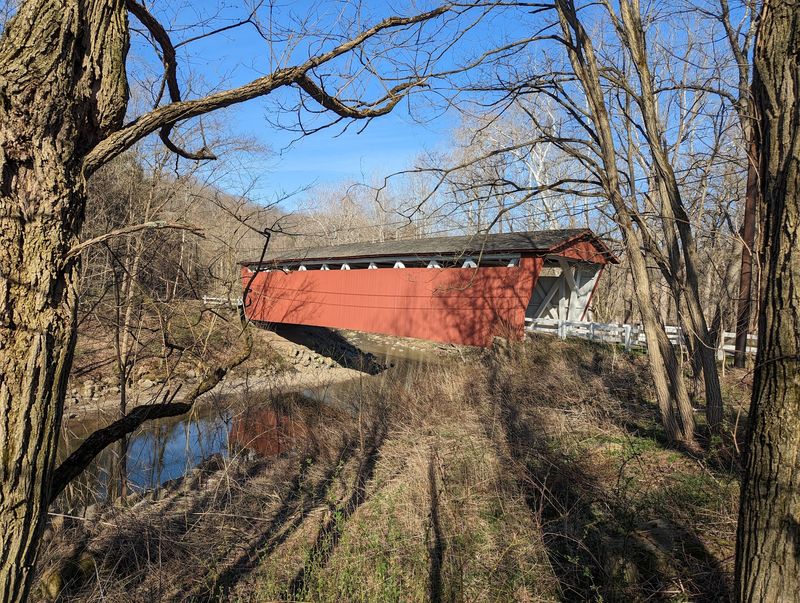
Ohio has more covered bridges than almost any other state, and when the maple and oak leaves catch fire in October, these old wooden spans become the best excuse for an unhurried backroad drive. Some date back to the 1800s and still carry cars, while others have been carefully saved as walking paths across quiet creeks.
Pack a thermos, roll the windows down, and let each bridge slow you down for a photo. Here are twelve of the most camera-ready crossings to build your 2026 fall loop around.
1. Bridge of Dreams – Brinkhaven, Knox County
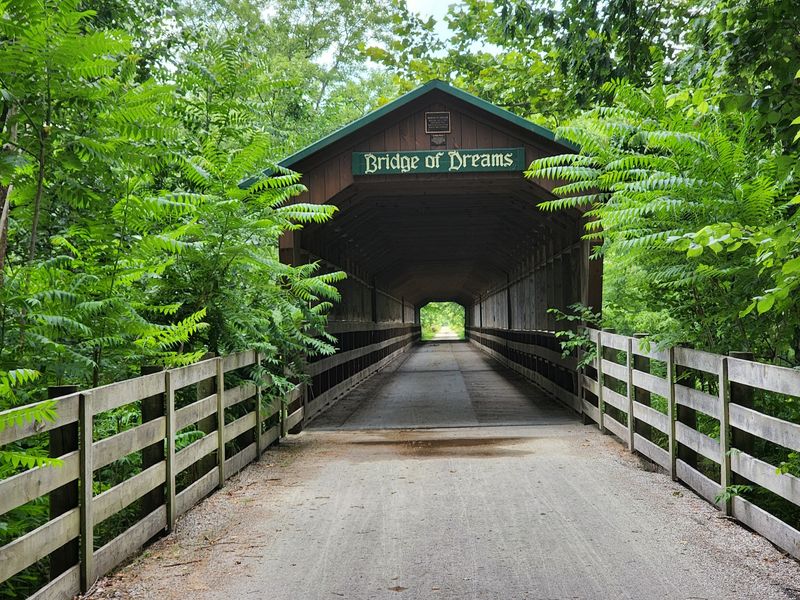
Stretching more than 370 feet across the Mohican River, the Bridge of Dreams ranks among the longest covered bridges in the country, and it feels every bit that grand when you walk it.
Built on an old railroad crossing along the Mohican Valley Trail, it welcomes cyclists and hikers rather than cars, so you can linger in the middle without dodging traffic. In fall, the river below reflects the color like a mirror, and the long tunnel of timber frames the woods at either end.
Amish country surrounds you here, so a slow horse-and-buggy might pass on the nearby roads while you snap photos. Bring a bike if you want to extend the ride, or just stroll out to the center and soak in the quiet.
2. Harpersfield Covered Bridge – Ashtabula County
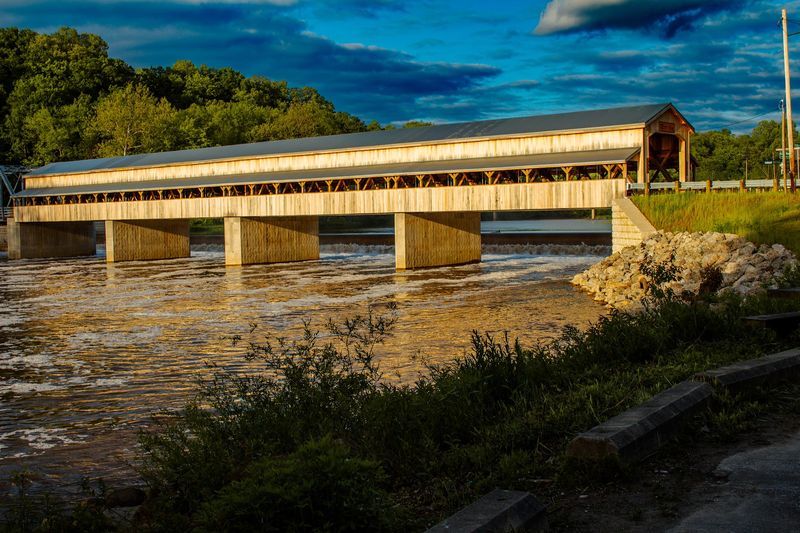
Ashtabula County calls itself the covered bridge capital of Ohio, and Harpersfield is the crown jewel of its collection of nineteen spans.
Reaching about 228 feet over the Grand River, this two-lane beauty picked up an extra steel section after a 1913 flood, giving it an unusual mix of old timber and sturdy add-on. A small park sits right beside it with picnic tables and a walkway, so you can watch the water tumble over a low dam while the surrounding trees blaze.
The setting is wide open, which means you get room to photograph the whole bridge without crowding the road. Pair it with a stop at one of the nearby Grand River Valley wineries for a full afternoon.
3. Smolen-Gulf Bridge – Ashtabula County
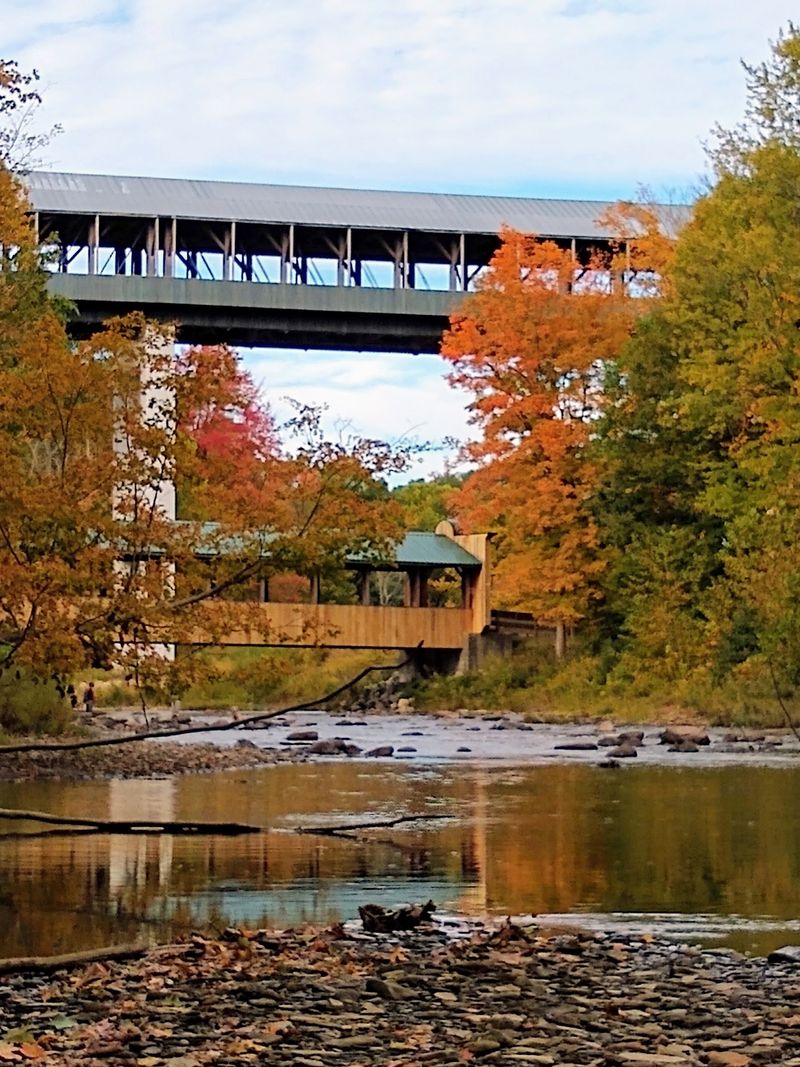
Want to stand on the longest covered bridge in the United States? Head to the Smolen-Gulf Bridge, which stretches an astonishing 613 feet high above the Ashtabula River gorge.
Finished in 2008, it proves that covered bridges are not just relics; this one carries real traffic on Route 25 and rises about 93 feet above the valley floor. From a lower riverside overlook, you can capture the full span framed by autumn treetops that seem to roll on forever.
The scale is genuinely surprising for something built from timber. A walking trail below lets you photograph it from angles cars never see, making it a favorite for anyone chasing that perfect gorge-and-foliage shot.
4. The Roberts Covered Bridge – Preble County
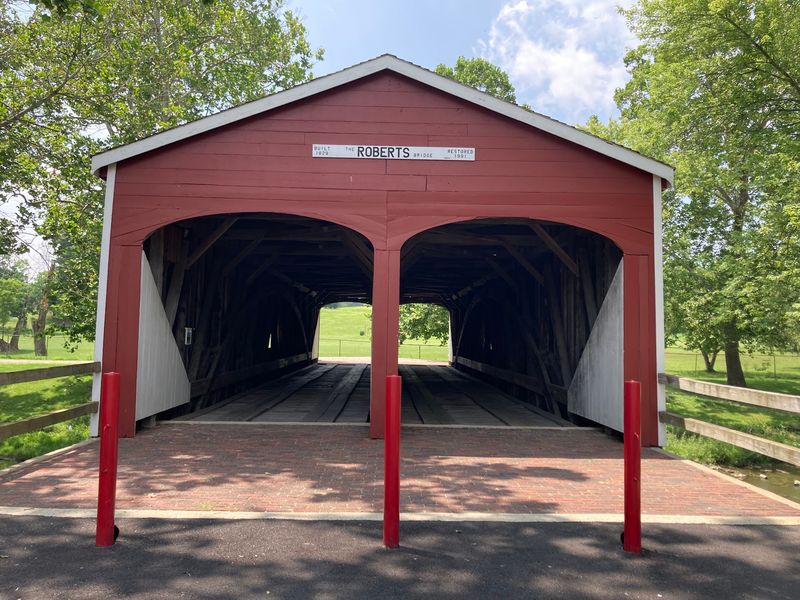
Preble County packs seven historic covered bridges into a tight, drivable cluster, and it earns its reputation as one of the best loops in the state.
The Roberts Covered Bridge in Eaton stands out as the oldest in Ohio, dating to 1829, with a rare double-barrel design that lets two lanes pass side by side. Signs mark a self-guided driving tour, so you can hop from one span to the next in an easy afternoon.
Rolling farmland and small creeks connect the stops, and in October the whole route glows. Grab a map from the county visitors bureau and let the numbered bridges set your pace instead of a GPS.
5. Everett Road Covered Bridge – Cuyahoga Valley National Park
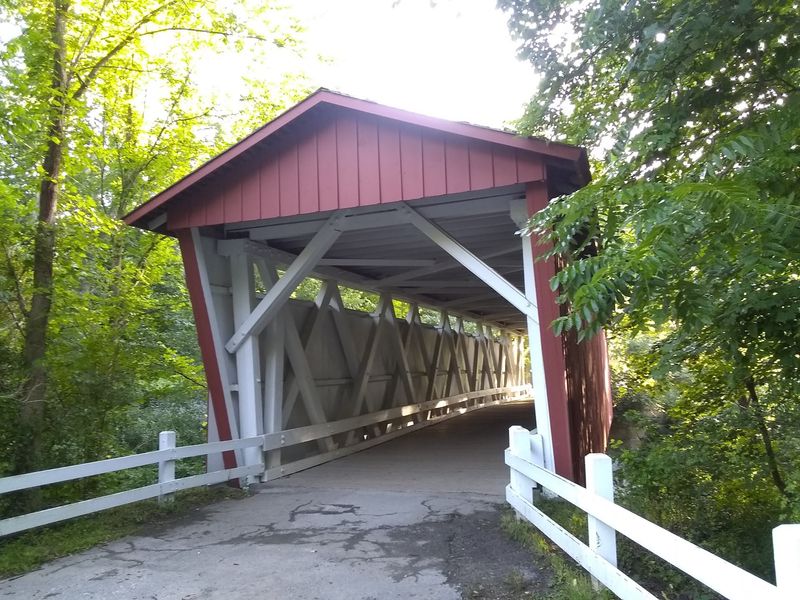
Ohio’s only national park hides a picture-perfect covered bridge, and it might be the easiest one on this list to reach from Cleveland or Akron.
The Everett Road Covered Bridge crosses Furnace Run in the Cuyahoga Valley, a modest red span rebuilt after a 1975 flood swept the original away. A short trail loops around it, making it a gentle stop between longer hikes or a ride on the Cuyahoga Valley Scenic Railroad.
Autumn turns the surrounding valley into a patchwork of color, and the low creek gives you clean reflections when the water runs still. Families love it because the walk is flat, quick, and rewarding without much effort.
6. Newton Falls Covered Bridge – Trumbull County
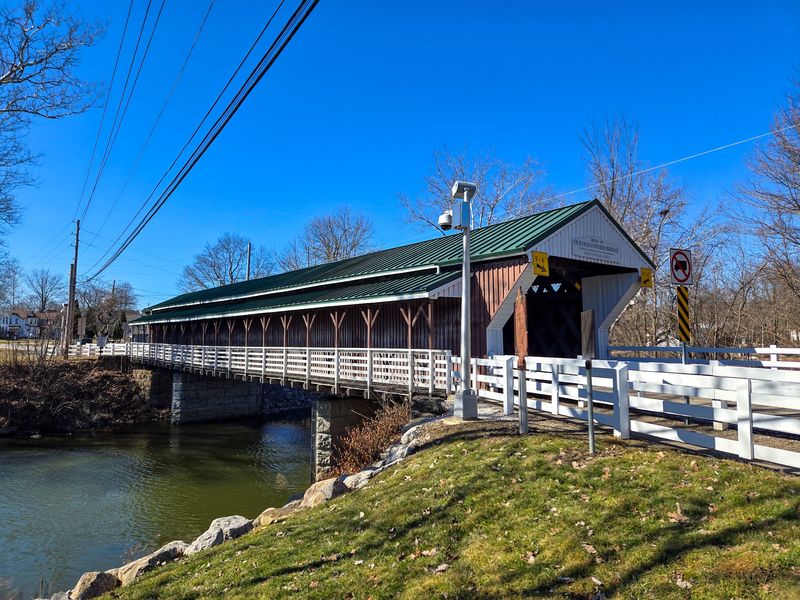
Right in the middle of a small town, the Newton Falls Covered Bridge does something almost no other covered bridge in Ohio can claim: it has a separate covered sidewalk running alongside for pedestrians.
Built in 1831, it counts among the oldest covered bridges still in use in the state, carrying everyday traffic over the east branch of the Mahoning River. The in-town setting means you can grab coffee nearby and stroll across on foot before the drive continues.
Fall color drapes the riverbanks and reflects off the water on calm mornings. It is an easy, charming stop that shows how these bridges once fit right into daily life.
7. Eldean Covered Bridge – Miami County
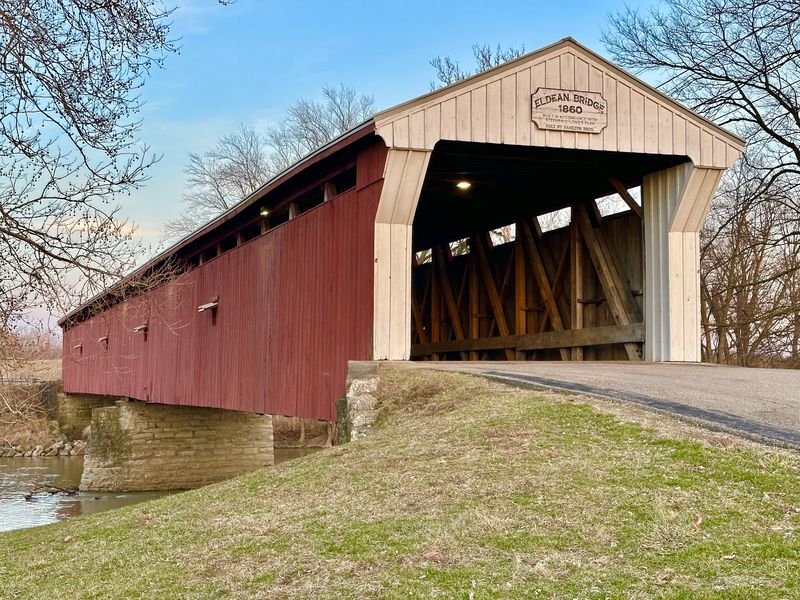
Spanning the Great Miami River near Troy, the Eldean Covered Bridge is a National Historic Landmark and one of the finest surviving examples of Long truss construction anywhere.
Completed in 1860, its 224-foot double span has weathered floods and time while keeping its handsome, weathered look. A riverside park sits nearby, giving you a shady spot to set up a picnic and photograph the bridge across the water.
The Great Miami River Trail passes close, so cyclists often roll through on fall rides. Come early and you may catch mist rising off the river with the timbers glowing in the low sun.
8. Root Road Covered Bridge – Ashtabula County
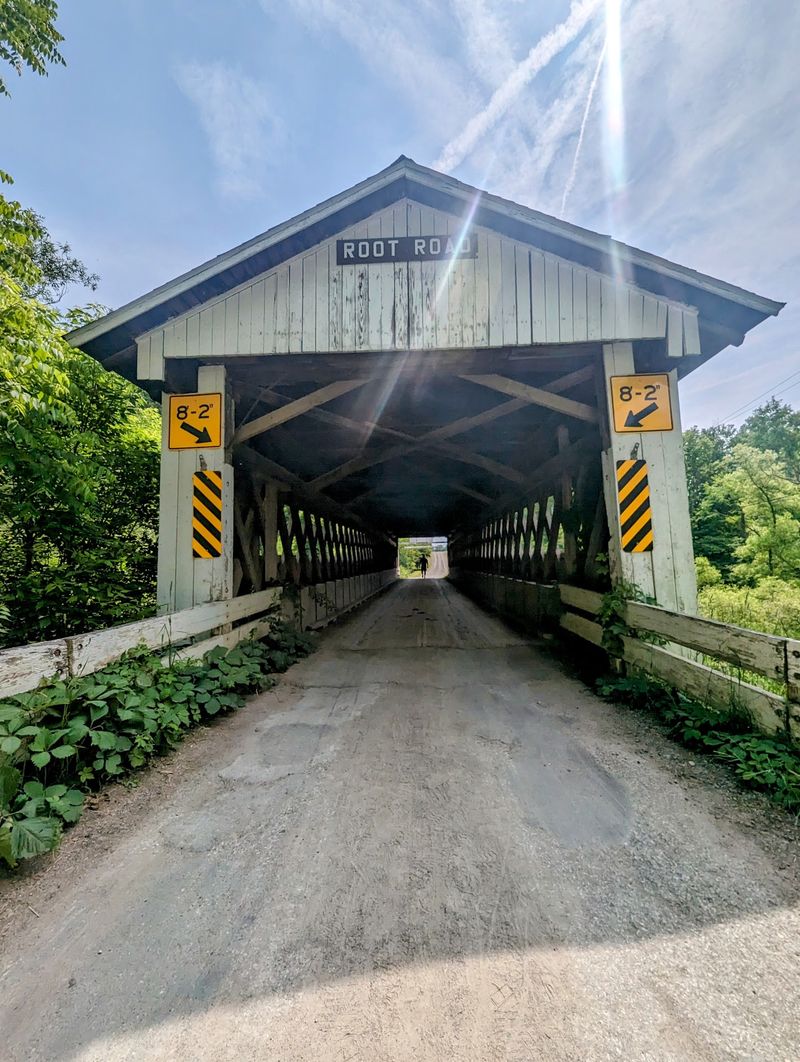
Painted a soft weathered red and tucked along a quiet country lane, the Root Road Covered Bridge feels like stepping into a postcard from another century.
Originally built in 1868 and later restored, this Town lattice truss span crosses the west branch of the Ashtabula River in a peaceful rural pocket. There is little traffic and few crowds, which makes it a favorite for photographers who want the bridge all to themselves.
Overhanging branches close in around the road in autumn, so the drive up feels like a tunnel of color leading straight to the bridge. Pull over, listen to the creek, and take your time here.
9. Netcher Road Covered Bridge – Ashtabula County
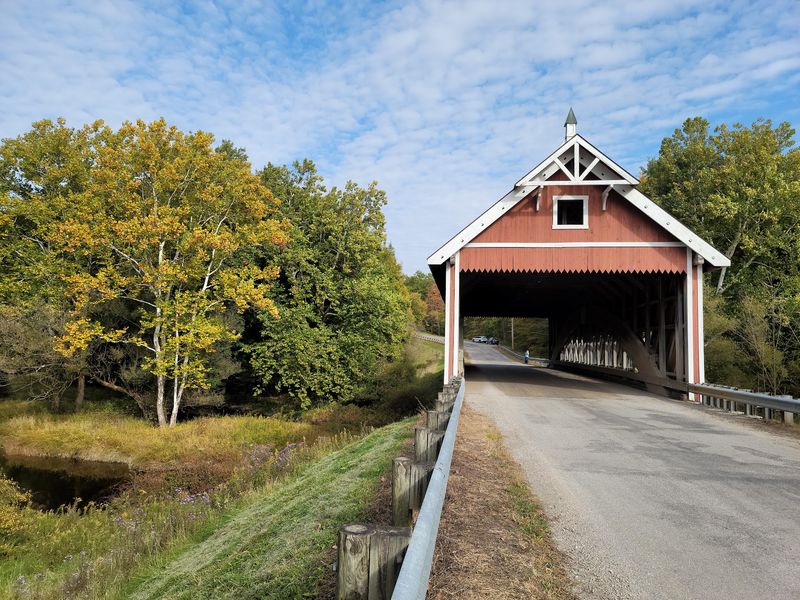
Not every covered bridge on this loop is an antique, and Netcher Road proves that new builds can be just as pretty.
Finished in 1999, this bridge shows off decorative Victorian-style flourishes and gingerbread trim that older working spans never had, giving it a storybook look. It crosses Mill Creek on a calm rural road, surrounded by farmland that lights up in fall.
The neat, ornamental detailing photographs beautifully against a backdrop of red and gold leaves. Because it sits within Ashtabula County’s bridge circuit, you can easily pair it with Harpersfield and Root Road for a color-packed afternoon.
10. Mull Covered Bridge – Sandusky County
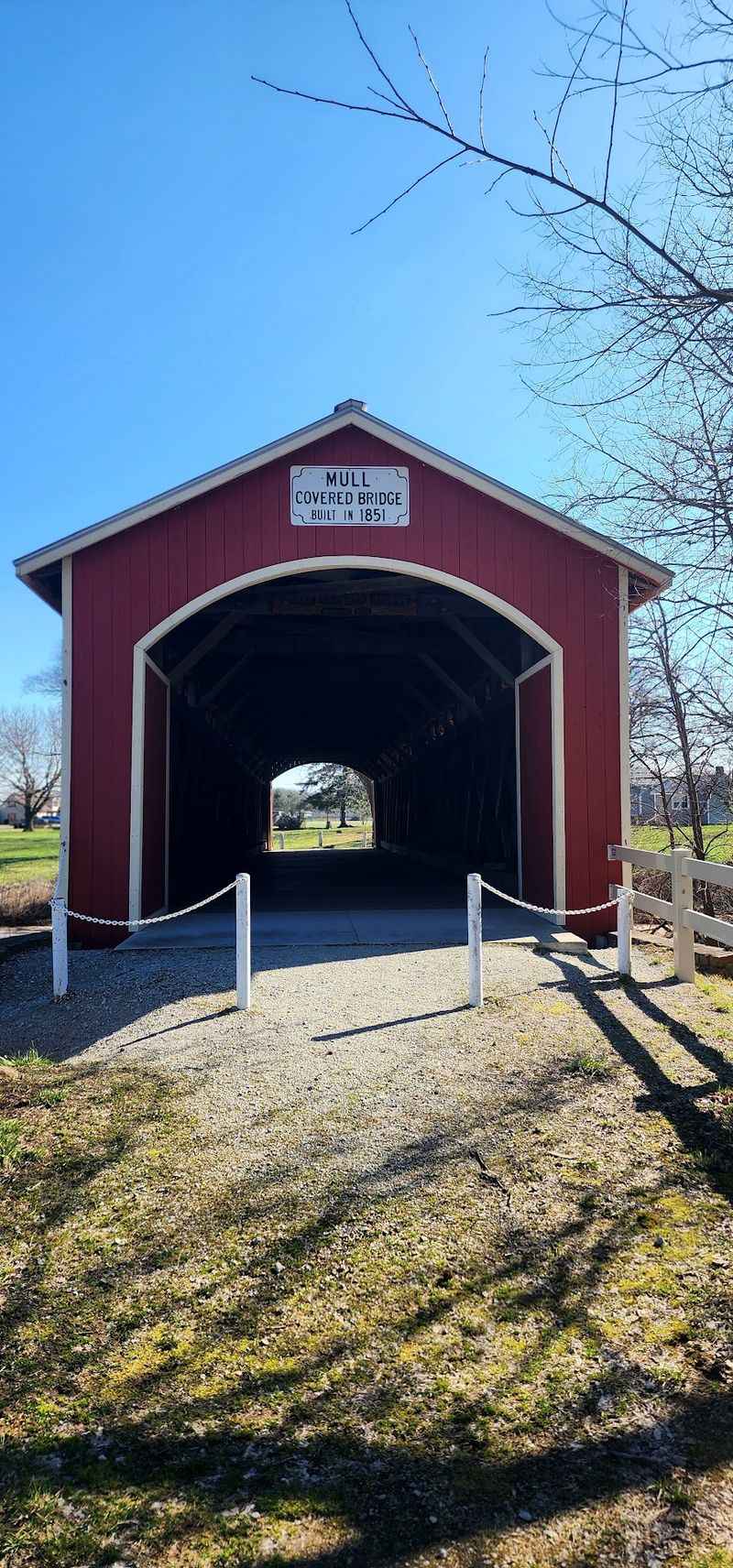
Preservation done right looks a lot like the Mull Covered Bridge, a slender wooden span saved from demolition and moved to a quiet spot along the Sandusky River near Fremont.
Dating to the 1850s, it now serves as a pedestrian bridge, so you can walk its worn planks without worrying about cars. The Howe truss framework inside is a treat for anyone who likes to study old craftsmanship up close.
Autumn along the Sandusky River delivers warm reflections and a gentle soundtrack of rustling leaves. It is a shorter stop, but the sense of history packed into its timbers makes it worth the detour in northwest Ohio.
11. Bergstresser Covered Bridge – Fairfield County
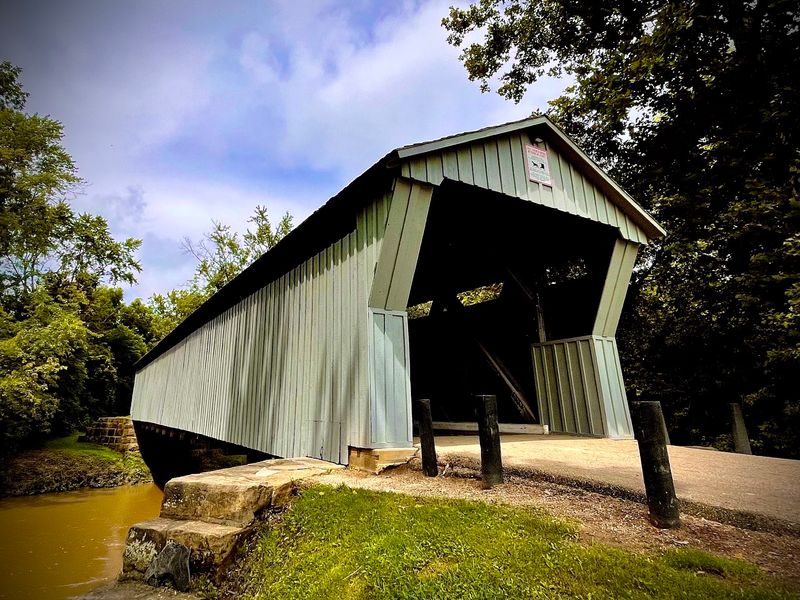
Down in the rolling country south of Columbus, the Bergstresser Covered Bridge carries the nickname Dietz Bridge and stands as one of Fairfield County’s proudest survivors.
Built in 1887 with a distinctive Partridge truss, it crosses Little Walnut Creek and shows off decorative arched portals that give it real character. Fairfield County holds an annual covered bridge festival, so the area takes serious pride in its wooden landmarks.
The setting is classic central Ohio farm country, easy to reach and dressed in warm color by mid-October. If you are basing your loop near Lancaster or Columbus, this makes a natural first or last stop.
12. Johnston Covered Bridge – Vinton County
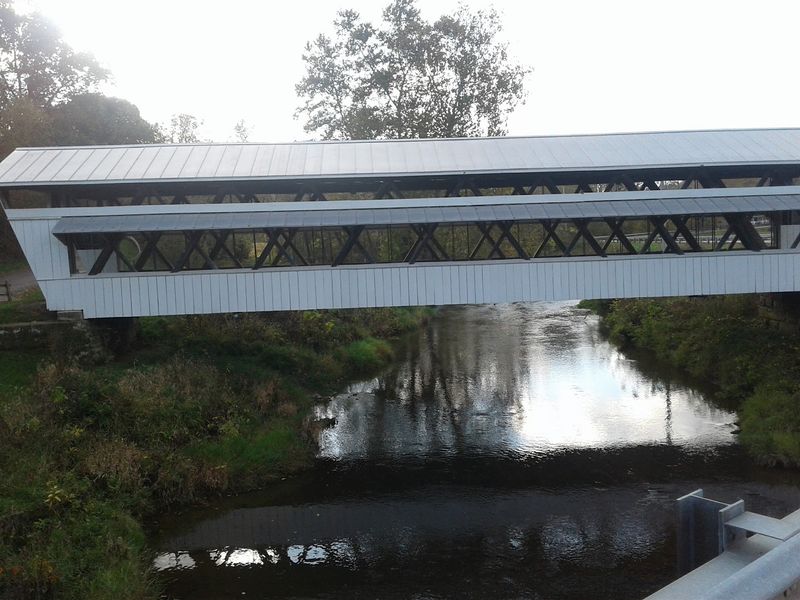
Deep in the forested hills of southeast Ohio, near Hocking Hills, the Johnston Covered Bridge rewards drivers willing to wander off the main routes.
Also known as the Ponn Humpback Bridge, its arched, humpbacked profile over Raccoon Creek is unlike anything else on this list, and its remote setting in Vinton County means you rarely share it with a crowd. Built in 1874, the multiple-span structure sits amid some of the state’s thickest woodland.
Fall color arrives rich and dense here, wrapping the bridge in reds and golds. Combine it with a Hocking Hills weekend and you get gorges, waterfalls, and a truly hidden covered bridge in one trip.
Share this story