Pennsylvania has a way of surprising people who think a great day out requires spending a lot of money. The state holds centuries of American history, unusual natural landscapes, and world-class museum collections, many of which cost less than a movie ticket to visit.
You can walk where the Founding Fathers once argued, stand on a railroad bridge suspended 225 feet above a forested valley, or tap a boulder that rings like a bell. Some of these spots are completely free, while others charge a modest fee that feels almost embarrassingly low for what you get.
This list covers 12 of Pennsylvania’s most rewarding attractions, all priced under $20 per adult, spread across the state from Philadelphia to Erie and everywhere in between. Whether you have a weekend or just an afternoon to spare, these stops prove that the best Pennsylvania experiences do not always come with a big price tag.
1. Kinzua Bridge State Park, Mount Jewett, Pennsylvania
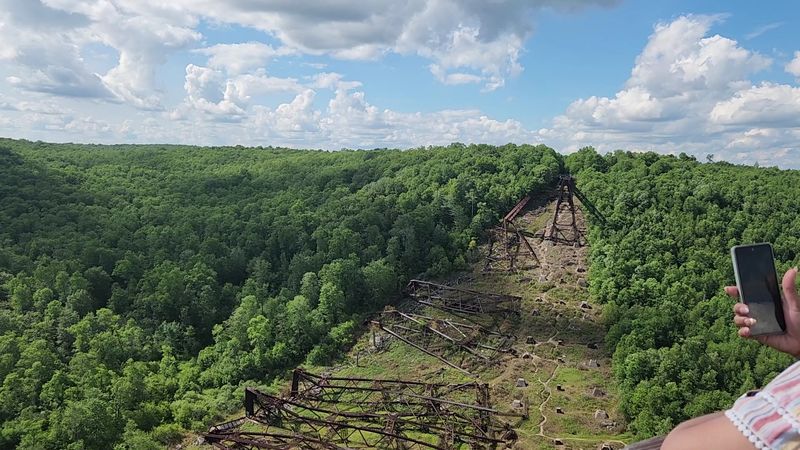
A tornado hit the Kinzua Viaduct in 2003, and the result is one of the most genuinely dramatic landscapes in Pennsylvania. Eleven of the bridge’s twenty towers collapsed, and rather than removing the wreckage, the state turned what remained into the Kinzua Sky Walk, a 624-foot pedestrian walkway that ends with a glass-floored observation deck hovering 225 feet above the valley below.
The viaduct was originally completed in 1882 and once held the title of the world’s tallest railroad bridge at 301 feet. Today, the twisted steel towers still rest where they fell on the valley floor, visible directly beneath the glass panel at the walkway’s end.
Admission to the park is free, and the visitor center includes two levels of interactive exhibits covering the bridge’s engineering history and the 2003 storm. Trails lead down into the gorge for a closer look, and fall foliage season turns the surrounding valley into one of the state’s most photogenic settings.
2. Landis Valley Village & Farm Museum, Lancaster, Pennsylvania
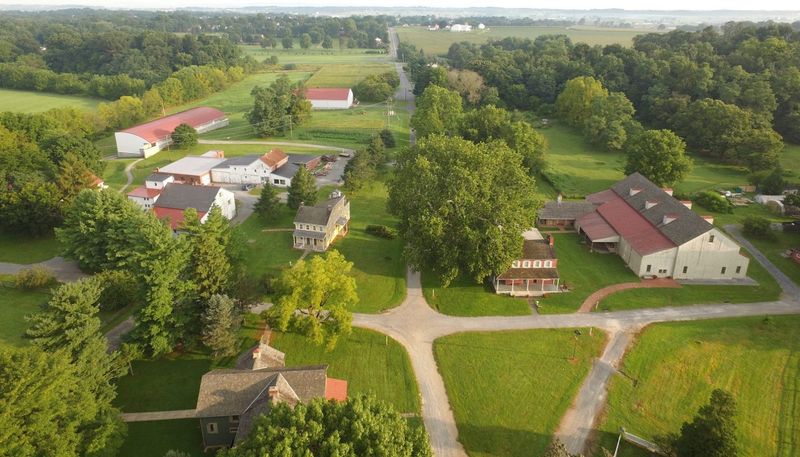
Lancaster County’s Pennsylvania German heritage is the kind of thing you can read about in a book, but Landis Valley makes it something you can actually walk through. The museum covers life from 1750 to 1940 across a sprawling collection of historic structures, including farmhouses, barns, a tavern, a country store, and craft shops, all preserved on a single site.
Adult admission is $12, which covers access to the full grounds and buildings. The sheer variety of structures means there is always another doorway worth ducking through, and the gardens and outdoor spaces give the visit a relaxed pace that indoor-only museums rarely manage.
The museum’s Heirloom Seed Project preserves plant varieties that were common in Pennsylvania German gardens centuries ago, adding an agricultural layer to the cultural story. Photography opportunities are everywhere, and the site rewards visitors who slow down rather than rush from building to building.
3. Independence Hall, Philadelphia, Pennsylvania
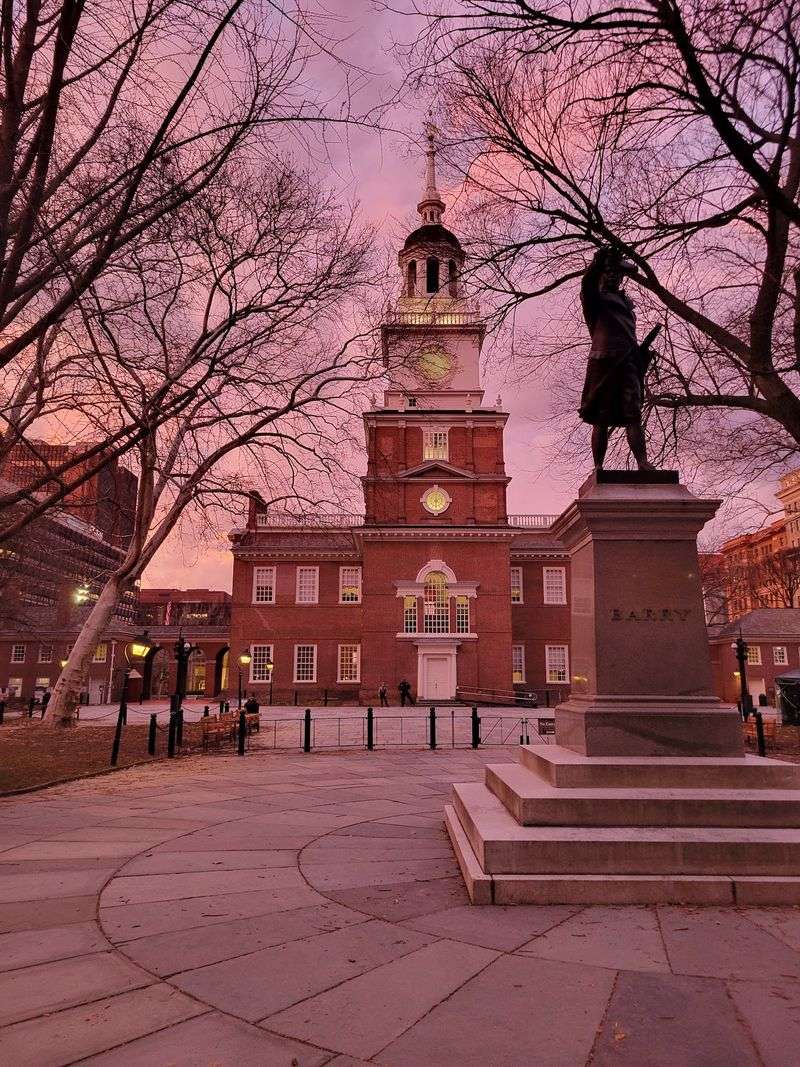
For roughly the price of a cup of coffee, you can stand in the room where the United States was essentially invented. Independence Hall is where delegates debated and signed both the Declaration of Independence in 1776 and the U.S.
Constitution in 1787, making it arguably the most consequential building in American history.
Tickets are free, with a $1 reservation fee per ticket for guided tours booked through Recreation.gov. The National Park Service runs the tours, which move through the Assembly Room where those historic debates took place, along with other connected spaces in the building.
The surrounding Independence National Historical Park includes additional free sites such as the Liberty Bell Center and Congress Hall, so a single visit can easily fill a half-day without any further cost. The park is centrally located in Philadelphia’s Old City neighborhood, putting it within easy walking distance of other historic landmarks along the same blocks.
4. Erie Maritime Museum, Erie, Pennsylvania
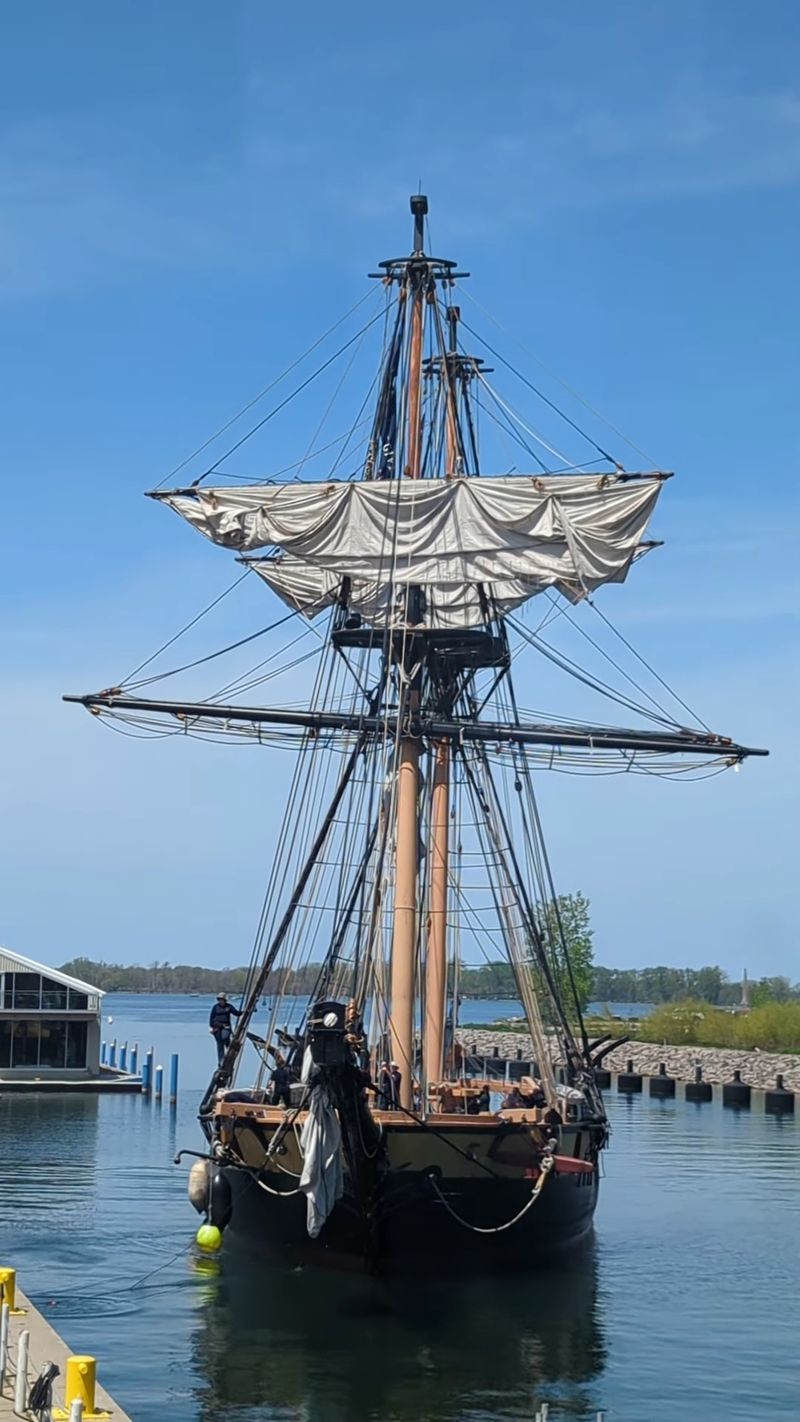
Lake Erie played a surprisingly large role in early American military history, and this waterfront museum makes that story accessible and engaging. The Erie Maritime Museum focuses on the Battle of Lake Erie in 1813, when Commodore Oliver Hazard Perry’s fleet defeated a British squadron in one of the most significant naval engagements of the War of 1812.
The museum also serves as the home port of the U.S. Brig Niagara, a reconstructed version of Perry’s flagship.
When the ship is in port, visitors can board it as part of the museum experience, which adds a hands-on dimension that purely indoor exhibits cannot match.
Adult admission is $10, with reduced rates for seniors and children. The exhibits cover not just the battle but also the broader history of Lake Erie commerce, fishing, and transportation over two centuries.
The museum’s waterfront location gives the whole visit a geographical logic that connects the indoor story to the lake sitting just outside.
5. Fort Hunter Mansion and Park, Harrisburg, Pennsylvania
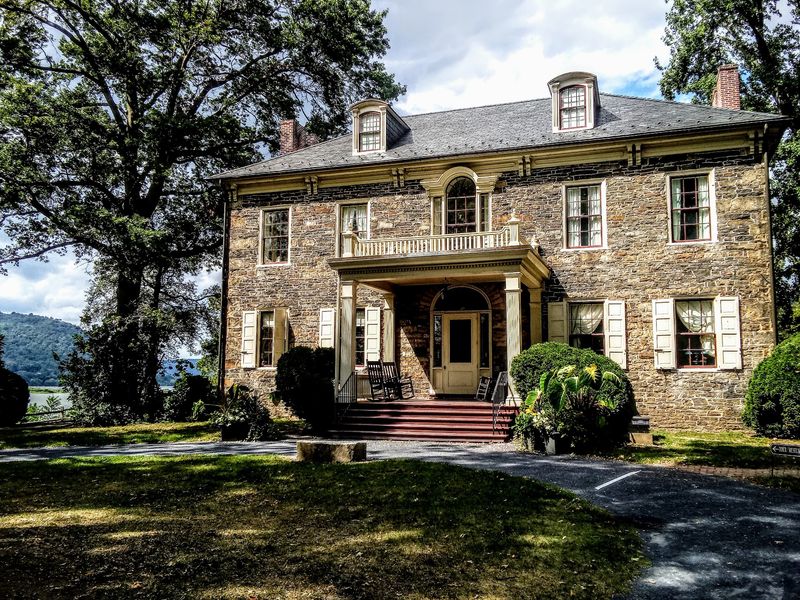
Just a few miles north of Harrisburg, Fort Hunter Mansion sits along the Susquehanna River on a property that has been occupied since the mid-1700s. The current mansion dates primarily to the early 19th century, and guided tours walk visitors through rooms furnished with period antiques that reflect the household’s history across multiple generations of ownership.
Adult tours cost $8 in 2026, with lower rates for students and children. The tour covers the mansion’s architecture, furnishings, and the families who shaped the property over nearly two centuries, making it a manageable and well-organized history experience rather than an overwhelming one.
The surrounding park grounds are free to access and stretch along the riverbank with picnic areas and open lawns. Many visitors end up spending more time outside after the tour than they originally planned, which is a fairly reliable sign that a historic site has done its job well.
The combination of indoor history and outdoor space gives the visit a natural two-part structure.
6. Hopewell Furnace National Historic Site, Elverson, Pennsylvania
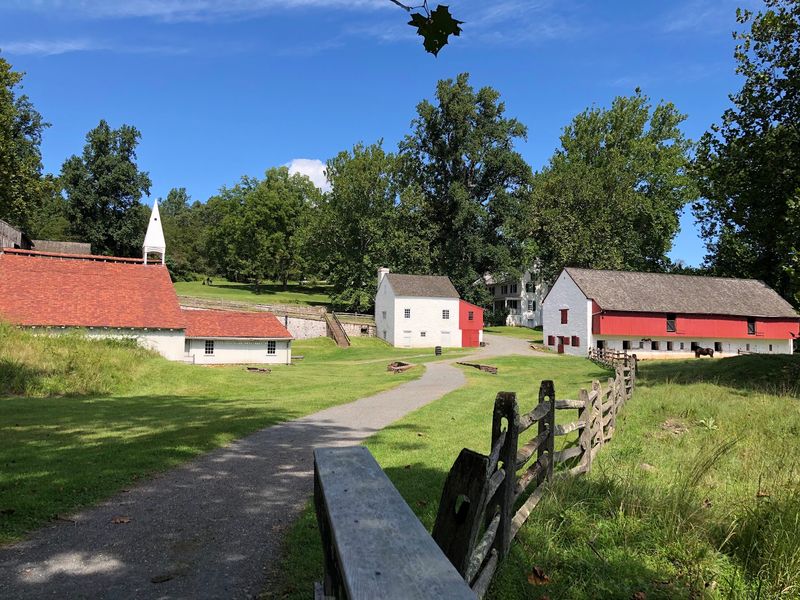
Before Pittsburgh became synonymous with American steel, communities like Hopewell Furnace were doing the hard work of turning raw iron ore into finished goods. This southeastern Pennsylvania site preserves an entire iron plantation as it operated from 1771 through 1883, complete with the furnace stack, ironmaster’s mansion, workers’ cottages, and a charcoal barn.
The National Park Service charges no entrance fee, which makes this one of the state’s better free history stops. Ranger-led programs and self-guided trails let visitors move through the site at their own pace, and the surrounding French Creek area adds a genuinely scenic backdrop to the historic structures.
What makes Hopewell stand out from typical industrial history sites is the human scale of the story. The community that lived and worked here included ironmasters, molders, colliers, and their families, all of whose lives are documented through the site’s exhibits and programs.
It is a complete social picture, not just a collection of old machinery.
7. Allegheny Portage Railroad National Historic Site, Gallitzin, Pennsylvania
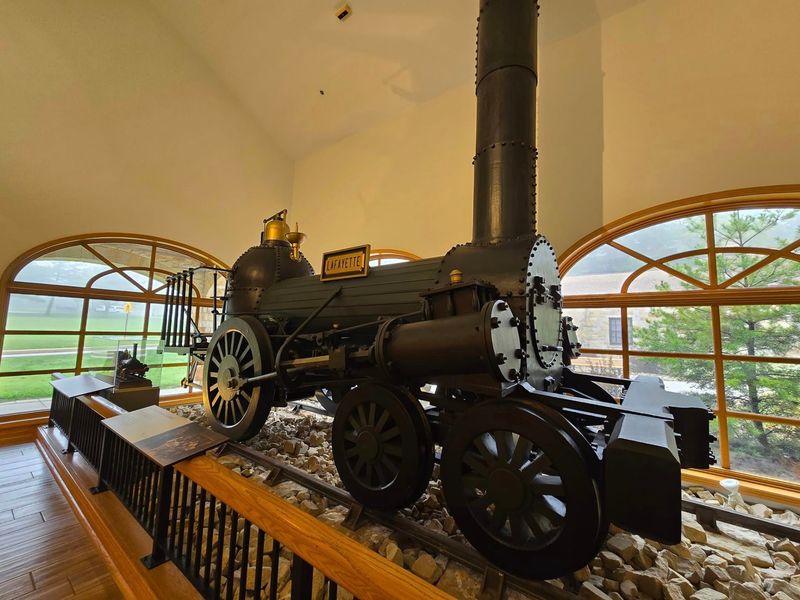
Getting cargo over the Allegheny Mountains in the 1830s was a genuine engineering puzzle, and the Portage Railroad was the solution. Canal boats were loaded onto rail cars and hauled up a series of ten inclined planes using stationary steam engines, allowing the Pennsylvania Main Line Canal to function as a continuous east-west transportation route before conventional mountain railroads existed.
The National Park Service preserves several pieces of this system at no charge, including the restored Lemon House tavern, the Engine House No. 6 area, and a network of trails that follow the original railroad grades. The visitor center includes exhibits and an orientation film that put the whole system in context before you head outside to explore.
The site sits near the summit of the Alleghenies at Gallitzin, giving the surrounding landscape a rugged character that fits the ambitious engineering story. Transportation history can sometimes feel dry in a museum setting, but walking the actual grades where those canal boats once traveled changes the experience considerably.
8. Old Economy Village, Ambridge, Pennsylvania
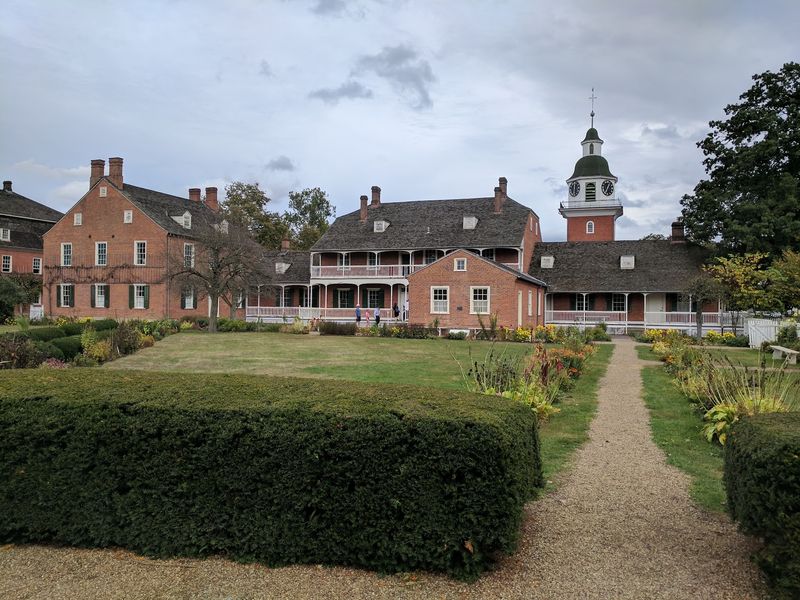
The Harmony Society was one of the most financially successful communal religious groups in American history, and Old Economy Village is where their story reached its final chapter. Founded in Ambridge in 1824, the community operated here until 1905, accumulating significant wealth through manufacturing and investment while living according to strict communal principles including celibacy.
Seventeen historic buildings survive at the site, including the Great House, the community hall, gardens, and various craft and work buildings. Adult admission is $10, and the combination of well-preserved interiors, unusual social history, and formal gardens makes the visit feel more layered than a standard historic house tour.
The Harmonists were skilled craftspeople and shrewd business operators, and the site reflects both sides of that identity. Their story raises questions about community, belief, and economic organization that are genuinely interesting to consider while wandering through the buildings.
It is the kind of history that sticks with you after you leave, which is not something every $10 admission can claim.
9. Washington Crossing Historic Park, Washington Crossing, Pennsylvania
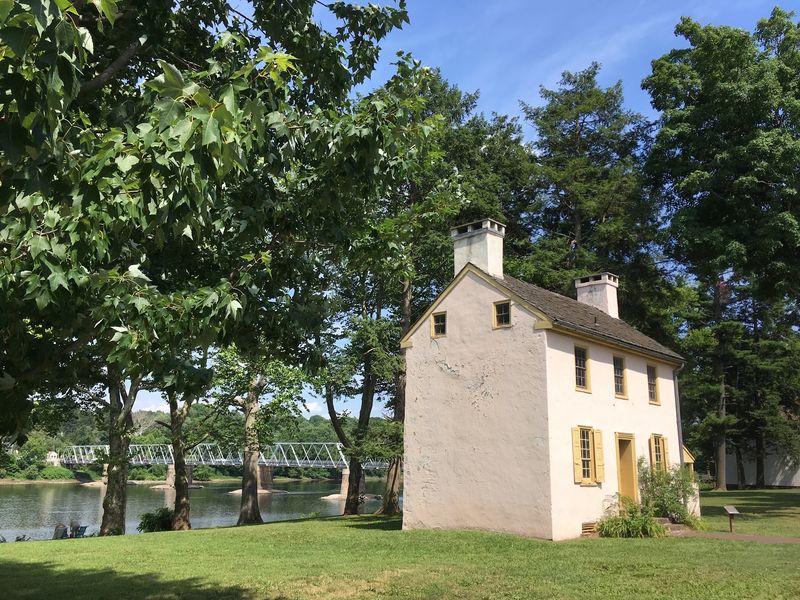
George Washington’s 1776 crossing of the Delaware River is one of the most famous moments in American military history, and this park preserves the Pennsylvania side of that story in concrete, walkable form. The site includes historic buildings, a boat barn housing reproductions of the Durham boats used in the crossing, and exhibits that cover the broader context of the New Jersey campaign.
General admission to the park is free, covering access to the historic village, the Lower Park Visitor Center, and an introductory film. Certain guided tours and specific attractions carry separate fees, but a thorough and satisfying visit is entirely possible without spending anything.
The park is divided into two sections connected by a scenic river road, with the McConkey’s Ferry Inn and other 18th-century structures in the upper section. The Delaware River itself remains the park’s most powerful feature, giving visitors a clear sense of the physical challenge that Washington’s army faced on the night of December 25, 1776.
10. Penn Museum, Philadelphia, Pennsylvania
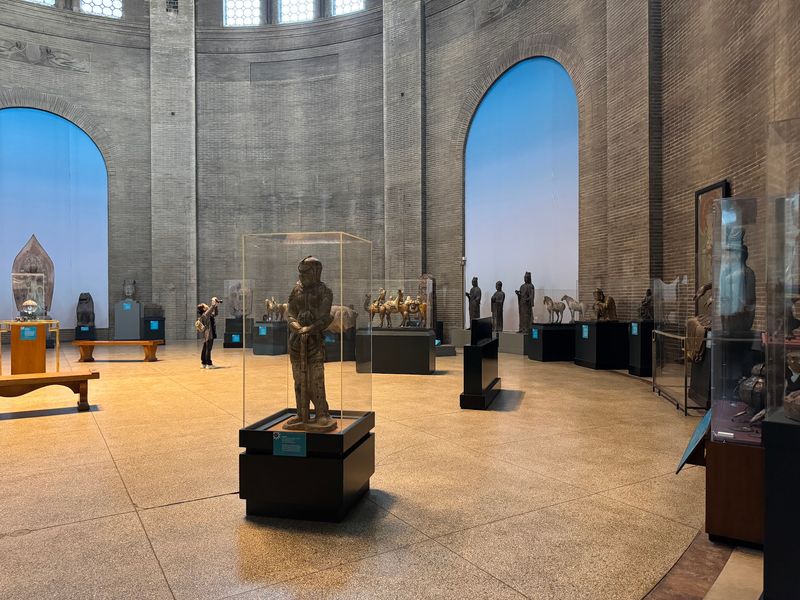
The University of Pennsylvania Museum of Archaeology and Anthropology, better known as the Penn Museum, holds one of the largest archaeological collections in the Western Hemisphere. Its galleries cover ancient Egypt, Mesopotamia, the ancient Mediterranean, Asia, and the Americas, with major artifacts that include a 12-ton granite sphinx and grave goods from the Royal Cemetery of Ur.
General adult admission is $18, keeping a standard visit just under the $20 mark. The museum’s building, opened in 1899, is itself worth noting, with a rotunda modeled on the Pantheon in Rome anchoring a sprawling complex of connected galleries.
The scale of the collection means there is a genuine risk of museum fatigue if you try to see everything at once, so it is worth picking a few civilizations to focus on. The Egyptian and Near Eastern galleries tend to draw the most attention, but the Mesoamerican and Chinese collections are equally substantial and considerably less crowded on a typical weekday visit.
11. Ringing Rocks County Park, Upper Black Eddy, Pennsylvania
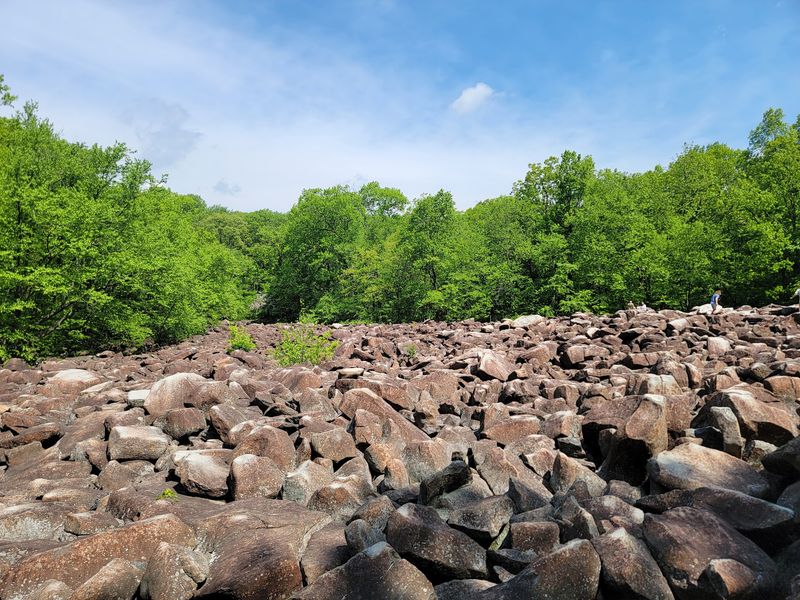
Most rock fields are just rock fields. This one rings.
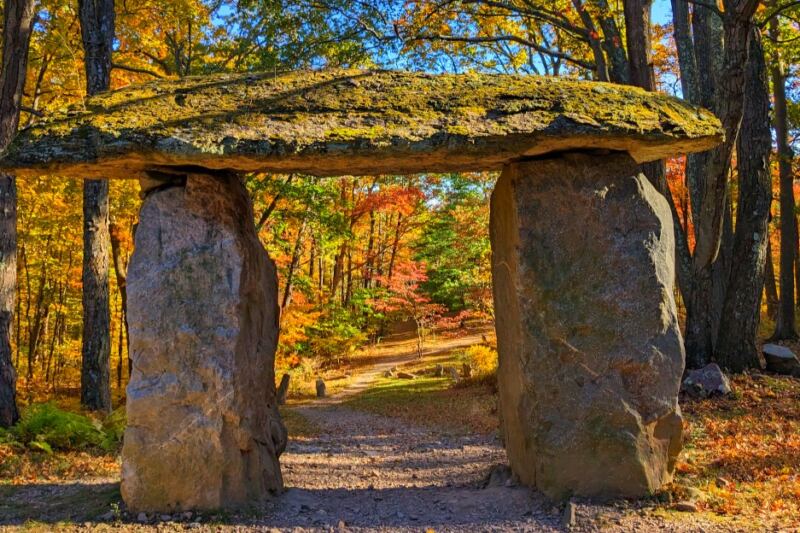
The boulder field at Ringing Rocks County Park in northern Bucks County is made up of diabase rocks, and when struck with a hammer, certain boulders produce clear, resonant tones rather than the dull thud you would expect from stone. Scientists have studied the phenomenon for years without reaching a definitive consensus on exactly why it happens.
The field covers about seven acres and is completely free to visit. Bucks County Parks recommends bringing a hammer, since the ringing quality varies significantly from rock to rock and part of the fun is searching for the best-sounding ones.
A short trail also leads to a waterfall within the park, giving the outing a second destination beyond the boulder field. The combination of a genuinely strange natural phenomenon and a free county park setting makes Ringing Rocks one of the most memorable low-cost stops in the state.
It is the kind of place that is hard to describe convincingly until you actually hear it for yourself.
12. Railroad Museum of Pennsylvania, Strasburg, Pennsylvania
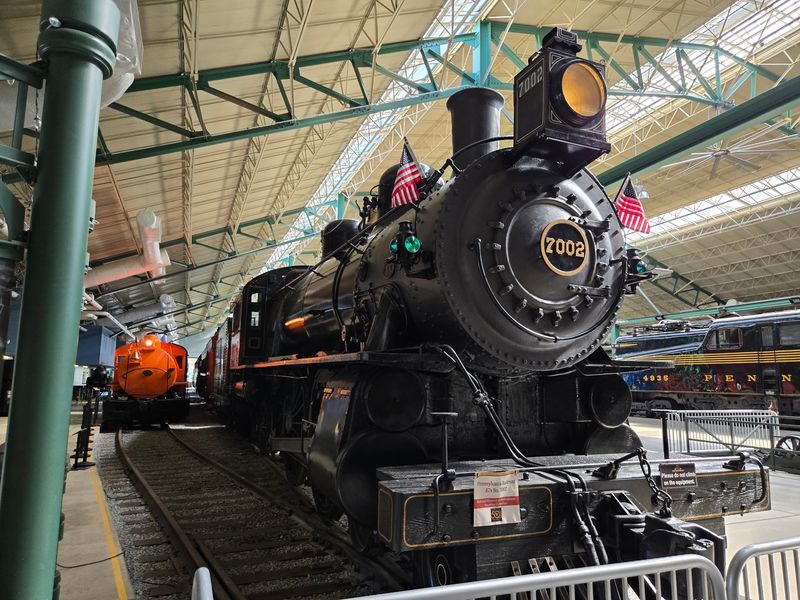
The Railroad Museum of Pennsylvania does not ease you into its collection gradually. You walk in and the locomotives are just there, enormous and close, filling the main hall in a way that makes the scale of 19th and 20th-century rail travel immediately clear.
The museum holds over 100 historic locomotives and railroad cars, making it one of the largest collections of its kind in the country.
Adult admission is $10, which is a straightforward bargain for what the museum contains. The collection includes steam engines, electric locomotives, diesel equipment, and passenger cars from multiple eras, with enough variety to hold the attention of visitors who did not arrive as railroad enthusiasts.
The museum is located in Strasburg, Lancaster County, putting it within easy reach of the operating Strasburg Rail Road next door, which offers excursion rides on steam-powered trains. Visiting both sites in a single day is a practical option, and the combination covers Pennsylvania railroad history from its industrial peak through its preservation era in a satisfying and well-organized sequence.
Share this story