Pennsylvania has more history packed into its borders than most states could dream of. From colonial diplomats to Gilded Age industrialists, the people who built this country often built their homes here too. Across the Keystone State, you can walk through rooms where presidents slept, scientists worked, and frontier families raised their children. Some of these homes still have the original furniture in place, which means you are not just reading about history, you are practically tripping over it.
This list covers 11 remarkable historic homes spread across Pennsylvania, each one open to visitors and worth the trip. A few of them will genuinely surprise you, including one concrete castle, one house with a tile obsession that borders on legendary, and one riverside property tied to the discovery of oxygen. Whether you are a history enthusiast or just someone who enjoys a good story told through old walls, there is something here for everyone.
1. Pennsbury Manor, Morrisville, Pennsylvania
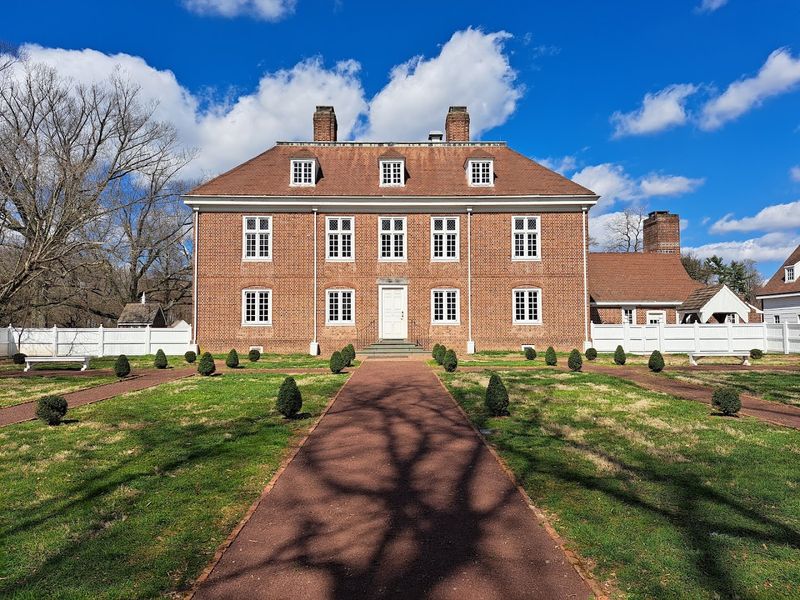
William Penn built his country estate along the Delaware River not as a symbol of power, but as a working home, and today that story comes through clearly on a guided visit. The 43-acre property is Pennsylvania’s only site dedicated entirely to Penn’s legacy, and it covers far more than just the founder’s life.
Tours last about 90 minutes and begin with a short film before moving through the furnished Manor House and its surrounding outbuildings. Interpreters in period clothing demonstrate colonial skills including open-hearth cooking, joinery, and blacksmithing, giving the whole experience a hands-on quality that sets it apart from a typical museum walkthrough.
The heritage gardens and stable area add even more texture to the visit, and the award-winning “Seed of a Nation” exhibit provides useful historical context. A covered picnic pavilion near the river makes a relaxing spot to wrap up the afternoon. Seasonal programming runs from April through October with rotating demonstrations and themed events.
2. Graeme Park, Horsham, Pennsylvania
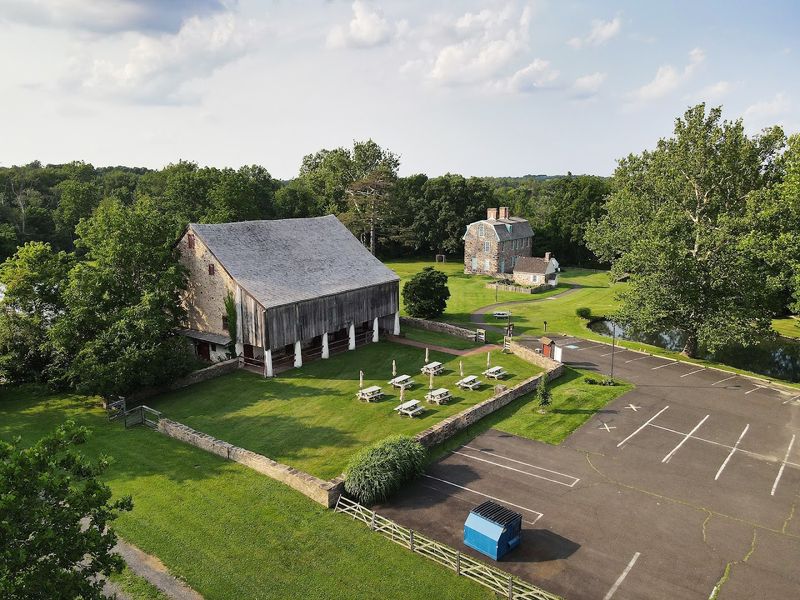
The only surviving residence of a colonial Pennsylvania governor sits quietly on 42 acres in Horsham, looking much as it did when Sir William Keith built it in 1722 as a summer retreat. The stone mansion has kept its original woodwork and paint finishes largely intact, which is a genuinely rare thing for a building this old.
Dr. Thomas Graeme acquired the property in 1739 and transformed it into an elegant social hub, but it was his daughter Elizabeth who truly made the place memorable. An exceptionally well-educated woman for her era, Elizabeth Graeme Fergusson hosted some of America’s earliest literary salons here, gathering poets, politicians, and physicians for lively intellectual gatherings.
The estate faced confiscation during the Revolutionary War due to loyalist associations, though influential friends eventually helped secure its return to Elizabeth. Guided tours cover the full political and personal history, while walking trails, a pond, and frequent wildlife sightings make the grounds worth exploring on their own. Annual lantern tours playfully nod to rumors of Elizabeth’s ghost.
3. Daniel Boone Homestead, Birdsboro, Pennsylvania
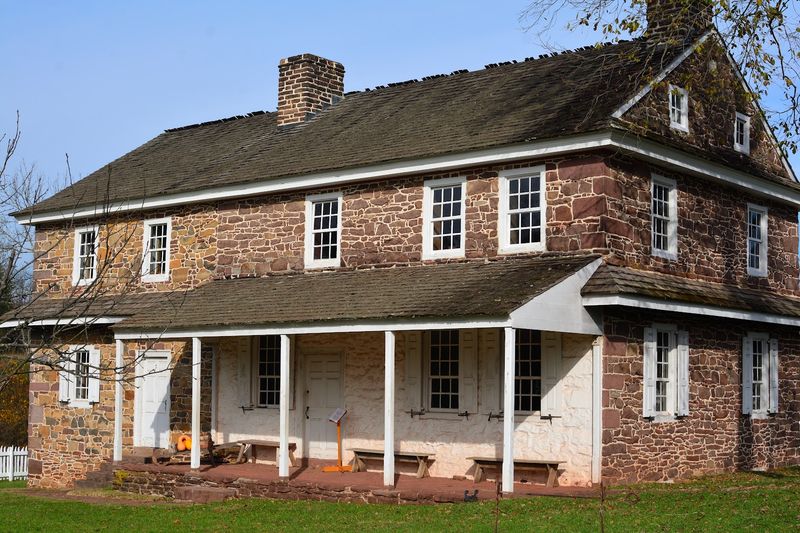
Long before Daniel Boone became a frontier legend, he was just a kid growing up on a 579-acre property in the Oley Valley, and that property still exists and welcomes visitors today. The Boone House started as a simple one-story log cabin built by his father Squire in 1730 and gradually grew into the two-story stone structure you can tour now.
The homestead covers far more than one family’s story. It interprets the broader community of 18th-century settlers, including the lives of enslaved people, indentured servants, and apprentices who all called this place home at various points. A Smokehouse, Blacksmith Shop, Homestead Barn, and a relocated Bertolet Log House with its Bakehouse and Sawmill are all open to visitors.
Miles of hiking trails wind through the scenic property, and the lake provides a quiet spot for a break. Living history programs, flintlock shoots, and nature walks run throughout the year, making every season a slightly different experience at this richly layered historic site.
4. Hope Lodge, Fort Washington, Pennsylvania
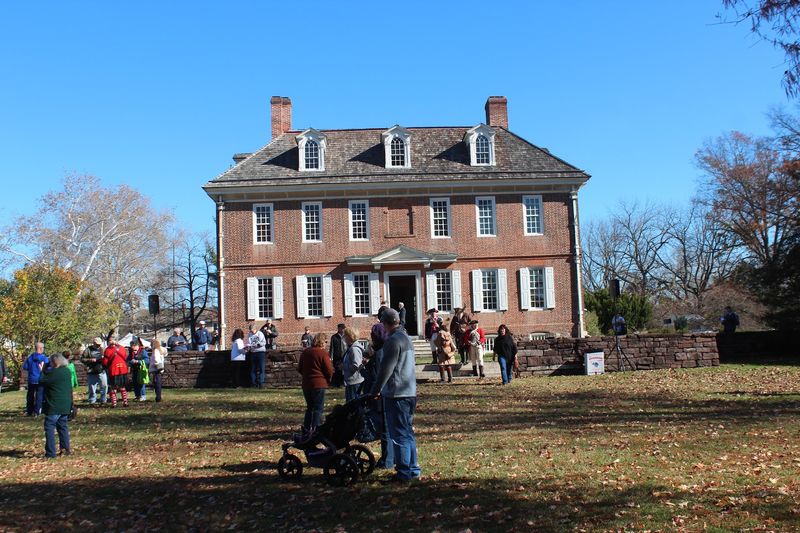
Built between 1743 and 1748 by Quaker entrepreneur Samuel Morris, Hope Lodge is one of the finest examples of early Georgian architecture still standing in Pennsylvania, and it comes loaded with a Revolutionary War backstory that most visitors do not expect. During the Whitemarsh Encampment of late 1777, the mansion served as headquarters for Dr. John Cochran, Surgeon General to George Washington.
For roughly a month, Hope Lodge provided shelter and strategic space for American troops while Continental forces successfully held off British advances nearby. The house changed hands several more times after the war, and its interior today reflects two distinct decorating periods: Colonial style from 1743 to 1770 and Colonial Revival style from 1922 to 1953, giving visitors an interesting side-by-side comparison.
One of the fireplaces even features King of Prussia Marble, a local limestone that adds a geological footnote to the historical tour. The Colonial Revival gardens outside invite a relaxed stroll, and annual events like the Whitemarsh Encampment reenactment bring the Revolutionary War chapter vividly back to life.
5. Conrad Weiser Homestead, Womelsdorf, Pennsylvania
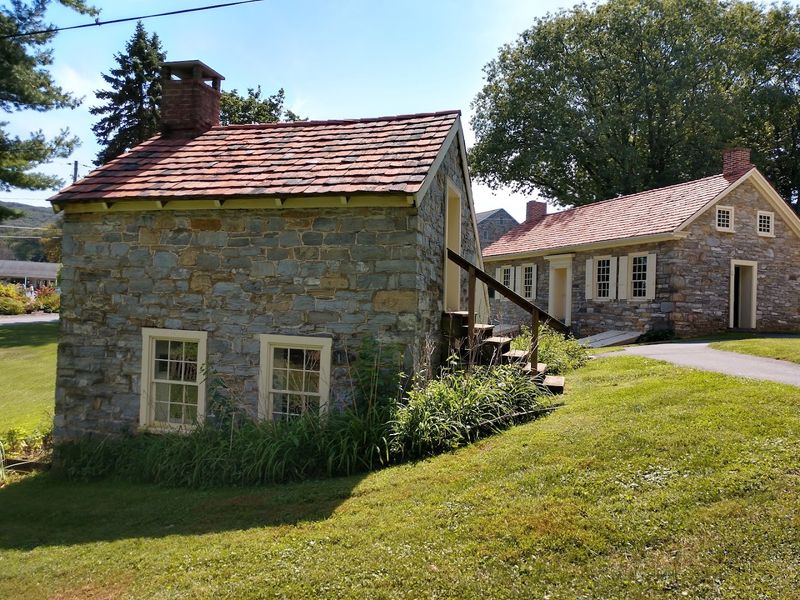
Not every historic home belongs to a president or a wealthy industrialist. Conrad Weiser was a German immigrant who became one of the most important diplomatic figures in colonial Pennsylvania, negotiating every major treaty between Pennsylvania settlers and the Iroquois Nations from 1731 to 1758, and his homestead tells that underappreciated story with real depth.
Weiser’s diplomatic skill came from lived experience. At age 15, he moved in with a Mohawk family, learned their language, and absorbed their customs, a background that made him uniquely effective as a negotiator for decades. The 26-acre national historic landmark includes seven buildings, three of which are open to visitors, along with the Weiser Family Cemetery and a Spring House tucked into the grounds.
The Visitor Center features two galleries dedicated to Weiser’s career, while the Weiser House includes a furnished period room that transports visitors back to the 1700s. Tours are mostly self-guided, though knowledgeable volunteers are available to fill in the gaps. Living History Sundays feature open-hearth cooking demonstrations, and Candlelight Tours add a memorable evening option.
6. Wheatland, Lancaster, Pennsylvania
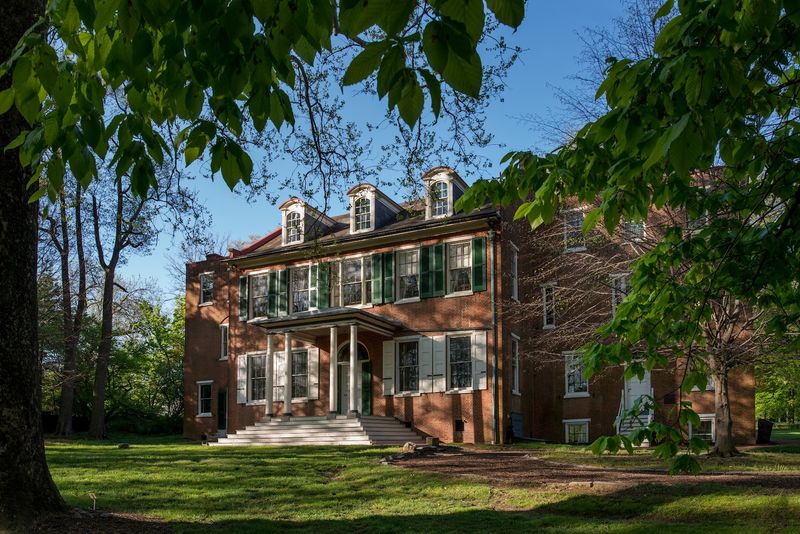
James Buchanan is not always at the top of favorite presidents lists, but his Lancaster estate is genuinely one of the most authentically preserved presidential homes in the country. Built in 1828 and purchased by Buchanan in 1848, Wheatland’s Federal-Greek Revival interior has changed surprisingly little since the 1856 presidential campaign was launched from its parlors.
About 90 percent of the furnishings inside are original pieces, and the architecture itself has remained mostly unaltered, which means guided tours feel less like a museum visit and more like walking into a paused moment in time. Costumed interpreters lead one-hour tours with minimal room barriers, so guests can actually stand in the spaces the president used daily rather than peering at them through velvet ropes.
Wheatland sits within a 10-acre Campus of History that also includes the LancasterHistory Museum, the Thaddeus Stevens and Lydia Hamilton Smith Center, and a peaceful arboretum. Special holiday tours run in November and December. The research center on campus holds over two million historical documents for anyone wanting a deeper look.
7. Fonthill Castle, Doylestown, Pennsylvania
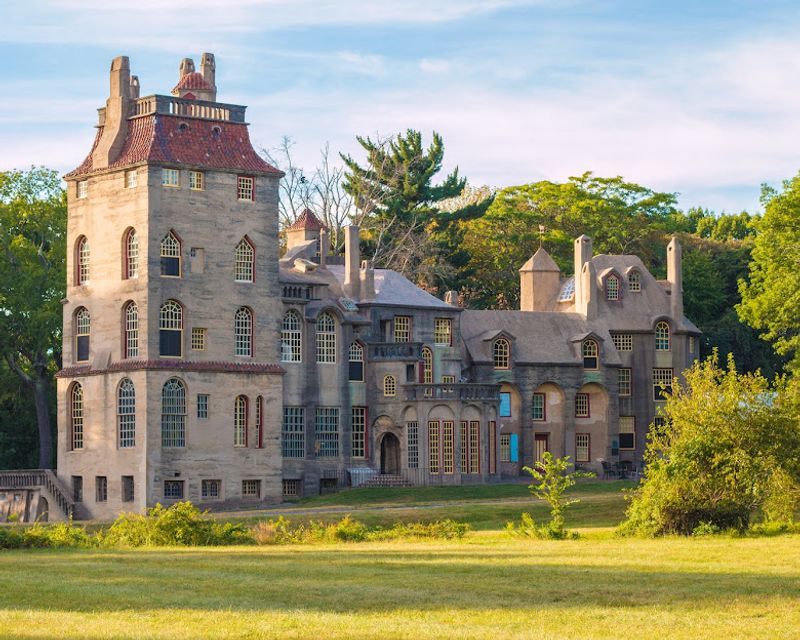
Henry Chapman Mercer was an archaeologist, anthropologist, and ceramicist who decided that conventional houses were simply not interesting enough, so he built himself a concrete castle. Fonthill, completed in 1912, covers 19,000 square feet and contains 44 rooms, 18 fireplaces, and 200 windows, with nearly every interior surface decorated in his famous handcrafted Moravian tiles.
The architectural style defies easy labeling, blending Medieval, Gothic, and Byzantine influences into something that feels entirely its own. Mercer designed the building room by room without a master plan, which explains why the layout is a maze of winding staircases, unexpected corridors, and rooms that seem to appear out of nowhere. That spontaneous quality makes it endlessly interesting to explore.
Guided tours run about an hour and cover the main rooms and passages, but the real prize is the Behind the Scenes Tour, which grants access to turrets, hidden corridors, and spaces not on the standard route. The surrounding 10-acre grounds offer a calm contrast to the castle’s interior energy. Mercer left Fonthill to the public upon his passing in 1930, and it has been a museum ever since.
8. The Frick Pittsburgh, Pittsburgh, Pennsylvania
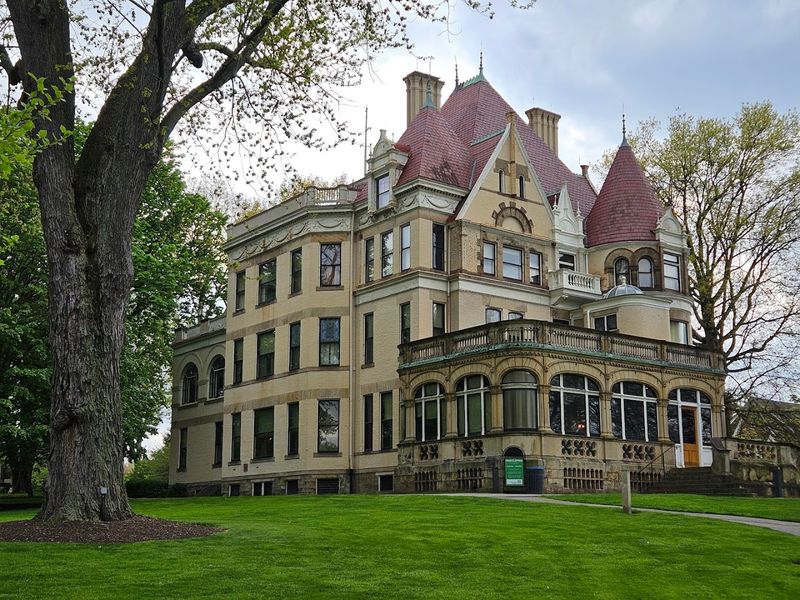
Henry Clay Frick purchased an 11-room Italianate house in Pittsburgh in 1882 and then spent the next decade turning it into a 23-room, four-story Loire chateau called Clayton. Today it stands as the only fully preserved Gilded Age mansion in Pittsburgh, with a remarkable 90 percent of its original furnishings still in place, which puts it in rare company among historic homes anywhere in the country.
Guided tours of Clayton run 75 minutes and use 1892 as their focal point, exploring the family’s lifestyle alongside Pittsburgh’s industrial rise and the complicated realities of the Gilded Age, including the Homestead strike. Recent renovations opened the previously restricted third and fourth floors, adding new depth to an already layered experience.
The surrounding campus includes the Frick Art Museum with European paintings and decorative arts, a Car and Carriage Museum, a working Greenhouse, a Playhouse, and well-maintained gardens. The Cafe on the grounds makes it easy to turn a morning visit into a full day. Families with children will find the carriage museum’s dedicated play area a welcome bonus.
9. Woodville, Bridgeville, Pennsylvania
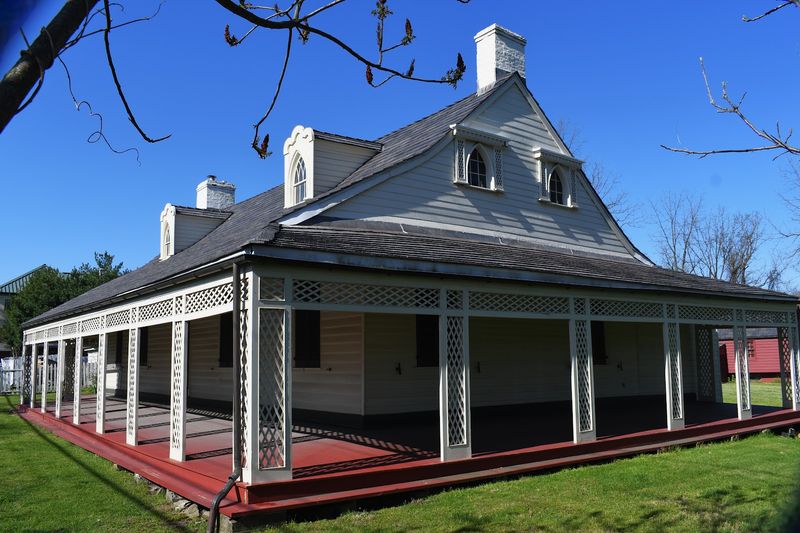
Forty-eight diamond-etched windows are one of the first things that serious history visitors mention about Woodville, and they are exactly as intriguing as they sound. Believed to have been created by scratching the glass with a diamond ring, these markings appear throughout the house, with 20 of them in the living room alone, suggesting they were meant to be noticed by family and guests alike.
The house dates to around 1775 and was home to John Neville, a central figure in the Whiskey Rebellion, one of the earliest tests of federal authority in the young United States. The property also documents the lives of the hundreds of enslaved individuals who labored here, a history that guided tours address directly and thoughtfully.
Recognized as the oldest historic house museum in southwestern Pennsylvania and a National Historic Landmark, Woodville was saved from demolition in the 1970s by the Pittsburgh History and Landmarks Foundation. Guided tours run on Sundays from April through November, while the grounds are open daily for self-guided exploration. Military drill demonstrations and seasonal events add variety throughout the year.
10. Ephrata Cloister, Ephrata, Pennsylvania
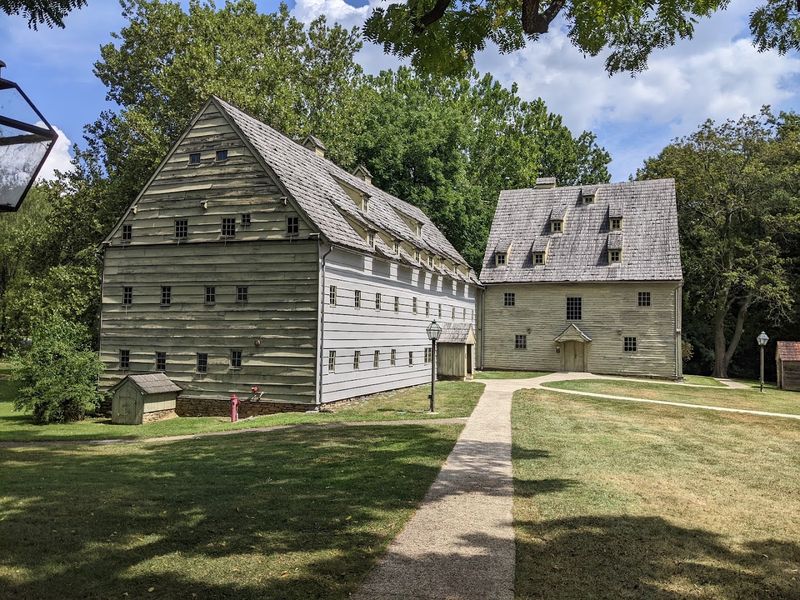
Founded in 1732, Ephrata Cloister was not a typical family home by any stretch of the imagination. It was a Protestant monastic community of celibate Brothers and Sisters living alongside a married congregation, and at its peak in the mid-1700s, it housed nearly 300 members who produced their own music, ran a printing press, and practiced an elaborate form of Germanic calligraphy called Frakturschriften.
The community’s distinctive Germanic-style buildings include dormitories, a Sisters’ House, and a Meetinghouse that visitors can access on guided tours running about 90 minutes. Seven additional historic structures and a Visitor Center exhibit are open for self-guided exploration, giving the site a generous amount of ground to cover at your own pace.
During the Revolutionary War, the Cloister served as a military hospital, a chapter of its history that specialized Expanded Site Tours cover in useful detail. The last celibate member passed in 1813, and the married congregation continued worship until 1934 before the Commonwealth of Pennsylvania acquired the site in 1941. Annual events include an apple dumpling sale in October and holiday programs in December.
11. Joseph Priestley House, Northumberland, Pennsylvania
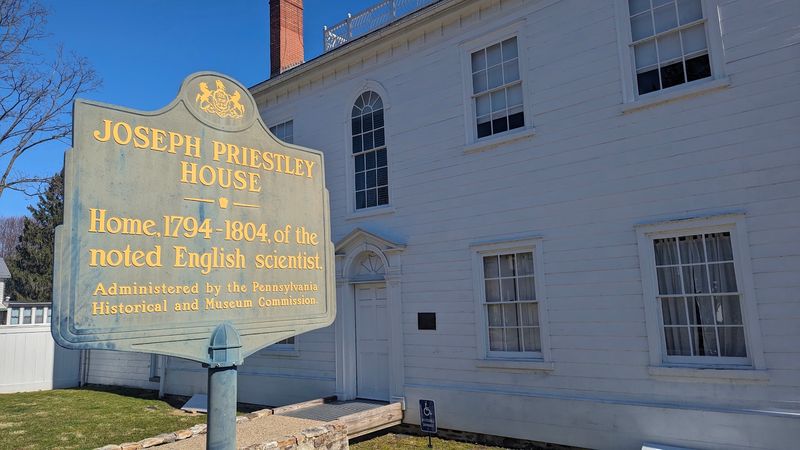
Most people associate the discovery of oxygen with a laboratory, not a riverfront home in rural Pennsylvania, but that is exactly where Joseph Priestley spent the last decade of his life conducting research. Priestley fled England in 1794 after facing persecution for his religious and political views, and he built this Georgian-style house with Federalist accents in Northumberland, completing it in 1798.
His wife Mary designed the home, though she did not live to see it finished. Inside, Priestley maintained one of the largest private libraries in America at the time, holding roughly 1,600 volumes, and continued his scientific and theological writing until his passing in 1804. He corresponded regularly with Benjamin Franklin, John Adams, and Thomas Jefferson, and his influence on early American intellectual life was considerable.
Designated both a National Historic Landmark and a National Historic Chemical Landmark, the site preserves the manor house and Priestley’s dedicated laboratory. Guided tours cover two floors of the residence with period furnishings and scientific artifacts throughout. The Pond Building houses a comprehensive Priestley Timeline, and annual events include a science-focused Scouts Day and Ghost Tours that add a lively twist to the calendar.
Share this story