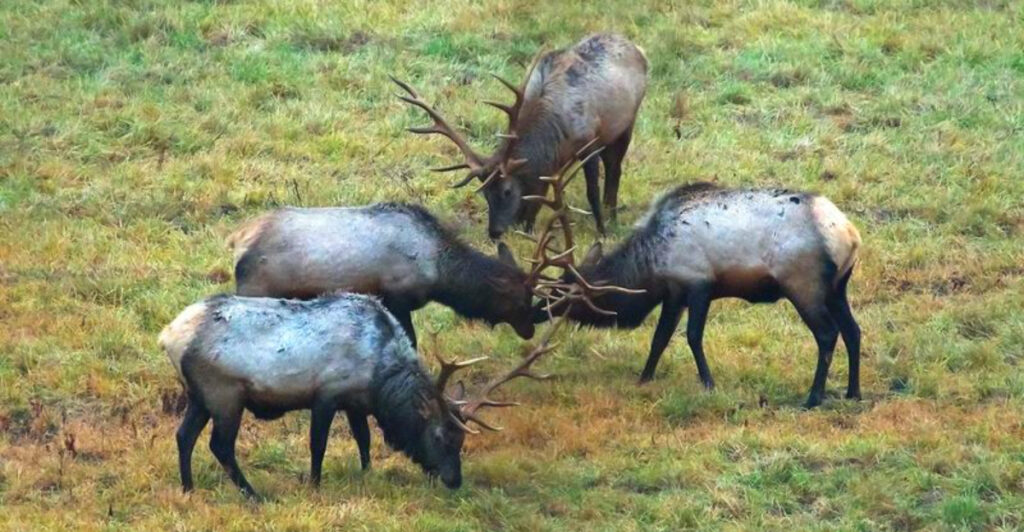
Pennsylvania offers one of the East Coast’s best opportunities to see wild elk roaming freely through forests, meadows, and mountain valleys. The state’s enormous elk range provides numerous places to watch these impressive animals without fences or staged encounters.
These 12 viewing spots range from accessible overlooks and visitor centers to quieter backcountry trails. Fall brings the unforgettable bugling and sparring of the rut, but Pennsylvania’s wild elk make this region worth exploring throughout the year.
1. Elk Country Visitor Center, Benezette, Pennsylvania
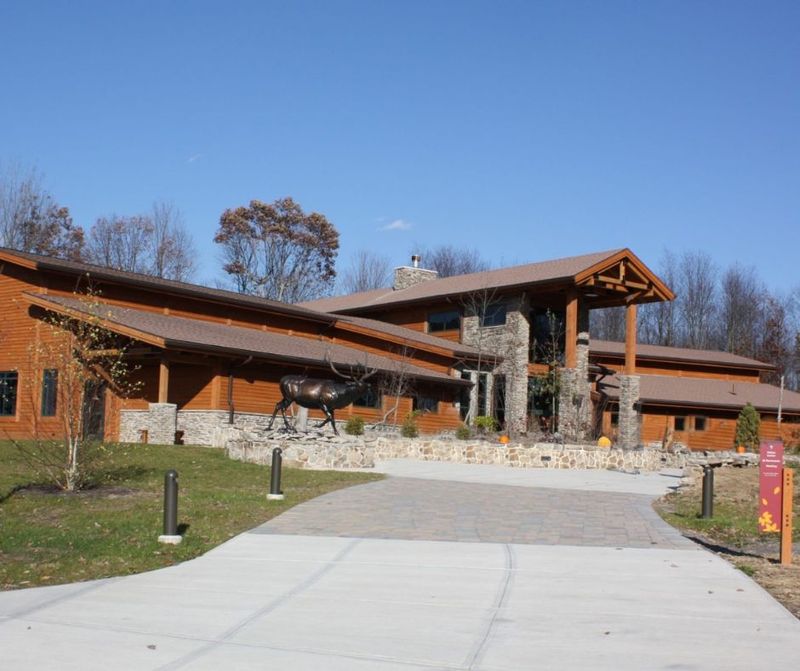
Half a million visitors a year make the drive to this 245-acre property in Benezette, which tells you something important: this is not a casual roadside stop.
The center sits at the heart of Pennsylvania’s elk range and offers three walking trails, including the Buckeneezer Hollow Trail, which leads to a viewing blind overlooking a large food plot where elk gather regularly.
Inside, the Great Room features full-size taxidermy displays, panoramic windows framing live elk habitat, and interactive touch-screen panels covering wildlife conservation.
A Discovery Room lets kids and curious adults handle actual antlers and bones, while a 4D interactive theater takes the educational experience a step further.
A 45-minute covered wagon tour crosses the property and gives visitors an elevated perspective on the herd and the conservation story behind it.
The on-site Elk Country Store sells locally made gifts, and proceeds support elk conservation programs directly. This is the most complete elk-viewing experience Pennsylvania offers.
2. Winslow Hill Elk Viewing Area, Benezette, Pennsylvania
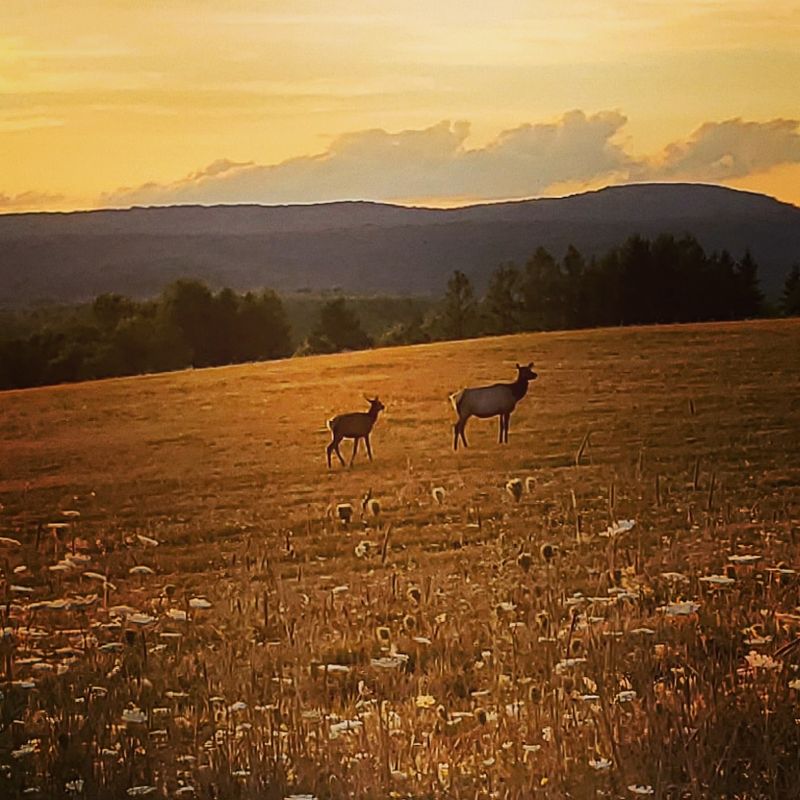
Winslow Hill holds the unofficial title of Pennsylvania’s best elk-watching spot, and the herd that gathers across its open meadows makes a strong case for that reputation.
The Pennsylvania Game Commission maintains two separate viewing areas here, both with off-road parking, a pavilion, and portable toilets, so a long morning wait is actually comfortable.
Drive roughly 3 to 3.6 miles north from Route 555 in Benezette along Winslow Hill Road, and the landscape opens up into acres of managed fields where elk can be close enough that binoculars feel optional.
A large parking lot at the top of the hill provides access to a panoramic overlook above the main feeding areas.
During the fall rut, which typically runs from August through October, bull elk bugle across the hillside with surprising volume.
White-tailed deer, black bear, wild turkey, and fox also frequent the area, making every visit a broad wildlife-watching opportunity beyond just the elk.
3. Dents Run Elk Viewing Area, Benezette, Pennsylvania
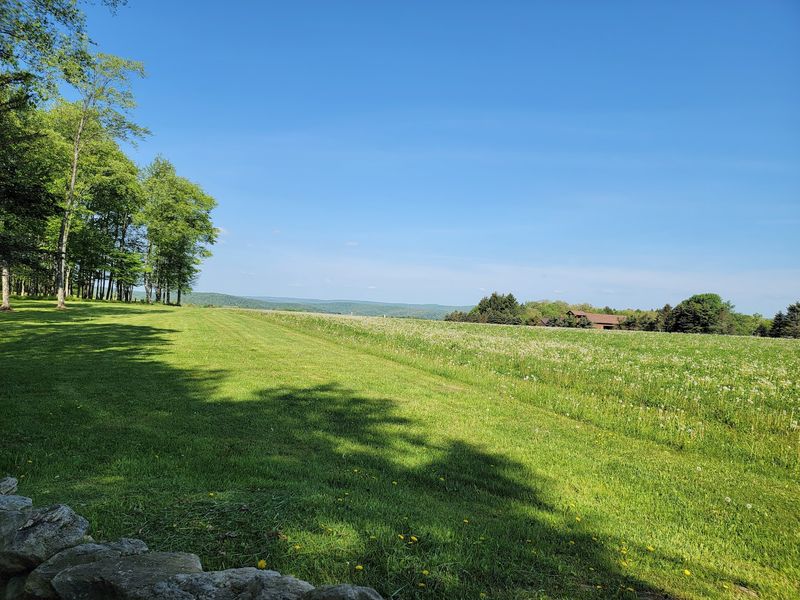
An elevated overlook with a stone wall, four open fields below, and a covered amphitheater behind you: Dents Run is designed for serious elk watching, not a quick glance from a car window.
The Pennsylvania Game Commission plants food plots of winter wheat, oats, grasses, and clovers each spring and fall to keep elk returning to this location consistently throughout the year.
Handicap-accessible parking and an ADA-compliant walkway lead to the overlook, where interpretive displays provide background on the history and ecology of the Pennsylvania elk herd.
Every fall, the Game Commission hosts presentations on elk natural history at the on-site amphitheater, which adds an educational layer to what is already a visually impressive stop.
September and October are peak season here, when the rut brings more bulls into the open and the surrounding hills shift into fall color.
Located a short distance down Winslow Hill Road from the main Winslow Hill area, Dents Run is a natural addition to any full-day elk-watching itinerary.
4. Hicks Run Wildlife Viewing Area, Driftwood, Pennsylvania
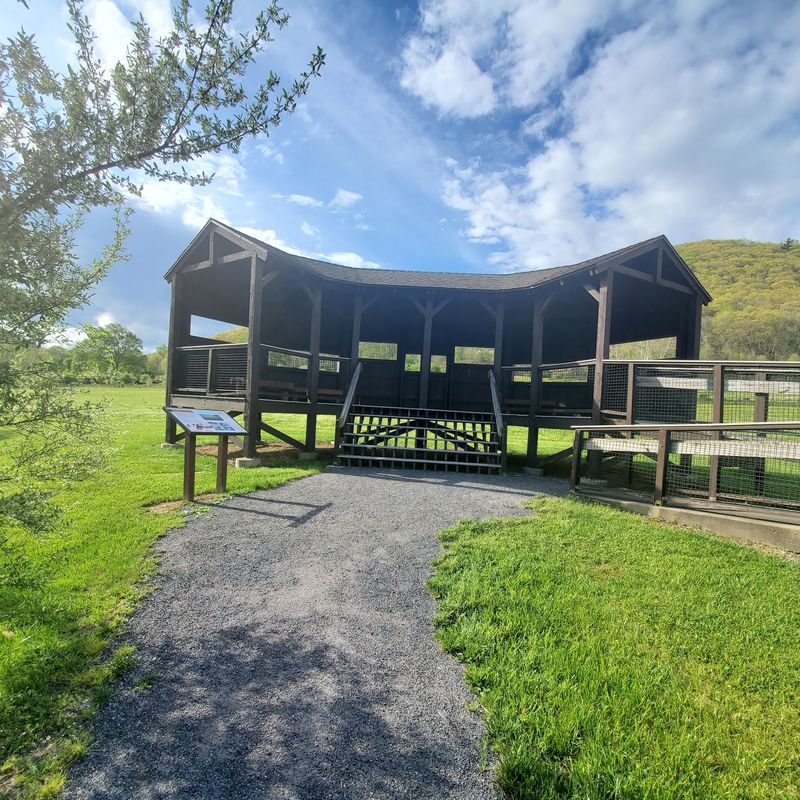
About 12 miles east of Benezette along Route 555, Hicks Run sits apart from the busy Winslow Hill cluster, offering a noticeably quieter and more secluded viewing experience.
A covered, handicap-accessible blind overlooks a wide field planted with high-quality elk forage, and the Game Commission confirms that elk appear here regularly during early morning and late evening hours throughout the year.
Wildlife photographers particularly appreciate the combination of the enclosed blind, the open feeding area, and the forest edge behind it, which creates a clean, unobstructed background for shots.
Off-highway parking is available adjacent to the Hicks Run Cemetery on Route 555, and compost toilets are on-site for visitor convenience.
The nearby cemetery grounds, shaded by mature trees, have been noted as a spot where elk occasionally bed down, which adds an unexpected dimension to the visit.
On the opposite side of Route 555, a small lot provides access to the Bennett Branch of Sinnemahoning Creek for anyone who wants to extend the outing.
5. Hoover Farm Wildlife Viewing Area, Driftwood, Pennsylvania
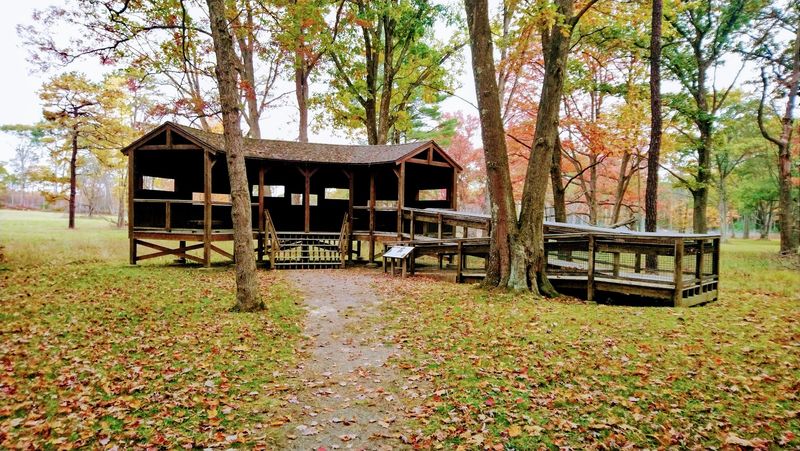
Tucked into the Moshannon State Forest at the intersection of Wykoff Run Road and Quehanna Highway, Hoover Farm delivers a genuine backcountry atmosphere without requiring a long or difficult hike to get there.
The DCNR owns the property and maintains food plots and wildlife openings specifically to draw elk and other animals out of the surrounding big woods, making sightings here reliable rather than accidental.
A 300-yard ADA-compliant trail runs from the parking area through a mature hardwood forest directly to the accessible viewing blind, and the short walk itself offers good opportunities for spotting songbirds.
Informational kiosks near the blind explain the local wildlife and the management philosophy behind the habitat design, and non-flush toilets are available on-site.
The remote feel of the location is a genuine draw for visitors who find the busier spots around Benezette too crowded during peak fall weekends.
Hikers and cyclists can connect to additional trails via Riddle Road, opening up more of the Quehanna Wild Area for exploration.
6. Miller Run Wildlife Viewing Area, Driftwood, Pennsylvania
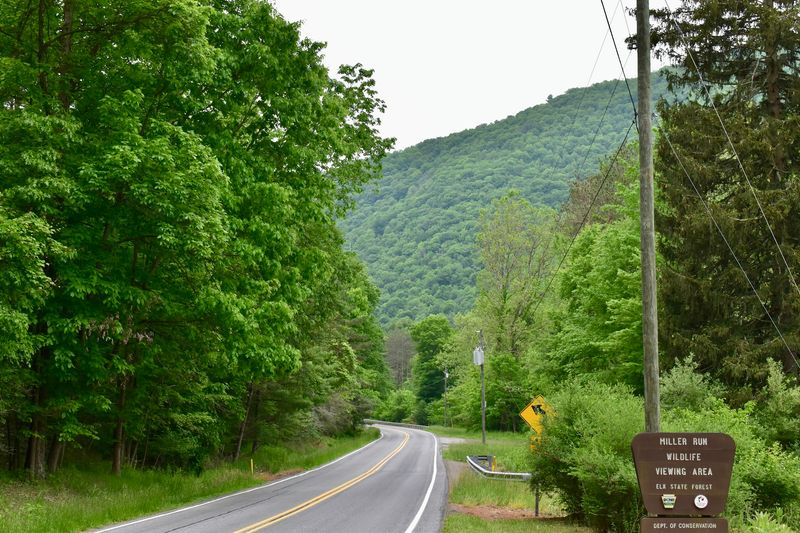
Travelers who treat elk-watching as a road trip rather than a single-destination event will find Miller Run a rewarding addition to any Pennsylvania Wilds itinerary.
The Pennsylvania Game Commission lists Miller Run among the designated elk-viewing areas managed by the Department of Conservation and Natural Resources, and its maintained wildlife food plot is specifically designed to attract elk from the surrounding forest.
The site offers a panoramic view across the lower Bennett Branch of Sinnemahoning Creek Valley, a wide, open scene that feels considerably wilder than the more developed spots closer to Benezette.
Visitor amenities here are minimal, which is part of the appeal for people who prefer their wildlife encounters without a crowd.
The quieter atmosphere means that patient observers have a reasonable chance of watching elk move through the food plot without the distraction of other visitors nearby.
Miller Run works best as part of a slow, unhurried drive through the region rather than a standalone destination, rewarding those who take their time exploring the back roads.
7. Woodring Farms, Benezette, Pennsylvania
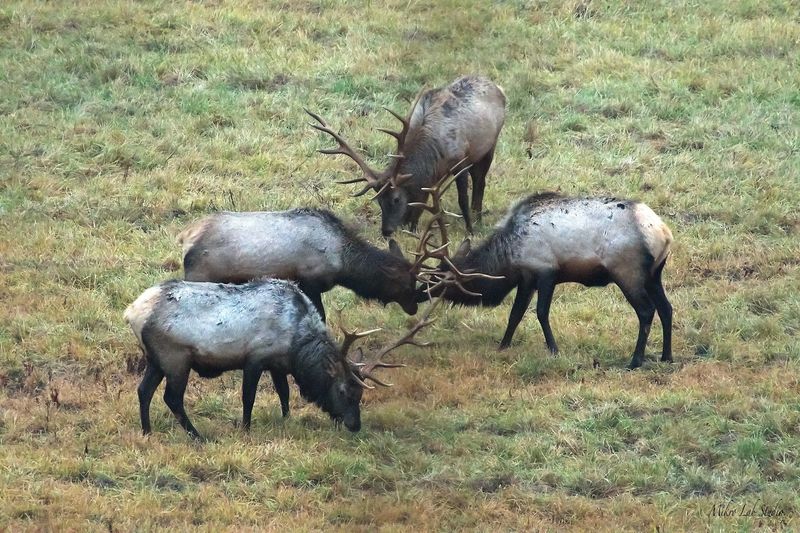
Before it became one of Pennsylvania’s best elk-watching spots, this land was a coal strip mine, which makes the thriving wildlife habitat here one of the more remarkable conservation turnarounds in the state.
The Pennsylvania Game Commission and the Rocky Mountain Elk Foundation worked together to reclaim the land, and the result is 81 acres of prime elk forage encircled by a three-quarter-mile interpretive trail.
The trail is notably flat after a moderate initial climb, making it accessible for a wide range of visitors, and informational placards placed along the path explain wildlife management, state game lands, and habitat conservation.
Local high school students contributed artwork to the educational displays, giving the trail a community character that larger visitor centers sometimes lack.
An overlook about a quarter-mile from the parking area provides the main viewing vantage point.
Guided tours are periodically available through the PGC North Central Region, and the property is part of State Game Lands 311. Fewer crowds make encounters here feel personal.
8. Sinnemahoning State Park, Austin, Pennsylvania
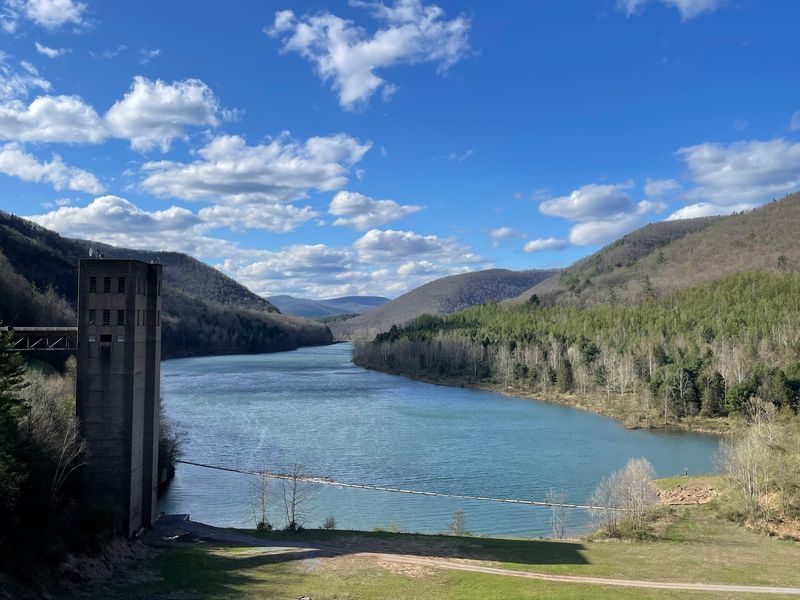
At 1,910 acres spread across Cameron and Potter counties, Sinnemahoning State Park is large enough to spend a full day exploring without covering the same ground twice.
The park sits between Elk State Forest and Susquehannock State Forest, creating a continuous stretch of protected habitat that supports a growing elk herd alongside bald eagles, coyotes, bobcats, and more than 200 recorded bird species.
Six miles of trails wind through the park, including the 5-mile ADA-accessible Lowlands Trail, which follows the First Fork Sinnemahoning Creek and leads directly to a dedicated wildlife viewing platform.
The 145-acre George B. Stevenson Dam reservoir at the southern end of the park adds fishing, boating, canoeing, and kayaking to the list of activities available in a single visit.
Admission to the park is free, which makes it an accessible option for families planning a full weekend in the Pennsylvania Wilds.
Given the remote location, arriving with a full tank and packed supplies is a practical move before heading into the park.
9. Sinnamahoning Wildlife Viewing Area, Austin, Pennsylvania
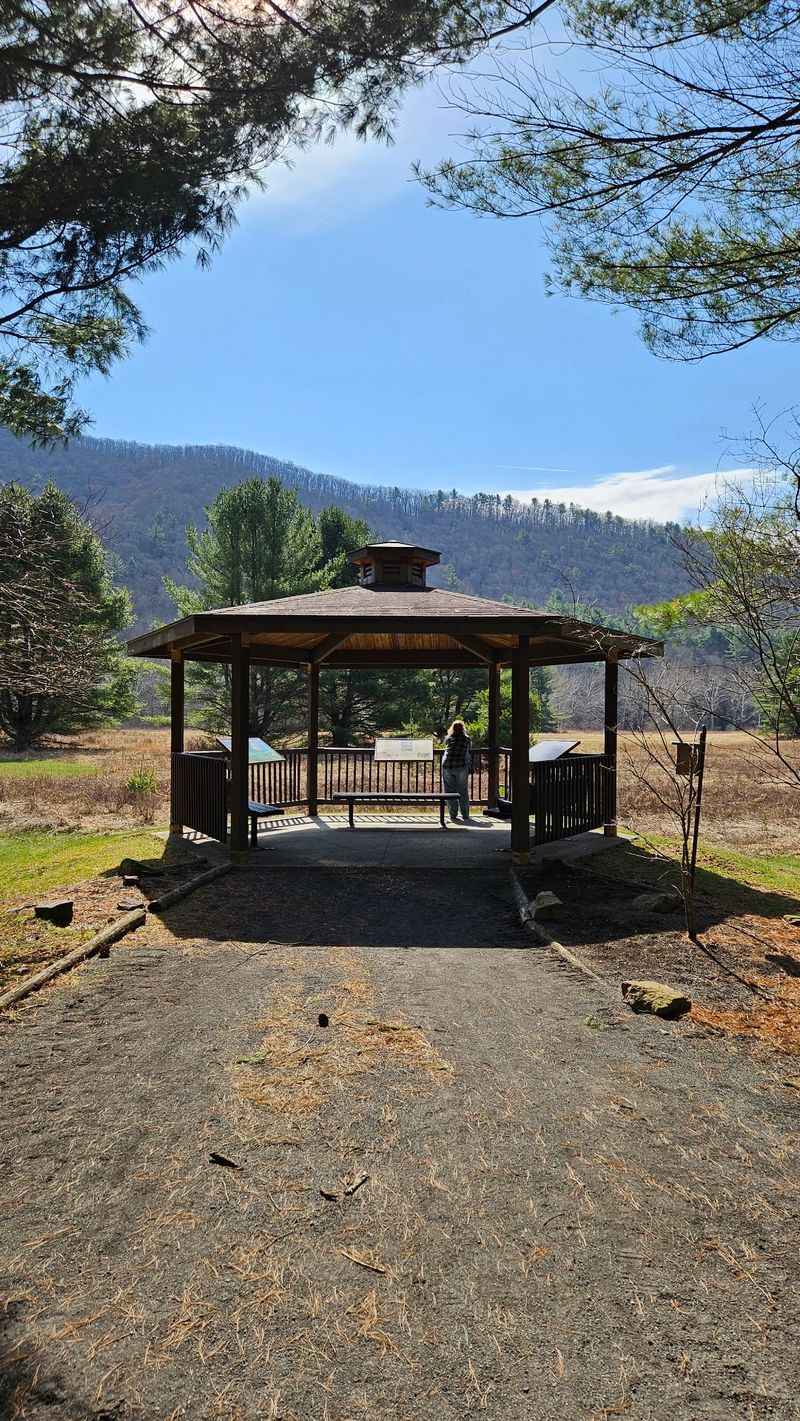
The dedicated wildlife viewing platform inside Sinnemahoning State Park sits in the northern section of the park and is one of the most reliably productive elk-watching spots in the entire region.
Park officials specifically highlight this platform as a premier location for spotting elk, which regularly emerge to graze on the grassy knoll stretching out in front of the structure.
The first two miles of the Lowlands Trail are ADA-compliant and lead directly to the platform, making the walk itself accessible to visitors who might find rougher terrain difficult.
A dedicated parking area near the Lowlands Trail trailhead serves as the main access point, and park officials ask visitors to stay on designated trails to protect both the habitat and the animals.
Autumn visits carry an added dimension: a bull elk bugling somewhere beyond the meadow can turn a quiet evening into one of those unexpectedly memorable Pennsylvania Wilds moments.
Early morning and late evening remain the most productive times to station yourself at the platform and wait for the herd to appear.
10. 40 Maples Day Use Area, Austin, Pennsylvania
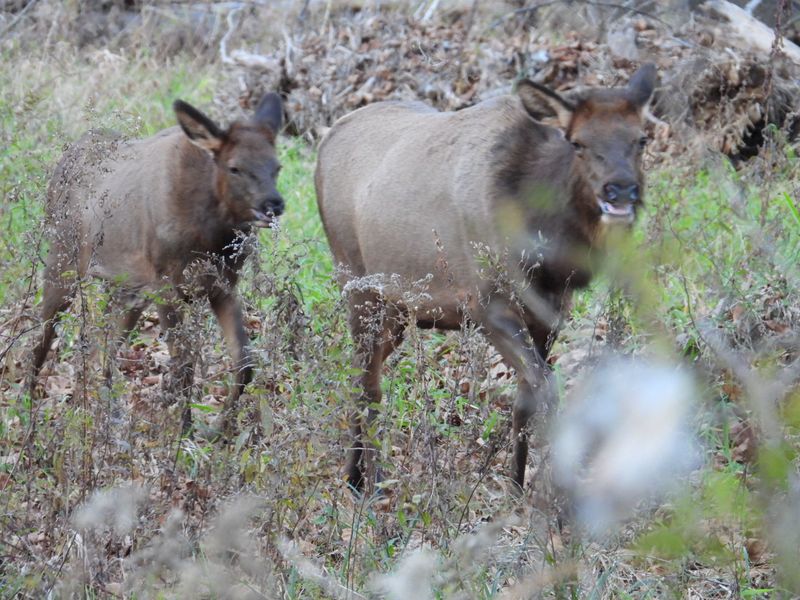
A picnic area with an elk problem: that is the best way to describe 40 Maples, where the official amenities are tables and open lawn space, but the real draw is the wildlife that wanders in uninvited.
Sinnemahoning State Park specifically lists 40 Maples as one of the locations where visitors should actively look for elk, and the animals are frequently spotted grazing in the open fields adjacent to the picnic grounds.
This makes the area a genuinely relaxed alternative for families who want wildlife watching without a dedicated trail or a long walk to a viewing blind.
No specialized gear is required here; elk have been observed close enough to the day-use area that a basic pair of binoculars is more than sufficient.
The combination of a shaded picnic lunch and a spontaneous elk sighting is the kind of afternoon that tends to stick in a family’s memory long after the sandwiches are gone.
Even on slower wildlife days, the open setting and easy access make 40 Maples a pleasant stop within the larger park visit.
11. Wildlife Center at Sinnemahoning State Park, Austin, Pennsylvania
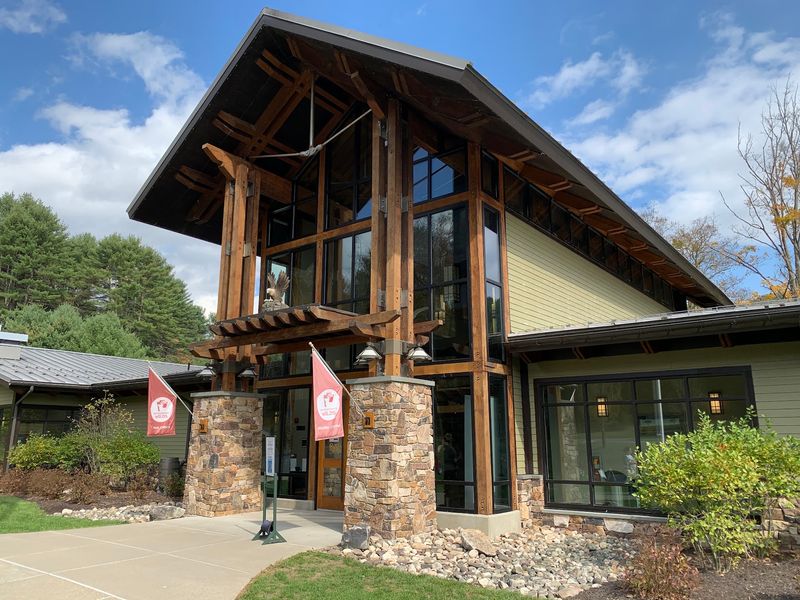
Opened in 2011, the Wildlife Center at Sinnemahoning State Park earned a silver LEED certification for its sustainable design, making it one of the more environmentally thoughtful park facilities in Pennsylvania.
The 9,300-square-foot building serves as both the park office and a full public visitor center, with interactive exhibits covering the ecology and history of the First Fork Valley, responsible natural resource management, and local conservation efforts.
A gift shop inside the center carries products from local artisans and American-made outdoor goods, and a multi-purpose classroom hosts interpretive programs and environmental education sessions open to the public.
Park officials include the Wildlife Center and its immediate surroundings among the specific spots where visitors may encounter elk, so scanning the nearby meadow before heading inside is always worth doing.
The center also functions as a gateway for watching bald eagles, which are regularly spotted along the creek corridor running through the park.
Even when the elk stay out of view, the forested mountain setting around the building alone makes the stop feel worthwhile.
12. Elk State Forest, Austin, Pennsylvania
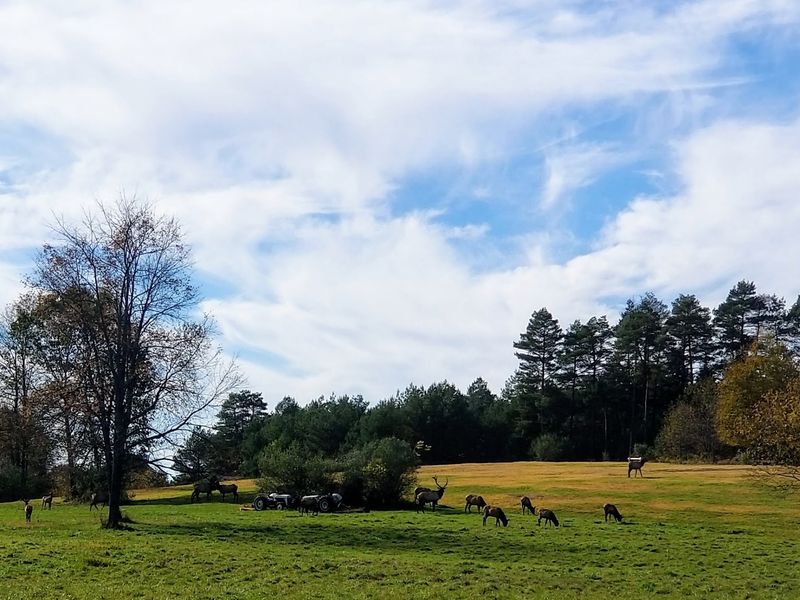
Nearly 217,000 acres spread across Elk and Cameron counties: Elk State Forest is not a subtle destination, and its name is not an overstatement.
The Thunder Mountain Equestrian Trail, a 26-mile loop with shorter route options, crosses some of the forest’s finest elk territory and offers broad mountain views along with realistic chances of spotting the herd from horseback.
The designated trailhead and day-use parking for equestrians are located along East Hicks Run Road, approximately 3.75 miles from its intersection with Route 555, about 12 miles east of Benezette.
Hikers have their own route through the forest in the Elk Trail, which runs between 15.8 and 26.2 miles and follows old roads, abandoned railroad grades, and existing utility corridors through prime elk country.
Designated camping spots along the Elk Trail make multi-day trips possible for those who want a longer immersion in the Pennsylvania Wilds.
The trailhead for the Elk Trail is found along Dents Run Road, roughly two miles north of Route 555, and the terrain can include steep sections and difficult stream crossings, so preparation matters.
Share this story