Long before maps showed a neat line between free and enslaved states, Pennsylvania sat right at the edge of that divide. Families here opened back doors, church basements, and attic hatches to people on the run, and they did it knowing the law was against them.
Many of those buildings are still standing, and you can walk through them today. You will meet a stone house with a trap door in the attic, a theater built on a former jail, and a small town where neighbors stood up to armed slave catchers.
You will also find a quiet burial ground, a mountain railroad, and a plain white meetinghouse where famous speakers once filled the benches. Each stop on this list comes with a real person, a real choice, and a story that still carries weight.
Grab a comfy seat, because the first stop is a Philadelphia house with scars from a famous battle and secrets tucked under its roof.
1. Johnson House Historic Site, Philadelphia, Pennsylvania
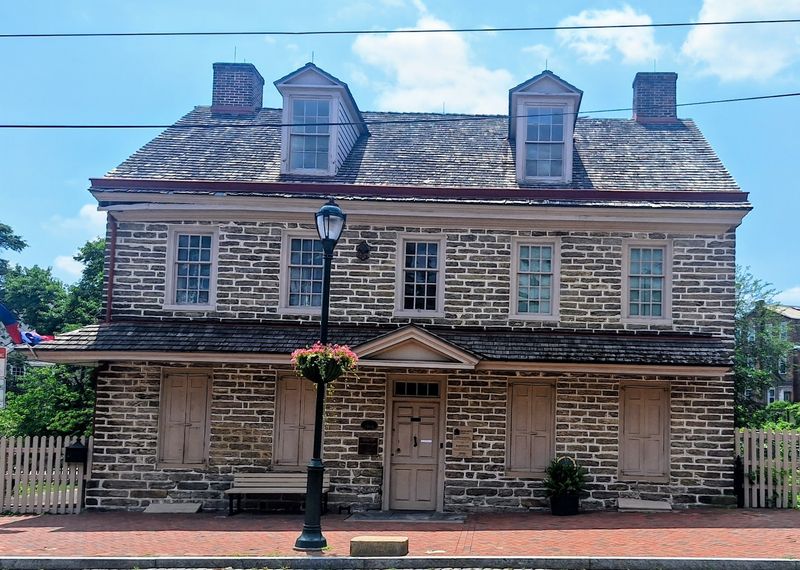
Some houses keep secrets, and this one kept them in the attic. Built in 1768 in Germantown, it belonged to the Johnson family, Quaker abolitionists who sheltered freedom seekers on their way north.
It is the only documented and intact Underground Railroad stop in Philadelphia that is open to the public. Visitors can see a trap door and hiding spots that made the house a safer place to rest.
Harriet Tubman and William Still are both linked to this address. Tubman received shelter here before guiding groups to Lucretia Mott’s nearby home.
The walls also show damage from musket rounds and cannonballs left by the 1777 Battle of Germantown. That means one house holds two chapters of American history.
Today it works as a museum and a Center for Social Advocacy. Guided tours explain how ordinary people, driven by their belief in equality, built a refuge on a quiet street.
Plan ahead by checking tour times before you go.
2. Underground Railroad Museum at Belmont Mansion, Philadelphia, Pennsylvania
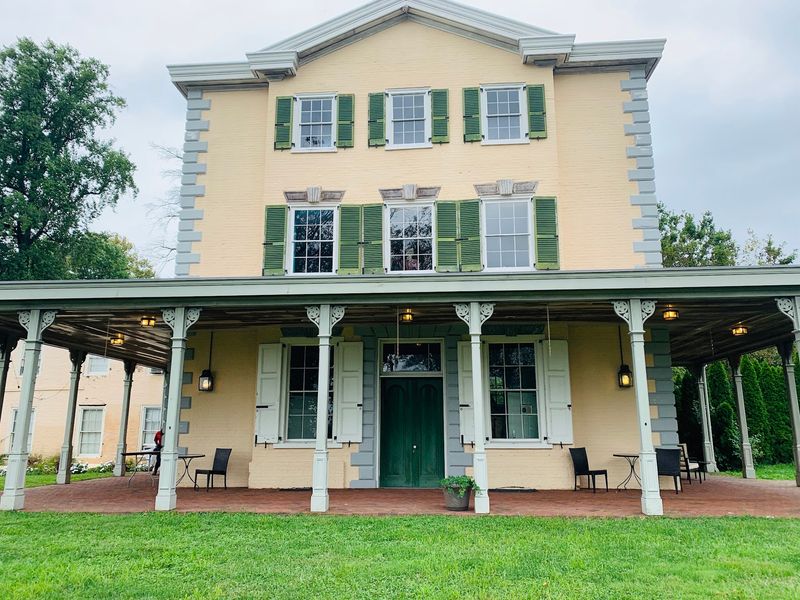
A mansion that once hosted presidents also hid people seeking freedom. Belmont Mansion was built in 1745 by William Peters and stands in Fairmount Park as a fine example of Palladian design.
Judge Richard Peters, an abolitionist, is documented as giving refuge to fugitives in his attic. He also bought enslaved people in order to free them.
Since 2007, the house has been home to an Underground Railroad museum. Exhibits include signal quilts, which carried messages about safety and danger along the network.
One featured story is that of Cornelia Wells, who gained her freedom from Judge Peters and later started a business in a cottage on the estate. William Still, often called the Father of the Underground Railroad, was also a frequent visitor.
The museum generally opens Tuesday through Saturday at 10 AM and Sundays at 11 AM. Guided tours run about 90 minutes, while self-guided visits take roughly 45.
Free on-site parking is available with advance registration.
3. Mother Bethel African Methodist Episcopal Church, Philadelphia, Pennsylvania
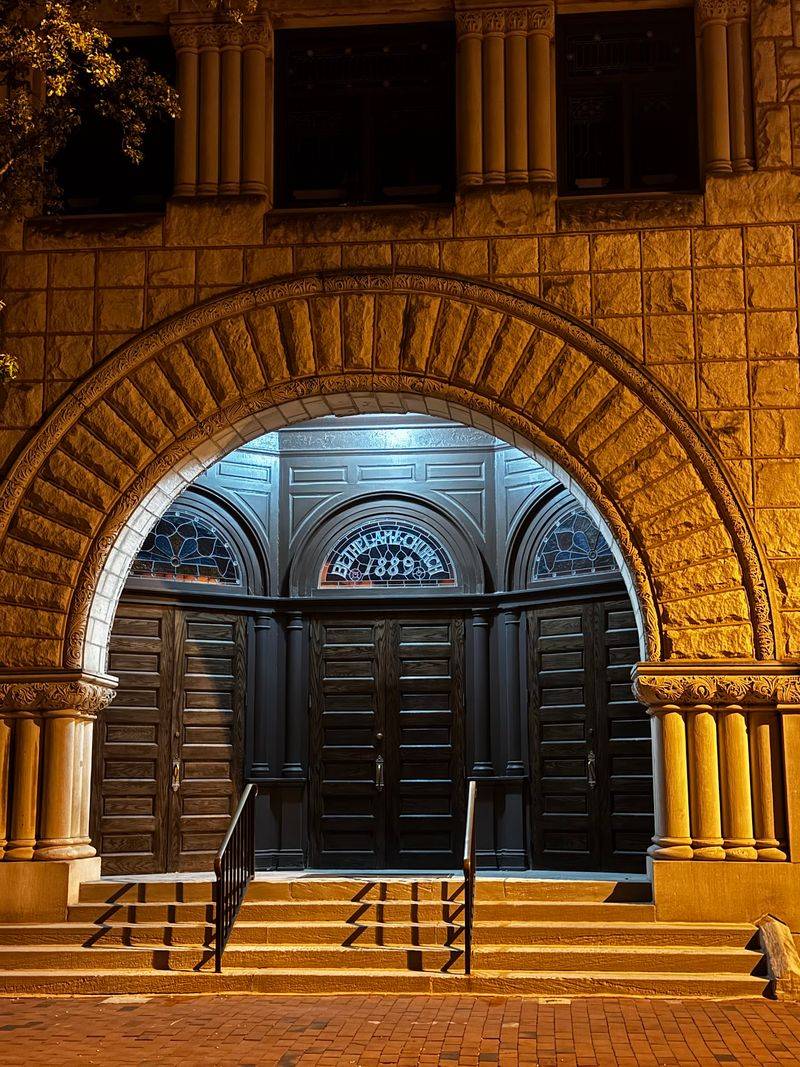
Few addresses in America have belonged to the same Black owners for so long. Mother Bethel stands on the oldest continuously Black-owned property in the United States, and its founder, Richard Allen, bought his own freedom before starting the church in 1794.
Before the Civil War, the congregation offered food, shelter, and guidance to freedom seekers heading north. Harriet Tubman, William Still, Frederick Douglass, and Lucretia Mott were all connected to its story.
In 1830, the church hosted the first national meeting of Black leaders. That event placed it at the center of the larger push for equality.
The Richard Allen Museum inside the church keeps documents and artifacts that cover more than two centuries of African American history. Visitors get a close look at how faith and activism worked side by side.
The church is at 419 South 6th Street. Tours are free, though booking ahead is recommended, and limited parking is available next to the building.
4. Historic Fair Hill, Philadelphia, Pennsylvania
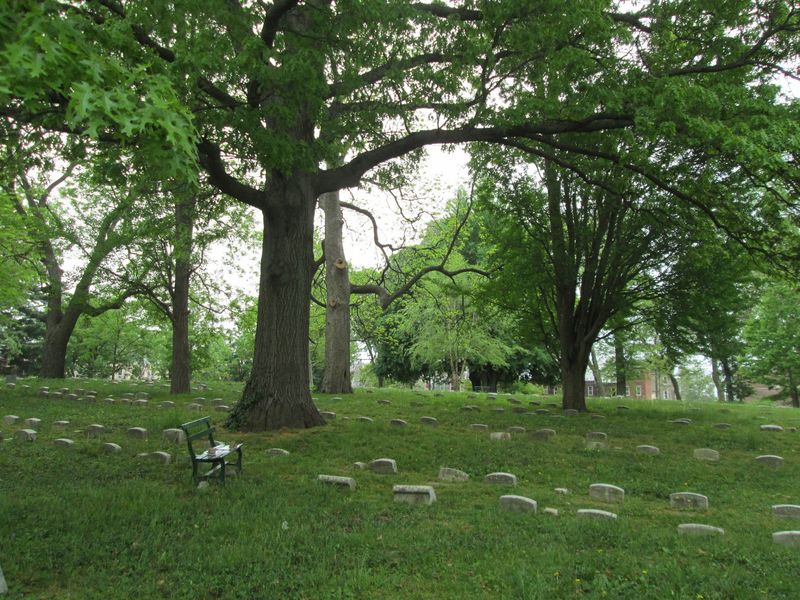
Here is a place where the neighbors include some of the loudest voices against slavery. Historic Fair Hill is a Quaker burial ground that is about 300 years old, and the land was left by George Fox in 1691 for uses that included burials.
Lucretia Mott and Robert Purvis rest here. Purvis was a Black businessman so active in helping freedom seekers that people sometimes called him the president of the Underground Railroad.
His wife, Harriet Forten Purvis, helped Mott found the Philadelphia Female Anti-Slavery Society. Mott also co-founded Swarthmore College and fought for women’s rights.
The Purvis and Mott families were close friends, which tied their work together for decades. Visitors can follow those connections on a walk through the grounds.
Historic Fair Hill, Inc. runs the site as a nature and history education center. It keeps a database of more than 3,000 people buried there and hosts programs and walking tours for the community.
5. Thaddeus Stevens & Lydia Hamilton Smith Center for History and Democracy, Lancaster, Pennsylvania
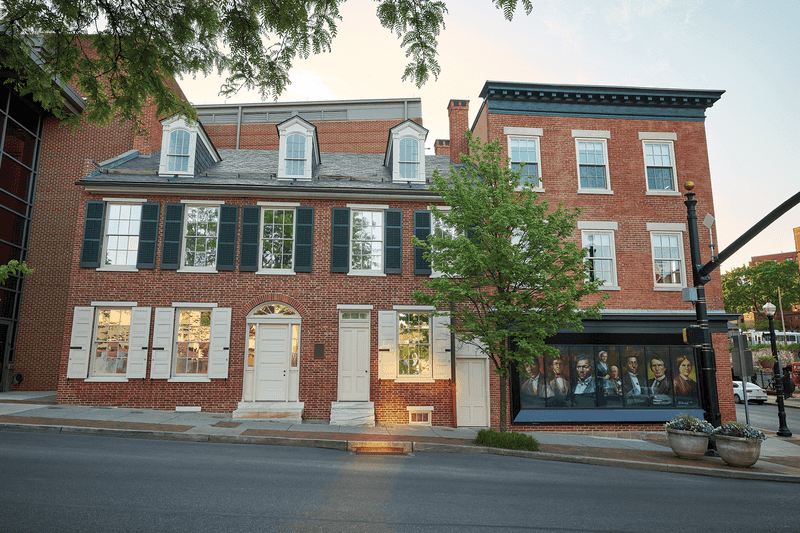
Two neighbors, one congressman and one sharp businesswoman, shaped a whole city’s antislavery story. This museum sits in their former home and law office in downtown Lancaster and is run by LancasterHistory.
Thaddeus Stevens was a radical abolitionist who pushed hard for racial equality. Lydia Hamilton Smith managed his household and was a conductor on the Underground Railroad.
Archaeologists found two modified cisterns in the basement, dating to the 1830s. Historians think they served as an emergency hiding place for people fleeing slavery.
The center is part of the National Park Service’s Underground Railroad Network to Freedom. Its galleries explore local and national events that led to the Civil War, including the Christiana Resistance of 1851.
The exhibits also connect the vision of Stevens and Smith to modern movements for equality. Expect Tuesday through Saturday hours from 10 AM to 5 PM at 13-15 East Vine Street, but confirm opening details before visiting.
6. Bethel AME Church Cultural Center, Lancaster, Pennsylvania
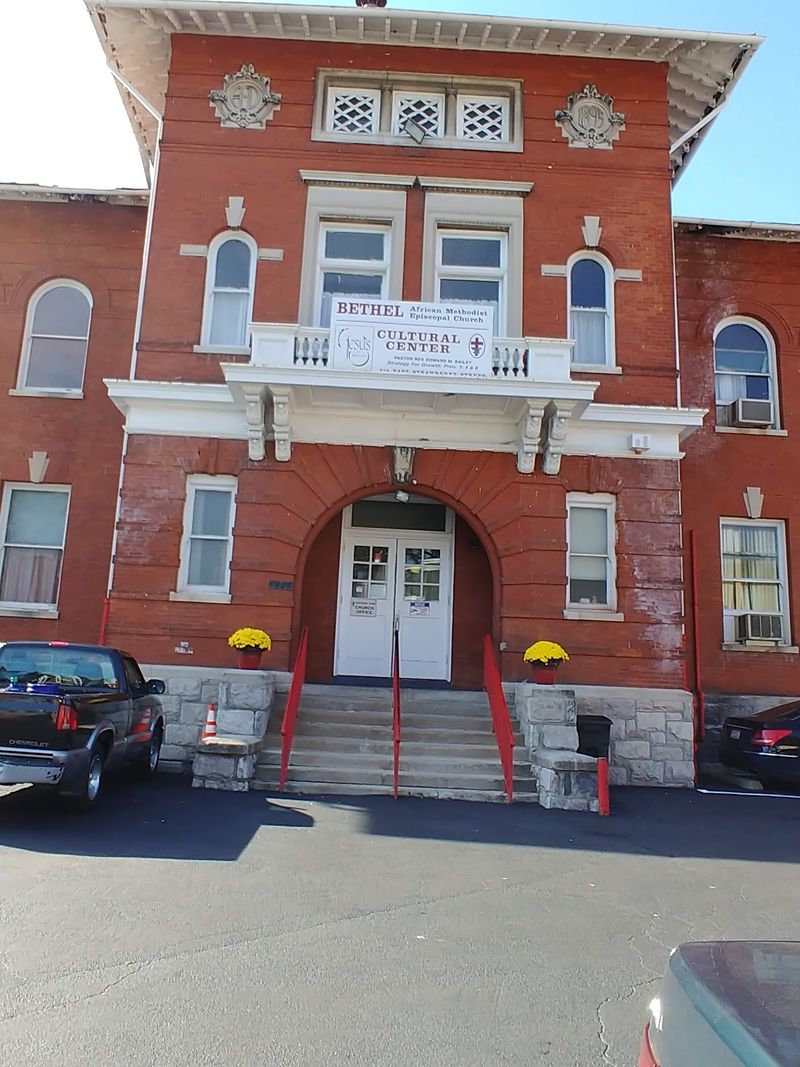
History class rarely comes with spirituals, but this one does. Lancaster’s Bethel AME congregation dates to 1817 and grew into a key institution in the city’s free Black community.
Research links its members to efforts that helped freedom seekers. That story is now told through the Living the Experience program.
The program skips the usual display cases. Performers use first-person interpretation, storytelling, and spirituals to bring Lancaster’s Underground Railroad history to life.
AME churches across the country, including Mother Bethel in Philadelphia, began because African Americans needed places to worship without facing discrimination. Many of them became community hubs that offered food, shelter, and guidance to people escaping slavery.
Scheduled performances continue at the East Strawberry Street cultural center. Check the calendar before you go, since shows run on set dates, and you will leave knowing this history is still being shared by the community that lived it.
7. Fulton Theatre, Lancaster, Pennsylvania
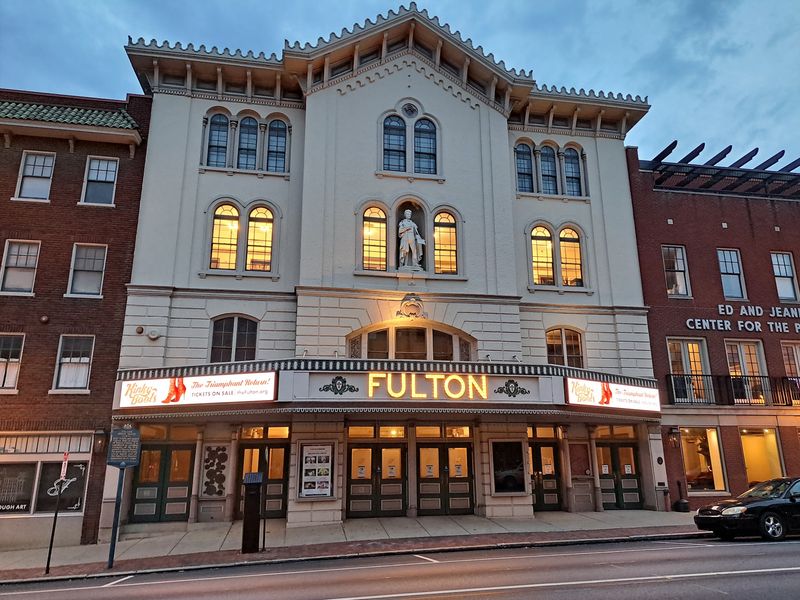
Tickets to a show can come with a surprise history lesson. The ornate Fulton Theatre stands on the foundations of Lancaster’s old county jail.
That detail puts the theater on LancasterHistory’s Underground Railroad tours. In 1835, two formerly enslaved women escaped from the old jail, and the tour stops here to tell their story.
The theater itself is busy, with a full schedule of professional productions. Traces of the earlier jail remain part of the property’s story.
It is a rare chance to learn about a daring escape and then settle in for an evening performance on the very same ground. The two experiences fit together better than you might expect.
If you want the full picture, pair a guided Underground Railroad tour with a show. Check the theater’s schedule and the LancasterHistory tour calendar so the dates line up, and plan to arrive early for a stroll around downtown.
8. Christiana Underground Railroad Center at Zercher’s Hotel, Christiana, Pennsylvania
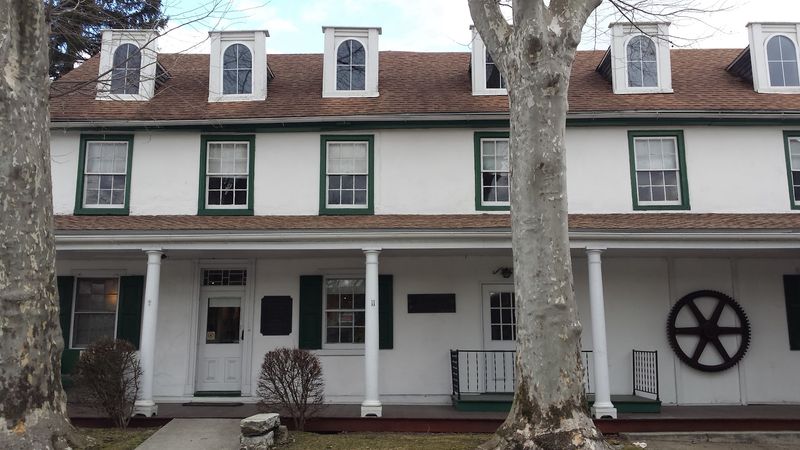
Small towns do not usually change the course of a nation, but Christiana nearly did. In September 1851, local Black residents and their allies resisted a federal marshal’s attempt to capture freedom seekers under the Fugitive Slave Act of 1850.
William Parker, an escaped man, led the resistance from his home. Afterward, many people fled to Canada, and 41 Black and white defendants were charged with treason.
The acquittal of Castner Hanway, a white neighbor, led to the dismissal of the remaining charges. Thaddeus Stevens served as legal counsel for those charged.
Zercher’s Hotel has been a hotel, depot, post office, telegraph office, and jail over the years. Its attic was reportedly used to hold people arrested after the resistance.
The Christiana Underground Railroad Center offers guided tours, and the National Park Service named it an Authentic Site in 2003. Visits are usually by appointment with no museum fee, at 11 Green Street.
9. Historic Mifflin House and Farm, Wrightsville, Pennsylvania
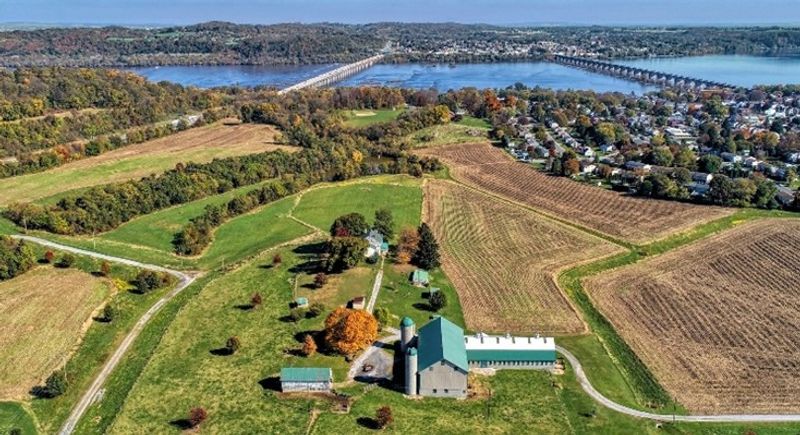
Newcomers on this list do not get much fresher than this one. After generations out of public view, the Mifflin House began welcoming visitors in the spring of 2025.
It is a documented Underground Railroad waypoint. Members of the Mifflin family helped freedom seekers here during the first half of the 19th century.
Crossing the Susquehanna River near the farm was another major step on the way north. The farm sits close to that crossing, which helps explain its role.
The Susquehanna National Heritage Area is building a discovery center and heritage park across the 79-acre property. Planned walking trails will cover both Underground Railroad history and the area’s role in the Civil War.
Since the project is still developing, check the schedule for seasonal access and guided tours before you travel. A visit now means seeing a site in its early days of public access, with plenty more still to come.
10. LeMoyne House, Washington, Pennsylvania
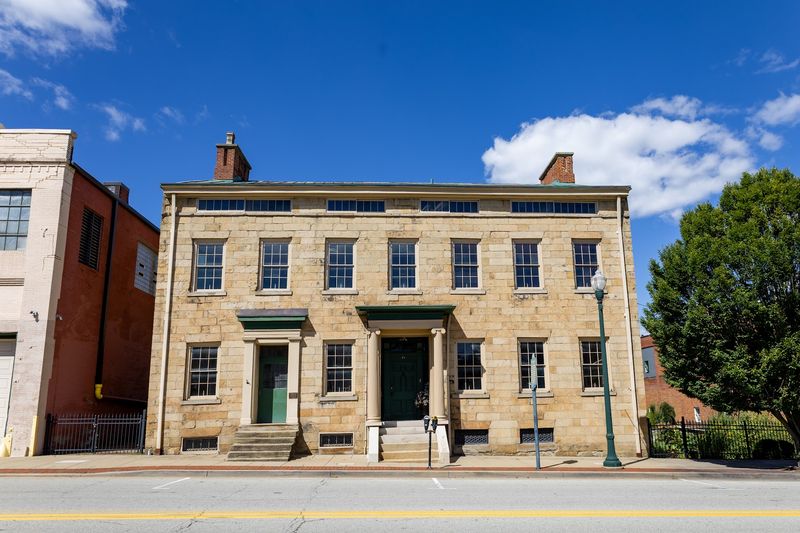
Pennsylvania’s first designated Underground Railroad site sits behind a plain stone front. John Julius LeMoyne built the house in 1812, and his son, Dr. Francis Julius LeMoyne, later made it a stop on the network.
Dr. LeMoyne was a physician and outspoken abolitionist. Even with the harsh penalties of the Fugitive Slave Law of 1850, he offered shelter, medical care, and hope to people fleeing slavery.
It is also the only National Park Service recognized Underground Railroad site in Pennsylvania west of the Allegheny Mountains. The house is a National Historic Landmark as well.
The Washington County Historical Society runs it as a museum. Guided tours and educational programs show original furnishings, family belongings, and archival documents from the abolitionist era.
Find it at 49 East Maiden Street in downtown Washington. A visit shows how much courage could hide behind an everyday front door.
11. Allegheny Portage Railroad National Historic Site, Gallitzin, Pennsylvania
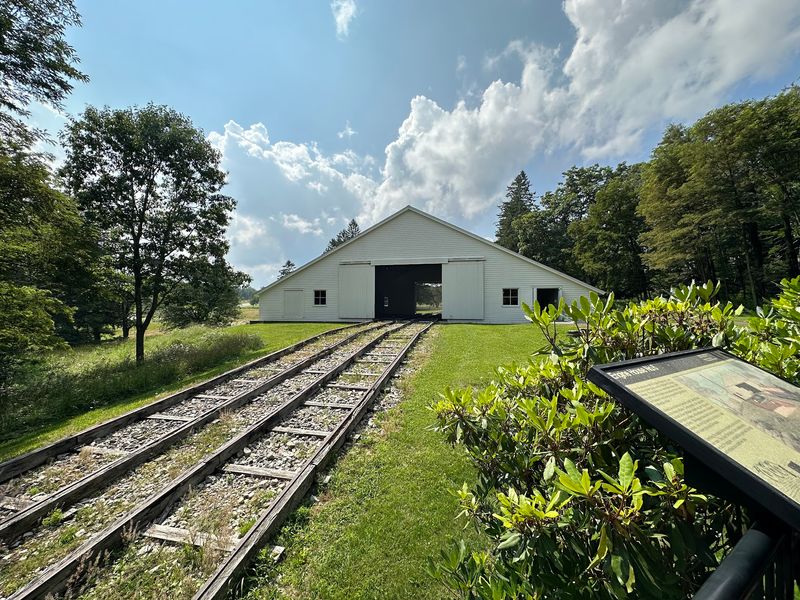
Trains were once cutting-edge technology, and some riders on this one were running toward freedom. The Allegheny Portage Railroad carried passengers and cargo over the Allegheny Mountains in the 19th century.
National Park Service research has documented its use by freedom seekers. That work led to its recognition in the National Underground Railroad Network to Freedom.
One documented story involves Jacob Green, who escaped slavery in Virginia. He was nearly captured while passing through Hollidaysburg in 1855.
The site now offers exhibits, preserved railroad features, and trails to explore. Visitors can also step inside the restored Lemon House.
A walk along the old railroad grade gives you time to think about how a travel shortcut became part of the road to freedom. Check the visitor center hours before you head out, and wear shoes that suit a mountain trail.
12. Longwood Progressive Friends Meetinghouse, Kennett Square, Pennsylvania
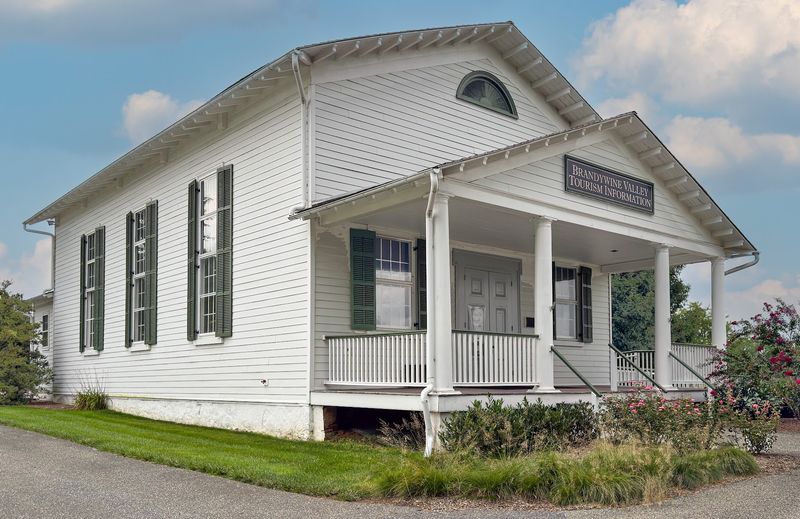
Big speeches happened inside a very modest building. The Longwood Progressive Friends Meetinghouse is a simple white structure, built in 1855, and it grew into a gathering place for reformers in Chester County.
Several of its founding members helped shelter and guide freedom seekers through the region. The meetinghouse stood for the organized, public side of the abolition movement.
Frederick Douglass, Lucretia Mott, and William Lloyd Garrison are among the well-known names tied to gatherings here. Speakers addressed crowds and planned abolitionist activities.
The building still stands at the entrance to the Longwood area and now serves as a visitor information office. That means you can walk in, ask for directions, and stand in a room where abolition was debated and organized.
It makes a good last stop on a Pennsylvania tour. Check hours ahead of time, and ask the staff about nearby Chester County sites tied to the same history.
Share this story