Most stores want to be your one-stop shop. They stock snacks, batteries, and birthday cards, hoping you grab a little of everything on the way out.
The shops in this article do the exact opposite. Each one picks a single product and goes all in, sometimes with hundreds or even thousands of versions on the shelves.
Imagine a store that sold 50,000 rubber ducks in one year. Picture a shop with over 30,000 kinds of light bulbs, or barrels holding more than 40 types of pickled foods.
These businesses sound like jokes at first, yet many have lasted for decades. Some keep old crafts alive, like hat making and barrel pickling.
Others turn everyday items into collectibles, gifts, or hands-on projects you can make yourself. Keep reading to meet a dozen American shops that bet everything on one thing and won.
You will learn what makes each one special, what you can buy or try there, and a few tips to get the most out of a visit. Fair warning, your shopping list may get a lot more interesting.
1. KWAK, San Francisco, California
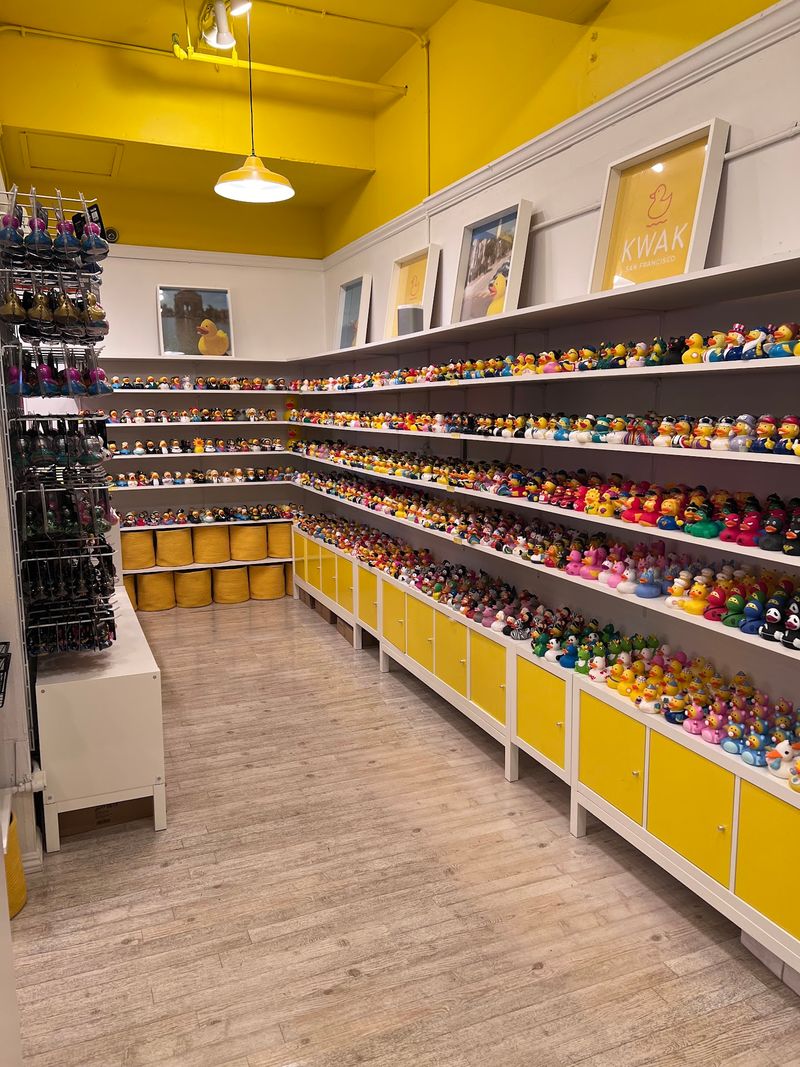
Fifty thousand rubber ducks left this Pier 39 shop in 2024 alone. That is a lot of bath time.
Co-owners Joanne Calabrese and John Walton once worked together at Gap Inc. They started stockpiling ducks before they even had a lease, and their six-month pop-up did so well that it was extended to two years.
The shop claims the largest duck assortment west of the Mississippi, with about 600 styles. Shelves hold ducks dressed as historical figures, athletes, wizards, and workers like doctors and firefighters.
Local pride gets its own spot. Look for an Alcatraz-themed duck or a tiny sea lion pretending to be a duck.
Pop culture fans can hunt for CelebriDucks inspired by stars like Taylor Swift and Willie Nelson. Those cost about $24, while standard ducks run around $10.
Here is a tip for collectors. Set a budget before you go, because one shopper from Singapore once walked out with 48 ducks.
The store also sells duck-themed hats and umbrellas, so your quackers collection can follow you outside.
2. HEATONIST, Brooklyn, New York
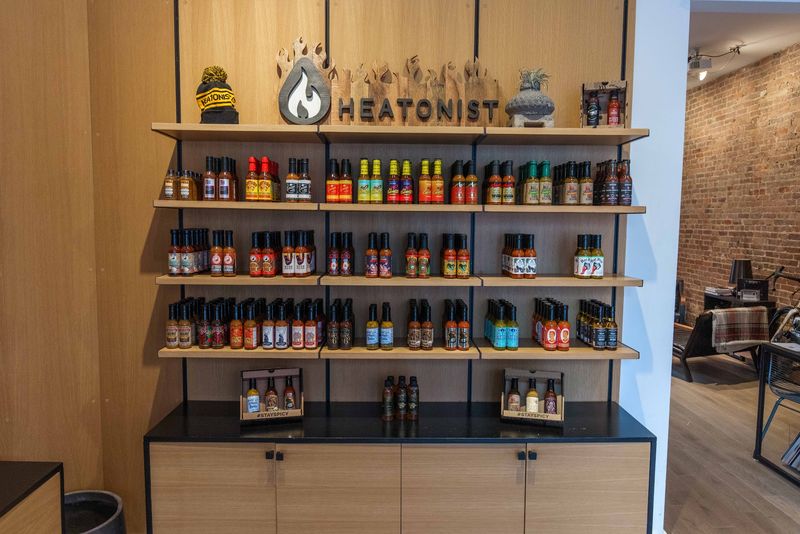
Fans of the show Hot Ones already know this name. The Williamsburg shop supplies many of the sauces that celebrity guests struggle through on camera.
Here, though, nobody has to suffer for entertainment. HEATONIST focuses on small-batch hot sauces from independent makers, and its goal is to get those bottles into more kitchens.
The tasting bar is the heart of the visit. Staff hand out samples, often on a pretzel stick, so you can compare flavor and heat one sauce at a time.
Start mild and work your way up. Your tongue will thank you for the warm-up, and you will learn what you actually enjoy.
Staff members explain ingredients, flavor notes, and food pairings. Ask which sauce works on eggs, tacos, or pizza, and you may leave with a new favorite habit.
Bottles are displayed with the care of a fancy boutique. Even people who only buy supermarket sauce often discover that heat is just one part of the story.
A small sampler pack makes a fun gift for the spice lover in your life.
3. The Pickle Guys, New York, New York
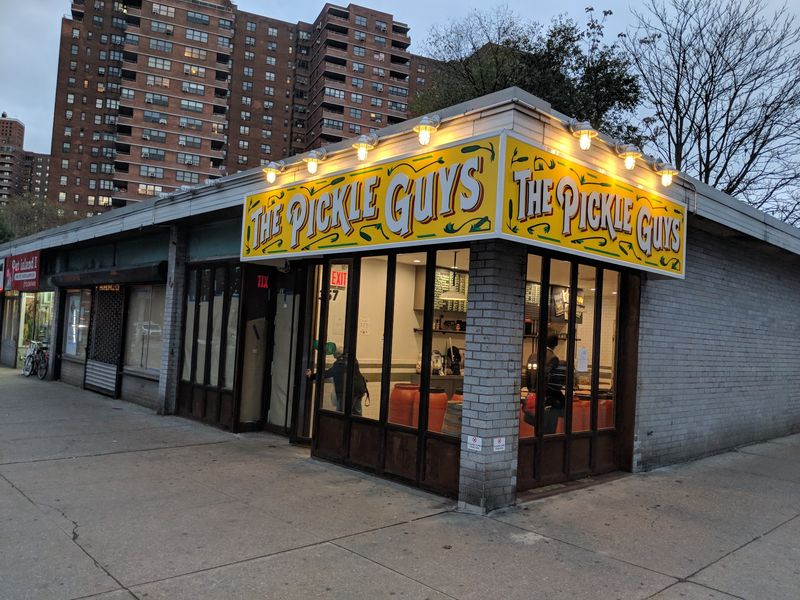
About a hundred years ago, Essex Street had so many pickle sellers that people called it the Pickle District. Today, The Pickle Guys is the last dedicated pickle store standing there.
Owner Alan Kaufman learned the trade from neighborhood old-timers. He opened the shop in 2000 with former workers from the famous Guss’ Pickles.
Some recipes date back to 1910 and come from Eastern European traditions. Pickles cure in barrels of salt brine with garlic and spices, with no preservatives added.
Picking a pickle takes a little homework. New pickles stay close to a fresh cucumber, while half-sour, three-quarter sour, and full-sour options get stronger with time, up to about six months.
Cucumbers are only the beginning. More than 40 pickled items fill the barrels, including mango, pineapple, okra, Brussels sprouts, and garlic-stuffed olives.
Time a visit for the two weeks before Passover if you can. Staff grind fresh horseradish right on the sidewalk, and crowds gather to watch.
The whole shop is kosher-certified. Ask for a sample before you commit to a full quart.
4. Socksmith on the Wharf, Santa Cruz, California
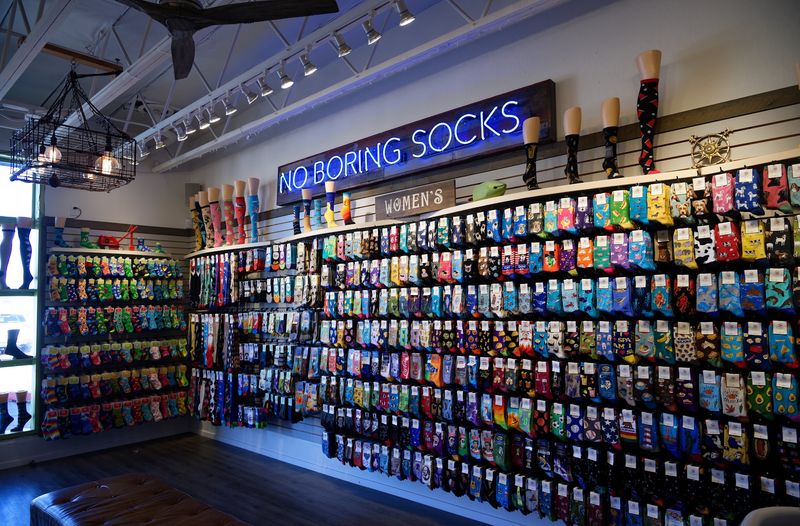
Socks rarely get a starring role. On the Santa Cruz Wharf, they get the whole stage.
Socksmith, the company behind this shop, was founded in 2007 with a simple idea. Socks do not have to be boring, and they can show off a little personality.
Hundreds of designs line the walls. Shoppers spot tacos, mythical creatures, famous landmarks, and specific dog and cat breeds, so finding a pair that matches a friend is surprisingly easy.
Most socks are made from blends of cotton, nylon, and spandex. That mix helps them stretch, fit well, and hold up after many trips through the laundry.
Here is a smart souvenir strategy. A pair of socks packs flat, costs less than most beach gear, and actually gets used once you are home.
The shop also makes an easy stop during a wharf stroll. Visitors can pop in between watching sea lions and grabbing lunch nearby.
Teachers, coaches, and grandparents make great gift targets. A pair of pizza socks says you care without a single word.
Just try to leave with only one pair.
5. Pen Place, Kansas City, Missouri
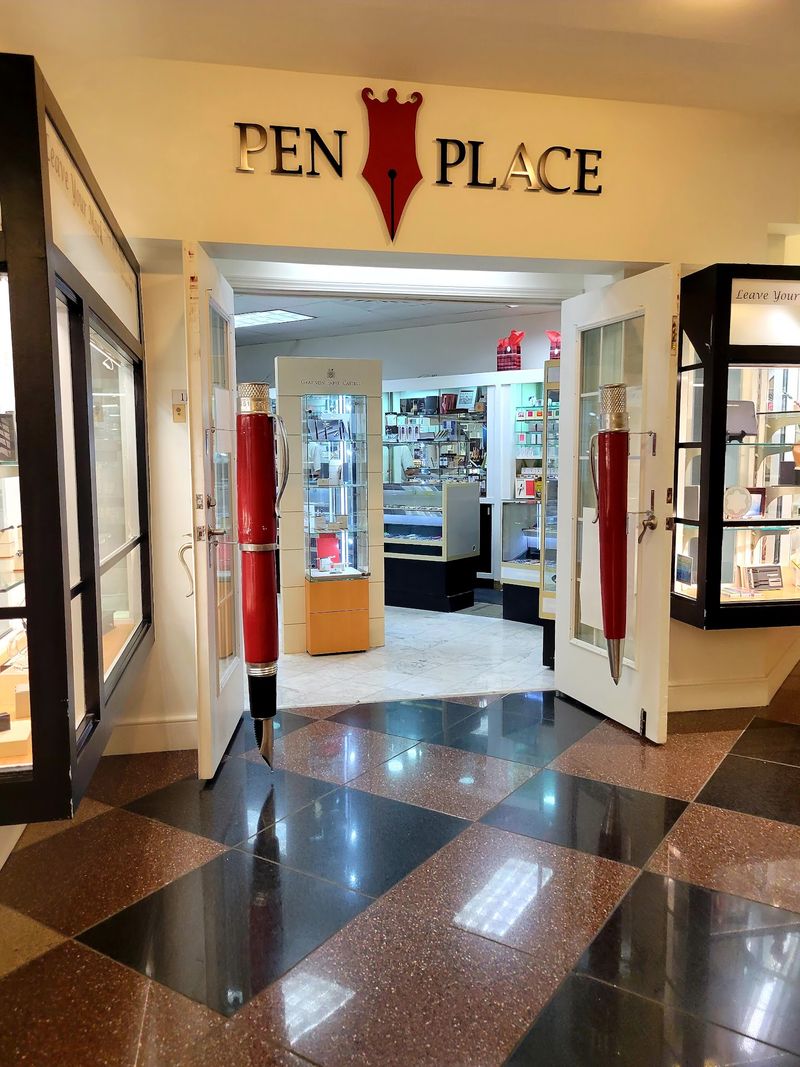
Since 1968, a small shop on Level 1 of Kansas City’s Crown Center has quietly kept handwriting in style. Pen Place sells fine writing instruments and very little else.
Fountain pens are the star, but rollerballs, ballpoints, and mechanical pencils share the cases. Brands include Pelikan, Aurora, Waterman, Parker, Lamy, TWSBI, Faber-Castell, and Retro 1951.
Staff members encourage people to test pens before buying. Try a few different weights and grip sizes, because the right pen depends on your hand and how you write.
Beginners should ask about starter fountain pens. Brands like Lamy and TWSBI are known for being friendly to first-timers and easier on the wallet.
Here is a fun fact. Cross pens, one brand on the shelves, have been a White House favorite since the 1970s and come with a lifetime warranty.
Ink refills, cases, and leather goods round out the selection. The shop also helps businesses with corporate gifts.
A nice pen makes a thoughtful graduation present. Pair it with a note written in that same pen.
6. The Spice House, Chicago, Illinois
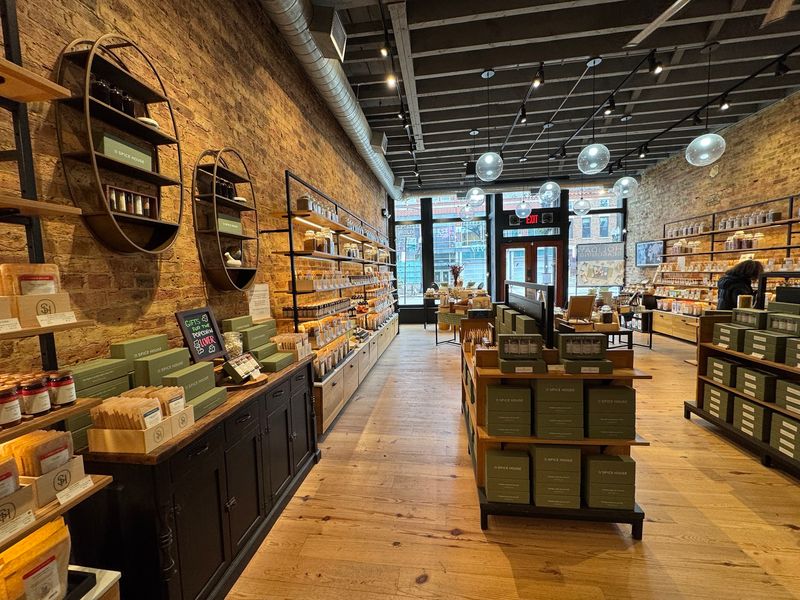
Ruth and Bill Penzey Sr. founded The Spice House in 1957. Their goal was to buy top-quality spices straight from growers around the world.
The Old Town shop in Chicago still follows that plan. Spices are ground in small batches, which helps them keep their strength longer than a jar that sat in a warehouse for months.
Shelves hold single spices, herbs, and house blends for barbecue, curries, and regional American dishes. Many items are hard to find in a regular grocery store.
Signature Flatpacks are worth a look. These resealable pouches take up less room in the cupboard and make refilling old jars simple.
Staff can explain where a spice comes from and how to use it. Ask what blend would perk up a weeknight chicken or a plain pot of rice.
A practical tip helps here. Buy small amounts of new spices first, so you can test them without wasting money.
Home cooks often leave with one new idea and a recipe to try. Dinner gets a little less predictable, in a good way.
7. Just Bulbs, New York, New York
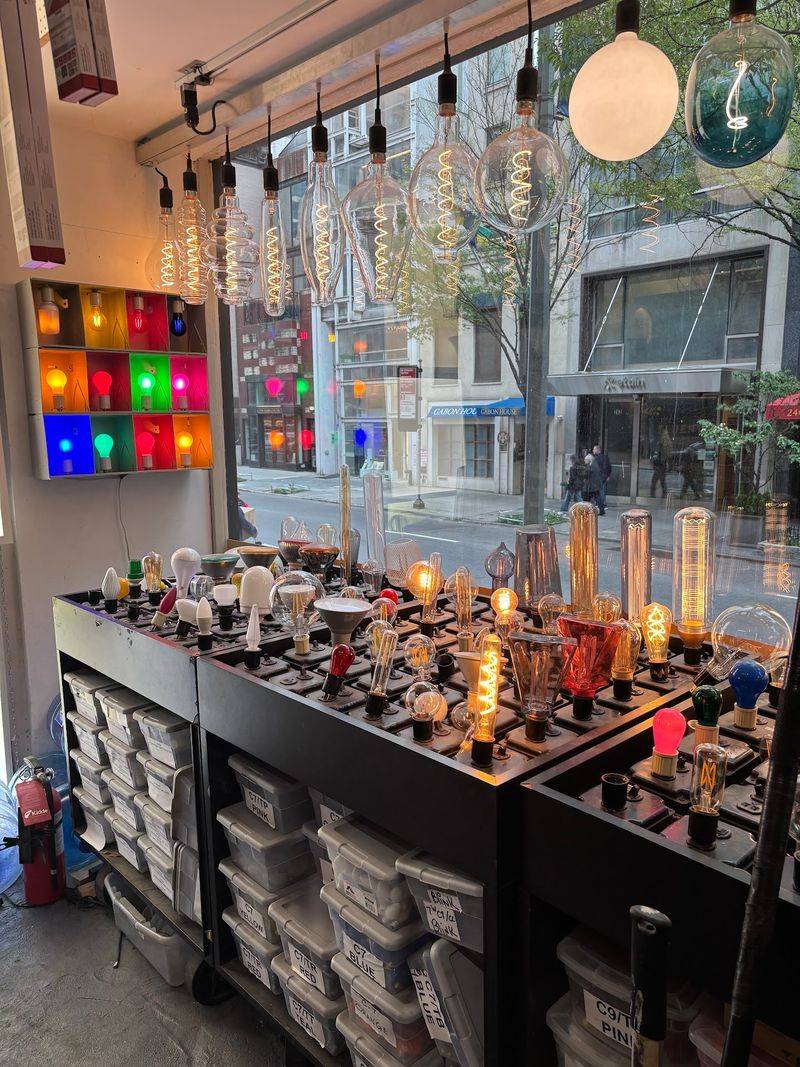
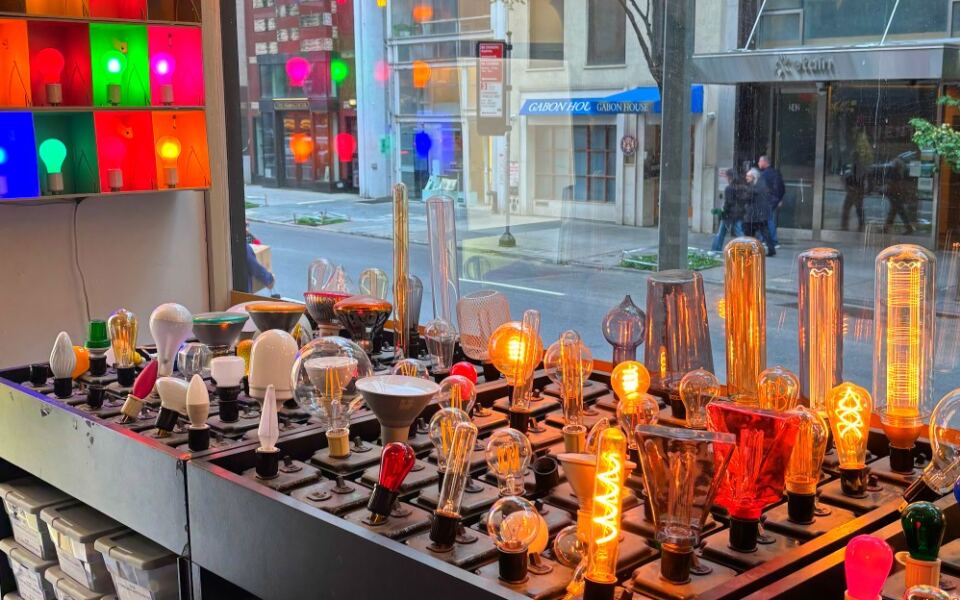
Over 30,000 different light bulbs sit on the shelves of this Manhattan shop. That number alone makes a hardware store aisle look shy.
The family story started during World War II, when owner David’s grandfather sold bulbs door to door. His mother later ran the business, and David became the third generation in charge.
Just Bulbs opened in 1980. In the early 2000s, the family decided to sell only bulbs, and the name stuck.
Inventory covers LED, halogen, fluorescent, and incandescent bulbs, plus rarer types like neodymium and sodium lamps. Photographers and theater crews shop here for studio and stage lamps.
European and British socket bulbs are in stock too. Voltages range from 6 to 220 volts.
Most staff members have more than 20 years of experience. Bring your old bulb along, since they can often identify it on sight.
Bulbs missing from the shelves can usually be ordered or even custom made. The shop also handles repairs, crystal cleaning, delivery, and installation.
Talk about a bright idea that lasted.
8. The Hat Shop, New York, New York
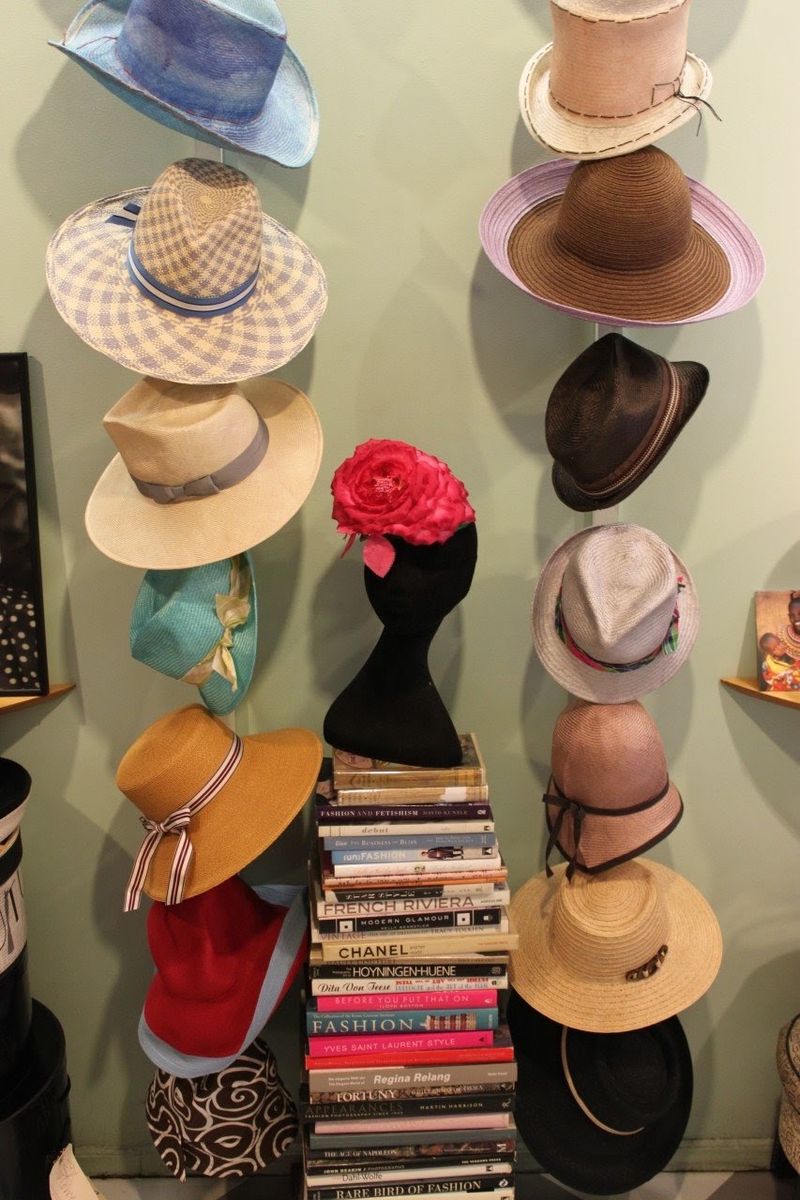
Hats used to be part of almost every outfit in New York. On Sullivan Street, one shop still treats them that way.
The Hat Shop sells headwear only. Shelves feature classic fedoras, fascinators, everyday caps, and detailed bridal headpieces.
Custom work is the real draw. Customers can team up with milliners to pick fabrics, colors, trims, and shapes for a one-of-a-kind hat.
Fit matters more than most people realize. Staff measure your head and suggest styles that suit your face shape, so the hat looks like it truly belongs to you.
Planning for a wedding or big event? Start early, because made-to-order pieces take time to design and build.
Shoppers who just want to browse are welcome too. Trying on several styles is part of the fun, and the staff will give honest opinions.
Every hat is shown as its own piece of craftsmanship rather than a pile on a rack. The shop keeps the old trade of millinery alive in a city that rarely slows down.
One good hat can carry a whole outfit. Consider it a heads-up.
9. The Vermont Flannel Company, Ferrisburgh, Vermont
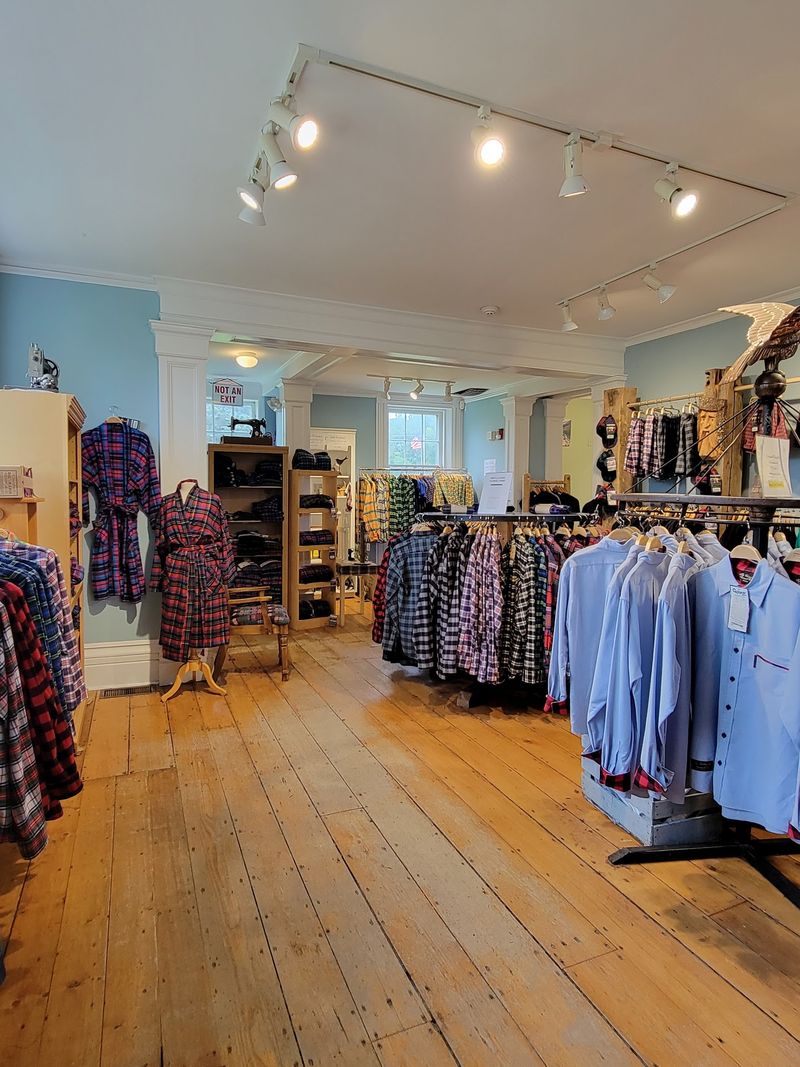
Mark and Linda Baker started The Vermont Flannel Company in East Barre in 1991. They were tired of thin, scratchy flannel and wanted to make something better.
The Ferrisburgh store sits in a converted roadside building along Route 7. Instead of one big sales floor, visitors move through several rooms filled with flannel goods.
Products are cut, sewn, and inspected by teams in Vermont workshops. The organic cotton fabric comes from Portugal, and it is brushed on both sides for extra comfort.
Lounge pants are the top seller. Shirts, robes, hoodies, shorts, and blankets fill the other shelves, with sizes for men, women, and kids.
Dogs get included too. The company makes flannel jackets for pets, which may be the coziest souvenir in New England.
Check the seams on any item you pick up. Matched stripes and strong stitching are signs of the care the company is known for.
In 2022, the business joined USA Brands as the founders looked toward retirement. Road trippers can also visit the nearby Spade Farm Covered Bridge for a quick photo stop.
10. The Candle Lab, Cincinnati, Ohio
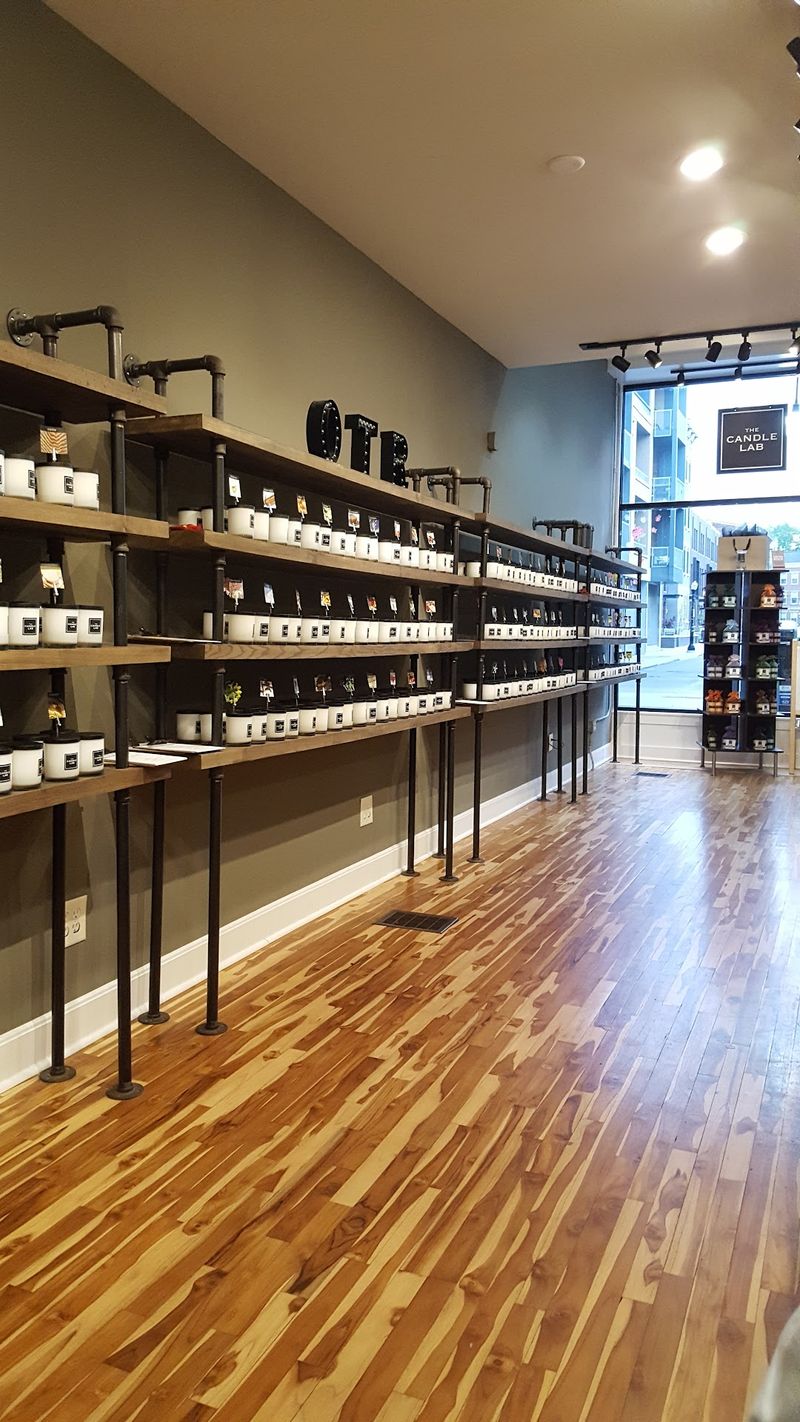
More than 100 fragrance oils line the Fragrance Bar at this Over-the-Rhine shop. Your job is to pick a few and turn them into your own candle.
Scent experts help guests narrow down choices and test combinations. Once you settle on a blend, you design a custom label and pour it into the jar you picked.
The whole process takes about 20 to 45 minutes. Many jar options cost under $30, with sizes from 8 to 24 ounces.
Patience is part of the recipe. Candles need 90 minutes to two hours to set before they can travel.
Use that wait to explore the restaurants and shops nearby. Visit at least two hours before closing if you want to take your candle home the same day.
Short on time? The shop holds finished candles for up to six months.
Room sprays, reed diffusers, car diffusers, and wax tarts can also be customized. A buy three, get one free deal lets you mix and match.
Groups of four or more should reserve ahead, especially on weekends. Birthday parties and date nights fill the tables fast.
11. The Olive Tap, Long Grove, Illinois
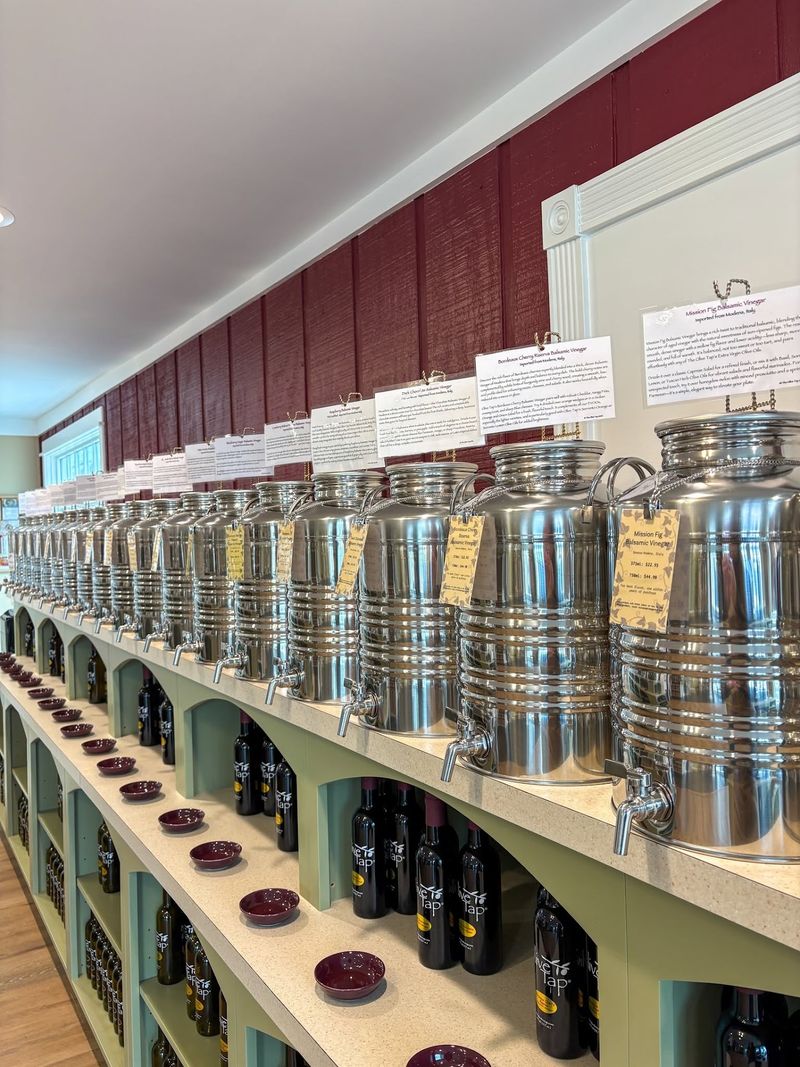
Tuscan herb, blood orange, chipotle, porcini mushroom and sage. All of those are olive oil flavors at The Olive Tap in historic downtown Long Grove.
The shop opened in 2006 and focuses on extra virgin olive oil and aged balsamic vinegar from Modena. Plain oils include varieties like Arbequina, Picual, Frantoio, and Kalamata.
Flavored oils are made two ways. Fused oils crush fresh herbs or fruit together with the olives, while infused oils have natural flavors added afterward.
Tasting stations let you sample before buying. Try an oil next to a balsamic, since staff often suggest pairings like Sorrento lemon oil with a white balsamic.
Ask for recipe ideas too. Staff share tips for salads, marinades, roasted vegetables, and even desserts.
Shelves also hold sea salts, dipping spices, pastas, sauces, tapenades, and jams. Those make easy add-ons for a gift basket.
Here is a helpful habit. Store your oil away from heat and light at home so it stays fresh longer.
One bottle of jalapeño oil can make plain popcorn far more interesting. Snack time will never be the same.
12. The LEGO Store Fifth Avenue, New York, New York
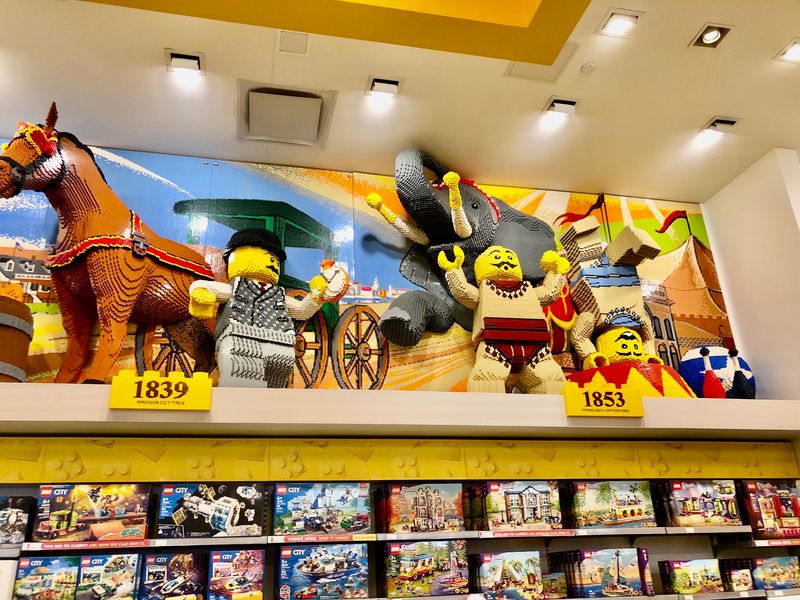
Two whole floors of plastic bricks await on Fifth Avenue. The flagship LEGO Store turns a simple toy into a full afternoon plan.
Large brick-built models greet visitors, many showing New York landmarks and famous characters. Some use thousands of pieces, so take a moment to spot the tiny details.
The LEGO Brick Lab mixes building with technology. Guests build creations that come to life with projected animation and digital scenery.
Minifigure fans should head to the Minifigure Factory. You pick heads, torsos, legs, and accessories, and you can even print a custom design on the torso.
The Pick-a-Brick wall sells individual pieces by the cup. Pack the cup carefully, since neatly stacked bricks fit far more inside.
Sets cover every age, with DUPLO and CITY for younger builders and TECHNIC and Ideas sets for teens and adults. Watch for store exclusives that are hard to find elsewhere.
Weekends and holidays get crowded. Weekday morning visits usually mean shorter lines.
Leaving empty-handed is possible, but few people manage it. Consider that a building concern.
Share this story