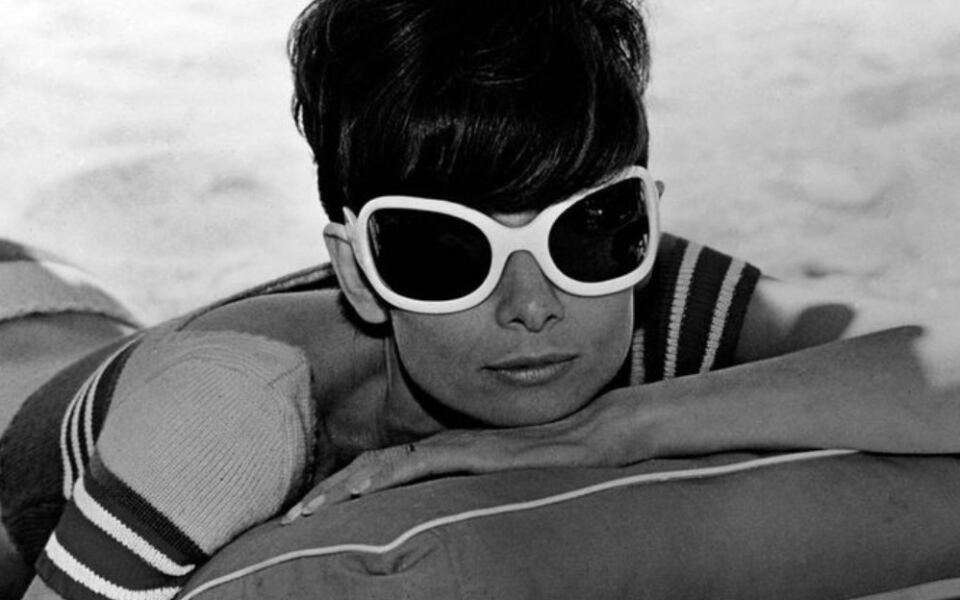
The 1960s changed how people dressed, and the movies and TV shows of the decade made sure everyone saw it. From sleek catsuits to sharp suits and beach-ready summer looks, these screen stars gave fashion a spotlight that still shines today.
Some were Mod icons, some were rebels, and a few were surprises from other corners of pop culture. Here are 12 performers and roles that helped turn style into screen history, with a few fun facts along the way.
Diana Rigg in The Avengers
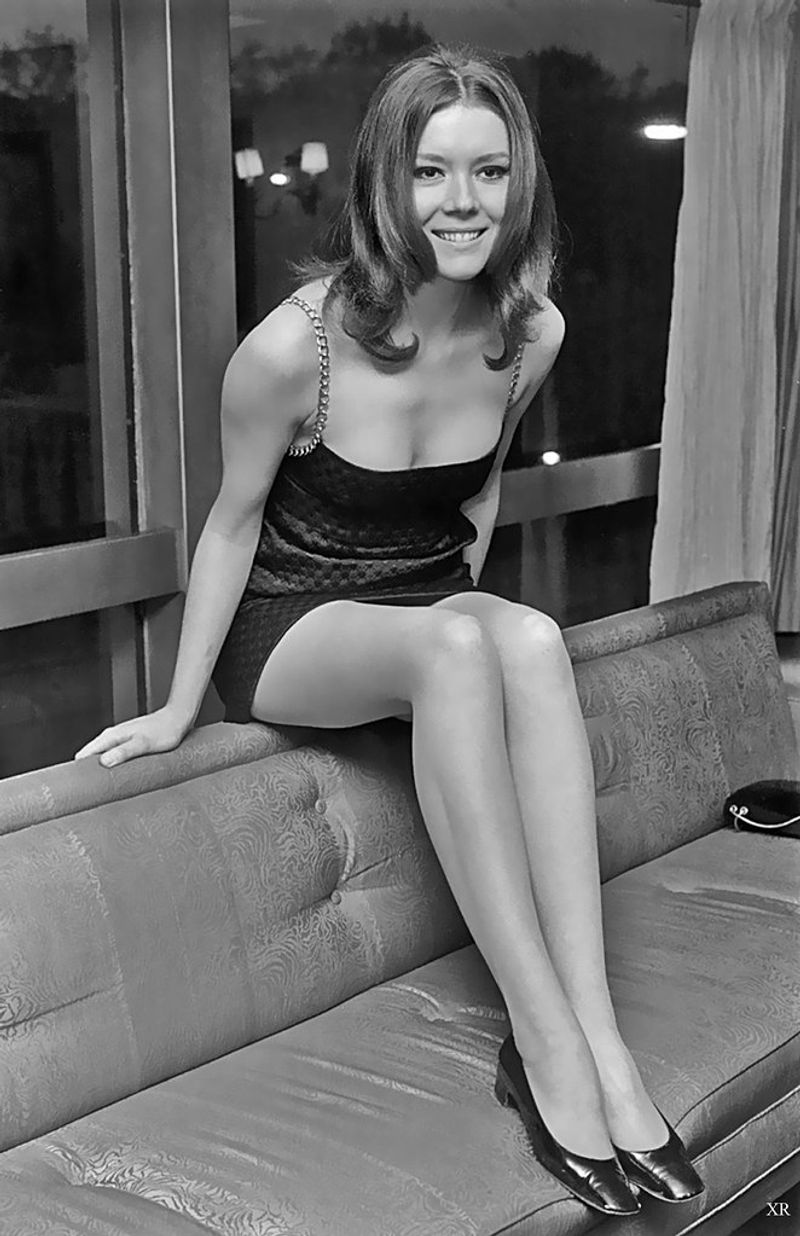
Few television wardrobes have made as big an impression as Emma Peel’s. Diana Rigg played the character on The Avengers, and her fitted catsuits, sleek lines, and bold boots became a symbol of 1960s modern style.
What made the look so special was how practical it seemed. Emma Peel could handle a fight, solve a mystery, and still look polished, so the clothes matched the action on screen.
The outfits also showed where fashion was heading. Designers were moving toward cleaner shapes and bolder ideas, and television was one of the best places to see them in motion.
Even today, the Emma Peel look pops up in fashion features and costume parties. A black catsuit, a pair of tall boots, and a confident walk are all it takes to bring her back.
Rigg’s performance gave those clothes personality, and that is why they are still remembered long after the show first aired.
Michael Caine in The Italian Job
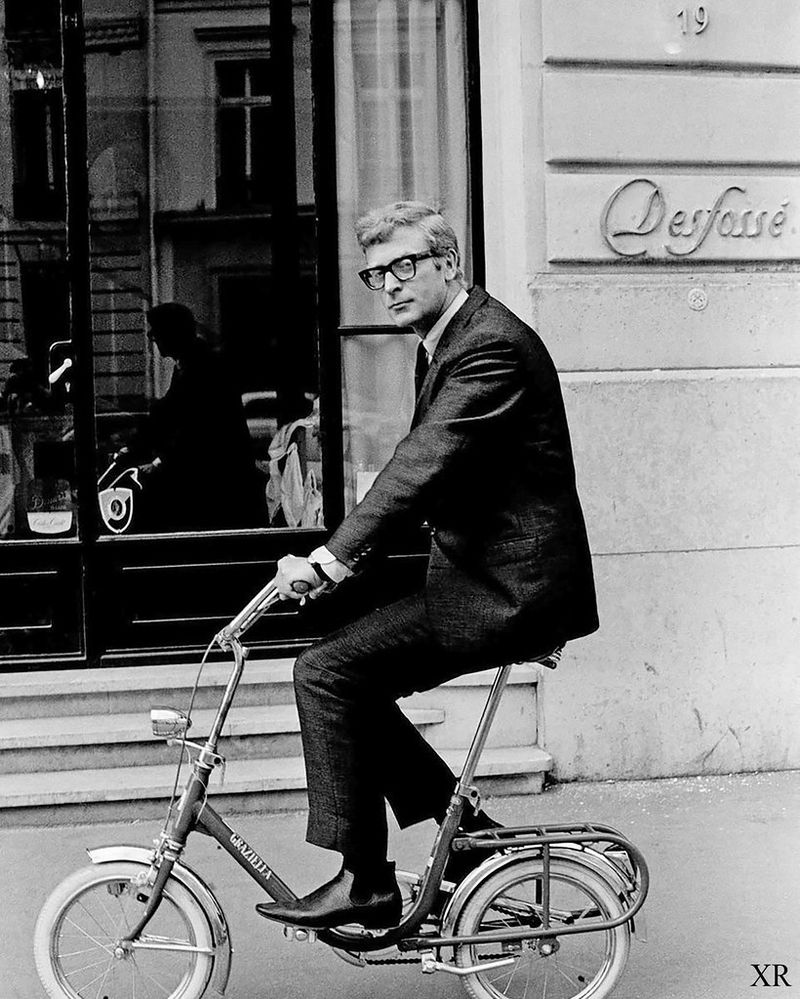
Sharp tailoring was the secret weapon of Charlie Croker. In the 1969 crime caper The Italian Job, Michael Caine wore polished suits that fit the film’s cool, confident mood.
His glasses were part of the look too. They gave the character a clever, slightly cheeky edge, and they became closely tied to Caine’s screen image in that era.
Men’s fashion in the late 1960s was moving away from stiff rules, but a well-cut suit still carried plenty of weight. Caine showed how a leading man could look relaxed and stylish at the same time.
That is one reason the film still gets attention from fans of vintage menswear. If you like clean lines, narrow lapels, and a calm attitude, Croker is a handy reference.
The movie is a fun reminder that a great outfit can say as much as a line of dialogue, and Caine delivered both with ease.
Julie Christie in Darling
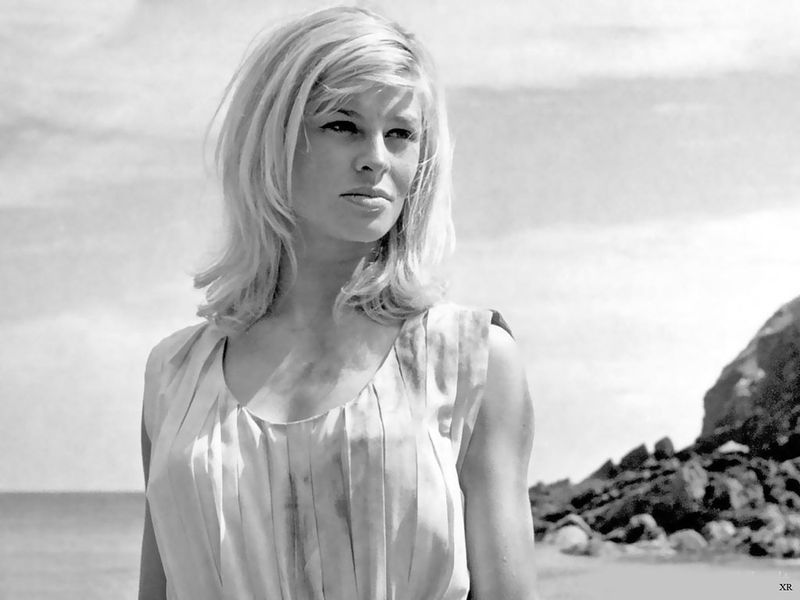
London in the mid-1960s was fast, glamorous, and full of change, and Darling captured that energy. Julie Christie played Diana Scott, a woman moving through the city’s fashionable social circles.
Her wardrobe, hairstyles, and polished look fit the character’s rise. The clothes helped tell the story of someone who wanted to be noticed and was learning what that attention could cost.
The film is more than a style showcase. It looks at fame, independence, and shifting attitudes of the time, which gave the fashion a deeper meaning on screen.
For anyone curious about how the Swinging Sixties looked, Darling is a smart place to start. Christie wore the era’s styles with confidence, and her performance showed that fashion in film can do more than decorate a scene.
It can help explain who a character is and what she hopes to become.
Terence Stamp in Modesty Blaise
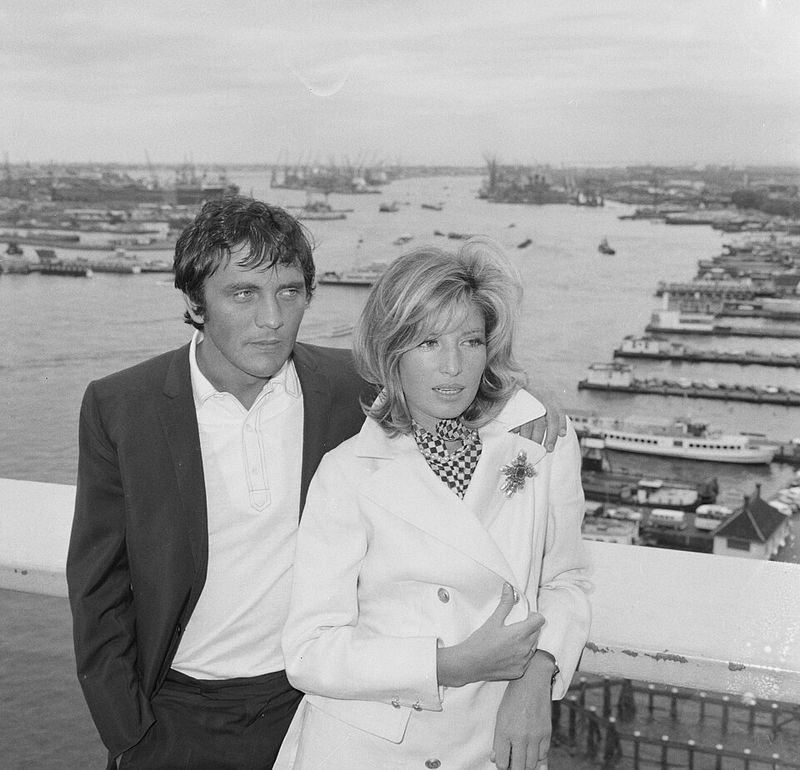
Bright, playful, and a little over the top, Modesty Blaise is a film that wears its style proudly. Terence Stamp appeared as Willie Garvin, bringing his youthful screen presence to its eccentric world.
The movie is known for its colorful look. Its costumes and sets reflect the experimental spirit that was spreading through popular culture in the middle of the decade.
Stamp was already linked with the stylish young faces of 1960s cinema, so the casting fit the film’s fashionable mood. His role helped balance the story’s adventure with its sense of fun.
If you enjoy bold design, this one is worth a watch. It shows how filmmakers were willing to try unusual shapes, colors, and ideas when telling a spy story.
The result is a snapshot of a time when pop art, fashion, and entertainment were all learning from each other.
Audrey Hepburn in Two for the Road
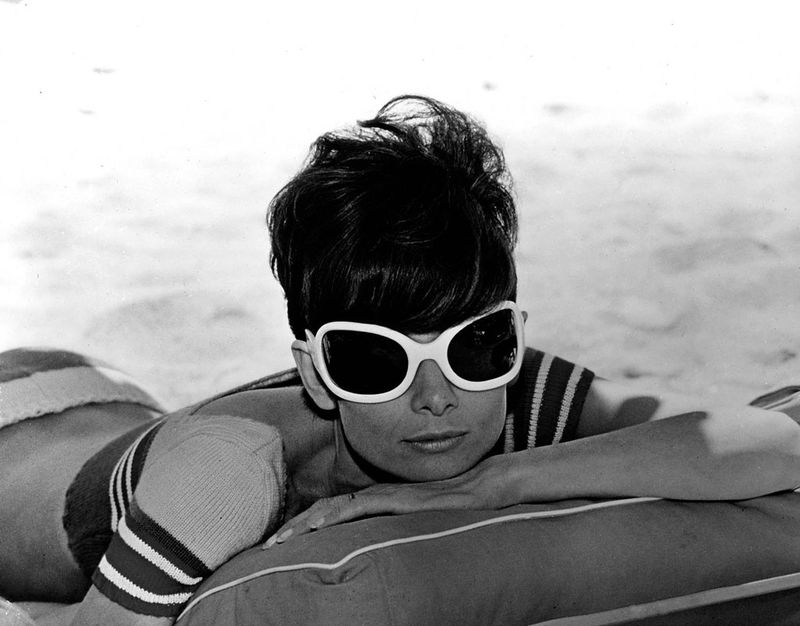
Audrey Hepburn was known for classic elegance, but Two for the Road let her try something fresher. The romantic drama follows a couple across several years, and her wardrobe changes along with the story.
Modern silhouettes and striking designer pieces give the film a distinctly late-1960s feel. The clothes show a more playful and contemporary side of an actress many people picture in simpler, older styles.
That makes the movie a useful lesson in how fashion moved during the decade. Shapes got shorter, bolder, and more youthful, and Hepburn adapted without losing her natural grace.
Watching it today, you can spot how each look suits the mood of a scene. A road trip calls for easy, bright outfits, while quieter moments get a different feel.
It is a great example of costume design helping tell a love story, one outfit at a time.
Vanessa Redgrave in Blow-Up
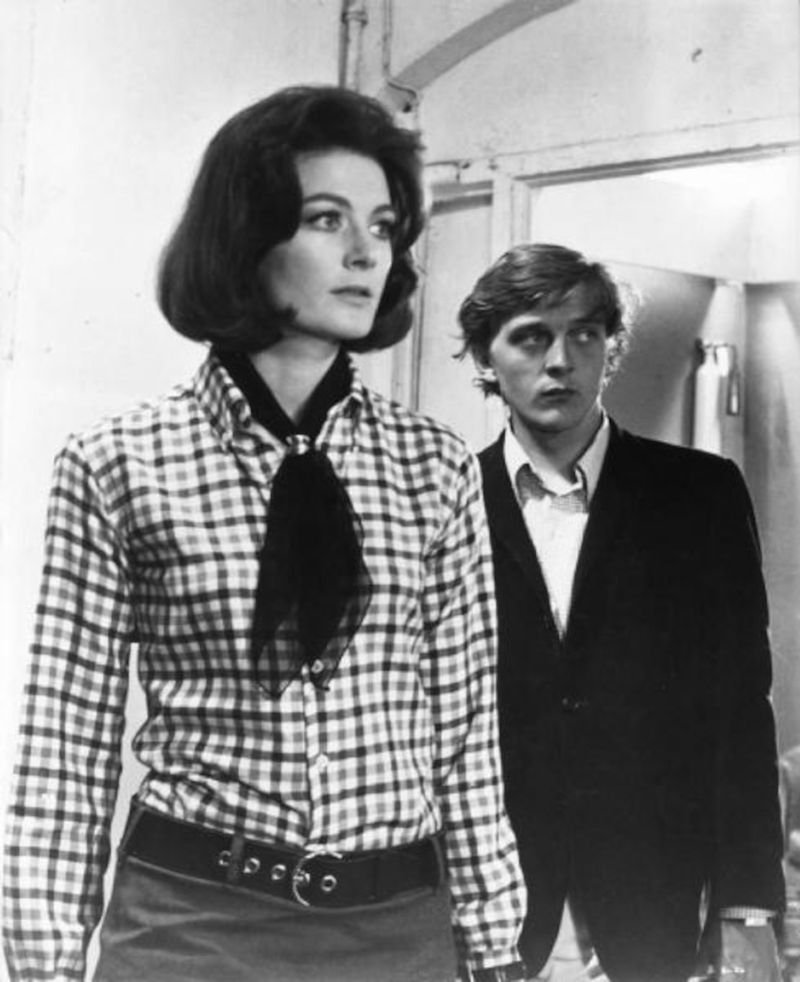
Blow-Up is one of the films people name first when they talk about Swinging London. Director Michelangelo Antonioni set the story in the city’s world of photography and fashion, and Vanessa Redgrave appears as Jane.
Her character adds to the film’s mysterious feel. She is part of a story where nothing is quite as simple as it first looks, and that fits the movie’s careful, modern style.
The film’s look has stayed influential. Its connection to contemporary fashion culture helped make it a defining portrait of the city at that moment.
If you want to understand why the 1960s still fascinate designers and photographers, this movie is a good teacher. It treats style as part of the story instead of a background detail.
Redgrave’s role may be one piece of the puzzle, but it helps complete a picture that people still talk about decades later.
Patrick Macnee in The Avengers
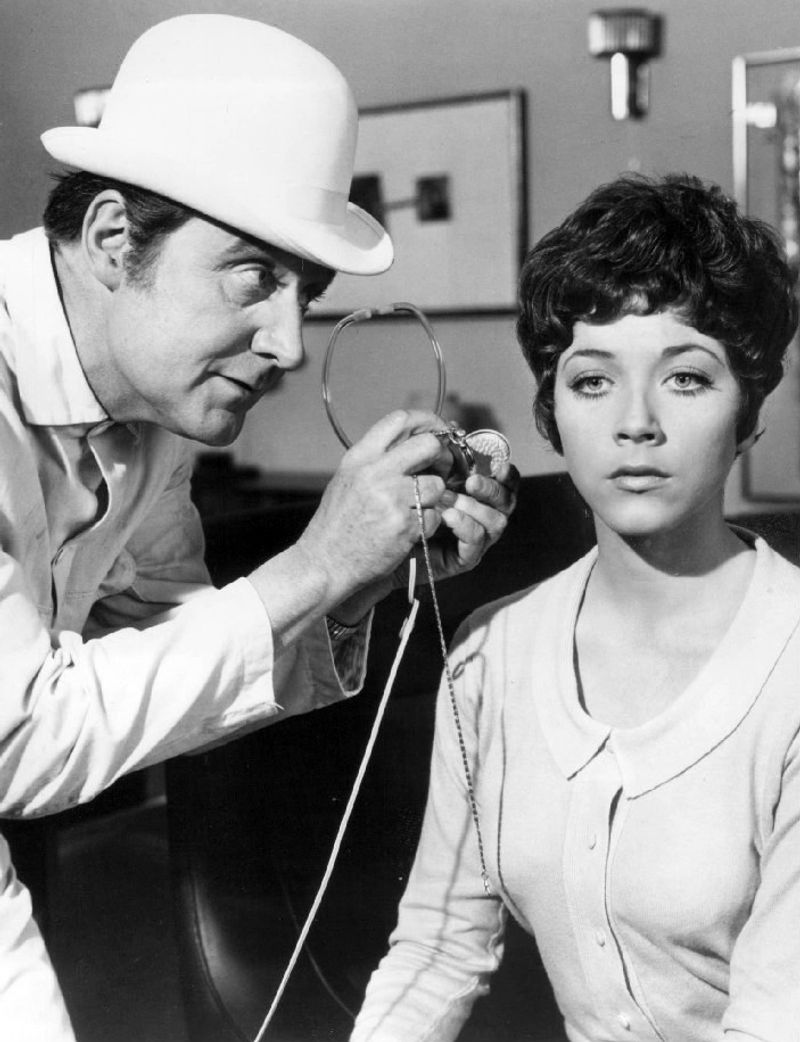
A bowler hat and an umbrella might seem old-fashioned for a show about modern spies, but that was the charm. Patrick Macnee played John Steed in The Avengers, and his style stood for traditional British elegance.
His immaculate suits set him apart from the youth-driven Mod movement. Steed looked like a gentleman from an earlier time, calm and composed even when trouble showed up.
That contrast became part of the show’s appeal. Next to Emma Peel’s futuristic outfits, his classic look created one of television’s most memorable fashion pairings.
It also proves that style does not need to chase every trend. Macnee made timeless tailoring feel fresh by wearing it with humor and ease.
For anyone who likes a polished look, Steed is a lasting example of how accessories can become signatures. A single umbrella carried the whole character.
Twiggy in The Boy Friend
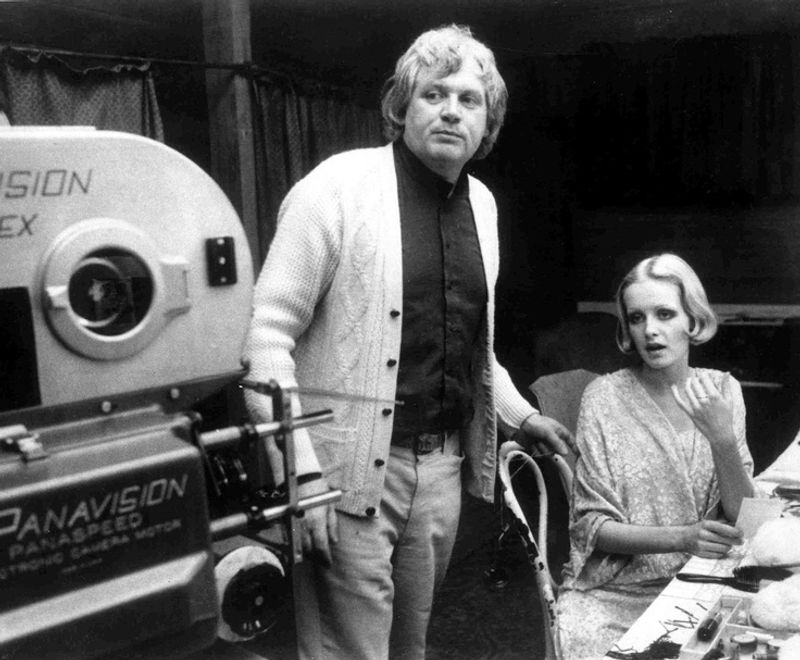
Here is a twist for the list: The Boy Friend came out in 1971, after the decade ended. Still, Twiggy was already a global fashion sensation, and her film debut in Ken Russell’s musical belongs in the story.
The costumes mostly looked back to the 1920s and 1930s rather than to Mod fashion. That gave audiences a different view of the famous model, in a setting full of song, dance, and theater.
Her distinctive beauty and youthful presence kept her tied to the fashion revolution of the 1960s. People who knew her from magazine pages could now see her performing.
It is a good reminder that a decade’s influence does not stop on December 31. Twiggy carried the spirit of the Sixties into a new era, and the film shows how a fashion icon can step into entertainment while keeping her unique identity.
David Hemmings in Blow-Up
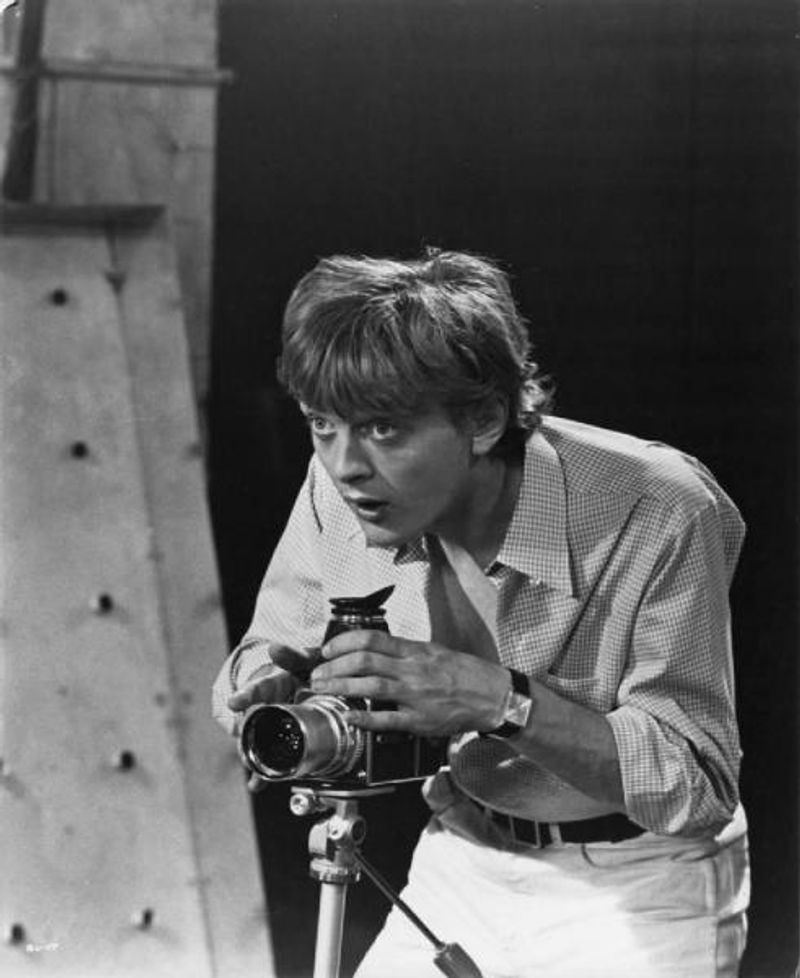
Thomas, the photographer at the center of Blow-Up, looks like he belongs in a style magazine. David Hemmings played him with contemporary clothing and a distinctive hairstyle that matched London’s creative youth culture.
The film follows his life as it gets tangled in a mystery. Along the way, viewers see photography studios, models, and stylish surroundings that capture an important moment in British cultural history.
Photographers were becoming stars in the 1960s, and the movie reflects that shift. A camera was not just a tool.
It was part of a fashionable image.
Hemmings made the role feel natural, and his look is still copied by people who love vintage style. Think relaxed jackets, tousled hair, and an artistic attitude.
Together with the film’s visuals, his performance helped set a template for the stylish creative character that appears in movies even now.
Julie Driscoll on Top of the Pops
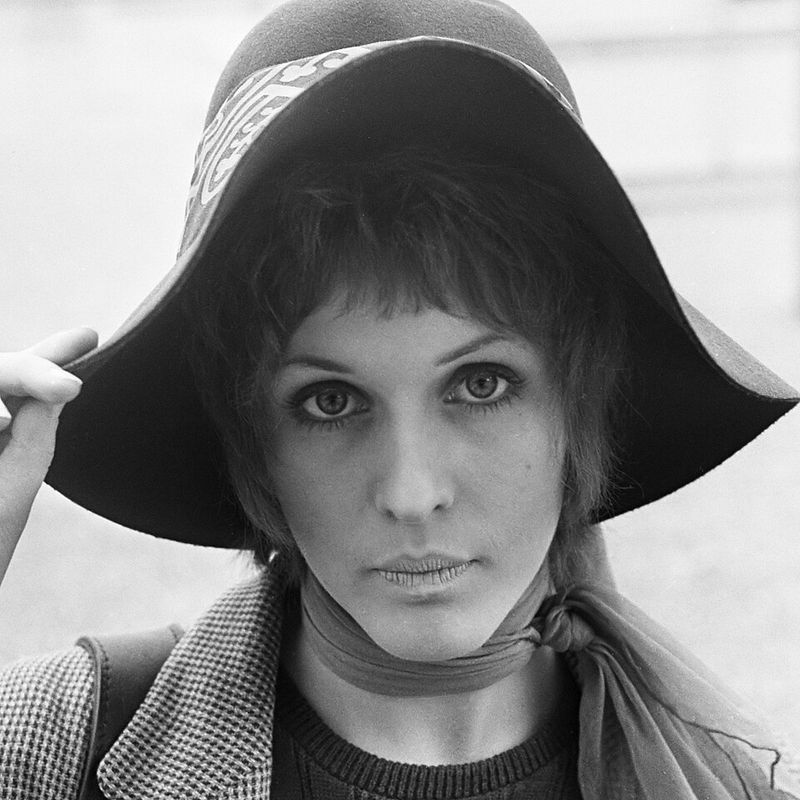
In 1968, Julie Driscoll appeared on Top of the Pops with Brian Auger and the Trinity, performing their version of This Wheel’s on Fire. It was a moment where music and fashion shared the same screen.
Her dramatic eye makeup and distinctive hairstyles made a strong visual impression. Combined with expressive performances, they helped shape a public image that people still remember.
Television was a powerful way to spread trends in the late 1960s. A single appearance could show viewers a new look, and music shows were full of them.
Driscoll’s style stood out because it felt bold without being rigid. It leaned into individuality, which fit the mood of the time.
If you are exploring how pop stars influenced fashion, her performance is a good example of how a few minutes of broadcast could leave a lasting mark on screen history.
Jack Wild in H.R. Pufnstuf
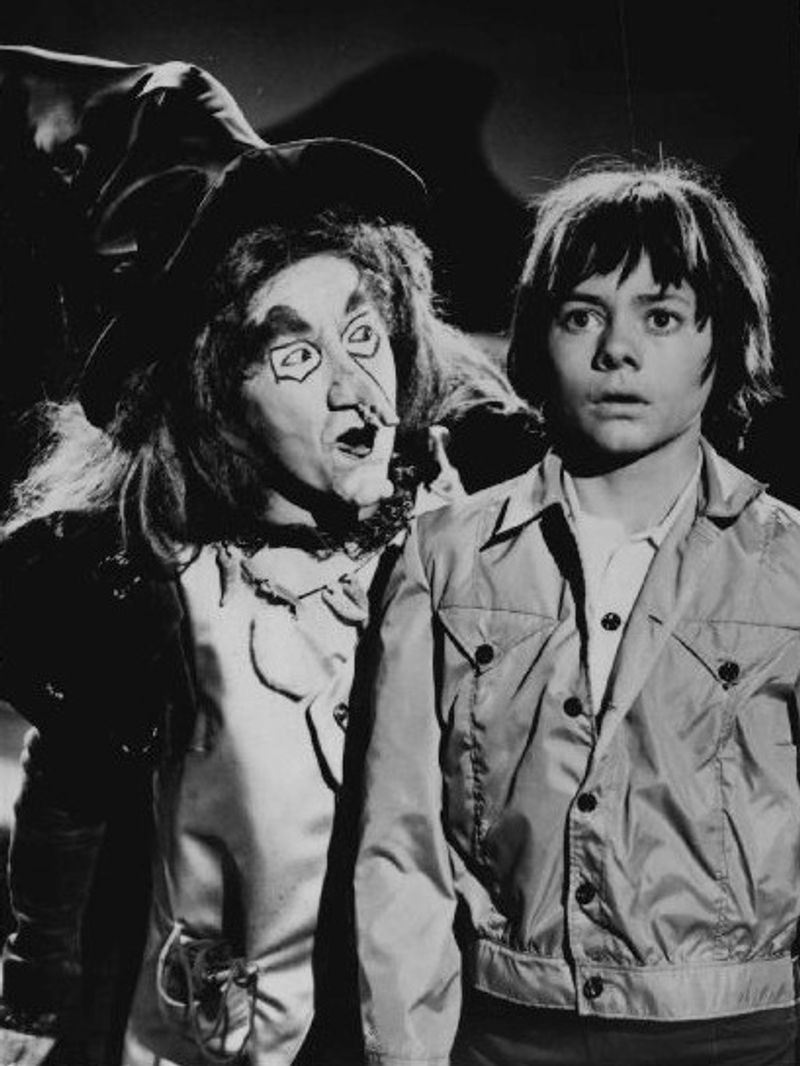
Saturday morning television got a splash of psychedelic color with H.R. Pufnstuf.
Jack Wild starred as Jimmy, a boy who ends up in a fantasy world full of talking creatures and bright scenery.
The show was not strictly Mod, but its imaginative costumes and sets echoed late-1960s visual trends. Bold shades and playful designs made it look like nothing else on the schedule.
That is what makes it interesting for fashion history. Experimental ideas from art, music, and clothing were reaching children’s entertainment, not just adult films and magazines.
Wild’s simple outfit stood out against the wild backdrop, which helped keep the focus on his character. For viewers who grew up with the series, the look brings back strong memories.
For newcomers, it offers a lively example of how the decade’s creative energy spread into every corner of television.
Jane Birkin in La Piscine
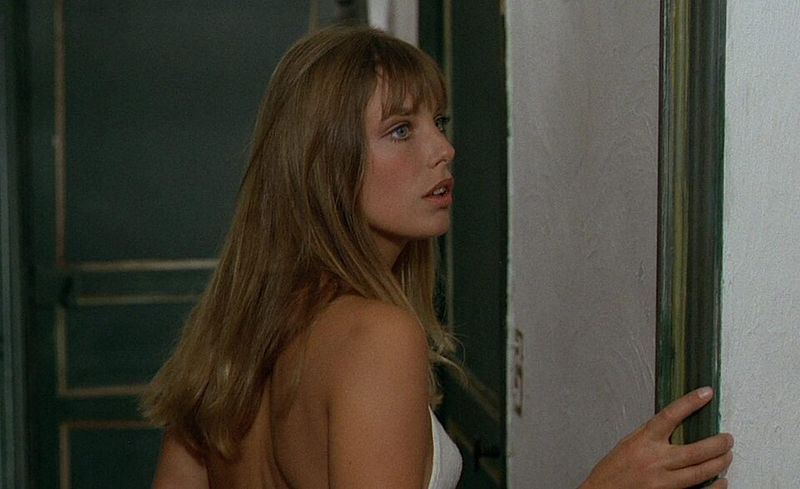
Summer style rarely looks as easy as it does in La Piscine. Jacques Deray’s 1969 psychological thriller stars Jane Birkin as Pénélope, alongside Alain Delon and Romy Schneider.
The story takes place in a villa on the French Riviera, and Birkin’s relaxed appearance fits the setting. Her understated look expresses a kind of casual sophistication that felt very European.
Instead of heavy accessories or bold patterns, the character relies on simplicity. That choice helped make the look feel timeless, even though the film is firmly tied to its year.
Birkin would go on to become a lasting style icon, and this role is an early glimpse of that appeal. If you like natural hair, simple outfits, and warm-weather ease, the film is a good visual reference.
It closes the decade with a quiet reminder that sometimes less really does look best.
Share this story