Some of the world’s most amazing history is not locked in a museum case. It is standing right out in the open, waiting for you to walk through it.
This list covers thirteen ancient sites across Asia, Europe, the Middle East, and the Americas that still welcome visitors today. You will find rock-carved cities, buried Roman streets, jungle temples, and mountain sanctuaries.
Each one tells a real story about people who lived, built, and traded long ago. Some are famous names, and others may surprise you with how much there is to see.
Whether you are planning a big trip or just collecting ideas, these places show how much of the ancient world is still open to explore.
Petra, Jordan
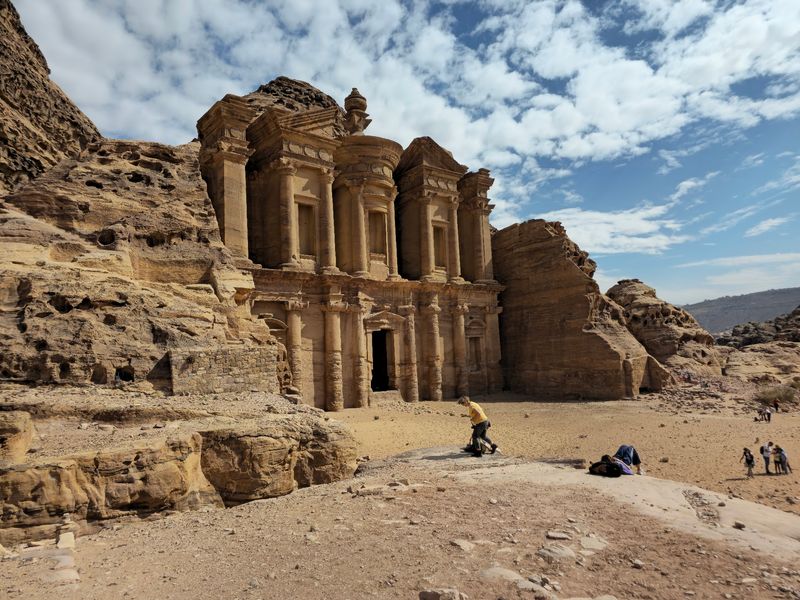
Nobody forgets the walk into Petra. The path runs through the Siq, a narrow canyon between tall sandstone walls, and it ends with a sudden view of the Treasury.
That famous carved front is only the start. Petra was once a busy trading center of the Nabataean people, linking Arabia with the Mediterranean world, and the site still holds royal tombs, temples, and old streets.
The biggest reward for strong legs is the Monastery. This huge rock-cut building sits high above the main area and takes a climb to reach, so comfortable shoes and water are smart ideas.
Petra is fully open as a visitor attraction, and the official visitor center opens daily with seasonal hours. Because the site is large, many travelers plan more than one day to see the main sights without rushing.
Machu Picchu, Peru
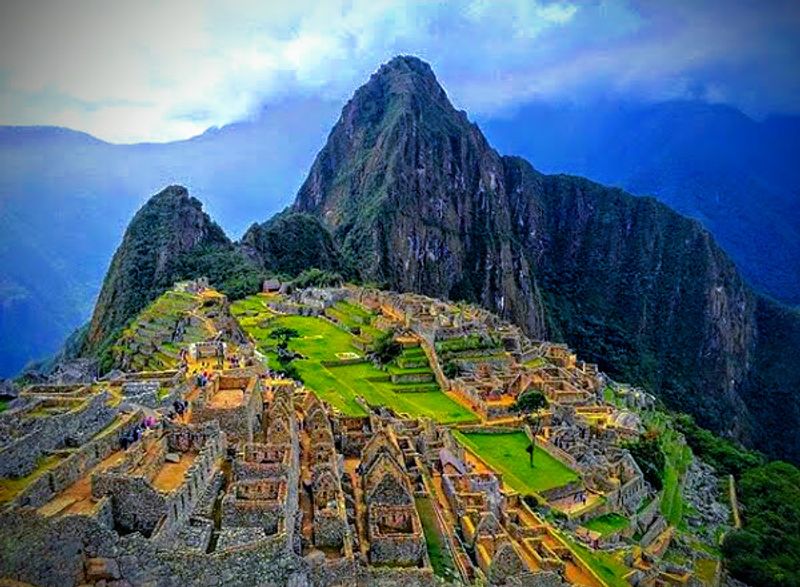
Few ruins have a backdrop like this one. Built by the Inca in the 15th century, Machu Picchu sits high above the Urubamba Valley, surrounded by steep green mountains.
The stone city holds temples, terraces, ceremonial areas, homes, and clever water systems. Walking through it gives a clear sense of how carefully the Inca planned their buildings on difficult land.
Planning matters here. Peru controls access through set visitor circuits to protect the ruins, so you follow marked routes instead of wandering freely.
The Ministry of Culture runs official ticket sales for 2026, with a daily limit that rises to 5,600 visitors on certain high-demand dates. Buying tickets early from the official source is the safest move, especially if you want a specific date.
Pompeii, Italy
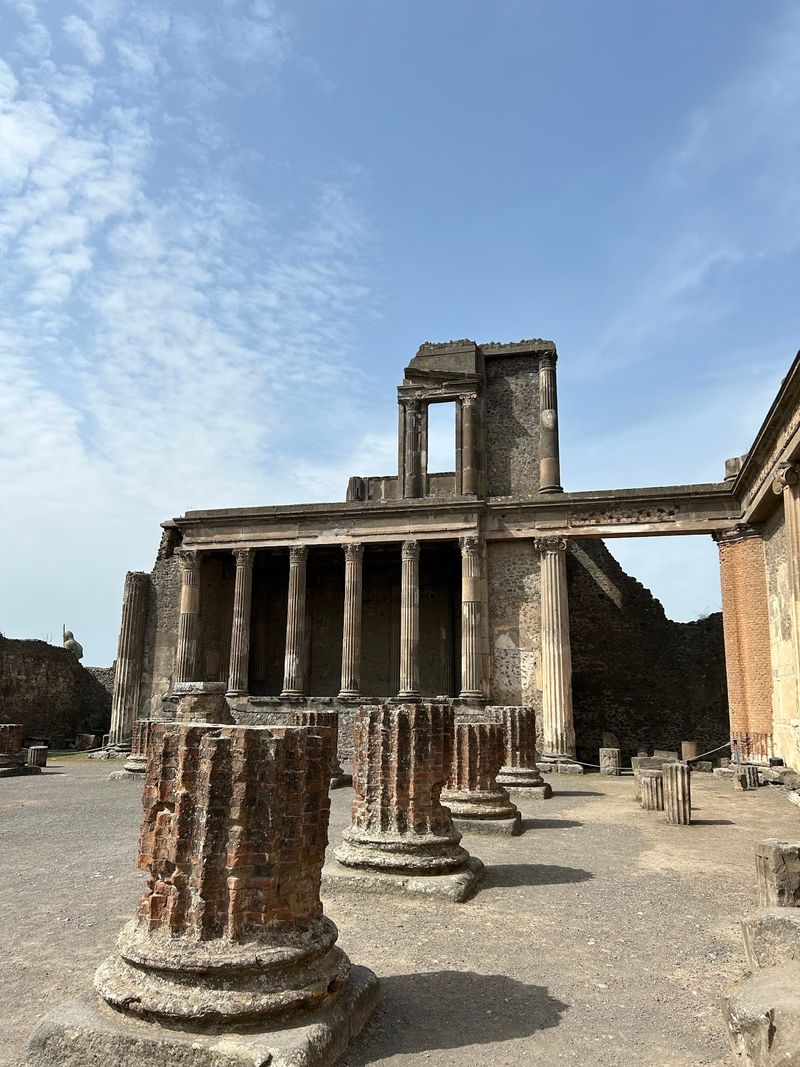
Here is a rare treat for history fans: you can walk through much of an actual ancient city. Pompeii is not just a few monuments in a field.
When Mount Vesuvius erupted in AD 79, volcanic material covered streets, villas, bathhouses, shops, temples, and public buildings. Excavation has since uncovered everyday Roman life, including wall paintings, mosaics, bakeries, and even political graffiti.
That small detail is the fun part. Seeing scribbled messages on walls makes the people of Pompeii feel close, almost like neighbors.
Pompeii Archaeological Park remains open to visitors with seasonal schedules, and there is a daily admission limit of 20,000 people. The site is big and mostly outdoors, so a hat, water, and sturdy shoes will make the day much easier.
Angkor Archaeological Park, Cambodia
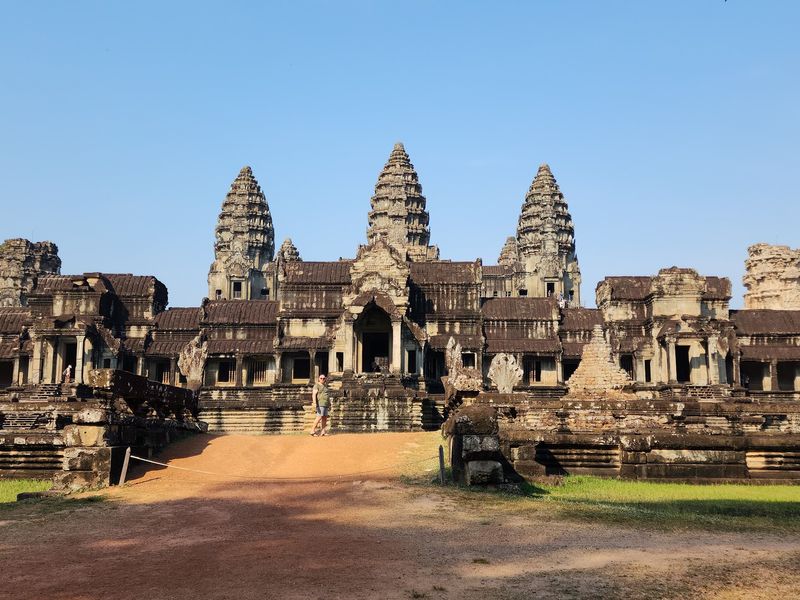
Plenty of travelers come for Angkor Wat and leave talking about the other temples. The area around Siem Reap once formed the heart of the powerful Khmer Empire, and the park holds a huge collection of ancient structures.
Bayon is known for its giant stone faces. Ta Prohm stands out for trees growing over the ruins, while Preah Khan and Banteay Kdei add even more to explore.
Because the park is so spread out, the pass you pick shapes your trip. Official Angkor passes give access to temples across the park, with one-day, three-day, and seven-day options.
A single day covers the highlights, but a longer pass gives you room to slow down. Many visitors enjoy mixing famous temples with quieter ones for a more balanced visit.
The Acropolis, Athens, Greece
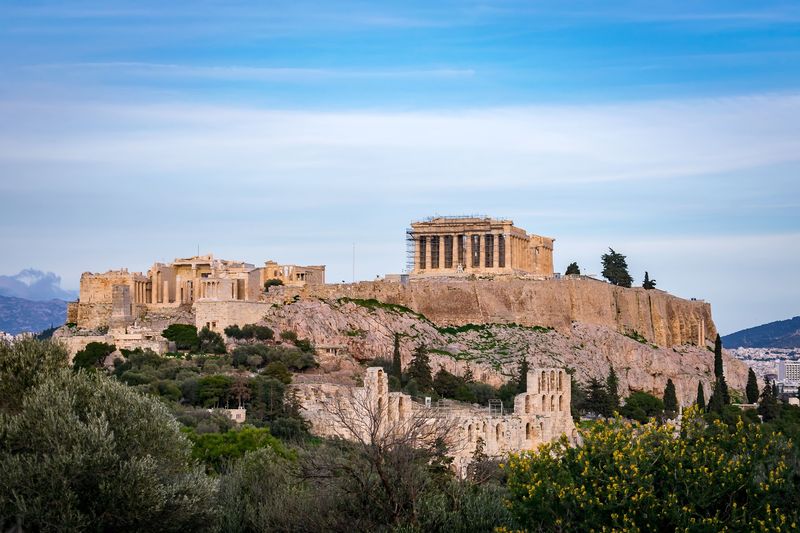
Look up from almost anywhere in Athens and the Acropolis is there. It towers above the modern city and is one of the most important surviving groups of buildings from Classical Greece.
The Parthenon takes center stage, but the hill also holds the Erechtheion, the Temple of Athena Nike, and the monumental Propylaea. Each structure connects to the story of ancient Athens.
You may notice scaffolding on parts of the site. Conservation work is ongoing, so travelers get to see both the monuments and the large effort needed to protect them.
Greece’s Ministry of Culture runs the Acropolis as an active archaeological attraction with seasonal opening schedules. Checking the current hours before you go helps you plan around the day’s heat and crowds.
Chichén Itzá, Mexico
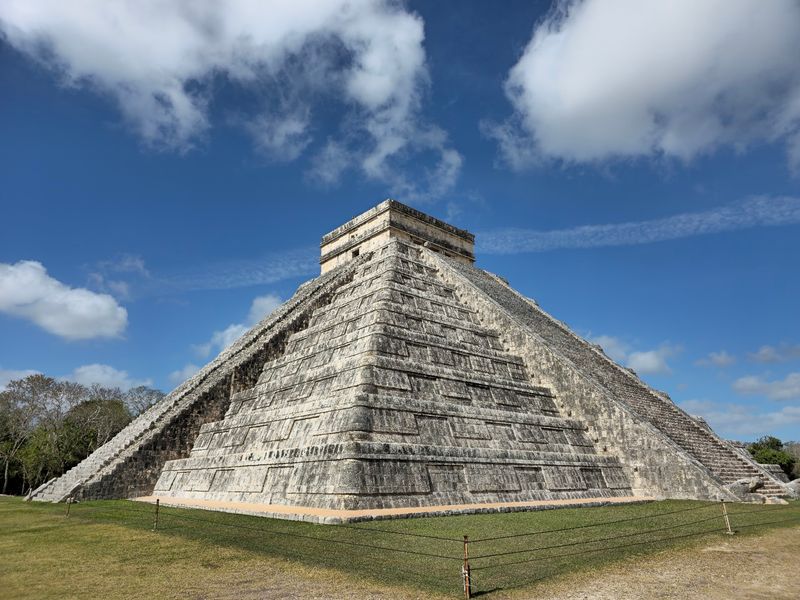
Mesoamerica has plenty of impressive architecture, yet El Castillo may be its most recognized building. Also called the Temple of Kukulcán, it rises over the archaeological zone at Chichén Itzá.
This was once one of the most influential Maya cities in the Yucatán Peninsula. Beyond the main pyramid, visitors can see the Great Ball Court, the Temple of the Warriors, sacred cenotes, and many ceremonial platforms.
The site is easy to plan around. Mexico’s National Institute of Anthropology and History lists Chichén Itzá as open daily, currently from 8 a.m. to 5 p.m., with final admission before closing.
Arriving near opening time is a smart habit in a warm region like Yucatán. Bring water and sun protection, since much of the walking is out in the open.
Teotihuacán, Mexico
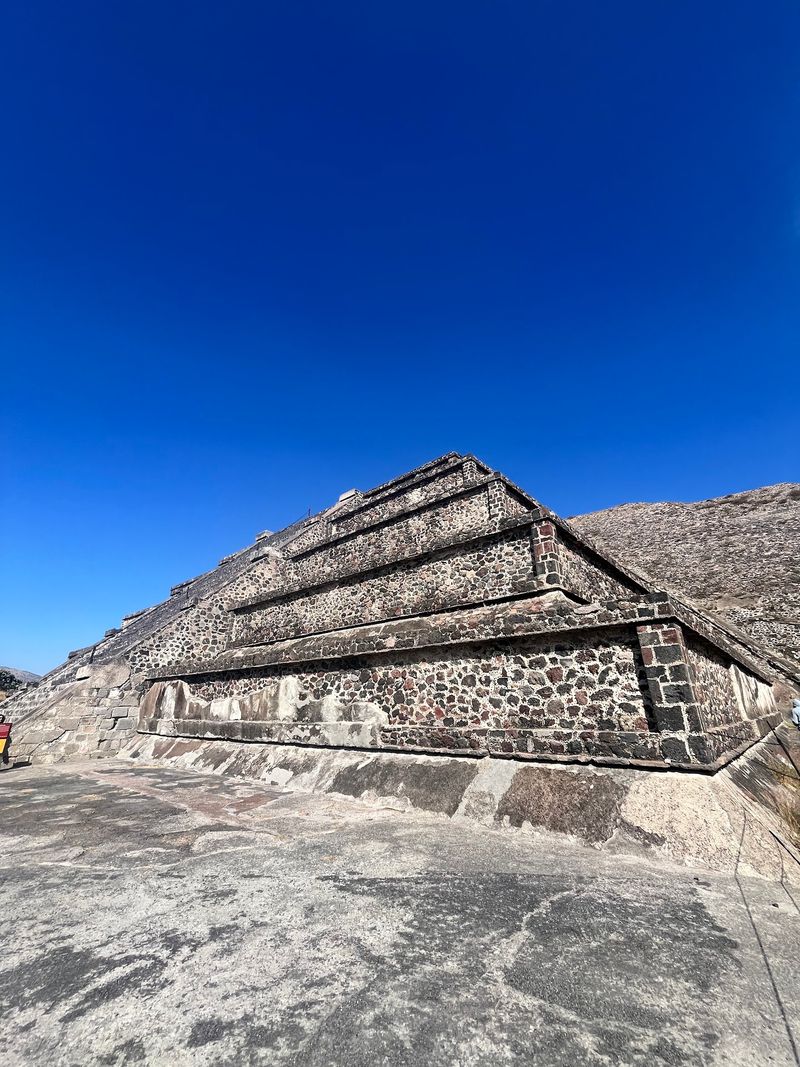
Here is a puzzle for history lovers: the people who first built Teotihuacán are still being studied. The city existed long before the Aztec Empire reached its height, and it was one of the largest urban centers in the ancient Americas.
The ceremonial landscape is enormous. It includes the Pyramid of the Sun, the Pyramid of the Moon, the Temple of the Feathered Serpent, and the broad Avenue of the Dead that links much of the site.
That open question about the original inhabitants adds a layer of mystery to the visit. You are walking through a place that still has unanswered questions.
The archaeological zone is currently open every day from 8 a.m. to 5 p.m. Wear comfortable shoes, since the avenue is long and the pyramids involve steps.
Ephesus, Türkiye
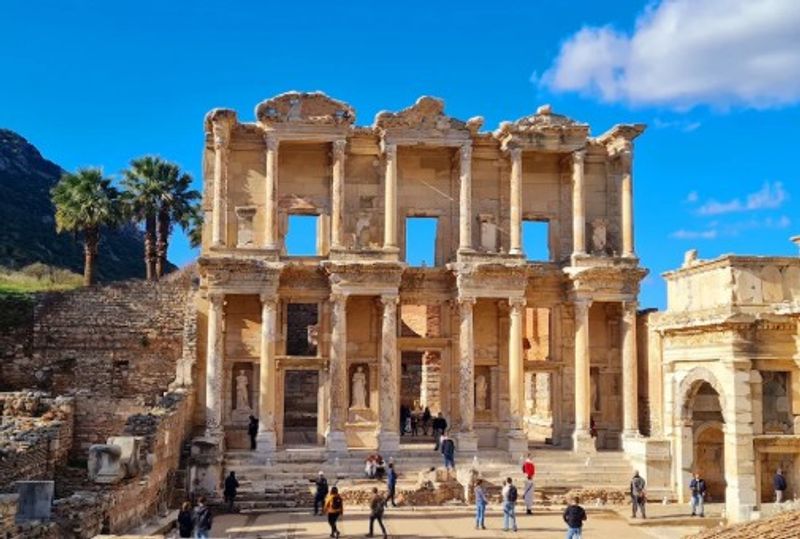
Want to picture a wealthy Roman city at its best? Ephesus is among the best places in the Mediterranean to try.
Travelers can follow marble streets to the Library of Celsus, the Great Theatre, public fountains, and temples. Elaborate residential buildings add to the story of daily life in the city.
The Terrace Houses are especially impressive. They preserve mosaics and frescoes from the homes of wealthy Romans, so you can see how well-off families decorated their living spaces.
Türkiye’s Ministry of Culture currently lists the Ephesus archaeological site as open every day, with visitor services and audio guides available. An audio guide is a handy way to understand the buildings as you walk from one landmark to the next.
Hampi, India
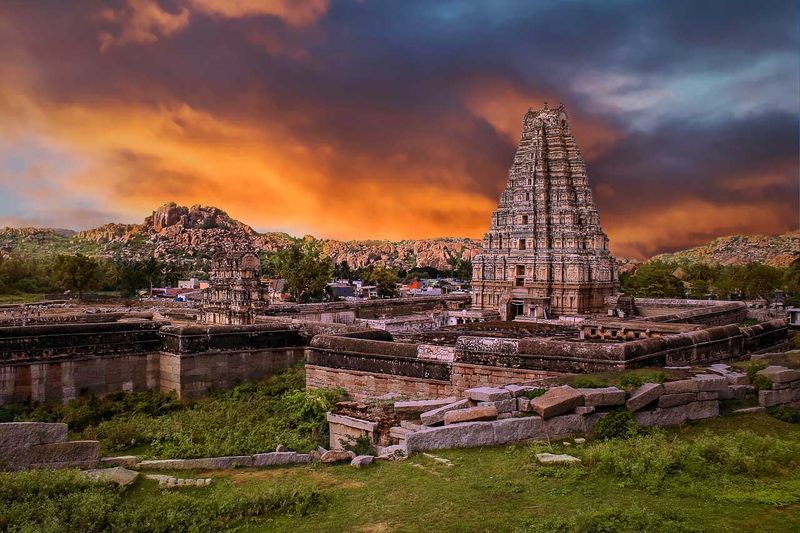
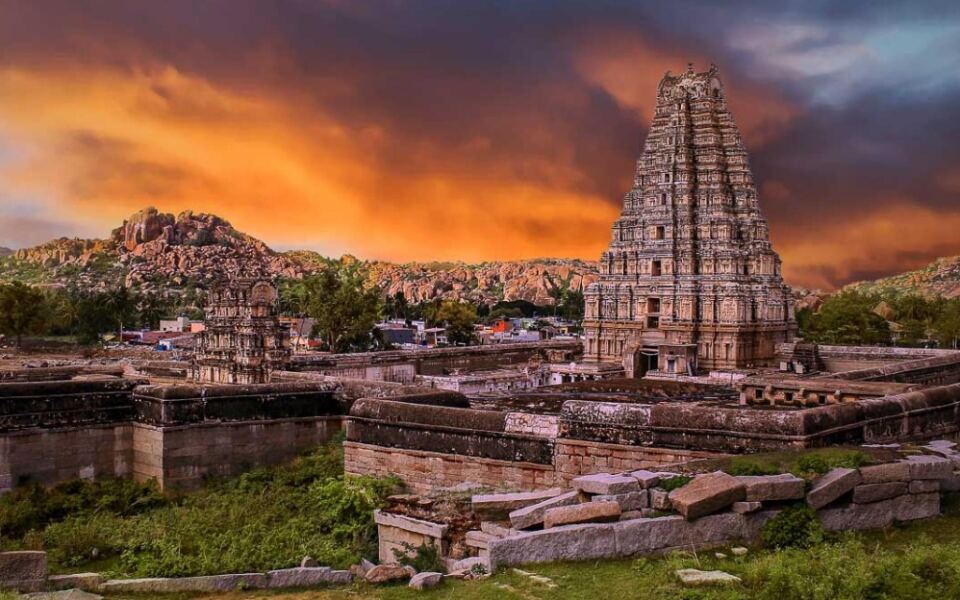
Giant granite boulders give Hampi a look unlike any other ancient capital. Spread across Karnataka, it preserves the remains of the former capital of the Vijayanagara Empire.
More than 1,600 surviving monuments are scattered across the wider heritage landscape. They include temples, royal structures, markets, gateways, water systems, and the famous Stone Chariot.
One part of Hampi is not just history. The Virupaksha Temple remains an active place of worship, so the site blends archaeology with a living religious landscape.
Karnataka Tourism continues to promote the UNESCO-listed site as one of the state’s major heritage destinations. Since the monuments are spread out, plan for more than a quick stop and think about how you will move between areas.
Roman Forum and Palatine Hill, Rome, Italy
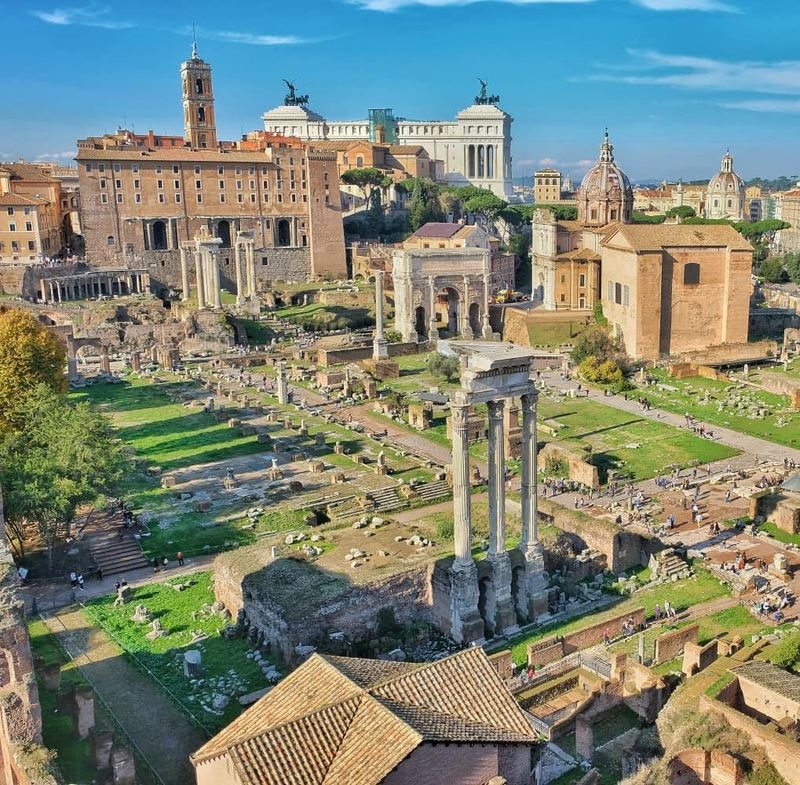
Everyone photographs the Colosseum, but the ruins next door deserve plenty of time too. The Roman Forum and Palatine Hill are where much of ancient Rome’s story played out.
The Forum holds the remains of temples, basilicas, triumphal arches, political buildings, and ceremonial spaces. These stood at the center of Roman public life.
Above it, Palatine Hill contains the remains of imperial residences with views over the city. The climb gives you a different angle on the Forum below.
Both areas remain open as part of the Colosseum Archaeological Park, with official seasonal opening hours and combined ticket options. A combined ticket can make it simpler to see all three sights in one trip, though the walking adds up, so pace yourself.
Hierapolis, Türkiye
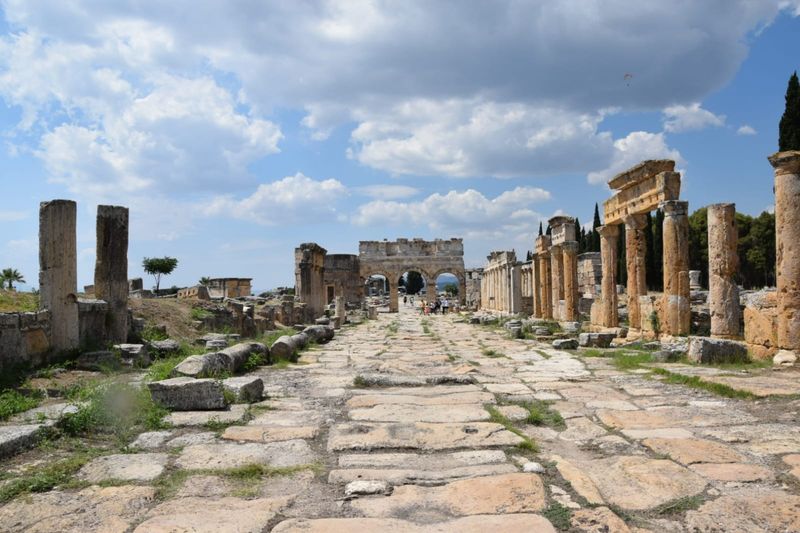
Ruins and natural wonder share the same hillside here. Hierapolis grew up beside the mineral-rich thermal waters of what is now Pamukkale.
The ancient city includes an exceptionally well-preserved theater, monumental gates, baths, temples, and streets. An extensive necropolis adds even more to explore across the site.
Inside the ancient Roman bath complex is the archaeological museum, which makes a nice indoor pause during a long day. It is also open to visitors.
The Hierapolis archaeological site remains open every day. Since the area is large and sunny, give yourself time to walk slowly between the theater, the gates, and the baths rather than rushing through them.
Troy, Türkiye
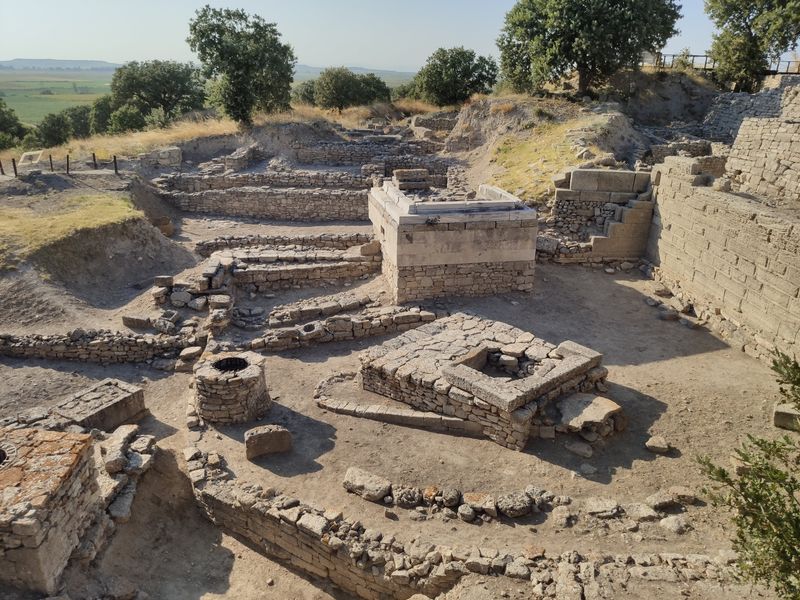
Few places have inspired as many stories as Troy. The tale of the Trojan War made it famous, yet the settlement also has a real archaeological history that spans thousands of years.
Digging here has shown something surprising. Instead of one ancient city, excavations revealed many layers of occupation built on top of one another.
Türkiye’s Ministry of Culture notes that nine archaeological layers document more than 3,000 years of settlement, from the Early Bronze Age through the Roman period. That gives visitors a long timeline to think about while walking the site.
Excavations continue today, and the archaeological site remains open daily to visitors. Reading the signs along the path helps you tell which layer you are looking at.
Delphi, Greece
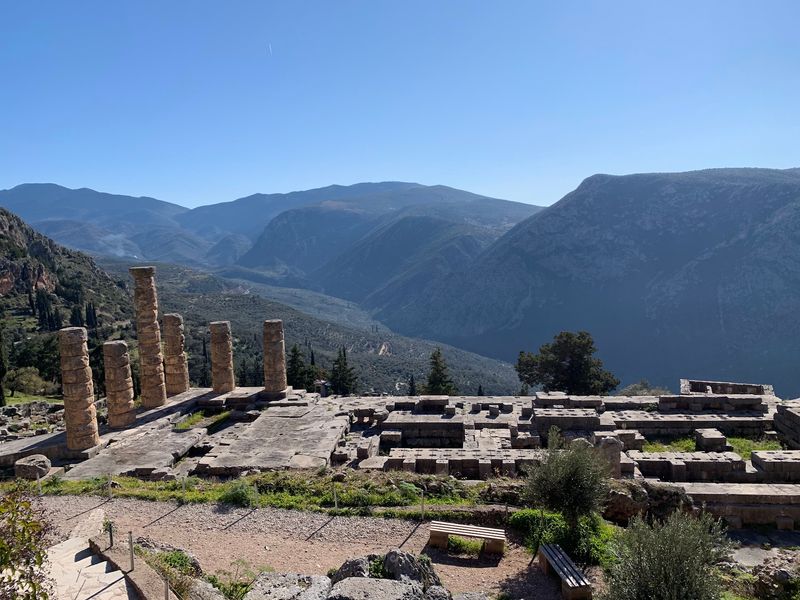
Long ago, pilgrims made the trip up Mount Parnassus with one goal: to ask the Oracle of Delphi for answers. The Sanctuary of Apollo was one of the most important religious centers of the ancient Greek world.
Today, visitors can explore the Temple of Apollo, the ancient theater, the stadium, treasuries, and other structures spread across the mountainside. The slope setting means a lot of the visit is a gentle climb with views.
The Archaeological Museum of Delphi is part of the visit too. Admission is available together with the site, and the museum displays sculptures and artifacts discovered at the sanctuary.
The archaeological site remains open to travelers. Seeing the finds in the museum first can make the ruins outside easier to understand.
Share this story