Some ideas sound like they belong in a movie, not a news report. Over the past two decades, Elon Musk and his companies have announced plans that many people first saw as fantasy.
Some of these projects now work in the real world, while others are still being tested or remain proposals. Here is a clear look at 13 of them and where each one stands.
1. SpaceX Starship
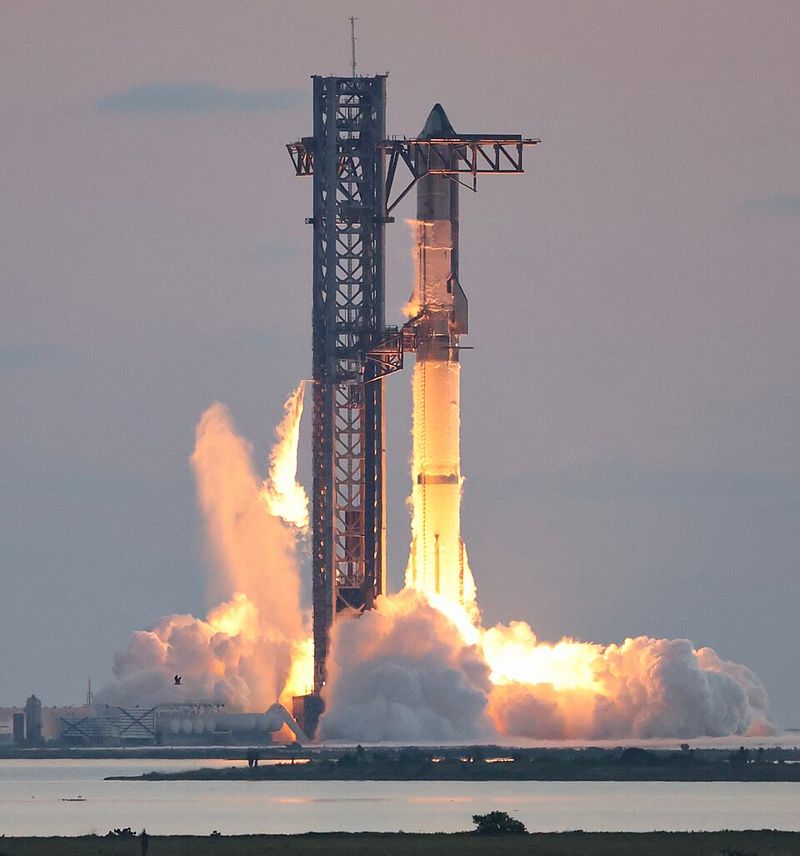
Picture a rocket taller than the Statue of Liberty that can land and fly again. That is the goal of Starship, a two-stage system built by SpaceX to carry people and cargo far beyond Earth.
The vehicle is made mostly of stainless steel and is powered by Raptor engines that burn liquid methane and oxygen. Both the booster and the upper stage are designed to be reused, which could lower the cost of spaceflight.
Test flights have taken place from Starbase in southern Texas. Some ended in explosions, and engineers used the data to improve later versions.
NASA has chosen a version of Starship to help land astronauts on the Moon as part of the Artemis program.
Starship is still in development, but it has already shown that a rocket of this size can fly and return to its launch site.
2. Neuralink Brain Implants
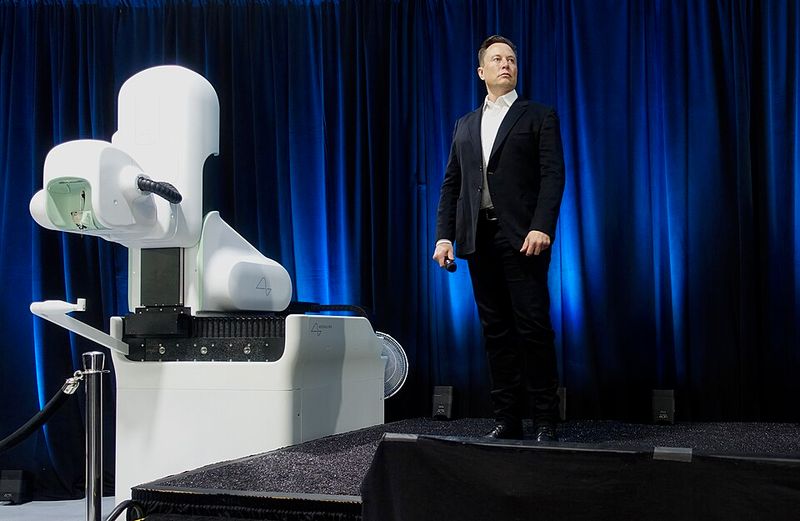
Moving a computer cursor using only your thoughts sounds like a scene from a futuristic film. Neuralink is working to make it real for people who cannot use their hands.
The company develops a small implant placed in the brain by a surgical robot. Thin threads pick up electrical signals from neurons, and software turns those signals into commands for a phone or computer.
In 2024, Neuralink implanted its first human patient as part of a clinical trial. Early results showed the participant could control a cursor and play games on a screen.
The main goal is to help people with paralysis communicate and use technology more freely. Long-term safety and reliability are still being studied, and regulators continue to review the work carefully.
3. Tesla Optimus Humanoid Robot
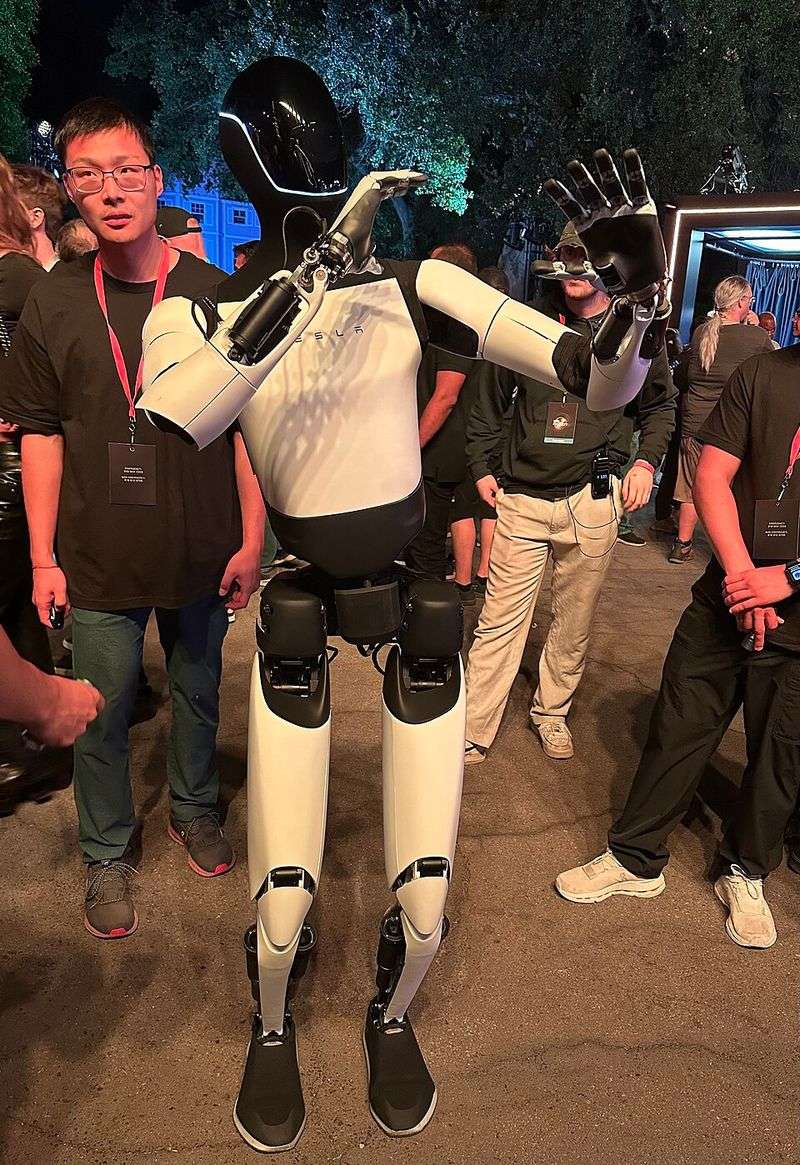
A robot that folds laundry, moves boxes, and works beside people has long been a favorite idea in stories. Tesla is trying to build one called Optimus.
Revealed at first as a person in a costume on stage in 2021, Optimus has since appeared as a working prototype. Videos show it walking, sorting objects, and using its hands for simple jobs.
Tesla says the robot could handle dull or dangerous tasks in factories first, then possibly in homes later. The company uses the same kind of artificial intelligence found in its vehicles to help the robot understand its surroundings.
Many experts point out that building a useful, affordable humanoid is very hard. Timelines have shifted before, so progress is worth watching with a careful eye.
4. The Boring Company’s Underground Tunnels
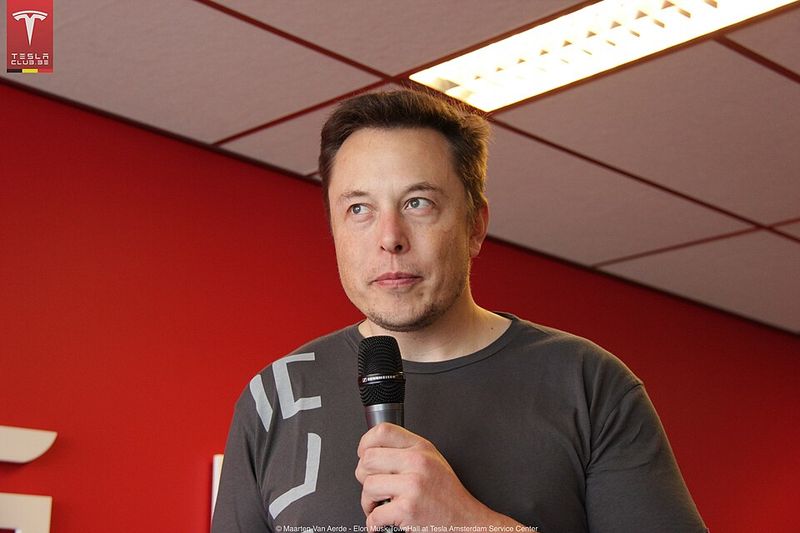
Traffic jams make almost everyone wish for a way to skip the line. The Boring Company, founded in 2016, proposed digging tunnels under cities so vehicles could travel below the congestion.
Its best-known project is the Las Vegas Convention Center Loop. Passengers ride in Tesla vehicles through tunnels that connect parts of the convention center, cutting a long walk down to a few minutes.
The company has also pitched larger networks in Las Vegas and other cities. Supporters like the idea of using space underground, while critics say cars in tunnels cannot move as many people as trains.
Tunneling is slow and costly, so the company has worked on faster digging machines. Whether the concept can grow into a true citywide system is still an open question.
5. SpaceX Starlink
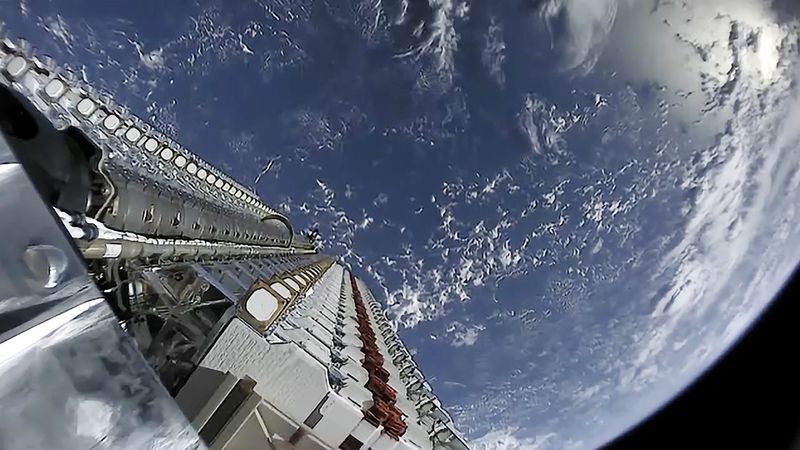
Look up on a clear night soon after a launch and you might spot a string of lights moving across the sky. Those are Starlink satellites, part of the largest satellite network ever built.
Thousands of them orbit close to Earth, much lower than older internet satellites. Being closer means signals travel a shorter distance, which helps speeds and response times.
Customers use a small dish that points itself toward the sky. The service reaches farms, ships, airplanes, and remote villages where cables are hard to lay.
Starlink has also been used during disasters and emergencies when other networks failed. Astronomers have raised concerns about satellite brightness and crowded orbits, and the company has tested darker coatings and other fixes in response.
6. Tesla Cybercab
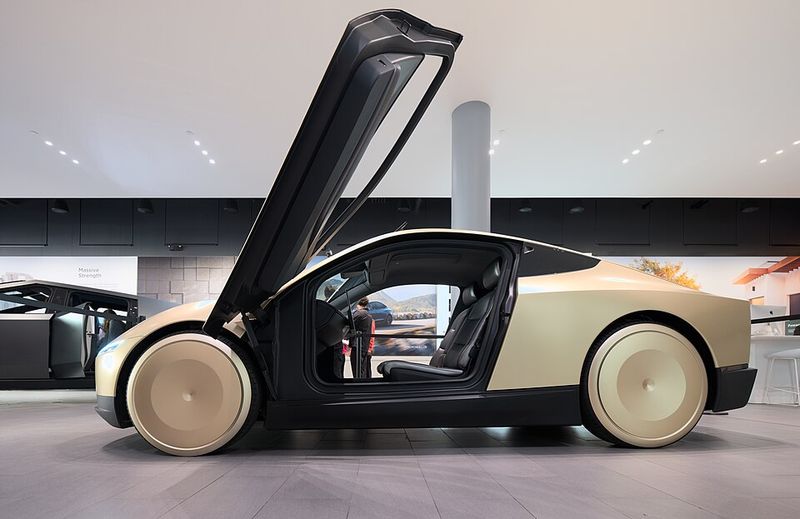
Imagine hailing a ride and finding a car with no steering wheel and no pedals. Tesla unveiled the Cybercab in October 2024 as a vehicle built only for self-driving service.
The two-seat design uses doors that swing upward and a smooth, compact body. Tesla has said it wants to keep costs low so rides could become cheaper than many current options.
Without traditional controls, the car depends entirely on software to handle the road. That means it must meet strict safety rules and gain approval in each place where it operates.
Tesla has talked about starting production in the coming years, though earlier promises about autonomy have taken longer than expected. Regulators and the public will decide how fast robotaxis become common.
7. SpaceX Mars Colonization Project
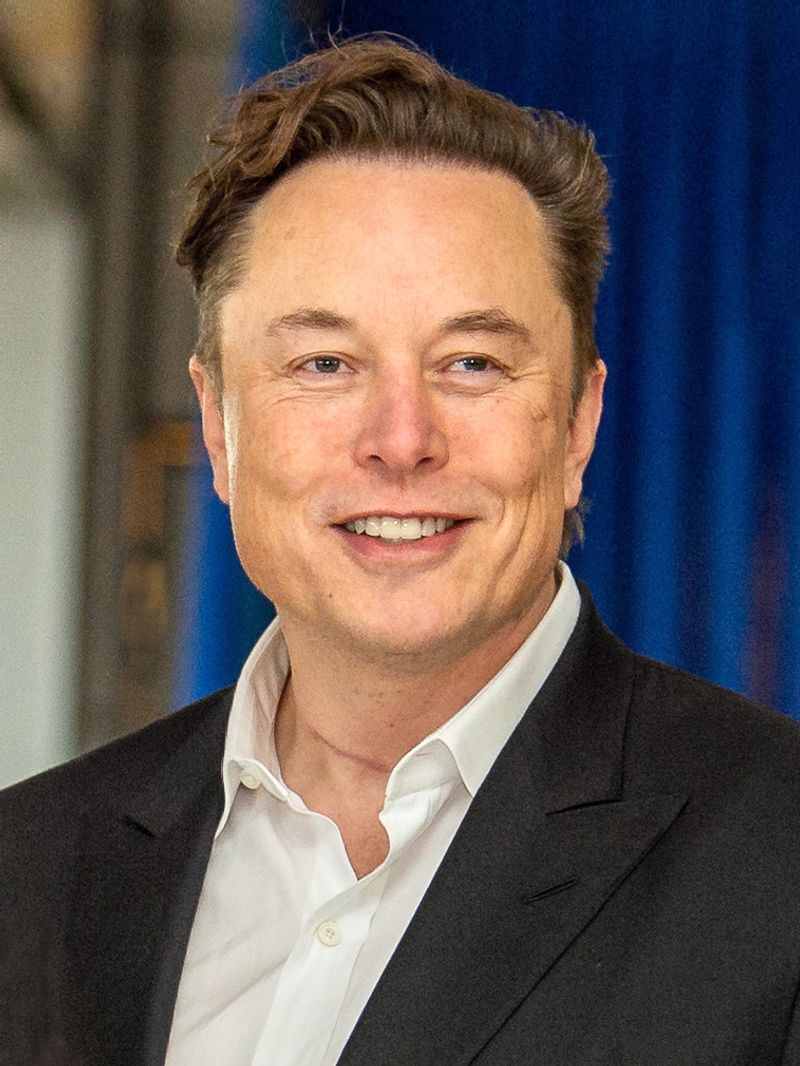
“I’d like to die on Mars, just not on impact.” Musk has made that joke more than once, but his plan to build a city on the red planet is serious.
The idea is to use Starship to carry many people and large amounts of supplies. Over time, a settlement would need air, water, food, and power produced on site.
The challenges are huge. Mars has thin air with little oxygen, harsh radiation, and temperatures far below freezing.
A trip takes about six to nine months each way.
Scientists are studying how to make fuel from Martian ice and carbon dioxide. Musk has suggested uncrewed missions could come first, but no firm date is guaranteed, and many experts believe the timeline is very ambitious.
8. Tesla Solar Roof
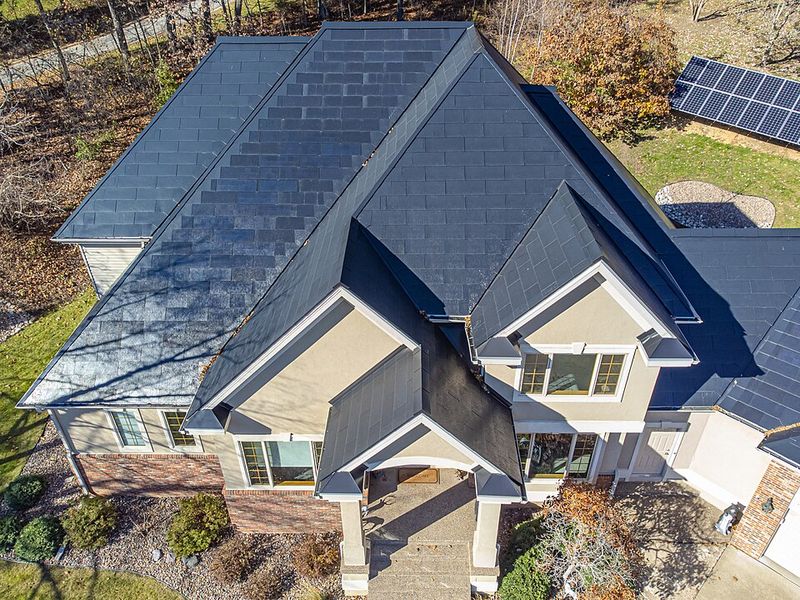
Roofs usually just keep the rain out. Tesla wanted yours to make power too, without looking like a rack of panels bolted on top.
Solar Roof uses glass tiles, and some of them contain solar cells. From the street, the roof looks like slate or textured shingles, which appeals to homeowners who care about appearance.
The product was introduced in 2016 and has been paired with the Powerwall home battery, which stores energy for use at night or during outages.
Installation has been slower and costlier than the company first hoped. A full roof replacement is a big project, so many buyers compare it with regular panels.
Still, it shows how solar technology can be built into the home itself rather than added later.
9. SpaceX Rocket Landing Technology
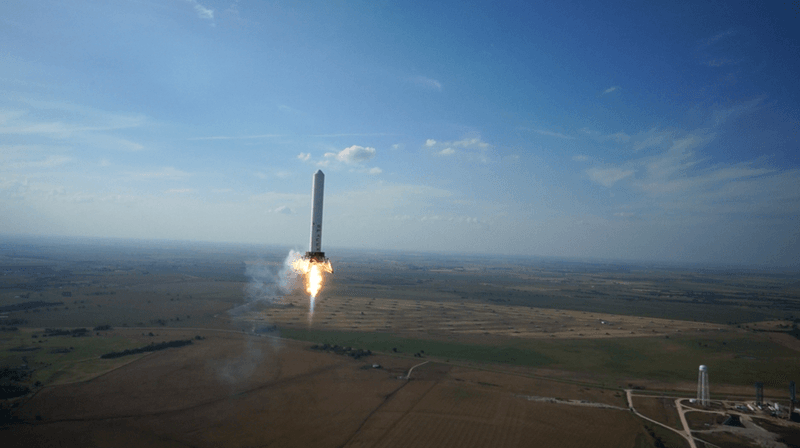
For decades, rockets were thrown away after one use, like a jet being scrapped after a single flight. SpaceX set out to change that by landing boosters upright.
The first successful landing of a Falcon 9 booster happened in December 2015 at Cape Canaveral. Since then, boosters have landed on ground pads and on drone ships floating at sea.
After landing, a booster is inspected and can fly again. Some have flown more than twenty times, which has helped lower launch costs and increase how often rockets go to space.
The trick is a mix of grid fins for steering, landing legs, and engines that relight to slow the fall. What once looked impossible now happens so often that landings feel routine.
10. xAI Grok

Ask a computer a question and get a thoughtful answer in seconds. That is the idea behind Grok, a chatbot created by xAI, a company Musk founded in 2023.
Grok can answer questions, write text, help with code, and analyze images. It is connected to the social platform X, which gives it access to current posts and trends.
The company has released several versions, each trained on larger sets of data using powerful computer clusters. xAI built a massive data center in Memphis, Tennessee, to support that work.
Like other AI tools, Grok can make mistakes and has drawn criticism over some of its responses. Users should check important facts with reliable sources, no matter which assistant they use.
11. Tesla Full Self-Driving Technology
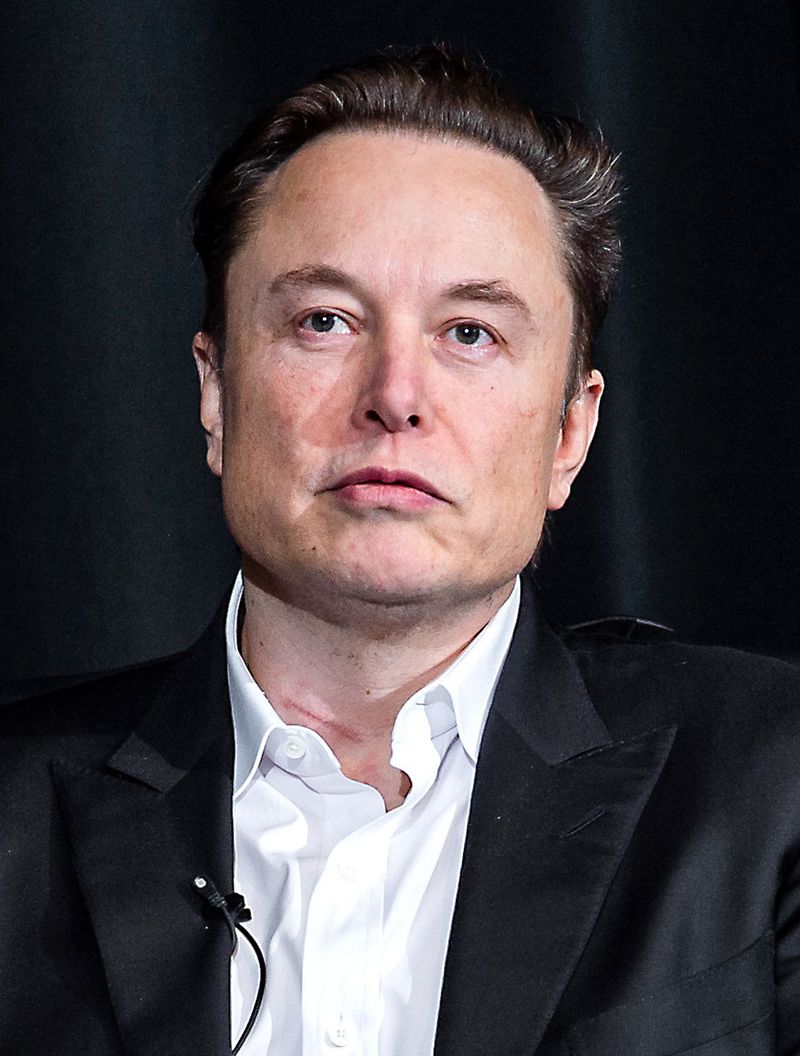
Cars that drive themselves have been promised for years, and Tesla has been one of the loudest voices. Its Full Self-Driving system is the company’s attempt to get there step by step.
Despite the name, the software currently requires a human driver to pay attention and be ready to take over. Cameras and artificial intelligence help the car steer, change lanes, and respond to traffic lights and signs.
Tesla gathers driving data from its large fleet to improve the system. It has also begun limited robotaxi tests in select areas.
Safety agencies in the United States have opened reviews of how the feature performs. Fully hands-free driving anywhere remains a goal, not a finished product, and drivers are still responsible for their vehicles.
12. Hyperloop
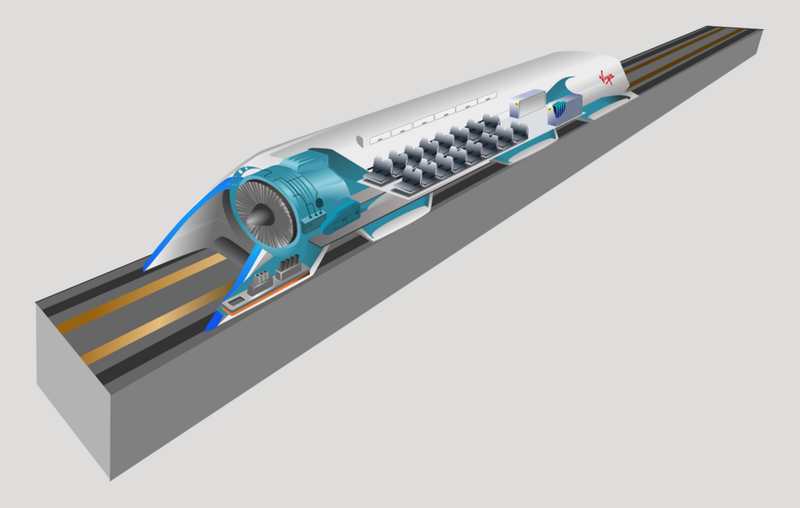
What if you could travel faster than a passenger jet while riding in a pod on the ground? In 2013, Musk released a paper describing the Hyperloop, a concept for exactly that.
Passenger capsules would glide through sealed tubes where most of the air has been removed. With little air resistance, they could reach speeds of around 700 miles per hour, at least on paper.
Musk did not build it himself. He invited others to try, and companies like Virgin Hyperloop tested pods, including a short passenger run in Nevada in 2020.
Costs, safety questions, and land needs proved difficult. Virgin Hyperloop shut down in 2023.
The idea still inspires research, but no commercial line is running today.
13. SpaceX Earth-to-Earth Rocket Travel
New York to Shanghai in under an hour is the claim that made people stop and stare. In 2017, SpaceX shared a concept for flying passengers between far-off cities on rockets.
The plan relies on Starship launching up, coasting through space, and landing near the destination. Most of the trip would be a short ride through the upper atmosphere.
Ocean platforms near big cities were suggested as launch and landing sites to reduce noise. Passengers would travel by boat or shuttle to reach them.
Many hurdles stand in the way. Rockets must prove they are safe enough for everyday travelers, and the cost per seat would need to fall a lot.
Rules for noise, airspace, and emissions would also need to be settled. For now, it remains an idea on the drawing board.
Share this story