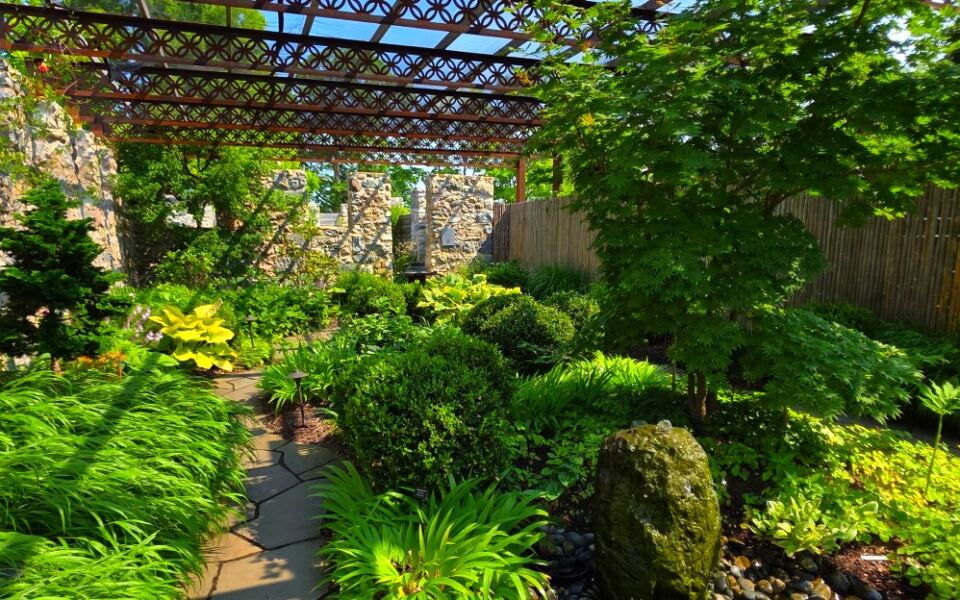
Michigan has gardens where one short path can carry you past tropical palms, desert cactus, quiet Japanese landscapes, and old woods. Some cover hundreds of acres.
Others sit inside busy cities, so you could drive right past them and never know. Each one offers a small escape from the everyday world, and none of them asks for a plane ticket.
This list gathers 13 gardens, conservatories, and arboretums that make wandering feel like an adventure. You will meet a canopy walk that rises as high as a four-story building, a conservatory that has been running since 1904, and a peony collection that draws crowds every spring.
You will also find free gardens, hillsides covered in hosta, and a campus plot that has been growing since 1873. Pack comfy shoes and a little curiosity.
Plant lovers, families, and casual strollers will all find something worth the trip. Our first stop has a name that says exactly what it promises.
1. Hidden Lake Gardens, Tipton, Michigan
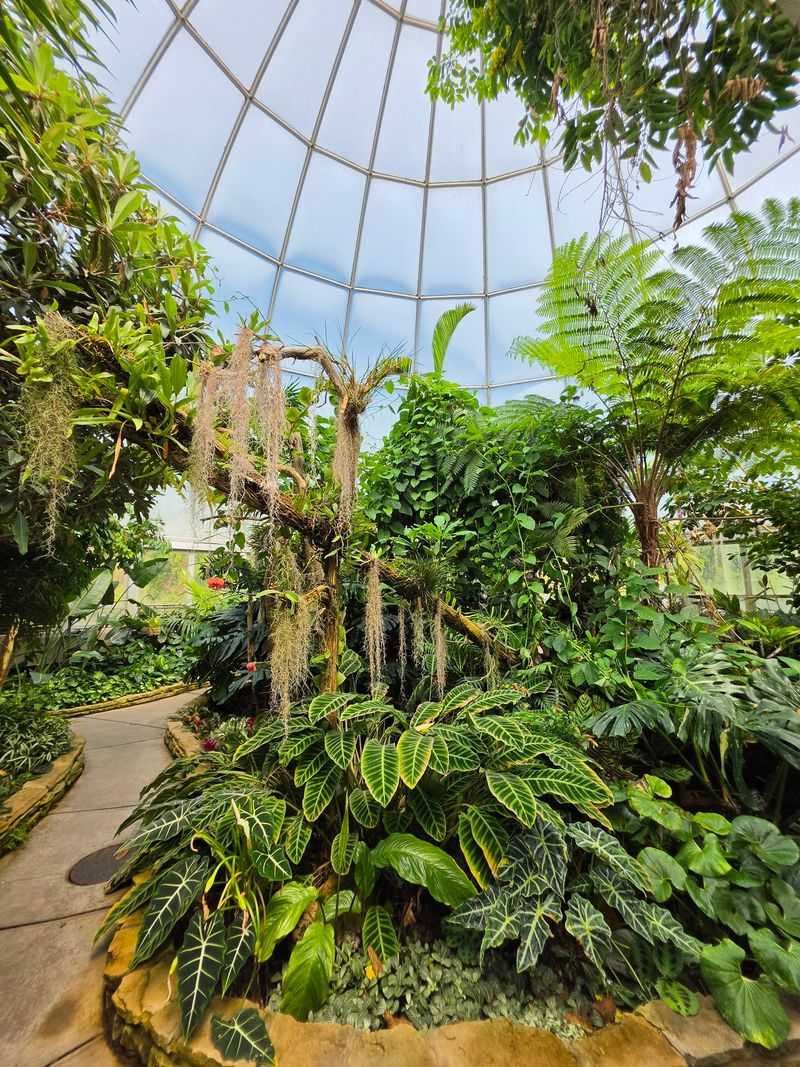
The name tells you the plan, and the garden delivers. Hidden Lake Gardens covers 755 acres in the Irish Hills and is owned by Michigan State University.
Henry Fee started it as a private nursery in 1926, and it was donated to the university in 1945. Today it holds an arboretum, a bonsai collection, and a big display of rare and dwarf conifers.
The Reach for the Sky Canopy Walk climbs nearly 70 feet above a kettle-hole, so bring a head for heights. The conservatory has three biomes, arid, temperate, and tropical, packed with cacti, orchids, and gardenias.
Hikers get over 10 miles of trails, and drivers can follow six miles of paved one-way roads. The Hosta Hillside shows off more than 800 hosta varieties, which is a lot of leaves to admire.
2. Fernwood Botanical Garden, Niles, Michigan
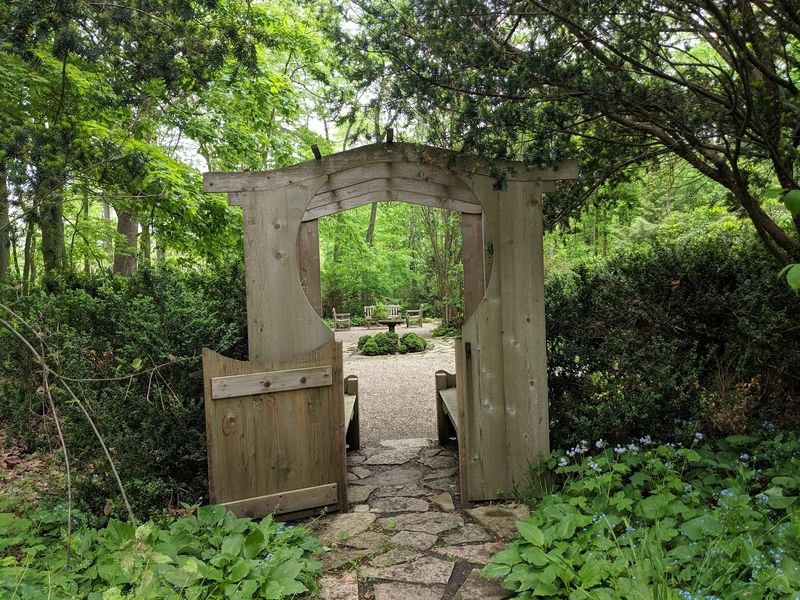
Here is a garden that sorts itself into neat little worlds. Fernwood sits on 105 acres beside the St. Joseph River and mixes planted spaces with wild ones.
It includes a 50-acre woodland preserve, a 40-acre arboretum, and a 5-acre tallgrass prairie. Ben Oki designed the Japanese dry garden, and there is also an herb garden, a perennial border, and a railway garden.
The fern conservatory shelters more than 100 kinds of tropical ferns. A nature center explains the local plants and wildlife.
Miles of trails suit both strollers and serious hikers. When hunger strikes, the cafe, gift shop, and art gallery are on site.
Kay and Walter Boydston bought the first 12.5 acres in 1941 as a country home. Fernwood opened to the public in 1964.
3. Dow Gardens and the Whiting Forest of Dow Gardens, Midland, Michigan
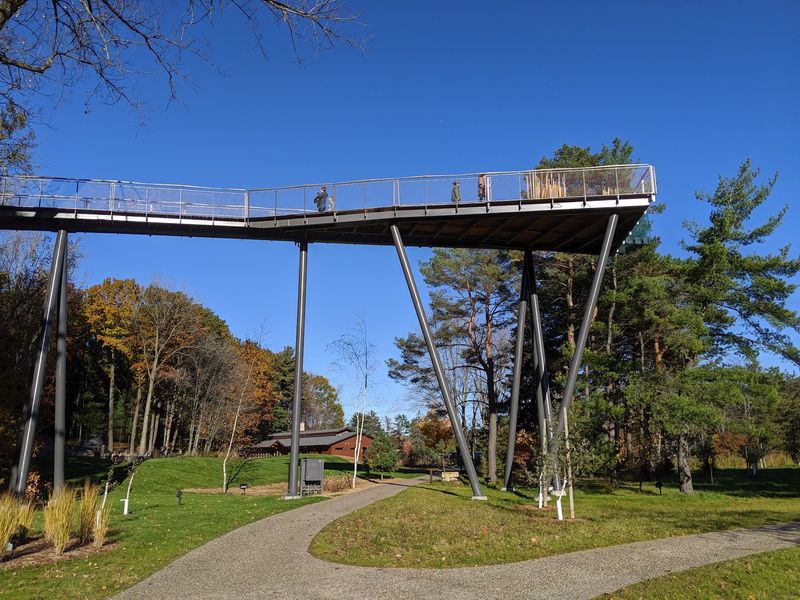
Records are hard to ignore, and this one is 1,400 feet long. The canopy walk at Whiting Forest rises up to 40 feet and is the longest in the United States.
Herbert Henry Dow founded the 110-acre gardens in 1899. The Whiting Forest covers 54 acres of woods, ponds, an orchard, and meadows.
The walk splits into three arms. One reaches a pond view at 25 feet, one has a cargo net in a spruce grove, and one has a glass floor at 40 feet above the orchard.
About 1.5 miles of accessible hard-surface paths run through the forest. Elsewhere you can find a Children’s Garden, a Rose Garden, a Secret Garden, and a Yew Maze.
A new Welcome Center broke ground in September 2024 and is planned for up to 250,000 visitors a year.
4. Cranbrook House & Gardens, Bloomfield Hills, Michigan
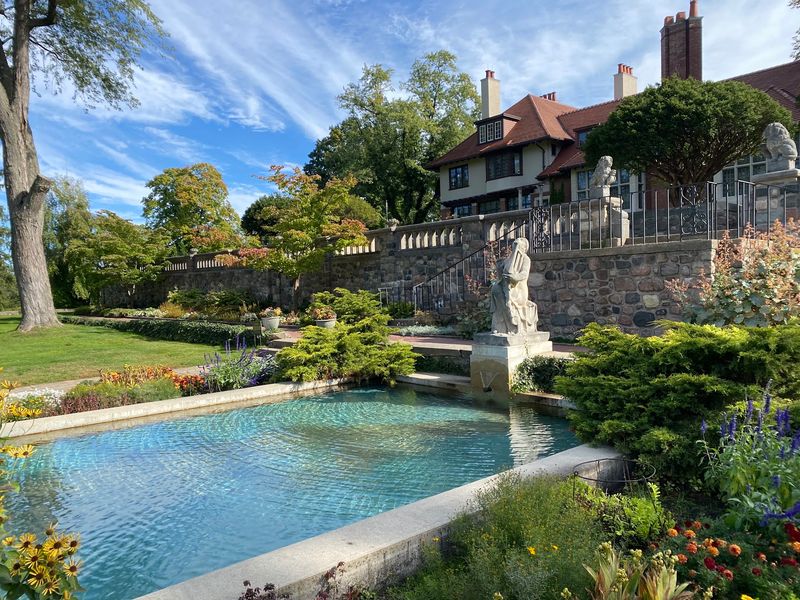
Most estates keep a lawn and call it a day. Cranbrook keeps more than 15 separate gardens behind its historic house.
The grounds cover 40 acres, so there is plenty of room for variety. You will find fountains, ponds, sculptures, and paths shaded by mature trees.
The formal Sunken Garden is a favorite stop. The Japanese Garden offers a calmer, more tucked-away mood.
No single route is required, which makes the visit feel like a treasure hunt. Stonework and hidden garden features make some corners seem like a private estate that few people ever see.
Give yourself time to double back, because a path you skipped may lead to the best spot. Comfortable shoes are a smart idea on all that stone and gravel.
5. Matthaei Botanical Gardens, Ann Arbor, Michigan
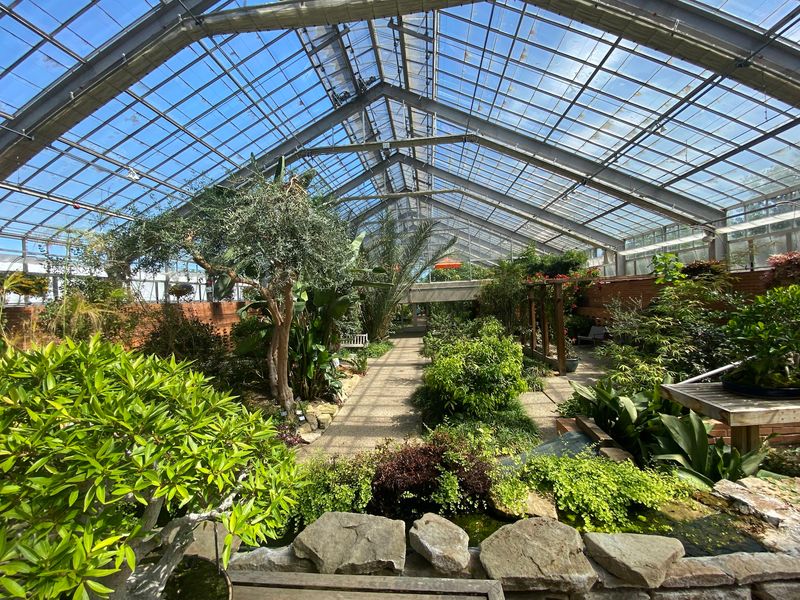
Michigan winters make a tropical plant house very tempting. Matthaei Botanical Gardens lets you change climates in a few steps.
The indoor conservatory holds tropical, temperate, and arid environments under one roof. Plants from across the globe sit within easy walking distance of each other.
Outside, seasonal gardens cover a wide range of topics. You can visit bonsai, native plants, medicinal species, and perennial beds.
A cold day is actually a great time to visit, since the warm rooms feel like a trip to another latitude. Summer brings the outdoor beds into the spotlight.
Plan to see both the indoor and outdoor areas. Each season changes what is blooming, so a second visit rarely looks like the first.
6. Anna Scripps Whitcomb Conservatory, Detroit, Michigan
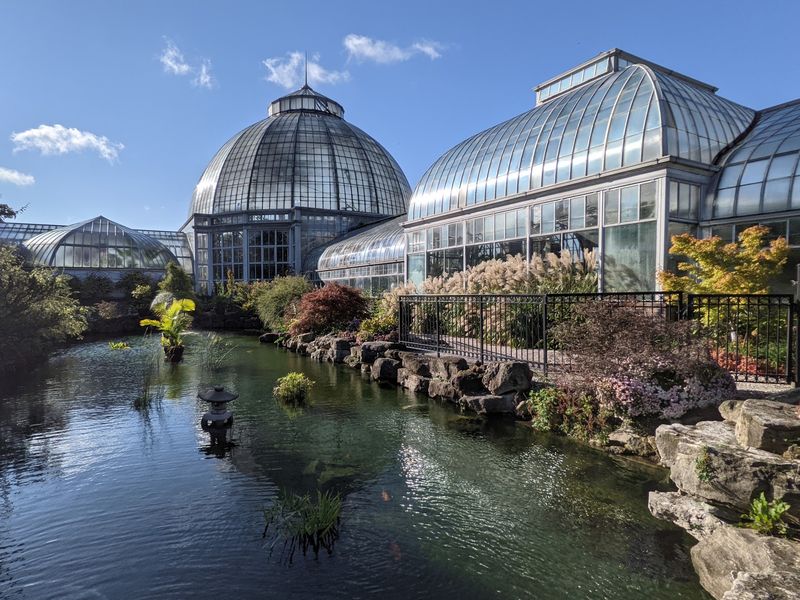
Age counts for something here. This is the oldest continually running conservatory in the United States, and it opened on August 18, 1904.
George D. Mason and Albert Kahn designed it on Belle Isle.
In 1955 it was renamed for Anna Scripps Whitcomb, who donated her 600 orchids.
That gift built one of the largest city-owned orchid collections in the country. The Palm House sits under an 85-foot dome, and the building also has a Tropical House, a Cactus House, a Fernery, and a Show House.
Outside, you can find formal perennial gardens, a lily pond, seasonal flower beds, and the Levi L. Barbour Memorial Fountain.
A $10 million renovation closed the building in November 2022. It reopened in 2024.
7. Frederik Meijer Gardens & Sculpture Park, Grand Rapids, Michigan
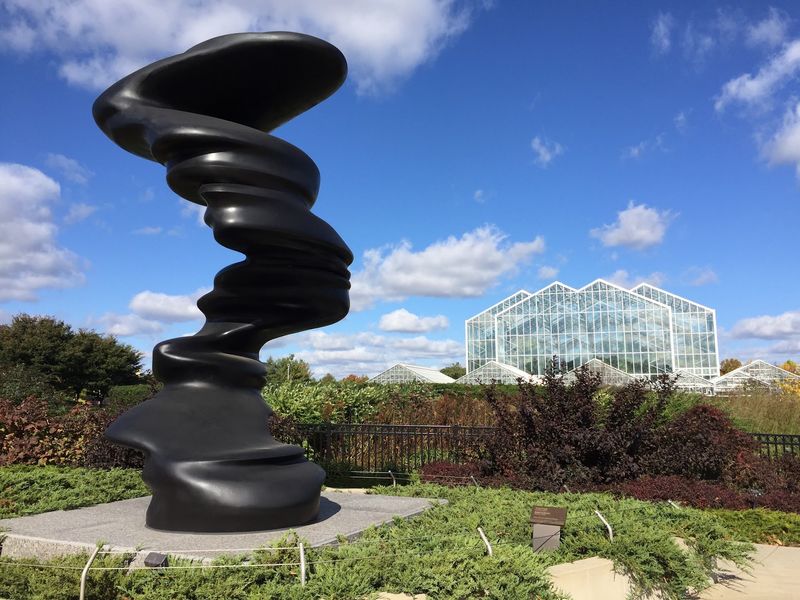
Calling this place a secret would be a stretch. Still, small corners of it feel like separate worlds.
The park blends botanical displays with major works of sculpture. Plants and art share the same space, so each one adds to the other.
Indoor and outdoor areas keep the experience going through every Michigan season. A snowy day and a sunny one offer very different visits.
Water features, paths, and carefully placed installations invite a slow pace. The walk between exhibits is part of the fun, not just a way to get from one to the next.
Budget extra time for wandering. A quick look will miss the best surprises, and the sculptures reward a second glance.
8. The Botanic Garden at Historic Barns Park, Traverse City, Michigan
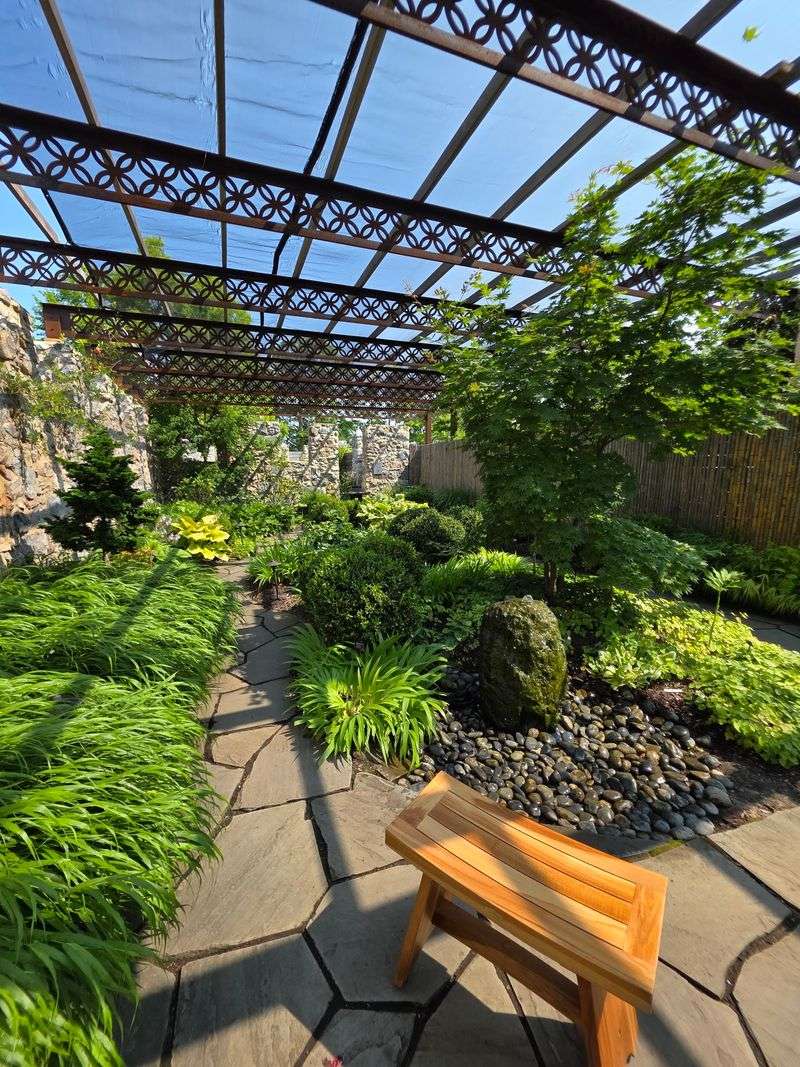
Admission costs nothing, and the gardens stay open year-round. That alone is a good reason to stop by.
The garden covers about 26 acres inside Historic Barns Park in Traverse City. It holds nine cultivated gardens along with natural woods.
The Visitor Center was once the Traverse City State Hospital’s Granary, built around 1886. It still has its original stone walls and a tunnel.
Inside you will find an information desk, a gift shop, restrooms, and the Three Seasons Gallery with local art. The V-shaped roof collects rainwater for irrigation.
Docent-led walking tours are available. Visitors with mobility limits can ask about cart transportation.
9. University of Michigan Nichols Arboretum, Ann Arbor, Michigan
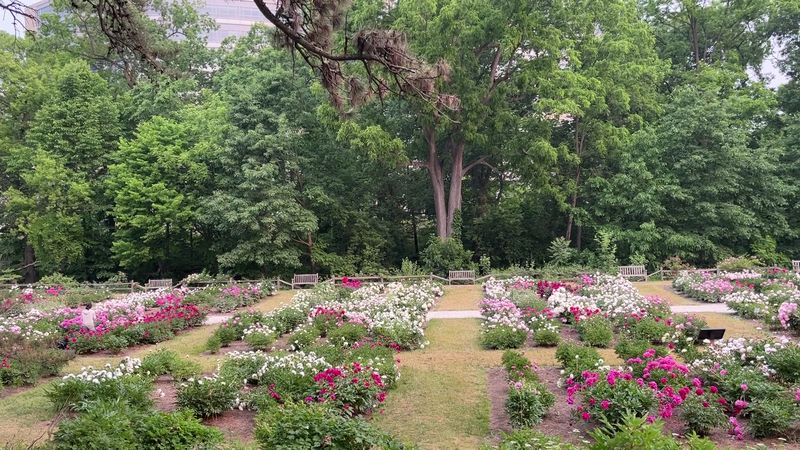
Locals just call it the Arb. It spans roughly 123 acres beside the Huron River and sits close to downtown Ann Arbor.
About 3.5 miles of trails run through woods and rolling terrain. The collection includes over 400 plant species, with 110 kinds of trees.
The W. E.
Upjohn Peony Garden holds North America’s largest collection of heirloom peonies. Spring crowds come for the bloom.
Other highlights include the Centennial Shrub Collection, which has a lilac collection, and the Dow Prairie, restored to its state before European settlement.
O. C.
Simonds designed the Arb, and it opened in 1907. Entry is free, and it is open daily from sunrise to sunset.
10. Leila Arboretum Society, Battle Creek, Michigan
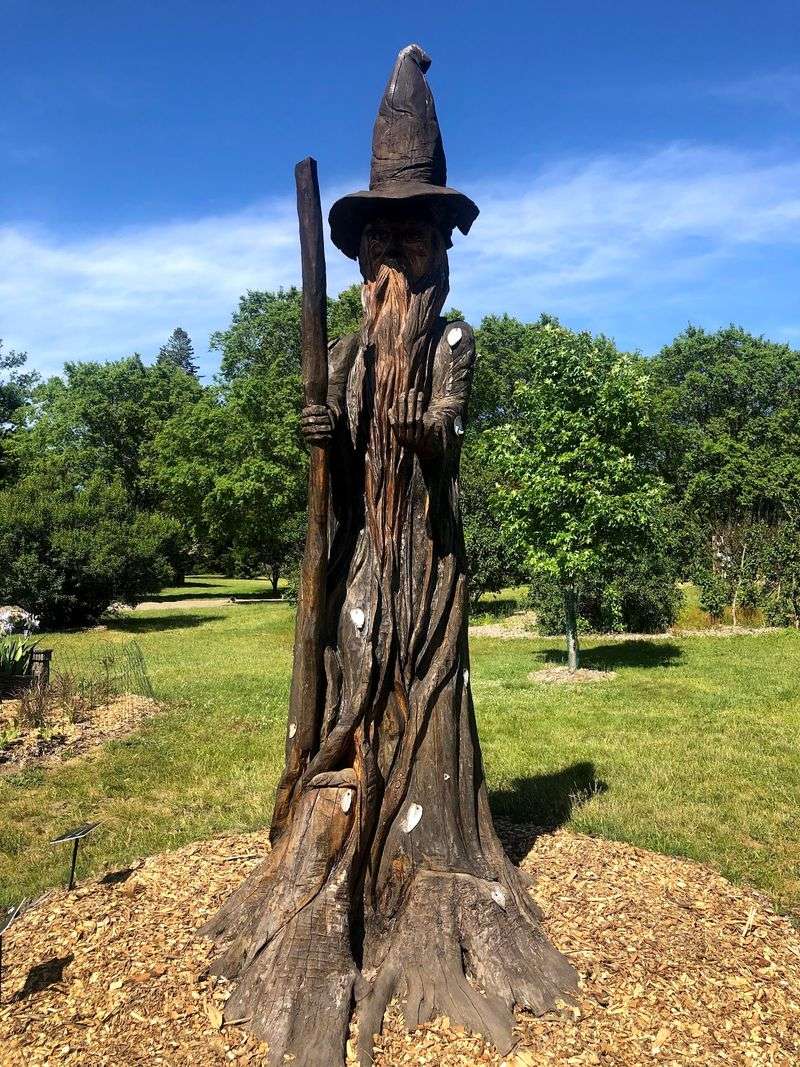
Labeled trees are only the start here. Leila Arboretum offers a roomy landscape for an unhurried afternoon.
The grounds combine mature plantings with tended gardens, open lawns, and winding trails. Unusual artistic features appear along the way.
There is no rigid path to follow. You can plan your own route and change it whenever something catches your eye.
Some areas look carefully landscaped. Others turn wilder and quieter, so each corner of the property has its own character.
Bring a picnic blanket, a camera, or a good book. This is the kind of place where a slow pace is the whole idea.
11. Beal Botanical Garden, East Lansing, Michigan
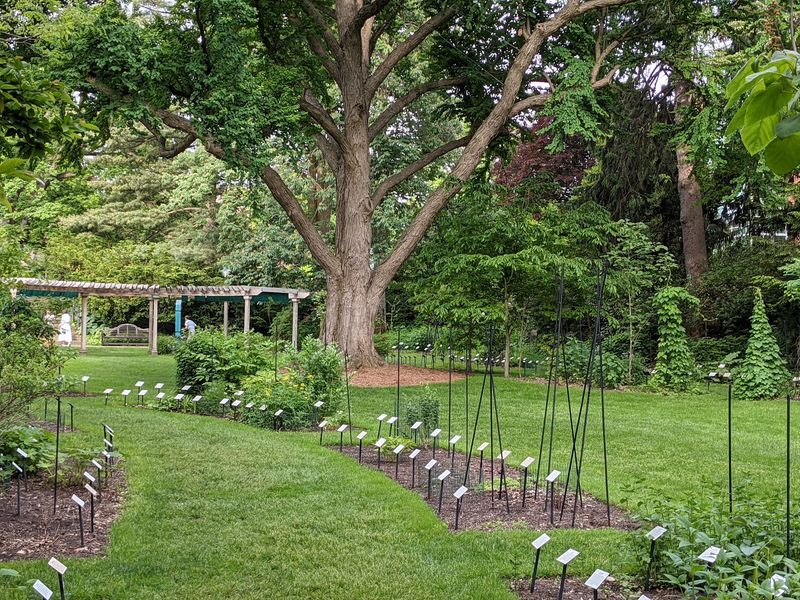
A campus garden with this much history deserves a visit. The W.
J. Beal Botanical Garden began in 1873 and is the oldest continually maintained university botanical garden in the United States.
It covers 5 acres on the Michigan State University campus. Professor William James Beal started it as an outdoor teaching and research space.
The garden displays 1,800 plant taxa, grouped as economic, systematic, landscape, and ecological collections. Michigan’s threatened and endangered plants were added in 1986.
From 1877 to 1924 it was called The Botanic Garden or Wild Garden at Michigan Agricultural College.
It sits beside the Red Cedar River. Entry is always free, and it is open sunrise to sunset all year.
12. Slayton Arboretum, Hillsdale, Michigan
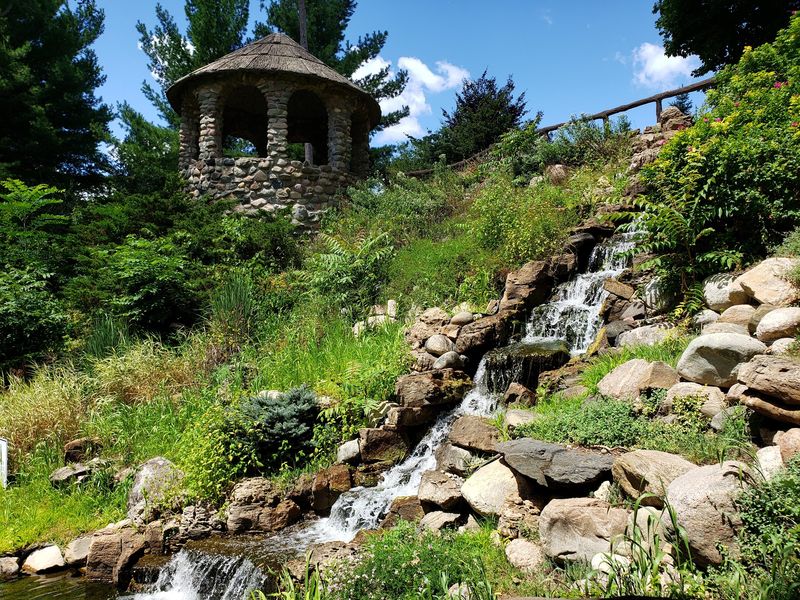
Small does not mean boring. Slayton Arboretum covers 14 acres next to Hillsdale College, yet it holds a surprising amount.
Mr. and Mrs. George Slayton donated it to the college in 1922. Mature trees, lawns, and designed garden spaces fill the grounds.
Winding walkways pass wooden bridges, man-made waterfalls, and ponds. One spring-fed pond is dotted with water lilies and aquatic life.
You will also spot rock gardens, gazebos, an amphitheater, and rustic cement bridges. Collections include conifers, magnolias, viburnums, and oaks.
Look for the Little Stone Lab on the property. Entry is free, and the arboretum is open from dawn until dusk.
13. Taylor Conservatory & Botanical Gardens, Taylor, Michigan
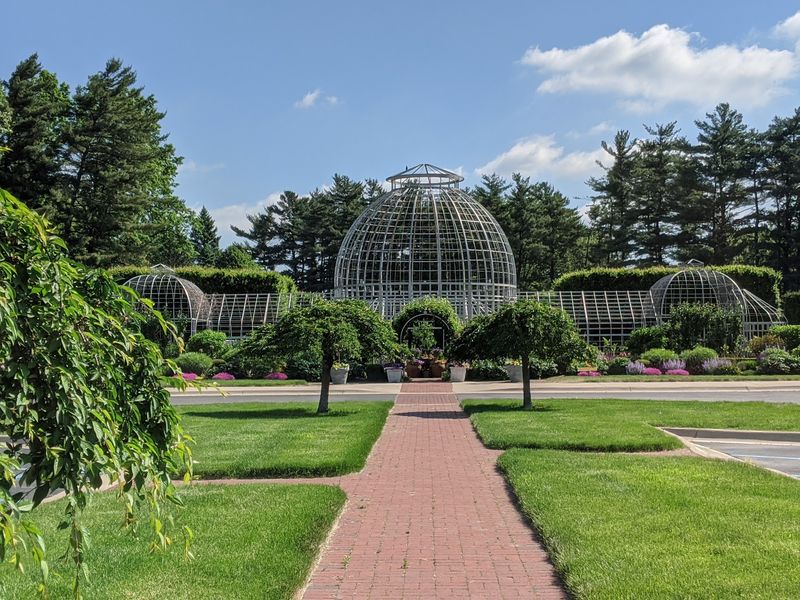
Suburbs can hide a few surprises. This garden in Metro Detroit is one of them.
The focal point is an open-air conservatory built from glass and steel. The structure is a one-third-scale interpretation of the Anna Scripps Whitcomb Conservatory on Belle Isle, giving the garden an unexpected connection to one of Detroit’s best-known landmarks.
Seasonal displays fill the open-air conservatory from roughly May through October.
Landscaped beds surround it and carry changing seasonal plantings. Each visit looks a little different, which gives repeat guests a reason to return.
Beyond the flowers, visitors can wander into quieter woodland areas, follow trails beneath the trees, or spend time around the broad lawn and tall white pines.
The garden is also more than a collection of plants. Summer brings its Music & Art in the Gardens concert series, while other seasonal programs and community events make use of the grounds throughout the year.
Plan on an hour or two for a focused, easygoing stop. It pairs nicely with other activities in the Taylor and Downriver area.
Share this story