Lancaster County has a reputation for quilts, buggies, and quiet farm lanes, but that is only one slice of the map. Pack a bigger appetite for surprises, because this trip includes a market that opened in the 1730s, a theater built on top of an old jail, and a park where a chicken barbecue is famous worldwide.
You will also meet wolves, walk through a village with more than 50 buildings, and stand on an overlook 380 feet above a river where eagles ride the wind. Some stops suit rainy days, some suit sunny picnics, and a few suit kids who would rather build an ice cream flavor than sit through another history lesson.
Every stop has a practical detail or two, like opening days, tour options, and what to expect, so you can plan without guesswork. Grab a pen, clear a weekend, and get ready to see a Lancaster that most visitors drive right past on the way to somewhere else.
Lancaster Central Market, Lancaster, Pennsylvania
Some markets are old. This one predates the United States itself.
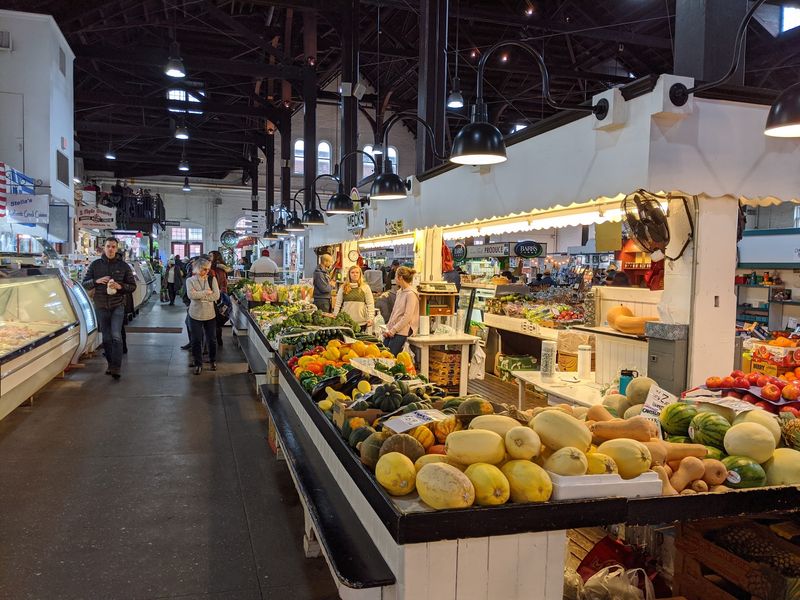
Lancaster Central Market is called the oldest continuously operating public market in the country. Its story starts in 1730, when Andrew Hamilton set aside a market lot in the original town plan.
King George II chartered the market in 1742, and the current brick building went up in 1889. It has twin 72-foot towers and a terra cotta roof, and it joined the National Register of Historic Places in 1972.
Around 60 vendors fill the space with produce, meats, cheeses, seafood, flowers, and baked goods. The food reflects Amish, German, Greek, Caribbean, Middle Eastern, and Slavic traditions, so lunch can be a world tour on one block.
Plan your visit for Tuesday, Friday, or Saturday. Doors open at 6 AM and close at 3 PM.
Arrive hungry, and come early if you want the best pick of the baked goods.
Fulton Theatre, Lancaster, Pennsylvania
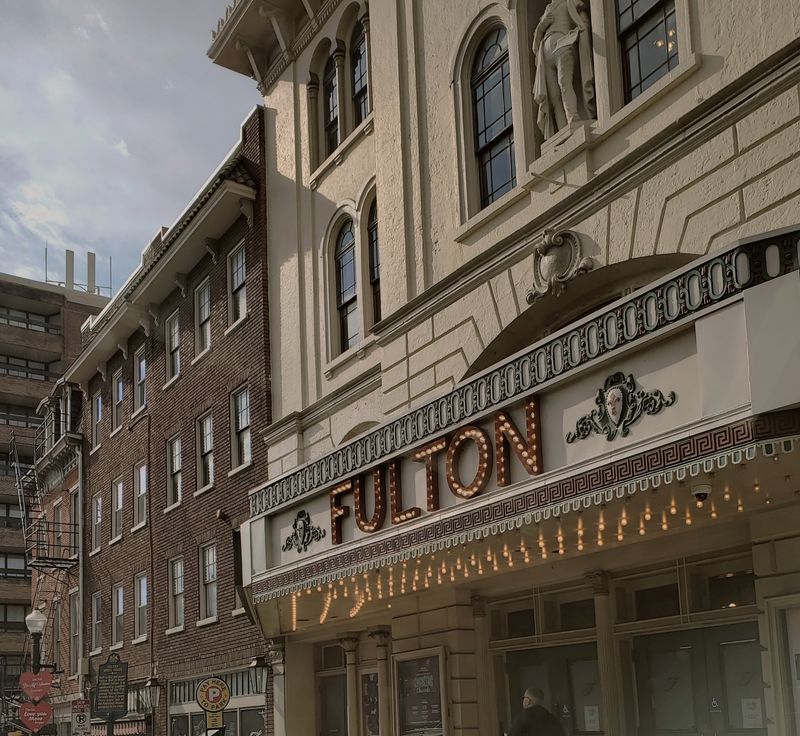
Mark Twain once spoke here, and the building has a jail in its family tree.
Christopher Hager built Fulton Hall in 1852 on the foundation of Lancaster’s pre-Revolutionary jail. The old jail courtyard wall still forms part of the theater’s back wall.
Edward Forrest Durang renovated the hall in 1873, and it became the Fulton Opera House. Citizens formed a foundation in 1963 to save it from demolition, and it was named a National Historic Landmark in 1969.
A $9.5 million restoration in the 1990s brought back the Neo-classical and Victorian look, with ornate plaster ceilings and several balcony levels.
Today the Fulton stages comedies, dramas, and musicals, and it hosts the Lancaster Symphony Orchestra. More than 130,000 patrons attend each year.
Past performers include Louis Armstrong, Duke Ellington, and Audrey Hepburn. Check the schedule ahead of time and book seats early for popular shows.
Demuth Museum of Art on King, Lancaster, Pennsylvania
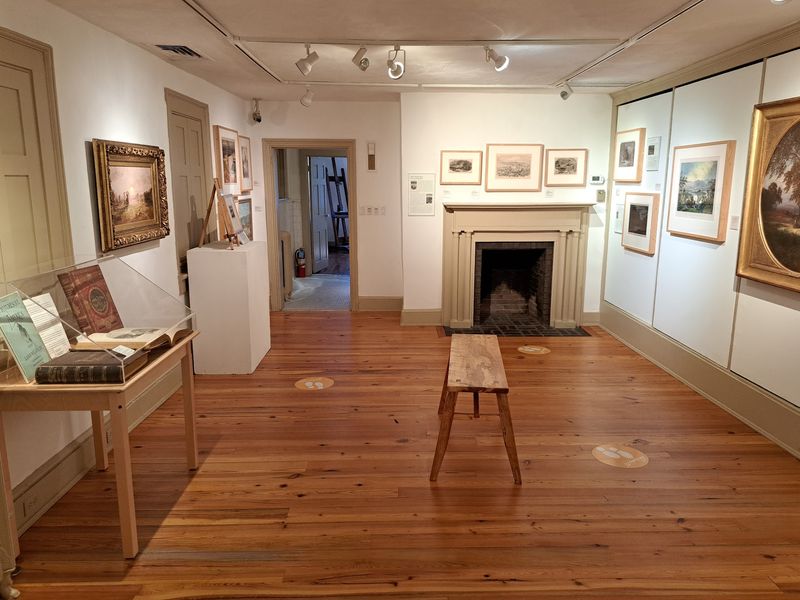
Art fans, meet the hometown hero of American Modernism.
Charles Demuth was born in Lancaster and became a significant figure in the modern art movement. This museum is dedicated to preserving and promoting his work in the city where he began.
Exhibitions also feature other local, national, and international artists, so the walls do not stay the same for long. That gives repeat visitors a reason to come back.
The museum is smaller than the county’s big attractions, and that is part of the appeal. You can see the collection without rushing, then move on to the next stop with plenty of energy left.
Pair it with a walk downtown. A short visit fits nicely between lunch and an afternoon show, and it adds an artistic layer to a day of sightseeing.
Check the museum’s current exhibits before you go, since displays rotate through the year.
North Museum of Nature and Science, Lancaster, Pennsylvania
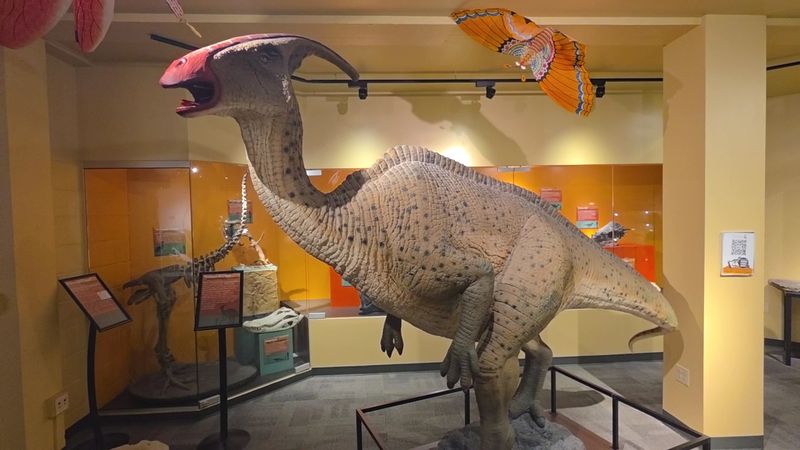
Rain clouds are not a problem when a museum holds 360,000 specimens.
The North Museum spreads 15,000 square feet of exhibits across three floors. Galleries cover nature, paleontology, ornithology, and geology, so there is something for every kind of curious kid.
The Live Animal Room offers close-up meetings with different species. Nearby, the planetarium runs live shows led by astronomy educators.
Titles have included From Earth to the Universe for ages 13 and up, and Earth, Moon and Sun for ages 6 and older. Another show, Seeing, is narrated by Neil deGrasse Tyson and suits ages 8 and up.
Younger children can join programs like Little Explorer and Me or Preschool Picassos. The size is manageable, so nobody gets worn out.
Check show times when you arrive, because planetarium seats can fill up on busy days.
Long’s Park, Lancaster, Pennsylvania
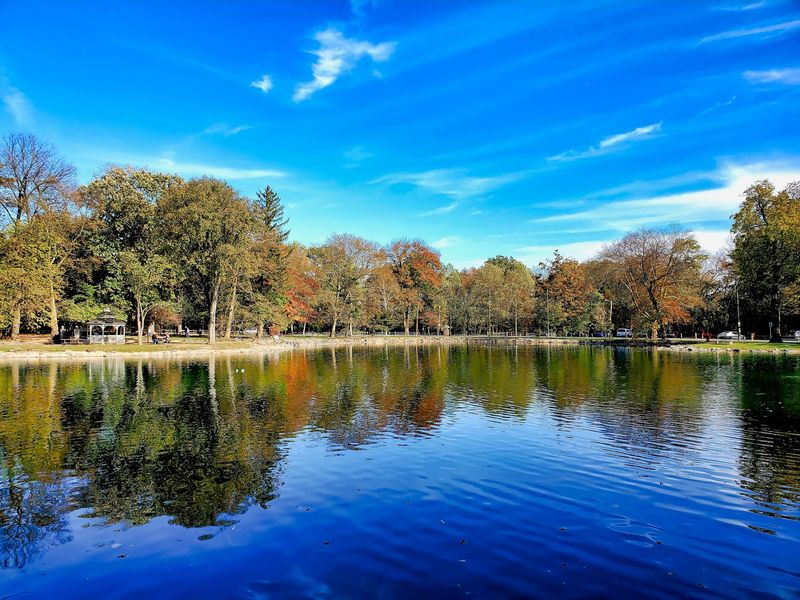
Chicken barbecue fame comes with a side of free concerts.
Judge Henry G. Long and his sister Catherine left this 80-acre park to the city in 1900.
They wanted a public place for rest and leisure, and it still serves that purpose well.
A spring-fed lake anchors the grounds, with walking paths, picnic pavilions, playgrounds, and tennis courts nearby. The petting farm has llamas, sheep, goats, and ducks.
The amphitheater has hosted free summer concerts since 1962. Each Labor Day weekend, the Art and Craft Festival takes over, and it began in 1979 as a fundraiser for that concert series.
The park also hosts the world’s largest chicken barbecue. One pavilion was once the Long family’s Tea House residence.
Pack a picnic, bring a blanket, and check the summer concert calendar before you choose your day.
President James Buchanan’s Wheatland, Lancaster, Pennsylvania
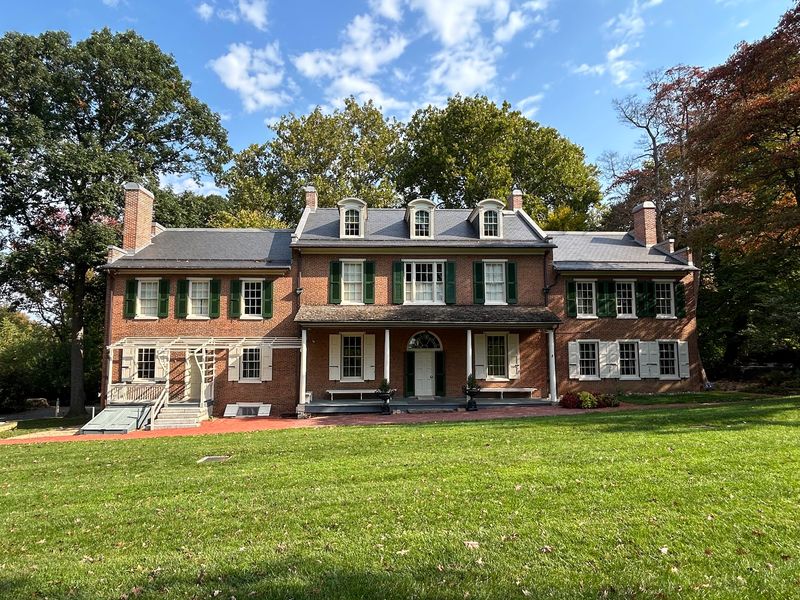
Campaigning from the front porch was a real strategy, and Wheatland is where it happened.
Lawyer William Jenkins built the brick mansion in 1828. James Buchanan bought it in 1848, lived there for two decades, and ran his successful 1856 presidential campaign from the property.
The house shows symmetry, Greek Revival elements, and lunette windows. Inside, rooms are furnished as they would have been in the mid-19th century, with many original pieces.
Wheatland became a National Historic Landmark in 1961. The property once covered 156.5 acres and now holds 10, shared with LancasterHistory.
Original outbuildings include a two-room privy and a smokehouse built above an icehouse. Guided tours cover both floors of the mansion.
The neighboring LancasterHistory museum adds broader county context, so allow extra time for both.
Historic Rock Ford, Lancaster, Pennsylvania
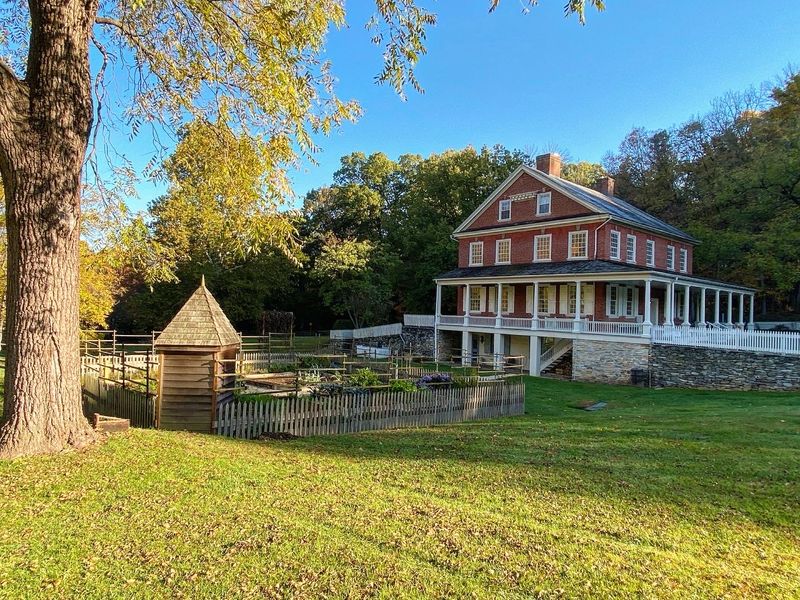
A quiet mansion sits inside a busy county park, and many locals barely notice it.
Historic Rock Ford is centered on the General Edward Hand Mansion, built around 1794. It sits within Lancaster County Central Park and is surrounded by 33 acres of gardens, woods, and grounds.
Period rooms and decorative arts inside the house show how a late 18th-century household looked. Each room helps explain daily life in early Lancaster.
The setting feels removed from the nearby city, which makes the visit relaxed. You can tour the house, then stroll the grounds without a crowd.
Because the mansion lies within a larger park, it pairs well with a picnic or a walk on nearby trails. Check the site’s tour schedule before you head out, since house visits often run on set days and times.
Landis Valley Village & Farm Museum, Lancaster, Pennsylvania
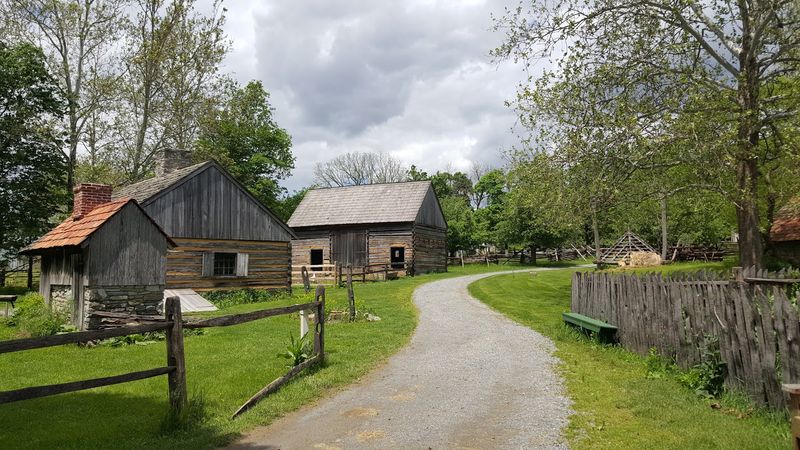
Two brothers with a collecting habit built one of the country’s biggest heritage museums.
George and Henry Landis began gathering objects from the 1700s and 1800s in the 1920s. Pennsylvania acquired the museum in 1953, and it marks its 100th anniversary in 2025.
Today it holds the country’s largest collection of Pennsylvania German artifacts, between 75,000 and 100,000 objects. The site covers over 100 acres and includes more than 50 structures.
You will find exhibit buildings, a recreated crossroads village, and working farmsteads with heritage breeds and heirloom plants. Craft demonstrations show traditional skills, and the interpreted period runs from 1750 to 1940.
Wear comfortable shoes, because the grounds are big. Architecture and craftsmanship fans will want several hours here, and a slow pace pays off.
Wolf Sanctuary of PA, Lititz, Pennsylvania
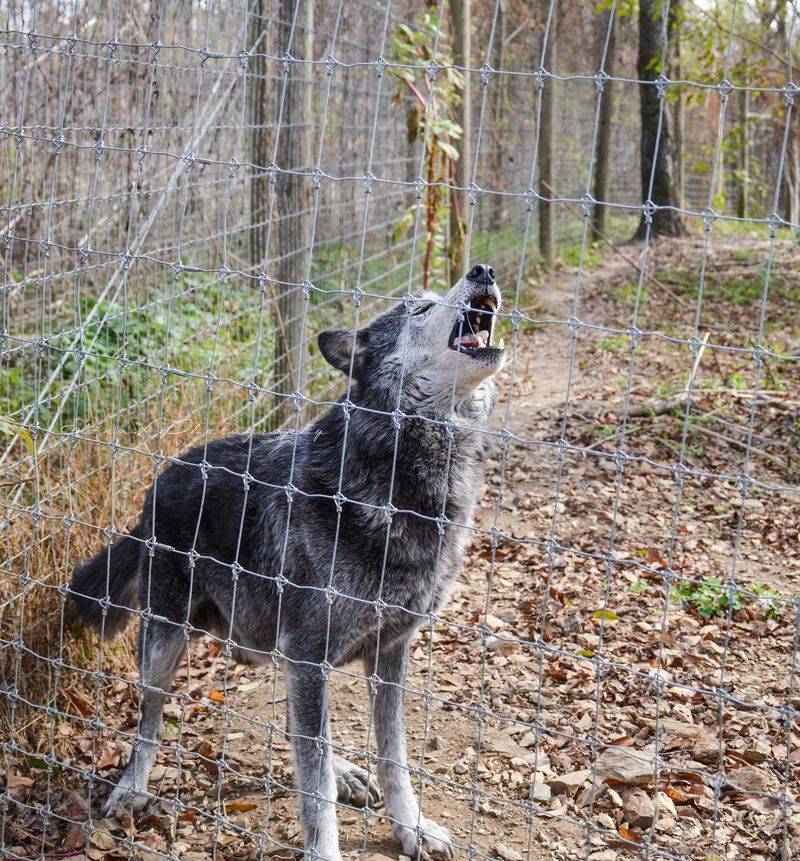
Lancaster County is not the first place most people expect to meet a wolf.
Wolf Sanctuary of PA sits in wooded countryside near Lititz. It provides lifelong care for displaced wolves and wolf-dogs, many of which had nowhere else to go.
Education is a big part of the mission. Tours teach visitors about the animals and about wolf conservation.
Visits are organized around tours and events, so you cannot simply stroll in whenever you like. Look at the schedule, reserve a spot if needed, and arrive a little early.
Guides share stories about individual animals and explain how wolves live and behave. It is a fitting stop for families, animal lovers, and anyone who wants a different kind of Lancaster afternoon.
Dress for the weather, since much of the visit happens outdoors.
Lititz Springs Park, Lititz, Pennsylvania
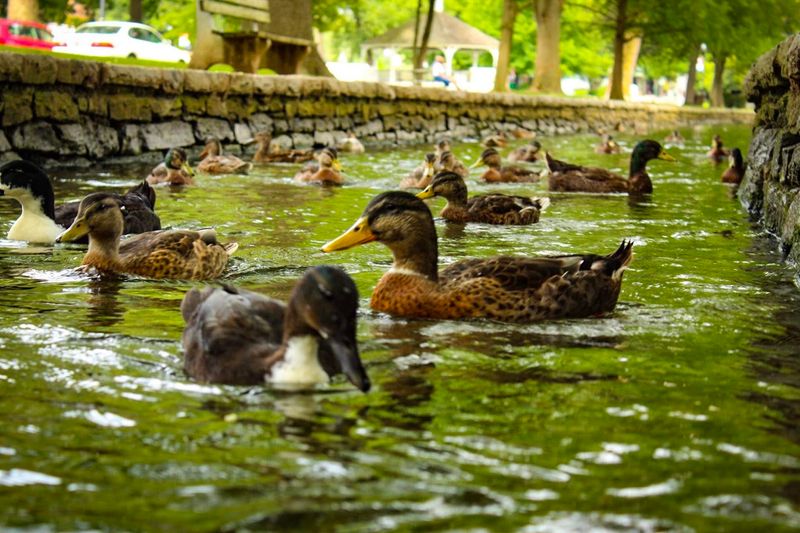
A small town can keep its best spot in the middle of everything.
Lititz Springs Park sits in the center of Lititz and works as part of daily town life. It has paths, water features, mature trees, and open grassy areas.
That layout makes it an easy place for a stroll. Locals use it as a shortcut, a lunch spot, and a meeting point.
The park is close to the shops and streets nearby, so you can combine a walk with some browsing. Pick up a snack in town, then find a bench and take a break.
It works well before or after a visit to the nearby wolf sanctuary. There is no timetable to follow and no ticket to buy.
Just wander at whatever pace suits the day.
Historic Ephrata Cloister, Ephrata, Pennsylvania
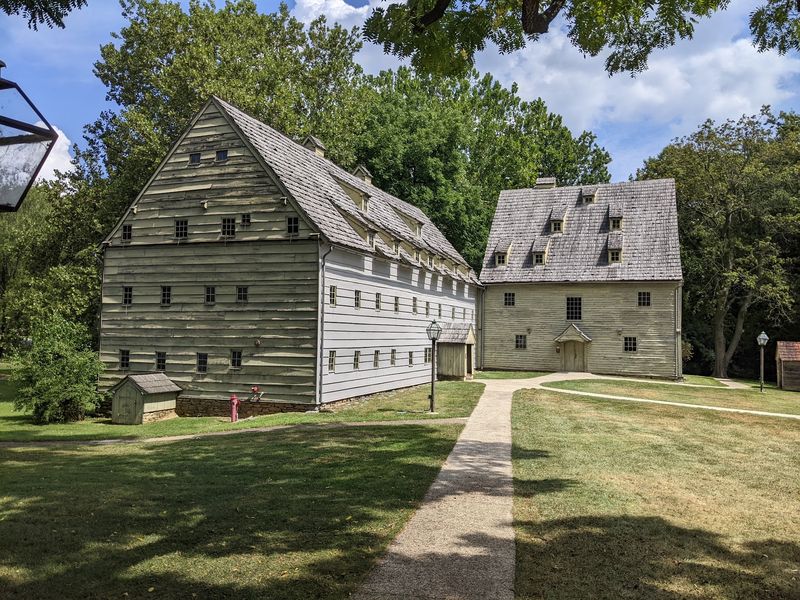
Few places in Pennsylvania look quite like this one.
The weathered buildings of Ephrata Cloister give the site a distinct character. A religious community developed here in early Pennsylvania, and the structures tell its story.
Visitors can explore the grounds and several historic buildings at their own pace. The architecture is spare and practical, reflecting the community’s way of life.
Guided tours open two of the most significant original buildings, the Sisters’ House and the Meetinghouse. Those spaces give the clearest look at how residents lived and worshipped.
A cool or overcast day suits the site well. Plan for a tour, since guides explain details you might miss on your own.
Wear comfortable shoes, and check the tour times before you arrive.
Turkey Hill Experience, Columbia, Pennsylvania
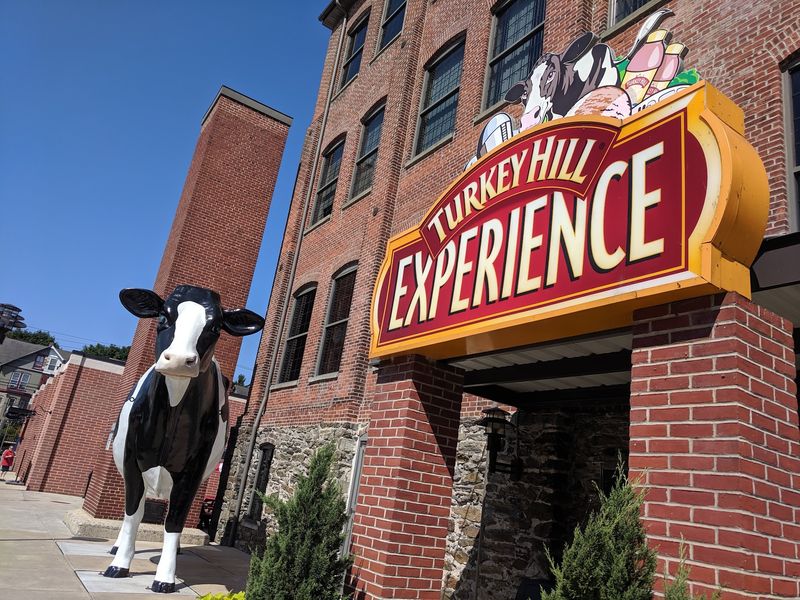
Kids get to play food scientist, and nobody complains about homework.
The Turkey Hill Experience in Columbia turns ice cream into an interactive lesson. Exhibits explain dairy culture and the history of the Turkey Hill company.
You can create a virtual ice cream flavor on screen. Along the way there are chances to sample ice cream and drinks.
The optional Taste Lab goes a step further. Guests develop and taste an ice cream creation of their own, which makes it a highlight for younger visitors.
The mood is colorful and playful, and the visit suits families best. Consider booking the Taste Lab ahead of time if you want that add-on.
Save room for dessert, though you will probably get plenty of samples.
Susquehannock State Park, Drumore, Pennsylvania
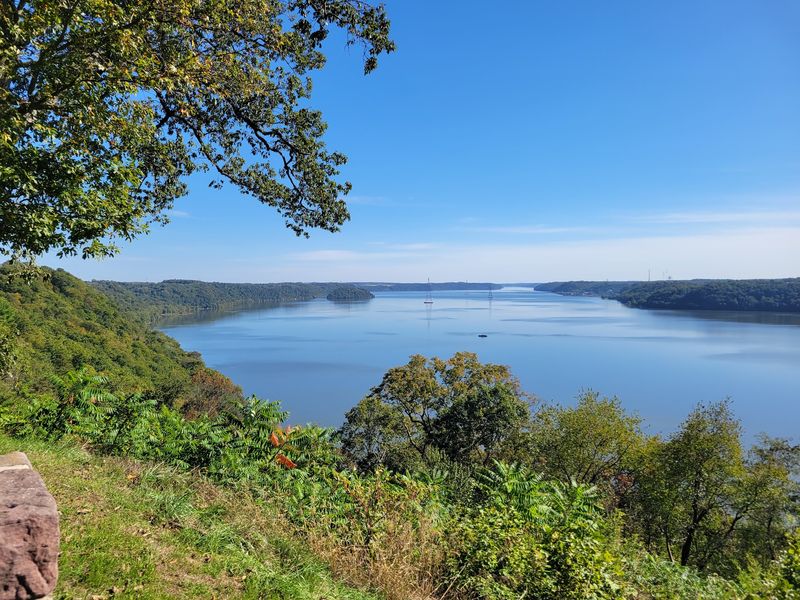
Bring binoculars, because the eagles here have great seats too.
Susquehannock State Park covers 224 acres of wooded plateau in southern Lancaster County. Its overlooks sit about 380 feet above the Susquehanna River.
Hawk Point Overlook faces the Conowingo Reservoir and Mount Johnson Island, known as the world’s first bald eagle sanctuary. Eagles, osprey, and vultures ride rising air currents, and coin-operated binoculars are on hand.
Pinnacle Overlook looks over Lake Aldred and leads to the Kellys Run and Conestoga trail systems. Urey Overlook sits on the 193-mile Mason-Dixon Trail, and Wisslers Run Overlook shows the river’s rocky bed and Holtwood Dam.
The park offers hiking, horseback riding, picnicking, and primitive camping. Visit on a clear day for the widest views.
Share this story