Some of America’s historic observation towers still let visitors climb to the top, and their stories go far beyond the views. One was built to track enemy ships during World War II, another hides a massive water tank, and several once helped crews spot forest fires.
These towers were built for very different reasons. Some commemorate famous battles, while others stand in state parks and on mountain summits.
You can climb 294 steps inside a Boston monument, follow a spiral ramp to the highest peak in the Smokies, or take an elevator most of the way up a Pennsylvania stone tower.
The list covers 13 historic towers across the country, including castle-like structures, battlefield monuments, and former military lookouts. Some are free to visit, while others have seasonal access or require a short hike.
Each has a story that makes the climb more interesting.
1. Bowman’s Hill Tower, New Hope, Pennsylvania
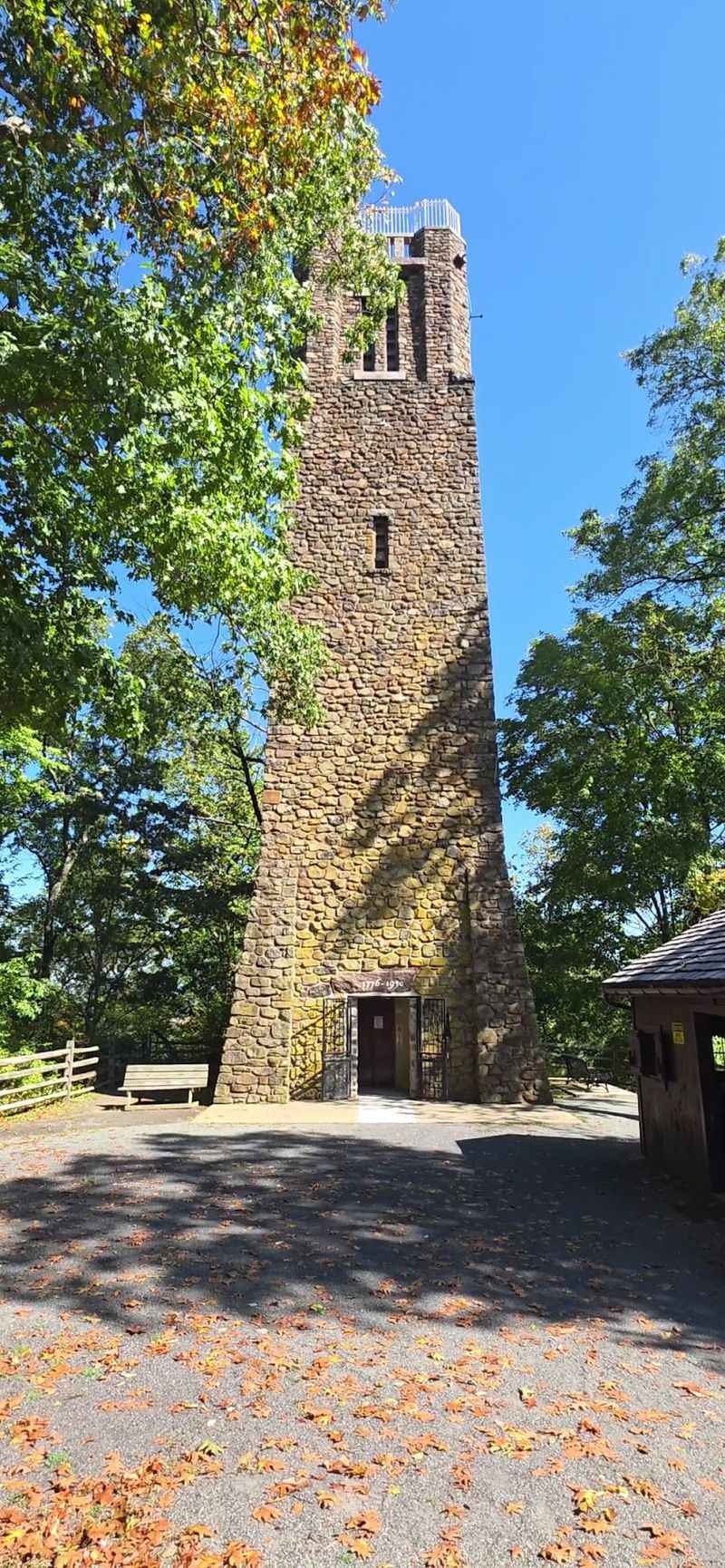
Lightning struck this tower so many times in its early years that a protection system was added by 1934. Good news for today’s climbers, who get to enjoy the top without the drama.
Built between 1929 and 1931, Bowman’s Hill Tower rises 125 feet near Washington Crossing Historic Park. Workers used fieldstone gathered from the hill and old farm fences nearby.
The whole project cost about $100,000, which was a big sum back then.
The tower honors a spot believed to have served as a lookout for George Washington’s troops. Soldiers may have watched the Delaware River from here for enemy movement.
Here is a nice surprise for tired legs. An elevator carries you most of the way up.
After that, a narrow spiral staircase of 23 steps leads to the rooftop deck.
On a clear day, the view stretches about 14 miles. The tower is usually open from March through December.
2. Sleeping Giant Observation Tower, Hamden, Connecticut
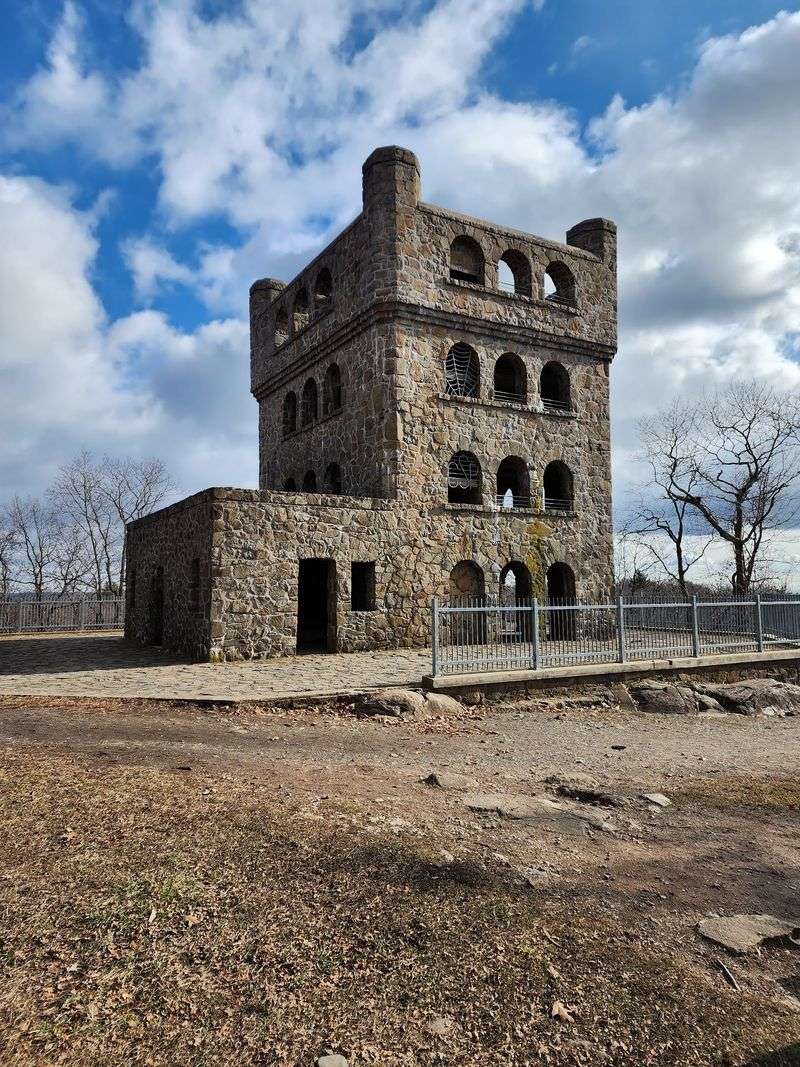
Hidden in the stonework is a tiny spider web design. Legend says it was a secret signature from foreman Harry Webb, which is a pretty clever pun carved in iron and rock.
Workers finished this stone tower in 1939 as part of a New Deal project. It sits on Mount Carmel, the highest point in Sleeping Giant State Park.
Architect Russell T. Barker chose ramps instead of stairs.
That makes the four-story climb easier for many visitors. Each level has open lookouts, and the top gives a full circle view.
To get there, hike the Tower Trail. The wide path runs about 1.6 miles and climbs the shoulder of the Giant.
On clear days, you can spot Long Island Sound in the distance. Fall is the busiest season, so arrive early for parking.
Keep an eye out for a carved dog’s head too, which may be a playful nod to the architect.
3. Bunker Hill Monument, Boston, Massachusetts
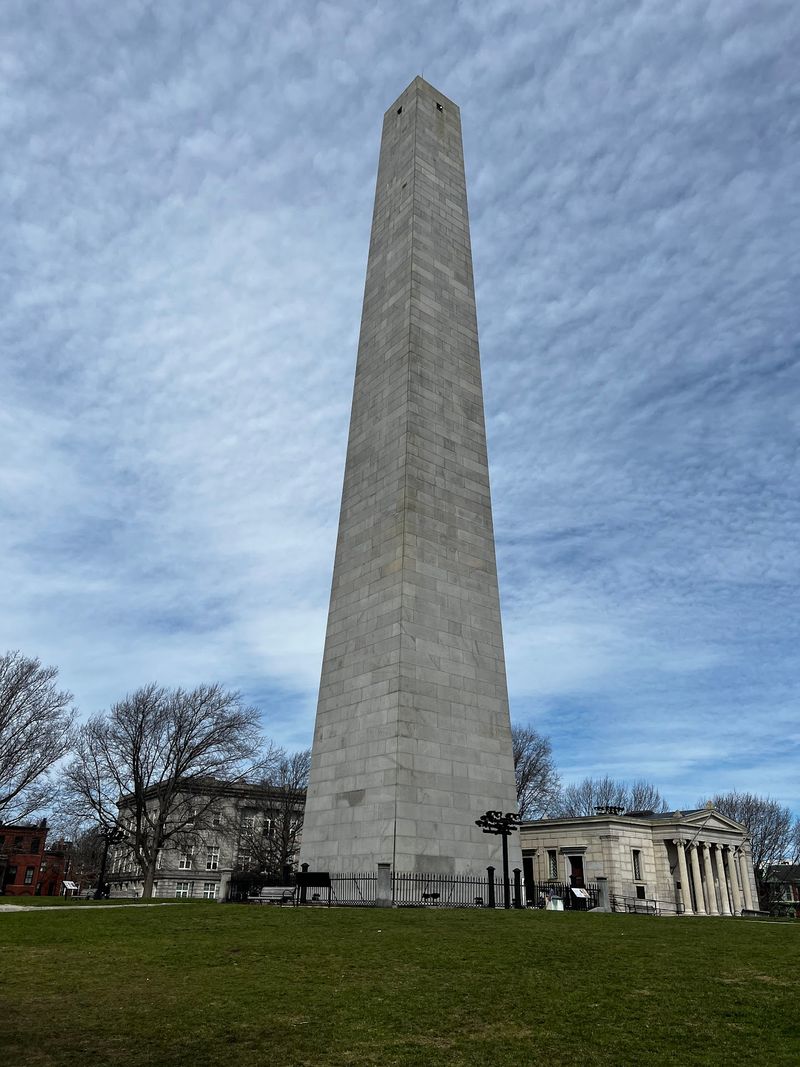
Here is a fun history twist. The Battle of Bunker Hill was mostly fought on nearby Breed’s Hill in 1775.
The granite obelisk honoring that battle stands 221 feet tall in Boston’s Charlestown neighborhood. Construction took from 1825 to 1843 because money kept running short.
Writer Sarah Josepha Hale helped by organizing a fair to raise funds.
The granite came from Quincy on one of the first commercial railways in the country. That trip was big news for its time.
Now for the workout. There are 294 narrow spiral steps and no elevator.
Only a limited number of people can be inside at once, so you may wait a bit.
At the top, small windows show Boston, the harbor, and the surrounding streets. The climb is free.
Stop by the Bunker Hill Museum across the street. Its exhibits explain the battle before you head up.
The monument is also a stop on the Freedom Trail.
4. Cheaha State Park Observation Tower, Delta, Alabama
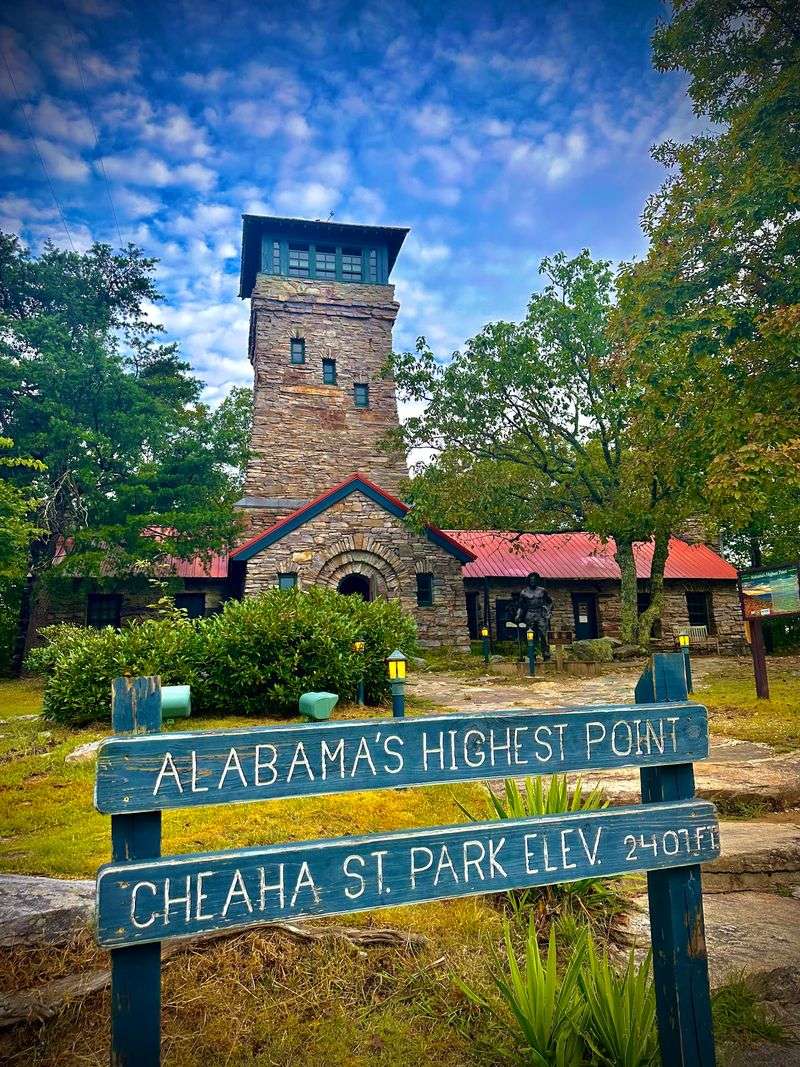
Look down when you get inside. An X carved into the stone floor marks the highest natural point in all of Alabama.
That spot sits 2,407 feet above sea level on top of Mount Cheaha. The Bunker Observation Tower was built there by the Civilian Conservation Corps between 1933 and 1934.
Workers used local quartzite, and some of the base walls are four feet thick.
The tower had two jobs from the start. It gave visitors a scenic lookout and helped crews spot wildfires.
It still helps the Talladega National Forest watch for smoke now and then.
Only 62 steps lead to the top, so this is an easy climb for most families. From the deck, wooded ridges of the Talladega Mountains spread out in every direction.
Cheaha is Alabama’s oldest state park still in use. The tower also holds a small museum about the CCC workers who built it.
5. Kuwohi Observation Tower, Bryson City, North Carolina
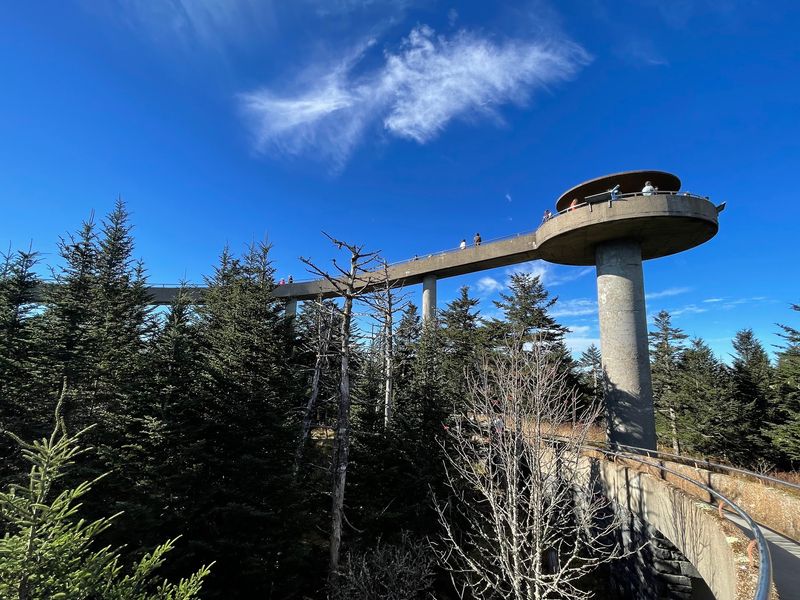
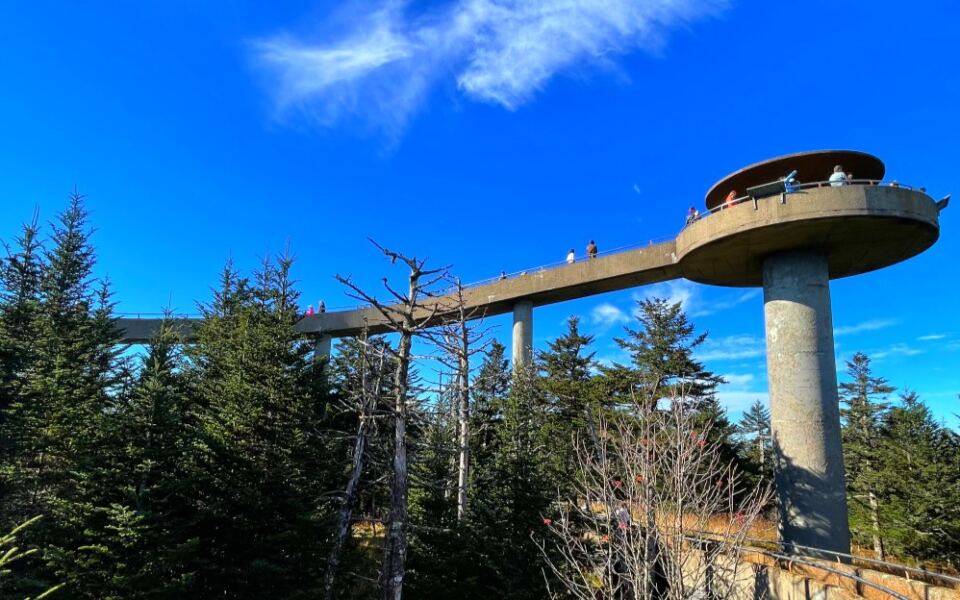
Some people say it looks like a flying saucer parked on a mountain. The modern design was a bold choice for a national park back in 1959.
The tower was part of Mission 66, a program to update park buildings. It sits at 6,643 feet, the highest point in Great Smoky Mountains National Park and on the whole Appalachian Trail.
The peak was known as Clingmans Dome until 2024. Its Cherokee name, Kuwohi, means mulberry place.
Getting there takes a seven-mile drive from Newfound Gap. Then comes a steep, paved half-mile walk.
A 375-foot spiral ramp leads up to the round platform.
On very clear days, you may see up to 100 miles. Clouds often cover the top, though.
Bring a jacket even in summer. The road usually closes in winter, so check park updates before you go.
6. Antietam Battlefield Observation Tower, Sharpsburg, Maryland
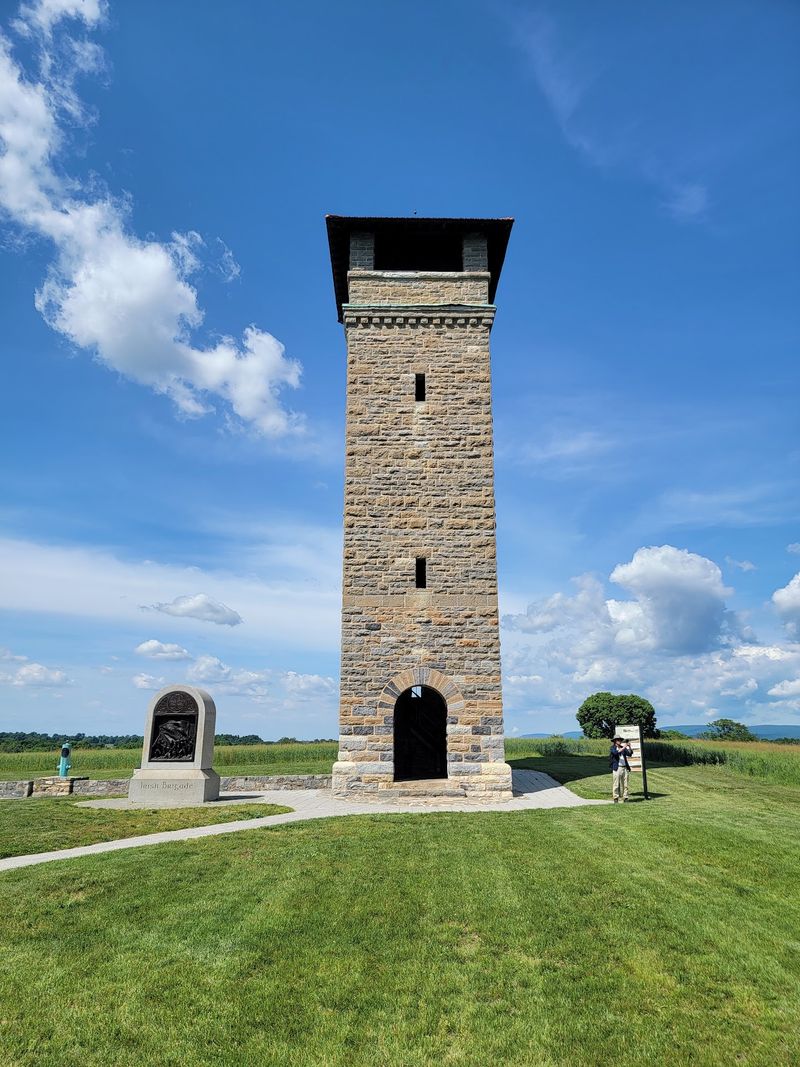
Old soldiers once climbed these same stairs to explain the battle to visitors. The tower was designed as an open-air classroom.
The U.S. War Department finished it in 1897.
It is made of local limestone and stands nearly 60 feet tall near Bloody Lane at Antietam National Battlefield.
The Battle of Antietam took place in 1862 and was a major turning point in the Civil War. From the ground, the hills and fields can be hard to understand.
Climb the narrow iron stairway inside, and the land starts to make sense. From the top, you can trace Bloody Lane, find the Mumma and Roulette farms, and see toward Antietam Creek.
South Mountain rises in the distance.
The National Park Service took over the tower in 1933. Visit the park’s visitor center first for maps.
Then the view from the top becomes a living history lesson.
7. Longstreet Observation Tower, Gettysburg, Pennsylvania
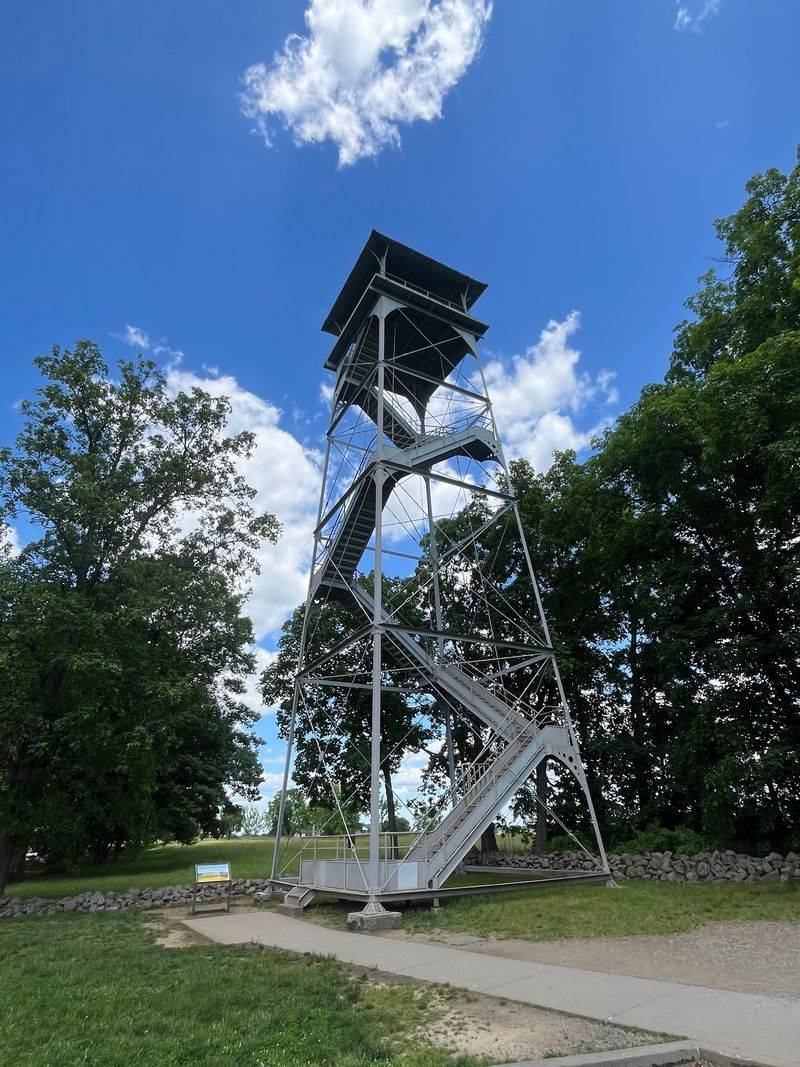
Only a few of the original battlefield towers still stand at Gettysburg, and this steel one is a survivor.
The War Department built it in 1896 on Warfield Ridge along West Confederate Avenue. It is about 75 feet tall.
People call it the Longstreet Tower or the Warfield Observation Tower.
The name comes from Confederate General James Longstreet. His troops attacked from this area on the second day of the battle.
Climbing the metal stairs takes some effort. Once you reach the top, the big picture comes into view.
You can spot the Peach Orchard, the Wheatfield, and Little Round Top.
A metal disc on the deck points to famous landmarks and lists their distances. That makes it easier to see how far soldiers had to march.
Bring a battlefield map from the visitor center. Pairing the map with the view helps the three-day battle feel much clearer.
8. Volunteer Park Water Tower, Seattle, Washington
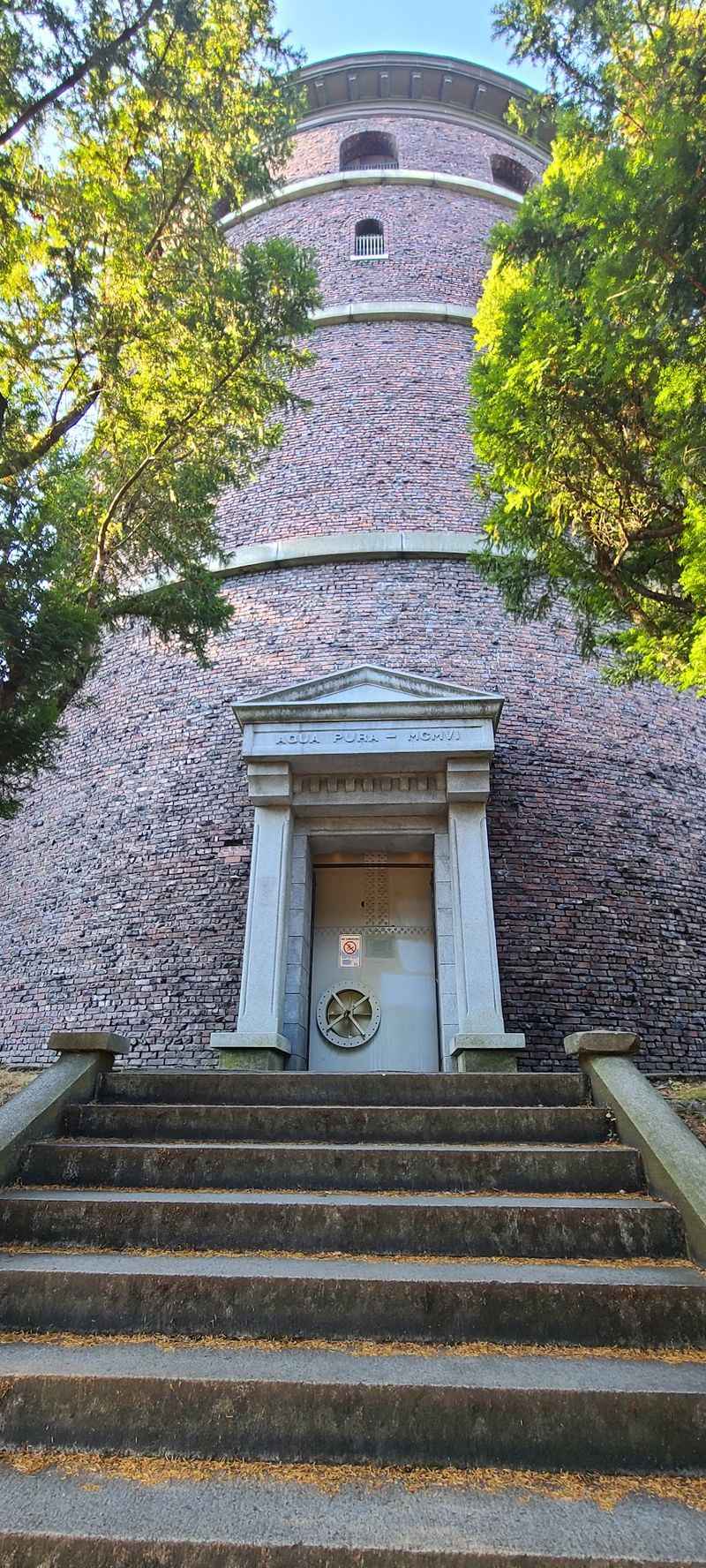
Above the doorways, carved words read Aqua Pura, which means pure water. That is a big hint about the tower’s real job.
Finished in 1906, the brick tower hides a steel tank that holds about 883,000 gallons. It still helps keep water pressure steady for Capitol Hill.
Two spiral staircases wind around the tank. It takes roughly 106 steps to reach the viewing room at the top.
From the windows, you can see downtown Seattle, Puget Sound, and nearby rooftops. On clear days, Mount Rainier and the Olympic Mountains show up too.
The deck sits about 520 feet above sea level.
Small exhibits inside share the history of Seattle’s park system. The surrounding park was shaped by the famous Olmsted design firm.
Admission is free. Combine your climb with a stop at the park’s conservatory or art museum for an easy afternoon outing.
9. Rockford Tower, Wilmington, Delaware
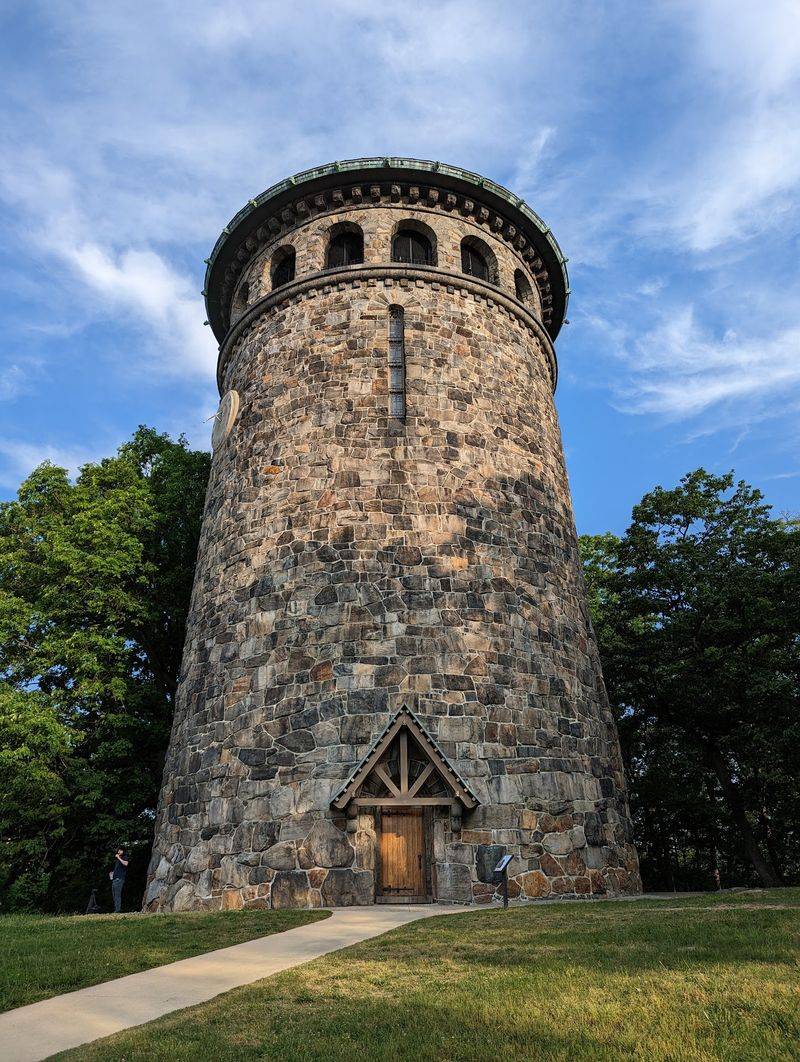
Its grand opening was held up for a surprising reason. The nearby DuPont powder company worried about explosions.
Rockford Tower was finally completed in 1901. Engineer Theodore A.
Leisen designed it to look old on purpose. The stone came from the Brandywine riverbanks and old farm walls.
Inside sits a water tank that held about half a million gallons. Above it, an observation level was built for the public to enjoy.
The tower stands on Mt. Salem Hill, the highest point in Wilmington.
You will need to climb 132 steep steps to reach the top. The reward is a view of the park, Brandywine Creek, and the city skyline.
Timing matters here. The interior usually opens only on Sunday afternoons from mid-May through mid-October, weather permitting.
Check the city park schedule before you go. Then bring a picnic for the lawn afterward.
10. Douglas Mountain Stone Tower, Sebago, Maine
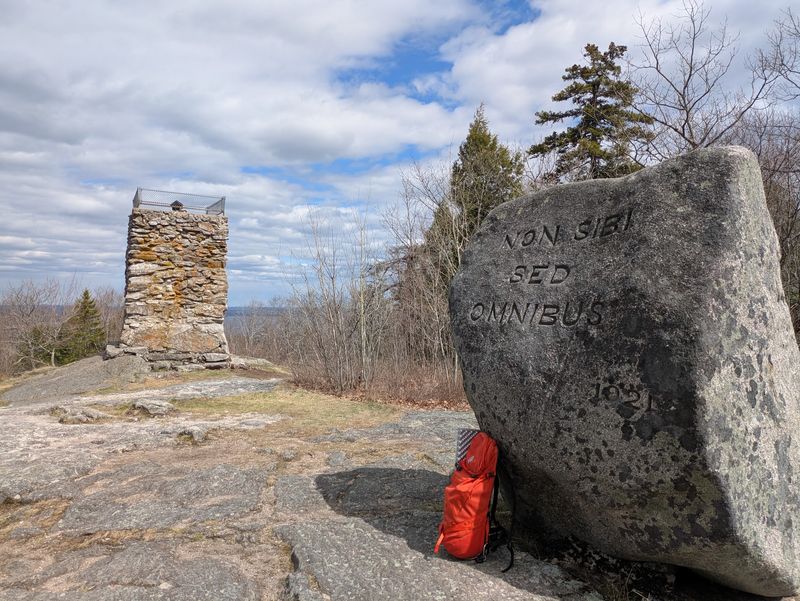
Not for one, but for all. That Latin message is carved on a boulder at the summit, and it explains this whole place.
Dr. William Blackman, a New York surgeon, bought Douglas Mountain in 1892. In 1925, he had a small stone tower built so everyone could enjoy the view.
The tower is only about 16 feet tall. It does not need to be tall, though.
The mountain is the highest ground for many miles around.
Several trails lead up, including the Eagle Scout, Ledges, and Woods trails. Some are short enough for young kids.
Inside the tower, narrow stone stairs take you to the lookout.
From there, you can see Sebago Lake and the White Mountains, including Mount Washington. On very clear days, a slice of the ocean appears.
The land now belongs to the town of Sebago. Small parking fees help care for the trails.
11. Washington Monument, Baltimore, Maryland
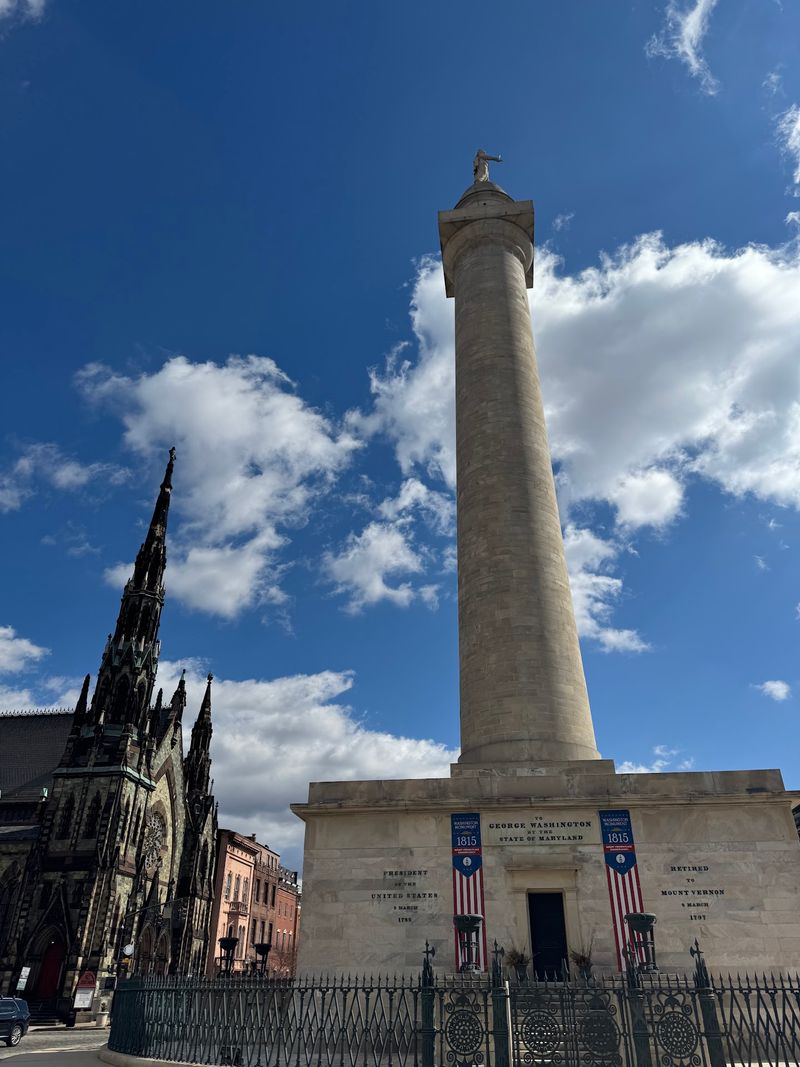
Baltimore got there first. Its Washington Monument was started on July 4, 1815, long before the famous one in the nation’s capital.
Architect Robert Mills designed both towers. This marble column stands about 178 feet tall and was mostly finished by 1829.
A statue of Washington sits on top.
The climb has 227 narrow marble steps that spiral up the inside. Take your time, since there is no elevator.
At the top, small windows look over the Mount Vernon neighborhood. You can spot church steeples, old townhouses, and the city beyond.
A big restoration finished in 2015 and cost about $5.5 million. Workers found two hidden time capsules along the way.
Start at the ground-floor gallery, which explains how the monument was built. A small fee covers the climb.
The leafy squares around the base are perfect for a rest afterward.
12. World War II Artillery Fire Control Tower No. 3, Rehoboth Beach, Delaware
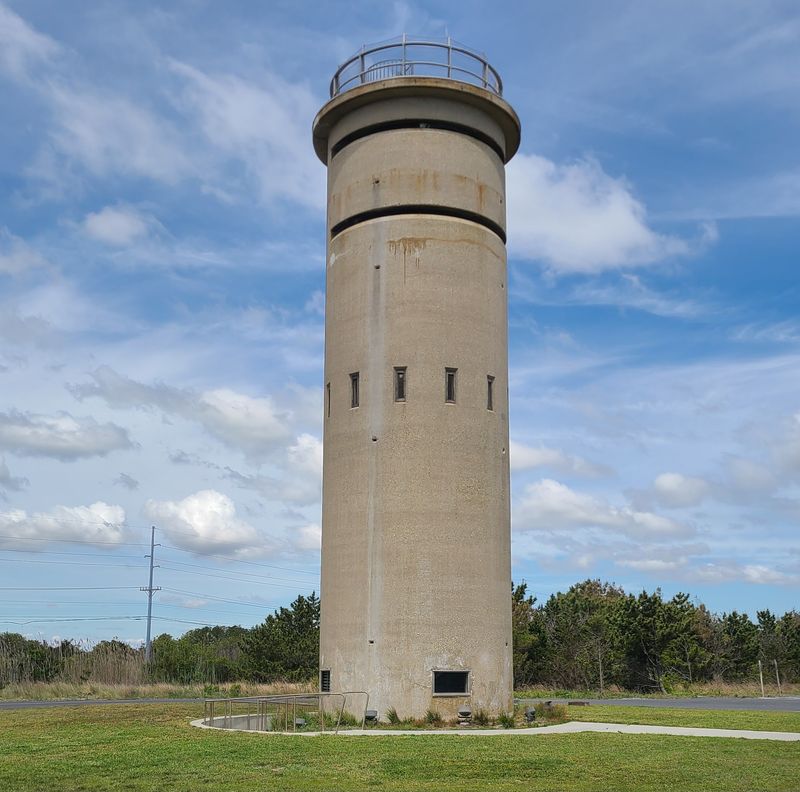
Workers poured the concrete for this tower in one long session of about 24 hours. It was only expected to last ten years, yet here it stands.
The tower was built in the early 1940s as part of the Fort Miles defense system. Crews of soldiers watched the Atlantic for enemy ships.
They used math to send target locations to hidden coastal guns.
Thankfully, those guns never had to fire at an enemy.
The tower is 57 feet tall with walls about a foot thick. After a 15-year restoration that cost about $1.7 million, it reopened in April 2023.
Old ladders were swapped for a spiral staircase with nearly 100 steps. From the top, you can see the ocean, the dunes, and the inland bays.
It sits in Delaware Seashore State Park. Check opening days before your beach trip, since hours change with the season.
13. Stone Tower at Lynn Woods, Lynn, Massachusetts
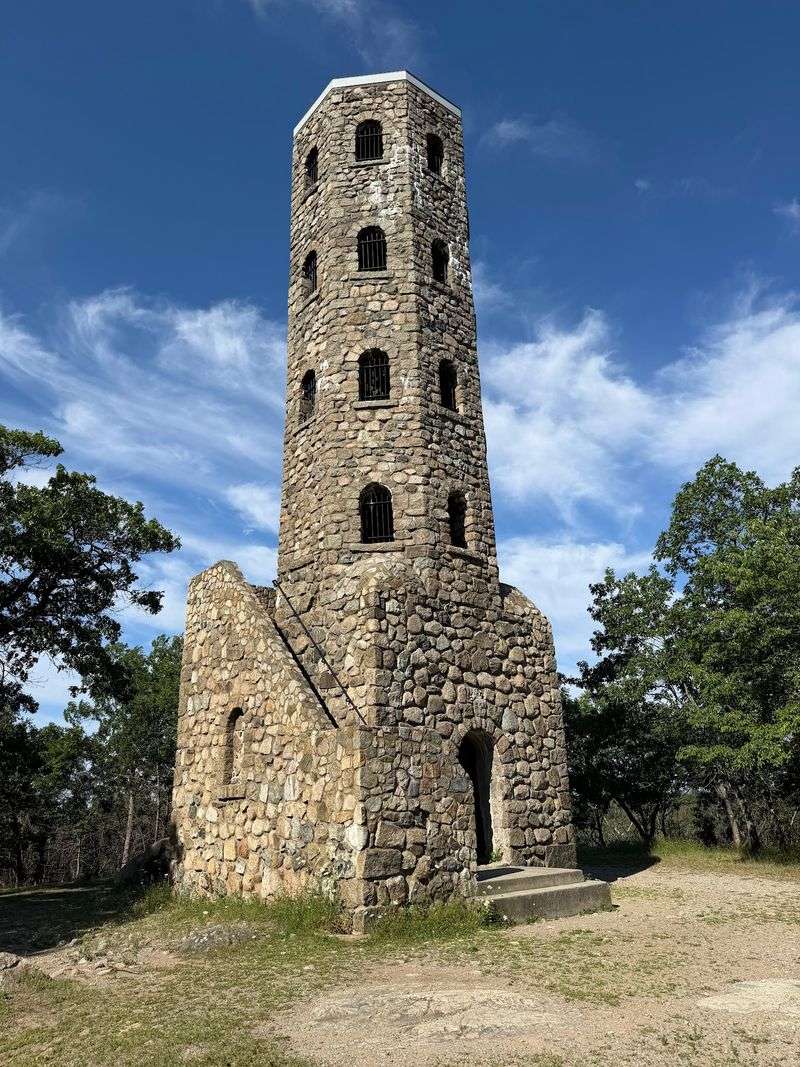
Lynn Woods is one of the largest city parks in the country, with about 2,200 acres and more than 30 miles of trails. Its best prize waits on top of Burrill Hill.
Works Progress Administration masons built the Stone Tower in 1936. It is 48 feet tall with a round shape that makes it look like a castle.
It was first used to watch for forest fires.
Burrill Hill is the highest point in Lynn at 285 feet. Trails from Pennybrook Road or Great Woods Road lead you there.
Inside, an iron spiral staircase climbs to the lookout. From the top, you can see the treetops, the Lynn waterfront, and the Boston skyline.
On clear days, New Hampshire may appear to the north.
The tower was repaired in 2010. The inside usually opens from May through October on set days, so check the schedule before your hike.
Share this story