Pennsylvania is packed with museums that go far beyond traditional galleries and display cases. Historic prisons, tool-filled castles, dinosaur halls, unusual musical collections, famous artworks, and ancient artifacts create experiences for nearly every interest.
These 13 Pennsylvania museums showcase the remarkable variety found across the state. From internationally known institutions to overlooked local treasures, each offers a fascinating reason to spend a few hours exploring.
1. The Mütter Museum, Philadelphia, Pennsylvania
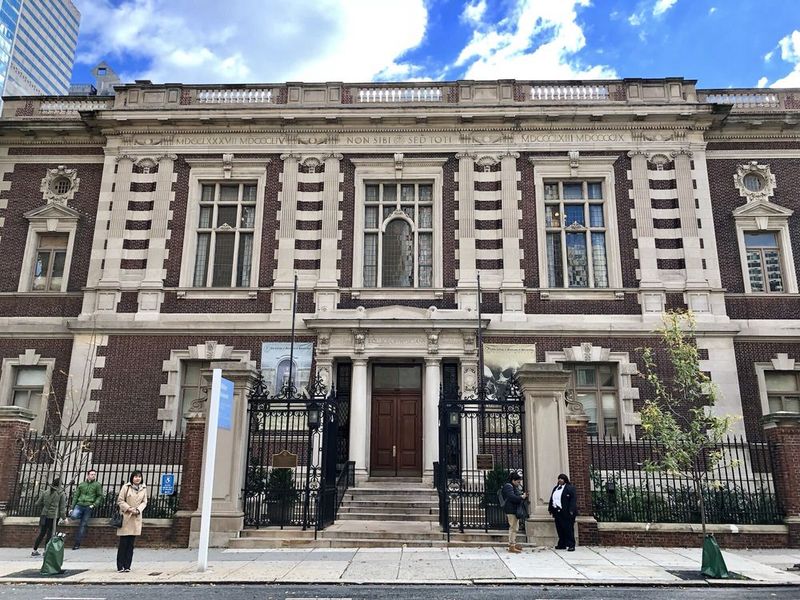
Not every museum makes visitors stop mid-stride and stare in genuine disbelief, but the Mütter Museum in Philadelphia has built an entire reputation on doing exactly that. Part of The College of Physicians of Philadelphia, it holds one of the most unusual medical collections in the Western Hemisphere.
Preserved anatomical specimens, pathological models, antique surgical instruments, and historical photographs fill the galleries, documenting how medicine understood the human body across several centuries. The collection was originally assembled for medical education, and that serious academic purpose keeps the exhibits from tipping into pure spectacle.
Visitors who arrive expecting simple shock value typically leave with a more nuanced appreciation of how dramatically diagnosis and treatment have changed over time. The Mütter asks genuinely interesting questions about disease, anatomy, and the history of healthcare, and it does so through objects that no digital display could replicate.
2. Railroad Museum of Pennsylvania, Strasburg, Pennsylvania
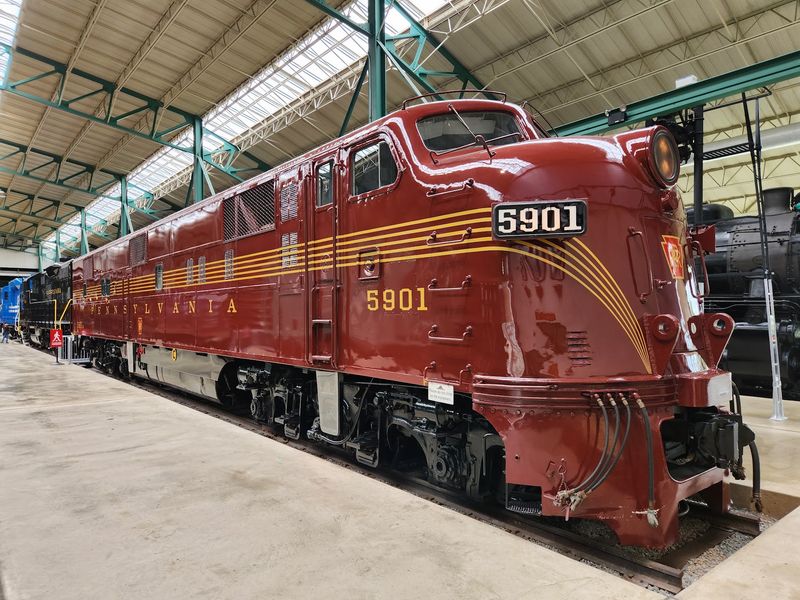
There is a significant difference between reading about a 19th-century locomotive and standing directly beside one. The Railroad Museum of Pennsylvania in Strasburg makes that comparison unavoidable, preserving more than 100 historic locomotives and railroad cars in a 100,000-square-foot exhibition hall designed to showcase their full scale.
The collection spans from the mid-1800s through the 20th century and includes major pieces from the Pennsylvania Railroad Historical Collection, alongside items on loan from the Smithsonian Institution. An 18-acre outdoor yard features a working 1928 railroad turntable, adding operational history to the static displays inside.
Artifacts extend beyond the machines themselves, covering uniforms, tools, dining car china, and everyday railroad culture. Visitors who arrive without any particular interest in trains often find themselves spending far more time than planned, drawn in by the engineering detail and the broader story of how railroads physically shaped Pennsylvania communities across generations.
3. Eastern State Penitentiary Historic Site, Philadelphia, Pennsylvania
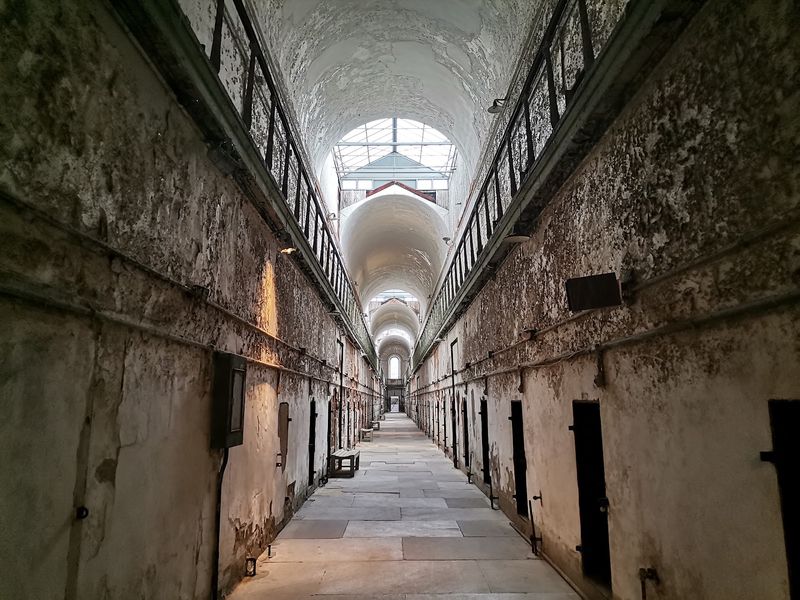
Eastern State Penitentiary does not try to soften its history. Visitors walk through the actual decaying remains of one of America’s most influential prisons, past iron cell doors, crumbling plaster walls, guard towers, and the long spoke-like cellblocks that once held thousands of incarcerated people.
The prison pioneered a model built around total isolation and penitence, and its wagon-wheel architectural layout was copied by facilities around the world after it opened in 1829. Today, exhibits examine both that specific history and broader questions about criminal justice, punishment, and how society treats incarcerated individuals.
Admission typically includes a self-guided audio tour, permanent exhibits, and rotating art installations that push visitors to think critically rather than simply observe. Notorious former residents, including Al Capone, add a layer of popular history, but the site’s real power comes from the architecture itself, which communicates the weight of isolation more effectively than any text panel could.
4. The Andy Warhol Museum, Pittsburgh, Pennsylvania
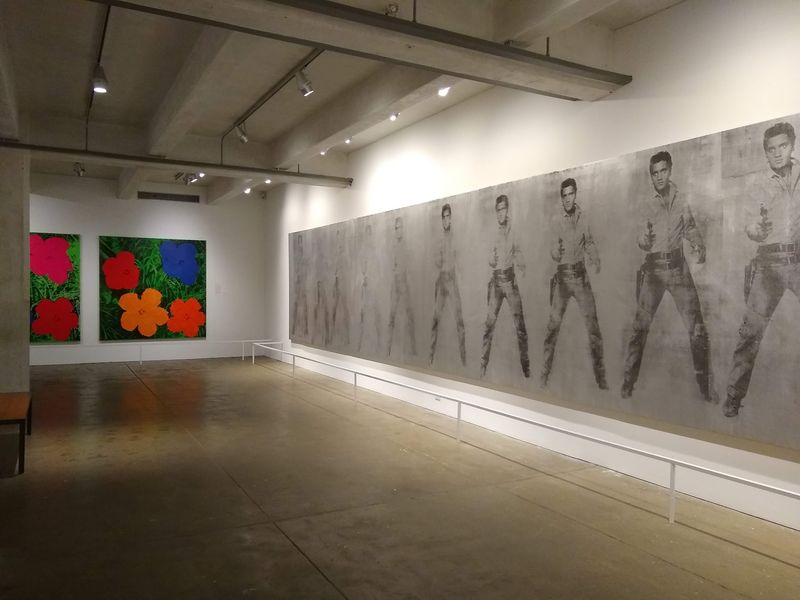
Andy Warhol grew up in Pittsburgh, and his hometown has responded by housing the largest collection of his work and archival material anywhere on the planet. Seven floors of the museum trace his career from early commercial illustration through the Pop Art explosion that made him a cultural institution.
The collection goes well beyond the silkscreens everyone recognizes. Approximately 400 films, more than 2,500 videotapes, and 569 cardboard Time Capsules filled with daily ephemera represent some of the museum’s most distinctive holdings.
Those Time Capsules alone, collectively considered his largest serial artwork, reveal a side of Warhol that his famous paintings rarely suggest.
Changing exhibitions keep the experience fresh for repeat visitors, and the archival depth means researchers and casual fans alike find material worth their attention. Pittsburgh’s connection to Warhol adds a local dimension that transforms the museum from a simple art destination into a genuine piece of the city’s own story.
5. Senator John Heinz History Center, Pittsburgh, Pennsylvania
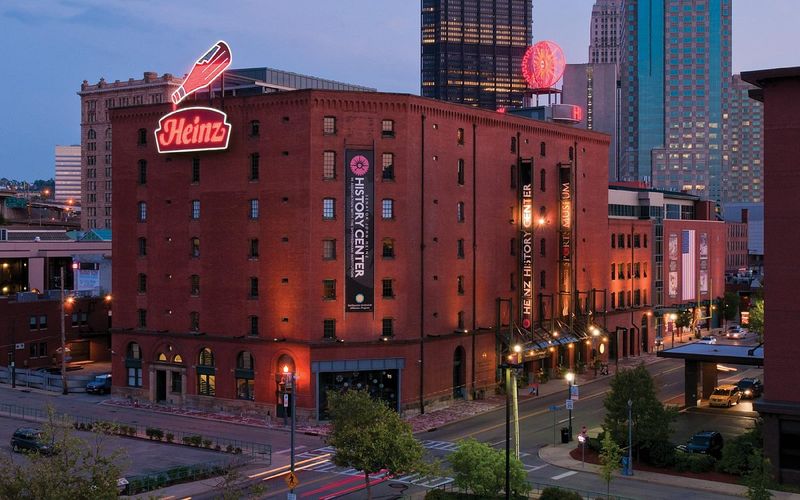
The name might suggest a narrowly focused institution, but the Senator John Heinz History Center covers Western Pennsylvania’s story with impressive range and genuine enthusiasm. Industry, immigration, innovation, sports, and popular culture all receive serious attention across six floors of exhibit space.
Among the recognizable artifacts on display is a television set from Mister Rogers’ Neighborhood, a nostalgic touchstone that connects the museum to one of Pittsburgh’s most beloved figures. The museum also claims the world’s oldest Jeep, a piece of automotive history with direct ties to the region’s manufacturing heritage.
The attached Franco Harris Sports Museum adds another substantial collection dedicated to Western Pennsylvania’s unusually deep sporting legacy. Taken together, the two connected spaces create an experience that moves fluidly between industrial history, community stories, and cultural milestones.
Visitors who expect a straightforward regional history museum typically leave impressed by how much ground the Heinz History Center actually covers.
6. Carnegie Museum of Natural History, Pittsburgh, Pennsylvania
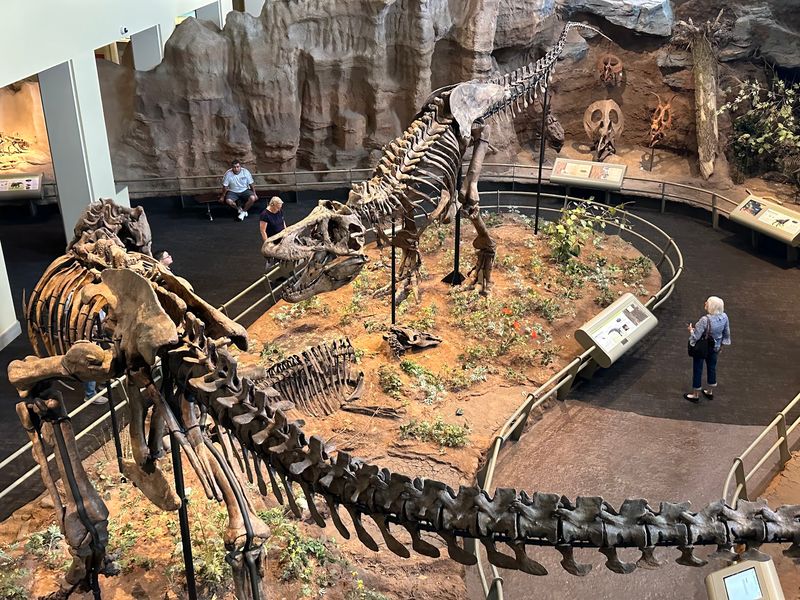
Dinosaur skeletons are the obvious draw, and Carnegie Museum of Natural History delivers on that front with genuine authority. The Hall of Dinosaurs features original fossil specimens including holotype examples of Tyrannosaurus rex, Apatosaurus louisae, and Diplodocus carnegii, displayed in scientifically accurate habitat reconstructions rather than generic poses.
Beyond the prehistoric giants, the museum holds extensive collections covering minerals, wildlife, archaeology, and anthropology. The Wertz Gallery presents over 1,300 gems and crystals, while the Cenozoic Era galleries showcase fossil mammals including a Columbian mammoth and specimens from the La Brea Tar Pits.
Visitors can peer into the PaleoLab, where paleontologists actively prepare specimens in view of the public, making the science visible rather than hidden behind closed doors. A single admission ticket also grants access to the neighboring Carnegie Museum of Art, which shares the same building complex.
That combination makes the visit exceptionally good value for anyone spending a full day in Pittsburgh.
7. Bayernhof Museum, Pittsburgh, Pennsylvania
Most people have never heard of the Bayernhof Museum, which is part of what makes visiting it feel like discovering something genuinely special. The 19,000-square-foot former home of Charles B.
Brown III was built in a distinctive German architectural style and now houses one of the world’s most extensive collections of antique automated musical instruments.
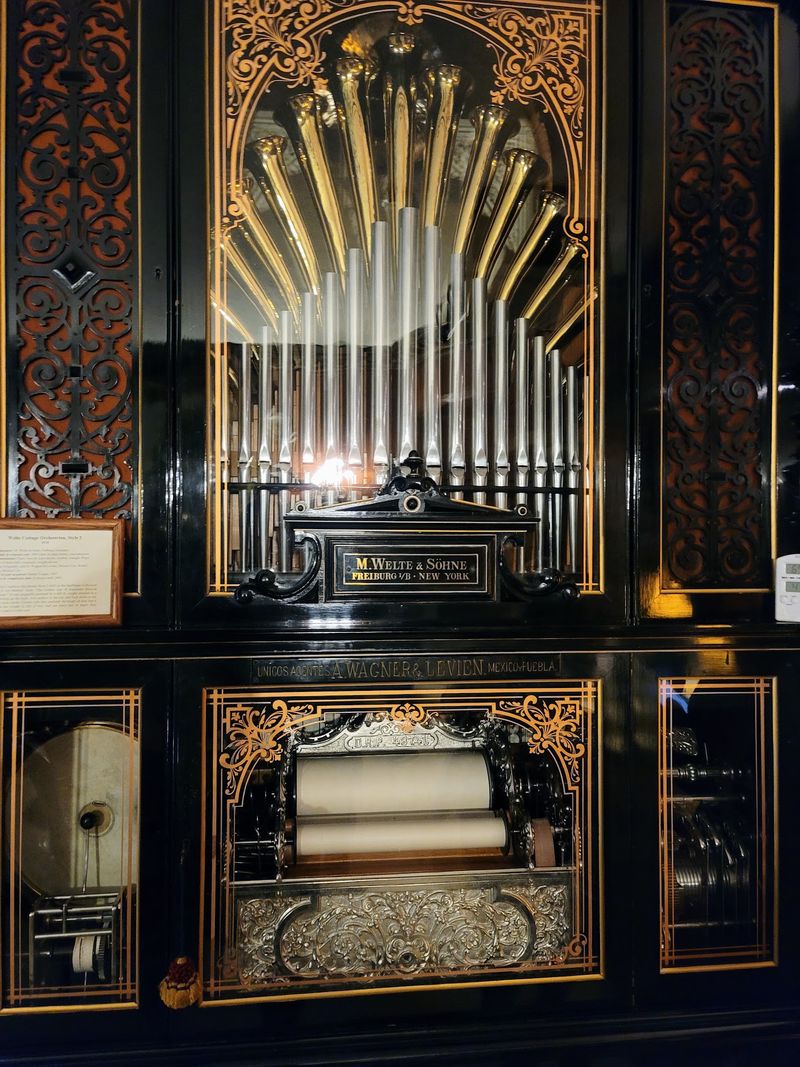
Reproducing pianos that capture original artist performances, early jukeboxes, music boxes, phonographs, and a robust Wurlitzer 125 Military Band Organ are among roughly 150 instruments featured during tours. Hidden doors and secret passageways add a playful dimension that keeps the experience lively from room to room.
Tours are conducted by appointment only, which means group sizes stay manageable and the visit retains the feeling of being invited into a private collection rather than filing through a public institution. An indoor cave, a swimming pool with a 10-foot waterfall, and a rooftop observatory round out the mansion’s more unexpected features.
Few Pittsburgh destinations reward curiosity quite as generously.
8. Mercer Museum, Doylestown, Pennsylvania
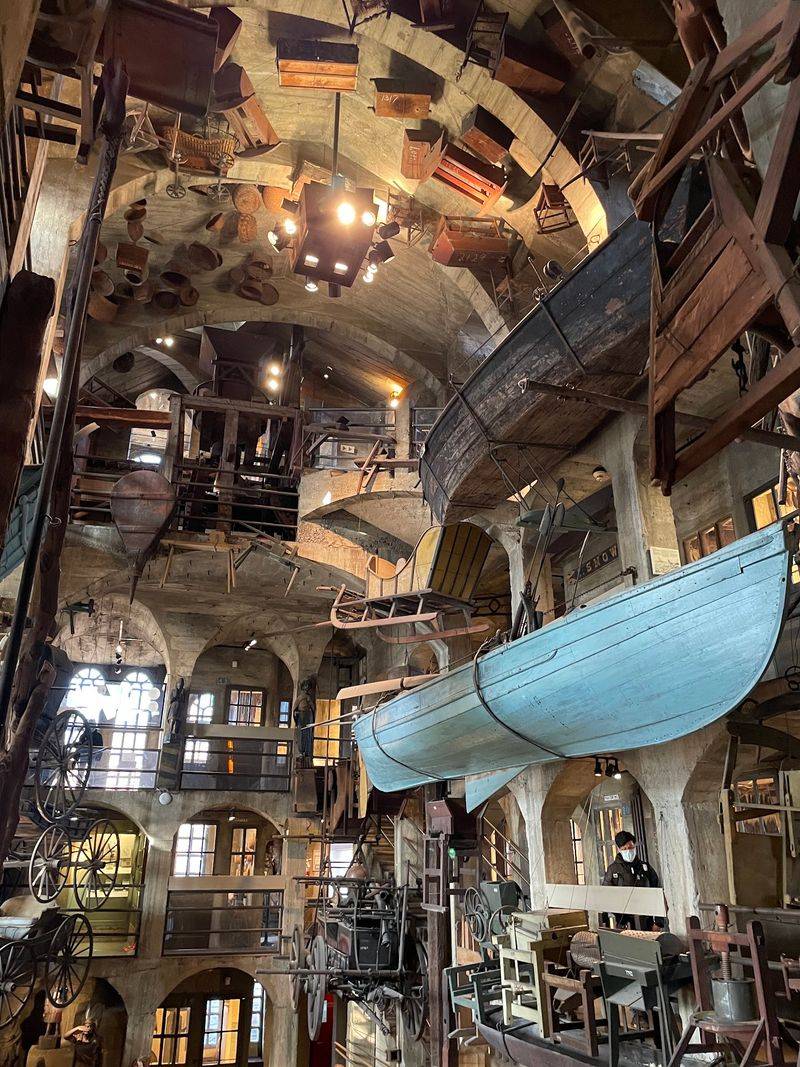
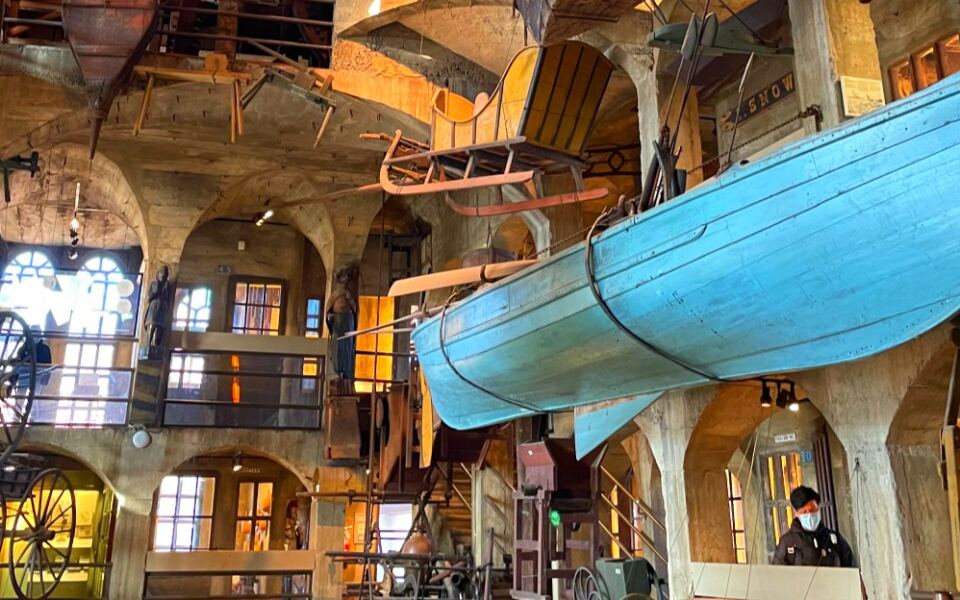
Henry Chapman Mercer built his concrete castle in Doylestown not to impress passersby, but to preserve the physical evidence of American life before industrial machinery took over everything. The result is one of the most unusual museum experiences in the entire country.
More than 17,000 pre-industrial tools and objects fill the six-story building, representing over 60 early American crafts and trades. Large items like whaling boats and horse-drawn carriages hang dramatically in the central atrium, suspended well above the main floor.
Smaller tools crowd alcoves and display cases throughout, rewarding visitors who take their time exploring each level. The museum avoids a tidy chronological layout, instead surrounding guests with authentic objects that people once built, repaired, and depended on daily.
That density of real things gives the experience a texture that polished modern exhibits rarely match.
9. Penn Museum, Philadelphia, Pennsylvania
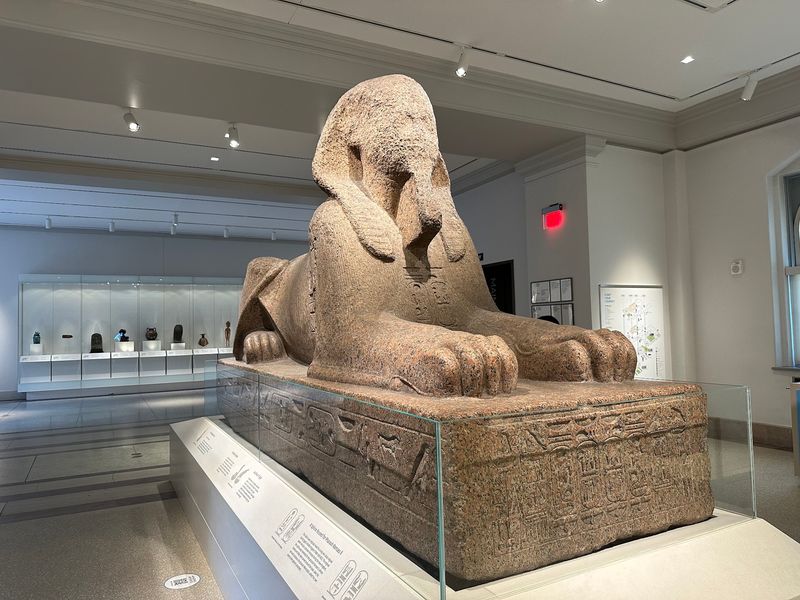
The University of Pennsylvania’s archaeology and anthropology museum contains the kind of collection that makes the world feel both enormous and surprisingly accessible at the same time. Galleries transport visitors across continents and centuries, covering civilizations from Africa, Asia, the Americas, the Mediterranean, and the ancient Near East.
Monumental objects give several exhibition spaces a scale that photographs genuinely struggle to capture. Real archaeological material, rather than reproductions or digital recreations, forms the backbone of the collection, creating direct contact with the physical evidence of human history across thousands of years.
The Penn Museum is particularly rewarding for anyone drawn to ancient history who wants to move beyond textbooks and encounter actual artifacts. Items excavated from significant archaeological sites around the world sit alongside detailed contextual information that helps visitors understand not just what they are looking at, but why it matters.
The breadth of the collection means return visits regularly surface something previously overlooked.
10. The Hershey Story Museum, Hershey, Pennsylvania
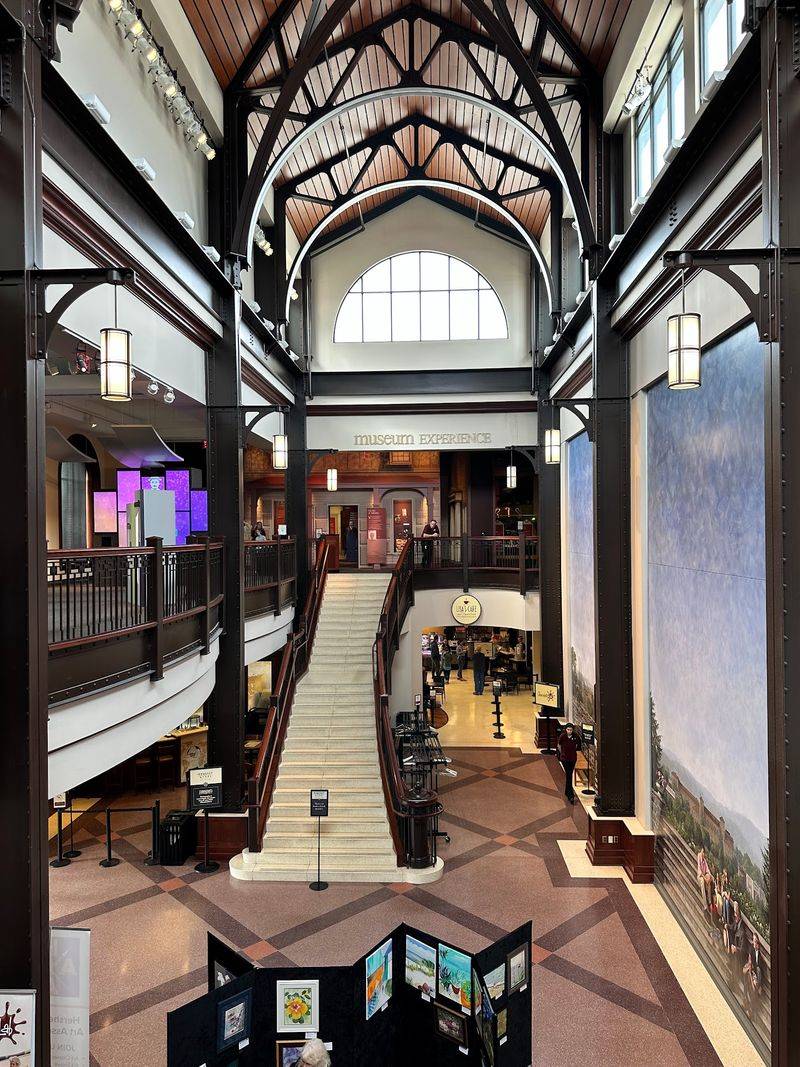
Behind every famous chocolate bar is a more complicated story, and The Hershey Story Museum makes a compelling case that Milton Hershey’s tale is worth understanding on its own terms. The museum explores his life, his business strategies, and the development of the Pennsylvania town that still carries his name more than a century after he founded it.
Exhibits cover advertising history, manufacturing innovation, and the entrepreneurial decisions that transformed a modest confectionery operation into an industrial landmark. Importantly, the museum also examines the community Hershey deliberately built around his factory, including schools, housing, and public infrastructure that reflected his particular vision of corporate responsibility.
This is a distinctly different experience from the amusement attractions at Hersheypark nearby. Chocolate remains part of the presentation, but the deeper focus is on how one person’s ambitions shaped an entire region’s identity and economy.
Visitors who arrive expecting a simple brand experience typically leave with a more textured understanding of what Hershey actually built.
11. Independence Seaport Museum, Philadelphia, Pennsylvania
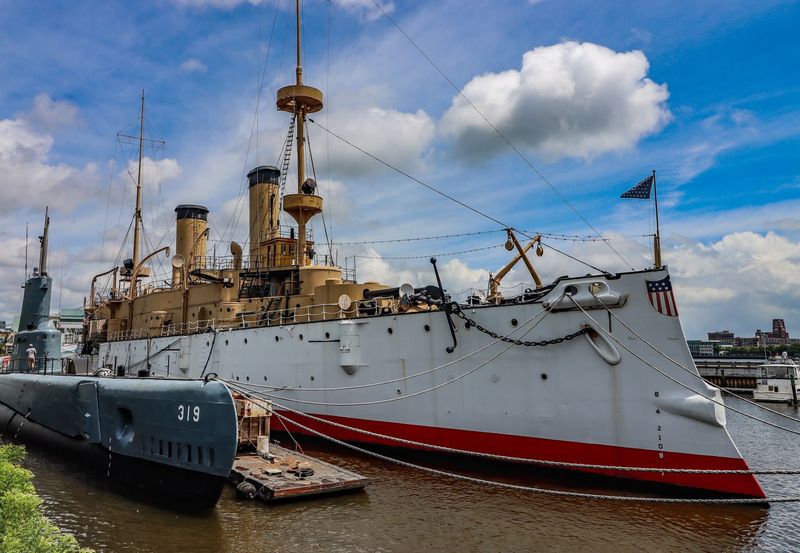
Philadelphia’s relationship with the Delaware River runs deep, and the Independence Seaport Museum makes that connection tangible in ways that conventional gallery exhibits rarely achieve. Located at Penn’s Landing, the museum combines indoor exhibitions with two National Historic Landmark vessels that visitors can actually board and explore.
The USS Olympia, the oldest floating steel warship in the world, and the USS Becuna, a World War II-era submarine, are the headline attractions. Climbing through a wartime submarine’s confined interior or walking the deck of a 19th-century cruiser delivers a firsthand sense of naval history that no display case can replicate.
Indoor galleries cover maritime trade, the early U.S. Navy through the Patriots and Pirates exhibition, and traditional wooden boat building at the museum’s active Seaport Boat Shop.
The waterfront location reinforces the subject matter at every turn, keeping visitors visually connected to the river that established Philadelphia as a major port throughout its history.
12. Pennsylvania Lumber Museum, Ulysses, Pennsylvania
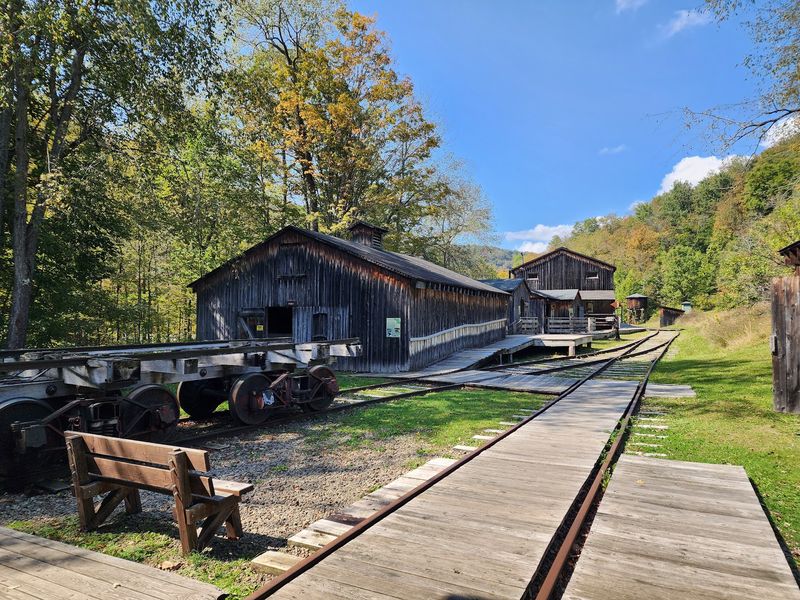
Northern Pennsylvania’s forests look lush and seemingly untouched today, but the Pennsylvania Lumber Museum tells the story of how dramatically those same woodlands were transformed by industrial logging during the 19th and early 20th centuries. The museum sits along historic Route 6 in Potter County, surrounded by the very landscape its exhibits describe.
A full-size recreated lumber camp, complete with bunkhouses, a cookhouse, and period equipment, gives visitors a concrete sense of daily life for the workers who fueled the timber industry. An operable steam-powered circular sawmill demonstrates how logs were processed, while significant machinery including a 70-ton Shay geared locomotive and a 1910 Barnhart log loader illustrate the scale of the operation.
Indoor exhibits detail the evolution of logging tools, the impact of the lumber boom on Pennsylvania’s landscape, and the conservation efforts championed by Joseph Rothrock, widely recognized as the father of Pennsylvania forestry. A log cabin originally built by the Civilian Conservation Corps in 1936 rounds out the outdoor experience with genuine historical character.
13. Rodin Museum, Philadelphia, Pennsylvania
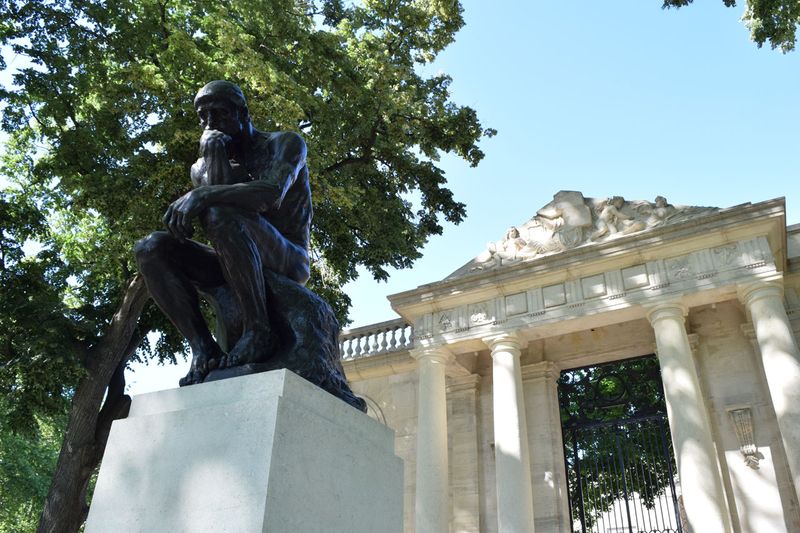
A few blocks down the Benjamin Franklin Parkway from Philadelphia’s encyclopedic art museum sits a smaller institution that rewards visitors willing to slow down and look carefully. The Rodin Museum concentrates exclusively on the work of French sculptor Auguste Rodin, presenting his output in a focused setting that avoids the fatigue of larger collections.
The experience begins before entering the building, where sculpture and formal gardens create one of Philadelphia’s most photogenic public spaces. A cast of The Thinker greets visitors at the gate, setting a contemplative tone that carries through the Beaux-Arts interior.
Inside, galleries move from early clay models and plaster studies through finished bronze casts and marble sculptures, illustrating the meticulous process behind Rodin’s most celebrated pieces. Works including The Kiss, The Gates of Hell, and The Burghers of Calais invite close examination of how he approached human emotion and physical form.
The museum is compact enough to explore thoroughly in a single visit without feeling rushed or overwhelmed.
Share this story