Some of the world’s most famous places look friendly from the parking lot. Then the trail bends, the weather shifts, and the nearest help is a long way off.
This list covers 13 popular destinations where park officials themselves advise bringing a partner or a group. Many of them are national parks, and most are perfectly fine to visit alone if you stay near the busy viewpoints.
The real change comes on remote trails, in the backcountry, and in areas with little cellphone service. Read on for what each place warns about, plus simple habits like sharing your route and checking current conditions that make any trip safer.
Table Mountain National Park, Cape Town, South Africa
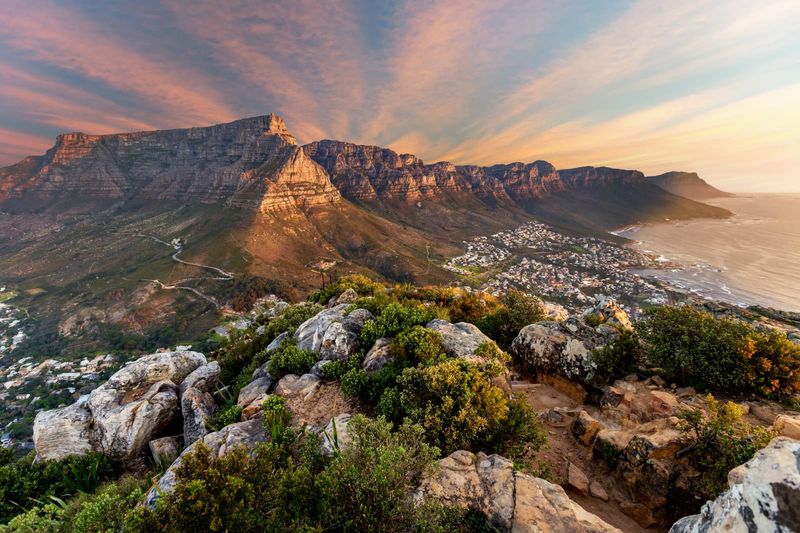
Few city skylines are as recognizable as Cape Town’s, and the flat top of Table Mountain is the reason. Hikers love the views over the city and the Atlantic coast.
South African National Parks is blunt about one thing, though. It tells visitors not to hike alone and says four people is the ideal group size.
The concern goes beyond steep routes. SANParks acknowledges attacks and muggings in and around the park, and weather can change quickly.
Some sections also have limited cellphone reception, so calling for help is not always simple.
Smart habits make a big difference here. Stay on well-used trails, hike during daylight, and keep valuables out of sight.
Carry enough water and tell someone where you are going before you set out.
The mountain is still one of Cape Town’s top attractions. An isolated trail on your own is the part to skip.
Pair up with friends or a group and the same views come with far less worry.
Grand Canyon National Park, Arizona
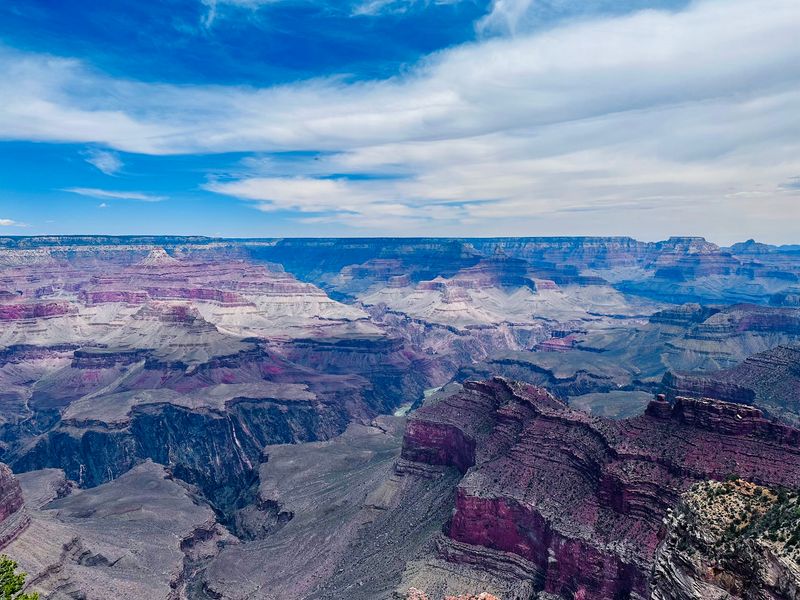
From the busy overlooks, the Grand Canyon seems easy to handle. Below the rim, it is a completely different story.
The National Park Service advises hikers not to go alone. A solo traveler has nobody close by to help if they get hurt, sick, or lost.
Heat adds another layer of trouble. Inner-canyon temperatures can top 110°F, about 43°C, in summer, and shade and water can be hard to find.
The park says more than 300 people need rescue from the canyon in a typical year.
The South Rim stays open year-round. The North Rim and individual trails can be seasonal or closed for a time, so check ahead.
Traveling alone is fine at the developed viewpoints, where plenty of other visitors are around. Save the demanding backcountry hikes for a trip with a companion and a detailed plan.
Cradle Mountain-Lake St Clair National Park, Tasmania, Australia
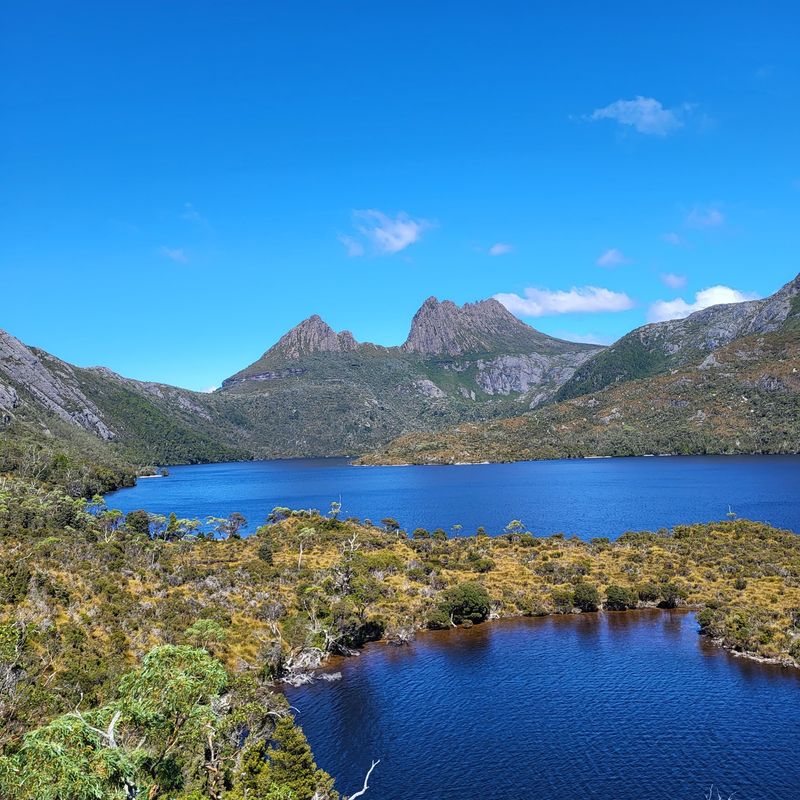
Jagged peaks, alpine lakes, and wild trails have made Cradle Mountain a Tasmanian icon. The famous Overland Track runs through it, and that route is a serious wilderness journey.
Tasmania Parks and Wildlife Service recommends avoiding solo travel. It warns that cold, wet, and windy weather can turn dangerous, and that walkers caught unprepared have died.
The ground itself changes a lot. Boardwalks give way to rocks, mud, roots, and steep climbs, and alpine weather can shift fast.
Officials suggest carrying proper maps and equipment and checking weather and bushwalker alerts. They also advise staying on formed tracks and considering a personal locator beacon.
The remote feel is what draws people here. It is also why a simple injury or a wrong turn can become a bigger problem when nobody else is around to help.
Glacier National Park, Montana
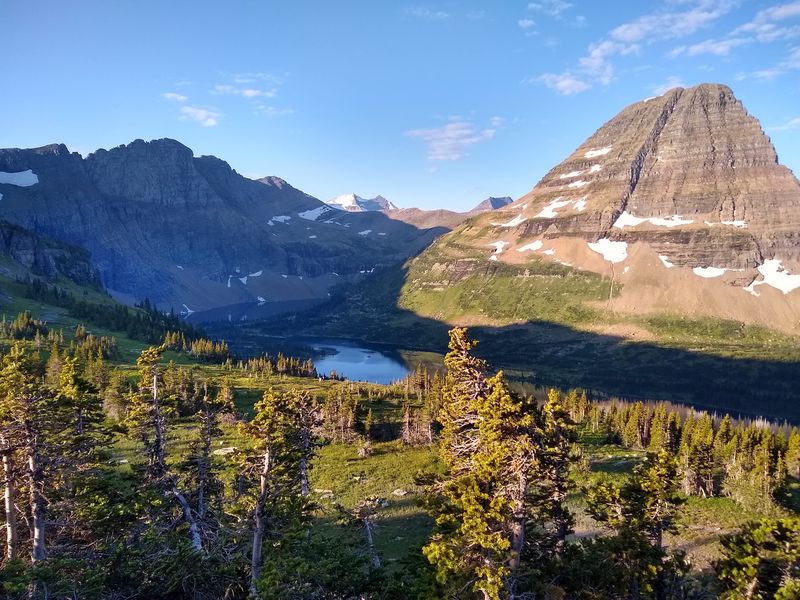
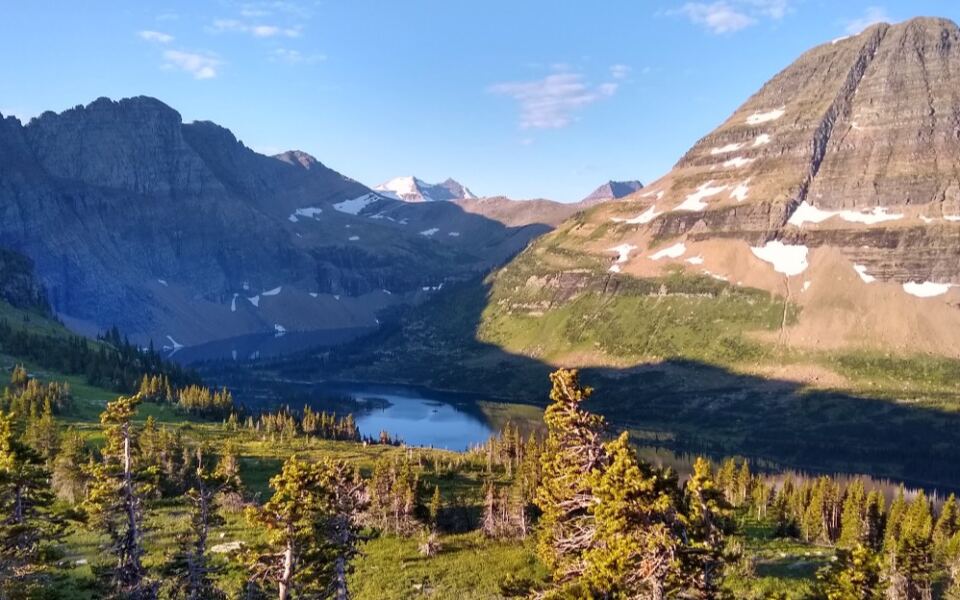
Turquoise lakes, alpine trails, and both black and grizzly bears share the same landscape in Glacier. Park officials make one point very clear for hikers: travel in groups.
The National Park Service says hiking with others greatly lowers the chance of a bad bear encounter. It also notes there have been no reported bear attacks in Glacier involving groups of four or more.
Visitors are advised to make noise and carry bear spray. Avoid hiking around dawn, dusk, or after dark, and stay alert near streams, thick vegetation, and blind corners where a bear could be surprised.
A June 2026 incident on the Grinnell Glacier Trail, where a hiker was injured in a surprise grizzly encounter, shows why those steps matter.
Gather a few friends, keep your bear spray handy, and the scenery becomes much easier to enjoy.
Yellowstone National Park, Wyoming, Montana and Idaho
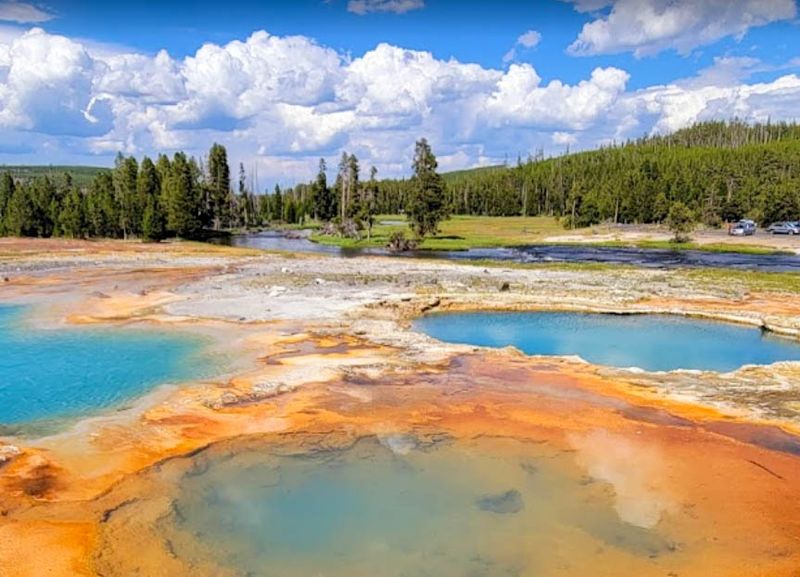
Here is a number worth remembering: 91 percent. Since 1970, that share of people injured by bears in Yellowstone were hiking alone or with just one other person, according to the National Park Service.
Millions of visitors come each year, and a short walk from the busiest boardwalks can put you in true wilderness. Yellowstone’s own guidance recommends hiking in groups of at least three.
Officials also suggest carrying bear spray and making noise on the trail. Stay on maintained paths, hike during daylight, and keep at least 100 yards from bears.
The park operates through the year, but many roads and visitor services follow seasonal schedules, so plan around that.
Solo sightseeing in developed areas is common and generally comfortable. Isolated backcountry hiking is where extra company can make a real safety difference.
Banff National Park, Alberta, Canada
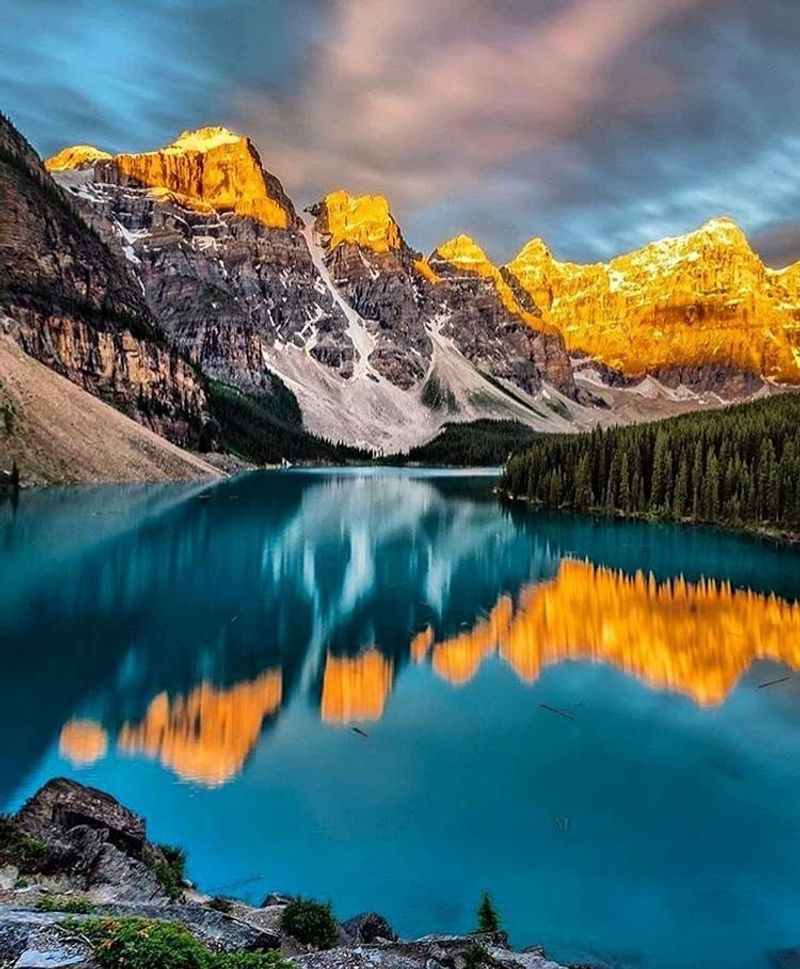
Banff’s turquoise lakes and mountain scenery can look almost too pretty to be risky. Bears are still part of the picture, especially on quieter backcountry trails.
Parks Canada regularly posts temporary bear warnings when animals are active near hiking routes. A September 2026 warning for the Skoki area advised hiking parties to travel in groups of four or more because a grizzly was frequenting the area and acting boldly.
Travelers were also told to carry bear spray, make noise, watch children closely, and stay alert.
Warnings like this can change or expire. Check current bulletins before you go rather than assuming a certain trail is affected.
Banff remains one of Canada’s most visited national parks. Backcountry conditions deserve far more care than the busy Lake Louise viewpoints, so bring a group when heading farther out.
Denali National Park and Preserve, Alaska
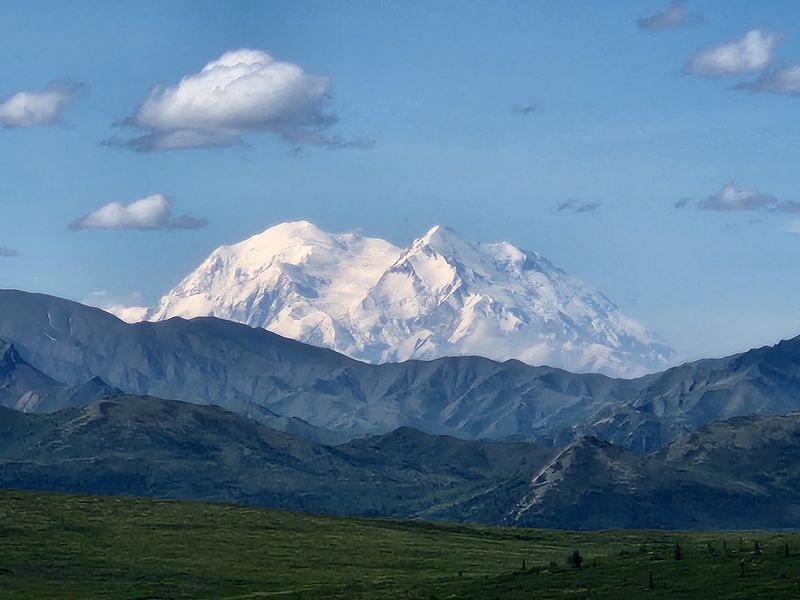
Denali is so big and so empty that the wilderness itself becomes the challenge. Much of the park has no regular trail network, and cellphone coverage is extremely limited beyond the entrance area.
The National Park Service gives simple advice. Hike with at least one other person and make sure someone else knows your plans.
Bears, moose, falls, cold weather, river crossings, and navigation mistakes can all cause emergencies far from help. Making noise in bear country and carrying bear spray are also recommended.
Denali is accessible in fall 2026, though road access and services are reduced seasonally. Some areas may close temporarily for wildlife or weather.
Going with a partner gives you a second set of eyes on the route and a second person to handle problems when they come up.
Zion National Park, Utah
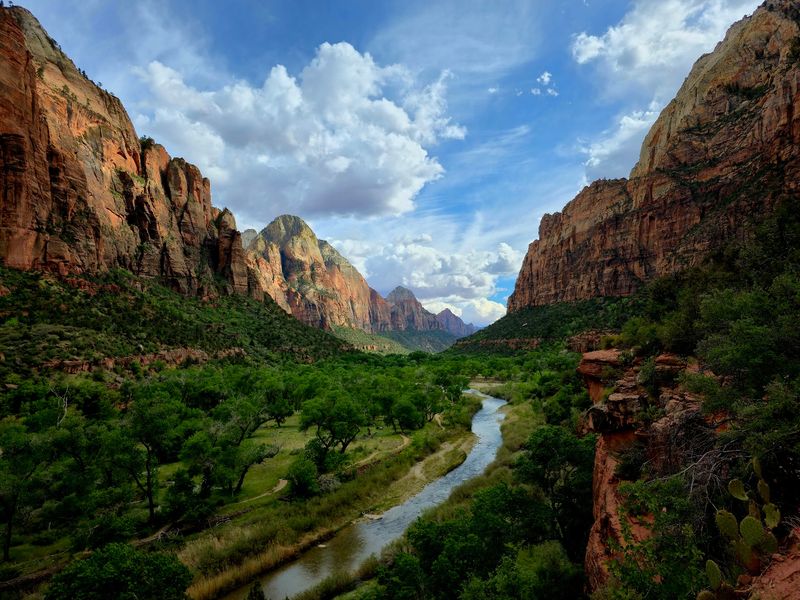
Zion’s tall sandstone cliffs hide some surprisingly serious terrain. Once you leave the developed valley for remote trails or canyons, the risks pile up.
Flash floods, steep drop-offs, heat, tricky route-finding, and wildlife all come into play. A thunderstorm miles away can create flood danger in a canyon that looks sunny.
The National Park Service says solo hiking in Zion’s wilderness is not encouraged and suggests hiking in groups when possible.
Canyoneering needs special care. After rappelling into certain canyons, turning back may no longer be an option.
Rescue is not guaranteed, and officials stress that travelers should be able to help themselves and their group. Zion is open to visitors, but its backcountry is no casual city-park stroll.
Hawaiʻi Volcanoes National Park, Hawaii
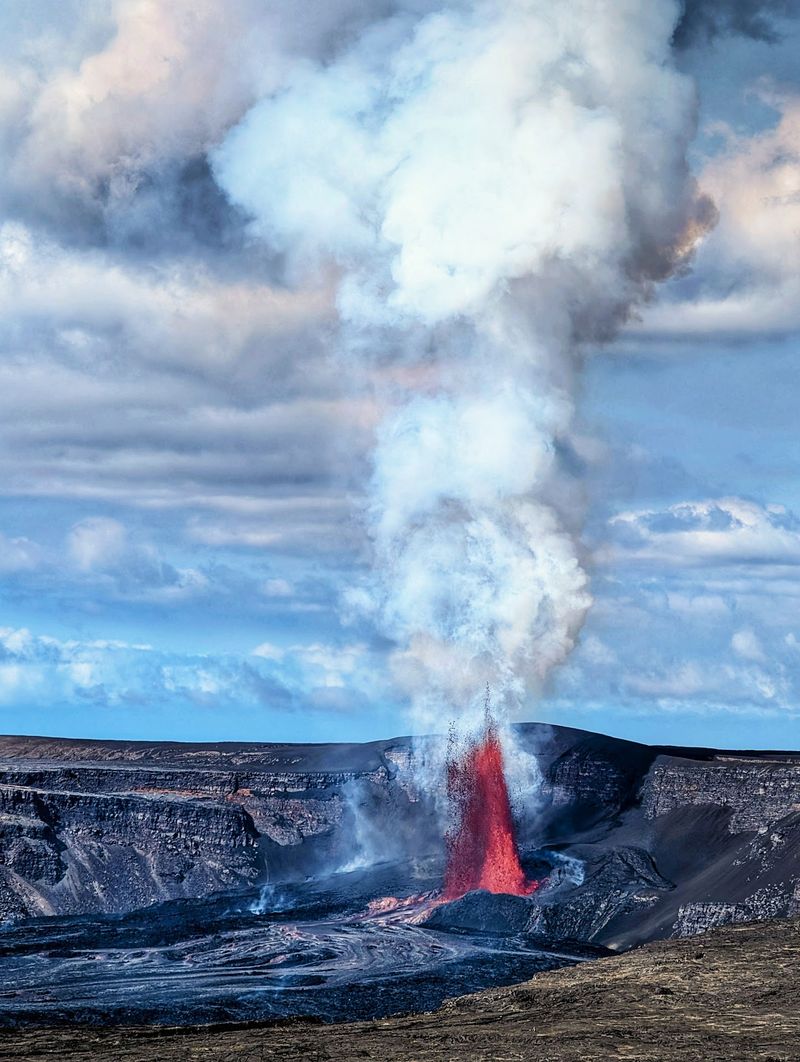
Crossing volcanic ground is a once-in-a-lifetime kind of trip. Even so, the park explicitly advises visitors to hike with a partner.
The list of hazards is long. Unstable ground, hidden lava tubes, earth cracks, volcanic gases, rockfalls, strong sun, and changing weather all appear in park warnings, along with the chance of volcanic activity.
Rangers note that people who get into trouble are often alone. Help can be delayed by weather, darkness, staffing, or limited helicopter access.
Stay on marked trails and tell someone your route and expected return time. Carry enough water and check closures before heading out.
Developed overlooks draw large crowds and are easy to visit. Remote coastal and volcanic hikes call for a different level of preparation, and a companion is part of it.
Olympic National Park, Washington
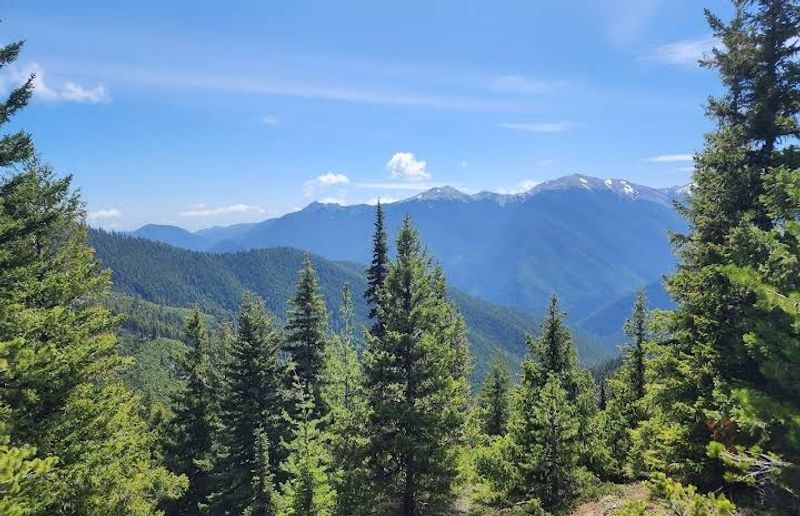
Mountains, rainforest, rivers, and rugged Pacific coast all fit inside one huge park. That variety gives an unprepared solo traveler plenty of ways to run into trouble.
The National Park Service says wilderness travel is safer with a companion. It also suggests leaving a detailed itinerary with family or friends.
Weather can turn quickly, streams can become dangerous, and many parts of the park lack reliable cell service. Remote coastal routes add tides and difficult terrain to the mix.
As of October 4, 2026, major areas including the Hoh Rain Forest were open, though some roads and trails had closures and seasonal limits.
Solo visitors do not need to avoid Olympic entirely. Its remote wilderness is simply safer when another person is around in case of an accident.
Haleakalā National Park, Maui, Hawaii
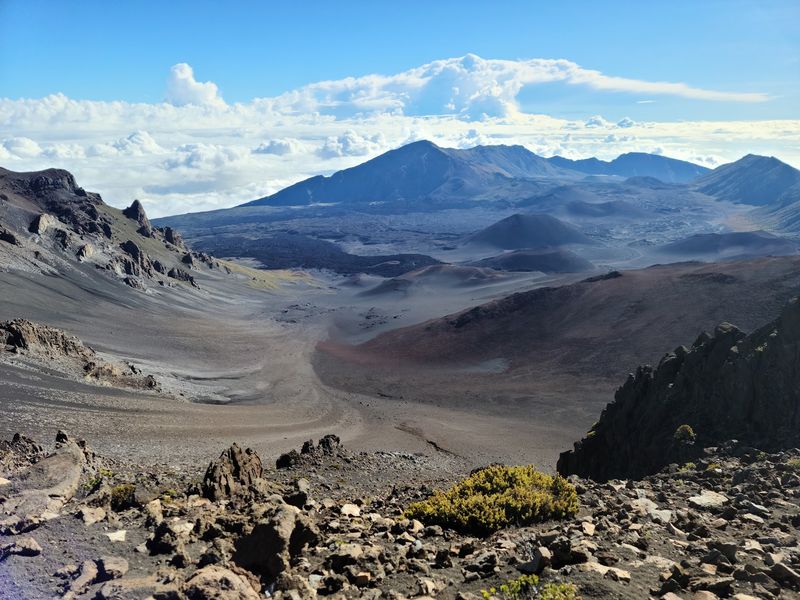
Sunrise at the summit is the famous Maui moment. Walking down into the crater is a much bigger commitment than standing at the overlook.
The National Park Service describes the wilderness as remote, with unpredictable weather, steep terrain, loose volcanic cinders, and big elevation changes. There is little or no cellphone reception inside the crater.
Winds can top 80 mph during storms. Hikers also often find that climbing out takes far longer than going down.
Park guidance stresses keeping groups together and making sure someone outside the hike knows your itinerary and expected return time.
Haleakalā is an established visitor destination, but emergency help can take a long while to reach the crater. A companion adds a real margin of safety if something goes wrong.
Death Valley National Park, California and Nevada
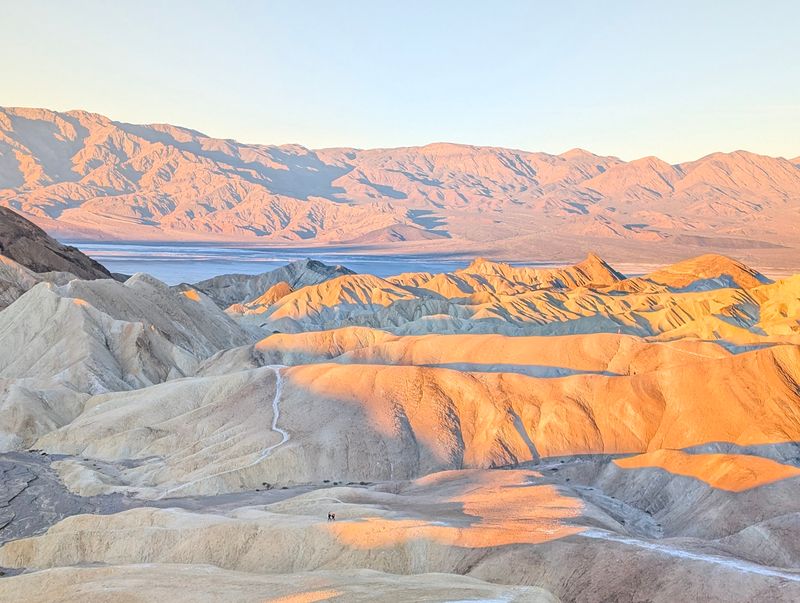
Salt flats, desert mountains, and huge distances make Death Valley a striking place. They also make being stranded alone especially risky.
The National Park Service says summer hiking is not recommended except in the early morning and at higher elevations. Drivers should stay on paved roads in summer, carry lots of water, and stay with the vehicle if it breaks down.
Rattlesnakes, scorpions, black widow spiders, coyotes, and mountain lions live here. Normal precautions usually keep encounters avoidable.
Stopping at popular roadside sights alone is very different from heading onto an isolated desert trail.
With little shade and temperatures that can become dangerous quickly, a second person provides valuable backup when a vehicle, navigation, or medical problem pops up.
Big Bend National Park, Texas
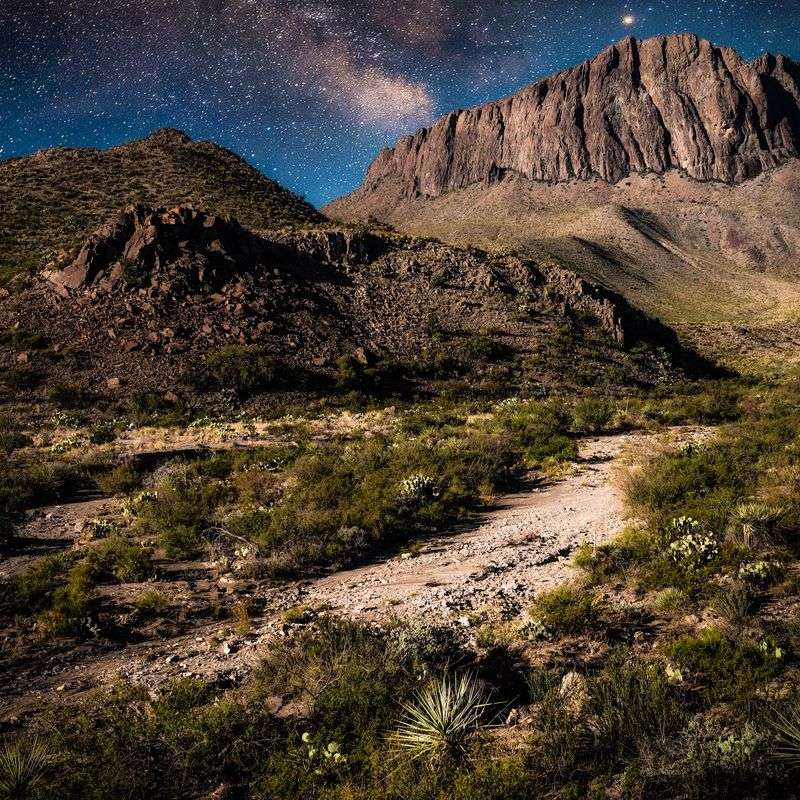
Even by national park standards, Big Bend feels remote. Desert trails, mountains, wildlife, extreme temperatures, and limited communications can leave visitors far from quick help.
Mountain lions and black bears live in the park, and the National Park Service reports more than 150 mountain lion sightings in an average year. Flash floods, lightning, venomous snakes, steep terrain, and desert heat add more risks.
Rangers tell visitors to keep groups together during wildlife encounters. Parents are warned not to let children hike ahead alone.
The park also advises travelers to safeguard valuables and avoid approaching suspicious activity in remote border areas.
None of this means skipping Big Bend. It means respecting the isolation, especially before setting off on a long backcountry route without company.
Share this story