Tennessee has a music story that stretches from mountain hollows to neon-lit city streets, and no single stage can hold all of it. From the recording studios of Memphis to the songwriter circles of Nashville and the Appalachian roots of Bristol, the state has shaped nearly every major American genre.
Country, soul, blues, rock and roll, gospel, and more all have deep Tennessee connections. This list covers 13 real stops across the state where that musical identity is still alive, still performing, and still worth experiencing firsthand.
Whether you are planning a full road trip or filling out a Nashville weekend, these stops offer something beyond a typical tourist checklist. Each one gives you a reason to slow down, pay attention, and leave knowing a little more about how American music actually got made.
Grand Ole Opry, Nashville, Tennessee
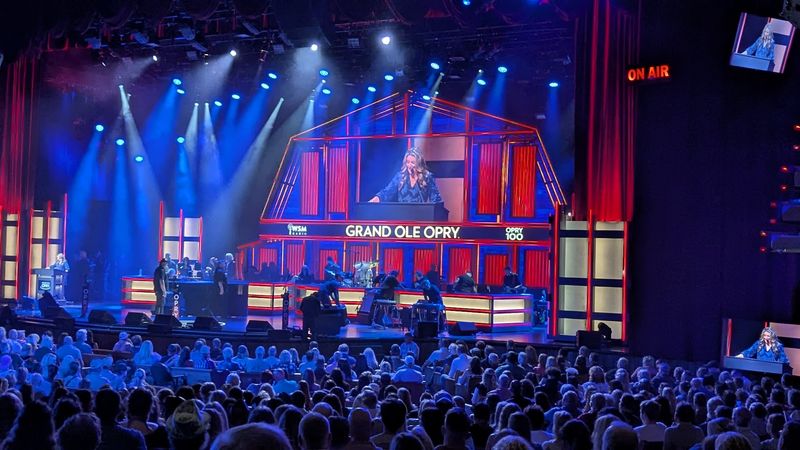
Few places in American music have stayed relevant for as long as the Grand Ole Opry. Dating back to 1925, it holds the title of the world’s longest-running radio show, and it still broadcasts live performances to audiences near and far.
What sets the Opry apart from a typical heritage stop is that you are not looking at history behind glass. You are watching it continue in real time, with country legends, contemporary artists, and new performers sharing the same stage in the same tradition.
For culture lovers, that mix of ceremony and live performance is genuinely rare. The Opry is not trying to recreate a golden era.
It is adding to one, night after night. If you only have time for one stop in Nashville, this one gives you the clearest picture of why Tennessee music has never stopped moving forward.
Tickets are available online and shows run regularly throughout the year.
Ryman Auditorium, Nashville, Tennessee
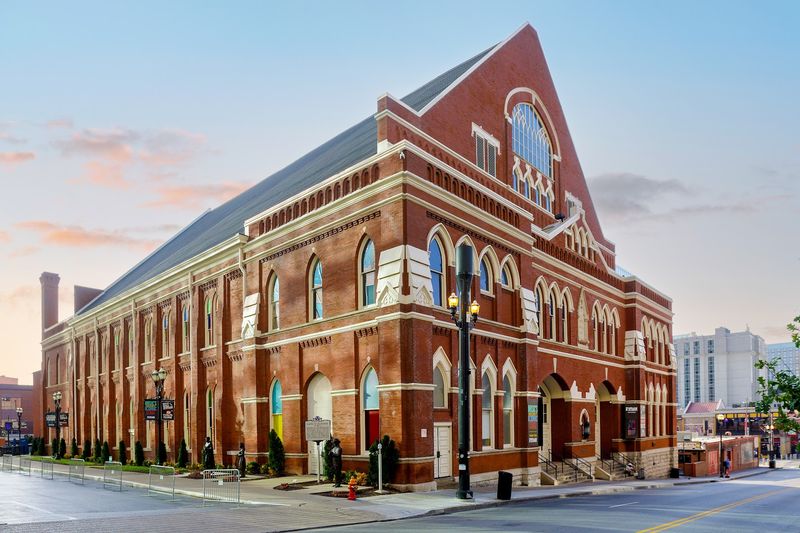
The Ryman Auditorium is the kind of room that makes you feel the weight of every performance that ever happened inside it. Built in 1892 as a tabernacle, it later became the home of the Grand Ole Opry for decades before that show moved to its current location.
Today the Ryman functions as both a working concert venue and a daytime tour destination. Visitors can walk through exhibits, learn the building’s layered history, and even step onto the actual stage for a photo.
Night shows feature a wide range of artists, not just country acts, which keeps the calendar fresh and the crowds diverse.
The acoustics alone have made the Ryman legendary among performers and audiences alike. For anyone tracing Tennessee’s musical identity, this building is proof that architecture and audience memory become part of the music itself.
Daytime tours run regularly and are a practical option for non-concert visitors.
Country Music Hall of Fame and Museum, Nashville, Tennessee
Country music did not arrive fully formed. It grew slowly from regional sounds, working-class stories, and generations of performers who rarely got the recognition they deserved during their careers.
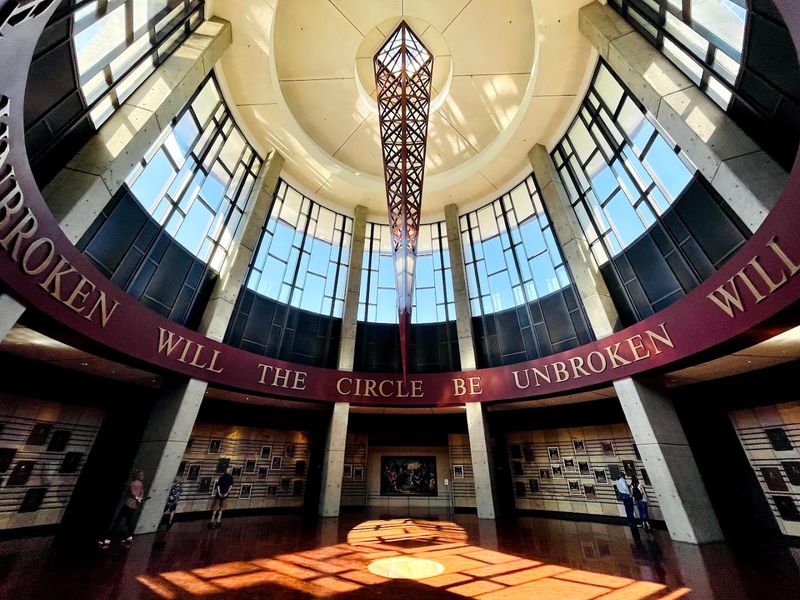
The Country Music Hall of Fame and Museum in downtown Nashville exists to change that.
Inside, visitors find instruments, stage costumes, rare recordings, film footage, and artifacts that trace the genre from its roots to its current global reach. The museum is not just a celebrity showcase.
It treats songwriting, recording craft, fashion, and performance as equally important parts of the story.
It also anchors several related experiences nearby, including Historic RCA Studio B and Hatch Show Print, making it a natural starting point for a full music-focused day. First-time Nashville visitors especially benefit from coming here before heading to a live show.
The context it provides makes every other stop on the itinerary more meaningful. Admission includes access to rotating and permanent galleries.
Historic RCA Studio B, Nashville, Tennessee
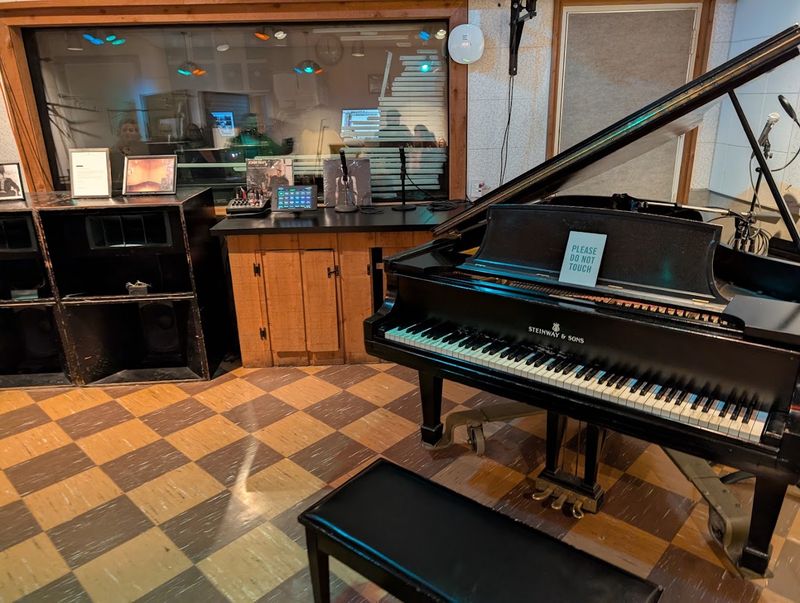
Stage performances tell one part of Nashville’s music story. Studio B tells the quieter, more technical side that most visitors never think about until they are standing inside it.
Operated through the Country Music Hall of Fame and Museum, Studio B is where Hall of Fame members and major recording artists laid down some of the most recognizable tracks in country music history. Tours run seven days a week between 10 a.m. and 3 p.m., with transportation included from the museum, making it a straightforward addition to a downtown Nashville visit.
The tour helps visitors understand the Nashville Sound, the role of session musicians, and the careful craft that happens between four walls before a song ever reaches radio. Standing in that room shifts the way you hear music.
For anyone curious about how songs are actually constructed, recorded, and shaped into something lasting, Studio B adds a layer that live venues simply cannot provide.
National Museum of African American Music, Nashville, Tennessee
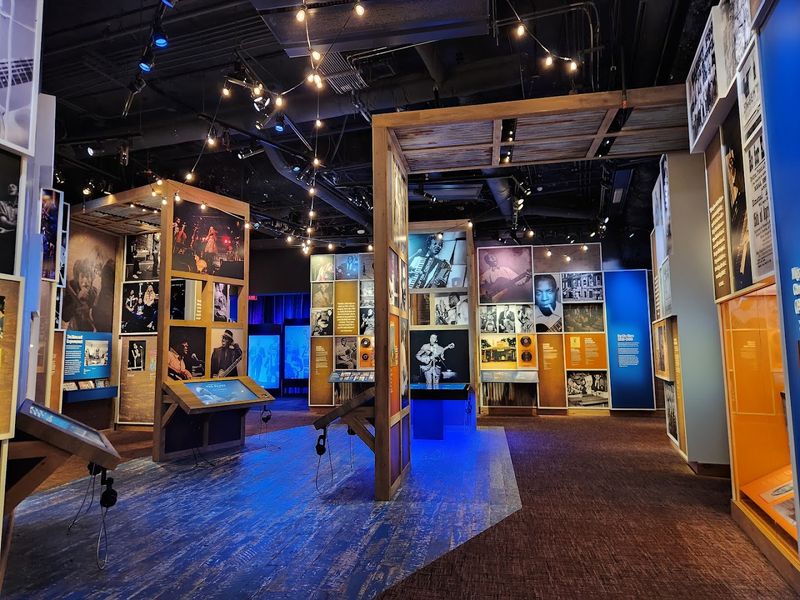
Tennessee’s music story has many chapters, and the National Museum of African American Music makes sure some of the most important ones are not skipped. Located in Nashville, the museum covers gospel, blues, jazz, R&B, and hip-hop through immersive galleries that connect Black musical traditions to the broader American soundscape.
What makes this stop especially valuable is its scope. It does not treat these genres as separate categories.
It shows how they overlap, borrow from each other, evolve, and collectively reshape popular music across generations. That perspective is hard to find in a single building, and this museum delivers it clearly.
For culture lovers, this is one of Nashville’s most important stops because it widens the frame around what Tennessee music actually means. The story is not limited to one genre or one community.
It is a network of sounds shaped by migration, faith, performance, and social change. Plan at least two hours for a thorough visit through the galleries.
The Bluebird Cafe, Nashville, Tennessee
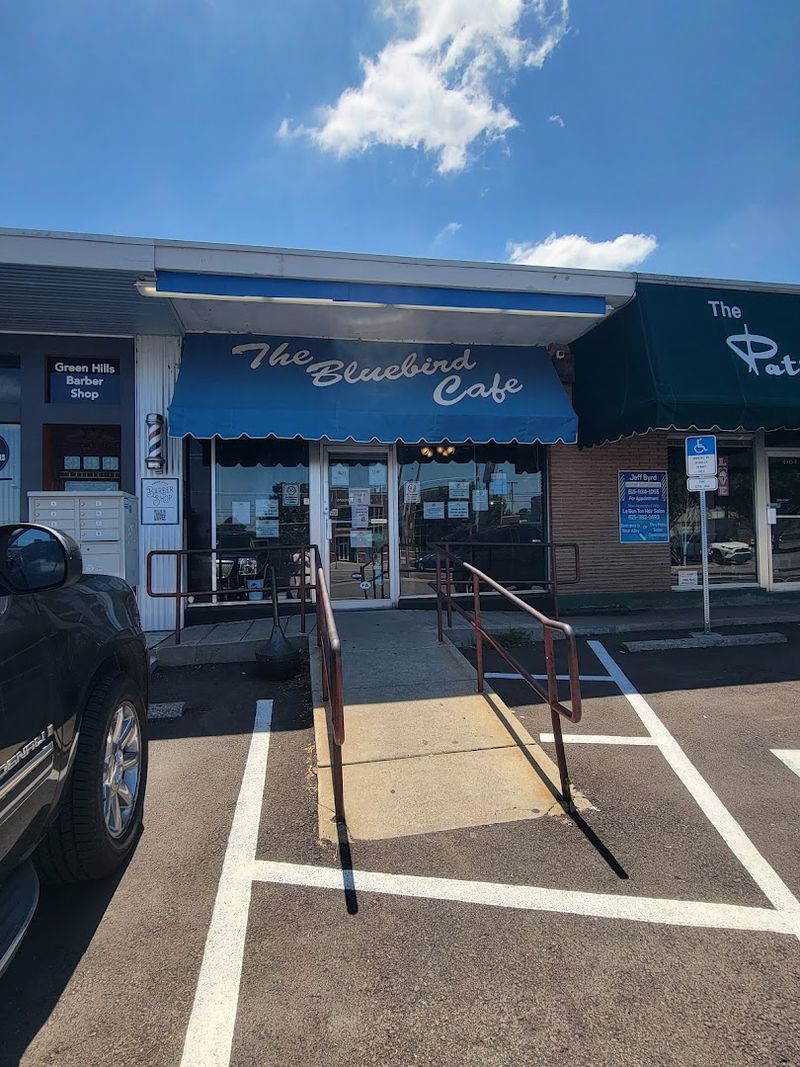
The Bluebird Cafe seats fewer than 100 people, and that is exactly the point. In a city full of large venues and loud stages, this small Green Hills listening room has built its reputation on stripping the performance down to its most essential element: the song itself.
Songwriters perform here in a format that puts the focus on lyrics, stories, and craft rather than production value or celebrity. Open mic nights give newer writers a chance alongside more established names, and the reservation page confirms tickets are handled online with a cover charge and food or drink minimum.
For culture lovers, a night at the Bluebird is one of the most direct ways to understand Nashville’s identity as a songwriting city. You might hear a song that later becomes a major hit, performed quietly by the person who wrote it.
That kind of access is rare anywhere in the music world. It is a small room carrying a very large reputation.
Hatch Show Print, Nashville, Tennessee
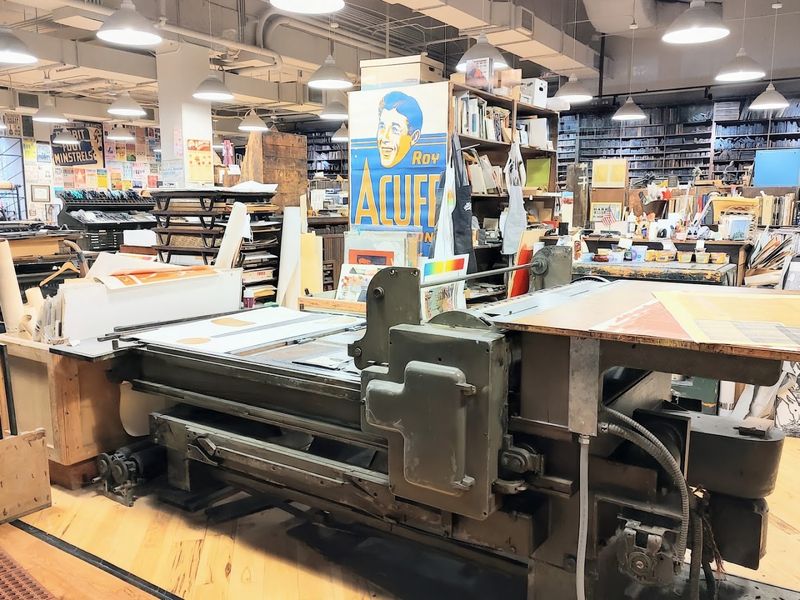
Before social media, streaming, and digital flyers, concerts were announced through bold printed posters tacked to telephone poles and shop windows. Hatch Show Print has been making those posters since 1879, and it is still printing them today.
Located inside the Country Music Hall of Fame building, the shop uses letterpress printing to produce show posters for musicians, bands, and performers one at a time. Tours give visitors a hands-on look at moveable type, ink, paper, and the design tradition that helped make Nashville’s music culture visible long before it became famous.
This stop appeals to anyone who loves album art, concert posters, typography, or the craft of print design. The bold letterforms and layered colors are not just decoration.
They are part of how American music has been sold, shared, and remembered for over a century. Hatch Show Print is a working shop, not a replica, and that distinction makes every visit feel genuine and worth the time.
Johnny Cash Museum, Nashville, Tennessee
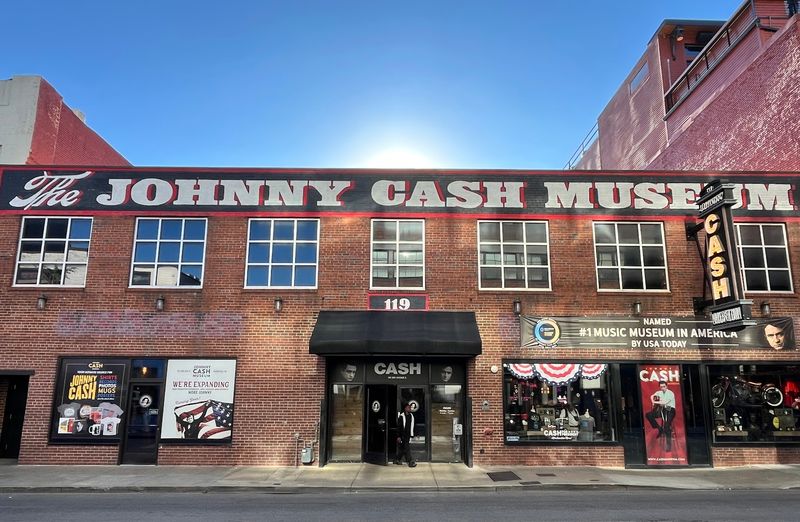
Johnny Cash’s story does not fit neatly into a single genre, and the museum dedicated to him at 119 3rd Avenue South in downtown Nashville reflects that. The collection is described as the world’s largest and most comprehensive gathering of Cash artifacts and memorabilia.
His work touched country, gospel, folk, rockabilly, and prison performance in ways that made him a cultural figure far beyond any radio format. The museum follows his image, voice, recordings, and influence through carefully curated displays that feel more like a biography than a trophy case.
For visitors already planning stops at the Country Music Hall of Fame or Ryman Auditorium, the Johnny Cash Museum offers a more personal counterpoint. Instead of telling the whole genre’s story, it follows one artist’s long and complicated journey through American music.
That focused approach makes it easier to absorb and harder to forget. It is one of Nashville’s most direct and well-organized artist-centered experiences currently open to visitors.
Sun Studio, Memphis, Tennessee
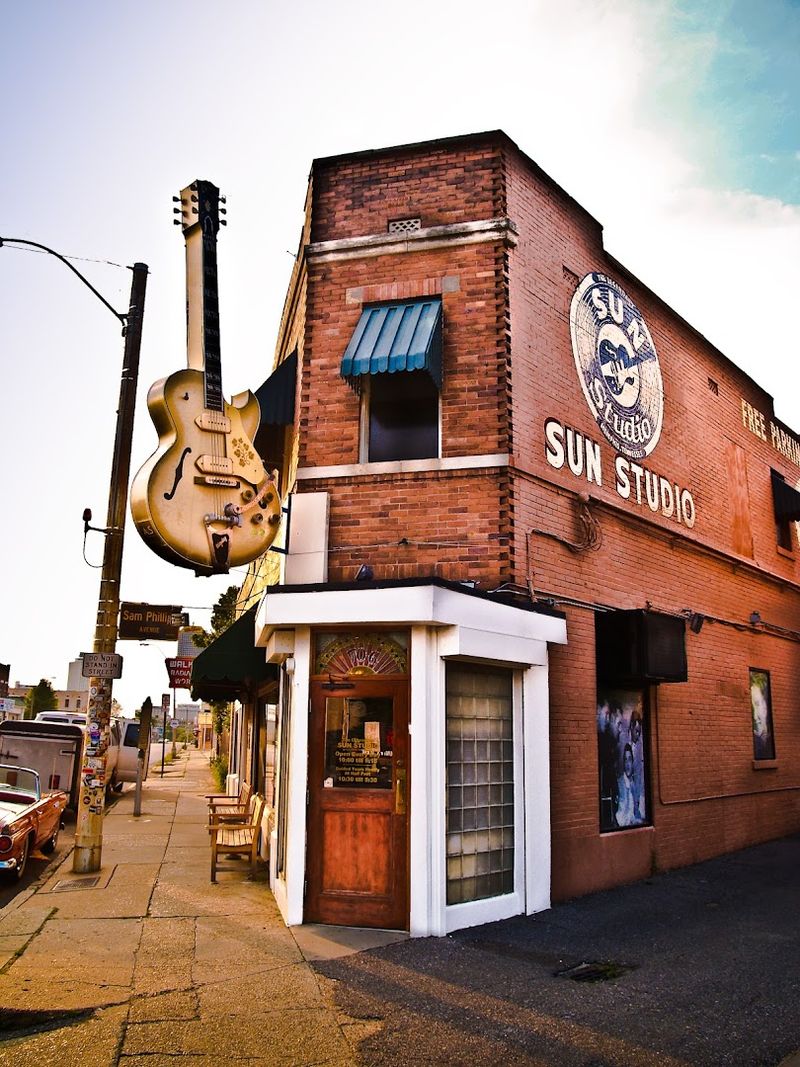
There is a recording studio on Union Avenue in Memphis that changed the direction of popular music, and it is small enough to surprise first-time visitors. Sun Studio’s official site calls it the Birthplace of Rock and Roll, with connections to Elvis Presley, Johnny Cash, Jerry Lee Lewis, B.B.
King, Ike Turner, and the Million Dollar Quartet session.
Guided tours currently run daily, with the visit page suggesting guests allow about one to one and a half hours and noting the guided portion lasts roughly 40 to 50 minutes. The scale of the studio is part of what makes the tour powerful.
You are standing in the actual room, not a recreation.
For culture lovers, Sun Studio captures a specific moment when regional sounds started becoming records that traveled around the world. It is one of those places where the gap between what happened there and what it looks like today creates a genuinely memorable impression.
The contrast alone makes it worth the stop.
Stax Museum of American Soul Music, Memphis, Tennessee
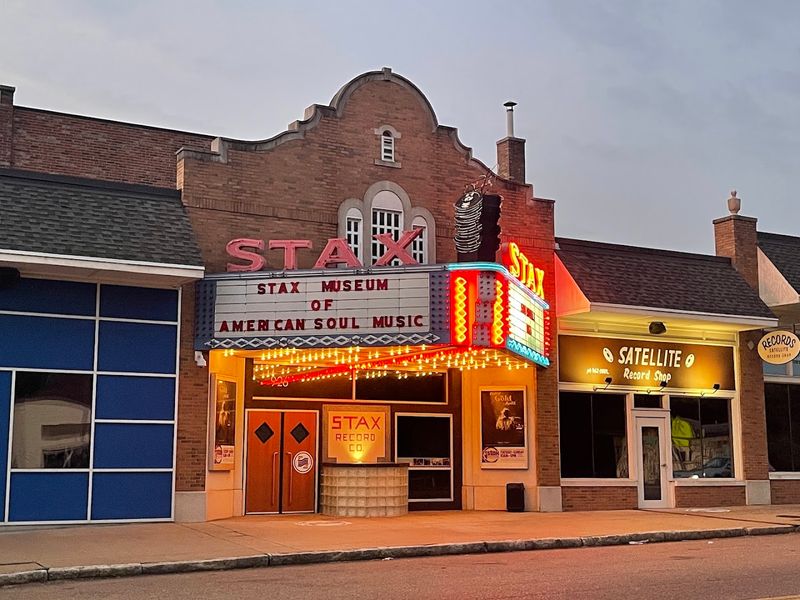
Soul music has a specific address in Memphis, and the Stax Museum sits right on it. The museum stands on the original site of Stax Records and describes itself as the world’s only museum dedicated to preserving the legacy of Stax and American soul music.
Inside, visitors find more than 2,000 items including stage costumes, instruments, vintage recording equipment, photographs, records, and film footage. The museum is open Tuesday through Sunday from 10 a.m. to 5 p.m., with Mondays closed, making it easy to plan around.
What gives this stop real depth is that it tells a story about sound, community, race, creativity, and business all at once. Stax was not just a record label.
It was a place where musicians from different backgrounds made something new together inside a real Memphis neighborhood. For culture lovers, that combination of artistic and social history is exactly what makes the Stax Museum one of Tennessee’s strongest music stops.
Memphis Rock ‘n’ Soul Museum, Memphis, Tennessee
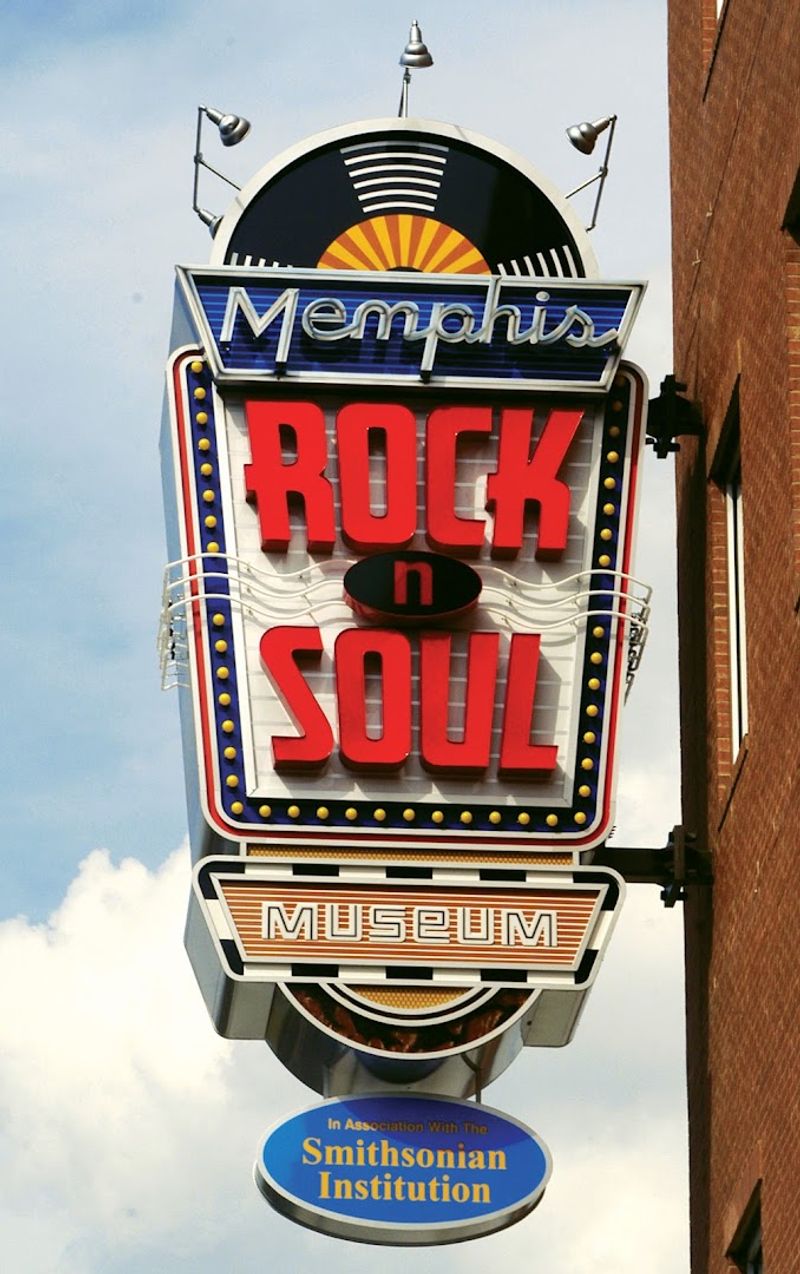
Sitting at the corner of Beale Street and B.B. King Avenue near FedExForum, the Memphis Rock and Soul Museum puts visitors right in the middle of the city’s most musically significant neighborhood.
That location is not accidental. It places the story where it actually happened.
The museum’s permanent exhibition was developed in partnership with the Smithsonian Institution and traces how musical pioneers overcame racial and socioeconomic barriers to create sounds that reached worldwide audiences. It is currently open daily from 10 a.m. to 5 p.m.
For culture lovers building a Memphis itinerary, this museum works well as a connecting stop between Sun Studio, Stax, and Beale Street. It helps draw the lines between rural roots, urban performance, recording studios, race, class, and the rise of modern popular music in a way that feels organized rather than overwhelming.
It gives visitors the framework they need to appreciate everything else Memphis has to offer musically.
Beale Street Historic District, Memphis, Tennessee
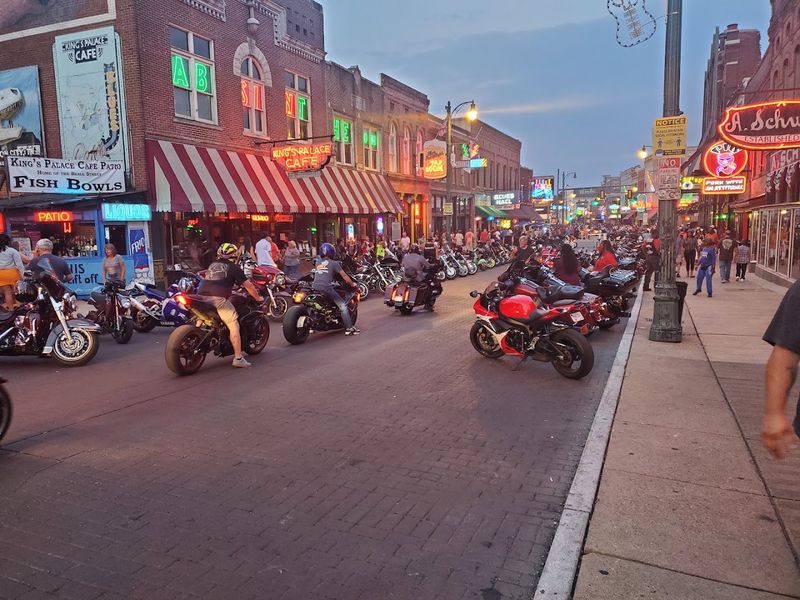
Beale Street does not ask you to be quiet and respectful. It asks you to show up, pay attention, and stay a while.
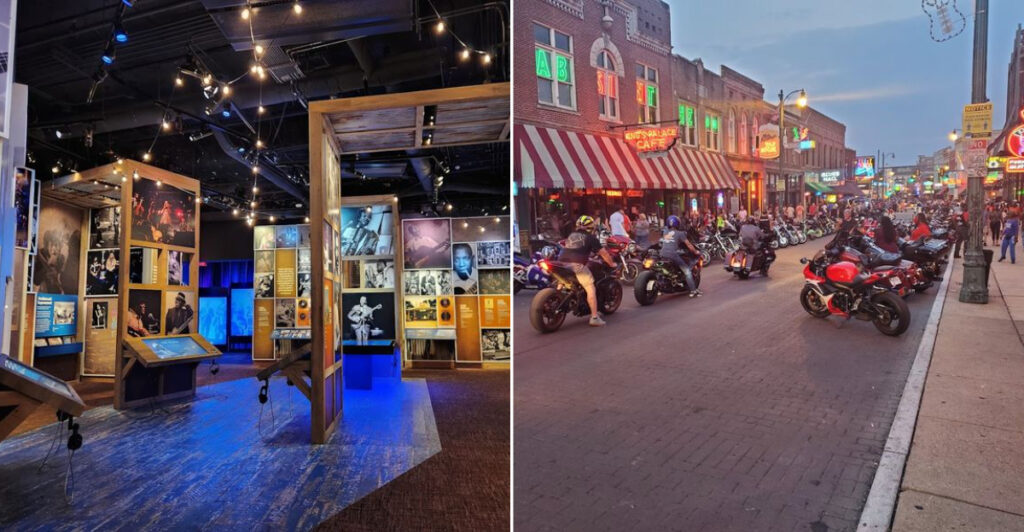
The official Beale Street site describes 365 days and nights of live music, including concerts in Handy Park, shows at the New Daisy, and performances spilling out of clubs and restaurants along the strip.
Memphis Travel describes the district as home to live music venues, restaurants, and attractions including the Memphis Rock and Soul Museum. It can be loud, crowded, and unabashedly touristy, but that energy is part of its character rather than a flaw.
For culture lovers, Beale Street matters because it shows that blues history is not locked away in exhibits. It is still part of the street-level life of the city, performed live by working musicians for anyone willing to walk down and listen.
After a day of museum stops, Beale Street is a reminder that Memphis music was always meant to be heard out loud, not just studied.
Birthplace of Country Music Museum, Bristol, Tennessee
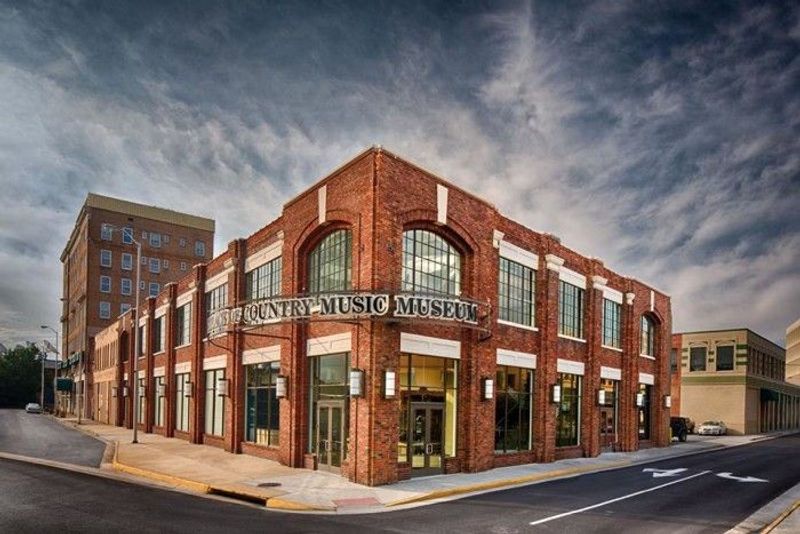
Most people start a Tennessee music trip in Nashville, but Bristol is where the commercial story of country music actually began. The Birthplace of Country Music Museum is a Smithsonian affiliate located in Historic Downtown Bristol on the Tennessee-Virginia border, and it focuses on the 1927 Bristol Sessions, often called the big bang of country music.
Those recordings introduced country music to mainstream audiences for the first time, capturing Appalachian voices and regional sounds that might otherwise have gone unpreserved. The museum explores early recording technology, the artists involved, and how Bristol’s geographic and cultural position made those sessions possible.
For culture lovers, this stop adds historical depth and geographic balance to a Tennessee music trip that might otherwise feel too Nashville-centered. It is a strong final destination because it brings the journey back to where the roots were first captured on tape, before the neon signs, major labels, and global industry transformed Tennessee music into what it is today.
Share this story