Delaware may be the second smallest state, but its wildlife did not get the memo about staying small. Bald eagles nest near busy highways, horseshoe crabs crawl ashore by the thousands each spring, and snow geese can fill a marsh so completely that it looks like a field of popcorn.
The best part is that you do not need hiking boots, a heavy backpack, or a full day of climbing to see any of it. Many of the top viewing areas here come with flat boardwalks, paved paths, observation towers, and even scenic drives you can enjoy without leaving your car seat.
Some spots sit just minutes from a city, while others hide near quiet beaches and cypress swamps. In the list ahead, you will find fourteen places where nature is easy to reach, along with tips on what animals to look for, which trails are wheelchair friendly, and when to visit for the biggest crowds of feathered guests.
Grab your binoculars and a snack, because the wildlife is ready for its close-up.
1. Bombay Hook National Wildlife Refuge, Smyrna, Delaware
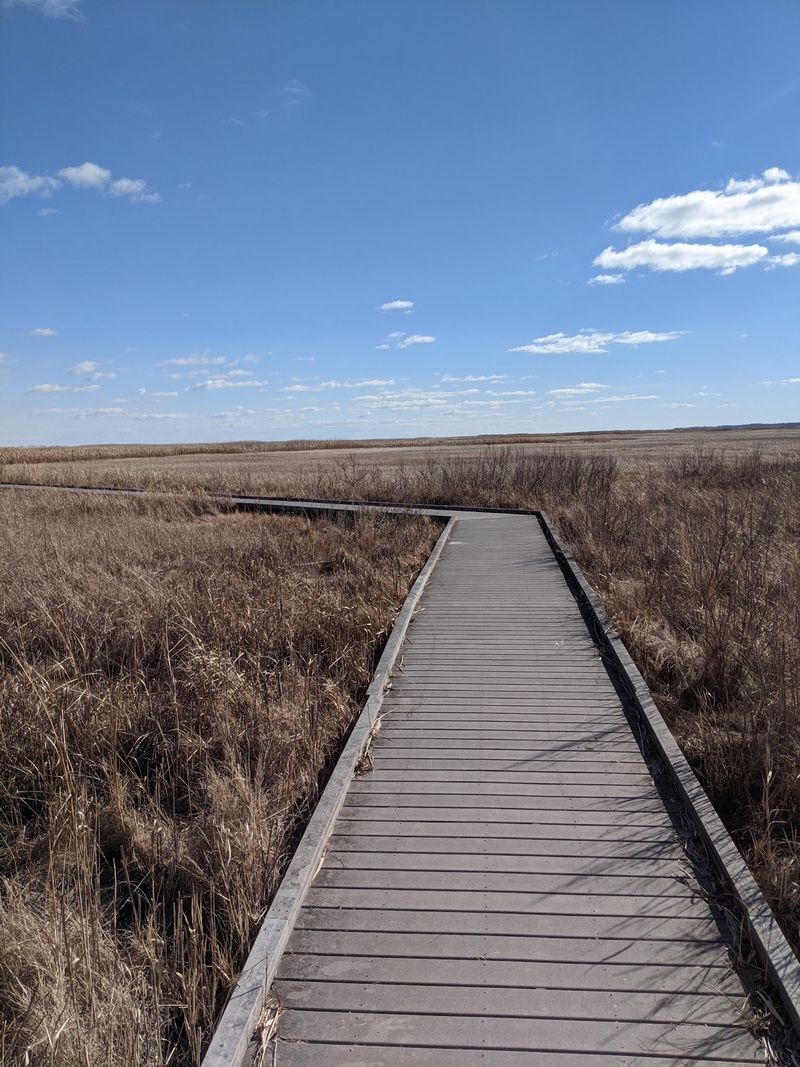
Your car doubles as a bird blind at this refuge, and the animals rarely seem to mind. Bombay Hook was founded in 1937 and now covers 16,251 acres along the Atlantic Flyway.
The star attraction is a 12-mile gravel wildlife drive. It winds past freshwater pools, salt marsh, fields, and forest, so you can spot wildlife without walking far.
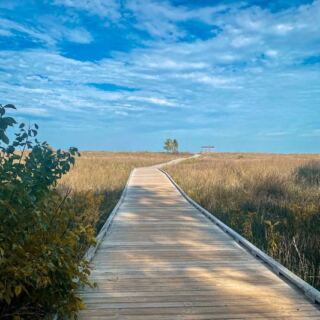
Short trails branch off along the way. The half-mile Boardwalk Trail is accessible and crosses the tidal salt marsh, which makes up about 80 percent of the refuge.
Bear Swamp Trail is only a quarter mile long. It leads to a 30-foot observation tower and a floating dock over a 240-acre freshwater pool.
Spring and fall bring huge numbers of snow geese, northern pintails, and green-winged teal. Keep your eyes open for bald eagles, foxes, beavers, and muskrats too.
Drive slowly and pull over often, since the best sightings usually happen right beside the road.
2. Prime Hook National Wildlife Refuge, Milton, Delaware
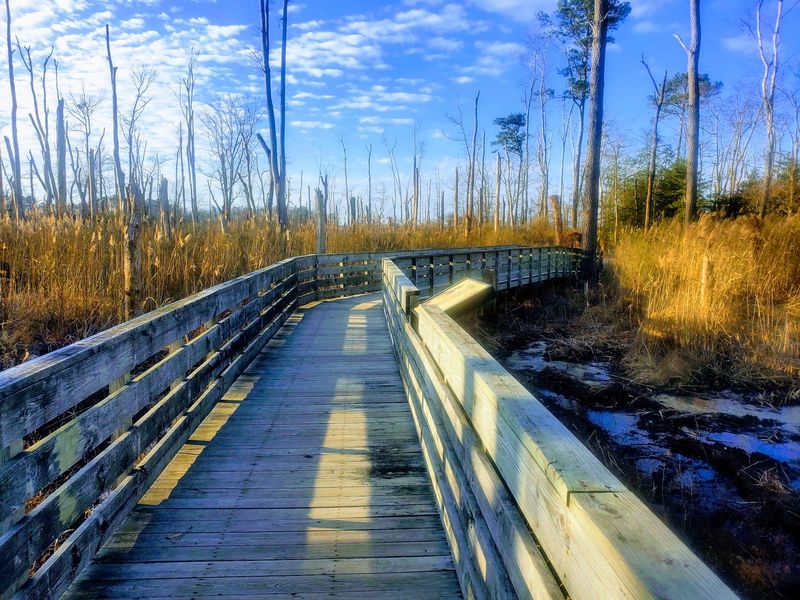
Songbirds outnumber visitors on most mornings at Prime Hook, and that is part of the charm. The refuge was set aside in 1963 and protects more than 10,000 acres of fresh and saltwater marsh along Delaware Bay.
Easy trails make it simple to enjoy. The Boardwalk Trail is a half-mile loop with wide gravel paths and raised boardwalks.
That loop is universally accessible. It passes through uplands, forested wetlands, and about 600 feet of freshwater marsh.
For bigger views, try the half-mile Dike Trail. It ends at a wheelchair-accessible platform overlooking the marsh and Shell Beach Pond.
Bird lists here read like a roll call. White-eyed vireos, Carolina wrens, eastern towhees, cardinals, mockingbirds, barn swallows, and ospreys all show up.
Deer and foxes also wander the meadows and woods. Visit during spring or fall migration for the busiest action, and bring bug spray in summer, because the marsh mosquitoes are enthusiastic greeters.
3. Russell W. Peterson Urban Wildlife Refuge, Wilmington, Delaware
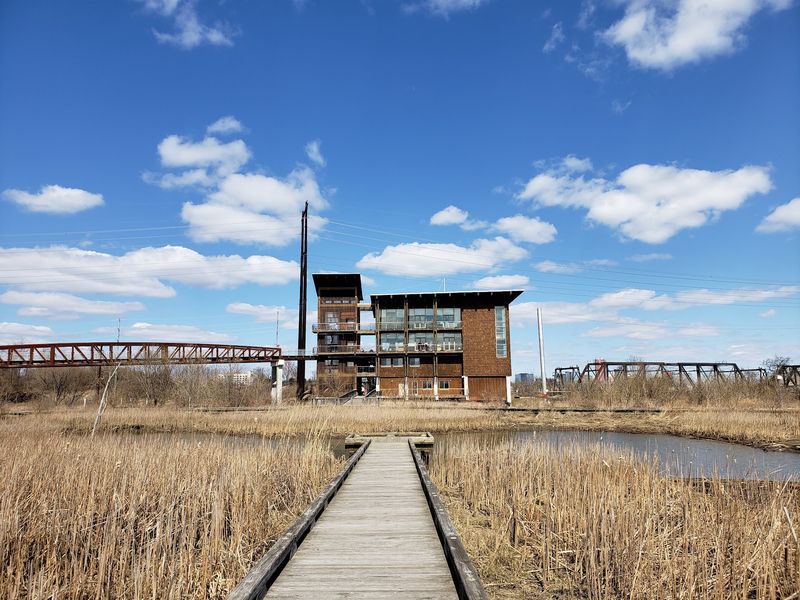
River otters living near downtown Wilmington might sound like a tall tale. At this 212-acre freshwater tidal marsh, it is simply a regular weekday.
The refuge sits close to city streets, yet it supports bald eagles, wood ducks, river otters, and eastern painted turtles. It proves wildlife does not always need a far-off wilderness.
Start at the DuPont Environmental Education Center next door. It works as a handy front door to the marsh, with indoor space and great lookout points.
A quarter-mile accessible pond loop reaches right into the wetland. It is short enough for young kids and smooth enough for strollers and wheelchairs.
Want more distance? The paved Jack A.
Markell Trail offers wide views across the marsh and the Christina River.
Turtles love sunny logs, so check them on warm afternoons. Eagles are easier to spot in cooler months, when bare trees make their white heads stand out.
4. Augustine Wildlife Area, Middletown, Delaware
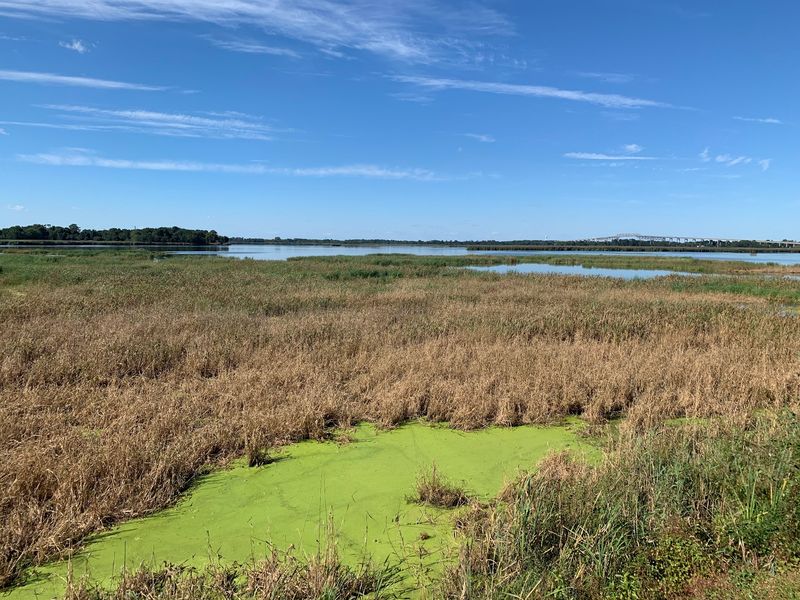
Seven hundred feet is all it takes to reach one of the biggest marsh views in the state. That is the length of the wheelchair-accessible trail at the Ashton Tract.
The path ends at an observation deck overlooking Thousand Acre Marsh. Benches line the way, and there is accessible parking plus an ADA portable toilet.
Winter is a strong season here. Flocks of waterfowl gather on the open water, and bald eagles often patrol the area.
Wading birds and migrating songbirds add variety in spring and fall. A small pair of binoculars makes a huge difference on this wide landscape.
Head south to the Port Penn Tract for a second stop. Its 550-foot accessible trail includes a 140-foot wetland boardwalk.
That trail leads to a deck over Lang Marsh with views of the Delaware River. Gulls, herons, egrets, and resident songbirds are common, making two quick walks feel like a full outing.
5. Little Creek Wildlife Area, Dover, Delaware
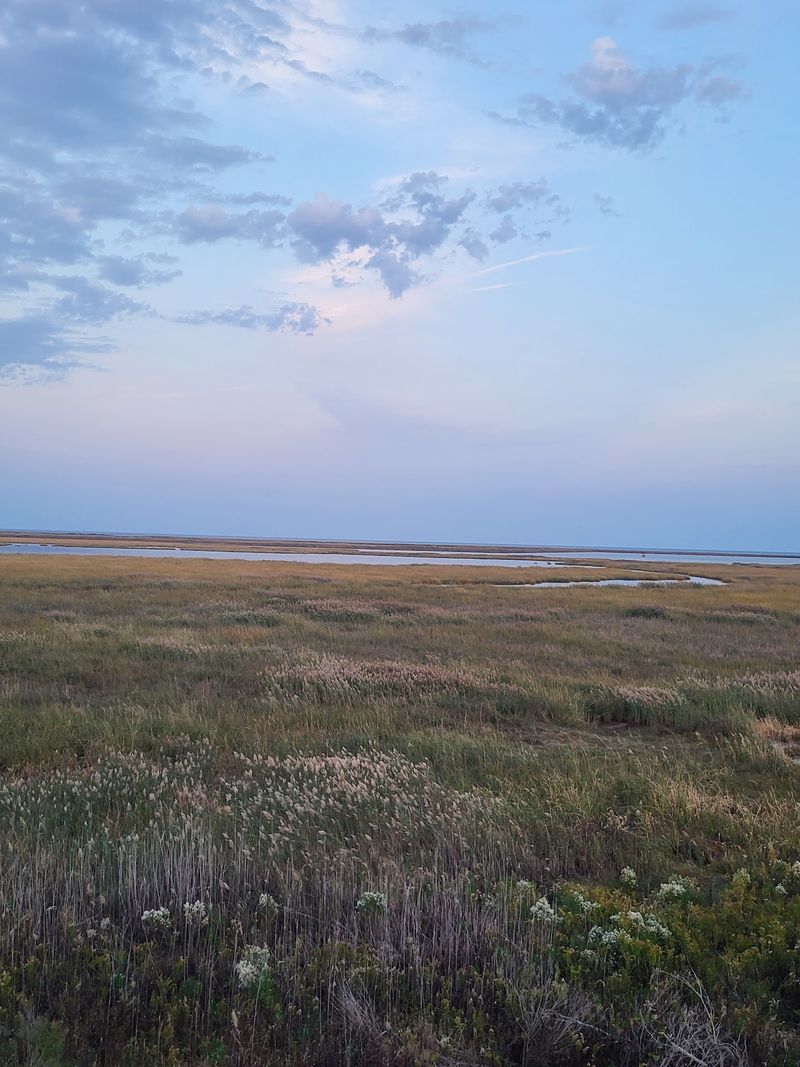
Sixteen feet up is a sweet spot for spotting shorebirds. That is the height of the first level of the tower at the David Small Wildlife Viewing Boardwalk.
A 400-foot raised boardwalk leads to the multi-level tower. Both the boardwalk and that first level are fully wheelchair accessible.
Thoughtful design sets this place apart. The tower uses a special railing style and a wider toe space so visitors in wheelchairs can roll right up to the edge.
From there, scan the Little Creek impoundment. Migrating shorebirds, ducks, wading birds, hawks, and songbirds all use the area.
Interpretive panels explain the wildlife and how the marsh is managed. Kids can match birds they see with pictures on the signs.
Late spring is a fine time for shorebird crowds. The short walk means you can stay longer at the top instead of saving energy for the trip back, which is a pretty good trade.
6. Woodland Beach Wildlife Area, Smyrna, Delaware
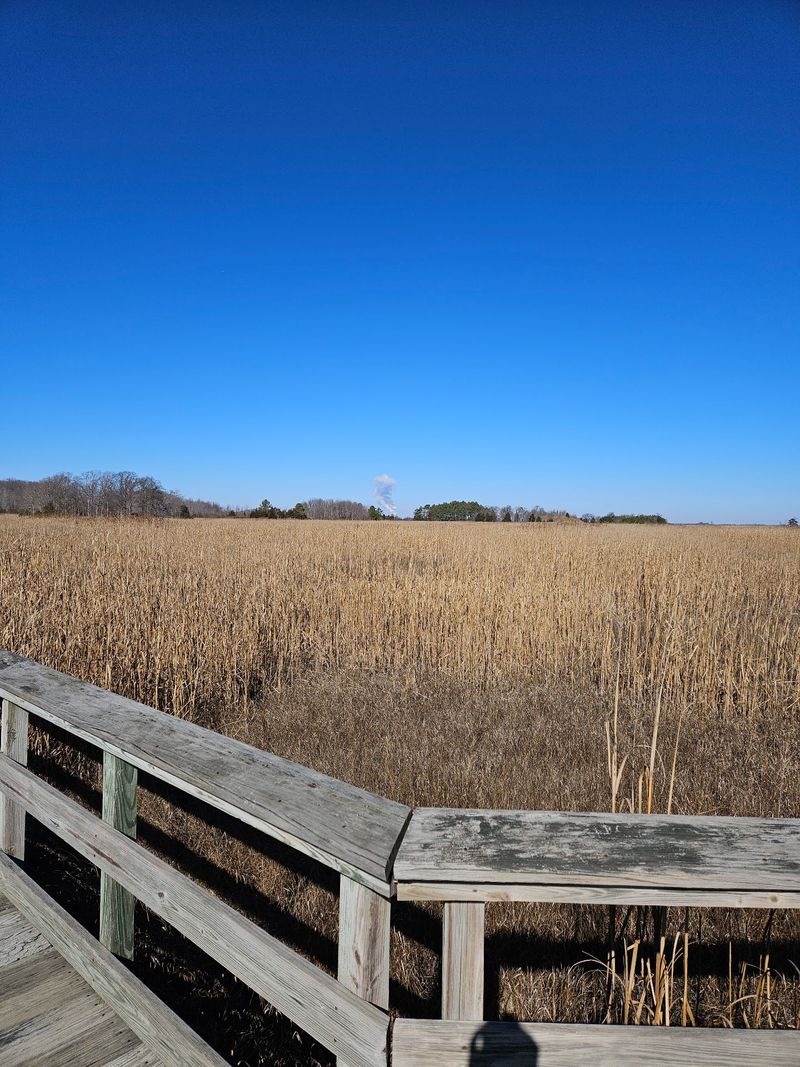
Tiny fiddler crabs waving one giant claw are the unofficial welcome committee here. Look down from the boardwalk and you will likely catch a few in the mud.
The half-mile Saltmarsh Boardwalk and Trail is accessible from start to finish. It includes a 940-foot raised loop with benches for resting.
Accessible parking sits along Route 9, across from the Woodland Beach Check Station. The walk begins just a short roll away.
Muskrats share the marsh with the crabs. Farther out, herons stalk the shallows while ducks float on open water.
Summer brings nesting ospreys, which are fun to watch carrying fish to their big stick nests. Spring and fall add shorebirds and wintering waterfowl.
The boardwalk is part of the Aquatic Resources Education Center area. That makes it a smart choice for families who want to learn about salt marshes without muddy shoes or a long hike.
7. Cape Henlopen State Park, Lewes, Delaware
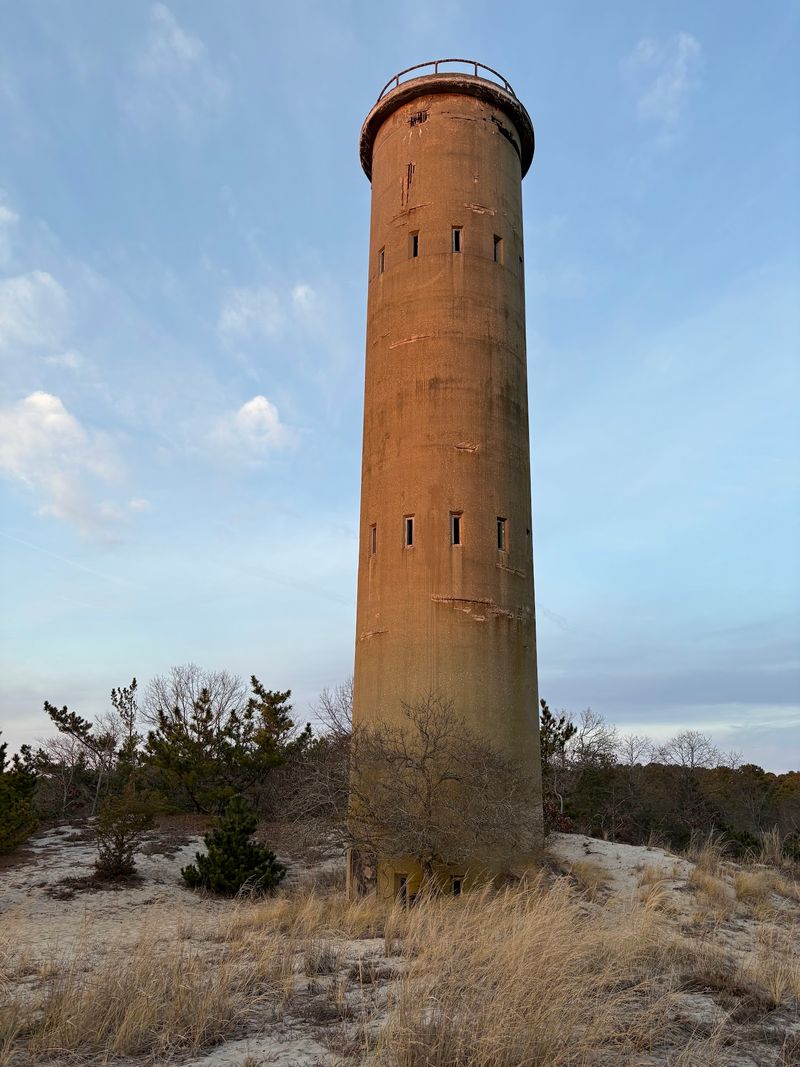
Two big bodies of water shake hands at Cape Henlopen. Delaware Bay meets the Atlantic Ocean here, and wildlife takes full advantage of the meeting spot.
The park packs beaches, dunes, pine woods, wetlands, and open water into one location. Each habitat attracts different animals, so a single visit can cover a lot of ground.
Getting around is simple thanks to a large network of roads and trails. Many overlooks and beach areas are close to parking.
Migrating birds pass through in spring and fall. Coastal species like gulls, terns, and shorebirds are common along the sand.
Plan a mixed day if you can. Spend the morning bird watching, then enjoy the beach or a picnic in the afternoon.
Rangers often post nesting area closures in warm months to protect birds. Respect those signs, since watching from a distance keeps everyone happy, especially the birds sitting on eggs.
8. Abbott’s Mill Nature Center, Milford, Delaware
History and habitat share the same address at this Milford nature center. A historic mill stands beside Abbott’s Pond, surrounded by forests, meadows, and wetlands.
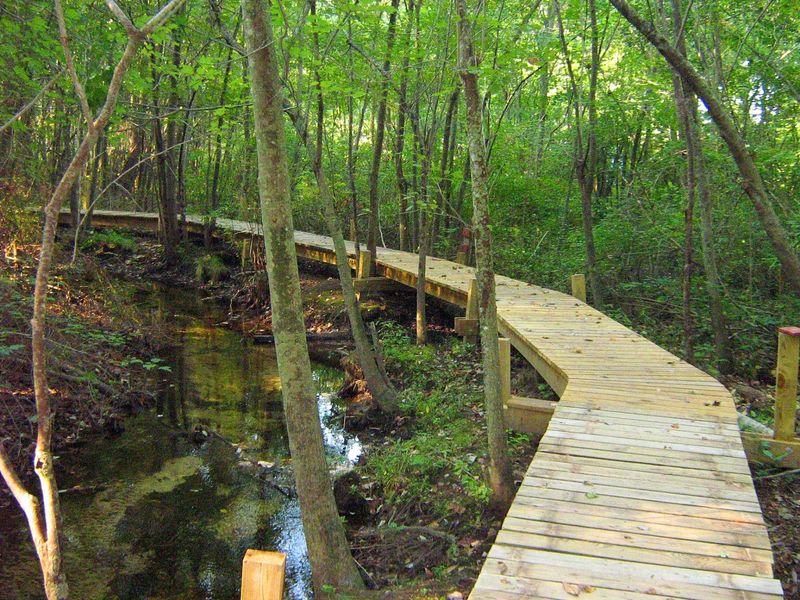
Miles of trails cross the property for those who want a longer walk. Gentler explorers can stick to the wheelchair-accessible boardwalk instead.
That boardwalk follows a clear coastal plain stream. It offers good chances to see birds, frogs, and other creatures near the water.
Birders appreciate the mix of habitats. Both year-round residents and migrating species use the wooded wetlands and open meadows.
Rainy day? Head indoors to see exhibits featuring live native animals and mounted displays.
That makes it a smart stop for families with restless kids. You get wildlife up close no matter the weather.
Check the center’s event calendar before visiting. Guided walks and programs can help beginners learn which bird is singing from that bush.
9. Ashland Nature Center, Hockessin, Delaware
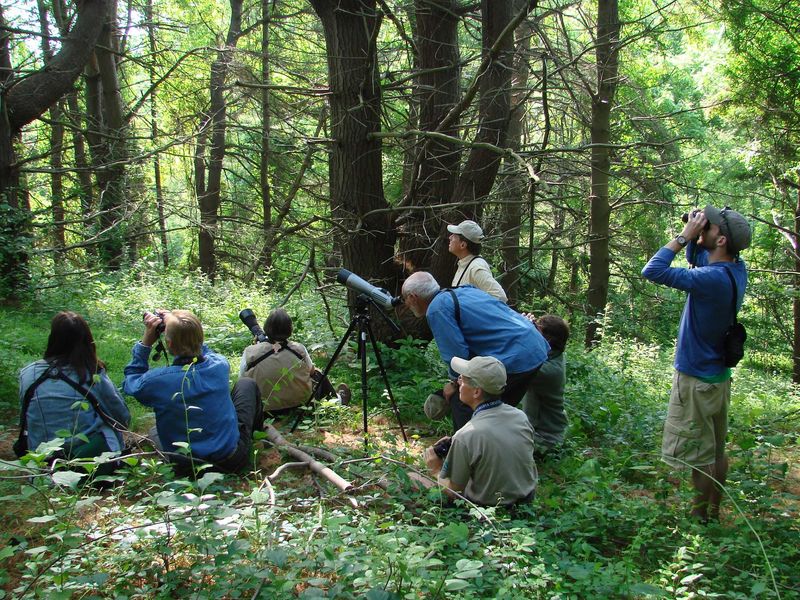
Counting hawks is an actual job here, and volunteers take it seriously. The Ashland Hawk Watch sends its data to the Hawk Migration Association of North America.
Ashland Nature Center covers 130 acres of woods, meadows, and marsh along Red Clay Creek. The rolling hills of northern Delaware give it a different look from the coast.
A bird blind lets you watch without startling anyone. Photographers and families both love it, since birds come surprisingly close.
Several areas are designated as accessible. Ask staff which paths fit your needs best.
Fall migration is the main event. From Ashland Hawk Watch Hill, visitors can see broad-winged hawks, red-tails, and other raptors sailing past.
The site is part of the Red Clay Audubon Important Bird Area. Bring a folding chair, a hat, and patience, because hawk watching rewards those who stay put and keep looking up.
10. James Farm Ecological Preserve, Ocean View, Delaware
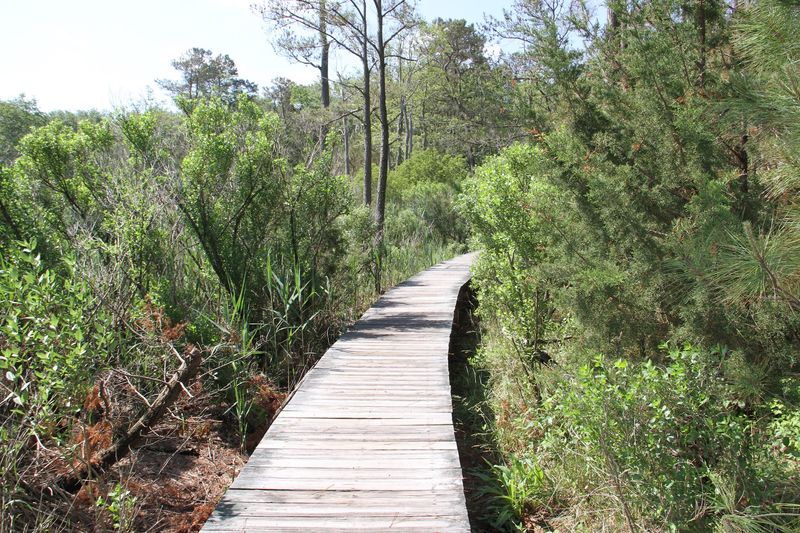
Seven habitats in one morning walk is a pretty good deal, especially when admission costs nothing. James Farm Ecological Preserve offers exactly that.
The 150-acre preserve sits on the southern shore of Indian River Bay. It is only a short drive from Bethany Beach.
More than three miles of marked trails cross maritime forest, restored meadows, wetlands, salt marsh, and bayside shoreline. The ground is mostly flat, so the walking stays easy.
Three observation platforms give you better views. A boardwalk beach crossing leads right to the water.
Ospreys are regular stars in warm months. Songbirds, wild turkeys, deer, and foxes also appear.
Late spring is horseshoe crab season along the shore. These ancient creatures have been around longer than the dinosaurs.
The preserve opens daily from sunrise to sunset. It makes a nice break from the beach crowds on a busy summer day.
11. Trap Pond State Park, Laurel, Delaware
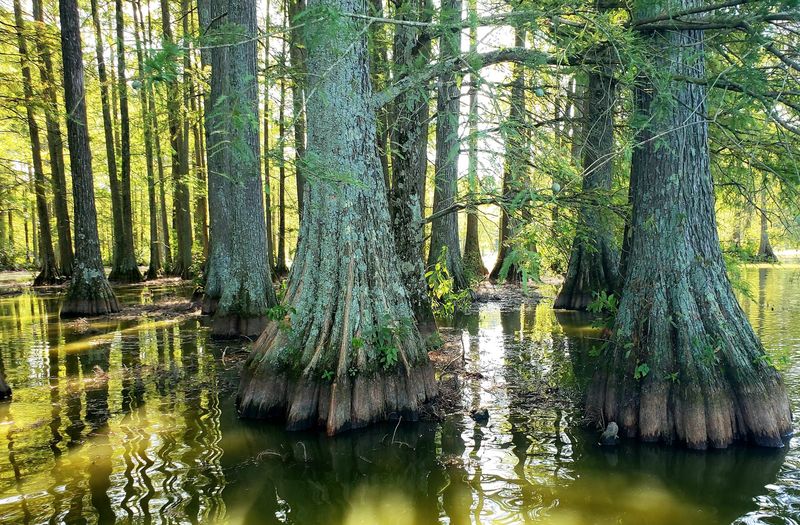
Bald cypress trees standing knee-deep in dark water give Trap Pond a look you might expect much farther south. It is one of the most unusual landscapes in Delaware.
The pond and surrounding woods make great homes for birds and other wildlife. Herons, woodpeckers, and turtles are common sights.
Do not let the swampy scenery scare you off. Developed park facilities make exploring far easier than it appears.
Shoreline viewing is the simplest option. Pick a spot near the water and wait for wildlife to come into view.
Trails loop through the forest for those who want a walk. Signs help keep you on track.
Curious about the cypress trees up close? Rent a canoe or kayak and paddle among them.
Look for the knobby cypress knees poking out of the water. Scientists still debate what job those odd bumps actually do for the tree.
12. Brandywine Creek State Park, Wilmington, Delaware
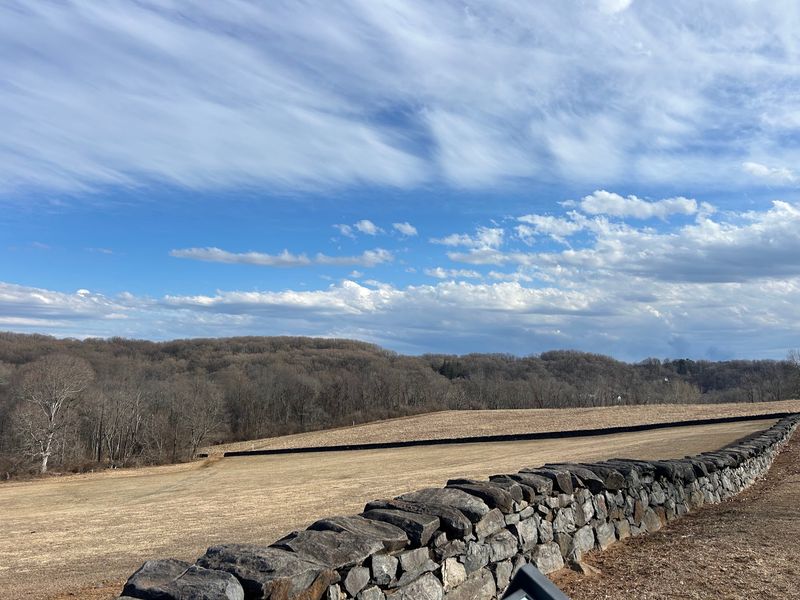
Forget beaches for a moment. Rolling meadows, old stone walls, and wooded creek banks give Brandywine Creek State Park a completely different personality from the coastal refuges.
This mix of habitats attracts deer, songbirds, and plenty of other creatures. Bluebirds often perch on fences around the open fields.
Fall is when the park really takes off, literally. Hawk migration fills the sky with raptors heading south.
The Hawk Watch Overlook is the place to be. It offers a broad view of the sky without a long hike into the backcountry.
Bring binoculars and a field guide. Telling a red-shouldered hawk from a red-tailed hawk is easier with pictures nearby.
Mid-September often brings big groups of broad-winged hawks. On a lucky day, hundreds may circle together.
Pack a lunch and make an afternoon of it. The meadows nearby are perfect for a picnic between flybys.
13. Delaware Seashore State Park, Rehoboth Beach, Delaware
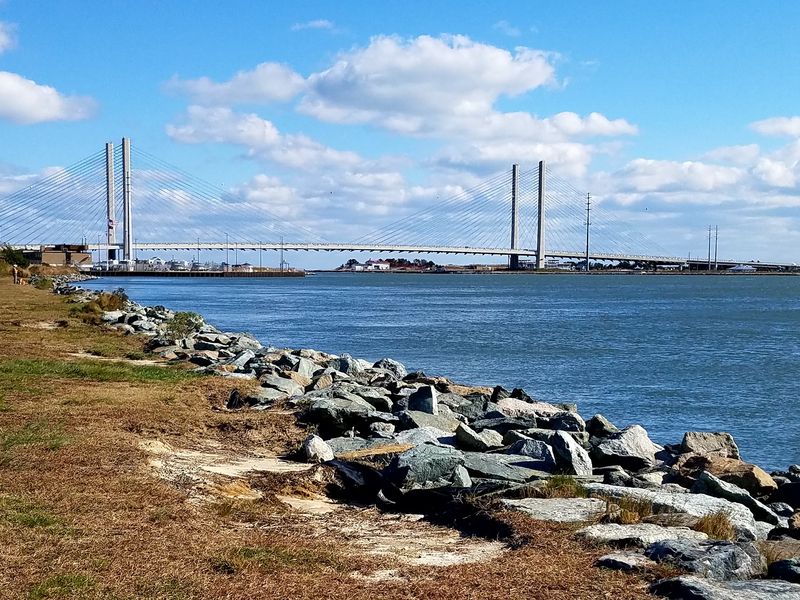
Ocean on one side and bay on the other is the setup at Delaware Seashore State Park. This narrow strip of land puts two very different waters close together.
Beaches, dunes, bay shoreline, and marshy spots all fit into one trip. That variety means more kinds of wildlife in less time.
The Indian River Inlet area is a favorite spot. Gulls, terns, and cormorants often gather where the water moves between bay and ocean.
Developed beach areas make access simple. Parking lots sit close to the sand, so you skip the long trek.
Scan the water with binoculars for diving ducks in cooler months. Dolphins sometimes swim past the beach during summer too.
This park pairs nicely with a regular beach day. Spend an hour watching birds, then grab your towel.
It wraps up the list on a high note, proving wildlife watching can fit right into a family vacation.
Share this story