A Massachusetts boat shop has been building wooden boats since 1793. In Michigan, antique machines still turn wood into bowls, while an Ohio glass factory continues making hand-pressed glassware using traditional methods.
These are working businesses and historic workshops where old-fashioned craftsmanship is still part of everyday production. Some use equipment dating back more than a century, and several welcome visitors to see how their products are made.
From handmade wool caps and pottery to metal ornaments and kitchen knives, these 14 American workshops offer a closer look at skills that have survived generations of industrial change.
1. Blue Ox Millworks and Historic Village, Eureka, California
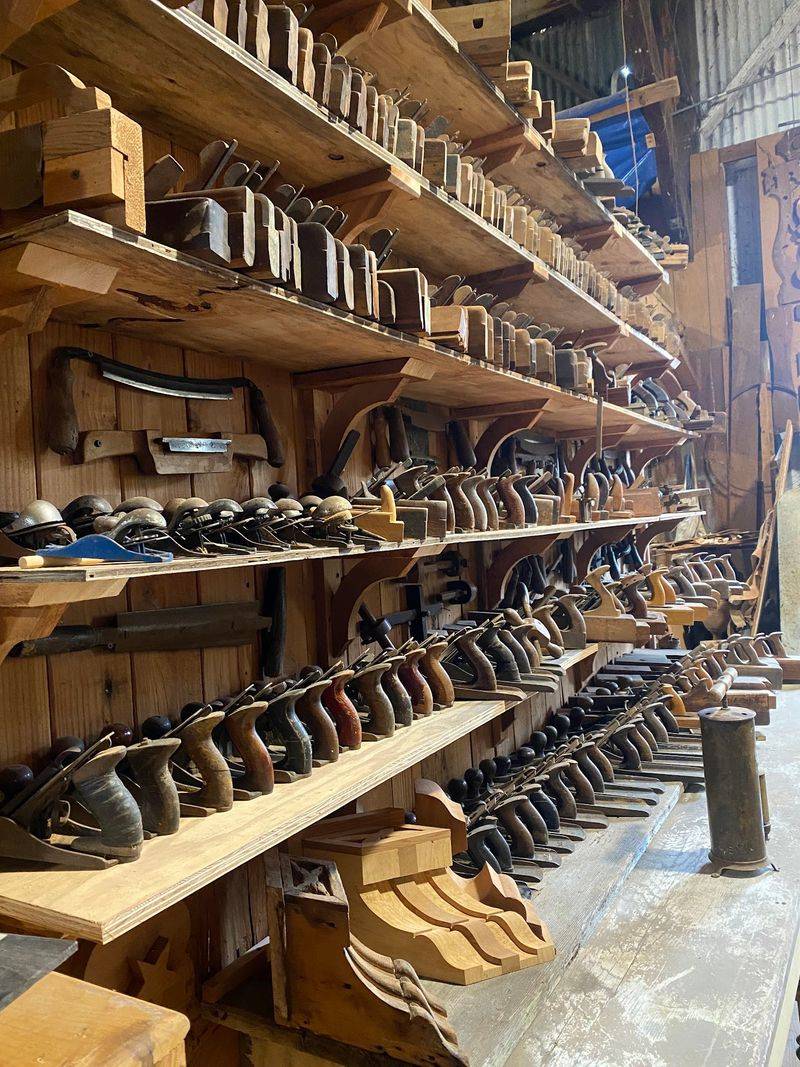
Back in 1973, a craftsman named Eric Hollenbeck decided old woodworking skills were too useful to lose. He started buying antique machines from closed mills, and Blue Ox Millworks grew from there.
Today the shop reproduces Victorian windows, doors, moldings, and trim for historic buildings across the country. Some clients include governors’ mansions and national landmarks, which is a pretty fancy guest list for a mill full of 1800s equipment.
The property has grown into a full historic park. It includes a blacksmith forge, a ceramics studio, a letterpress print shop, and a logger’s skid camp.
Look for the Barnes Brothers machines, which run on human power instead of electricity. Visitors can pick a guided tour or wander on their own schedule.
Blue Ox also runs a school that teaches traditional trades to young people. Plan at least two hours here, since there is a lot more going on than sawdust.
2. Lowell’s Boat Shop, Amesbury, Massachusetts
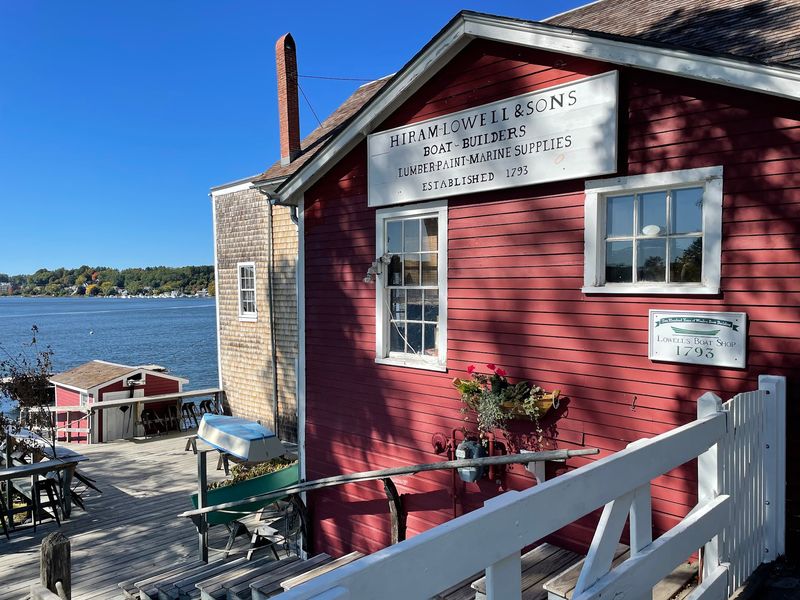
George Washington was serving his first term as president when this boat shop opened in 1793. It is now the oldest continuously operating boat shop in America, and it still builds wooden boats.
Founder Simeon Lowell became known for the banks dory. This flat-bottomed, high-sided boat was tough and practical, and fishing fleets from Gloucester and beyond relied on it for generations.
Business was busy back then. A note written on a wooden beam inside the shop records 2,029 boats built by hand in 1911 alone.
Seven generations of the Lowell family passed down the building methods still used today. Look down during your visit, because the floorboards are worn from more than two centuries of work boots.
The shop now runs as a working museum with tours, classes, and apprenticeships. Anyone curious about boats before fiberglass should check the event calendar, since public build days fill up fast.
3. Kentucky Cooperage, Lebanon, Kentucky
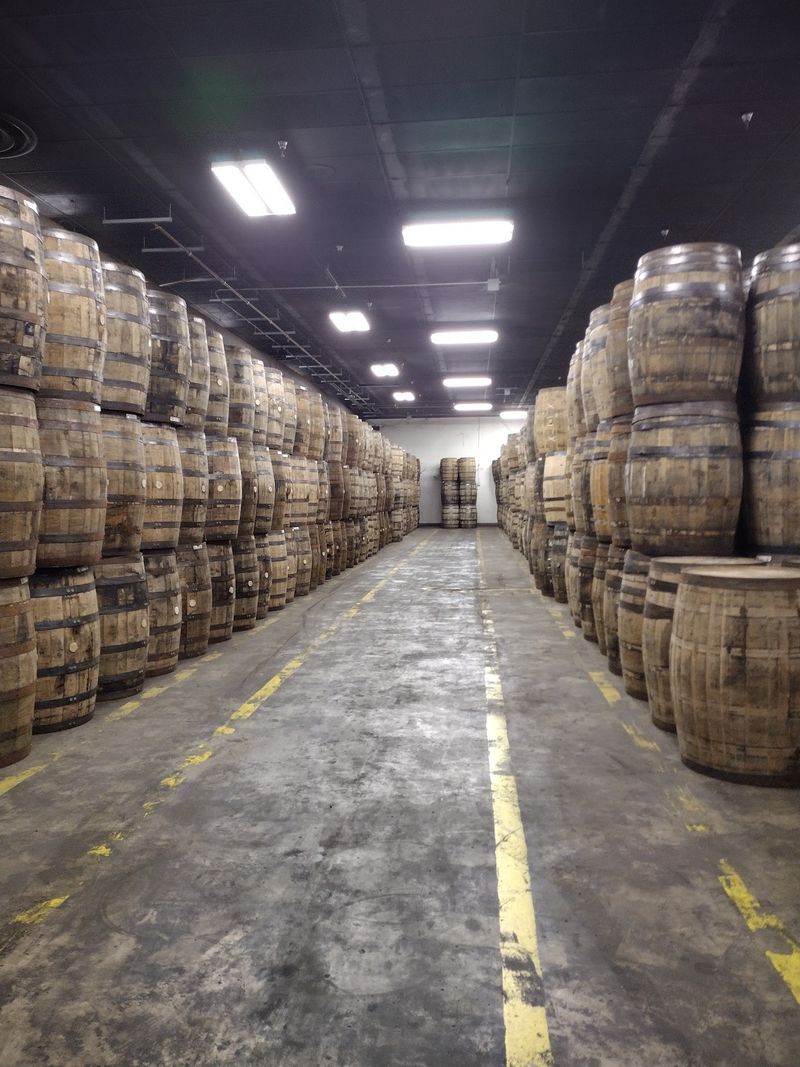
Here is a number worth repeating at dinner: this cooperage and its parent company help produce more than half of the world’s wooden barrels. Not bad for a factory in a small Kentucky town.
Kentucky Cooperage opened in 1983 as part of Independent Stave Company, a business that dates to 1912. About 235 people work here.
Every barrel starts as American white oak that has been air-dried outdoors. The logs are cut into rough pieces, split into staves, and checked by skilled inspectors.
Workers then raise the barrel by standing the staves in a circle. Temporary hoops pull them into a curve, and the inside is charred for a set time.
Finally, crews add the round heads, six steel hoops, and a small hole for filling. Every barrel gets water and air pressure tests to catch leaks.
Tours run on select weekdays and need online reservations. Wear closed-toe shoes, and leave the camera in your pocket.
4. Holland Bowl Mill, Holland, Michigan
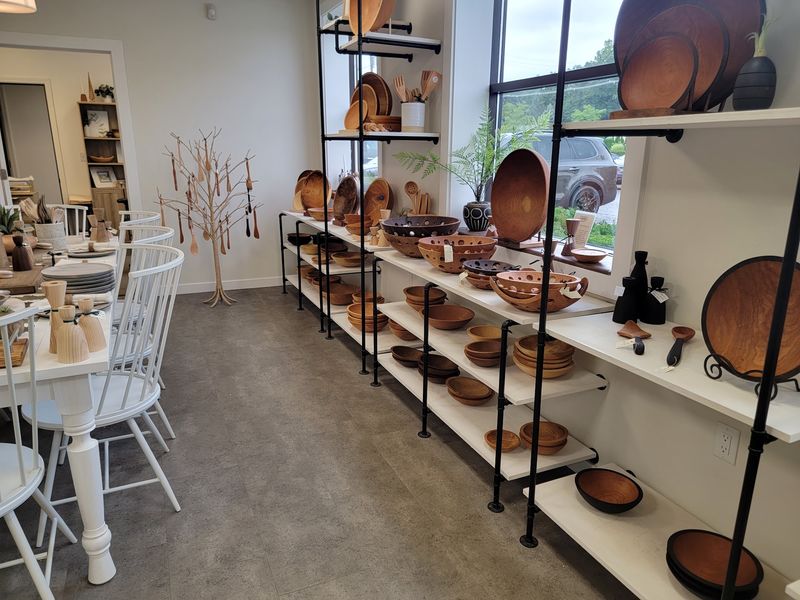
Nothing goes to waste at Holland Bowl Mill, and they mean that literally. The company follows a zero-waste plan where no part of a tree ends up in a landfill.
This fourth-generation family business calls itself the world’s largest maker of solid wooden bowls. Workers turn blocks of maple, cherry, and walnut on special lathes, then sand and finish each one.
Wood that cannot become a bowl gets a second career. It is turned into candle holders, small decorations, and even little wooden lighthouses.
Every bowl comes with a lifetime guarantee. The idea is that your bowl should outlast your current kitchen and maybe the next one too.
Free tours run Monday through Friday and on select Saturdays. Groups under ten do not need an appointment.
The showroom sits right inside the mill, so you can watch production and then shop. Ask about personalized engraving, which makes a bowl a thoughtful gift for weddings or housewarmings.
5. Moravian Pottery & Tile Works Museum, Doylestown, Pennsylvania
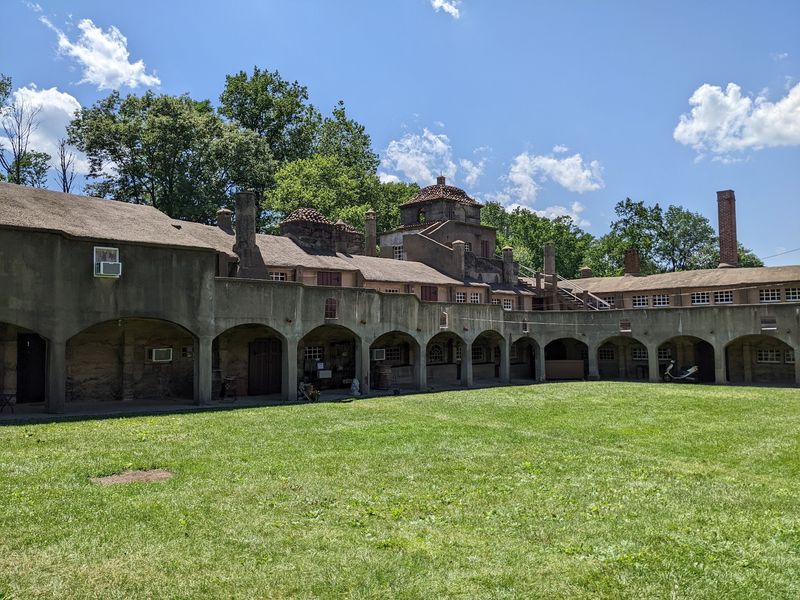
Most factories are plain boxes, but Henry Chapman Mercer built his out of poured concrete in the shape of a castle. Construction lasted from 1910 to 1912, and the building is now a National Historic Landmark.
Mercer was a leader in the American Arts and Crafts movement. He wanted to bring back pottery and tile methods used before big factories took over.
Artisans still follow his approach today. They press clay into historic molds, decorate the pieces, glaze them, and fire them in kilns.
The finished tiles show animals, scenes from history, and detailed patterns. Mercer tiles appear in famous buildings, including the floor of the Pennsylvania State Capitol.
Visitors can tour the unusual building and watch tile makers at work. The gift shop sells tiles made on site, which are small enough to pack in a suitcase.
Nearby, the Mercer Museum and Fonthill Castle make this an easy full day of concrete curiosity.
6. Stormy Kromer, Ironwood, Michigan
One windy railroad job in 1903 started a hat empire. Engineer George Stormy Kromer kept losing his cap, so his wife Ida redesigned a baseball cap with a fold-down band for his ears.
The result stayed put and kept him warm. Over a century later, the wool cap is still a favorite with hunters, skiers, and anyone facing a Midwest winter.
In 2001, the Jacquart family of Ironwood bought the company. They kept production in Michigan instead of moving it overseas.
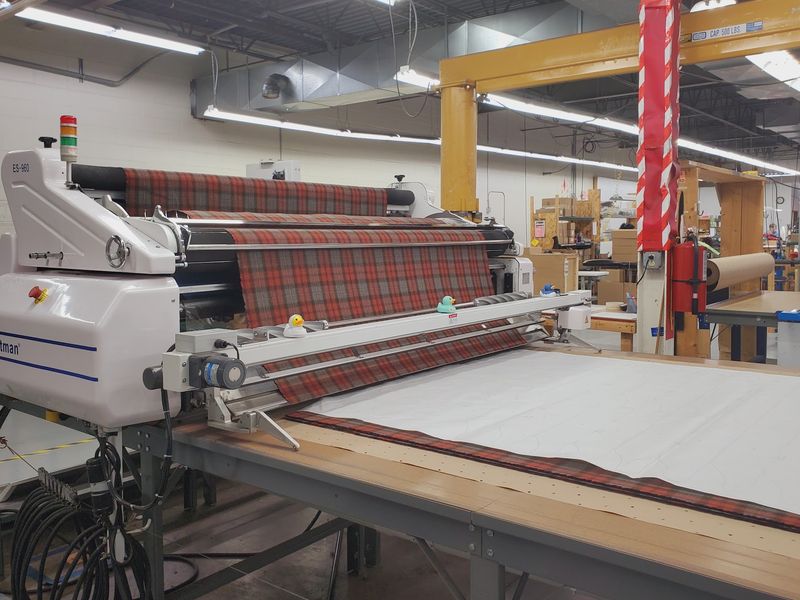
Free factory tours take about 45 to 60 minutes. Guests walk the production floor and see cutting tables, fabric layering, and sewists stitching hats, jackets, and bags.
Tours often run during working hours, so you see real production. Reservations are a smart idea.
The on-site store carries the full lineup plus discounted seconds and items sold nowhere else. Grab a cap there, and your ears will thank Ida.
7. Mosser Glass, Cambridge, Ohio
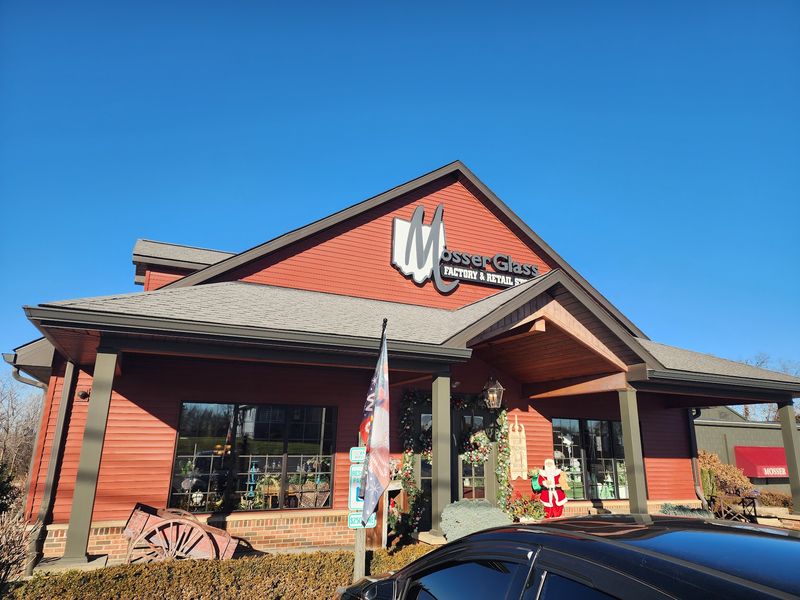
Got a 1920s car with a broken headlight? Mosser Glass might be able to help, since the company makes replacement headlight lenses along with its colorful tableware.
Thomas Mosser started the business in the 1950s, and it became Mosser Glass in 1971. His family roots trace back to the famous Cambridge Glass Company, and his children Tim, Mindy, and Sally run it today.
Mosser is one of the few American companies still making hand-pressed glass. Furnaces melt sand and soda ash at up to 2,500 degrees Fahrenheit.
Workers called gatherers collect the molten glass on long rods. They press it into cast iron molds, and about a minute later a new bowl or tumbler pops out.
Each piece then cools slowly for about three and a half hours so it does not crack. Weekday tours show this whole process, including vintage molds still in use.
Save time for the showroom, where animal figurines are a fun pick.
8. Frankenmuth Woolen Mill, Frankenmuth, Michigan
Some employees at this mill have worked here since the 1800s. They are carding machines, and they still show up for every shift.
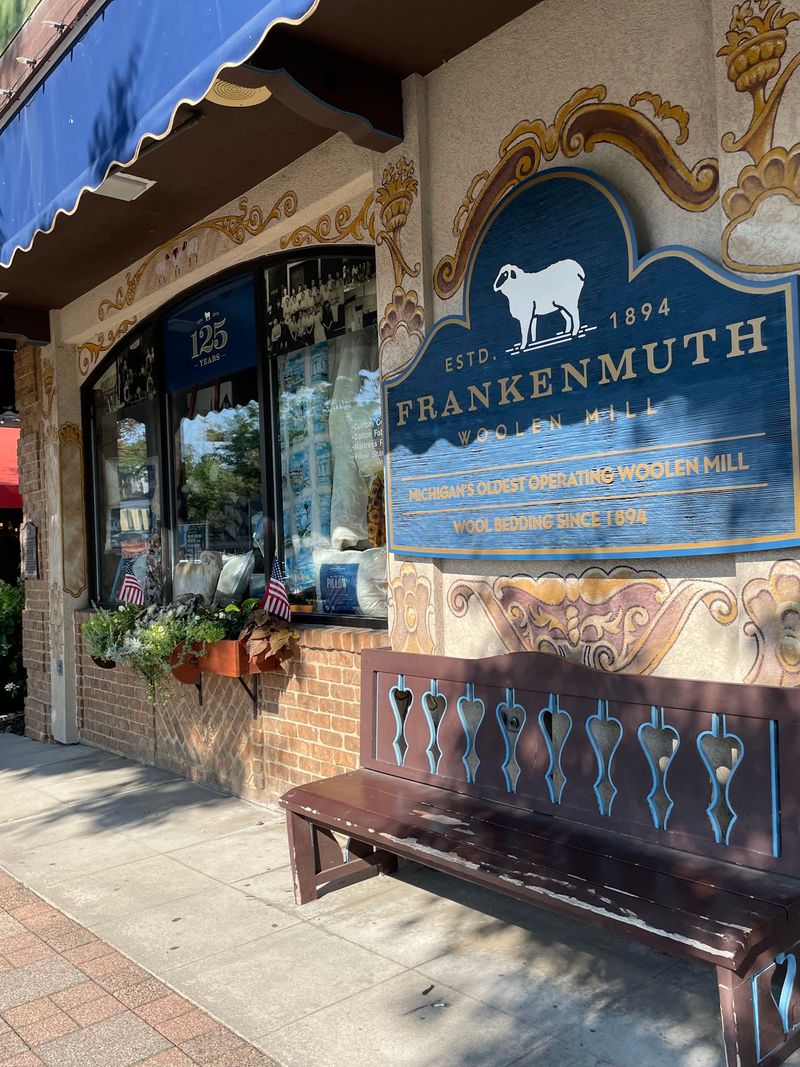
Franz Ranke founded the Frankenmuth Woolen Mill in 1894. It is the oldest continuously operating woolen mill in Michigan.
Wool goes through several steps before it becomes bedding. Workers sort it and wash it in Lake Huron water.
Next comes carding, where large rollers with wire teeth brush the fibers into line. Shoppers can watch this happen through a glass wall in the store.
After carding, every comforter, pillow, and mattress topper is filled, sewn, and tied by hand. That is a lot of handwork for one bed.
A video inside the shop explains the mill’s history and methods. Limited Makers Tours, offered by appointment, give a closer look at the working floor.
Frankenmuth is also famous for its Bavarian-style downtown, so pair the mill with a stroll through town.
9. Stoneware & Co., Louisville, Kentucky
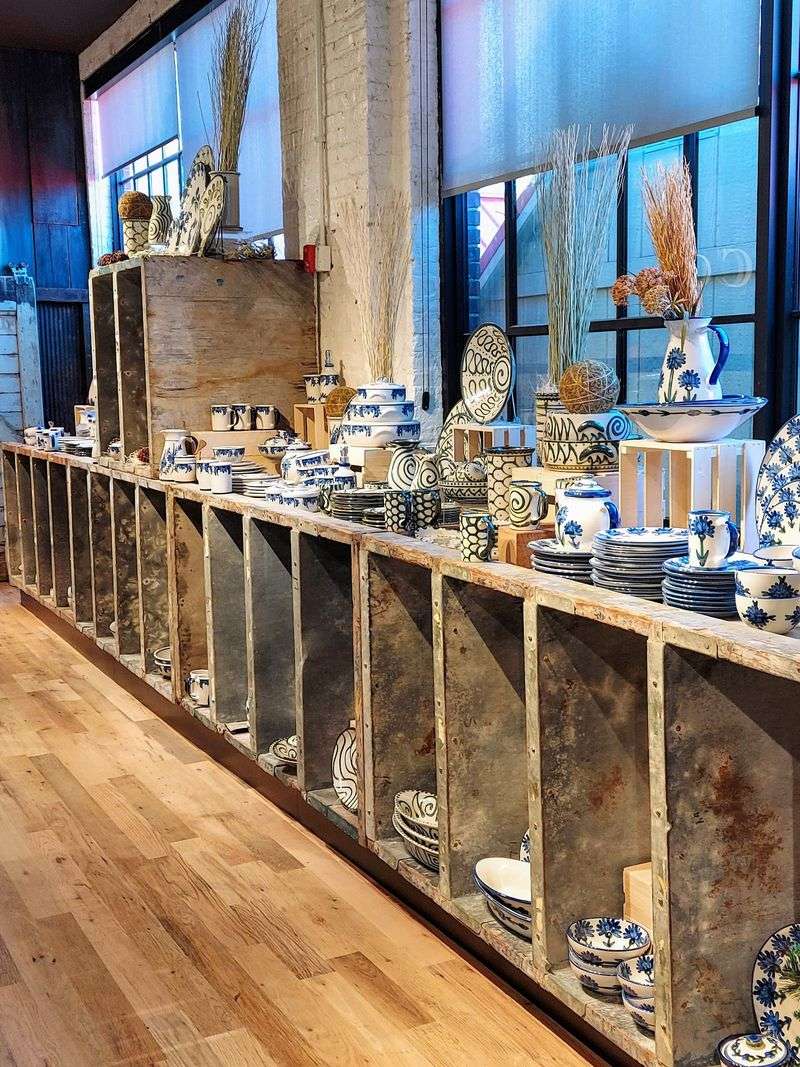
Louisville has been making stoneware since 1815, which means locals have been sipping from handmade mugs for over two centuries. Stoneware & Co. keeps that tradition going strong.
The company makes practical pottery meant for daily use. Think mugs, plates, bowls, and serving pieces that can handle a busy kitchen.
A lot of the work is done by hand. Artisans shape the clay, apply glazes, and fire each piece in a kiln.
Factory tours follow the entire journey from raw clay to a finished dish. Visitors learn why each step matters and how many hands touch one plate.
Want to try it yourself? The company runs a pottery-decorating studio where guests can paint their own pieces.
Kids and adults both enjoy this part, and it makes a great rainy day plan. The retail shop sells finished stoneware, including seconds at lower prices.
Check tour times online before you go, since schedules can change.
10. Pendleton, Pendleton, Oregon

Yes, the company and the town share the same name, and no, that is not a typo. Pendleton Woolen Mills has deep roots in this eastern Oregon town.
The brand traces its start to 1863. It grew from a regional wool business into one of the best-known heritage names in America.
Pendleton blankets are famous for bold geometric patterns tied to the American West. At the Oregon mill, large looms weave wool yarn into these detailed designs.
Tours show how wool is dyed, woven, and prepared. Visitors watch looms in action and learn how a blanket pattern gets planned before weaving begins.
Here is a fun detail: every Pendleton blanket in the world passes through the company’s Washougal, Washington mill for finishing. That mill is the only one with a finishing department.
The mill store next door sells blankets, shirts, and wool goods. Look for discounted fabric remnants, which crafters love.
11. Wendell August Forge, Mercer, Pennsylvania

Hammers do most of the talking at Wendell August Forge. Craftsmen here shape sheets of aluminum, bronze, and other metals into trays, ornaments, and keepsakes with raised designs.
The company dates back to 1923. Hand-hammered metalwork was a popular decorative art back then, and this forge never stopped making it.
The process takes patience. Artisans place metal over a carved die and tap it with hammers until the design rises from the surface.
Every piece ends up slightly different because a person, not a press, does the hammering. That small variation is part of the appeal for collectors.
Christmas ornaments are a big seller, and many families collect a new one each year. Custom pieces with names or logos are also popular for weddings and company gifts.
The showroom is easy to visit and displays the full range. Watching production in person should be arranged in advance, since it is not offered every day.
12. Blenko Glass Company, Milton, West Virginia

Collectors can spot Blenko glass from across a room. The bright colors and unusual shapes have made it a favorite at antique shops for generations.
The company has been working in Milton since 1921. Its glassmakers still blow and shape pieces by hand instead of handing the job to automated lines.
A glassblower gathers molten glass, then uses traditional tools to form pitchers, vases, and bowls. Because each piece is made individually, no two look exactly alike.
Fun fact: Blenko once made stained glass for famous churches, including windows at Washington National Cathedral. Its tableware came later and became a hit with mid-century design fans.
The visitor center includes a glass museum showing iconic Blenko pieces from different decades. A retail shop sits alongside it, with seconds sometimes available at lower prices.
Scheduled factory tours offer a closer look at the furnace floor. Check the calendar first, since production days vary through the year.
13. Simon Pearce, Quechee, Vermont
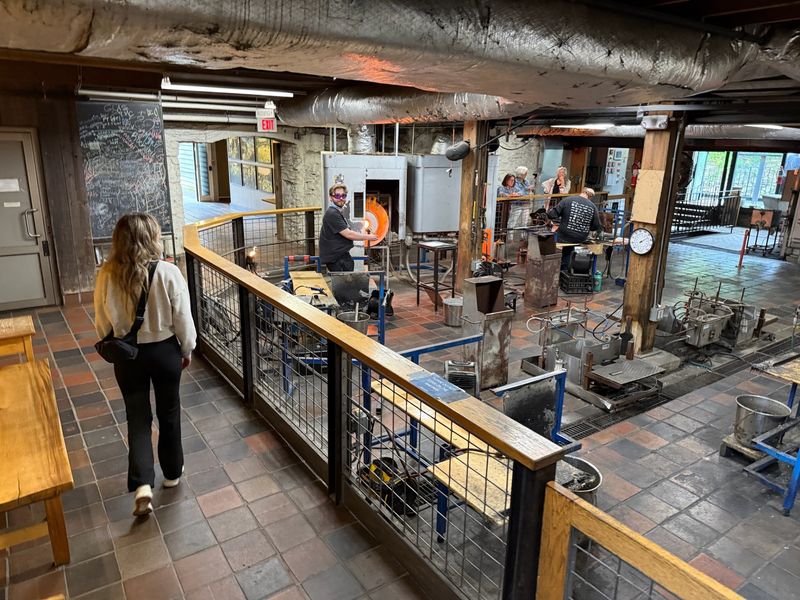
Irish glassmaker Simon Pearce moved to Vermont in 1981 and set up shop in an old woolen mill. He even used the river below to help power the building.
The mill sits beside the Ottauquechee River, and the workshop still makes glassware by hand. Craftspeople gather molten glass on blowing pipes and shape it into drinking glasses, bowls, and vases.
Visitors can watch live glassblowing demonstrations on the lower level. Staff often explain each step as they work, so questions are welcome.
The flagship store upstairs carries the full collection. Clean, simple shapes are the house style, and many pieces are popular as wedding gifts.
A covered bridge sits right next to the mill, so bring your phone for photos. The on-site restaurant serves lunch and dinner using Simon Pearce glassware and pottery on every table.
Fall foliage season gets crowded. Visit on a weekday morning for an easier parking situation.
14. Warther Cutlery, Dover, Ohio
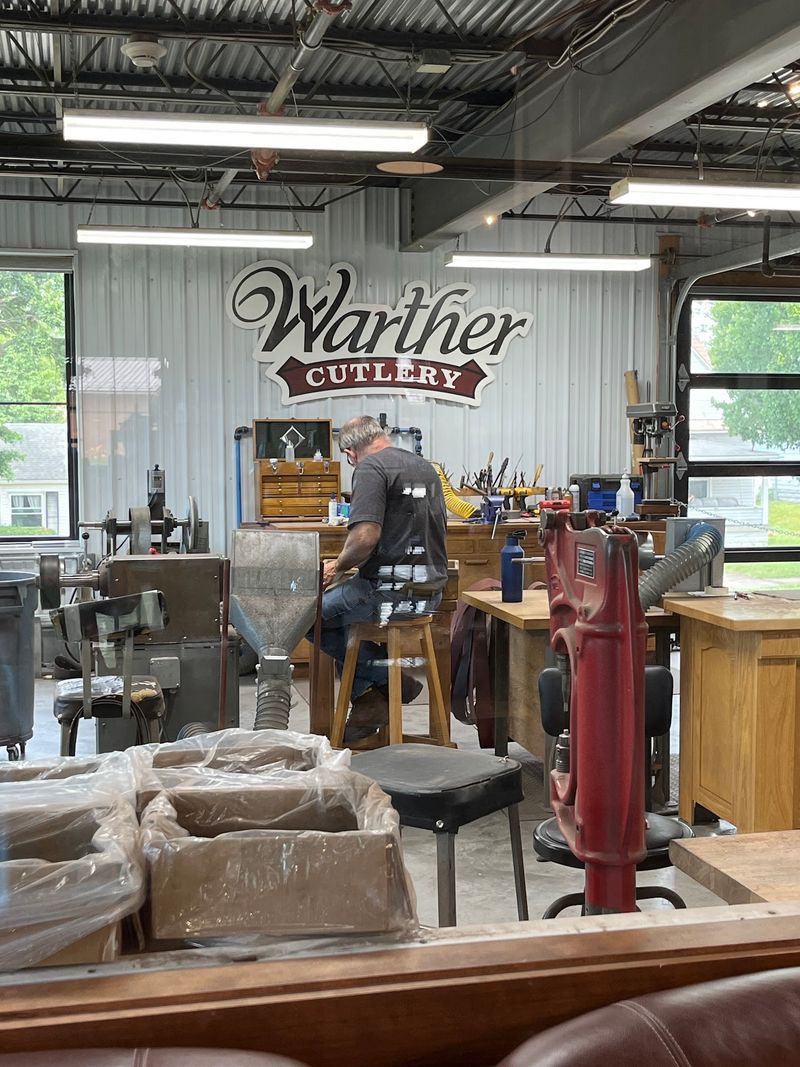
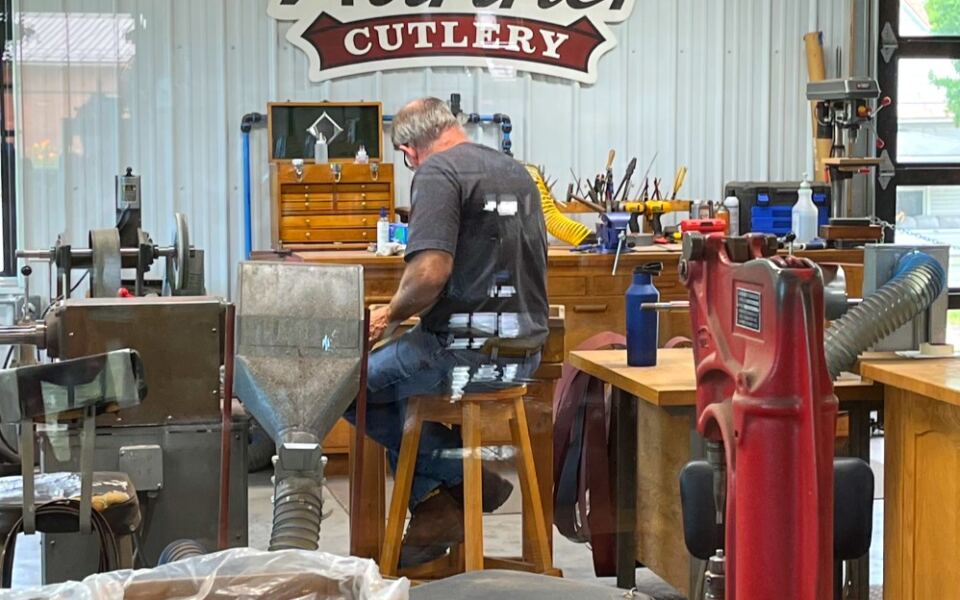
Ernest Warther was a master carver who could whittle an entire working steam engine out of walnut and bone. He also needed sharp knives, so in 1902 he started making his own.
That side project became Warther Cutlery, still run by his family in Dover. The company makes kitchen knives with a focus on careful blade finishing and precise sharpening.
Each knife goes through several steps, from shaping the steel to grinding and polishing the edge. Warther knives come with free lifetime sharpening, a useful perk for home cooks.
The factory store lets you hold and compare different blades before buying. Staff are happy to explain which knife fits which kitchen task.
Right next door, the Ernest Warther Museum and Gardens shows off his carved locomotives. Some models have thousands of tiny moving parts.
Visit both together for the full story. It ends this list on a sharp note, with a craftsman whose hobby built a family legacy.
Share this story