Delaware may be one of the country’s smallest states, but it’s filled with peaceful places that make it easy to slow down and recharge. From quiet beaches and scenic state parks to historic villages, wildlife refuges, and hidden gardens, the First State offers plenty of relaxing escapes.
Whether you’re planning a day trip or a weekend getaway, these 14 destinations showcase Delaware’s quieter side. Each combines natural beauty, history, or small-town charm to create a memorable escape from the crowds.
1. Trap Pond State Park, Laurel, Delaware
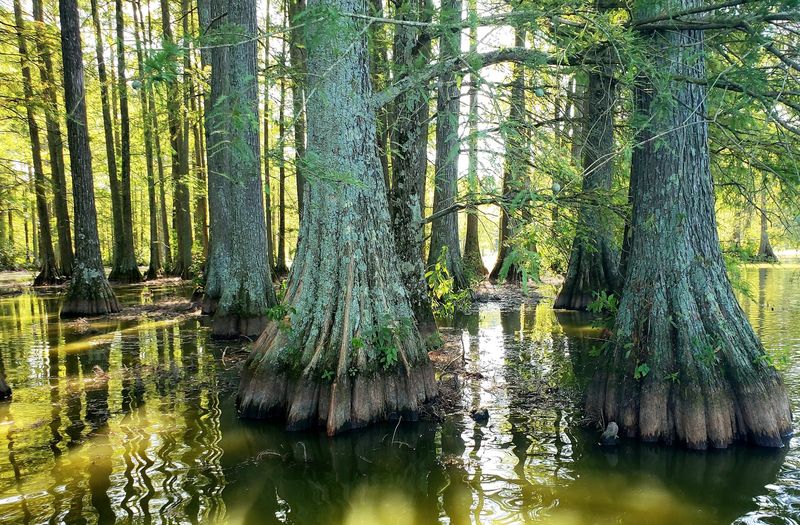
The northernmost naturally occurring bald cypress trees in the entire United States grow right here, rising from still, dark water at Trap Pond State Park in southern Delaware.
Kayaking beneath those ancient trunks is one of the state’s most quietly dramatic experiences. The trees themselves are remarkable, with wide flared bases and knobby root structures that create a landscape unlike anything else in the region.
Beyond the water, several hiking trails wind through the surrounding woodland, passing through habitats that support a wide range of local wildlife. Shaded picnic areas are scattered throughout, making it easy to settle in and stay for hours.
Canoe and kayak rentals are available during warmer months for visitors who arrive without gear. Weekend mornings tend to be calm, and the park rarely feels overcrowded even during peak season.
2. Bombay Hook National Wildlife Refuge, Smyrna, Delaware
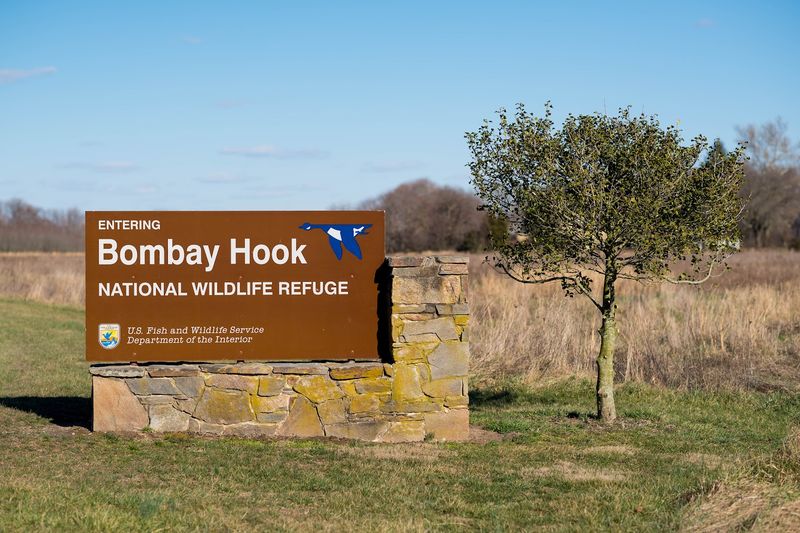
Established in 1937, Bombay Hook National Wildlife Refuge covers nearly 16,000 acres along Delaware Bay and protects one of the mid-Atlantic region’s largest remaining tidal salt marshes.
The refuge is widely considered Delaware’s top birding destination, with 278 recorded bird species that include bald eagles, herons, peregrine falcons, and large concentrations of migrating shorebirds each spring and fall.
A 12-mile wildlife drive loops through the property and connects to observation towers, walking trails, and tidal pools where wildlife often outnumbers visitors by a considerable margin.
A new nature center opened in late 2023, adding exhibits and visitor resources to an already well-organized site. The Delaware Ornithological Society leads guided Saturday bird walks along the Forest Discovery Tree Trail from September through April, which is a worthwhile addition to any visit.
3. Abbott’s Mill Nature Center, Milford, Delaware
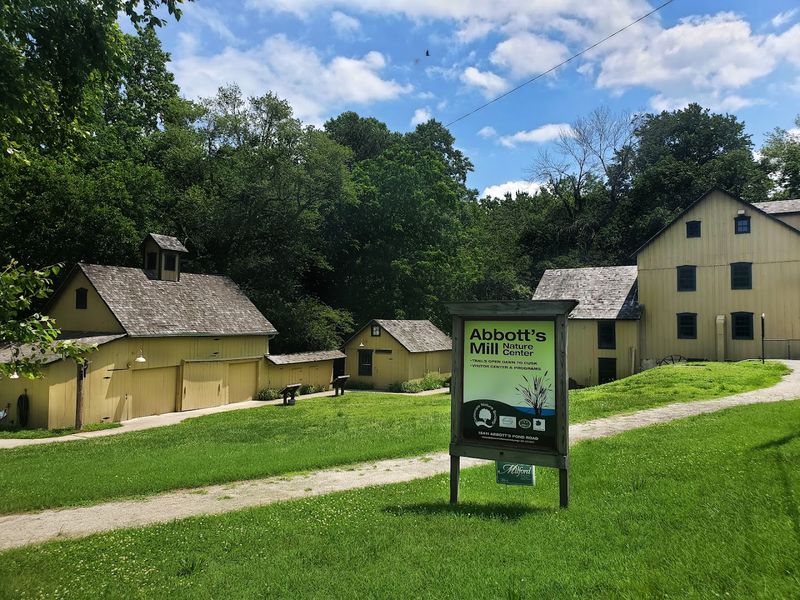
A working historic grist mill sitting beside a calm 20-acre pond is not something most people expect to find tucked inside a 376-acre nature preserve, but that is exactly what Abbott’s Mill Nature Center delivers.
The mill operated until 1960 and is currently scheduled for restoration. Trails through deciduous forest and Atlantic White Cedar woodland connect to an accessible boardwalk that follows a clear coastal plain stream out to open meadows and a wildlife garden.
Inside the visitor center, live animals and taxidermy displays give close-up views of local species. Abbott’s Pond has a boat ramp open to kayaks, canoes, and small motorboats, with fishing allowed for licensed anglers.
From April through August, a naturalist leads family programs on weekend afternoons. The site is managed by the Delaware Nature Society and stays remarkably quiet throughout most of the year.
4. Ashland Nature Center, Hockessin, Delaware
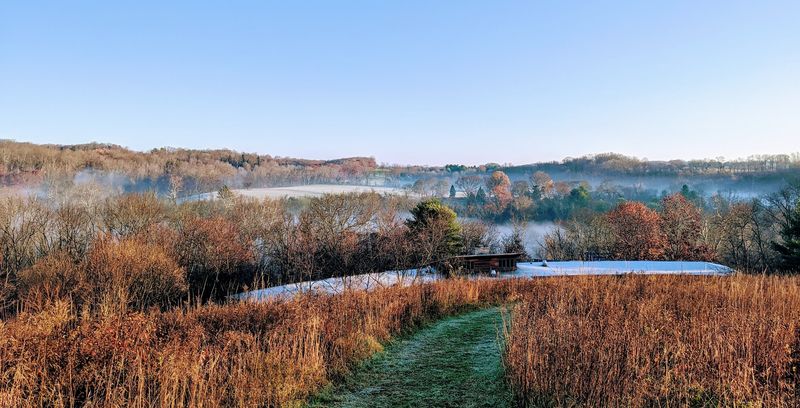
Barely a mile from the Pennsylvania border, Ashland Nature Center manages to feel genuinely remote despite its convenient location just outside Wilmington.
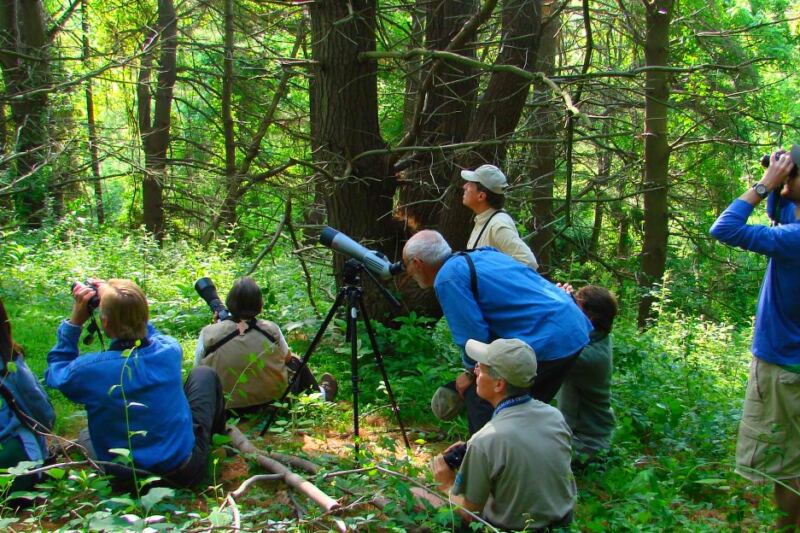
Miles of well-maintained trails pass through meadows, mature forests, and wetland areas that support a broad range of resident and migratory birds. Birdwatchers visit year-round, but the trails are just as rewarding for casual walkers who simply want somewhere quiet to spend a few hours outdoors.
The Delaware Nature Society operates the center, which hosts educational programs, guided walks, and seasonal events throughout the year. Trail maps are available at the main building for first-time visitors.
The property has a relaxed, unhurried atmosphere that makes it easy to slow down and pay attention to small details: a fox crossing a field, a woodpecker working a dead tree, or a red-tailed hawk circling overhead. It earns its reputation as one of the region’s most accessible natural retreats.
5. Delaware Botanic Gardens, Dagsboro, Delaware
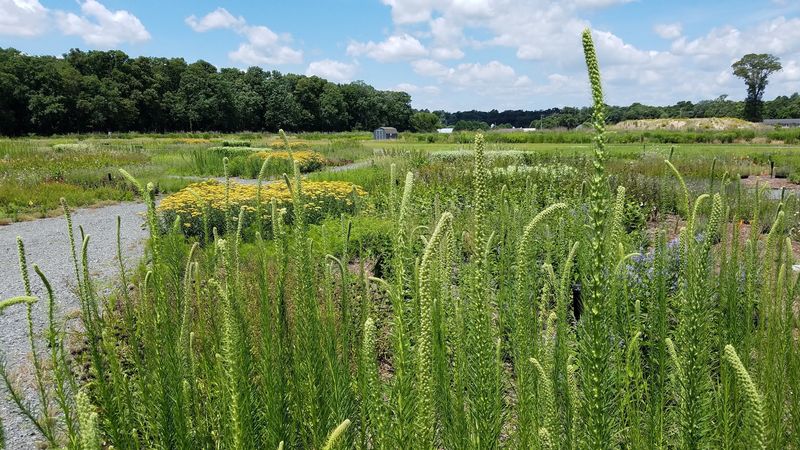
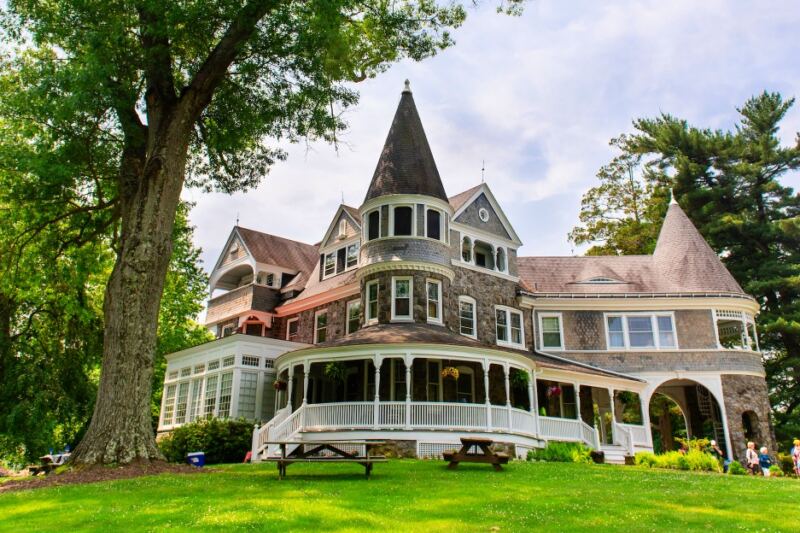
Overlooking Pepper Creek in rural Sussex County, the Delaware Botanic Gardens opened in 2019 and has already established itself as one of the state’s most thoughtfully designed public spaces.
The gardens focus heavily on native plant collections, with winding paths that connect distinct garden zones showcasing regional ecology alongside more formal horticultural arrangements. Seasonal blooms shift the visual character of the property throughout the year, giving repeat visitors a different experience each time.
The layout encourages slow, unhurried movement rather than a quick lap around the grounds. Benches and open lawn areas are positioned throughout for anyone who wants to stop, sit, and simply watch the landscape for a while.
Even during warmer months, the gardens maintain a spacious and calm atmosphere. Admission fees apply, and hours vary by season, so checking the website before visiting is a practical step worth taking.
6. Lavender Fields at Warrington Manor, Milton, Delaware
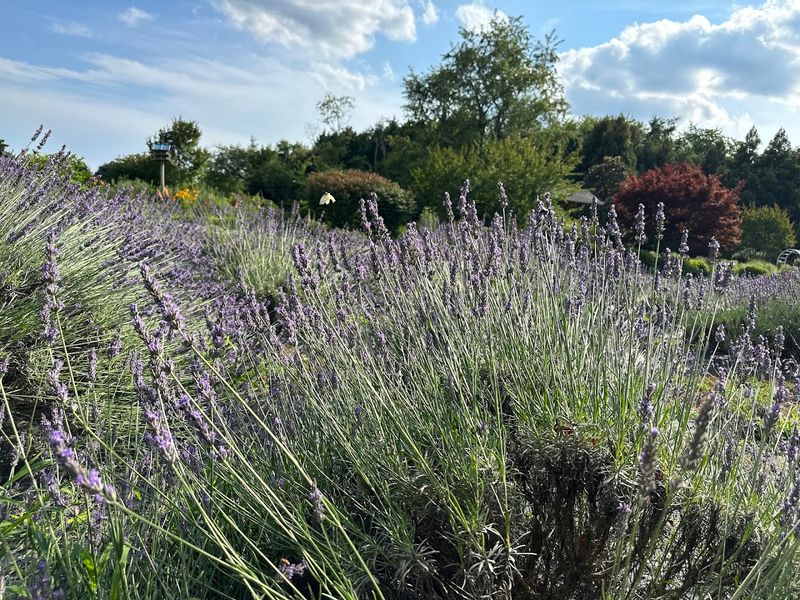
Few places in Delaware stop visitors in their tracks quite like Lavender Fields at Warrington Manor during peak blooming season, when rows of purple flowers stretch across the property in tidy, photogenic lines.
The farm is located near Milton in Sussex County and draws visitors each summer who come specifically to walk among the lavender, photograph the butterfly gardens, and pick up lavender-based products from the farm shop. The country setting adds considerably to the overall appeal.
Butterfly gardens adjacent to the lavender rows attract a variety of native pollinators, making the property interesting for nature observers as well as photography enthusiasts.
Blooming season is typically concentrated in June and early July, so timing matters for anyone hoping to see the fields at their most colorful. The farm encourages visitors to linger rather than rush, and the peaceful rural surroundings make that easy to do.
7. Slaughter Beach, Slaughter Beach, Delaware
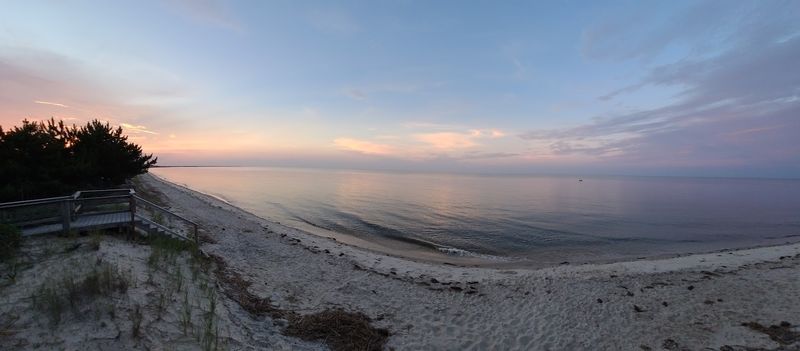
The name admittedly raises eyebrows, but Slaughter Beach is one of the most genuinely peaceful stretches of coastline anywhere in Delaware.
Every May and June, the beach becomes a designated sanctuary for horseshoe crab spawning, drawing large concentrations of migratory shorebirds including red knots, dunlins, and American oystercatchers that feed on the eggs. It is one of the most significant wildlife events on the East Coast and happens in a place most tourists never visit.
Outside of spawning season, the beach offers shoreline walks, sea glass collecting, and sweeping Delaware Bay sunset views without a boardwalk or souvenir shop in sight. During low tide, the shallow bay floor extends nearly half a mile from shore.
The nearby Mispillion Lighthouse, listed on the National Register of Historic Places, adds a historical dimension to any visit. This is a place that rewards patience and curiosity in equal measure.
8. Woodland Beach, Smyrna, Delaware
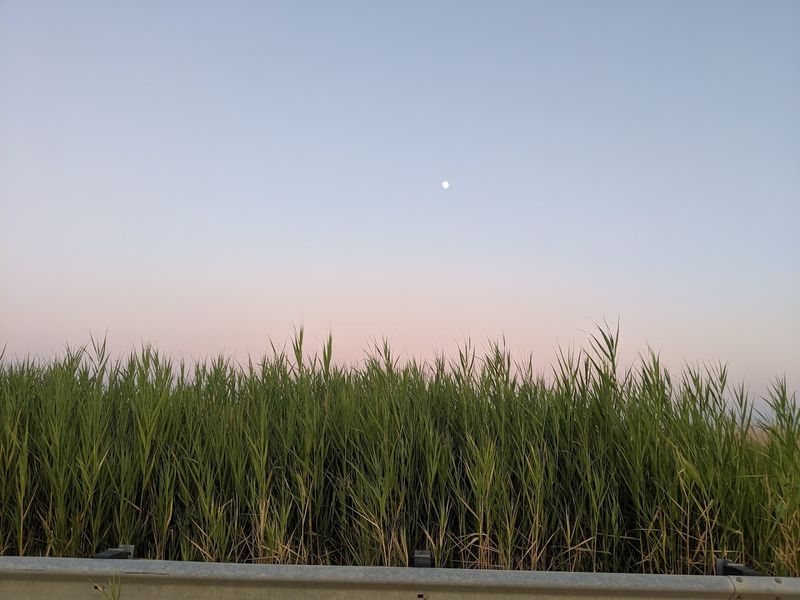
Once a popular Victorian-era resort, Woodland Beach lost its grand hotels to powerful bay storms long ago and has since settled into something far more appealing: one of Delaware’s quietest and most overlooked bay-front destinations.
The main draw today is a modern steel fishing pier, widely considered one of the finest in the state for fishing and crabbing, extending well into Delaware Bay with unobstructed views in every direction. Sunrise and sunset from the pier are genuinely spectacular.
The beach itself disappears at high tide, so checking a tide chart before visiting is strongly recommended. During low tide, the exposed flats are excellent for collecting sea glass and shells.
The adjacent Woodland Beach Wildlife Management Area covers more than 6,000 acres of marsh and forest, providing excellent birdwatching opportunities for those willing to explore beyond the pier. Bringing a folding chair and staying for several hours is a perfectly reasonable plan.
9. Blackbird State Forest, Smyrna, Delaware
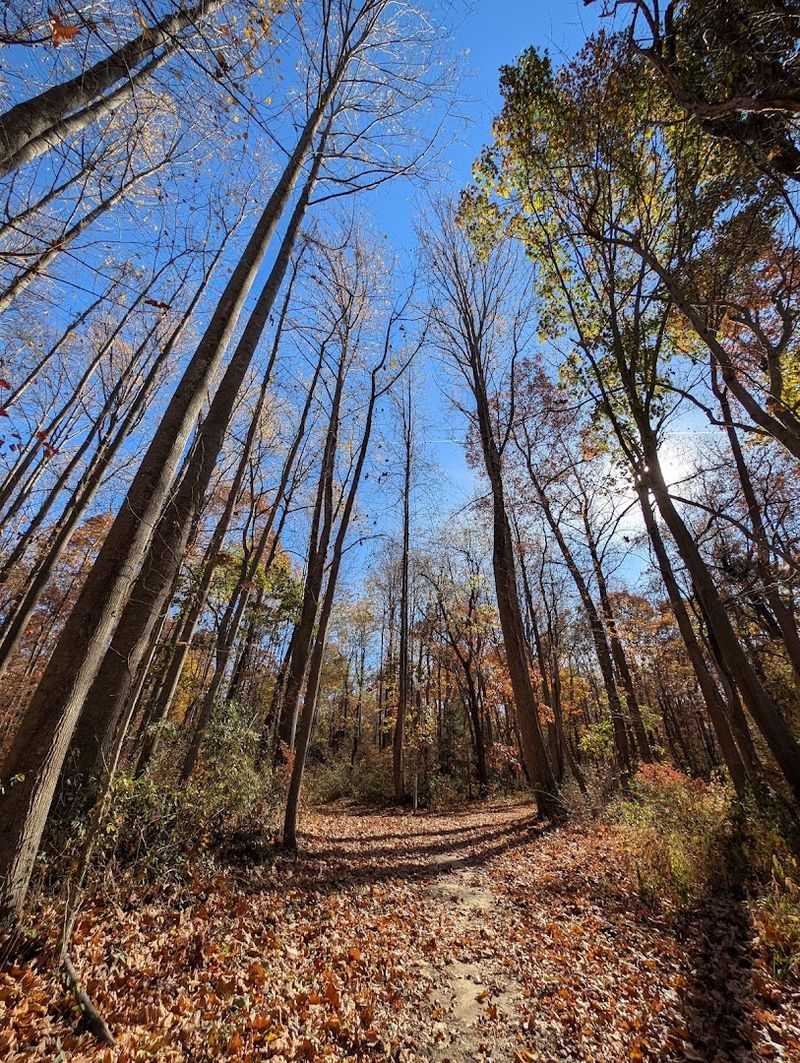
Covering more than 6,000 acres across New Castle and Kent Counties, Blackbird State Forest is Delaware’s northernmost state forest and one of its most underappreciated outdoor destinations.
The trail network spans 40 to 45 miles of mostly flat paths through oaks, poplars, maples, and pines, catering to hikers, trail runners, cyclists, and horseback riders. Popular marked routes include the Red Loop at 4.1 miles, the Blue Loop at 4.8 miles, and the Yellow Trail at 2.6 miles.
A 2,200-foot wheelchair-accessible wildlife interpretation trail in the Tybout Tract makes the forest accessible to a wider range of visitors. Blackbird Creek winds through the property, providing habitat for beavers, eastern box turtles, waterfowl, and raptors.
The Blackbird Education Center features interactive exhibits on forest ecology and wildlife, including a working beehive display. Despite its size and variety, the forest stays genuinely uncrowded throughout most of the year.
10. Killens Pond State Park, Felton, Delaware
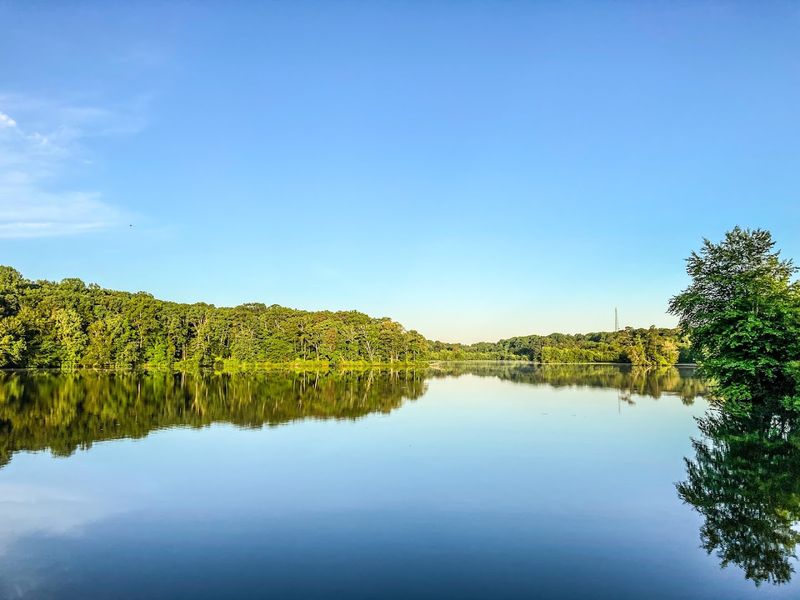
Killens Pond State Park has a well-earned reputation as a family destination, but it keeps a quieter side that many visitors never bother to find.
The pond itself is the centerpiece, offering calm, flat water that is well-suited to kayaking and canoeing at an easy pace. Wooded trails circle the water and extend into the surrounding forest, where white-tailed deer and various bird species are regular sights during morning hours.
Early mornings at the pond are particularly calm, before the day-use areas fill up and the water gets busy. Arriving before 8 a.m. on a weekend gives visitors a version of the park that feels almost entirely private.
Canoe and kayak rentals are available during the warmer season. The park also includes a water park and disc golf course for visitors who want more activity, but none of that is required to enjoy the pond’s peaceful perimeter on a slow weekend morning.
11. Prime Hook National Wildlife Refuge, Milton, Delaware
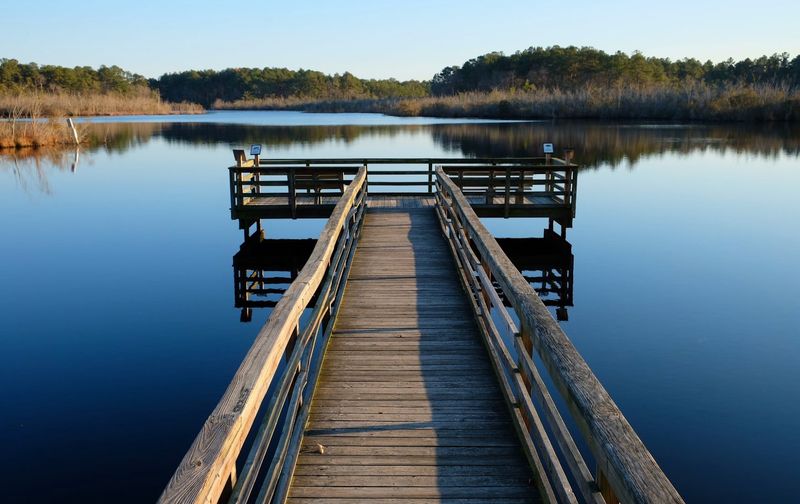
Prime Hook National Wildlife Refuge stretches across thousands of acres of salt marsh, freshwater wetland, and coastal forest along Delaware Bay, and it does not get nearly the attention it deserves.
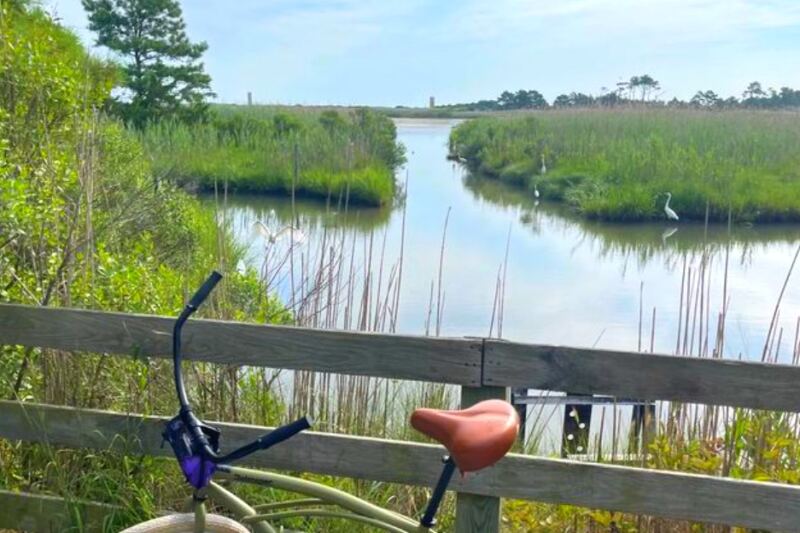
The refuge supports an impressive variety of wildlife, including migratory waterfowl, shorebirds, raptors, and a healthy population of diamondback terrapins. Walking trails and a scenic auto route provide multiple ways to explore the property without disturbing the habitat.
Fishing, kayaking, and hiking are all permitted within designated areas, giving visitors several options depending on how active they want to be. The marshland landscape shifts noticeably with the seasons, making the refuge worth visiting more than once throughout the year.
The atmosphere throughout the refuge is consistently calm and unhurried. There are no concession stands, no entry fees, and no crowds competing for the best views, which is a significant part of what makes Prime Hook such a reliable quiet escape.
12. Bowers Beach, Bowers, Delaware
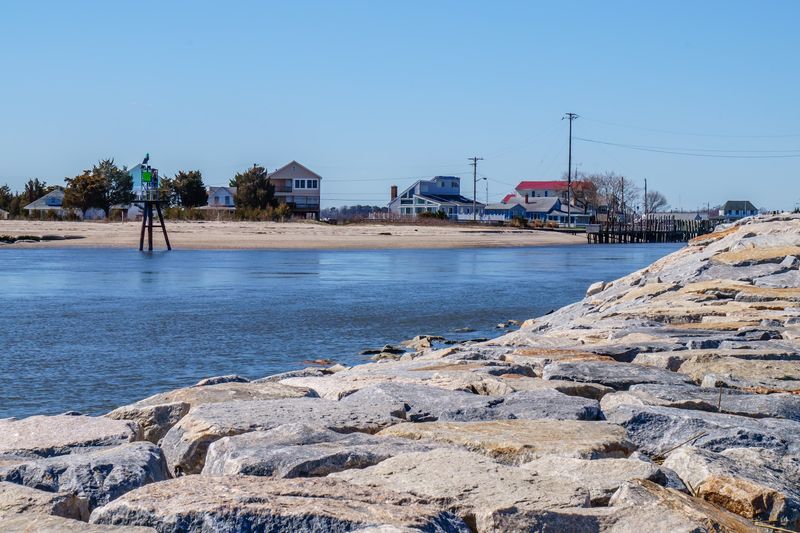
Bowers Beach runs on a schedule set entirely by the tides and the fishing boats, which is exactly why it appeals to travelers who have had enough of places that run on clocks and itineraries.
This small waterfront community along Delaware Bay has a working harbor where commercial fishing vessels come and go throughout the day. Watching the boats return with their catches is a legitimate activity here, not a tourist attraction but a real glimpse into how the town actually operates.
The shoreline is calm and easy to walk, with broad views across the bay that reward anyone willing to simply stand still for a few minutes. Fresh seafood is available nearby, and the pace of the entire town discourages rushing.
Bowers Beach does not have a boardwalk, a souvenir district, or a parking garage. What it does have is a genuinely unhurried waterfront atmosphere that is increasingly rare along the East Coast.
13. Holts Landing State Park, Dagsboro, Delaware
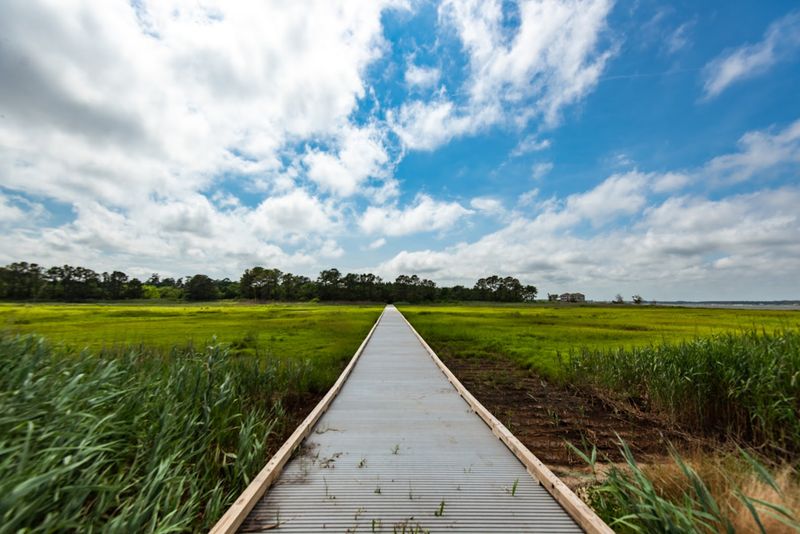
Holts Landing State Park sits along Indian River Bay in southern Delaware and covers more than 200 acres of former farmland that has been allowed to return to a mix of salt marsh, maritime forest, and open shoreline.
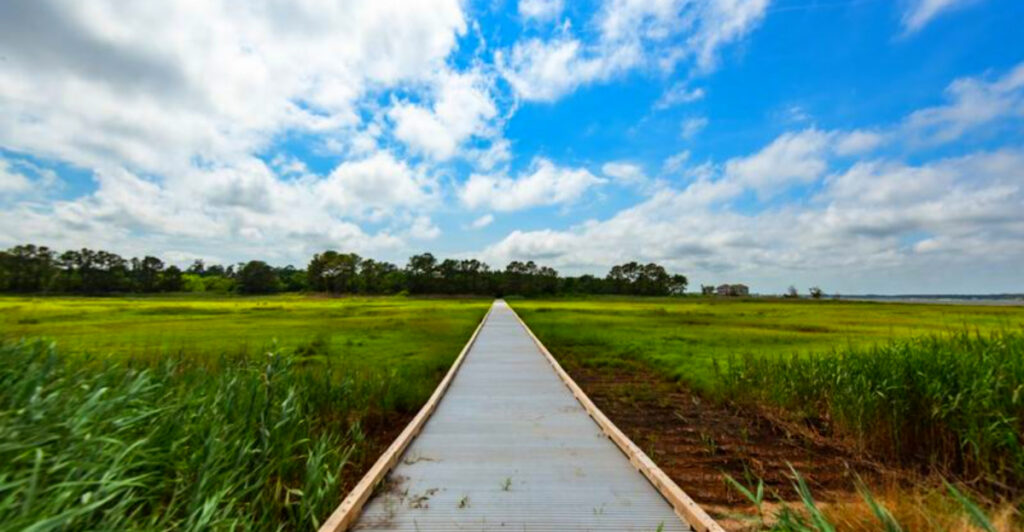
The Seahawk Trail, a 1.3-mile ADA-accessible loop, starts with a boardwalk crossing over the salt marsh before moving into forested sections with bay views. A second route, the Seahorse Trail, connects to campgrounds and links up with the Seahawk Trail for a longer combined walk.
Wildlife throughout the park includes herons, osprey, muskrats, waterfowl, and a variety of songbirds. A public fishing pier, one of the few remaining in southern Delaware, provides direct access to Indian River Bay for crabbing and fishing.
The Friends of Holts Landing State Park, formed in 2014, helped revitalize the site after years of limited funding. Digital trail guides accessible via QR codes at the trailheads add useful historical and natural context to each walk.
14. Port Penn, Delaware City, Delaware
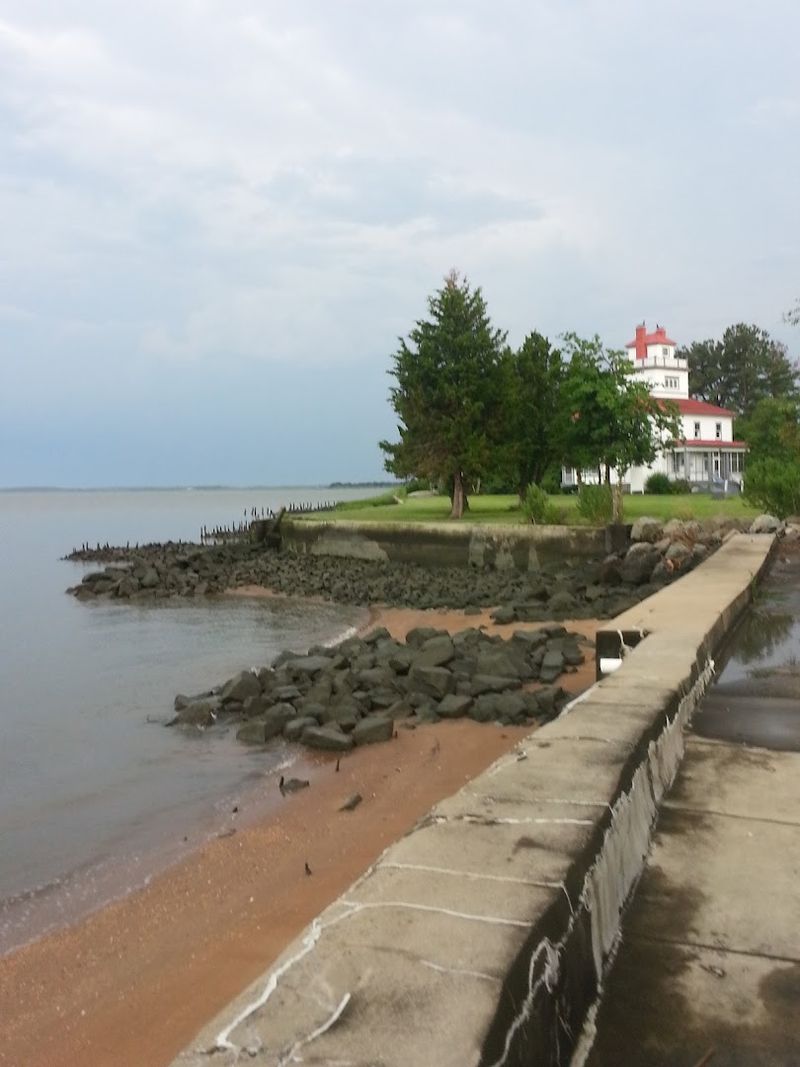
Port Penn is the kind of place that takes about thirty seconds to drive through and about three hours to properly appreciate.
This small historic village near Delaware City sits at the edge of the marshes along the Delaware River and has remained largely unchanged for well over a century. The historic buildings along its quiet streets date back to the 1800s, and the Port Penn Interpretive Center, housed in a former schoolhouse, documents the area’s history as a shad fishing community.
The surrounding marshland is part of the Augustine Wildlife Area, which offers additional trails and water access for visitors who want to extend their time in the area. Photographers consistently find the combination of historic architecture and open marsh landscapes worth the trip.
Share this story