Pennsylvania once fed furnaces, trains, and factories across the country, and the proof is still sitting in the hills. Rusty rails, stone furnaces, tiny company towns, and tunnels that drop hundreds of feet underground all remain open to visitors.
Some of these places let you ride a mine car into a mountain. Others show what life looked like at the kitchen table after a long shift.
You will find hard coal in the northeast, soft coal in the southwest, and the immigrant families who worked both. Expect real numbers, odd facts, and a few tips that make a trip smoother.
Bring a jacket, since underground temperatures stay cool all summer, and bring curiosity, since every stop has a surprise. The list starts in a busy northeastern city with a mine that opened in 1860, and it ends in a mill town shaped by newcomers.
Keep reading to plan a road trip that teaches as much as it entertains, with no history degree required.
1. Lackawanna Coal Mine Tour, Scranton, Pennsylvania
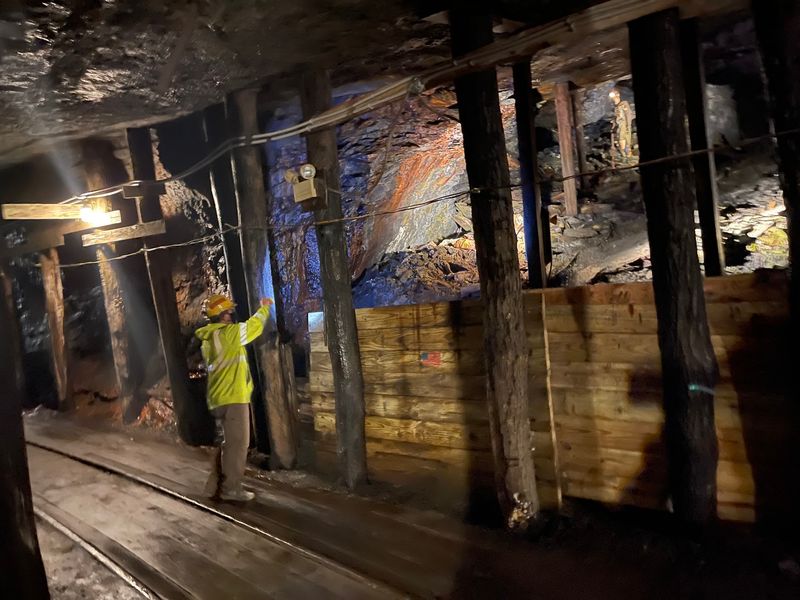
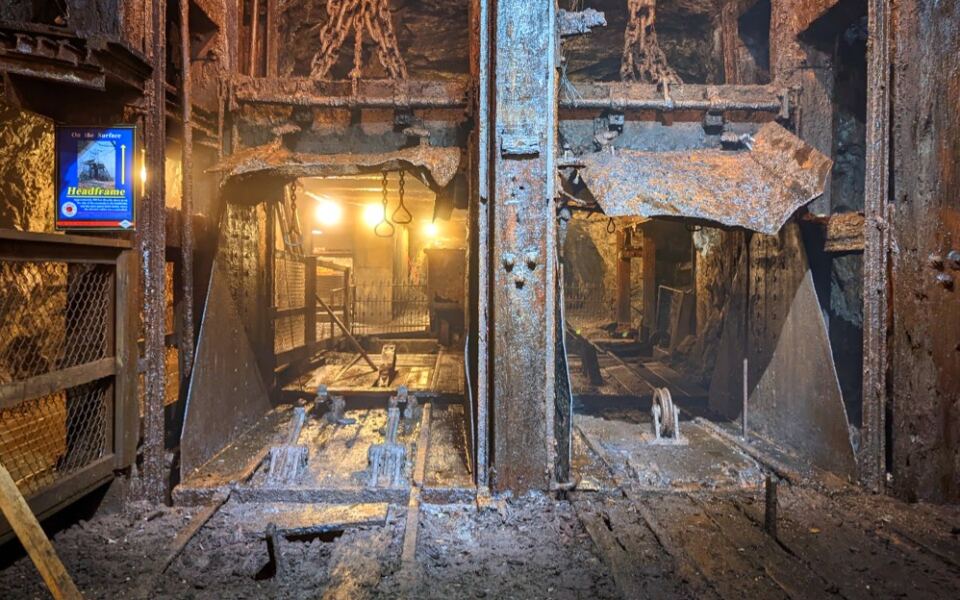
Three hundred feet is a long way down, and a mine car makes the trip through Slope #190 into the Clark Vein. The Continental Coal Company opened this mine in 1860.
Guides often have family ties to mining, so the stories come with a personal touch. They lead walking tours through gangways and rock tunnels and point out three different veins of coal.
Expect to hear about mule boys and nippers, the young workers who kept the operation moving. Guides also explain the safety practices that miners relied on each day.
The mine stays around 50 to 54 degrees year-round, so a jacket is smart even in July. Operations ended in 1966, and the site became a museum by 1985.
The tour runs seasonally from April through November in McDade Park. Check the schedule before you go, since the season is limited.
2. Pennsylvania Anthracite Heritage Museum, Scranton, Pennsylvania
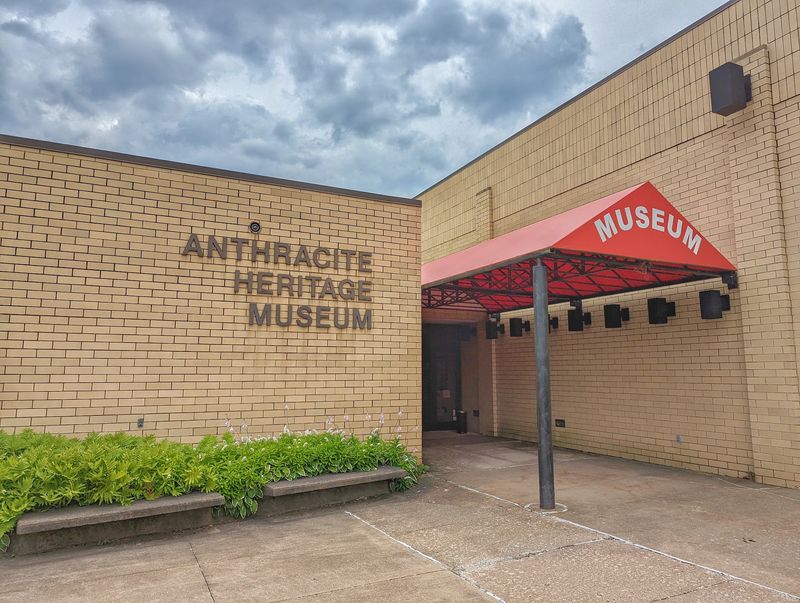
Right next door to the mine tour, this museum answers a simple question: who were the people behind the coal? It sits in McDade Park and is run by the Pennsylvania Historical and Museum Commission.
The permanent exhibit called Anthracite People traces immigration into the region, from Paleo-Indians to modern arrivals. It shows how many cultures helped shape northeastern Pennsylvania.
Recreated scenes include a full-size miner’s home and a neighborhood saloon. They give a clear look at the routines and challenges of early 20th-century workers.
Historic machinery, tools, and large photo collections fill the other galleries. Photos are a highlight, since faces make the numbers feel real.
Pair this stop with the mine tour for a full day. One shows the work, and the other shows the homes and neighborhoods that surrounded it.
3. Scranton Iron Furnaces, Scranton, Pennsylvania
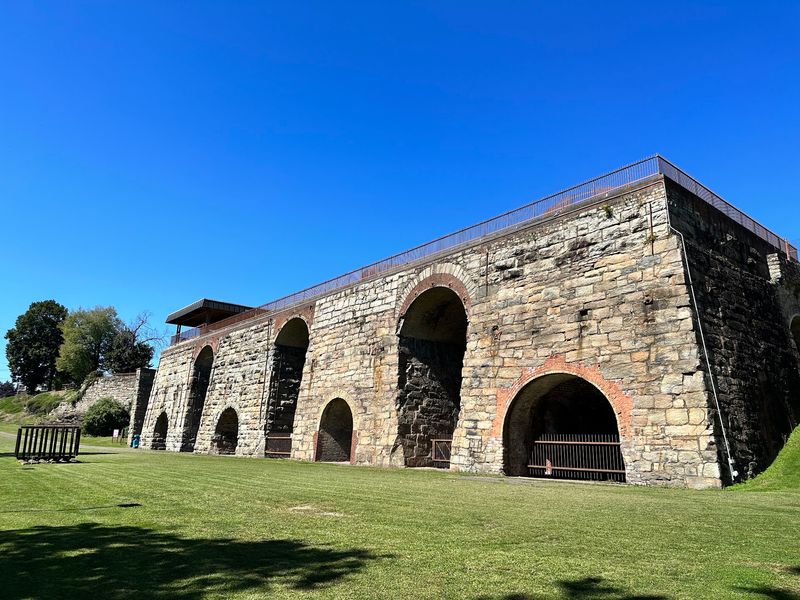
Here is a fun twist: this site has no roof, no ticket line, and no glass cases. Four huge stone blast furnaces stand in the open, left over from the Lackawanna Iron and Coal Company.
They show how coal and iron powered Scranton’s fast growth in the 19th century. Iron made here supported the expansion of the railroads.
The furnaces are managed by the Pennsylvania Historical and Museum Commission. Many visitors see them along with the Anthracite Heritage Museum, since the two sites tell linked stories.
Modern downtown Scranton sits close by, and the contrast is easy to spot. Old stone arches next to city streets show how much the area has changed.
Plan a short visit, since the whole site is easy to walk. Bring a camera, because the scale of the structures is best captured from a few steps back.
4. Steamtown National Historic Site, Scranton, Pennsylvania
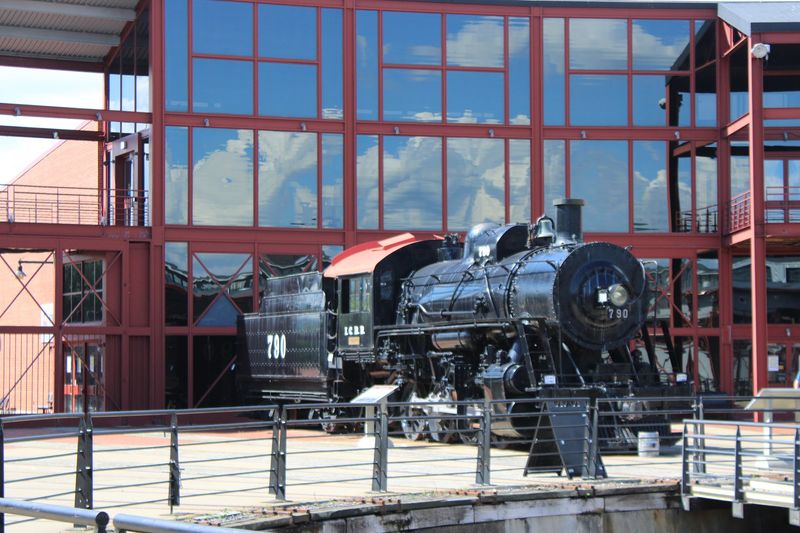
Coal does not move itself, and the Delaware, Lackawanna & Western Railroad knew it. This line hauled anthracite from northeastern Pennsylvania to distant markets.
Steamtown became part of the National Park Service in 1995. It covers 52 acres of the old Scranton rail yards.
The collection includes standard-gauge steam locomotives, freight cars, and passenger cars. A working roundhouse and turntable show how engines were turned and serviced.
The Technology Museum lets guests climb aboard trains and study a cutaway locomotive that reveals its inner workings. Kids and adults both tend to linger there.
Seasonal train rides run through the Lackawanna Valley. The Electric City Trolley Museum sits next door, so a second attraction is a short walk away.
5. Pioneer Tunnel Coal Mine & Steam Train, Ashland, Pennsylvania
Why pick between a mine and a train when one stop gives you both? A mine car carries visitors 1,800 feet into Mahanoy Mountain.
Inside is a real anthracite drift mine. Guides explain old mining methods and share stories, and the tour lasts about 30 to 45 minutes.
The air stays between 48 and 52 degrees, so layers help.
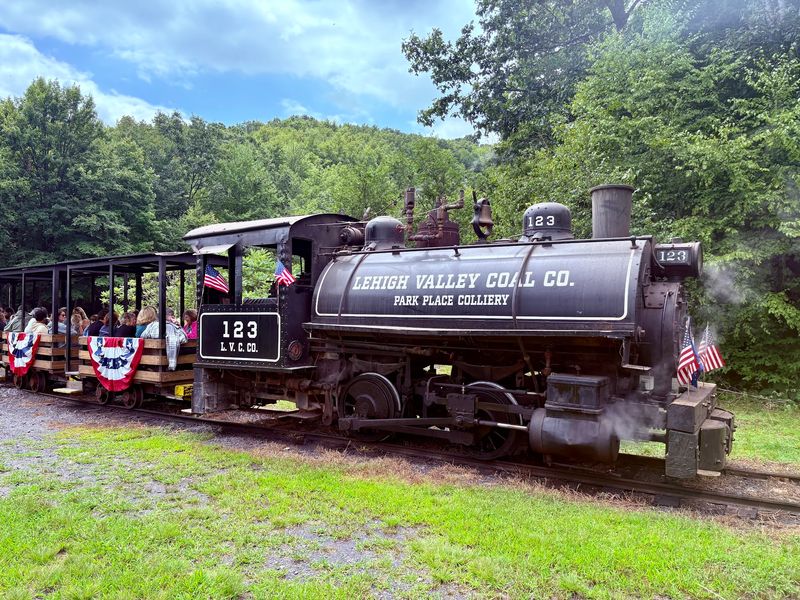
Back outside, the Henry Clay waits. This restored 1920s narrow-gauge steam train once worked for the Lehigh Valley Coal Company.
The three-quarter-mile ride loops around the mountain. Along the way you see the Mammoth Vein, strip mining sites, and replica bootleg mines.
Pioneer Tunnel has welcomed visitors since 1962 and operates from April through October.
6. No. 9 Coal Mine and Museum, Lansford, Pennsylvania
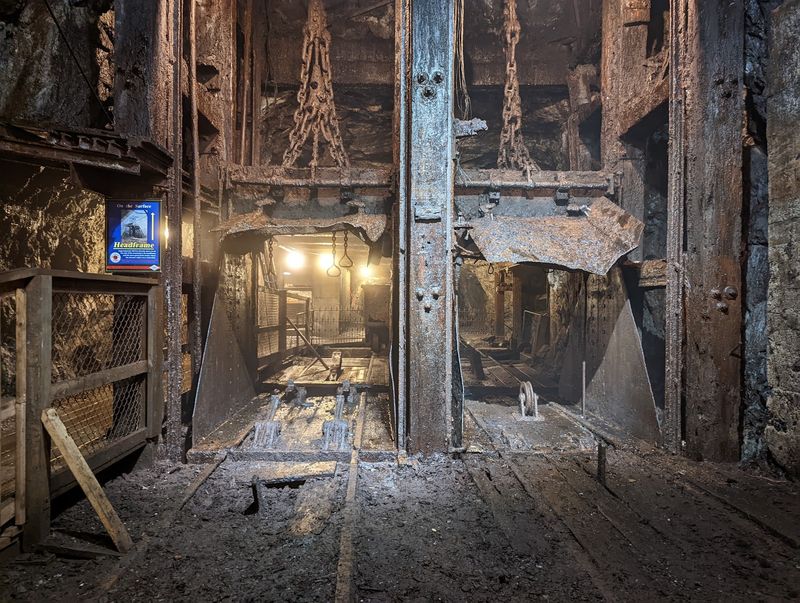
Few mines can claim to be among the oldest still running, but No. 9 dates back to 1855. That makes it one of the world’s oldest continuously operated anthracite mines.
A rail car takes visitors more than 1,600 feet into the mountain. A 600-foot guided walk follows through the underground workings.
Highlights include the original 700-foot mine shaft and a mule-way where mules once pulled coal carts. A miner’s hospital carved right into solid rock is also on the route.
Above ground, the museum fills the Wash Shanty built in 1923. It holds the largest collection of mining artifacts in the area, including tools and personal items.
The Dorrance Fan Exhibit Building shows two of the largest steam-powered mine ventilation fans ever used in the region. The complex is open from April through November.
7. Eckley Miners’ Village, Weatherly, Pennsylvania
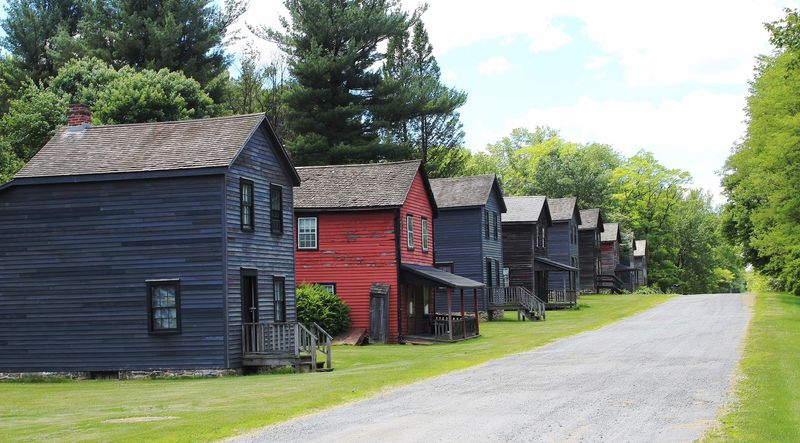
Hollywood came here to film The Molly Maguires, and some props still remain. A replica coal breaker and company store add to the village’s character.
The real story is older, though. Eckley was founded in 1854 and stayed occupied for more than 150 years.
It is an authentic anthracite patch town, not a modern reconstruction. The original layout survives, along with dozens of miners’ homes, churches, and other buildings.
Visitors can picture how immigrant families lived within sight of both their workplaces and their neighbors. The site is often called North America’s most complete 19th-century company town.
Give yourself time to walk the main road slowly. Each building adds a small detail about daily routines in a Luzerne County mining community.
8. Lehigh Gorge Scenic Railway, Jim Thorpe, Pennsylvania
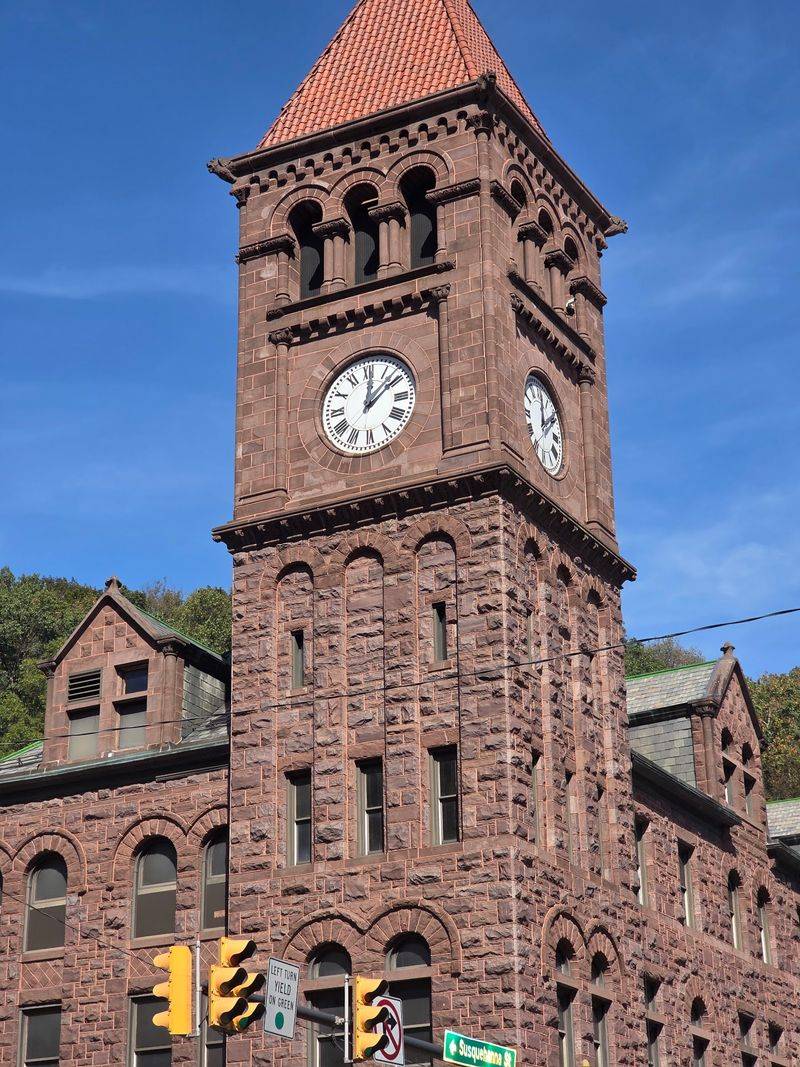
Back in 1827, the Switchback Railroad in Jim Thorpe began carrying heavy loads of coal toward canals and larger markets. That early line helped turn a rugged valley into an industrial corridor.
Today the ride is far more relaxed. Trains leave from the historic downtown Jim Thorpe Station.
Vintage coaches, some dating to 1917, roll along the Lehigh River through Lehigh Gorge State Park. The narrated round trip covers 16 miles and lasts about 70 minutes.
Most trips use diesel engines, though steam locomotive No. 425 makes occasional appearances. Check the calendar if steam is on your wish list.
The railway operates year-round with seasonal schedules, so book ahead for busy fall weekends.
9. Anthracite Outdoor Adventure Area, Coal Township, Pennsylvania
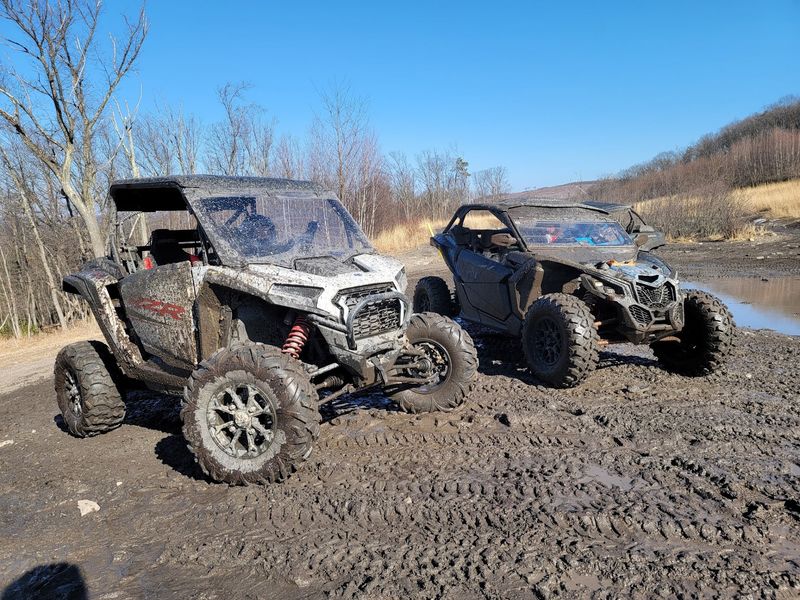
Mining left behind steep highwalls and open pits, and this park found a job for them. The Anthracite Outdoor Adventure Area opened in 2014 on reclaimed coal land.
It covers roughly 6,500 to 8,000 acres with hundreds of miles of trails. ATVs, dirt bikes, side-by-sides, and full-size vehicles are all welcome.
Trails suit all skill levels. Riders find tree tunnels, steep hills, and boulder gardens shaped by decades of mining.
The project cleaned up dangerous highwalls, hazardous water bodies, and vertical openings. The park is named for the Mammoth Vein, the huge bed of hard coal that once filled the valley.
It ranks among the top 10 destinations in the country for ATVs, full-size vehicles, and dirt bikes. Bring proper gear and check trail rules first.
10. Quecreek Mine Rescue Site, Somerset, Pennsylvania
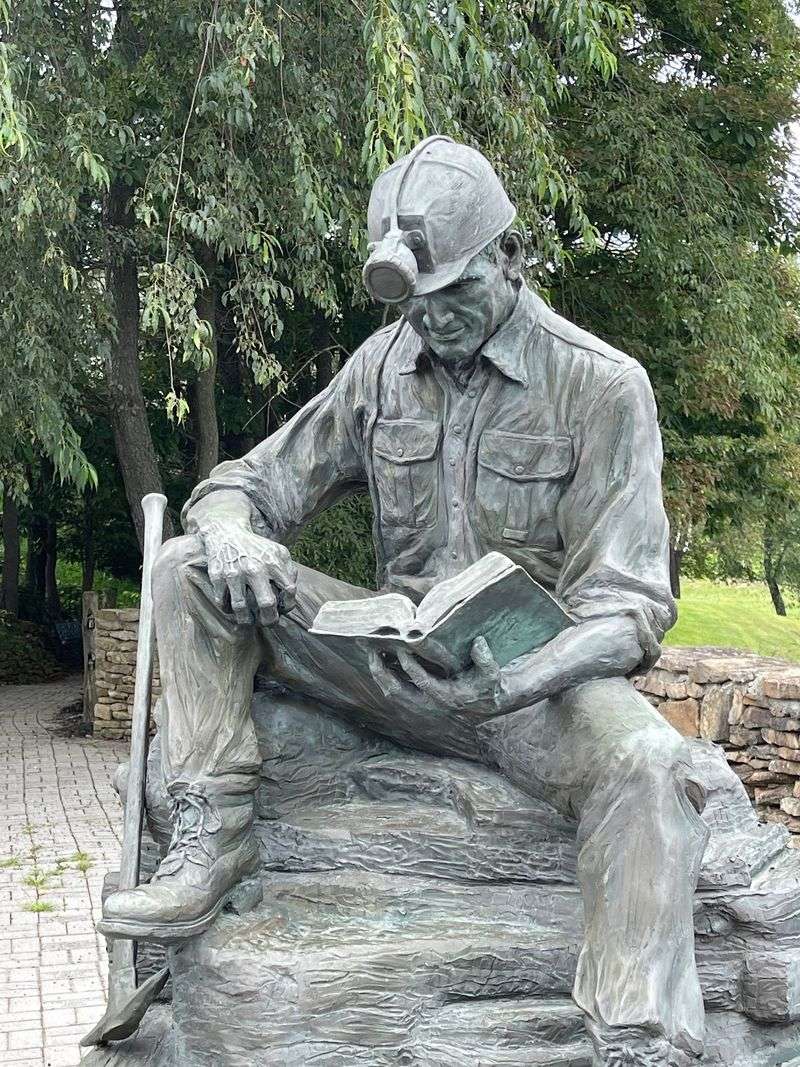
Seventy-seven hours is a long time to wait, and nine miners did it 240 feet underground in July 2002. They survived after their crew broke into an abandoned, water-filled mine.
An estimated 75 million gallons of water poured into their working area. Rescuers from many places joined the effort, and the story drew international attention.
The site is an official Pennsylvania state historical location on the 236-year-old Dormel Farms. It preserves real rescue equipment, including the steel mesh escape capsule and a broken drill bit.
The Monument for Life features a seven-foot bronze miner statue. It honors both the rescued miners and the many workers who made the rescue happen.
Plan for a quiet, reflective visit. It connects the old coal tradition to the modern era.
11. Coal & Coke Heritage Center, Lemont Furnace, Pennsylvania
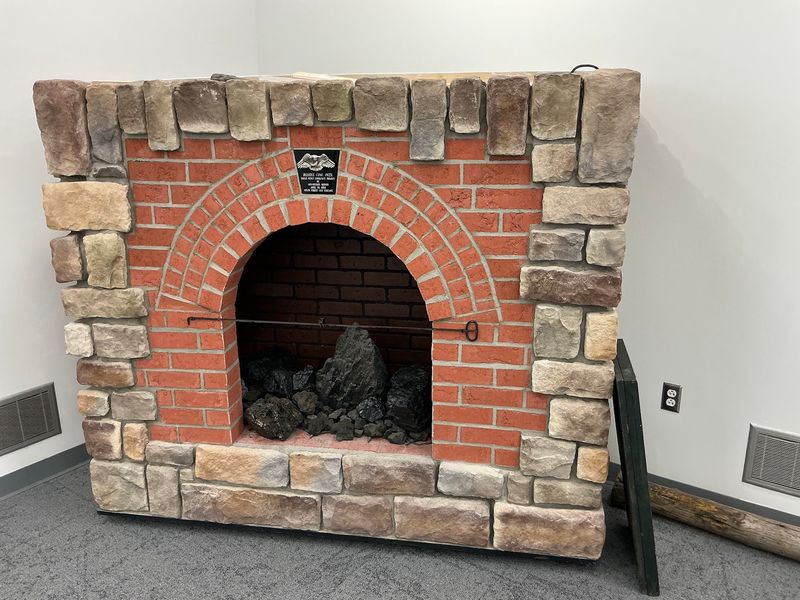
Anthracite gets most of the fame, but the southwest tells a different tale. Here the story centers on bituminous coal and coke.
The Connellsville Coke Region gets special attention. Its coke supplied fuel for iron and steel manufacturing.
Exhibits mix artifacts with community history, so the focus goes beyond machinery. Visitors learn about the people and neighborhoods that grew around the ovens.
Renovated displays reopened in 2025, which makes this a good time to visit. The updated layout gives the region’s story a fresh look.
Go here after the northeastern stops to compare the two coal traditions. The contrast helps explain why Pennsylvania’s industrial history varies so much from one corner of the state to another.
12. West Overton Village, Scottdale, Pennsylvania
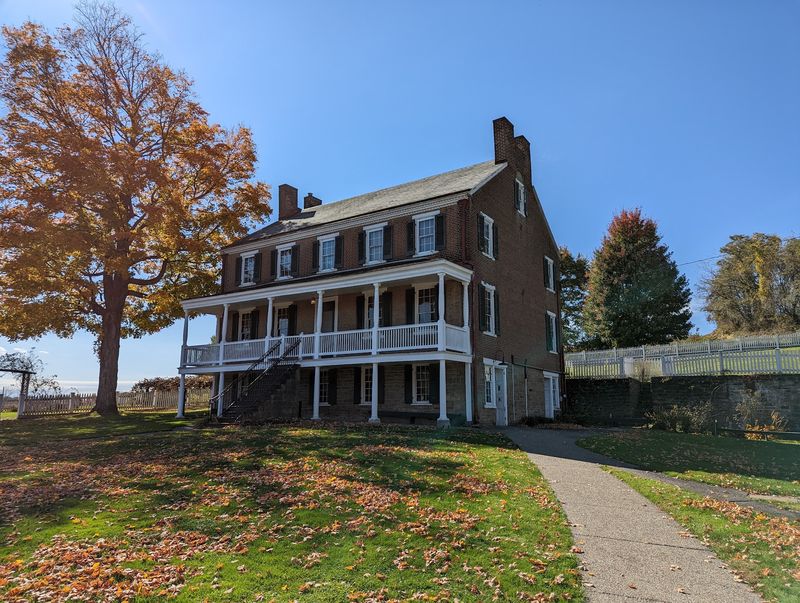
Henry Clay Frick was born in the springhouse here, long before he became a coal and coke giant. That fact alone makes this village a fascinating stop.
West Overton began as a rural farm in 1803. By 1870 it had more than 50 buildings, including a general store, school, and post office, and 250 people worked in Overholt businesses like a gristmill and coal mine.
Today the village preserves 19 historic buildings across 40 acres. It is listed on the National Register of Historic Places.
Visitors can see a restored coal wagon and an exhibition on Frick’s early involvement in the coal and coke business. The museum in the 1859 distillery building covers the Overholt family’s enterprises.
The layered story covers agriculture, industry, and labor in one visit.
13. Tour-Ed Mine & Museum, Tarentum, Pennsylvania
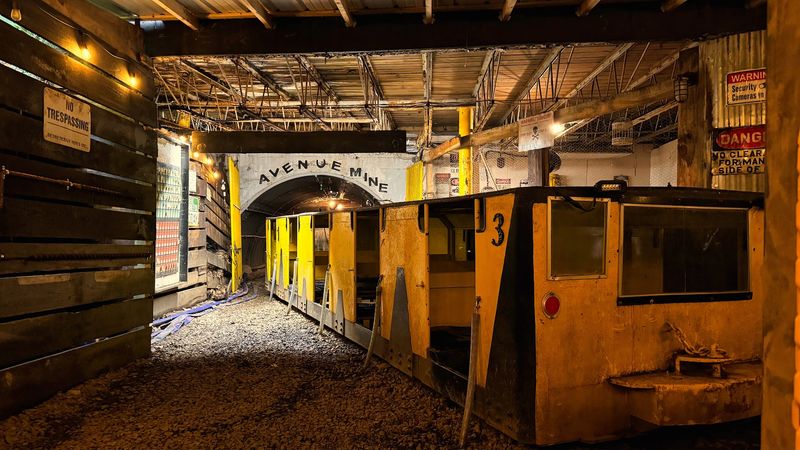
Close to Pittsburgh, Tour-Ed proves you do not need a long drive to reach a coal mine. The guided tour goes down about 160 feet below the surface.
Guides often have personal mining experience, so their explanations come from real work. They show how techniques and equipment changed over time.
The changes on display help explain why mining became safer and more efficient. Questions are welcome, and guides usually enjoy them.
Above ground, the museum features a recreated coal miner’s home. It gives a personal look at the daily lives of mining families.
Together, the tour and museum show both the industrial process below and the domestic side above. Wear closed shoes and bring a light jacket for the underground portion.
14. Heritage Discovery Center, Johnstown, Pennsylvania
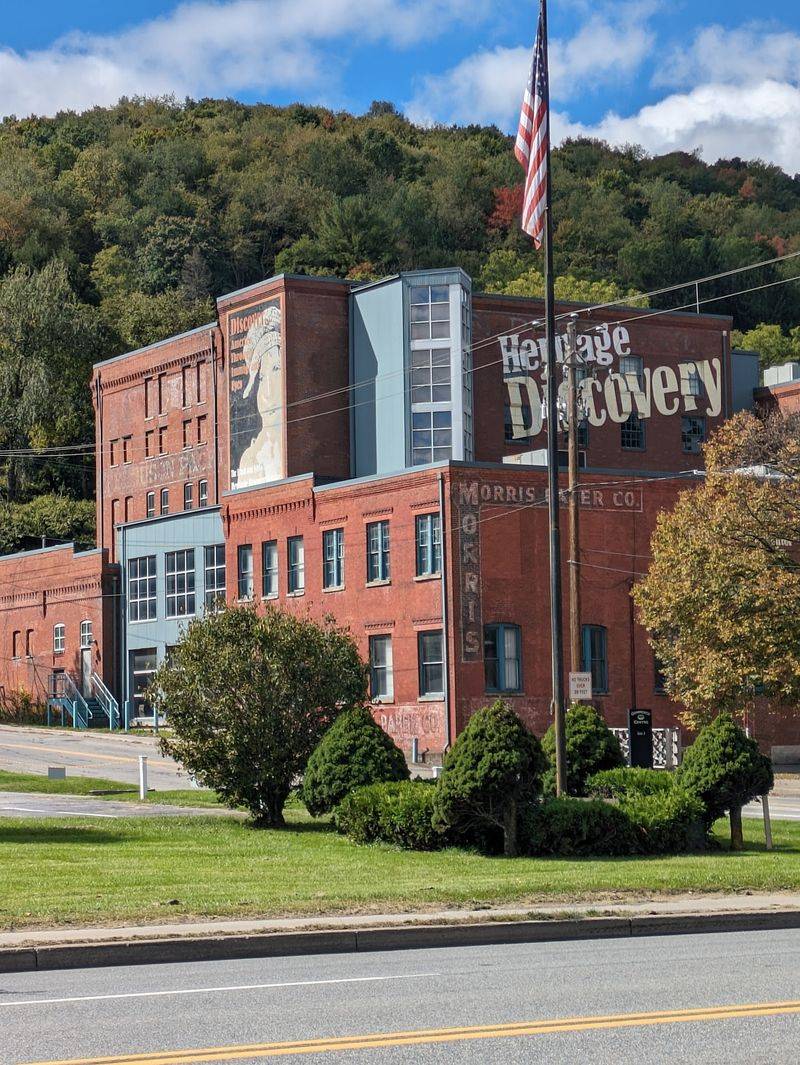
Behind every ton of coal, iron, and steel stood a family that crossed an ocean to find work. The Heritage Discovery Center puts those newcomers front and center.
Johnstown drew immigrants to jobs in coal, iron, steel, and rail transportation. The museum preserves the experiences of people who took on demanding industrial work.
It sits in a former industrial building in the Cambria City neighborhood. The setting fits the subject, since the neighborhood grew alongside the mills.
Exhibits focus on communities, cultures, and family lives rather than only on what the industries produced. That approach adds a human chapter to a coal country road trip.
End your tour here to see how the mines, mills, and neighborhoods fit together as one story.
Share this story