Pennsylvania is quietly one of the best-kept birdwatching secrets in the entire Northeast. Its mix of tidal marshes, forested plateaus, glacial lakes, and river corridors creates a patchwork of habitats that attract over 400 bird species throughout the year. Bald eagles, snow geese, warblers, ospreys, and sandhill cranes all pass through or set up permanent residence here, making every outing feel like a new discovery. From a bustling urban marsh tucked inside Philadelphia to a remote prairie preserve in Butler County, Pennsylvania offers birdwatching destinations that genuinely surprise even seasoned birders.
Some of these spots draw hundreds of thousands of migratory birds in a single season, turning quiet lakes into living, breathing spectacles. Read on to find out which 14 wildlife refuges and natural areas deserve a spot on your Pennsylvania birding bucket list.
1. John Heinz National Wildlife Refuge at Tinicum, Philadelphia, Pennsylvania
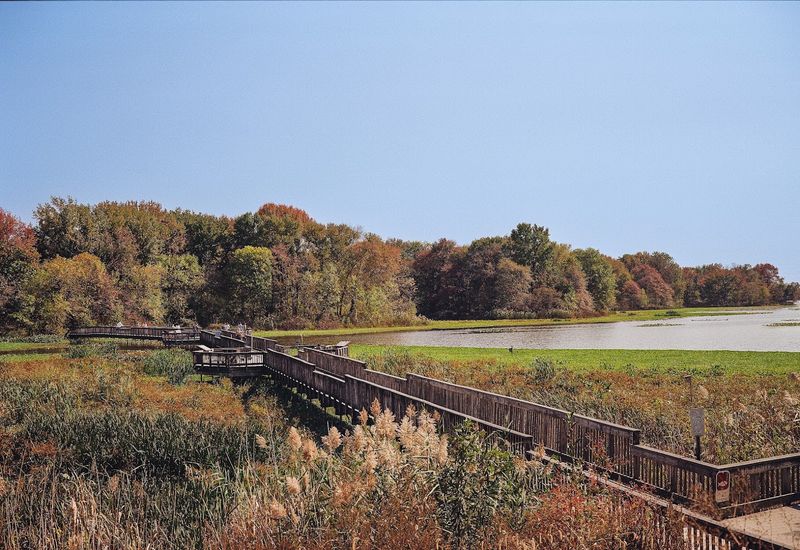
America’s first urban national wildlife refuge sits just minutes from Philadelphia International Airport, protecting the largest remaining freshwater tidal marsh in Pennsylvania across roughly 1,000 acres.
More than 300 bird species have been recorded here, including least bitterns, Virginia rails, ospreys, and bald eagles. Spring migration peaks during the first three weeks of May, when waves of songbirds move through the woodlands and marsh edges.
Over 10 miles of trails include a gravel dike road closed to vehicles, making it ideal for slow, distraction-free birding. The Big Boardwalk Loop is wheelchair accessible and offers excellent views of open water and marsh habitat. The visitor center loans binoculars free of charge, so even first-time visitors arrive fully equipped for a productive morning outdoors.
2. Erie National Wildlife Refuge, Guys Mills, Pennsylvania
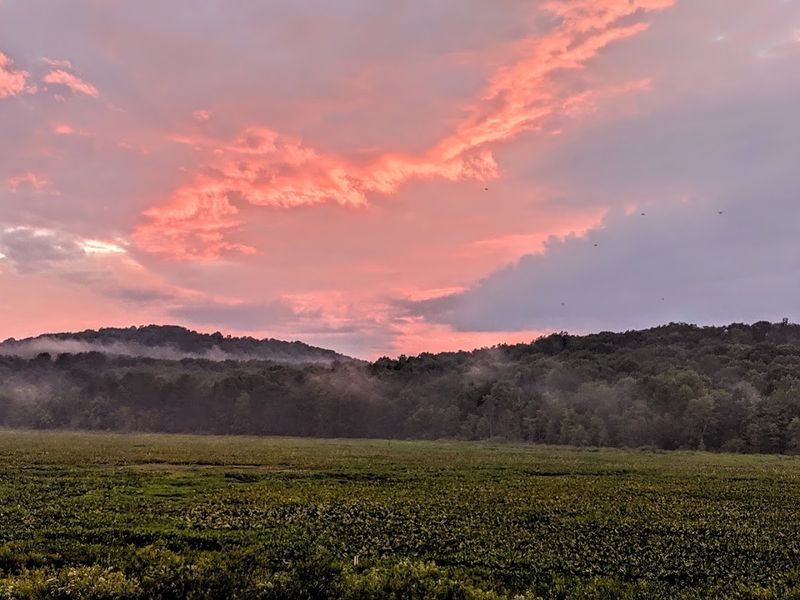
Covering nearly 8,800 acres across Crawford County, Erie National Wildlife Refuge was established in 1959 and earned recognition as a National Audubon Society Important Bird Area, a designation it continues to deserve.
Over 230 bird species have been recorded here, with 113 confirmed nesting species. Trumpeter swans, bald eagles, wood ducks, sandhill cranes, and the rare Henslow’s sparrow all find suitable habitat among the refuge’s wetlands, forests, croplands, and grasslands.
Migration periods from March through early April and again from September through November bring surges of pintails, green-winged teal, and sandpipers. The Tsuga Trail winds through hemlock thickets and wetlands, while the observation blind overlooking Reitz Pond provides a sheltered spot for extended watching. Arriving at dawn gives birders the best chance of catching peak waterfowl activity.
3. Presque Isle State Park, Erie, Pennsylvania
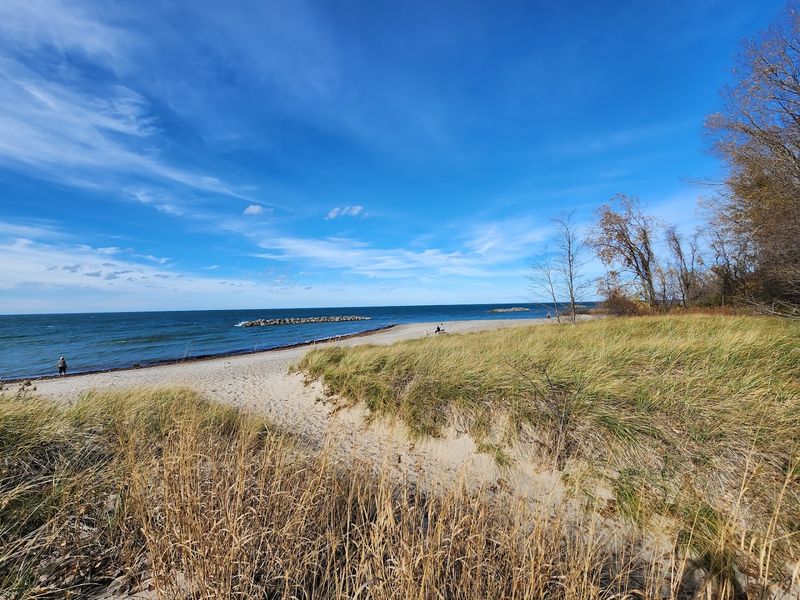
Presque Isle is a 3,200-acre sandy peninsula that juts into Lake Erie, and its position on the Atlantic Flyway makes it one of the most strategically important birdwatching locations in all of North America.
More than 339 species have been documented here, including 47 of special conservation concern. Warbler waves arrive in mid-May, shorebird migrations peak in April and September, and waterfowl movements surge in March and again from late November through December. Gull Point is Pennsylvania’s only known nesting site for the federally endangered piping plover.
Six distinct ecological zones, from open beaches to wooded lagoons, ensure that each habitat attracts its own specialized community of birds. The Tom Ridge Environmental Center distributes bird checklists and trail maps, and the Gull Point observation platform provides elevated views of the sensitive natural area without disturbing nesting activity.
4. Black Moshannon State Park, Philipsburg, Pennsylvania
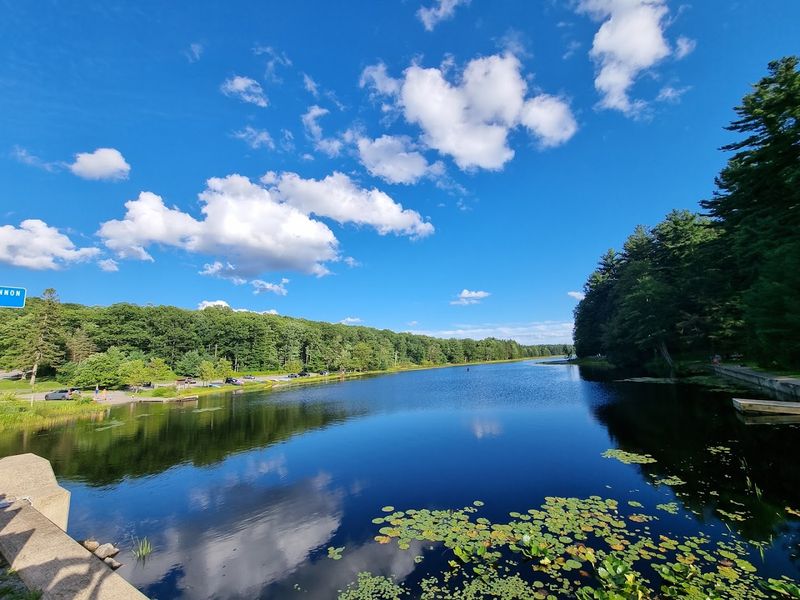
High on the Allegheny Plateau at an elevation that encourages species more typical of northern Canada, Black Moshannon State Park protects 3,394 acres of bogs, wetlands, and mixed forest that have earned it Pennsylvania Important Bird Area status.
Canada warblers, tundra swans, common loons, great blue herons, and black-throated green warblers are all regularly recorded here. In winter, northern shrikes occasionally appear in the shrubby fields, drawn by habitat conditions that resemble their far-north breeding grounds.
The Bog Trail boardwalk is the park’s signature feature, threading through carnivorous plant communities and offering intimate views of wetland birds without disturbing the sensitive ecosystem. Over 20 miles of trails cover the surrounding forest, and spring migration brings reliable warbler diversity. Moving slowly and staying quiet dramatically increases sighting success throughout the park’s varied terrain.
5. Pymatuning State Park, Jamestown, Pennsylvania
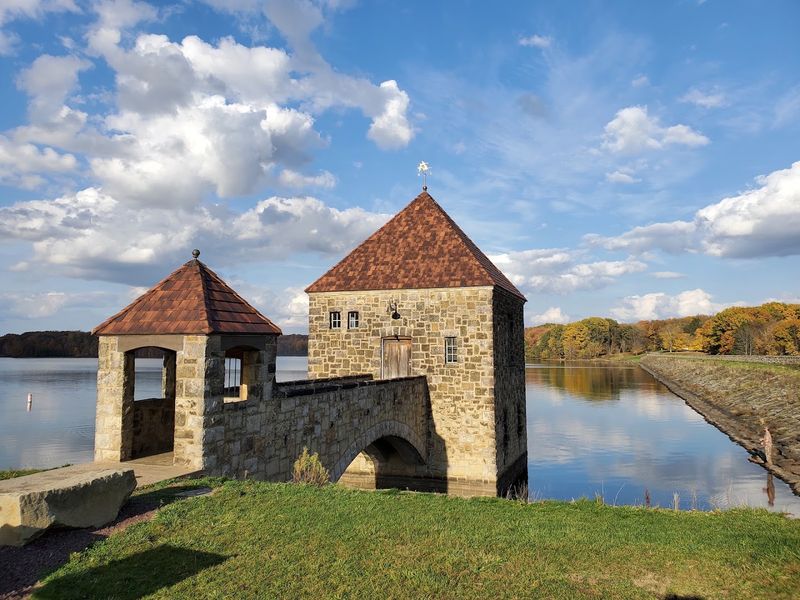
Pennsylvania’s largest state park spans 21,122 acres, with the 17,088-acre Pymatuning Lake forming its centerpiece, and the park holds a remarkable conservation achievement: it was the only place in Pennsylvania where bald eagles continued nesting during their most critical population decline between 1963 and 1980.
Today, bald eagles are a common year-round sight soaring above the reservoir, joined by common loons, tundra swans, buffleheads, and common goldeneyes during peak migrations in mid-November and late March. Baltimore orioles, rose-breasted grosbeaks, and scarlet tanagers add color during spring songbird migration.
The Linesville Spillway is a famous congregation point where geese and ducks gather in extraordinary numbers, allowing close-up observation without much effort. The Pennsylvania Game Commission Wildlife Learning Center on Hartstown Road provides direct views of eagle nesting islands. Seven hiking trails, including the Tamarack Trail, cover the park’s varied landscapes.
6. Middle Creek Wildlife Management Area, Stevens, Pennsylvania
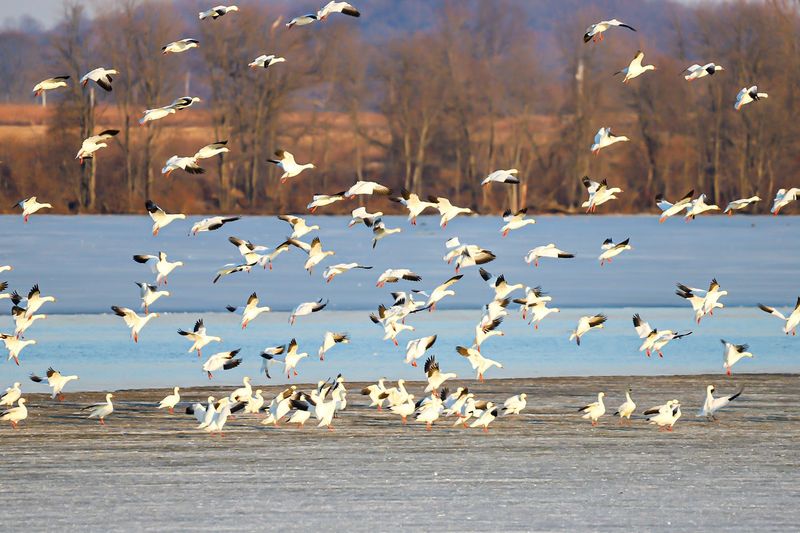
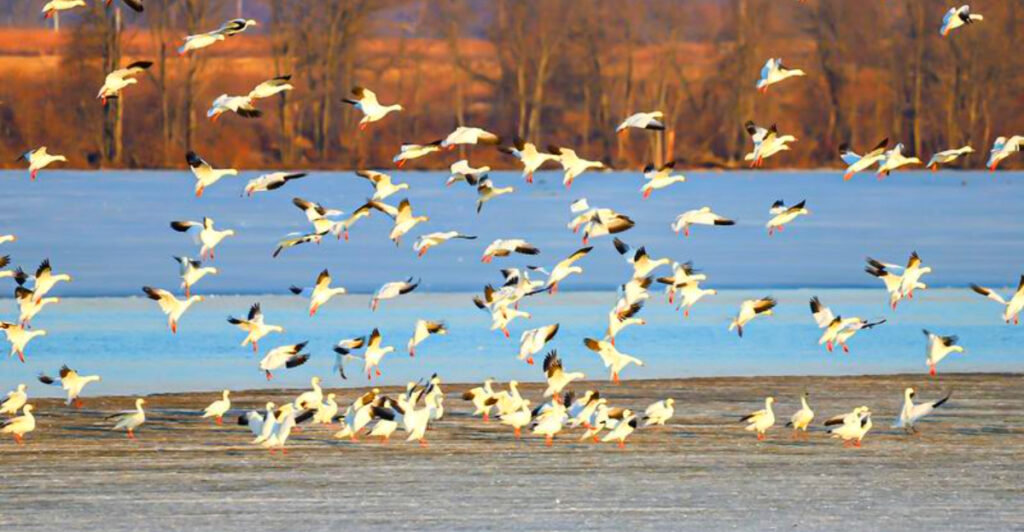
Few birdwatching experiences in the entire eastern United States can compete with Middle Creek in late February, when flocks of snow geese sometimes exceeding 200,000 birds blanket the 400-acre lake in a shifting white mass.
Tundra swans join the spectacle, and the surrounding woodlands and farmlands host over 280 recorded species, with 110 known to breed on the nearly 6,000-acre property. Sunrise and sunset are the most dramatic times to watch, as geese lift off and return in enormous, noisy waves.
Beyond the waterfowl show, grassland trails reveal bobolinks, eastern meadowlarks, and grasshopper sparrows during warmer months. The visitor center provides updated bird sighting logs and trail maps. Willow Point Viewing Area offers one of the best unobstructed sightlines across the lake, making it a reliable first stop for any visiting birder.
7. Bald Eagle State Park, Howard, Pennsylvania
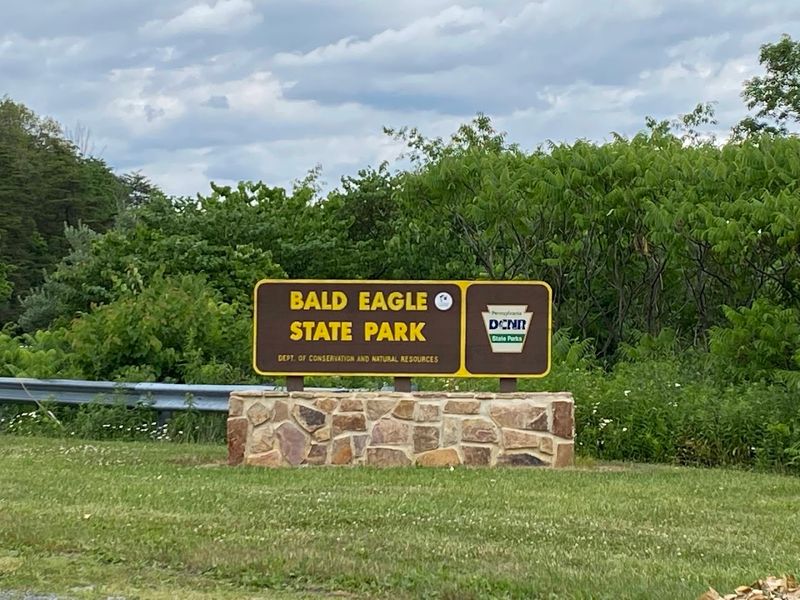
The Allegheny Front ridgeline to the west functions as a natural funnel, channeling migrating birds directly through Bald Eagle State Park and into the valley below, making this 5,900-acre park a genuinely productive stopover during both spring and fall migration seasons.
Over 230 species have been recorded across the park’s lake, wetlands, open fields, and forested hillsides. Bald eagles are present year-round, ospreys patrol the reservoir from spring through fall, and dedicated volunteers maintain a bluebird trail that fledges approximately 100 eastern bluebirds annually.
The Woapalanne Path follows two miles of shoreline, providing consistent waterbird viewing, while the Skyline Drive offers elevated canopy-level views that make spotting treetop warblers considerably easier. Boat launches at multiple points give kayakers access to quieter coves where herons and kingfishers hunt undisturbed throughout the warmer months.
8. Moraine State Park, Portersville, Pennsylvania
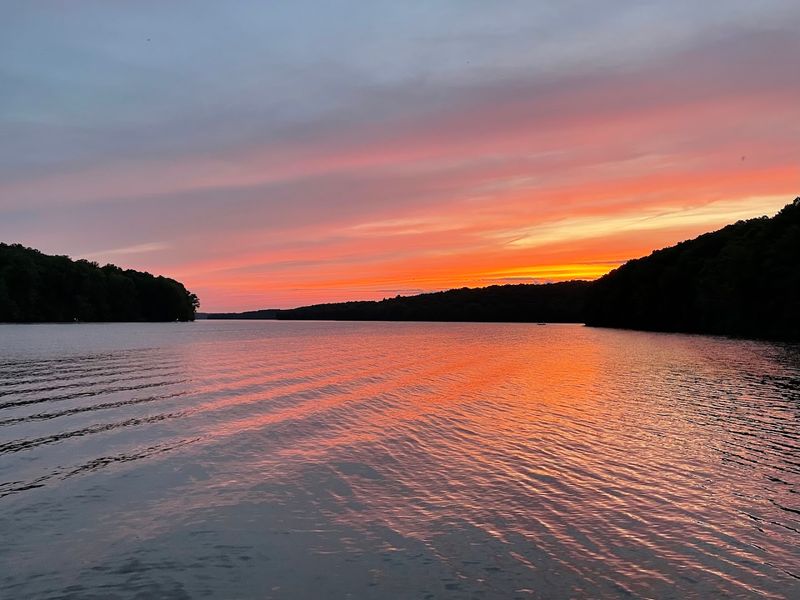
Lake Arthur’s 42 miles of intricate shoreline give Moraine State Park an unusually long edge habitat that consistently attracts waterfowl, wading birds, and birds of prey across all four seasons within this 16,725-acre Butler County park.
Osprey were reintroduced through a hacking program in 1993 and now nest regularly here, while bald eagles have also established nesting territories within the park. Thousands of tundra swans use Lake Arthur as a migration stopover during March through April and again from October through November, creating memorable congregation events.
More than 21 breeding warbler species have been confirmed in the surrounding forests, including cerulean, black-throated green, and Kentucky warblers. A dedicated waterfowl observation deck off old Route 422 provides a sheltered vantage point for scanning open water. The park’s 29 miles of hiking trails cover relict prairies, wetlands, and mixed woodland habitats.
9. Peace Valley Nature Center, Doylestown, Pennsylvania
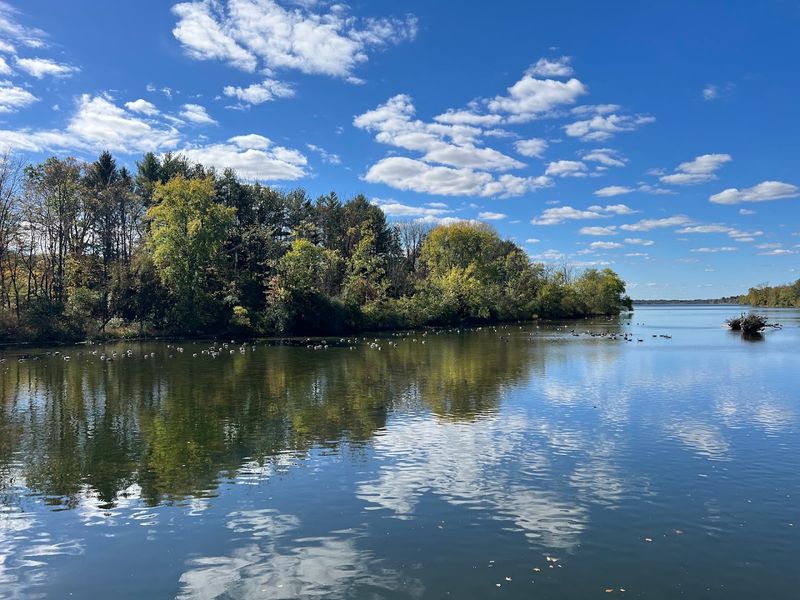
Bucks County birders have long considered Peace Valley Nature Center their home base, and the 297 confirmed species on the center’s official checklist explain why this 750-acre preserve draws such a loyal following year after year.
Lake Galena anchors the property, attracting great blue herons, belted kingfishers, bald eagles, and thousands of Canada geese during winter. Spring and fall migration bring waves of songbirds, raptors, and shorebirds through the woodlands, meadows, and pond edges that surround the lake.
A dedicated bird blind near the visitor center and outdoor feeder stations provide reliable close-up viewing opportunities regardless of the season. Over 15 miles of natural surface trails wind through diverse habitats, and a 6.1-mile paved loop circles the entire lake. The center loans birding backpacks complete with field guides and binoculars, making it one of the most beginner-friendly destinations in southeastern Pennsylvania.
10. Leaser Lake, Kempton, Pennsylvania
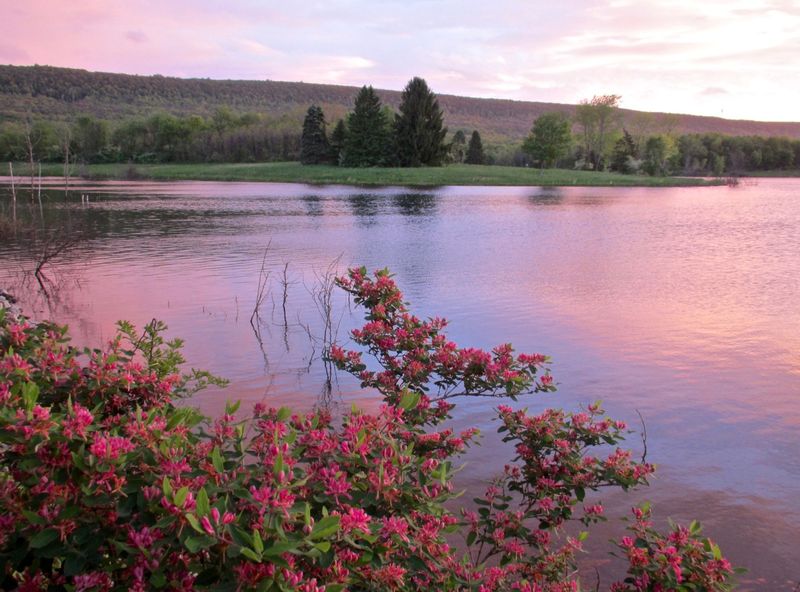
Strict limits on boat motor size keep Leaser Lake exceptionally quiet, and that deliberate calm is a big part of why this 117-acre Lehigh County reservoir has earned a reputation as one of the top birdwatching locations in the entire Lehigh Valley region.
Purple martins nest in the distinctive colony structures installed around the lake, while eastern bluebirds occupy the numerous nest boxes placed along the shoreline trail. Tundra swans, ring-necked ducks, and common mergansers pass through during migration, and bald eagles, ospreys, and red-tailed hawks patrol the skies overhead on a regular basis.
A well-maintained 4-mile trail encircles the entire lake, passing through woodlands, grasslands, and open shoreline sections that each attract different bird communities. Multiple parking areas on the north, west, and east sides allow birders to target specific habitats efficiently. Patient observers who arrive early are consistently rewarded across all four seasons.
11. Jennings Environmental Education Center, Slippery Rock, Pennsylvania
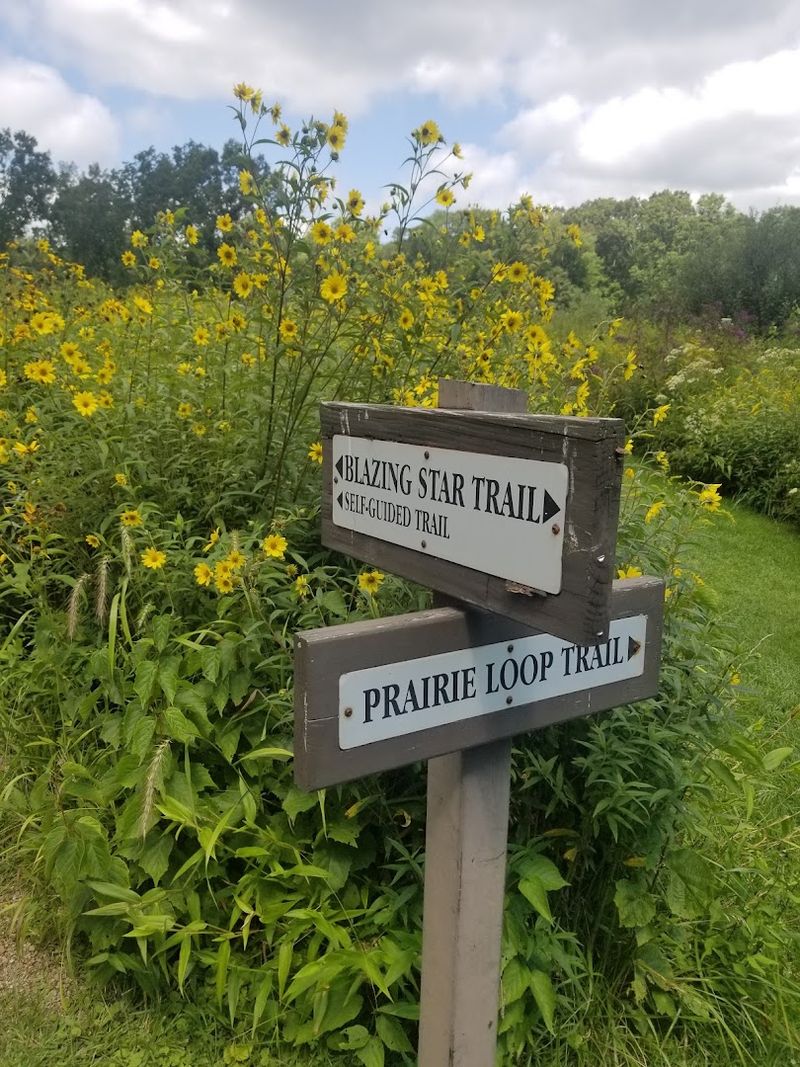
Pennsylvania’s only publicly protected prairie ecosystem lives inside Jennings Environmental Education Center, a 334-acre Butler County state park where a 20-acre blazing star prairie creates habitat that simply does not exist anywhere else in the region.
That rarity attracts a specialized cast of birds, including American woodcocks performing their spring mating displays, cerulean warblers nesting in the surrounding oak-hickory forest, and red-headed woodpeckers moving through the woodland edges. Yellow warblers, hooded warblers, Baltimore orioles, and broad-winged hawks round out the warbler and raptor diversity.
A 5-mile trail network loops through the prairie, wetlands, and multiple forest types, with educational signage helping visitors understand the ecology as they walk. Trails are generally easy and accessible for all ages. Spring offers the highest songbird diversity, but winter brings pileated woodpeckers, northern flickers, and great-horned owls to the quieter forest sections.
12. John James Audubon Center at Mill Grove, Audubon, Pennsylvania
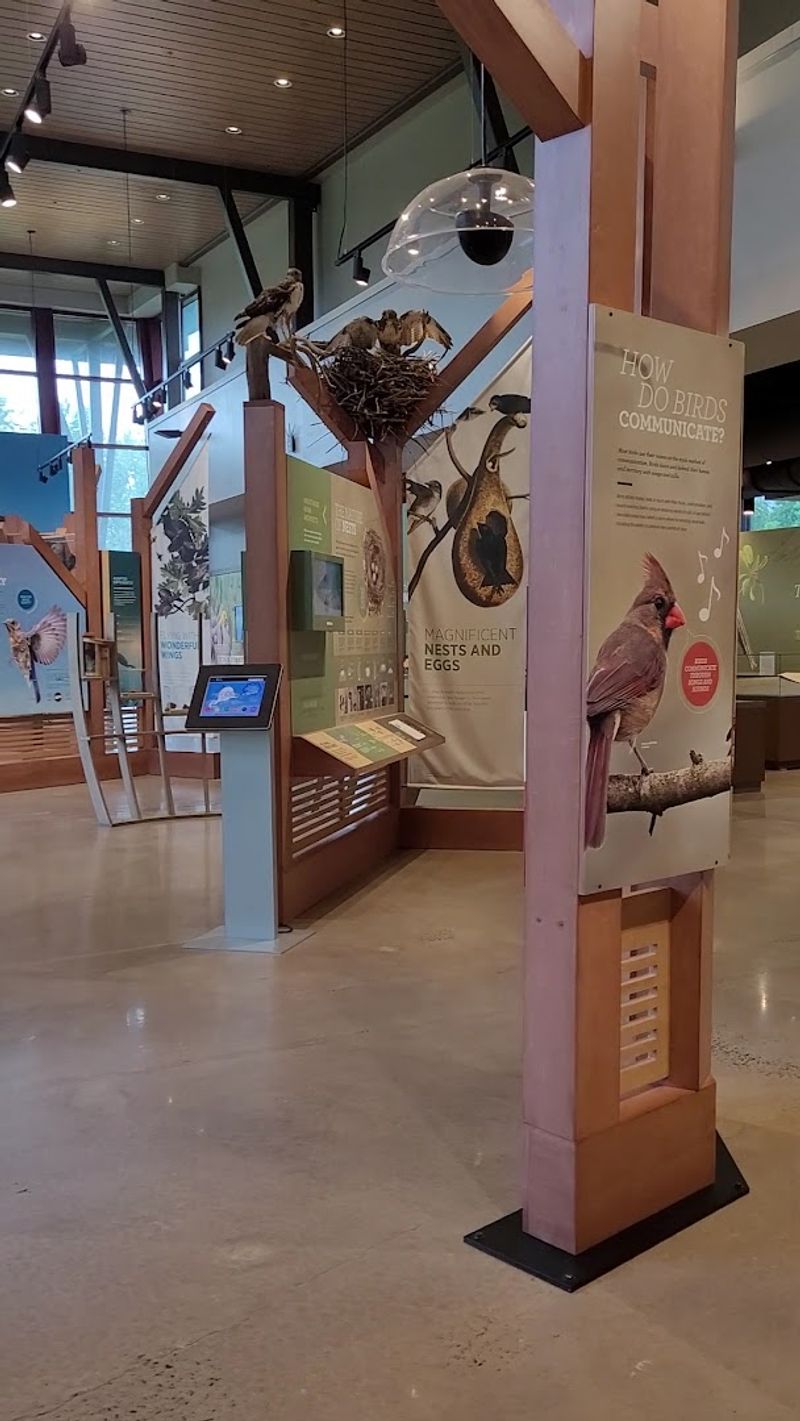
The very ground beneath your feet at Mill Grove is historically significant: this 175-acre Montgomery County estate was the first American home of John James Audubon, who arrived from France in 1803 and developed his revolutionary technique for drawing birds from life right here on these trails.
Wild turkeys, pileated woodpeckers, ospreys, and bald eagles are among the species regularly observed on the property today. Mature woodlands, open meadows, and the Perkiomen Creek combine to create habitat for dozens of resident and migratory species, including colorful waves of spring warblers.
The visitor center features exhibits on birds, art, and conservation history, along with a bird-sighting logbook updated by regular visitors. Guided bird walks run on Saturday mornings and welcome birders of all experience levels. The grounds are open daily from dawn to dusk at no charge, making this one of the most accessible birding destinations in the Philadelphia suburbs.
13. Bear Run Nature Reserve, Mill Run, Pennsylvania
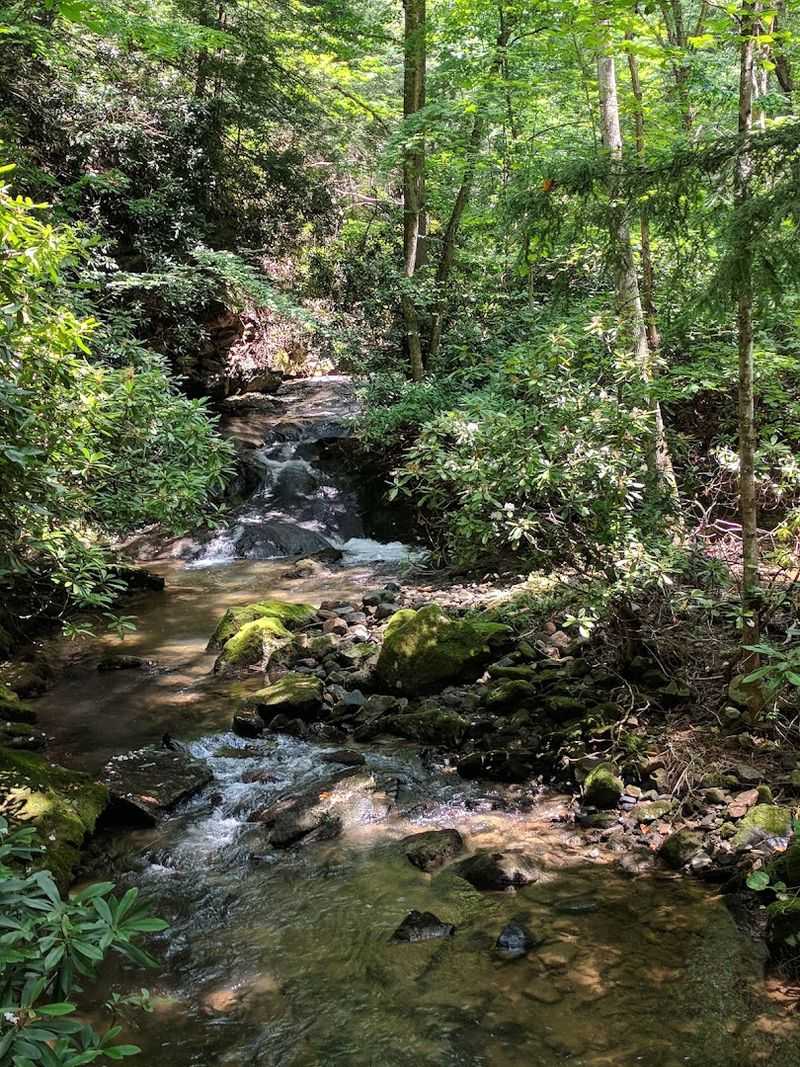
The Western Pennsylvania Conservancy’s flagship property protects more than 5,000 acres of mature forest in the Laurel Highlands, and in 2023 it made Pennsylvania birdwatching history when researchers confirmed the state’s first known breeding record of the Swainson’s warbler within these woods.
Over 53 breeding bird species call the reserve home, including scarlet tanagers, wood thrushes, northern parulas, Louisiana waterthrushes, and black-throated blue warblers. At least 18 warbler species breed here, making it one of the most warbler-rich properties in western Pennsylvania.
More than 20 miles of hiking trails wind alongside coldwater streams and through dense hemlock groves, with most routes designed for minimal ecological impact. A 700-foot ADA accessible trail on the adjacent Fallingwater grounds provides an option for visitors with mobility needs. Summer and early fall offer peak birding activity, with creek crossings being particularly productive spots for observation.
14. Natural Lands ChesLen Preserve, Coatesville, Pennsylvania
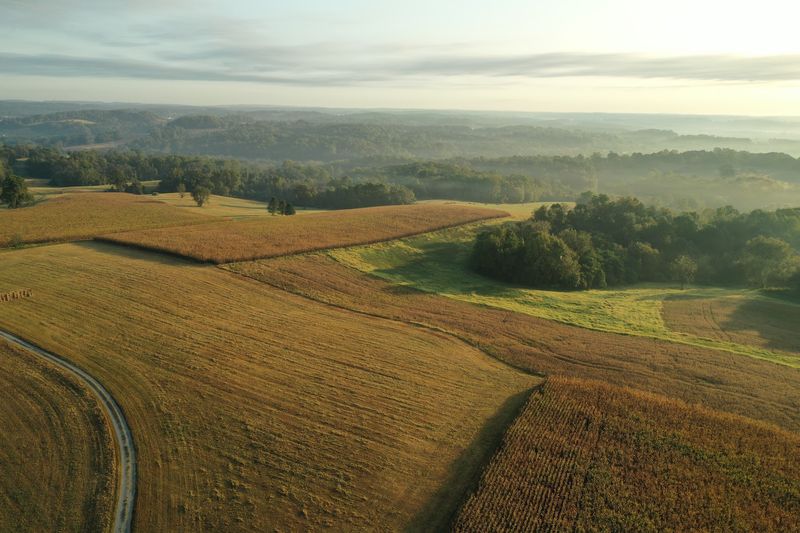
Chester County’s ChesLen Preserve protects more than 1,200 acres of rolling grasslands, mature forests, streams, and wetlands, and its unfragmented open fields make it one of the most important grassland bird habitats remaining in the greater Philadelphia region.
Eastern meadowlarks, bobolinks, and multiple sparrow species depend on these expansive, undisturbed grasslands for nesting, while the forested sections support warblers, vireos, and thrushes throughout the warmer months. Hawks are a consistent presence overhead, and the wetland areas attract waterfowl and wading birds as seasons shift.
Well-maintained trails accommodate hikers of all fitness levels, and the wide-open terrain provides clear sightlines that make scanning for raptors and grassland birds straightforward. Natural Lands regularly hosts guided bird walks and educational programs that help visitors identify species and understand the habitats. A quiet weekday morning visit often produces the most rewarding sightings across the preserve’s varied landscape.
Share this story