Airlines can feel as permanent as airports, yet many well known carriers have disappeared for good. Rising costs, tough competition, and sudden shocks pushed even famous names out of the sky.
Each story shows how fragile the airline business can be. Here are fifteen carriers that went bankrupt and never returned.
1. Pan American World Airways (Pan Am), United States, 1991
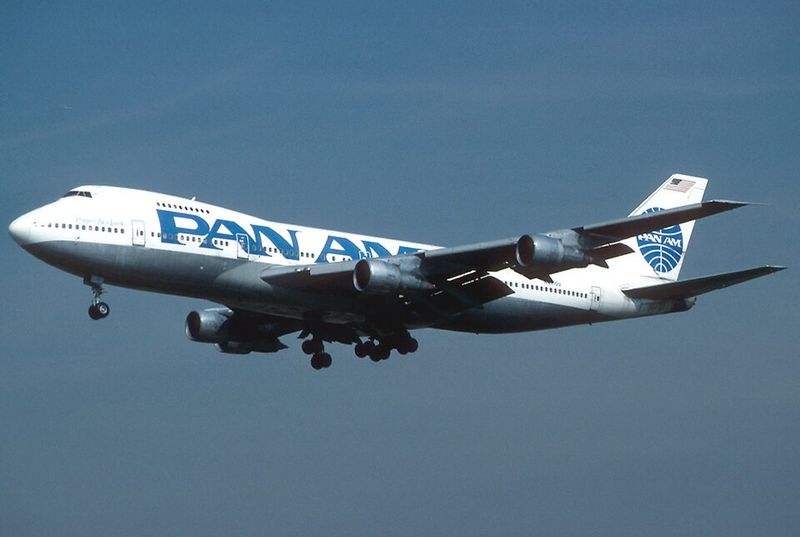
For decades, Pan Am was the airline that defined international glamour. It launched the first scheduled transatlantic jet service in 1958 and helped make the Boeing 747 famous.
Its blue globe logo was known around the world.
Trouble built slowly. Fuel prices rose in the 1970s, and deregulation in 1978 let rivals compete more freely.
Pan Am lacked a large domestic network to feed its overseas flights, which left it exposed.
The 1988 bombing of Flight 103 over Lockerbie hurt public confidence and bookings. Debt grew, and the Gulf War in 1991 drove fuel costs higher again.
Pan Am filed for bankruptcy and ceased operations on December 4, 1991. Today the name lives on mostly in movies, collectibles, and the memories of former passengers.
2. Trans World Airlines (TWA), United States, 2001
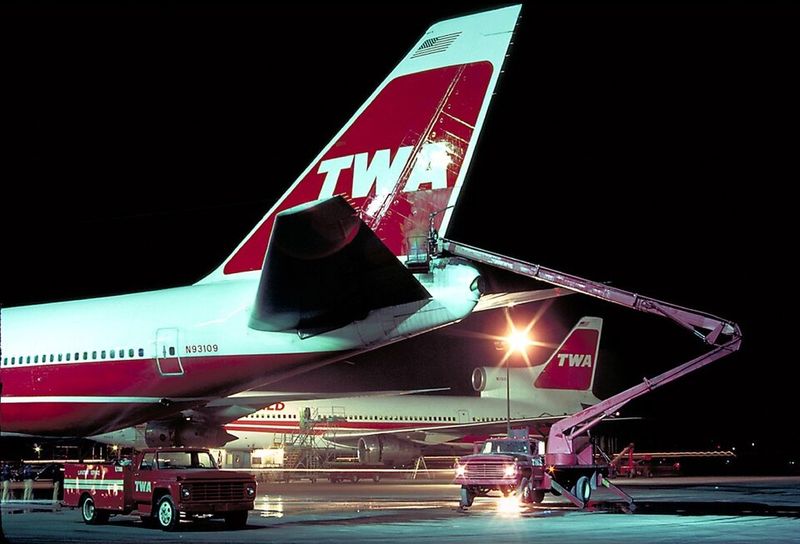
Once owned by the aviator and filmmaker Howard Hughes, TWA was a pioneer of long distance flying. It carried movie stars, introduced in flight films, and operated from the striking Saarinen terminal at New York’s JFK airport.
Later decades were rough. TWA went through several ownership changes and filed for bankruptcy three times between 1992 and 2001.
Its aging fleet and heavy debt made it hard to compete with larger rivals.
The 1996 crash of Flight 800 off Long Island added to its struggles. In 2001, American Airlines bought the airline’s assets, and the last TWA flight landed that December.
The old terminal building has since been reborn as a hotel.
3. Swissair, Switzerland, 2002
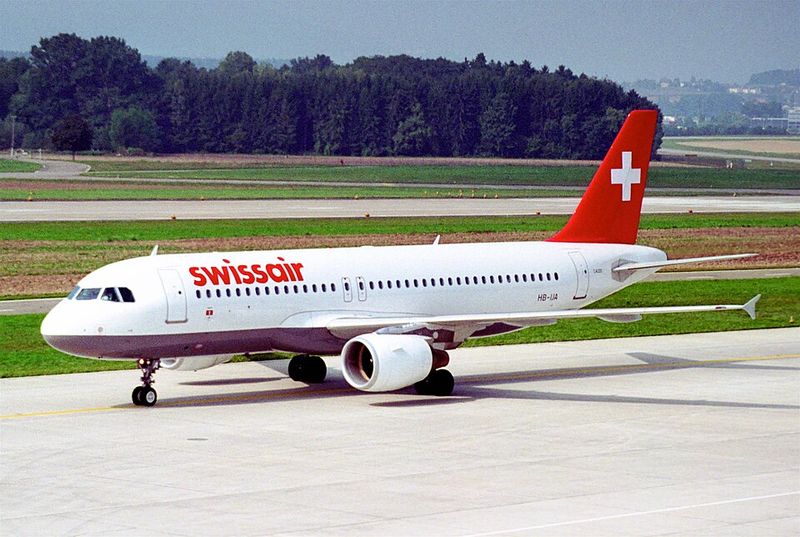
Swiss banks, Swiss watches, and Swissair were once spoken of in the same breath. The carrier was known for punctual flights and polished service, and many people treated it as a national treasure.
Some even joked that it was the flying bank.
Then came a costly growth plan in the late 1990s. Swissair bought stakes in several weaker European airlines, and those investments drained cash.
The drop in air travel after September 2001 made things worse.
In October 2001, the airline grounded its fleet because it could not pay its bills. Flights were restarted with government help, but the company was finished.
In 2002, a new carrier called Swiss International Air Lines took over its routes.
4. Sabena, Belgium, 2001
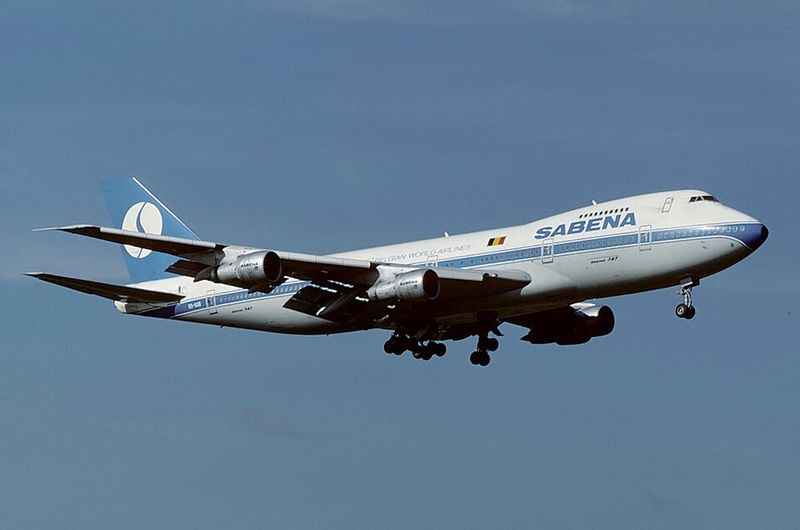
Founded in 1923, Sabena was among the oldest airlines on Earth. It linked Belgium with its colonies in Central Africa and later grew into a respected European carrier.
For years, Brussels was a busy gateway because of it.
By the 1990s, the airline was losing money. High labor costs, a small home market, and a costly partnership with Swissair left it weak.
When Swissair collapsed, Sabena lost its main financial support.
The company declared bankruptcy in November 2001, and thousands of jobs vanished almost overnight. A smaller airline named SN Brussels Airlines rose from the wreckage, and it later became part of Brussels Airlines.
The original Sabena brand never flew again.
5. Monarch Airlines, United Kingdom, 2017
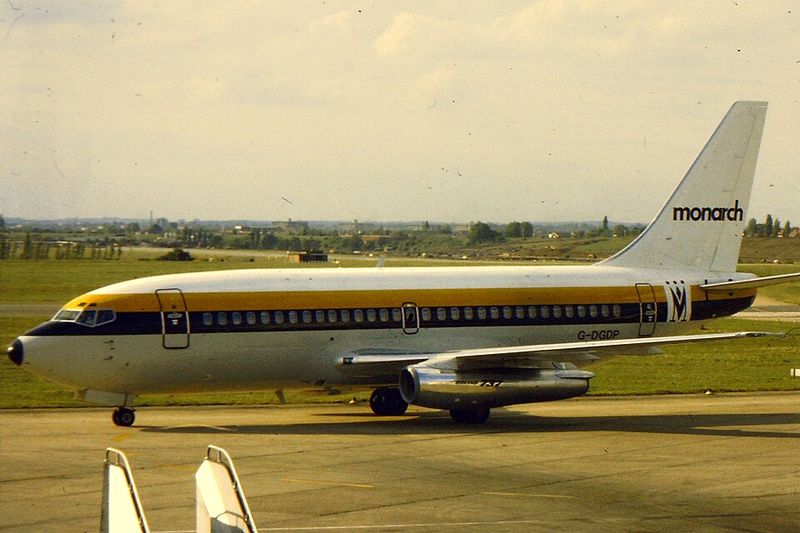
Holidaymakers in Britain knew Monarch as a dependable ticket to the sun. Started in 1968, it flew families to Spain, Portugal, and the Greek islands for nearly fifty years.
Later it switched to a low cost model to keep up with rivals.
Competition squeezed profits hard. A weaker pound raised costs, and security worries cut demand for some Mediterranean destinations.
Monarch tried to adapt, but the money kept running out.
The airline stopped trading on October 2, 2017, leaving about 110,000 travelers abroad. The UK government organized a large rescue operation to fly them home.
It was the biggest peacetime repatriation in British history.
6. Air Berlin, Germany, 2017
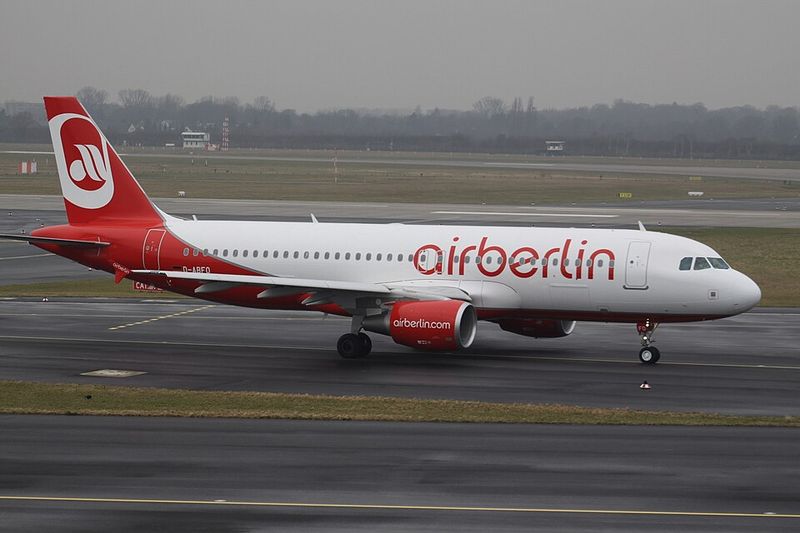
Picture a candy handed out at the end of each flight. That small gesture helped Air Berlin build a friendly image in Germany.
At its peak, it was the country’s second largest airline, behind Lufthansa.
Fast expansion caused problems. The airline bought rivals, added many routes, and carried a heavy load of debt.
Losses piled up year after year.
Its major shareholder, Etihad Airways, stopped providing money in August 2017. Air Berlin filed for insolvency, and the final flight landed in Berlin on October 27, 2017.
Lufthansa and easyJet took over many of its planes and routes, while the brand disappeared.
7. Thomas Cook Airlines UK, United Kingdom, 2019
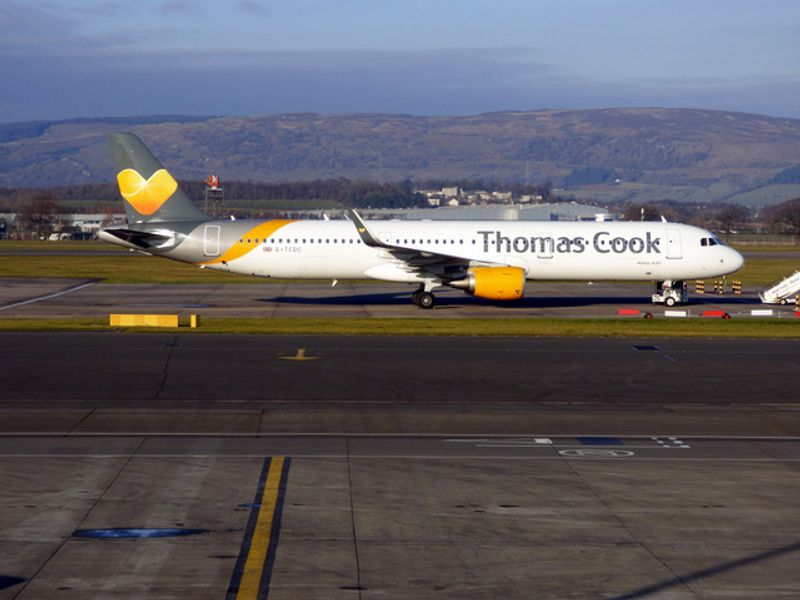
Thomas Cook invented the package holiday in 1841, so its fall in 2019 shocked many people. The travel company sold flights, hotels, and tours, and its airline carried millions of vacationers each year.
Behind the cheerful brand sat a mountain of debt, left over from a big merger in 2007. Hot summers, Brexit uncertainty, and online booking sites cut into sales.
Efforts to raise new funds fell short in the final days.
On September 23, 2019, the group collapsed. About 150,000 British tourists needed help getting home, and roughly 9,000 UK workers lost jobs.
The government led a large rescue effort, but the airline never restarted.
8. WOW Air, Iceland, 2019
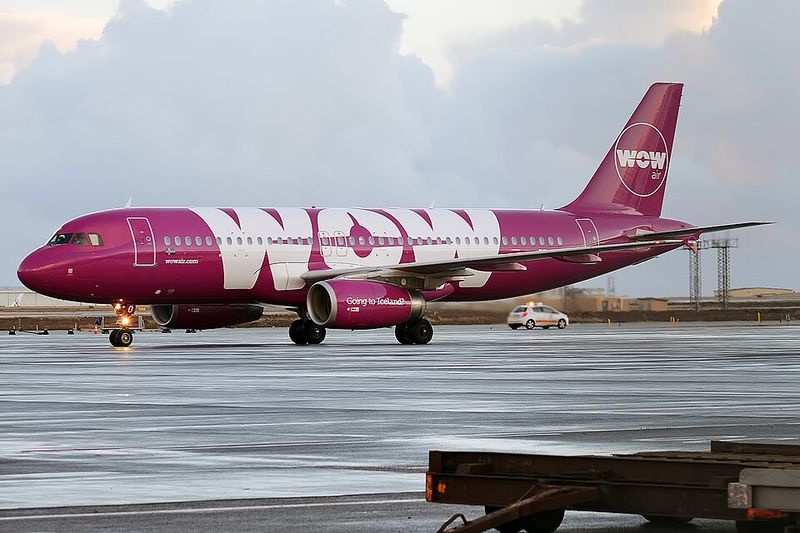
Cheap flights between Europe and North America for under a hundred dollars? WOW Air made that possible, and its purple planes became a common sight in Reykjavik.
The airline started in 2012 and grew very quickly.
Growth came at a price. WOW added larger long distance jets, but fares stayed low, and fuel costs rose.
Talks to be bought by Icelandair fell apart, and a rescue deal with another investor also failed.
On March 28, 2019, the airline stopped flying and left many passengers stranded. Iceland’s tourism industry felt the loss for months.
Other carriers stepped in to fill the gap on the busiest routes.
9. Malév Hungarian Airlines, Hungary, 2012
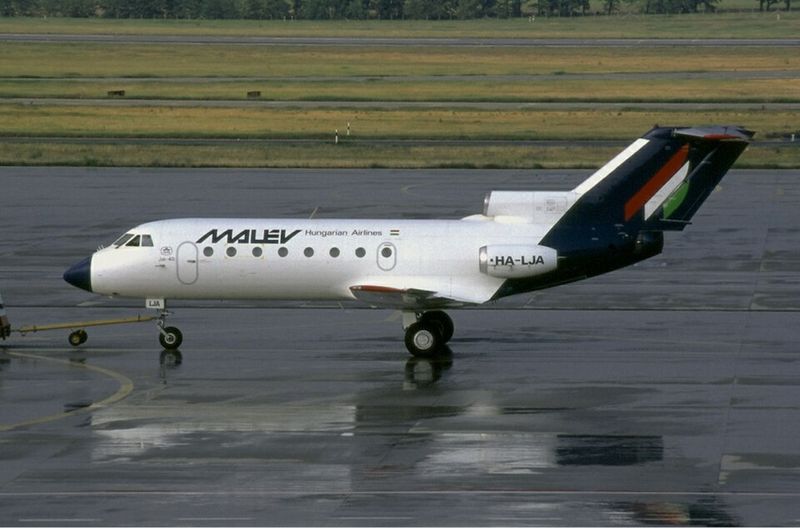
Malév carried Hungary’s flag for 66 years. Founded in 1946, it flew Soviet built planes during the Cold War and later switched to Western jets.
For many travelers, it was the link between Budapest and the world.
After communism ended, the airline struggled to find a firm footing. Ownership changed several times, and costs stayed high.
Budget airlines then took away many customers.
The European Commission ruled that some state aid was illegal, and the carrier was forced to repay it. Malév ran out of cash and stopped flying on February 3, 2012.
Its slots in Budapest were later taken by other airlines.
10. Kingfisher Airlines, India, 2012
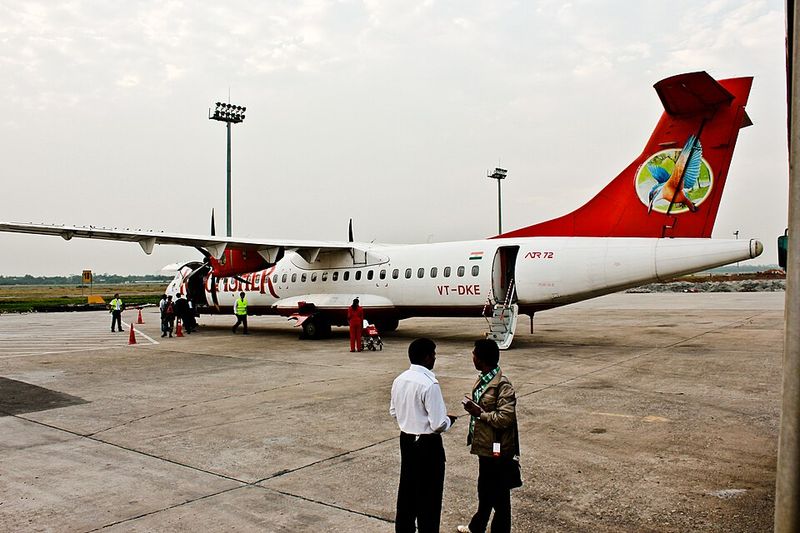
Bright red planes, stylish cabins, and a celebrity owner made Kingfisher one of India’s most talked about airlines. Businessman Vijay Mallya launched it in 2005 and promised a luxury experience, even in economy class.
The costs were huge. Kingfisher bought Air Deccan in 2007, then faced rising fuel prices and fierce fare wars.
Debts to banks climbed into the billions of dollars.
Salaries went unpaid, pilots and engineers walked out, and regulators suspended its license in 2012. The airline never flew again.
Mallya left India, and legal battles over the unpaid loans have continued for years.
11. Spanair, Spain, 2012
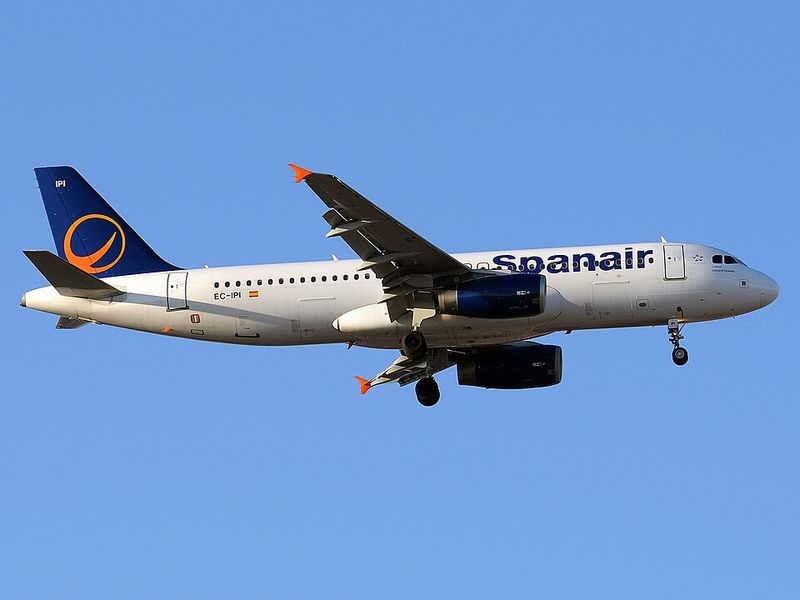
Spanair began in 1986 and was once a member of the Star Alliance. Based mostly in Barcelona and Madrid, it connected Spain with other European cities and offered domestic routes across the country.
A fatal accident in Madrid in August 2008 hurt its reputation. Then the global financial crisis cut travel demand, and Spain’s economy sank into a deep recession.
High speed trains and low cost rivals took away more customers.
The regional government of Catalonia tried to keep the airline alive with funding, but the money ended. Spanair stopped flying on January 27, 2012, stranding thousands of passengers.
Its fleet was sold, and the name was retired.
12. Transaero Airlines, Russia, 2015
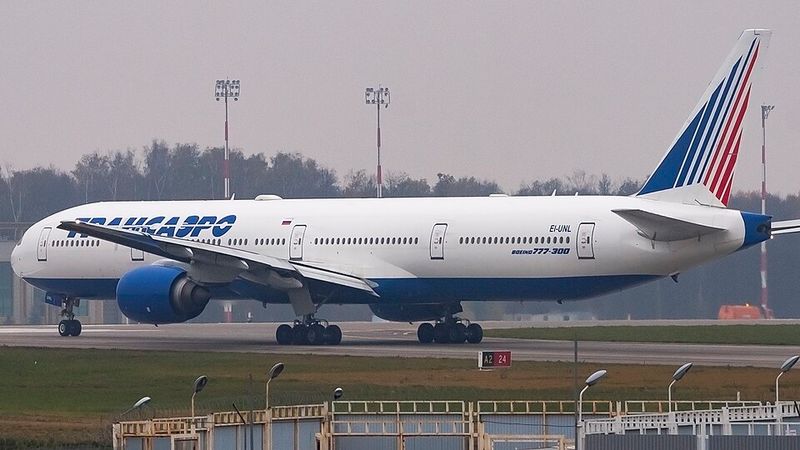
At its height, Transaero ranked as Russia’s second largest airline, behind Aeroflot. It was the first private carrier in the country after the Soviet Union ended, and it flew Boeing 747s on long routes to places like Asia and the Caribbean.
Behind the scenes, the airline had problems. It ordered many big jets, and the cost of repaying those loans grew when the ruble fell sharply in 2014.
Lower travel demand added to the pressure.
Transaero’s debts reached about four billion dollars. Authorities pulled its operating certificate in October 2015, and Aeroflot absorbed many of its passengers and routes.
The airline’s name disappeared from the sky.
13. Adria Airways, Slovenia, 2019
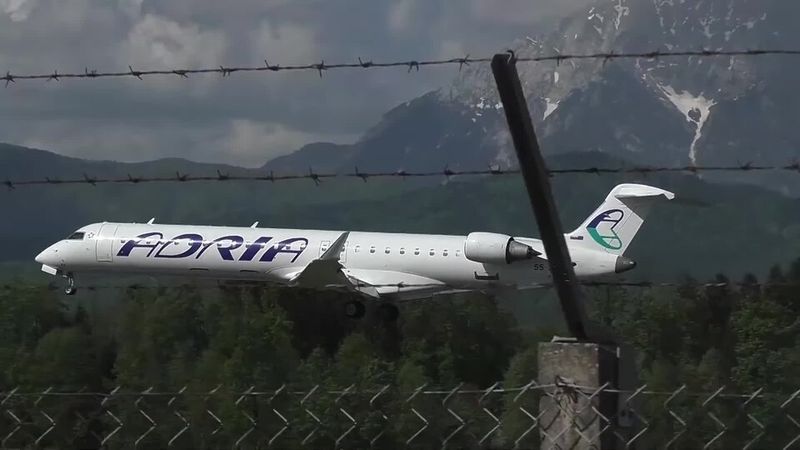
Slovenia is a small country, yet Adria Airways once flew to dozens of European cities. The airline began as a charter company in 1961 and became the national carrier after Slovenia gained independence in 1991.
In its final years, ownership changed hands, and a rise in fuel costs cut profits. Passenger numbers dropped on several routes, and the airline cut flights to save money.
Lufthansa Group partners also reduced their support.
Adria filed for insolvency in September 2019 and ended all operations. The loss left Ljubljana with few air links.
Since then, Slovenia has tried to build a new national carrier, but nothing has matched the old one.
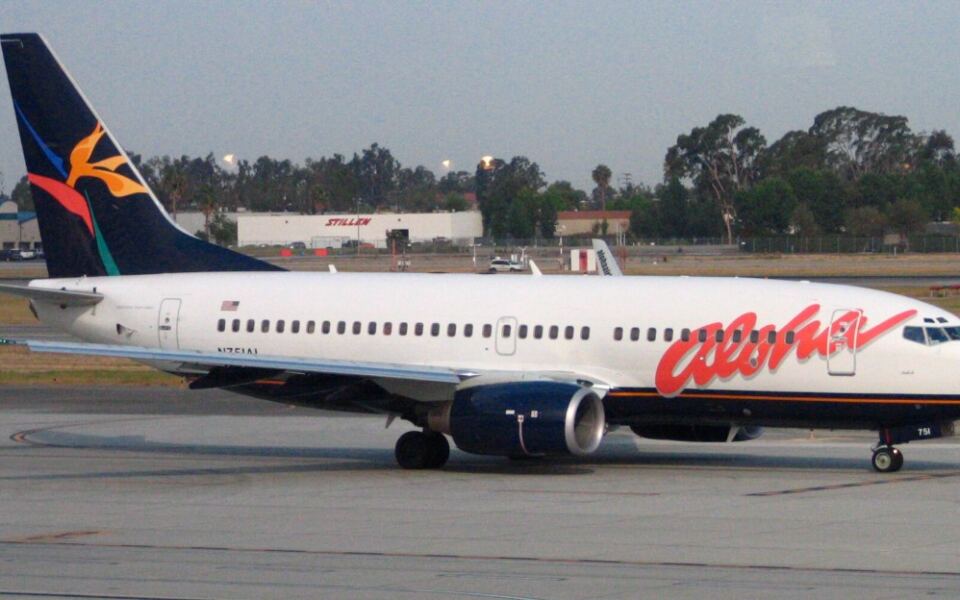
14. Aloha Airlines, United States, 2008
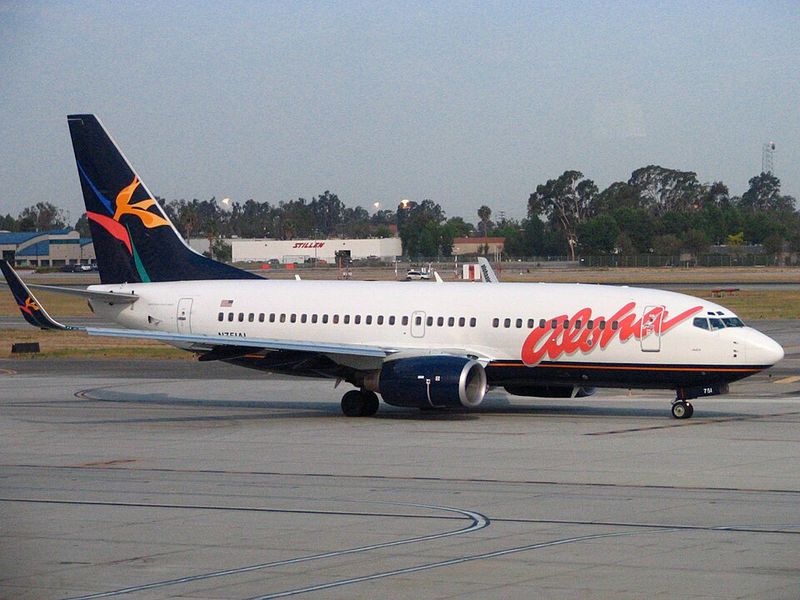
If you ever flew between the Hawaiian islands in the 1980s or 1990s, odds are you rode with Aloha. Its cheerful flight crews wore floral prints, and its jets served as an everyday bus for local families and visitors.
Aloha’s history includes a famous 1988 incident in which part of a jet’s roof tore away in flight. The pilots landed safely, and the event led to safety changes across the industry.
Years later, the airline’s real trouble was money.
Fuel prices surged, and competition with Hawaiian Airlines and Go! Airlines intensified.
Aloha filed for bankruptcy protection in 2008 and shut down its passenger service that March. About 1,900 employees lost their jobs.
15. Ansett Australia, Australia, 2002
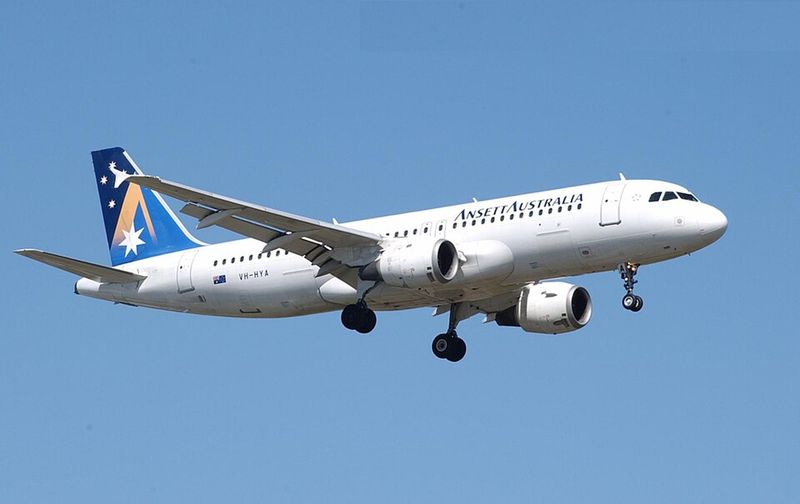
Few events shook Australia’s travel scene like the day Ansett’s planes stayed on the ground. Founded by Reginald Ansett in 1936, it was a household name that competed with Qantas for decades.
The airline struggled in its later years. Its fleet was aging, with many different aircraft types that cost more to maintain.
Owner Air New Zealand poured in money, but losses kept growing.
Ansett grounded its fleet on September 14, 2001, just days after the September 11 attacks hurt global air travel. About 16,000 workers lost jobs.
The airline was officially liquidated in 2002, and Virgin Blue grew quickly to fill the space it left behind.
Share this story