Kaunas sits where two big rivers meet, and it once served as the capital of Lithuania. Today it mixes castles, cool architecture, and busy cafes in one friendly city.
Whether you love history, art, or tasty snacks, this city has a spot for you. Here are the places that make a visit unforgettable.
Kaunas Castle
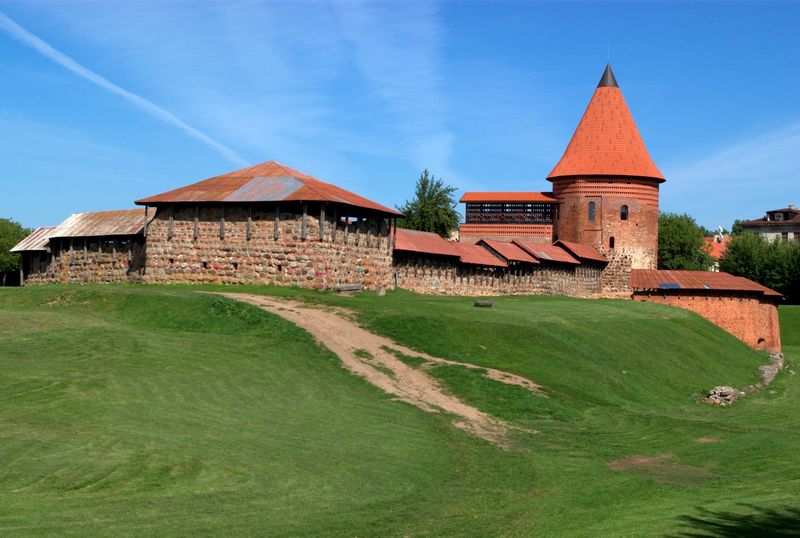
Red bricks, a chunky tower, and a river view make this fortress look like it jumped out of a storybook. Kaunas Castle stands where the Neris and Nemunas rivers meet, and it has guarded the spot since the 1300s.
Many people stop here first, and it is easy to see why.
Inside, small exhibitions explain how the castle was built, attacked, and rebuilt. Wander around the grounds and you can picture knights strolling the same paths.
The walls are sturdy, and the tower is a favorite for photos.
Here is a fun bit of history. The castle was once battered by floods and battles, yet pieces of the old walls survived.
That stubborn spirit fits the city well.
Plan to spend about an hour. Wear comfortable shoes because the ground can be uneven.
Visit in the late afternoon, when the light turns the bricks a warm orange and the crowds thin out. Bring a camera, and maybe a snack to enjoy on the nearby grass while you watch the rivers flow together.
Laisves Aleja
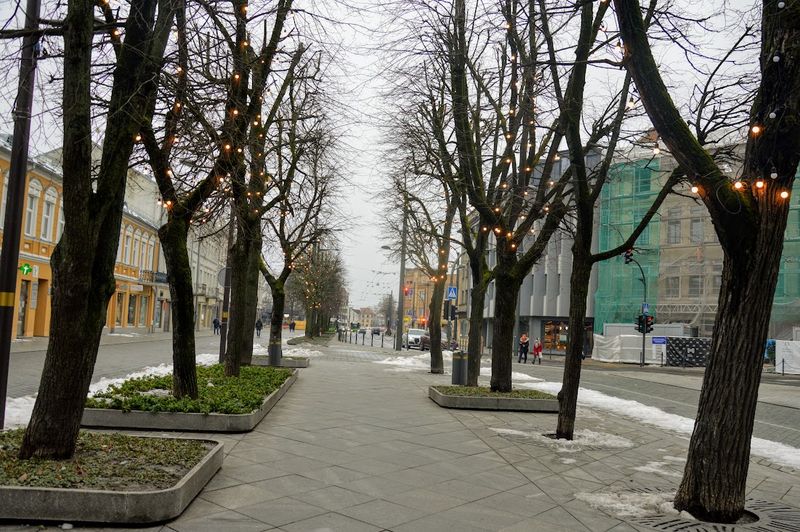
Grab a coffee and start walking, because this street is made for strolling. Laisves Aleja, or Freedom Avenue, runs for about 1.6 kilometers through the middle of Kaunas.
No cars are allowed, so you can wander freely.
Trees shade the path, and cafes spill tables onto the pavement. Shops, street musicians, and old buildings keep every block interesting.
Look up and you will spot fancy balconies and bold interwar designs.
Locals treat this avenue like a living room. Friends meet here, students hang out, and families stop for ice cream.
Join them and you will feel like part of the crowd in minutes.
Walk the full length from the Old Town to the Church of St. Michael the Archangel. It takes about twenty minutes without stops, but you will probably stop often.
Try a Lithuanian pastry at one of the bakeries, and sit on a bench to watch the city drift by. Evenings are lively, with lights glowing on the trees and a gentle buzz in the air.
Kaunas Cathedral Basilica
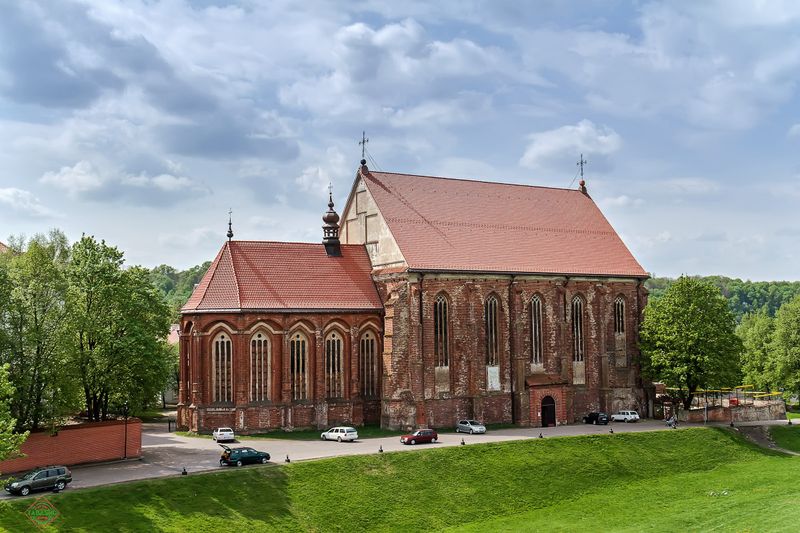
Step inside and your eyes will not know where to land first. Kaunas Cathedral Basilica is the largest Gothic-style church in Lithuania, and its interior is packed with detail.
Painted arches, golden altars, and tall columns fill the space.
The church has been standing for centuries, and it has changed a lot over time. Builders added Baroque touches to the original Gothic design.
Look for the many side altars and the carved statues that line the walls.
One neat feature is the tomb of Bishop Motiejus Valancius, a hero of Lithuanian culture. People also come to see the memorial to the poet Maironis, who is buried nearby.
The basilica sits right in the Old Town, close to Town Hall Square, so it is simple to include in a walking route. Entry is free, though quiet voices are polite.
Try to visit in the morning for soft light through the windows. If you are lucky, you might hear the organ practice, which makes the whole room hum.
House of Perkunas
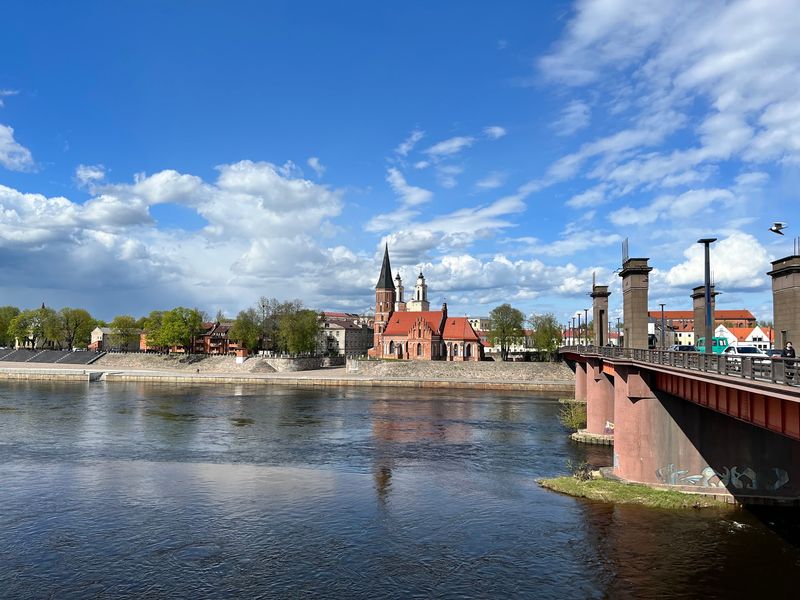
Imagine a thunder god hiding in a brick building. According to legend, a statue of Perkunas, the old Lithuanian god of thunder, was found here in the 1800s.
That is how this Gothic gem got its name.
The house dates to the late 1400s and was built by merchants from the Hanseatic League. Its sharp spires and decorated gables make it stand out among the Old Town buildings.
The red brick glows when the sun hits it.
Inside, a small museum shares the story of the house and its odd history. Once it was a trading post, and later a Jesuit school.
Each owner left a mark.
Stop by after visiting Town Hall Square, since it is only a few steps away. Take a walk around the outside to see the fine details up close.
Photos look best in the early evening when shadows add drama. Locals love telling the thunder god tale, so ask a guide or shopkeeper for their version.
Kaunas Old Town and Town Hall Square
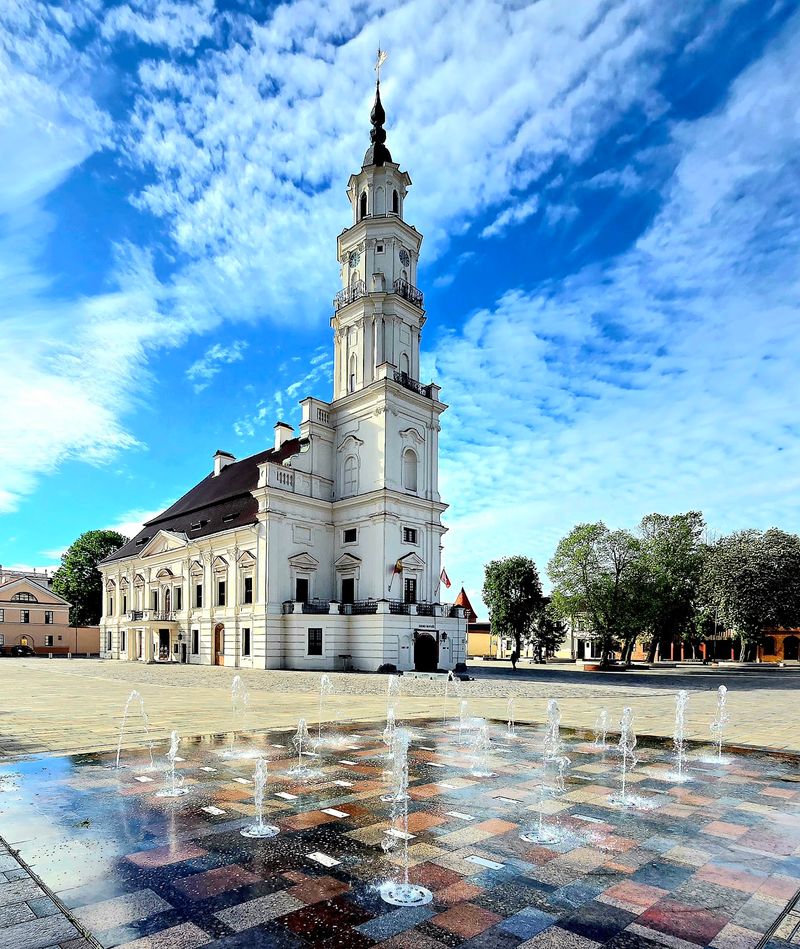
Cobblestones, pastel walls, and one very white tower greet you here. Town Hall Square is the heart of the Old Town, and the Town Hall is nicknamed the White Swan.
Locals say it looks like a ship gliding across the square.
The buildings around the plaza date back hundreds of years. Many now house cafes, little shops, and cozy restaurants.
Pick a table outside and watch the world go by.
Side streets branch off in every direction, and each has a surprise. You might find a tiny art gallery, a candle shop, or a hidden courtyard.
Wandering without a map works well here.
The square also hosts markets and concerts, especially in summer. Check the schedule before you go, as a festival can turn a quiet visit into a party.
Weddings are often held in the Town Hall, so you may see a bride and groom posing for photos. Come in the morning for peace, or at night when lamps give the stones a warm glow.
Ninth Fort
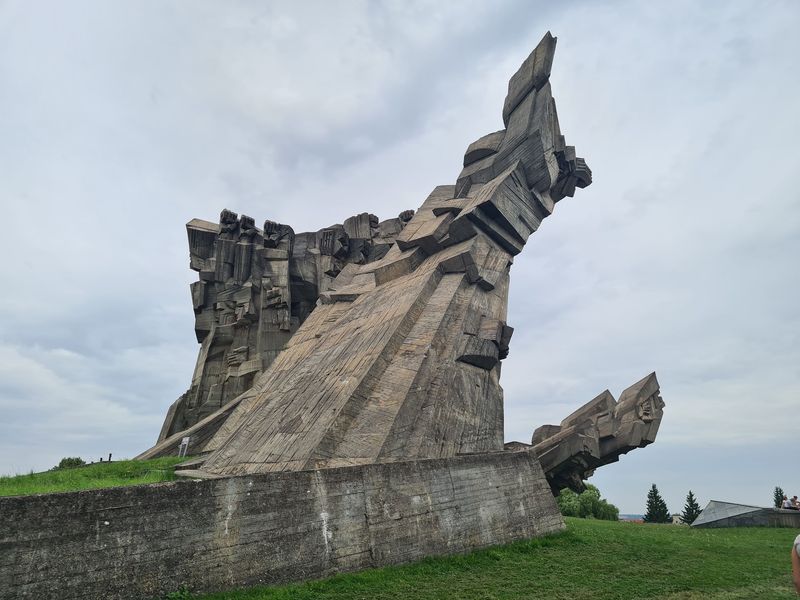
Some places ask for quiet, and Ninth Fort is one of them. This old fortress was built in the late 1800s as part of a ring of defenses around Kaunas.
In the twentieth century it became a prison and a site of great tragedy.
Today it serves as a museum and memorial. Exhibits explain the history of Lithuania during hard times, with photos, documents, and personal stories.
The tone is serious, but the lessons are important.
Outside, a tall concrete monument towers over the hills. Its bold shapes were made in the Soviet era and are impossible to miss.
Walk around it slowly and take in the size.
The fort sits a few kilometers from the center, so take a bus or a taxi. Allow at least two hours to see everything.
Wear a jacket, since the wind blows hard across the open ground. Guides can help explain the details, and their stories stay with you long after you leave.
Devils Museum
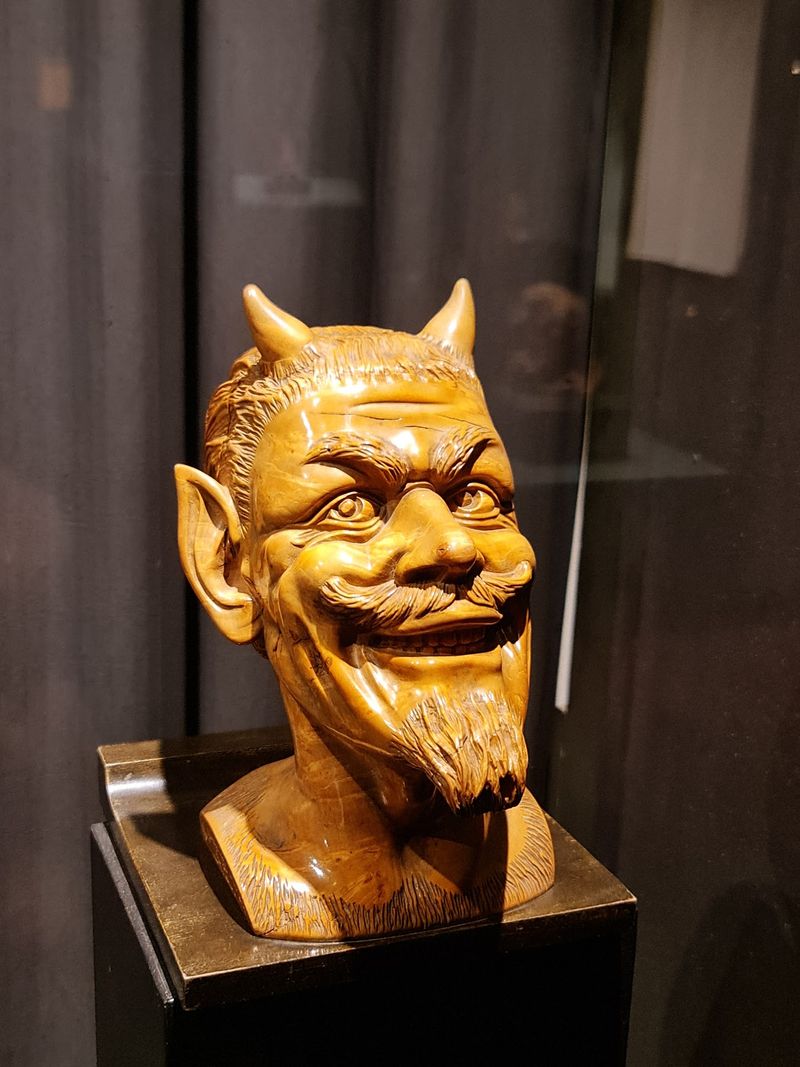
Over three thousand devils live in one building, and none of them bite. The Devils Museum in Kaunas holds a collection of figures from Lithuania and around the world.
They come in wood, clay, glass, and even cloth.
The collection began with the artist Antanas Zmuidzinavicius, who gathered devils as a hobby. Visitors added more over the years.
Some look scary, while others look downright silly.
In Lithuanian folk tales, devils are often clumsy troublemakers rather than villains. You will see them playing cards, dancing, and even stealing socks.
It is hard not to smile.
The museum is small, so an hour is plenty. Look for the devils made to resemble famous politicians, which always get a laugh.
Kids love the weird faces and funny poses. Check the opening hours before you go, as they can change by season.
It is a lighthearted break between the heavier sights of the city.
Christ’s Resurrection Church
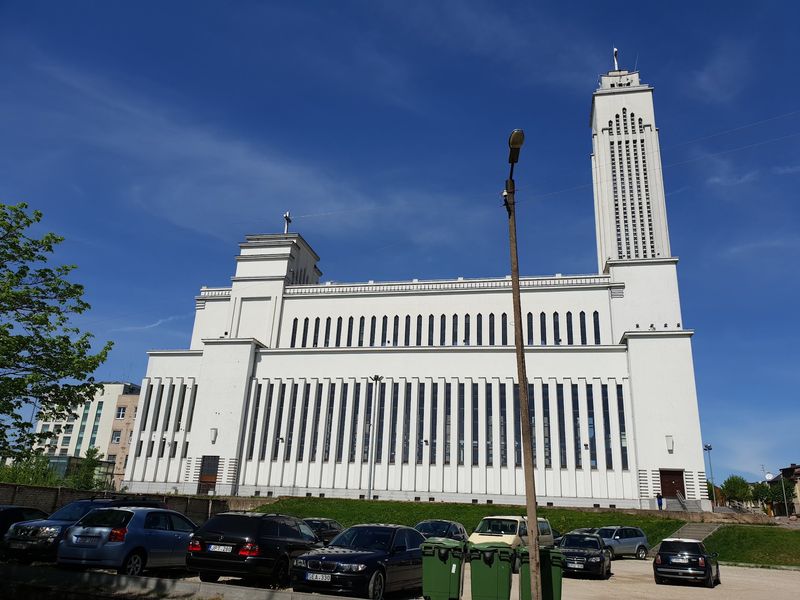
Perched on a hill, this giant white church can be seen from almost anywhere in the city. Christ’s Resurrection Church took decades to finish, since building started in the 1930s and ended in the 1990s.
Wars and political changes slowed everything down.
The design is modernist, with clean lines and a tall tower. Inside, the hall is simple but airy, and the rooftop has a terrace.
A glass elevator takes you up for wide views over Kaunas.
From the terrace you can spot the rivers, the Old Town, and the green hills beyond. On a clear day the view stretches for miles.
Bring a camera, because every direction makes a postcard.
Getting there is fun, too. Ride the old funicular from the city center up the hill, a trip that feels like a little time machine.
Visit near sunset to watch the sky change colors above the rooftops. The church is quiet and peaceful, a good spot to rest your feet.
Vytautas the Great War Museum
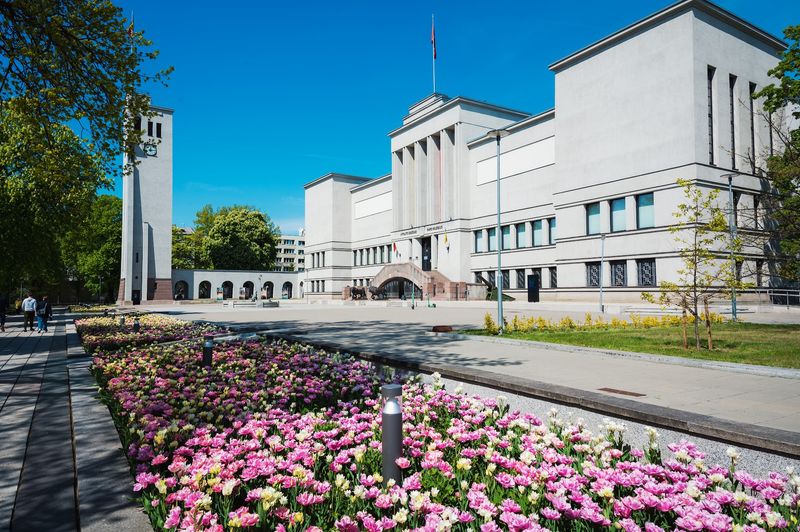
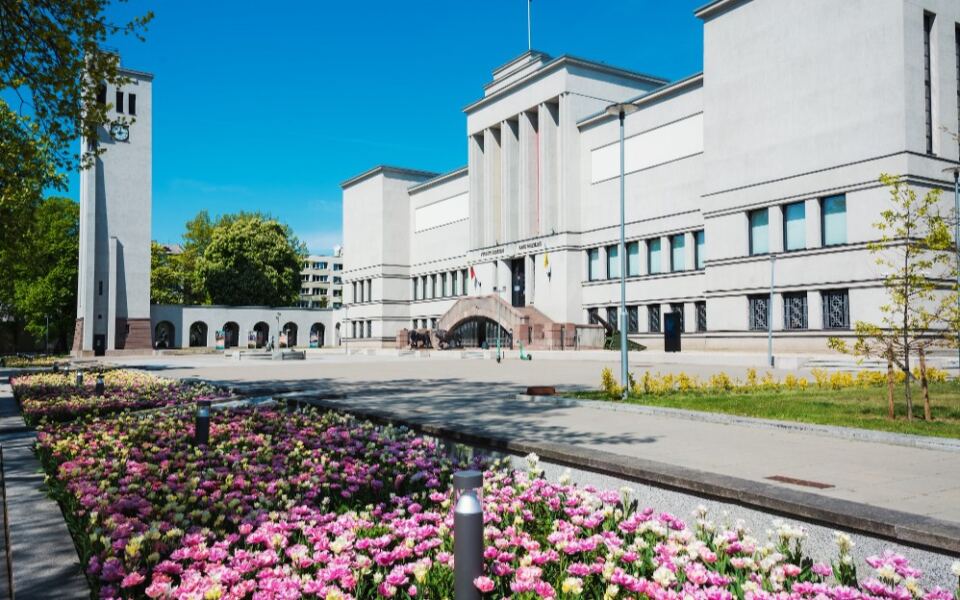
Here is a museum with a giant bell tower and a dazzling garden. Vytautas the Great War Museum tells the story of Lithuania through weapons, uniforms, and art.
It sits right in the center of Kaunas, near the Laisves Aleja.
The exhibits cover many centuries, from ancient warriors to modern times. You will see old swords, flags, and even early airplanes.
One famous display is the Lituanica, a plane that crossed the Atlantic in 1933 and crashed in Europe.
Outside, the Freedom Monument rises from the garden, and the Carillon Tower rings out melodies. Climb the tower for a view over the rooftops.
The garden is a nice place to sit after the exhibits.
Plan on about two hours inside. Look for the cases with old maps, since they show how the borders changed.
The museum is easy to reach on foot, so mix it with a stroll down the avenue. Check hours first, as winter times can be shorter.
Pazaislis Monastery
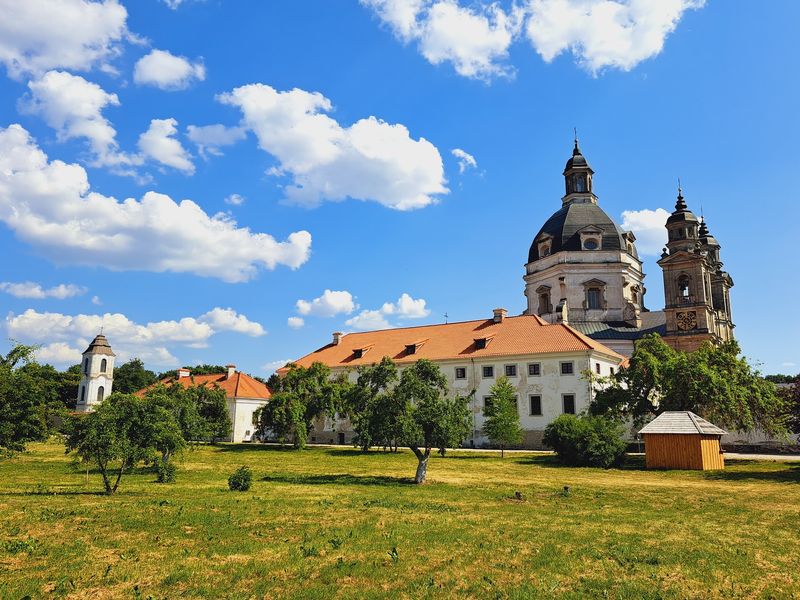
Few places in Lithuania look this grand. Pazaislis Monastery shines white beside the Kaunas Reservoir, topped by a copper dome.
It is one of the finest examples of Italian Baroque style in northern Europe.
The monks of the Camaldolese order built it in the 1600s. Inside, the walls are covered in frescoes, and the marble floors gleam.
Light pours through the windows and bounces off every surface.
The monastery served many purposes over time. It was a convent, a hospital, and even an art museum.
Now sisters live here again, and the church welcomes visitors.
The grounds are peaceful, with paths that lead down to the water. Pack a picnic and sit on the grass for a slow afternoon.
Concerts are held in summer, and the sound inside the church is lovely. To reach it, take a bus from the center or a short taxi ride.
Go on a calm day, when the reservoir reflects the white walls like a mirror.
Share this story