Denali National Park in Alaska covers six million acres of tundra, forest, rivers, and mountains. It is home to wildlife that has adapted to long winters and short summers.
From huge grizzly bears to tiny ground squirrels, each animal plays a role in this northern ecosystem. Here is a look at fifteen species you might spot or hear about in the park.
1. Grizzly Bears
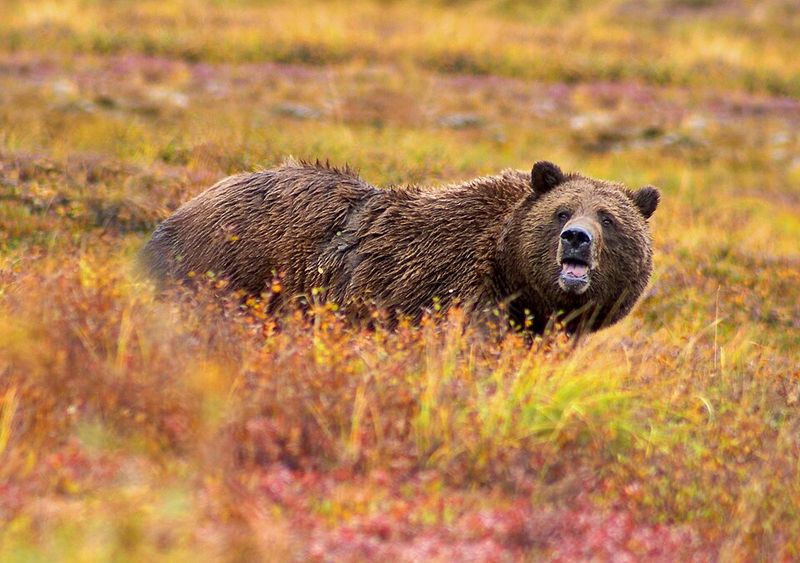
Few sights in Alaska stir the imagination like a grizzly bear crossing an open Denali valley. These bears are powerful predators, yet most of their diet comes from plants.
In summer they graze on grasses, dig for roots, and feast on soapberries and blueberries.
Grizzlies also eat ground squirrels, caribou calves, and carrion when they find it. An adult male can weigh over 600 pounds in the park’s interior, though bears here are usually smaller than coastal ones because food is harder to find.
Visitors who see a grizzly should keep at least 300 yards away. Park rules require this distance to protect both people and bears.
Using a bear-resistant food container and making noise on trails helps avoid surprise encounters.
In fall, bears fatten up before denning in the mountains for the winter. They sleep for several months and rely on stored body fat to survive until spring.
2. Gray Wolves
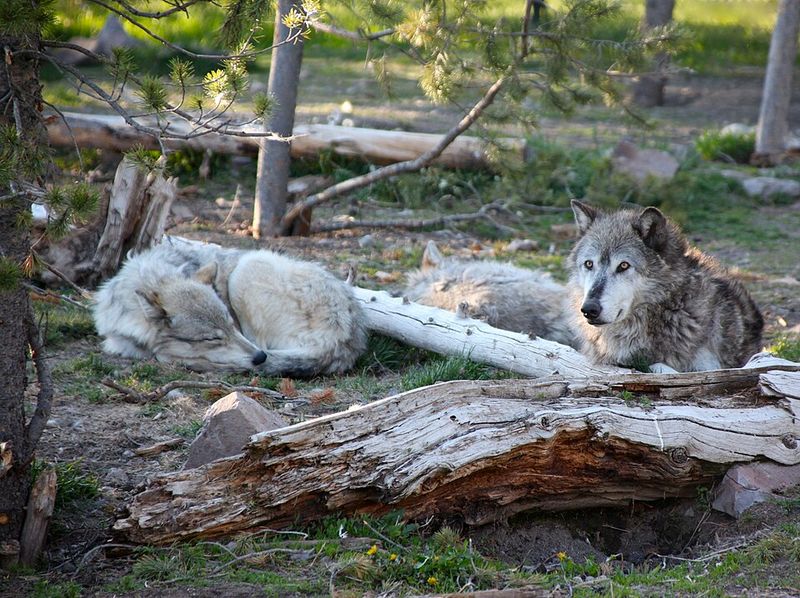
A howl drifting across a quiet valley is one of the most memorable sounds in Denali. Gray wolves live in family packs, usually led by a breeding pair and their offspring.
Packs of six to twelve are common, and each one patrols a large territory.
Wolves hunt caribou, moose, and Dall sheep, often targeting the young, old, or weak. They also catch hares and other small prey when larger meals are scarce.
Hunting takes teamwork, and many chases end without a catch.
Wolves have been studied in Denali for decades, which has taught scientists a lot about pack life. Seeing one is rare, since they are shy and travel widely.
Visitors lucky enough to spot a wolf often see it near river bars or along the park road in early morning.
3. Moose
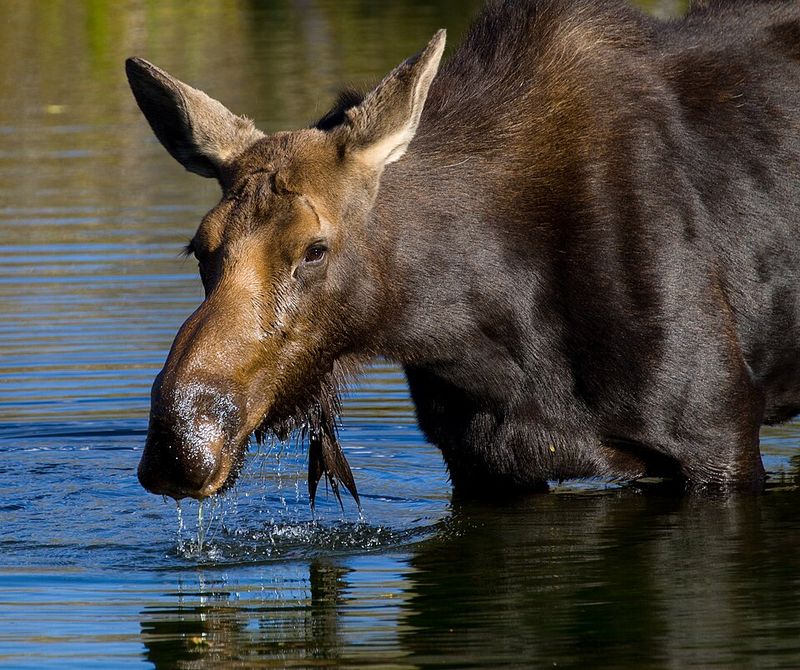
Standing nearly six feet tall at the shoulder, a bull moose can make a whole parking area go quiet. Moose are the largest members of the deer family, and Denali’s wetlands and willow thickets give them plenty to eat.
A single adult may munch around 50 pounds of plants each day in summer.
Only males grow antlers, which can spread more than five feet wide. They drop them every winter and grow a new set the next year.
The bones are often chewed by rodents for minerals.
Moose may look calm, but they can be dangerous, especially cows with calves and bulls during the fall rut. Give them plenty of space and never get between a mother and her young.
Binoculars and a zoom lens work best for close views.
4. Caribou
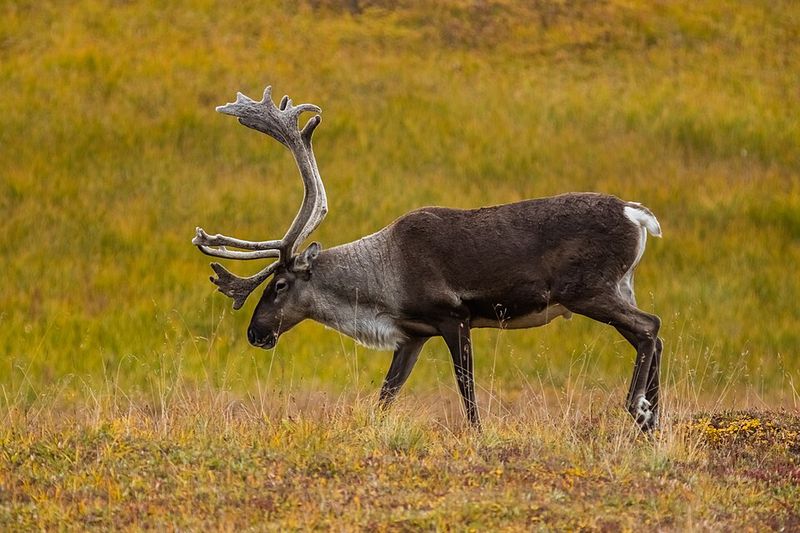
Every year, caribou prove that the best way to handle a harsh landscape is to keep moving. The Denali herd travels across open tundra and river valleys, following fresh plants and seeking relief from biting insects.
Their wide hooves work like snowshoes in winter and paddles when crossing water.
Both males and females grow antlers, which is unusual among deer. Bulls shed theirs after the fall breeding season, while cows keep theirs through winter.
Their coats have hollow hairs that trap heat in freezing weather.
Caribou are a main food source for wolves and grizzlies, so their movements shape life across the park. Numbers rise and fall over time, and researchers track the herd carefully.
The best chance to see them is along the park road in summer, especially on open ridges with a breeze.
5. Dall Sheep
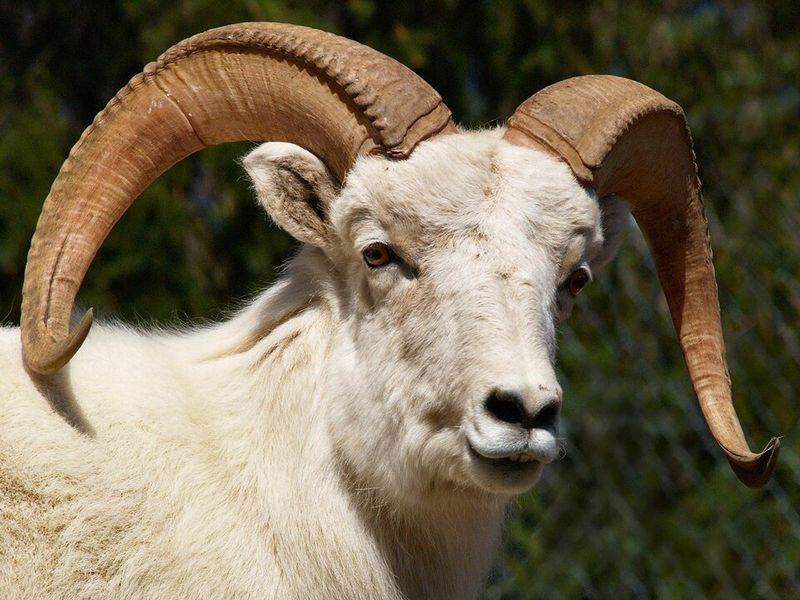
Picture a bright white dot on a gray cliff, and you have probably found a Dall sheep. These agile climbers live on steep, rocky slopes where wolves and bears have a hard time following.
Their hooves grip stone well, and they move across ledges that would make most hikers nervous.
Rams carry thick, curled horns that grow throughout their lives. The rings on the horns can help scientists estimate age.
Ewes have shorter, thinner horns, and they raise lambs high in the mountains.
Dall sheep graze on grasses, sedges, and small shrubs. In winter they search for windblown ridges where snow is thin.
Visitors often spot them from the park road near Polychrome Pass and Sable Mountain. A pair of binoculars makes the search much easier.
6. Red Foxes
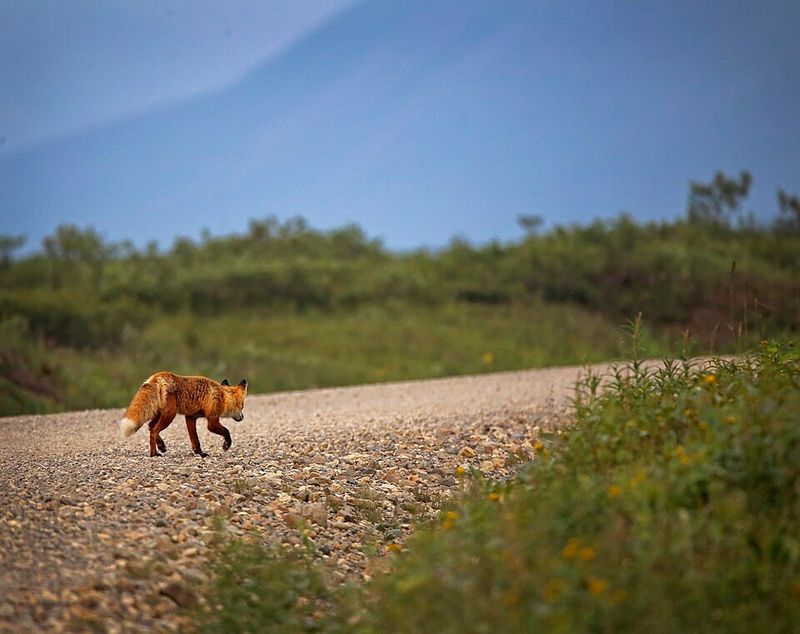
Quick, curious, and always on the lookout, the red fox is a clever survivor. Its bushy tail, tipped in white, helps with balance and works like a warm scarf when the fox curls up to sleep.
Red foxes live across Denali, from forest edges to open tundra.
They eat nearly anything they can find, including voles, squirrels, birds, eggs, and berries. A fox may pounce on a rodent hidden under snow, using its sharp hearing to locate it.
This leaping style of hunting is a fun thing to watch.
Foxes dig dens for raising pups in spring. Visitors should never feed them, since fed animals can lose their natural caution and may need to be removed from the area.
Seeing one trot along a gravel bar is a treat, and wild behavior is best enjoyed from a distance.
7. Arctic Ground Squirrels
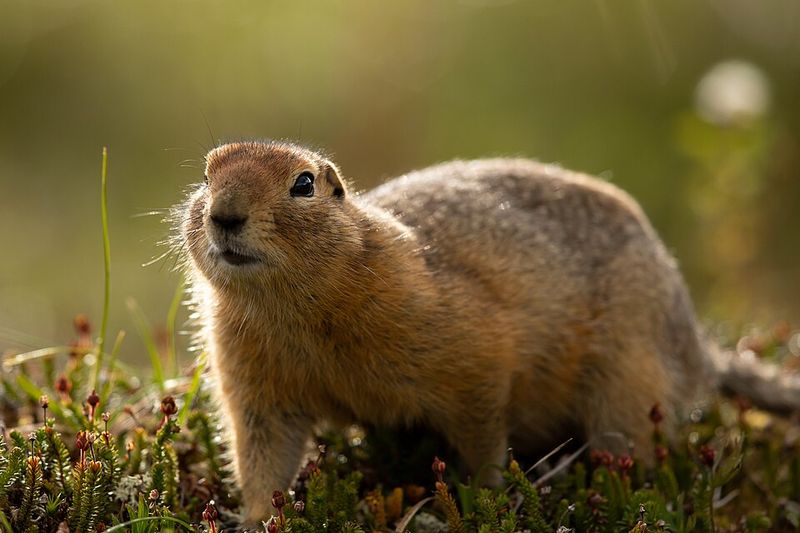
Here is a fact that sounds made up: Arctic ground squirrels can cool their bodies below freezing during hibernation. These small tundra mammals sleep for up to eight months each year.
Their body temperature drops so low that scientists have studied them for clues about cold-weather survival.
In summer they are busy and noisy. They whistle sharp alarm calls when a fox, eagle, or grizzly comes near.
They eat seeds, roots, flowers, and sometimes insects, building up fat for the long sleep ahead.
Ground squirrels live in burrows that they dig themselves. Many are found near the park road, standing upright to look around.
They are an important food for bears, wolves, foxes, and golden eagles, so they link many parts of the Denali food web together.
8. Snowshoe Hares
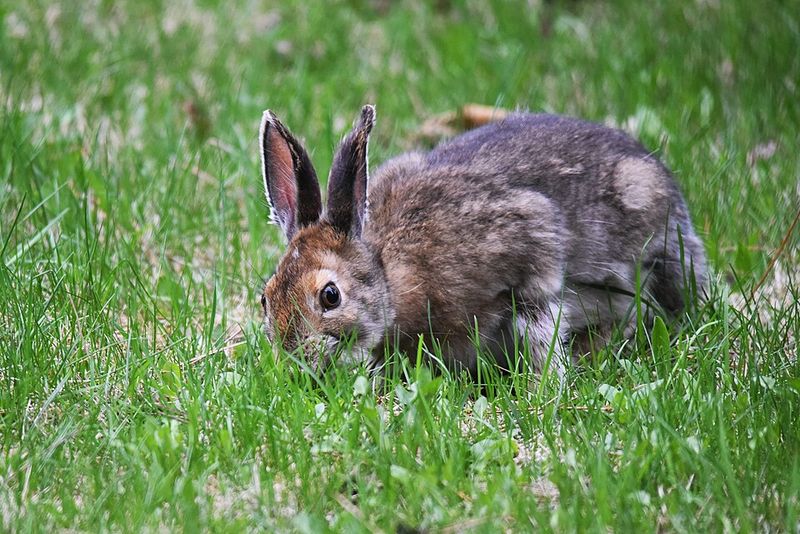
Few animals dress for the seasons quite like the snowshoe hare. In summer it wears a brown coat that blends with leaves and dirt.
By winter, the fur turns white, helping the hare hide against fresh snow.
Its large back feet spread wide and keep it from sinking, much like the snowshoes it is named for. These hares live in forests and shrubby areas, where they eat twigs, buds, and bark in cold months.
They are most active at dawn, dusk, and night.
Snowshoe hare numbers rise and fall in a cycle that lasts about ten years. When hares are plentiful, lynx and great horned owls often do well too.
When hares become scarce, predators struggle. This cycle is one of the best-known patterns in northern wildlife science.
9. Wolverines
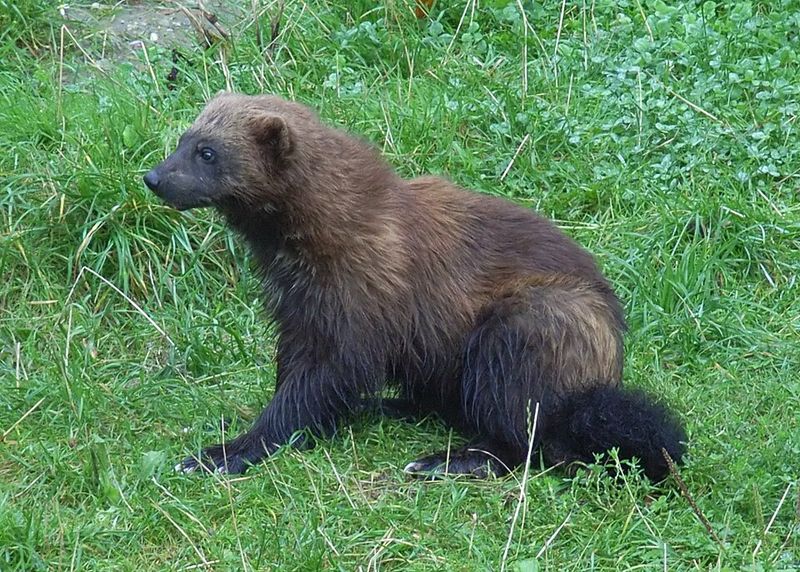
Small in size but huge in reputation, the wolverine is built for toughness. It belongs to the weasel family and weighs about 25 to 40 pounds.
Its broad paws, thick fur, and strong jaws help it handle deep snow and frozen meat.
Wolverines live alone and travel long distances, sometimes covering many miles in a single day. They hunt small animals and scavenge leftovers from larger predators.
In winter they may even dig up food they stored earlier.
Sightings in Denali are uncommon, because these animals are wary and live at low density. Females dig dens in deep snow to raise their kits in late winter.
Because they need cold, snowy habitat, wolverines are of special interest to researchers studying how changing climates may affect northern wildlife.
10. Canada Lynx
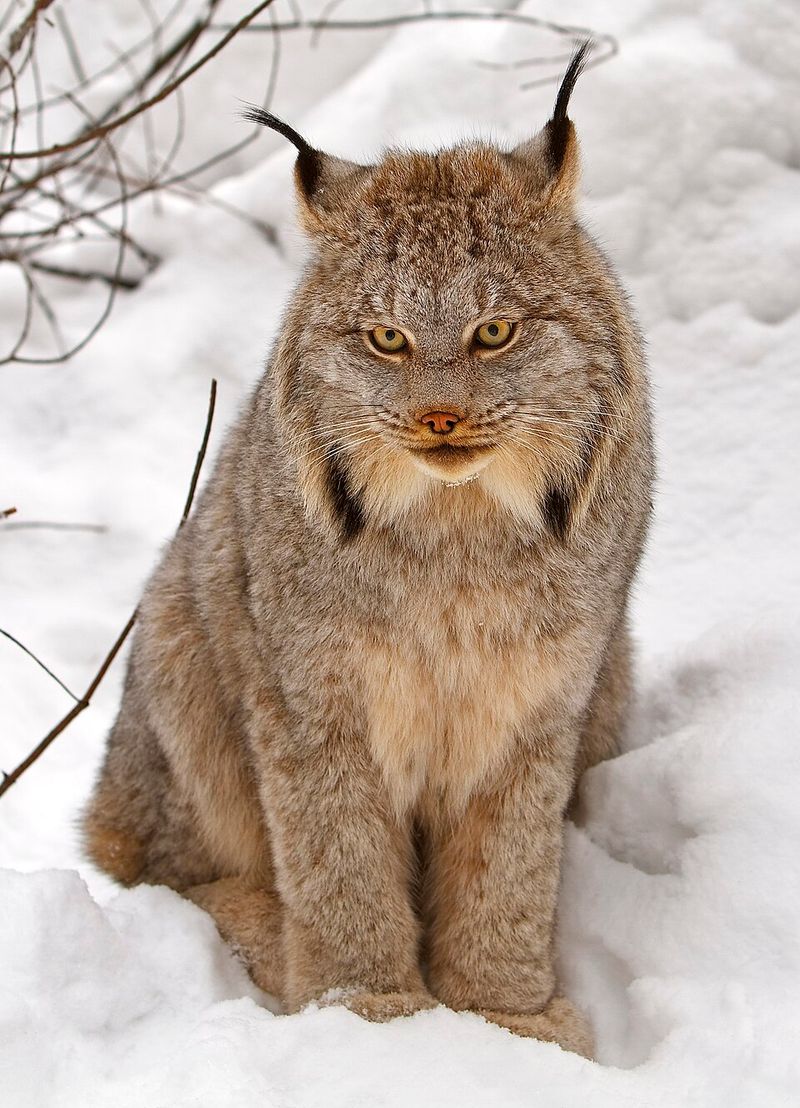
Silent steps, big paws, and tufted ears make the Canada lynx a master of the northern forest. This secretive cat is rarely seen, even by people who spend years in the park.
Its oversized feet act like snowshoes, helping it move across deep snow without sinking.
Snowshoe hares make up most of a lynx’s diet. When hare numbers fall, lynx may have fewer kittens, and some wander far to find food.
That close link makes the two species a classic example of predator and prey.
Lynx hunt mostly at dusk and night, relying on sharp eyesight and hearing. They are about twice the size of a house cat, with short tails that end in a black tip.
Tracks in fresh snow are often the only sign that one has passed through.
11. Golden Eagles
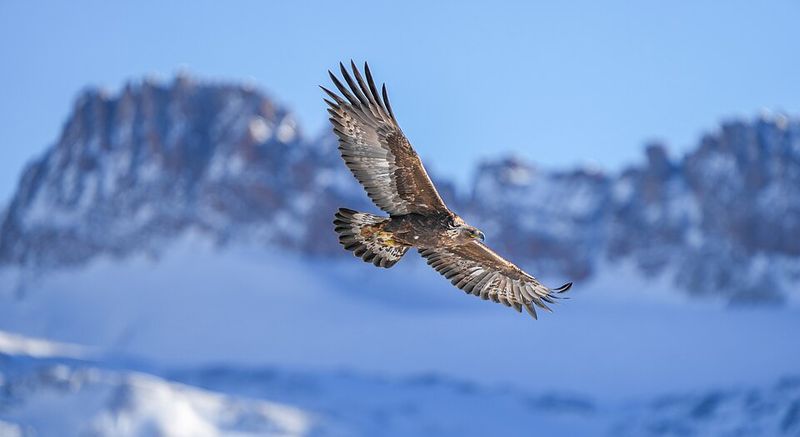
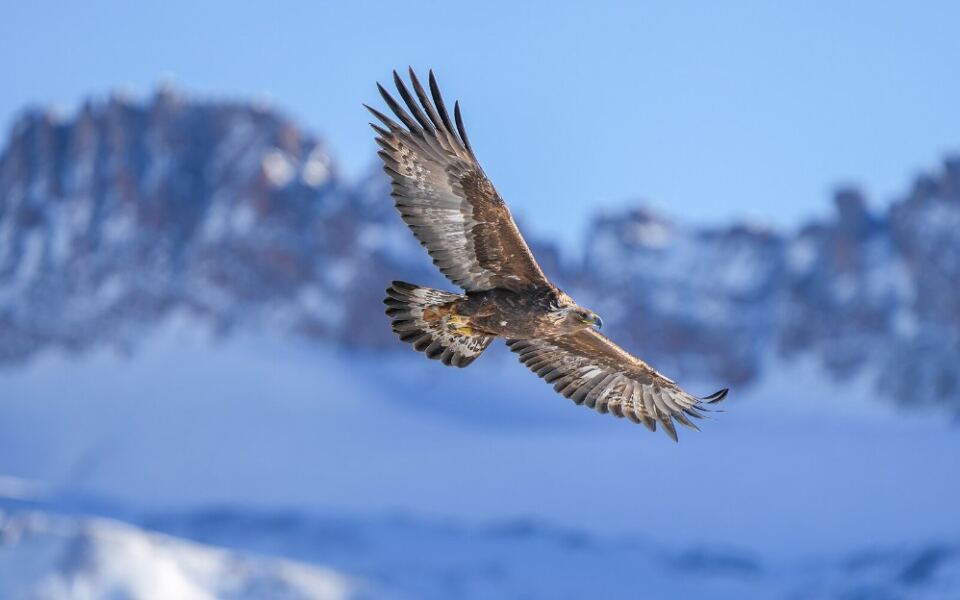
With a wingspan that can top seven feet, the golden eagle rules the skies over Denali’s ridges. Many of these birds arrive in spring and nest on cliffs, often reusing the same site for years.
Their stick nests can grow large over time.
Golden eagles hunt in open country, scanning for ground squirrels, hares, and ptarmigan. They can dive at speeds above 100 miles per hour.
Sharp talons and keen eyesight make them highly skilled hunters.
Denali is well known for studies of golden eagles, and the park’s long-term monitoring helps scientists learn how nesting and migration change from year to year. Many birds fly south for winter and return in spring.
Visitors often spot them near the park road, riding warm air currents above the mountains.
12. Porcupines
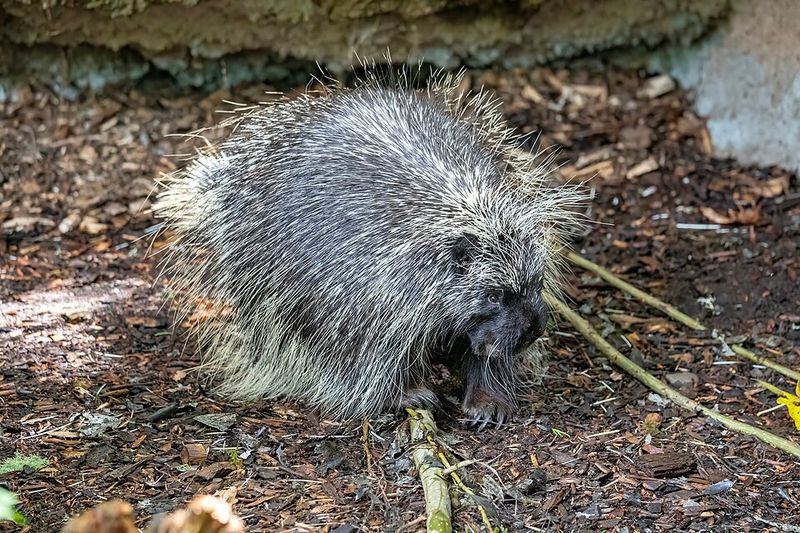
Touch a porcupine and you will quickly learn why most predators leave it alone. An adult carries around 30,000 quills, which loosen easily and stick in an attacker’s skin.
Contrary to a common myth, porcupines cannot shoot their quills. They simply swing their tails or press against a threat.
These slow-moving rodents spend much of their time in trees. In winter they eat bark and twigs, often leaving telltale scars on spruce trunks.
In summer they add leaves, buds, and aquatic plants.
Porcupines are mostly active at night, so a daytime sighting is a bit of luck. They make grunting, chattering sounds that can surprise campers.
Dogs should be kept leashed in Denali, since a curious pup can end up with a painful mouthful of quills.
13. Beavers
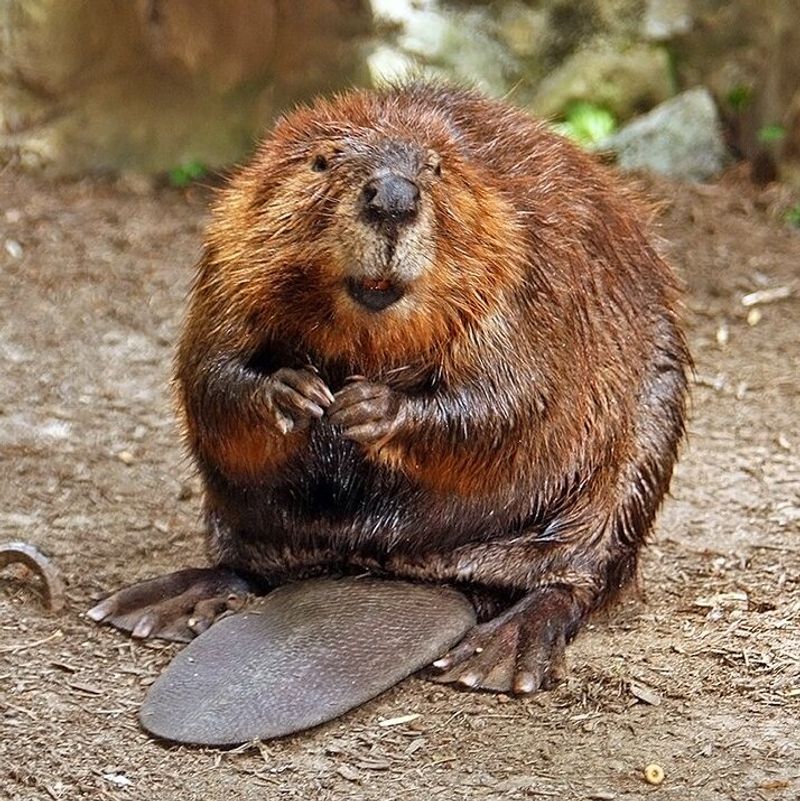
Long before humans built reservoirs, beavers were shaping water across the north. These wetland engineers cut down trees with powerful front teeth, then use logs, branches, and mud to build dams.
The ponds they create protect their lodges from predators.
A lodge has underwater entrances and a dry living chamber inside. Beavers store branches near the lodge in fall, creating a food pile to eat under the ice.
Their thick fur and wide, flat tails help them handle cold water.
Beaver ponds also help other wildlife. Moose, waterfowl, fish, and amphibians often use them for food and shelter.
In Denali, beaver work can be seen in lowland areas near lakes and streams. Early morning and evening are the best times to watch for a V-shaped ripple crossing the water.
14. Hoary Marmots
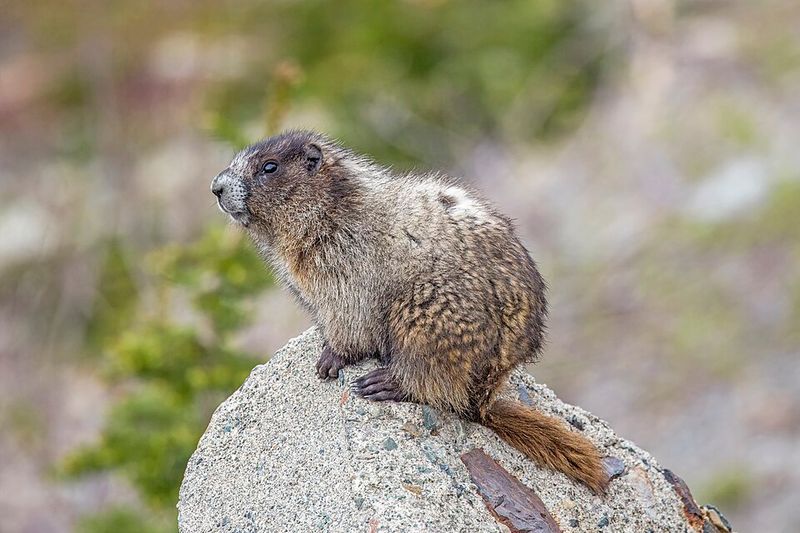
If a loud whistle echoes across a rocky hillside, a hoary marmot may be sounding the alarm. These silvery rodents live in colonies among boulders and talus slopes.
One animal usually stands watch while the others feed.
Marmots are large, often weighing 10 to 20 pounds. They eat grasses, flowers, and other green plants through the short summer, building a thick layer of fat.
By early fall, they retreat to burrows and hibernate for about seven or eight months.
Their social habits set them apart from many other mountain animals. Family groups greet each other with nose touches and play-fights.
Visitors may spot them sunning on rocks along trails and at higher elevations. Stay back and avoid feeding them, as human food can harm their health.
15. Willow Ptarmigan
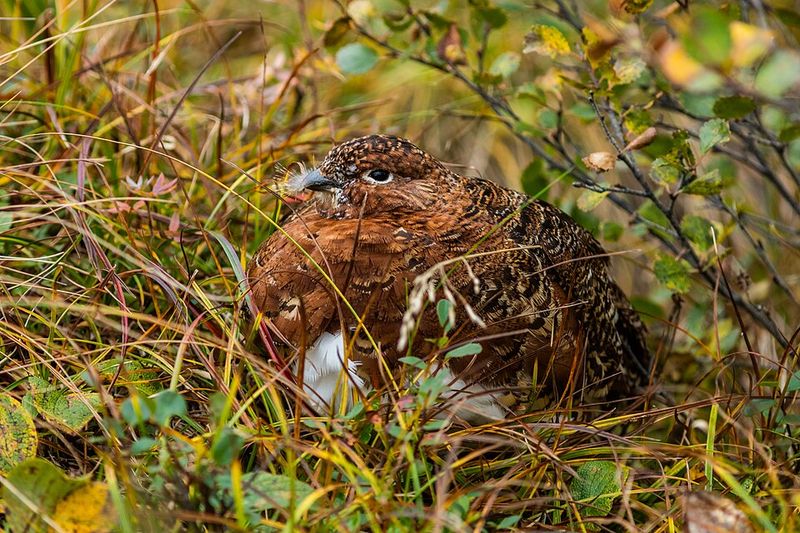
Alaska’s state bird is a master of disguise. The willow ptarmigan wears mottled brown and rust feathers in summer, then switches to bright white in winter.
The change helps it blend into the landscape and avoid foxes, owls, and eagles.
Even its feet are built for the cold. Feathers cover its toes, acting like snow boots and keeping it from sinking.
In winter, the birds often burrow into snow to stay warm during storms.
Willow ptarmigan eat buds, twigs, and leaves of willow and birch, along with berries in fall. Males make a rattling, croaking call in spring to defend territory.
Hikers in Denali’s tundra sometimes flush one from hiding, so a sudden flutter of wings is not unusual. Staying quiet and scanning shrubby slopes gives the best chance of a good look.
Share this story