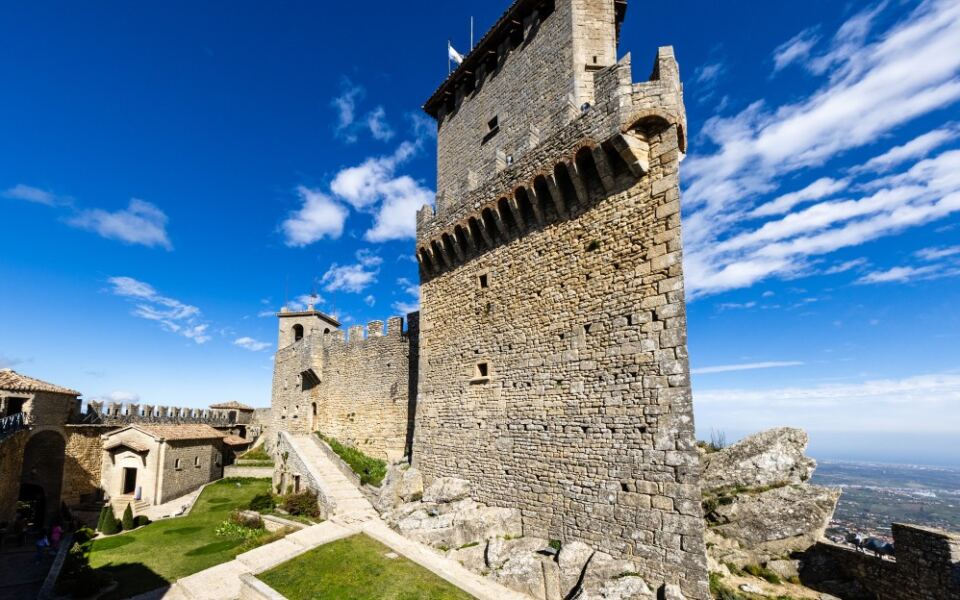
Some castles win hearts because of where they stand, not just how they look. Across Europe, fortresses cling to sea cliffs, crown lonely peaks, and float on quiet lakes.
Builders picked these spots to stay safe from attackers, but today the views are the real prize. Get ready for a tour of 15 castles where the landscape steals the show.
Predjama Castle, Slovenia
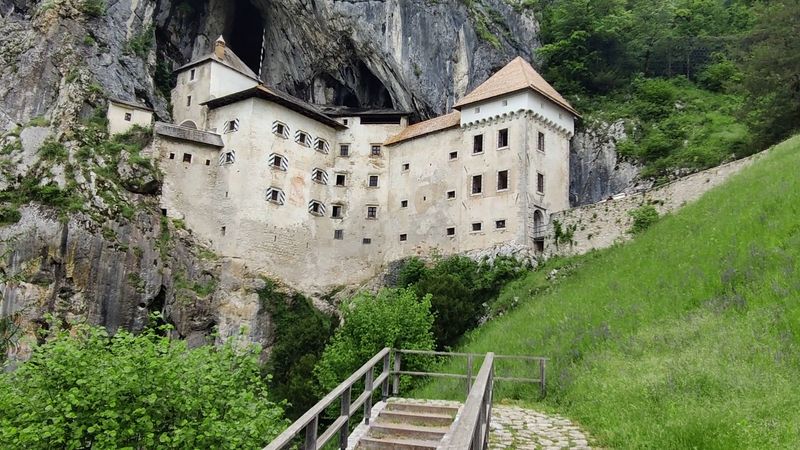
Picture a castle that decided a regular hilltop was too boring and moved into a cave instead. Predjama sits in the mouth of a cliff about 123 meters high, with its walls tucked against the rock like a stone bird’s nest.
The cave behind it was a secret weapon. Hidden passages once linked the castle to the countryside outside, which helped feed the legend of Erazem of Predjama, a rebellious knight who held off attackers for a long time.
Stories say he mocked his enemies by tossing fresh food at them from the walls.
The building you see today mixes medieval and Renaissance styles. Still, the star is the clever teamwork between stone walls and natural rock.
It is hard to tell where the mountain stops and the castle begins.
Tip for visitors: wear shoes with good grip, since cave floors can be damp and slippery. Pair the visit with a walk through the nearby Postojna Cave for a full underground day.
Go early to beat tour buses and enjoy the quiet, because the cliff looks even moodier without a crowd in front of it. Bring a light jacket too, since the cave stays chilly all year.
Dunnottar Castle, Scotland
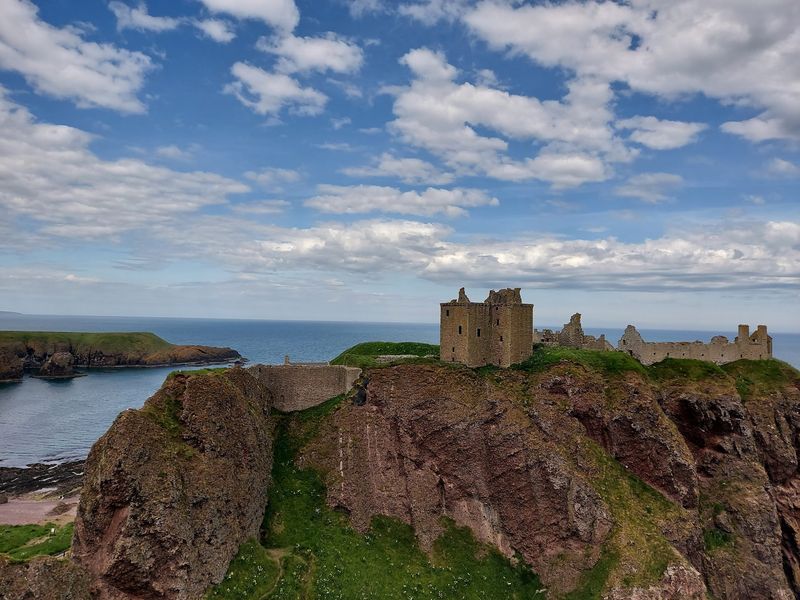
Wind, waves, and crumbling stone make Dunnottar feel like a movie set that happens to be real. The ruins stand about 160 feet above the North Sea on a narrow headland, with water on three sides.
Attackers had a tough job here. The only way in is a steep path, and every step shows why the fortress was so hard to capture.
In the 1600s, the Honours of Scotland, the country’s royal crown jewels, were hidden here from Oliver Cromwell’s army and smuggled out before the castle fell.
Today the roofless towers and broken walls give photographers plenty to love. Sunrise is a favorite time, when the light turns the cliffs gold and the sea birds start their noisy morning routine.
Practical advice: expect lots of stairs and uneven ground, so sturdy shoes are a must. The weather changes fast on this coast, so pack a waterproof jacket even on sunny mornings.
Allow at least two hours to wander the ruins and walk the cliff paths nearby. Stay behind the safety barriers near the edge, because the drop is real and the gusts can surprise you.
Neuschwanstein Castle, Germany
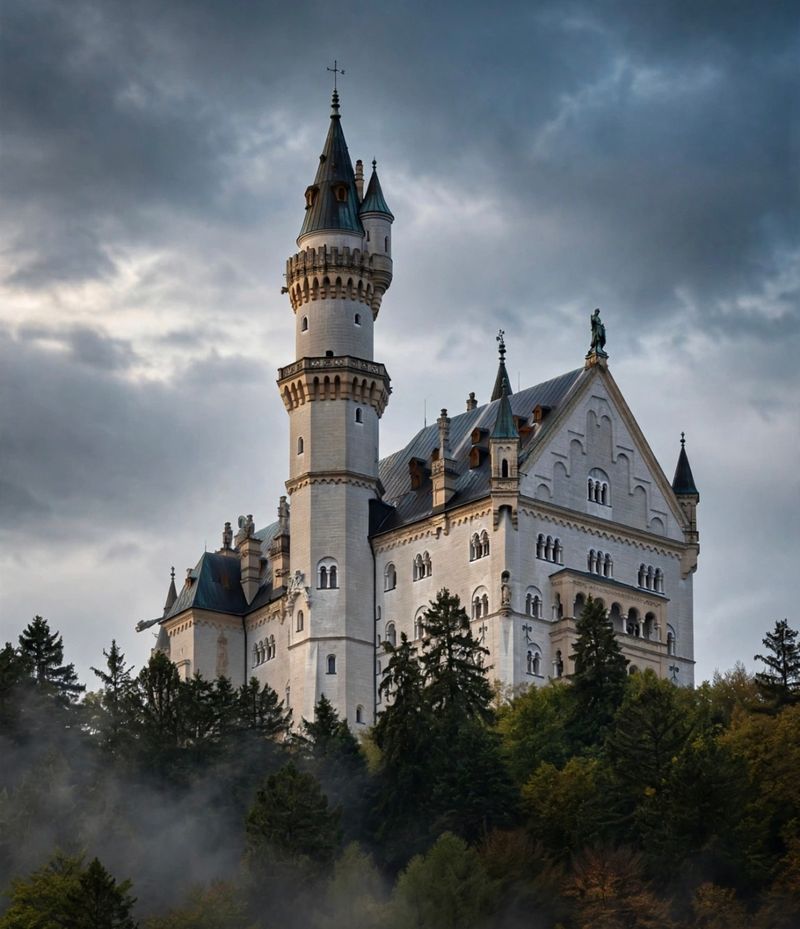
Here is a fun twist: Neuschwanstein was never meant to defend anything. King Ludwig II built it in the 1800s as a private dream home, inspired by legends, medieval tales, and the operas of Wagner.
The pale towers rise above the forest in Bavaria, with the Alps stacked behind them like painted scenery. That staging was no accident, since Ludwig wanted the castle to look like a story come to life.
In 2025, UNESCO added it to the World Heritage List along with three other Ludwig II residences.
Many visitors walk up from the village, and the trail is a pleasant climb through trees. Horse carriages and shuttle buses are also options if your legs complain.
Book tickets ahead, because tours are timed and sell out in busy seasons. For the famous postcard view, head to Marienbrücke, a bridge over a gorge near the castle, but go early since it fills up fast.
Autumn colors and winter snow make the scene even more magical, so consider visiting outside summer.
Trakai Island Castle, Lithuania
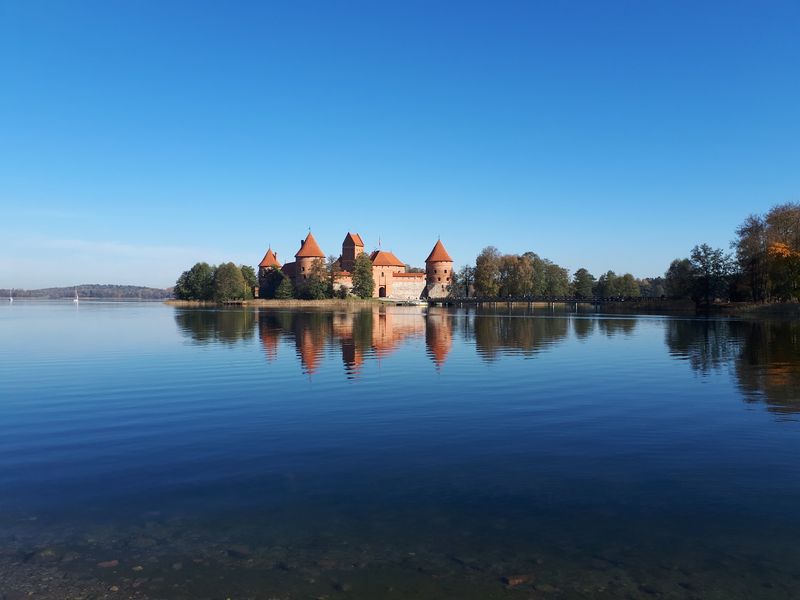
Red bricks, blue water, and a wooden bridge: Trakai looks like it was designed to be photographed. The castle sits in the middle of Lake Galvė, and its towers wobble in the reflection below.
Built in the 1300s and 1400s, it became a key stronghold for the Grand Dukes of Lithuania. Lithuania’s tourism authority calls it the only island castle of its kind in Eastern Europe, which gives locals a good reason to brag.
You walk in across a bridge, and once inside, the courtyard and museum rooms show off medieval life, from weapons to art. Then comes the fun part: rent a kayak or rowboat and see the walls from the water.
Summer is lively, with lakeside cafes and boat traffic. Winter brings a frozen lake and a calm, snowy mood that feels like another country entirely.
Try kibinai, local savory pastries sold in the town, for a tasty snack between sights. Trakai is an easy day trip from Vilnius, so you can see it without changing hotels.
Bled Castle, Slovenia
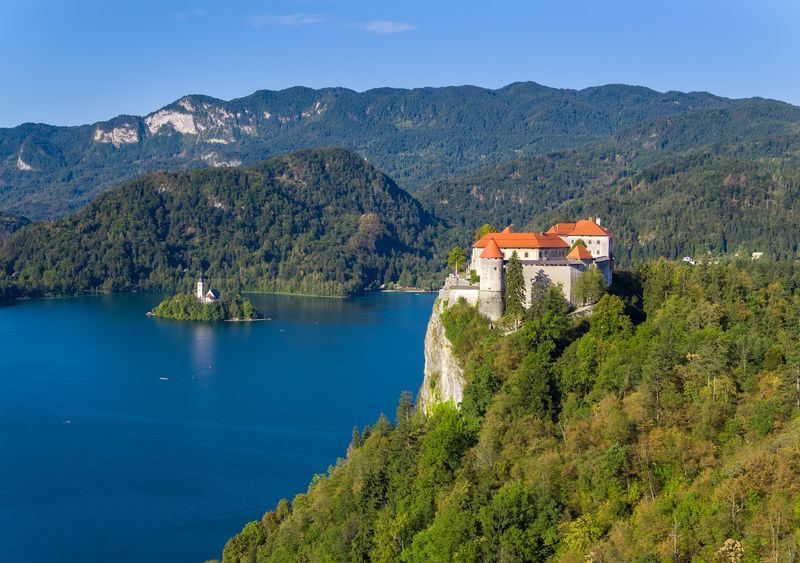
Slovenia’s oldest documented castle has a front-row seat to one of the prettiest lakes on Earth. Bled Castle clings to a cliff about 130 meters above the water, and written records mention it as far back as 1011.
From the terraces, the lake seems to sit right under your toes. You can spot the little island with its church, plus the Julian Alps waiting in the distance.
It is the sort of view that makes people stop talking mid-sentence.
The buildings show layers of Romanesque, Gothic, and Renaissance styles. Inside, small museums and a chapel give a peek at the past, and there is even a working printing press where you can try old-fashioned printing.
Hike up from the lakeside path if you want exercise, or drive to the upper parking area if you prefer to save energy. Sunset is a lovely time for photos, when the lake turns silvery.
Afterward, try the local cream cake, kremšnita, in town. Your sweet tooth will thank you.
Eilean Donan Castle, Scotland
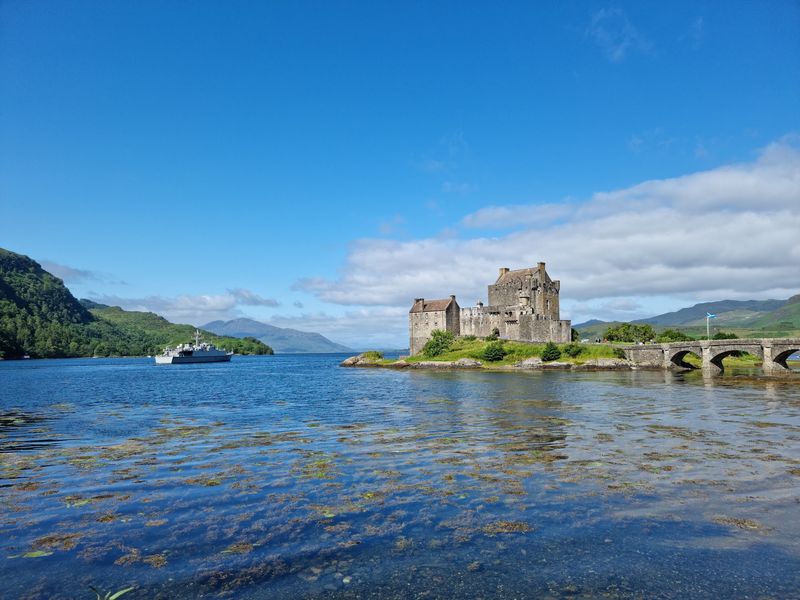
Few castles look this much like a postcard come to life. Eilean Donan sits on a tiny island where three sea lochs meet, with Highland mountains rising behind it.
A stone bridge now links the island to the shore, but long ago the surrounding water was the main defense. After years in ruins, the castle was rebuilt in the 20th century, and that restoration gave it the tidy towers visitors see today.
The scenery changes by the hour. Clouds drift low, rain sweeps in, then sunshine breaks through and lights up the water.
That mood swing is part of the charm, and photographers love it.
Inside, you can explore rooms, a banqueting hall, and exhibits about the clans who shaped this region. Photos inside are not always allowed, so enjoy the moment instead of the screen.
Arrive early or late in the day to avoid peak crowds. Stop at the viewpoint on the road for a classic shot, and carry a rain jacket, because Highland weather loves surprises.
Hohenwerfen Castle, Austria
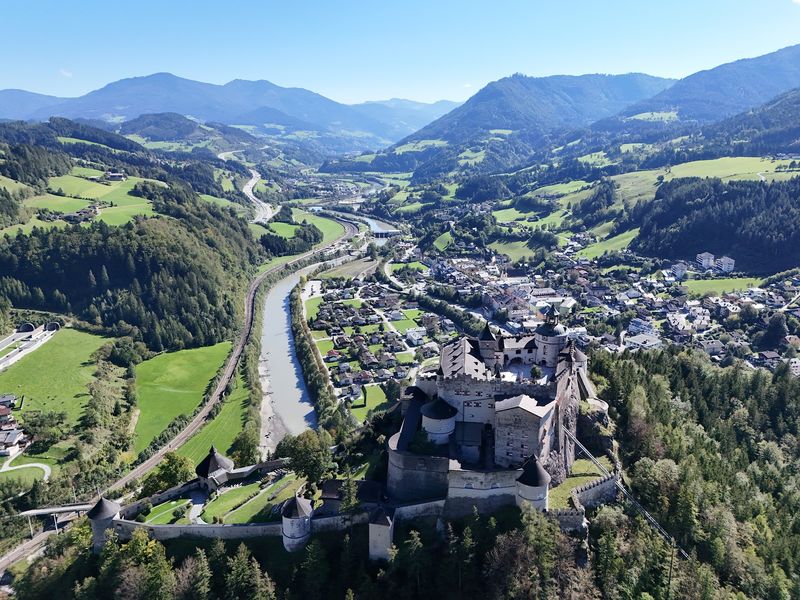
Falcons circle overhead, and that is no coincidence. Hohenwerfen Castle hosts falconry shows, where trained birds swoop over visitors against a backdrop of Alpine peaks.
The fortress dates to the 11th century and stands on a steep rocky hill above the Salzach Valley. Its job was to watch over a key route through the mountains south of Salzburg, and the position was perfect for spotting trouble.
Tall cliffs and the Tennengebirge range form a giant natural stage around the castle. From the walls, you can look along the valley and see how easily guards could watch every traveler.
Inside, rooms hold weapons, exhibits, and spaces that show how people lived and defended the place. Kids and adults both enjoy the interactive bits, especially the falconry display, which usually runs on a set schedule.
Check show times before you go, and plan for a steady walk uphill or take the lift if it is running. Combine the trip with a visit to Salzburg or the nearby ice caves for a full day out in the Alps.
Château d’If, France
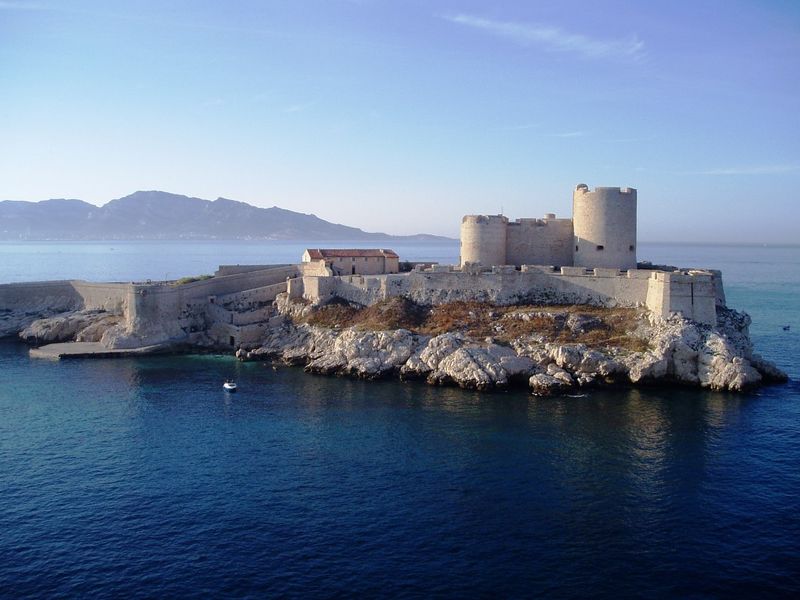
Escape was nearly impossible here, even for fictional heroes. Château d’If sits on a rocky island just off Marseille, and Alexandre Dumas made it famous in The Count of Monte Cristo.
It was built in the 1500s as a fortress, then later served as a prison. The deep, choppy water around the island made swimming away a risky plan, which is why guards slept a bit easier.
Getting there is half the fun. A short boat ride from the Old Port carries you across the bright Mediterranean, and the castle grows larger with each wave.
On the terraces, you get wide views back toward Marseille and out to sea.
Inside, you can walk through cells and learn about the real prisoners, and some visitors hunt for the spot linked to Dumas’s tale. Rough seas can close the site, so check boat schedules before you go.
Bring a hat and water, because shade is scarce on the island. Pair the trip with a stroll through the Frioul islands nearby for beaches and quiet coves.
Loarre Castle, Spain
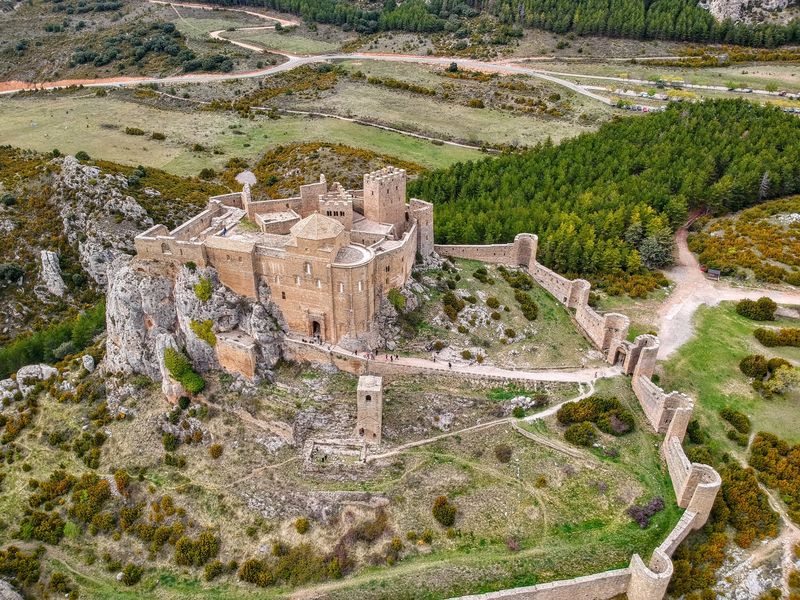
Approach Loarre from below and it seems to sprout from the mountain like a stone crown. The castle sits on a rocky foothill of the Pyrenees in Aragon, with the plains stretching out beneath it.
Spanish authorities describe it as the oldest and best-preserved fortress of its kind in the country, and one of Europe’s finest Romanesque strongholds. Thick walls and a high position gave defenders both safety and a long view of anyone approaching.
Inside, the surprises keep coming. A Romanesque church, tall towers, and narrow passages show that soldiers and monks once shared the same stones.
Climbing the stairs rewards you with views across golden fields.
Fans of movies may recognize the setting, since it has appeared on screen as a medieval backdrop. The real thing is better, because you can touch the old walls and wander at your own speed.
Plan a visit in spring or fall for pleasant temperatures. Summer afternoons can be hot, and the stones soak up sunshine.
Wear comfortable shoes, as floors are uneven and steps can be steep.
Edinburgh Castle, Scotland
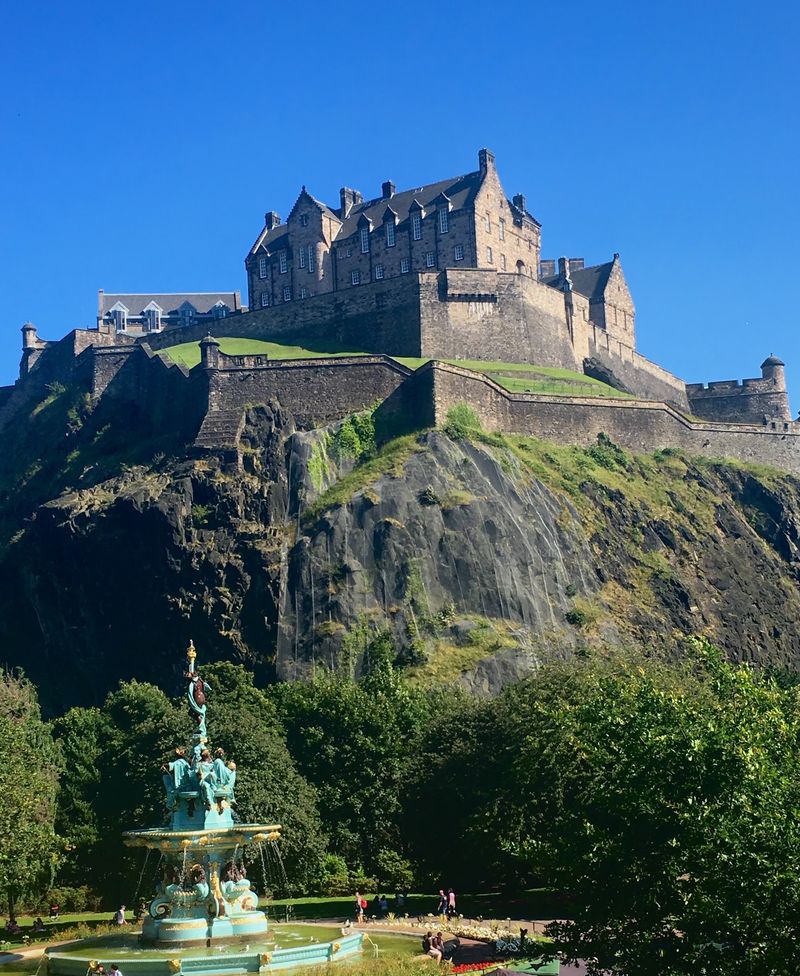
Edinburgh’s castle stands on top of an extinct volcano’s leftovers, which is a pretty bold choice for a building site. Castle Rock is a steep plug of ancient volcanic stone that shoots up above Scotland’s capital.
Defenders loved the cliffs, because attackers hated them. People have used this high spot for defense for centuries, and the castle still rules the skyline today.
Unlike remote mountain fortresses, this one sits in the middle of a busy city. From the ramparts, you can look over the Old Town, the New Town, and out toward the Firth of Forth.
The contrast between rugged rock and city streets makes it special.
Inside, visitors see the Crown Jewels of Scotland, the Stone of Destiny, and a famous one o’clock gun that fires daily. Many people jump when it goes off, so consider yourself warned.
Buy tickets online to skip long lines. For the best exterior view, stroll through Princes Street Gardens or climb Calton Hill at sunset, when the castle glows against the evening sky.
Bran Castle, Romania
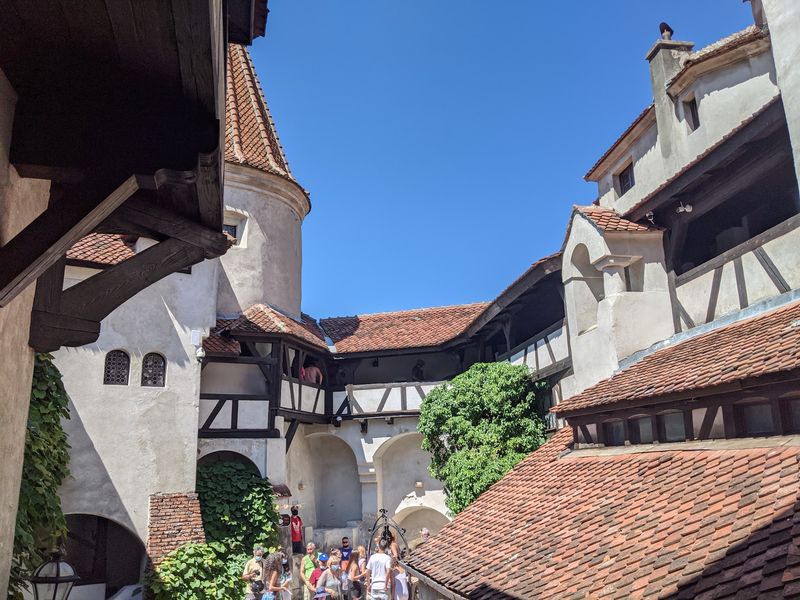
Garlic fans, relax: Count Dracula never lived here, at least not in real history. Bran Castle gained its spooky reputation because its Gothic look matches the fictional vampire’s home, though Vlad the Impaler had only a loose link to the place.
The real story is about mountains and trade. The castle rose on a rocky spot along an old route through the Carpathians, where it guarded the Transylvanian frontier and helped collect customs fees.
Towers, steep orange roofs, and forested slopes make a striking view from the road. Inside, narrow stairways and small rooms twist between levels, and the furniture shows how later royal owners lived.
Mist often drifts through the trees, adding a bit of drama. Early morning light is best for photos, and the crowds are smaller before the tour groups arrive.
Look for the village museum near the castle, which shows traditional Romanian houses and crafts. Wear comfortable shoes for the hill and steps.
If the weather turns cloudy, do not be disappointed, because gloom suits Bran very well.
Hohenzollern Castle, Germany
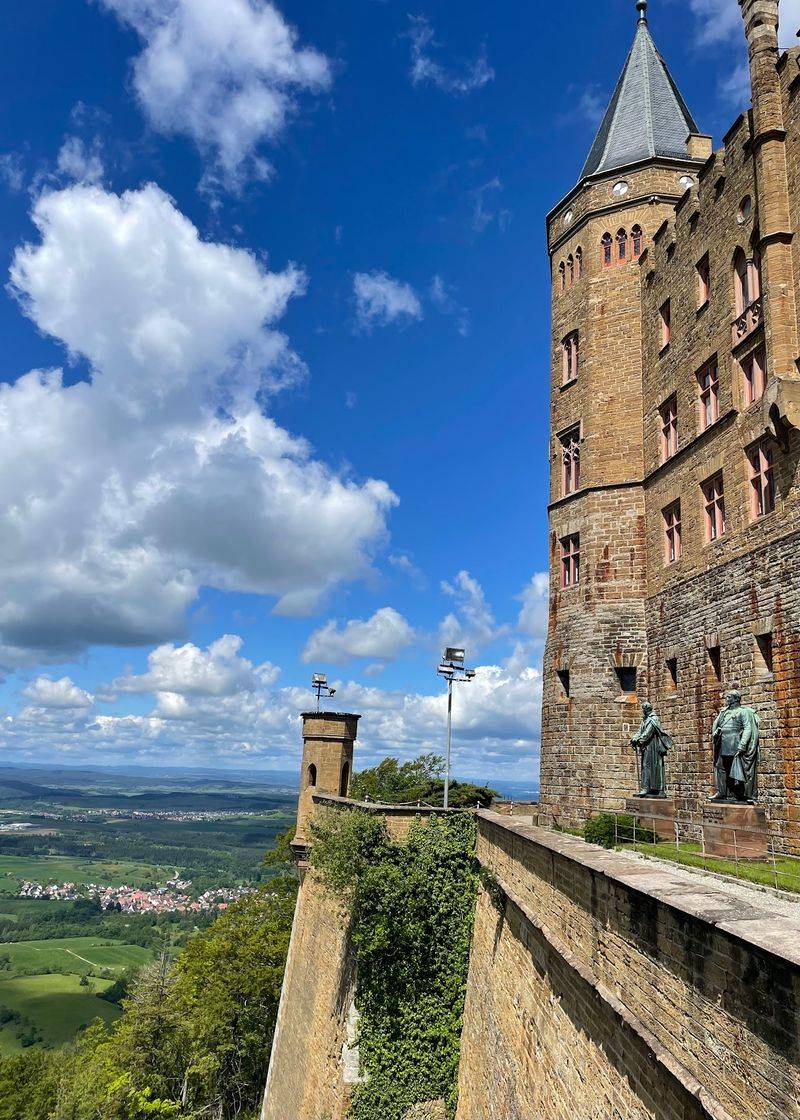
When mist fills the valleys, Hohenzollern seems to hover above the clouds. The castle crowns a lone mountain in southwestern Germany, and its towers follow the shape of the summit like a stone helmet.
Earlier fortresses stood here for centuries, but most of what you see was built in the 1800s. Its tall silhouette is impressive from far away, which was part of the idea.
Getting to the top takes some effort. You can hike a forest path, ride a shuttle bus, or take a walk from the parking area, and every option ends with a grand entrance gate.
Up top, the views sweep over the Swabian Jura and the rolling countryside beyond. Inside, treasures from the Prussian royal family are on display, including a famous crown.
Visit on a clear day if you want wide views, or on a foggy morning if you want the floating effect. Christmas markets held here in winter add sparkle, though the cold wind on the hilltop can be fierce, so bring warm layers.
Pena Palace, Portugal
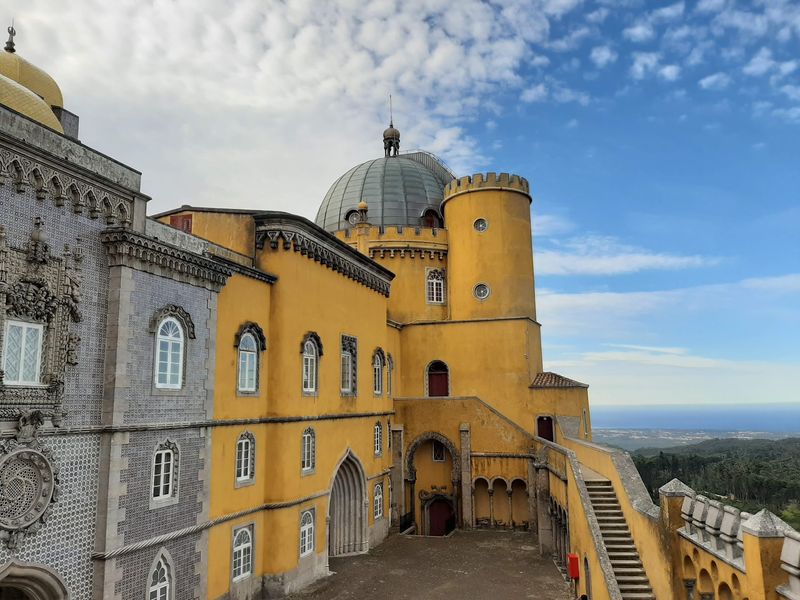
Bright yellow, bold red, and a touch of pink: Pena Palace looks like it raided a paint shop and had a great time. It rises high in the Sintra Mountains, often wrapped in clouds that make the colors pop even more.
King Ferdinand II built it in the 1800s, mixing Gothic, Moorish, Renaissance, and Romantic styles. Technically it is a palace, not a medieval fortress, but the battlements and hilltop spot give it a castle spirit.
The park around it is just as fun. Winding paths lead past ponds, hidden gardens, and viewpoints, and on clear days you can see all the way to the Atlantic.
Expect crowds, especially in summer. Arrive when the gates open, and book tickets online to save time.
The uphill walk is steep, so consider a shuttle from the entrance if energy is low.
Wear layers, because Sintra’s weather can shift from sunshine to cool fog in minutes. Take time to explore the terraces, where the views are as colorful as the walls.
Spiš Castle, Slovakia
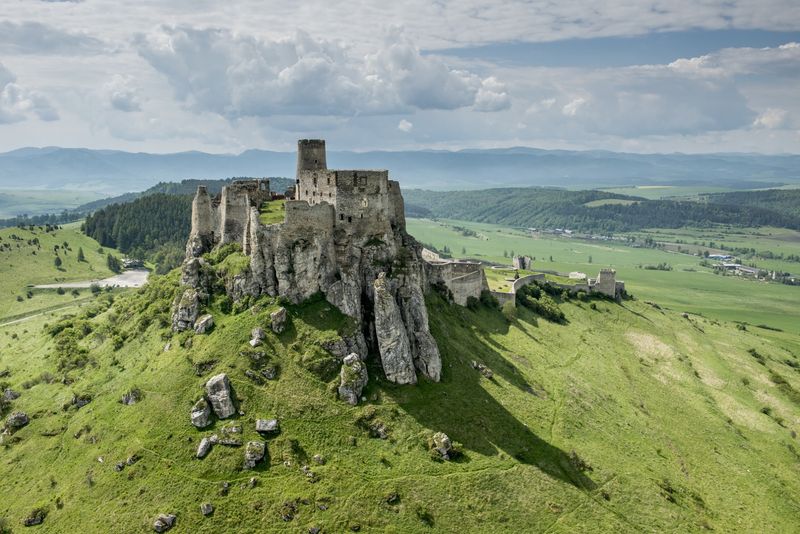
Bigger than you expect and emptier than you imagine, Spiš Castle sprawls across a limestone hill in northeastern Slovakia. It ranks among the largest medieval castle complexes in Central Europe.
The site grew over centuries, starting as a Romanesque stronghold and turning into a major political and military center. Today much of it lies in ruins, yet the walls still reach across the hilltop in huge lines.
From the top, views take in villages, fields, and faraway mountains. The open plateau gives the place a wild, windswept feel, and the scale of the stones makes you feel small.
UNESCO includes Spiš Castle in a wider World Heritage area because the region holds a rich collection of medieval monuments. Nearby, the town of Levoča and the Spišské Podhradie church add more history to a visit.
Give yourself at least two or three hours to wander. Sturdy shoes help on uneven paths, and a picnic lunch on the grass can be a nice pause.
Sunset light turns the old stones warm and golden.
Guaita Fortress, San Marino
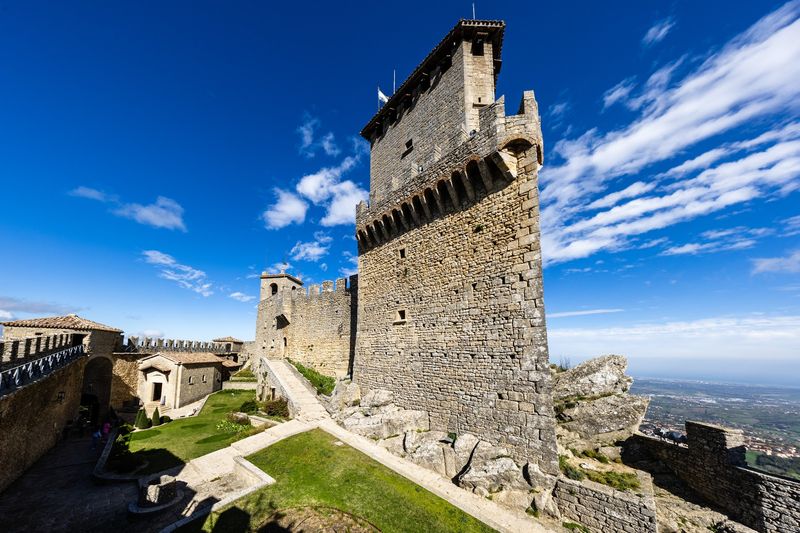
One of the world’s smallest countries has one of its most dramatic towers. Guaita is the oldest of San Marino’s three famous towers, and it perches right on the rocky crest of Mount Titano.
Sheer drops fall away beside the walls. On clear days, the view runs across Italy all the way to the Adriatic Sea, and you can pick out hills, villages, and coastline in the haze.
The fortress was built in the medieval period and expanded again and again as San Marino strengthened its defenses. Inside, you can climb to the tower, walk the walkways, and peek into the old prison cells.
UNESCO recognizes the historic center of San Marino and Mount Titano for preserving the traditions of one of the oldest republics in the world. That adds extra meaning to every stone you step on.
Wear comfortable shoes, since the streets leading up are steep and cobbled. Visit early in the morning for cooler air and fewer people, and bring a camera for the cliff-edge views.
Share this story