Long before factories took over, skilled craftspeople built the objects that held everyday American life together. They forged iron tools, wove baskets from tree bark, bound books by hand, and shaped wooden boats plank by plank.
Most of those skills have quietly faded from ordinary life, but they have not vanished entirely. Tucked into mountain hollows, lakeside towns, and rural farmsteads across the country, a surprising number of folk schools and craft centers still teach these techniques to anyone curious enough to show up.
Some of these places have been running workshops for nearly a century. Others focus on a single craft with an almost obsessive dedication that turns a weekend class into a genuine revelation.
Whether you have never held a hammer or you already own a workbench, the fifteen destinations ahead offer a rare chance to learn something real with your own two hands.
1. John C. Campbell Folk School, Brasstown, North Carolina
Founded in 1925 with the motto “I sing behind the plow,” the John C. Campbell Folk School has spent a century proving that learning a craft is just as meaningful as the finished object itself.
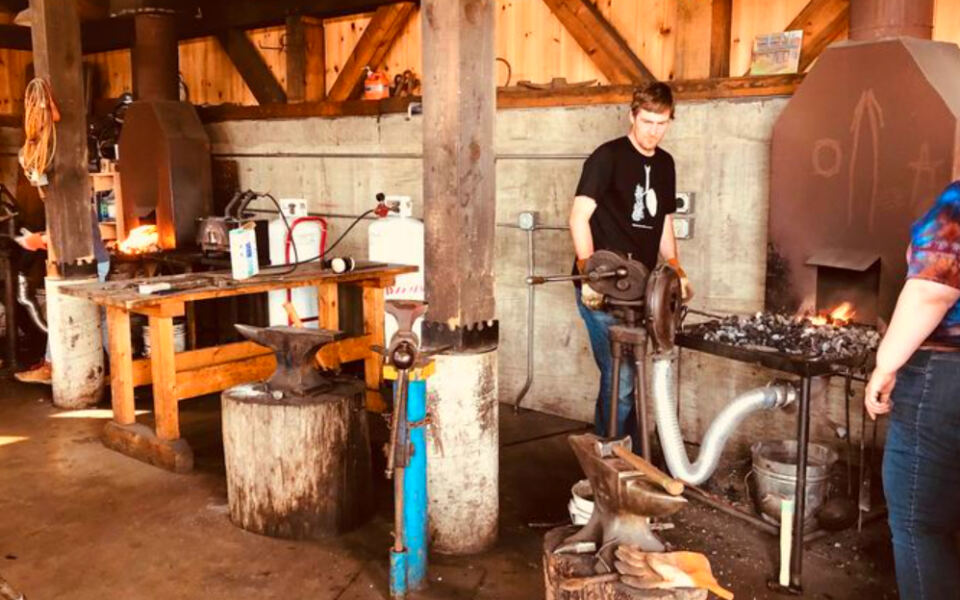
Buried in the scenic mountains of western North Carolina, this school packs its year-round schedule with week-long and weekend classes across more than fifty subject areas, including blacksmithing, basketry, woodworking, fiber arts, and book arts.
Students do not just watch demonstrations here. They spend real time at the forge, loom, bench, or worktable with an instructor guiding every step.
The September 2026 “Olive’s Porch Community Workshop Days” featured kaleidoscope making, woodturning, and nature-inspired painting alongside traditional woodcarving.
For those who cannot travel, the school also offers online classes, extending its reach far beyond the Blue Ridge Mountains.
2. Arrowmont School of Arts and Crafts, Gatlinburg, Tennessee
Most visitors to Gatlinburg are there for the tourist strip, but just beyond the noise sits a school that has been keeping Appalachian craft traditions genuinely hands-on for generations.
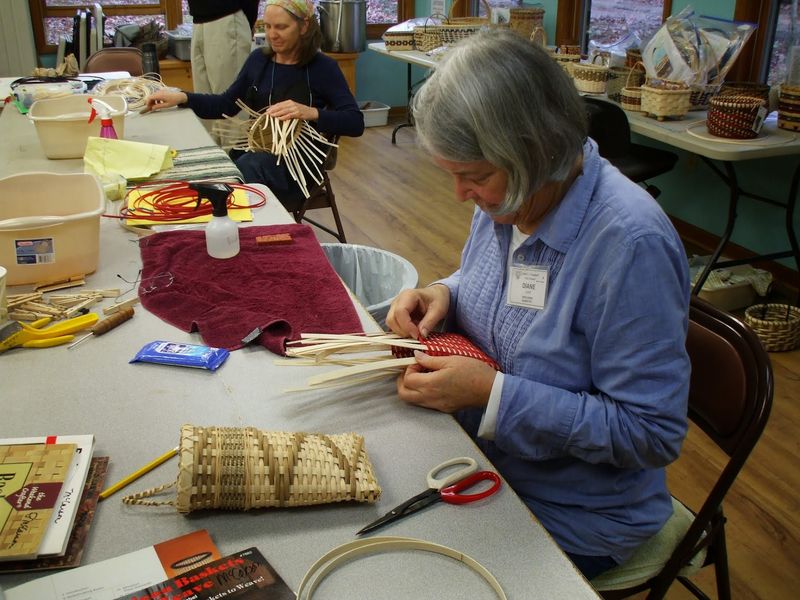
Arrowmont’s 2026 workshop calendar offered something for nearly every skill level and curiosity, from “The Mighty White Oak: From Tree to Basketry,” which walks students through every step from splitting the log to finishing the basket, to sweetgrass basket weaving and totemic wood sculpture.
Community workshops are open to families and youth as young as five, covering woodworking, fiber arts, jewelry, and clay in formats that feel approachable rather than intimidating.
Holiday community workshops in December 2026 added festive, seasonal projects to the mix, giving the school a year-round reason to visit.
Once you see how much careful work goes into a single handmade basket, you will never look at one the same way again.
3. Ozark Folk Center State Park, Mountain View, Arkansas
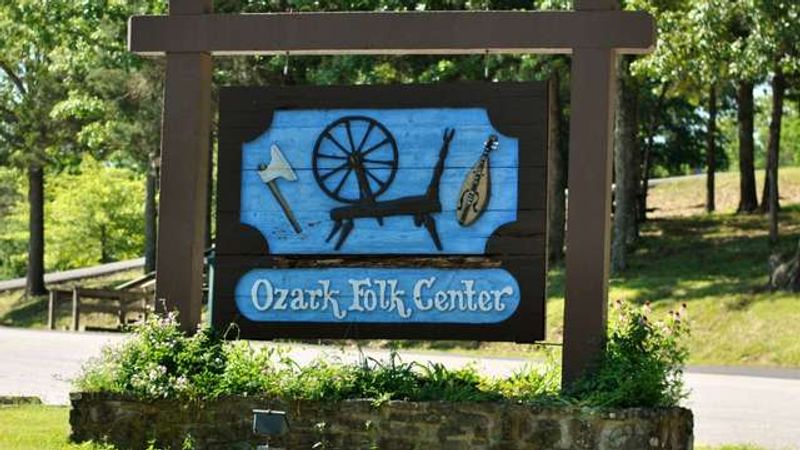
No other destination on this list combines traditional craft, live music, and regional culture quite the way this Arkansas state park does, making it genuinely unlike anything else in the country.
The Craft Village operates from mid-April through mid-November and is home to more than 20 working artisans who demonstrate and sell handmade goods, covering everything from broom making and blacksmithing to quilting, pottery, knife making, and candle making.
The Spring Ozark Folk School in March 2026 offered classes in stained glass, copper flame painting, wheel-thrown pottery, letterpress printing, tinsmithing, and beginning blacksmithing, among others.
Later that summer, the Ozark Farmways Homesteading Workshops taught practical skills like butter making, corn grinding, sourdough care, rug twining, and nine-patch quilt squares.
For travelers curious about pre-factory household life, few places make that history feel this close and this real.
4. Tillers International, Scotts, Michigan
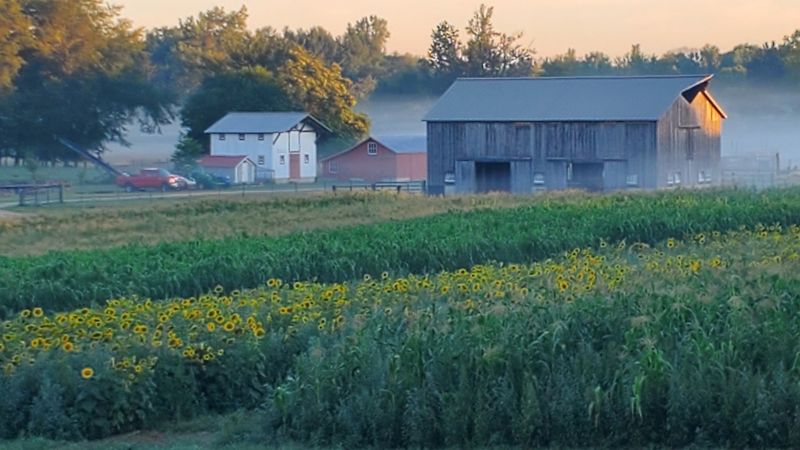
A working farm in rural Michigan is not where most people expect to find a class on barrel making, but Tillers International has built an entire curriculum around exactly these kinds of practical, nearly forgotten skills.
The 2026 schedule included Blacksmithing I and II, a Parent and Teen Blacksmithing option, a two-day wheelwrighting class focused on building wooden wheels for wagons and wheelbarrows, and an Advanced Coopering Barrels course where students crafted traditional five-gallon pin kegs from white oak.
An Oxen Basics class in July 2026 taught students to drive, train, and yoke oxen, reflecting the farm’s broader commitment to traditional agricultural knowledge alongside its craft programming.
The emphasis throughout is on objects that actually work and techniques that were once essential to daily life.
This feels less like an art retreat and far more like a hands-on apprenticeship in a century-old trade.
5. San Francisco Center for the Book, San Francisco, California
Before paperbacks became disposable, producing a single book could involve weeks of skilled labor, a fact that becomes very clear the moment you try to bind one yourself.
The San Francisco Center for the Book teaches traditional bookbinding and letterpress printing through beginner-friendly workshops and a structured Bookbinding Core Certificate Program that covers Coptic binding, flat-back case binding, limp paper binding, and rounded back cloth binding.
A workshop on American Scaleboard Bindings explores a specific technique used in the Americas from the late 17th to mid-19th centuries, sometimes employing thin wood boards as covers.
Team builder workshops are also available, allowing groups to learn bookbinding or letterpress printing together in a collaborative setting.
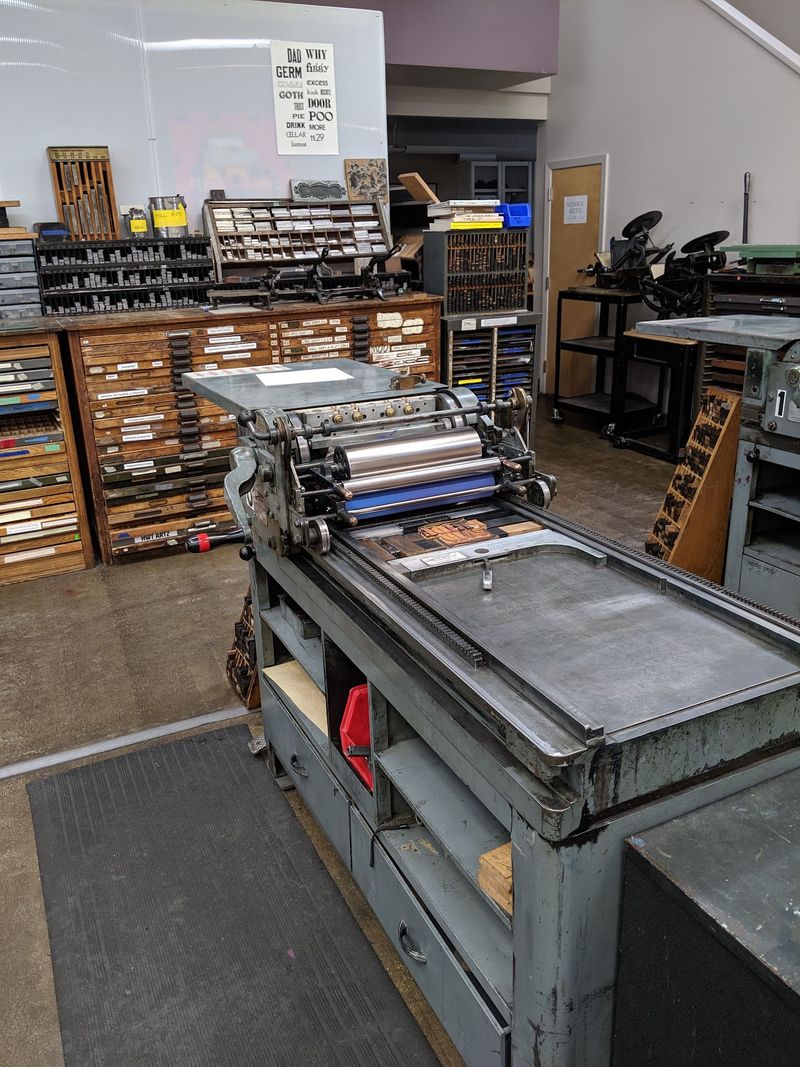
The studio itself, filled with rows of antique type, presses, sewing frames, and cutting equipment, provides enough visual interest to keep anyone engaged long before the first lesson begins.
6. North Bennet Street School, Boston, Massachusetts
Boston is famous for a lot of things, but its role as a serious center for traditional hand bookbinding is not one most visitors would guess.
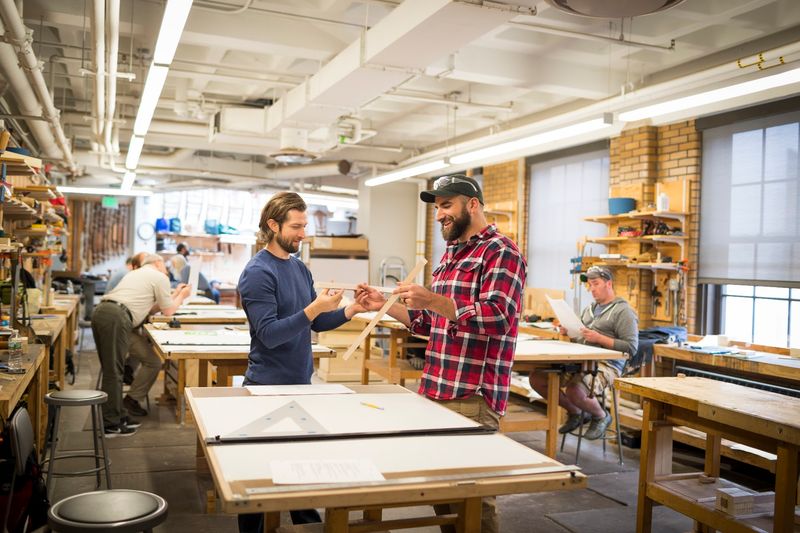
North Bennet Street School runs a two-year comprehensive Bookbinding program that covers the history and development of the craft, historical and modern binding structures, boxes and protective enclosures, cloth and paper binding repair, leather binding creation and repair, conservation practices, and traditional finishing techniques including blind tooling and gold lettering.
Community courses like Bookbinding 101 offer a quicker introduction to pamphlet binding, flatback case binding, and link stitch binding for those not ready for a full program.
Specialized classes include Ethiopian Bookbinding and a Bookbinding for Book Historians course that explores binding structures from the 17th through 19th centuries.
For anyone who has ever wondered how books survived for centuries before modern adhesives, this school has the answers and the tools to prove it.
7. Textile Center, Minneapolis, Minnesota
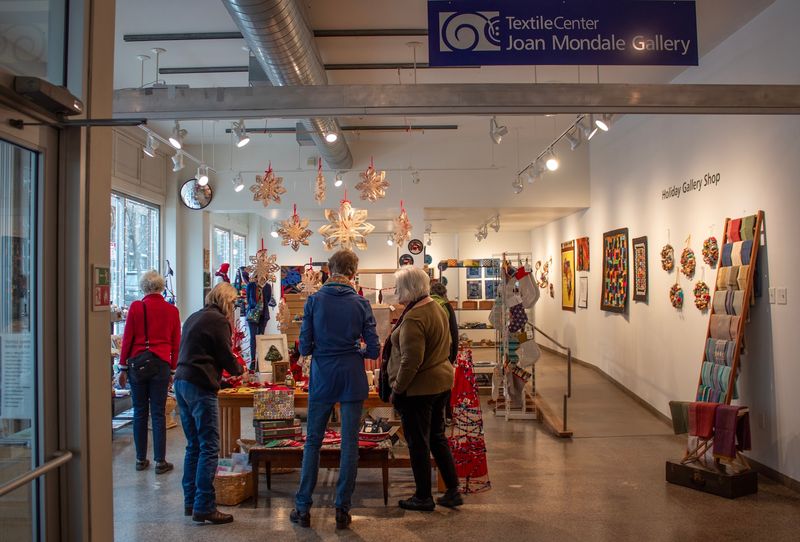
Needles, thread, reeds, and cloth take center stage at this Minneapolis institution, which has spent years making the case that fiber arts belong to everyone, not just specialists.
The Textile Center produces more than 200 classes annually across youth, adult, older adult, and outreach programs, covering basket weaving, natural dyeing, mending, crewel embroidery, and a wide range of other techniques that were once standard household knowledge.
Late 2026 offerings included Upcycled Fabric Braided Rug, Needle Felted Sculpture, Not Your Traditional Granny Squares, and a Mending Workshop focused on pants zipper replacement.
More experimental classes like Burn It Down, which teaches fiber identification through controlled burn tests, and Fresh Leaf Indigo Three Ways, show that the center keeps its curriculum genuinely current.
Beeswax Food Wraps and Natural Dyeing with Marigolds rounded out a schedule that proves old skills can feel completely new again in the right setting.
8. North House Folk School, Grand Marais, Minnesota
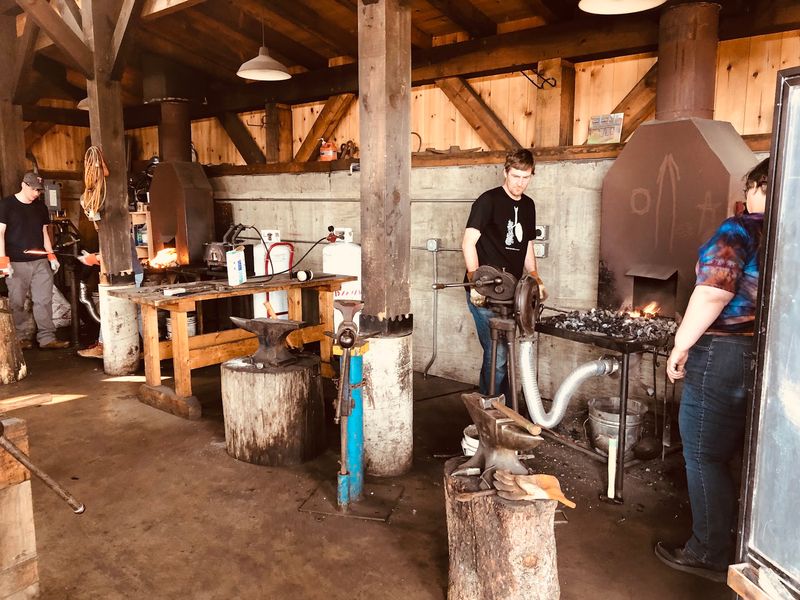
Right on the edge of Lake Superior, where the water stretches out so far it looks like an inland sea, North House Folk School has been quietly preserving northern handcraft traditions for decades.
Students can choose from an impressive range of courses built around wood, fiber, boats, baskets, and leather, often working with hand tools and natural materials sourced directly from the surrounding landscape.
The 2026 and 2027 course catalog includes everything from blacksmithing and boatbuilding to bead weaving, handmade brushes and brooms, eco-printing with natural elements, and even fish skin sewing.
Families are welcome too, with many courses open to youth under 18 and an intergenerational discount available for parents and children learning side by side.
The school also runs an Artisan Development Program for those serious about turning a weekend hobby into a real handcraft practice.
9. Peters Valley School of Craft, Layton, New Jersey
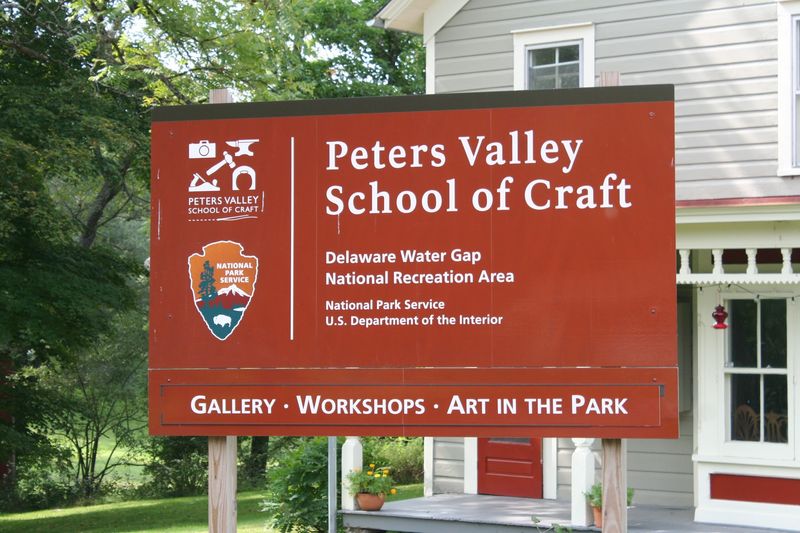
Tucked into the Delaware Water Gap National Recreation Area, Peters Valley School of Craft sits in a setting that makes it easy to forget that mass-produced objects exist at all.
The school’s campus hosts workshops across a broad range of disciplines, including blacksmithing, woodworking, fibers and textiles, basketry, ceramics, printmaking, and fine metals, giving students real choices based on their interests.
Open 2026 registrations featured courses like Funky Friction Folders, From Fiber to Fashion, and Intro to Woodturning, alongside a ceramics workshop called Anagama: Fire, Form, Material, and the Art of Embracing the Unexpected.
A Blacksmithing Open Studio Day invited visitors to watch live demonstrations and ask questions about the craft without committing to a full class.
A weekend here regularly introduces students to techniques most people have only encountered in history books or behind museum glass, and that gap between knowing and doing is exactly what Peters Valley closes.
10. Snow Farm-New England Craft, Williamsburg, Massachusetts
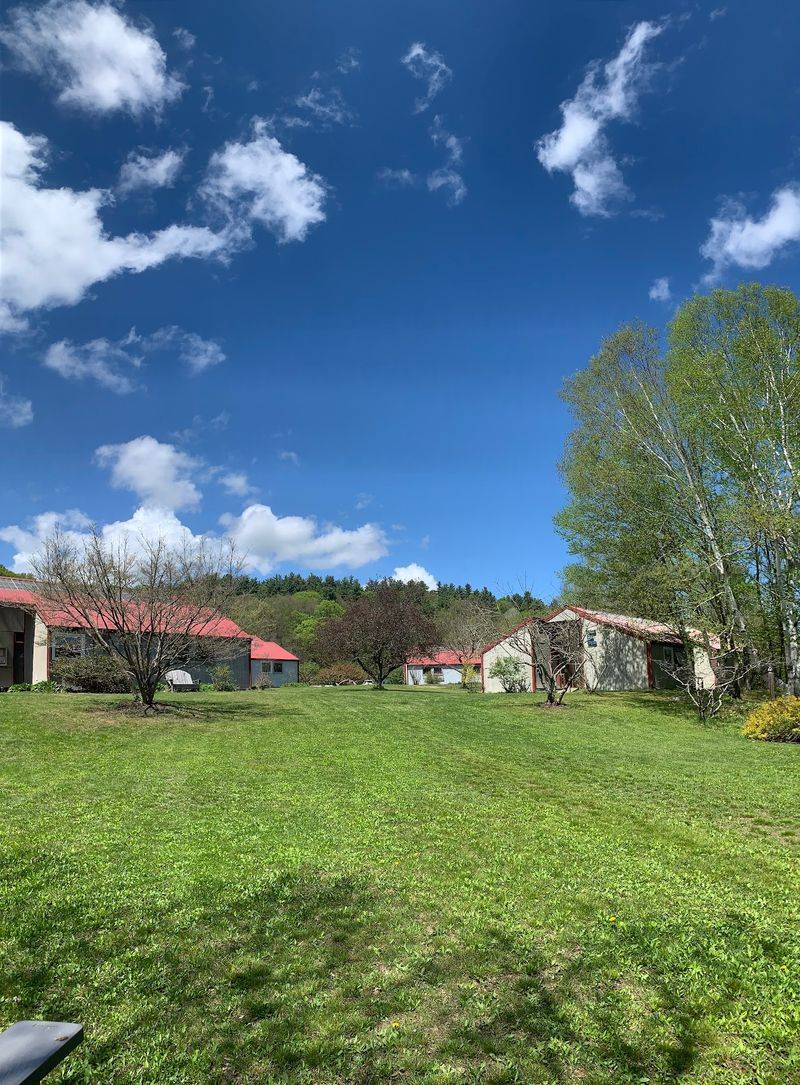
Fifty acres of historic New England farmland provide the backdrop for one of the few residential, multidisciplinary craft schools still operating in the United States.
Snow Farm runs immersive workshops from May through October across nine studio areas: 2D Mixed Media, 3D Mixed Media, Ceramics, Fiber and Baskets, Flameworking, Flat Glass, Glassblowing, Metalsmithing and Jewelry, and Woodworking.
Within woodworking alone, the 2026 schedule included From Tree to the Perfect Heirloom Bowl, Green Wood Spoon Carving, and building a Greenwood Post and Rung Stool from scratch using traditional joinery techniques.
Workshops cater to beginners, all-levels students, and those with prior experience, and a summer program for high school students adds a younger generation to the mix.
Trading screens and schedules for tools and patient handwork on a working farm is, according to most students who try it, a surprisingly effective way to reset.
11. WoodenBoat School, Brooklin, Maine
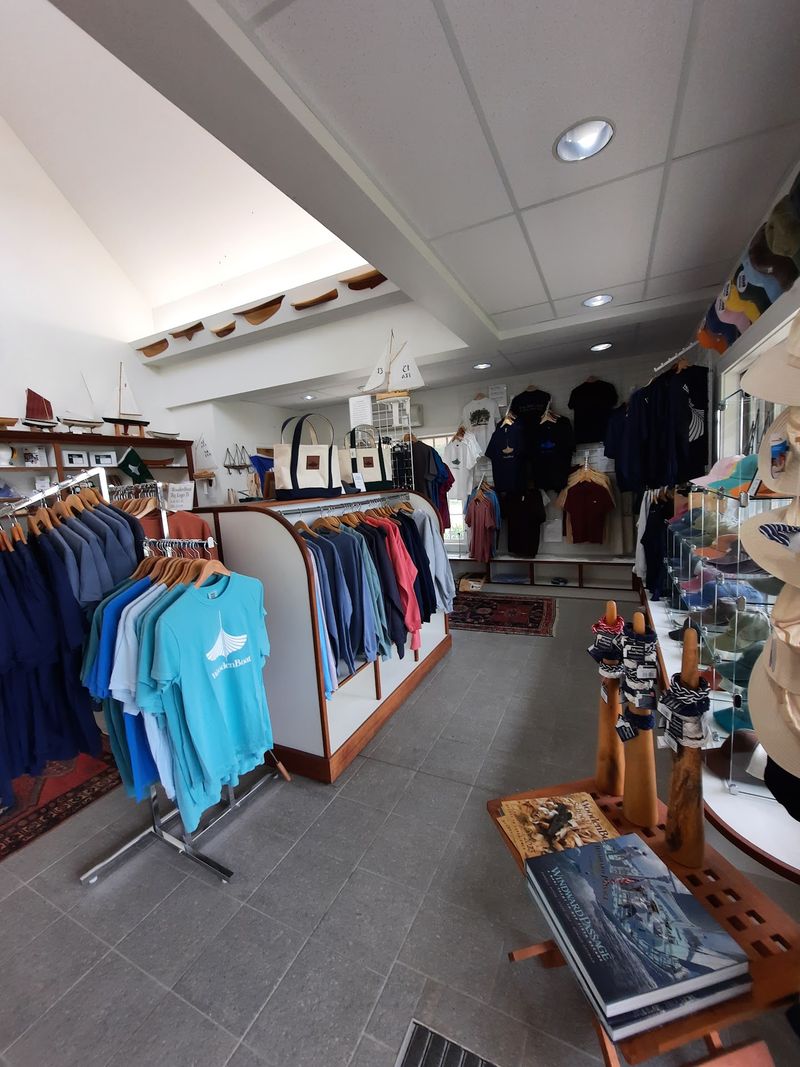
Traditional wooden boatbuilding makes far more sense once you are standing beside the Maine coast with a plank in your hands and a half-framed hull in front of you.
Established in 1981, WoodenBoat School offers more than 100 courses annually covering boatbuilding, woodworking, small boat sailing, large boat sailing, open boat and kayak construction, and related crafts.
Notable 2026 offerings included Building a Lapstrake Peapod, Building the McKenzie River Dory, Sparmaking, Build Your Own Fox Canoe, Wood-and-Canvas Canoe Repair, and Traditional Lapstrake Construction, with Family Boatbuilding available for those who want to share the experience.
Courses typically run one to two weeks, giving students enough time to work through boat plans, lofting, scarfing, framing, planking, and interior joinerwork without rushing.
Few craft experiences anywhere in the country combine such a specific historic skill with such a fitting natural setting.
12. Appalachian Center for Craft, Smithville, Tennessee
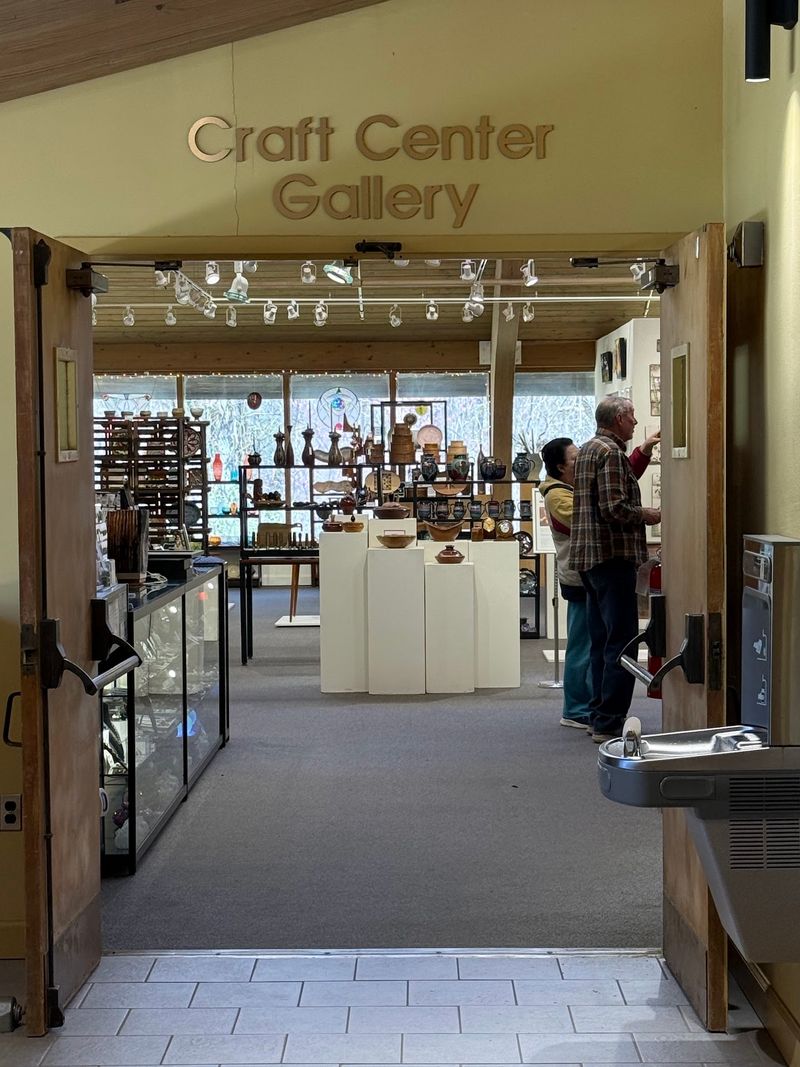
Overlooking Center Hill Lake in the Tennessee hills, this institution holds the distinction of being Tennessee’s largest craft center, and it takes that title seriously.
Tennessee Tech’s Appalachian Center for Craft blends traditional Appalachian craft with contemporary approaches across five disciplines: clay, glass, wood, fibers, and metals, offering workshops that range from beginner introductions to advanced studio work.
The Family Craft Studio provides free, open-to-the-public sessions designed for all ages, making hands-on craft accessible to visitors who have never set foot in a studio before.
Educator workshops in 2026 included Wearable Color, an immersive fiber studio experience, and Organic Steel: Heat, Movement and Transformation, which covered blacksmithing and metal fabrication in a single course.
High school students can also participate through dedicated field trip programs that combine a studio tour with a hands-on workshop, making this one of the most broadly accessible places on the list.
13. Homestead Craft Village, Waco, Texas
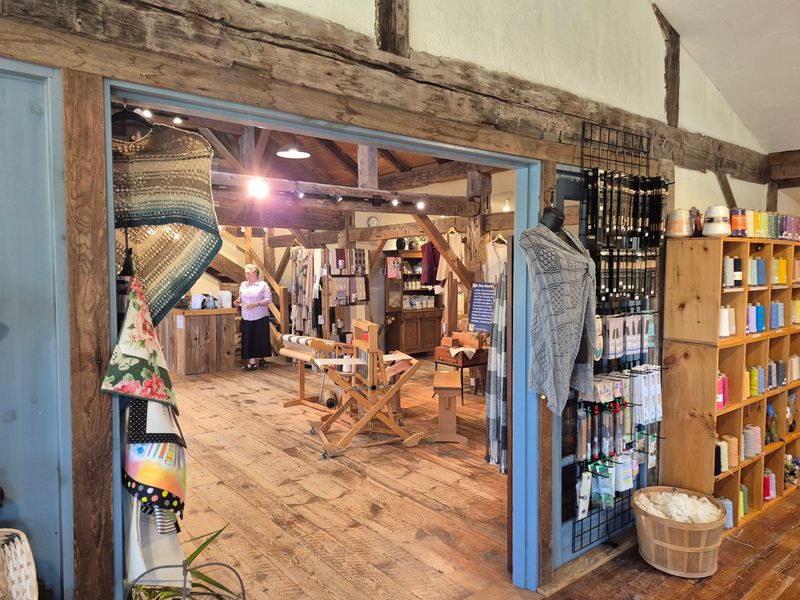
In Waco, Texas, old-fashioned skills are not preserved behind velvet ropes. They are practiced daily in working craft shops where visitors can watch, ask questions, and often try the techniques themselves.
Homestead Craft Village offers immersive demonstrations in woodworking, pottery, fabric crafts, cheese making, barn building, basket weaving, and ironwork, giving visitors a wide view of how pre-industrial households actually functioned.
The Ploughshare Institute on the campus runs formal courses in furniture making, blacksmithing, pottery, weaving, spinning, and basket making, while Homestead Fiber Crafts adds classes in knitting, crocheting, and spinning to the lineup.
The Homestead Baskets shop produces its pieces using white oak splints, rattan, and long pine needles, materials that connect directly to the regional landscape.
Even a brief visit can turn hands-on quickly, with activities introducing guests to traditional basket weaving and the basic rhythm of working metal at an anvil.
14. Adirondack Folk School, Lake Luzerne, New York
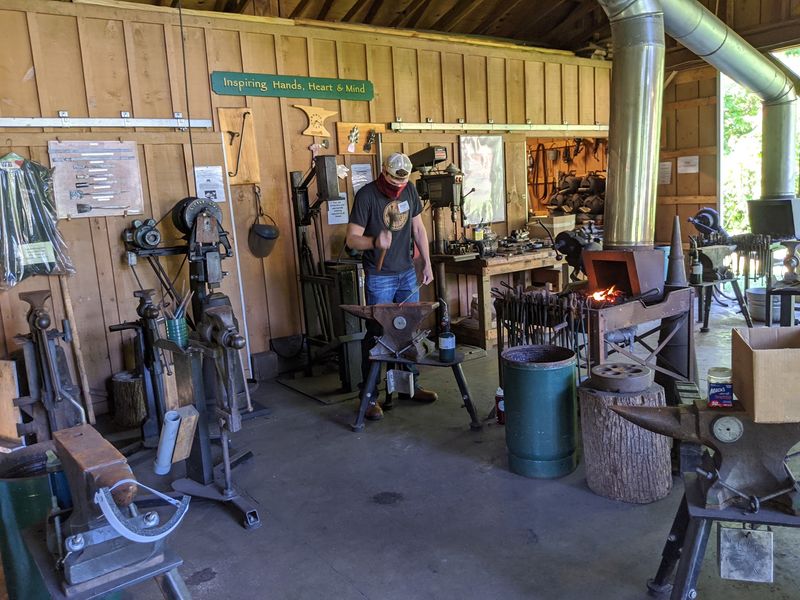
The Adirondack region built its own rugged, practical craft tradition over generations, and this Lake Luzerne school has made it its mission to keep that knowledge in active use rather than archived and forgotten.
The Adirondack Folk School’s year-round catalog spans half-day sessions to multi-week intensives, covering blacksmithing, basketry, paddle and boat making, caning, rustic furniture, weaving, and woodcarving, all skills tied directly to life in the region’s forests and waterways.
The school is nationally recognized for its blacksmithing program, with Complete Basic Blacksmithing courses offered multiple times between April and October 2026.
A 2026 craft sampler combined basketry, blacksmithing, weaving, and woodworking into a single approachable experience, giving newcomers an unusually efficient way to test several techniques before committing to one.
Children 12 and under attend free of charge, and evening programs make the school accessible to visitors with daytime schedules already spoken for.
15. Vesterheim The National Norwegian-American Museum & Folk Art School, Decorah, Iowa
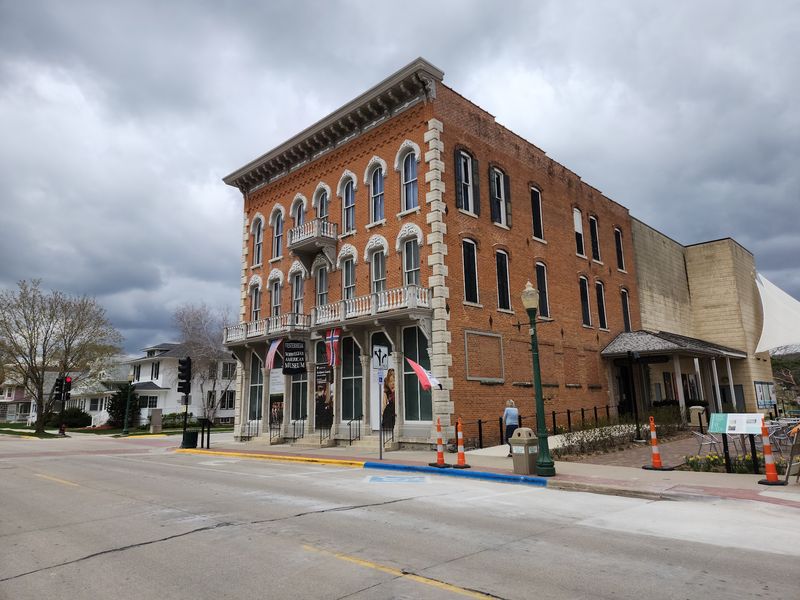
Decorah, Iowa, is home to one of the most specific and quietly remarkable craft schools in the country, one dedicated entirely to the handcraft traditions Norwegian immigrants carried across the Atlantic and kept alive on American soil.
Vesterheim’s Folk Art School offers classes in rosemaling, woodcarving, weaving, metalwork, and knifemaking, with 2026 additions including Introduction to Tapestry Weaving, Natural Dyeing with Lichen, Build Your Own Holmegaard-Style Bow, Chip Carved Box, and Forging Kitchen Utensils in Steel and Copper.
A Family Handcraft at Home course on rosemaling a Midsummer Blue Dala Horse brought the tradition into a format accessible to younger learners, while youth programs in carving and language extended the school’s reach further.
Classes are offered both in-person and online, and the surrounding museum collection and historic buildings give students a direct visual connection between the objects preserved from the past and the skills still practiced today.
Share this story