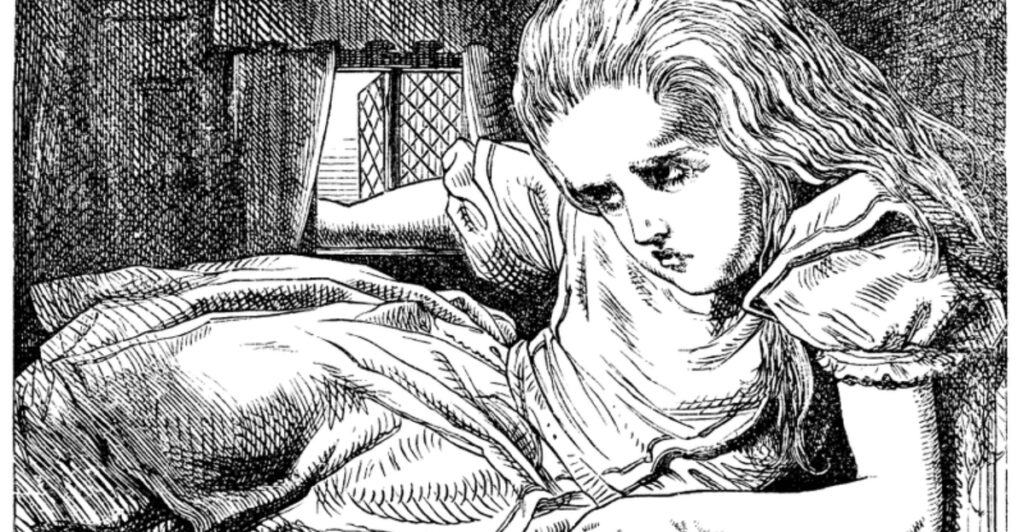
Some medical conditions sound so strange that you might think someone made them up just to win a trivia contest. But these are real, documented conditions that affect real people around the world.
From hearing phantom explosions at night to believing you have turned into a walking corpse, the human body and brain can behave in truly unexpected ways. Understanding these conditions helps build empathy and reminds us that medicine still holds many mysteries worth exploring.
1. Foreign Accent Syndrome

Picture waking up after a stroke and suddenly sounding like you grew up in a completely different country. That is exactly what happens with Foreign Accent Syndrome, one of the most unusual speech disorders ever documented.
It is rare, with fewer than 100 confirmed cases recorded in medical literature.
The condition usually follows a brain injury, stroke, or neurological illness. The changes in speech patterns happen because the brain areas controlling rhythm, tone, and pronunciation are disrupted.
The person has not learned a new accent. Their brain has simply rewired how it produces certain sounds.
People with this condition sometimes face social challenges because others assume they are faking or exaggerating. Living with a voice that no longer feels like your own can be emotionally difficult.
Speech therapy can help manage some of the changes, though for some patients the accent becomes a permanent part of their life.
2. Exploding Head Syndrome

Right as you are drifting off to sleep, your brain decides to play the sound of a thunderclap or a gunshot, except nothing actually happened. That is Exploding Head Syndrome in a nutshell, and despite its dramatic name, it is not physically dangerous.
The sounds are entirely internal and created by the brain itself.
Researchers believe the condition happens when parts of the brain do not properly transition into sleep mode, causing a burst of neural activity that the brain interprets as a loud noise. Some people also report seeing brief flashes of light during episodes.
It is more common than many people realize and often goes unreported because sufferers assume no one would believe them.
Stress and sleep deprivation seem to trigger episodes more frequently. Reassurance from a doctor is often the first step in treatment.
Knowing the condition is harmless can significantly reduce the anxiety that tends to make episodes worse over time.
3. Cotard Syndrome (Walking Corpse Syndrome)
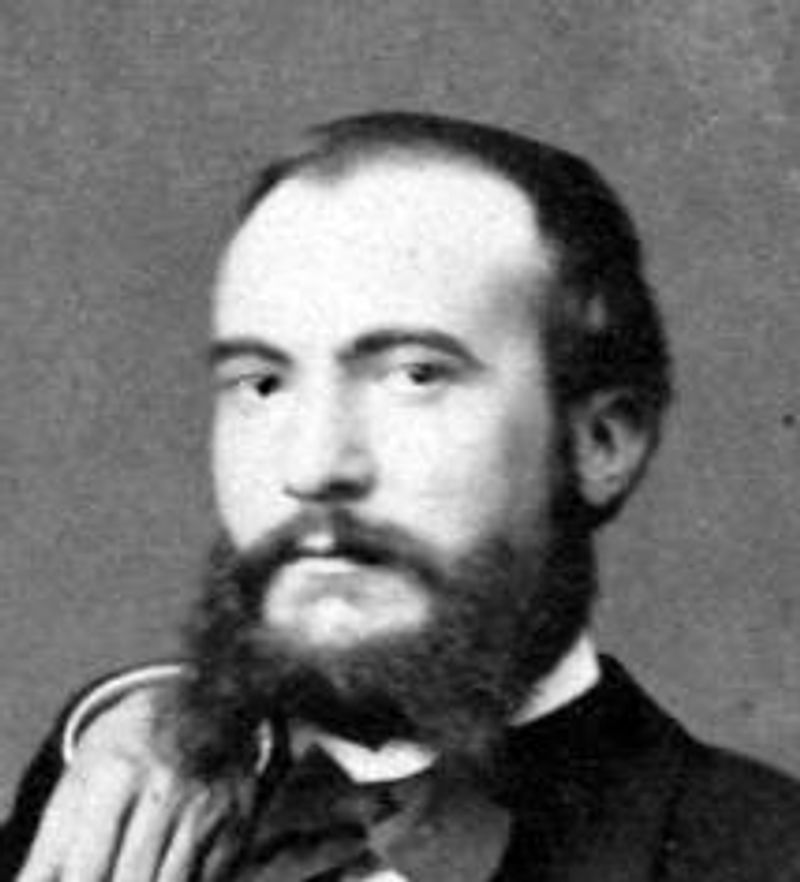
Cotard Syndrome is one of the most haunting psychiatric conditions ever described. People who experience it may genuinely believe they are dead, that their organs have disappeared, or that they no longer exist as a living person.
It is not a figure of speech. For those affected, this belief feels completely real.
First described by French neurologist Jules Cotard in 1882, the condition is associated with severe depression, schizophrenia, and certain neurological disorders. Brain imaging studies suggest it may involve disrupted connections between the areas that recognize faces and the areas that process emotional responses, leading to a profound sense of unreality.
One documented patient reportedly stopped eating because they believed they were already dead and had no need for food. Treatment usually involves a combination of antidepressants, antipsychotic medications, and therapy.
With proper care, many patients do recover, though the condition can be life-threatening if left untreated due to self-neglect.
4. Fibrodysplasia Ossificans Progressiva (Stone Man Syndrome)
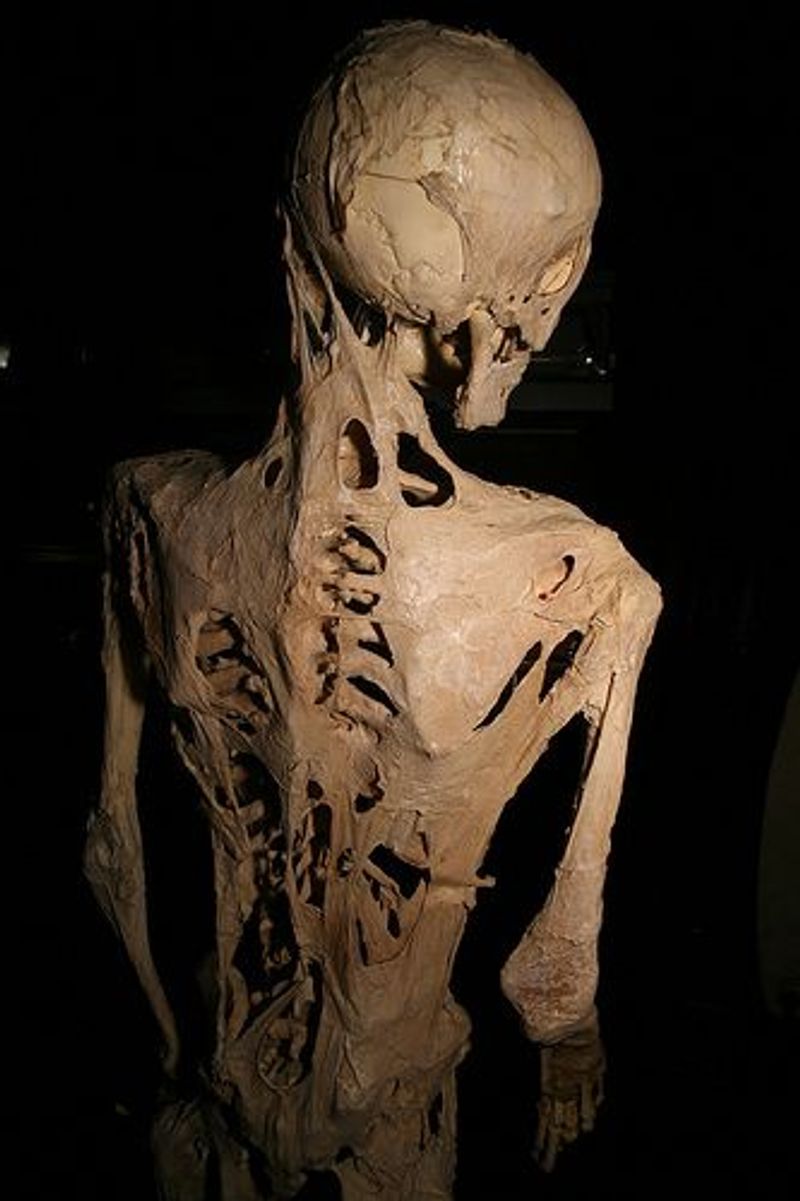
Fibrodysplasia Ossificans Progressiva, often called Stone Man Syndrome, is one of the rarest and most disabling genetic disorders known to medicine. The body essentially builds a second skeleton in the wrong places, turning soft tissues like muscles, tendons, and ligaments into bone over time.
There is currently no cure.
The condition affects roughly one in two million people worldwide. Even minor injuries or medical procedures like injections can trigger new bone growth, making treatment extremely complicated.
Doctors must be very careful about any physical intervention because it can accidentally accelerate the process. Surgically removing the extra bone only causes more to grow back.
Children born with this condition often show an early warning sign: a misshapen big toe that curves inward at birth. Most patients eventually lose the ability to move freely as the extra bone locks joints in place.
Researchers are actively working on targeted therapies to slow or block the abnormal bone-forming process.
5. Alice in Wonderland Syndrome
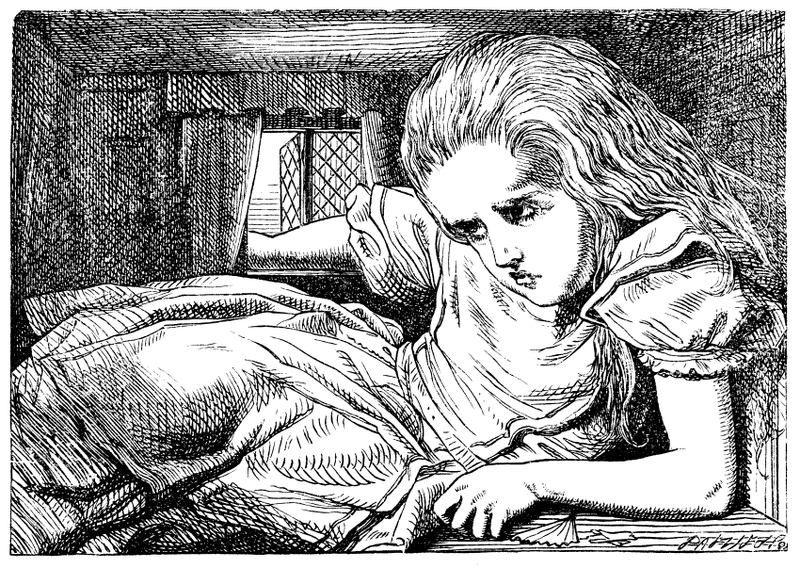
Imagine looking at your own hand and suddenly feeling like it has grown to the size of a table. That is the kind of experience people with Alice in Wonderland Syndrome can face.
Named after Lewis Carroll’s famous story, this neurological condition causes temporary but very real distortions in perception.
People may feel their body parts are shrinking or expanding, or that nearby objects look far away or enormous. These episodes are not hallucinations exactly, but rather misfires in how the brain processes size and space.
The condition is more common in children and often occurs during migraines or viral illnesses.
Interestingly, Lewis Carroll himself may have experienced these episodes, which could have inspired his iconic story. Most people outgrow the condition over time.
While there is no specific cure, treating the underlying cause, such as migraines, often helps reduce how frequently episodes occur.
6. Epidermodysplasia Verruciformis (Tree Man Syndrome)

Epidermodysplasia Verruciformis gained wide public attention after images of a man in Bangladesh with extensive bark-like growths on his hands circulated online. The condition is sometimes called Tree Man Syndrome, and while the nickname sounds like something from a fairy tale, the reality is a serious and life-altering skin disorder.
It is caused by an inherited defect in the immune system that leaves certain cells unable to fight off specific strains of the human papillomavirus, or HPV. As a result, wart-like growths can spread widely across the skin, particularly on the hands and feet.
These growths can become very large and make daily tasks extremely difficult.
Surgery can remove the growths, but they tend to return because the underlying immune deficiency remains. Antiviral medications and retinoids have been used with limited success.
Ongoing research into gene therapy offers some hope for future treatments that could address the root immune system problem more effectively.
7. Hypertrichosis (Werewolf Syndrome)

Throughout history, people with Hypertrichosis may have inspired legends of werewolves and wild men of the forest. The condition causes excessive hair growth on parts of the body where hair does not normally grow in such amounts, including the face, ears, and shoulders.
It can appear at birth or develop later in life.
There are two main types: generalized Hypertrichosis, which affects the entire body, and localized Hypertrichosis, which is limited to specific areas. The congenital form is extraordinarily rare, with only about 50 documented cases since the Middle Ages.
Some forms are caused by genetic mutations, while others can be triggered by medications or underlying medical conditions.
People with this condition have historically faced significant social stigma. Today, treatments such as laser hair removal, waxing, and electrolysis can help manage the cosmetic aspects.
Researchers continue to study the genetic mutations involved, which may eventually lead to more targeted medical solutions for affected individuals.
8. Trimethylaminuria (Fish Odor Syndrome)

Trimethylaminuria is a metabolic condition that causes the body to emit a persistent, strong odor resembling rotting fish. The smell comes from a compound called trimethylamine that the body cannot properly break down.
Instead of being neutralized, it builds up and is released through sweat, breath, and urine.
The condition is caused by mutations in a gene responsible for producing an enzyme that normally breaks down trimethylamine in the liver. It can be present from birth or triggered later by hormonal changes or liver conditions.
The odor does not respond to regular bathing because it originates from within the body, not the skin’s surface.
Living with this condition can be deeply isolating. Many people experience anxiety, depression, and social withdrawal because of the unpredictable nature of the odor.
Management strategies include dietary changes, such as avoiding foods high in choline, and certain supplements. Support groups have become a vital resource for people navigating the emotional challenges of this condition.
9. Auto-Brewery Syndrome

Auto-Brewery Syndrome sounds like the punchline of a joke, but for those who have it, the experience is anything but funny. The condition causes certain microorganisms in the gut to ferment carbohydrates into ethanol, essentially brewing alcohol inside the digestive system.
A person can become intoxicated without drinking a single drop of alcohol.
Cases have led to some genuinely surreal situations, including people failing breathalyzer tests despite insisting they had not been drinking. The condition is often linked to an overgrowth of specific yeast strains, particularly Saccharomyces cerevisiae, in the gut.
Antifungal treatments and dietary changes that reduce carbohydrate intake are the main approaches to managing it.
Diagnosis can be tricky because many doctors are unfamiliar with the condition. Patients sometimes go years without a correct diagnosis, facing legal and professional consequences along the way.
Raising awareness among medical professionals is an important step toward helping people get the answers and treatment they need sooner.
10. Stiff Person Syndrome
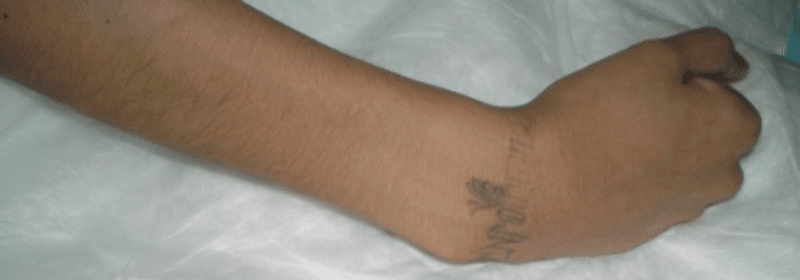
Stiff Person Syndrome is a rare neurological disorder that causes the muscles to become progressively rigid, particularly in the back and abdomen. Painful muscle spasms can be triggered by the smallest things, including a sudden noise, a light touch, or even emotional stress.
The unpredictability of the spasms makes daily life very difficult to manage.
The condition is autoimmune in nature, meaning the body’s immune system mistakenly attacks certain proteins in the brain and spinal cord that help regulate muscle movement. It affects roughly one in a million people and is more common in women than men.
Singer Celine Dion publicly revealed her diagnosis in 2022, bringing significant attention to the condition for the first time.
Treatment typically includes muscle relaxants, anti-anxiety medications, and intravenous immunoglobulin therapy. Physical therapy can also help maintain flexibility and reduce the severity of spasms.
While there is no cure, many patients find that a combination of treatments helps them maintain a reasonable quality of life.
11. Moebius Syndrome
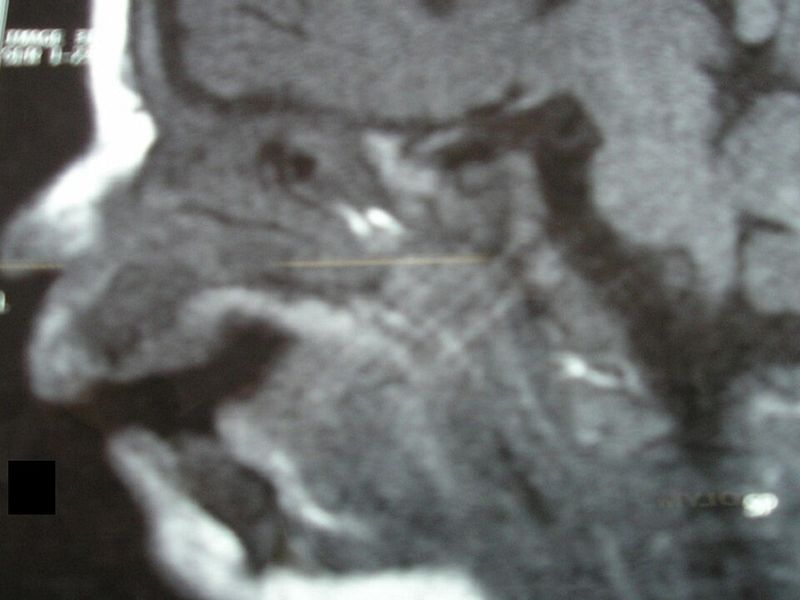
Most of us communicate a huge amount through facial expressions without even thinking about it. For people with Moebius Syndrome, that option simply does not exist.
This rare congenital condition affects the sixth and seventh cranial nerves, which control eye movement and facial expression, resulting in a face that cannot smile, frown, or show surprise.
The syndrome is present from birth and affects an estimated 1 in 50,000 to 1 in 500,000 people worldwide. In addition to limited facial movement, many individuals also have difficulty with eye movement, swallowing, and speech.
Some people with Moebius Syndrome also experience limb differences or other physical characteristics.
Despite these challenges, many individuals with Moebius Syndrome lead full, active, and richly connected lives. They often develop alternative ways to express emotion through gestures, tone of voice, and body language.
Advocacy communities have grown significantly in recent years, helping raise awareness and push for greater social inclusion and medical research funding.
12. Progeria (Hutchinson-Gilford Progeria Syndrome)
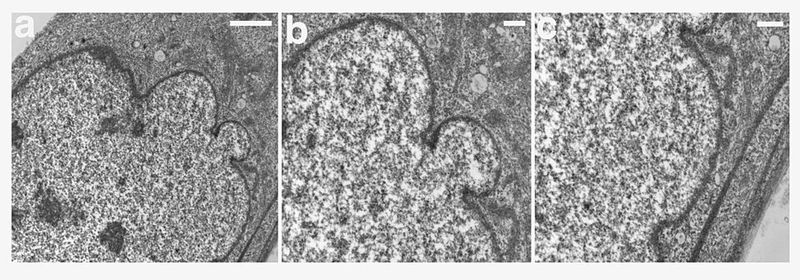
Progeria is a heartbreaking condition that causes children to age at a dramatically accelerated rate. Children with this disorder typically appear healthy at birth, but within the first two years of life, they begin showing signs more associated with elderly adults, including hair loss, loss of body fat, and hardening of the arteries.
The condition is caused by a mutation in the LMNA gene, which produces a protein called progerin. This faulty protein makes cells unstable, causing them to break down far faster than normal.
Progeria affects approximately one in 20 million children worldwide, making it extraordinarily rare. Most children with the condition live to an average age of about 13 years.
In 2020, the FDA approved the first treatment for Progeria, a drug called lonafarnib, which has been shown to extend life expectancy. Researchers hope this breakthrough will pave the way for more effective therapies.
Organizations like the Progeria Research Foundation have been instrumental in funding research and supporting affected families globally.
13. Porphyria
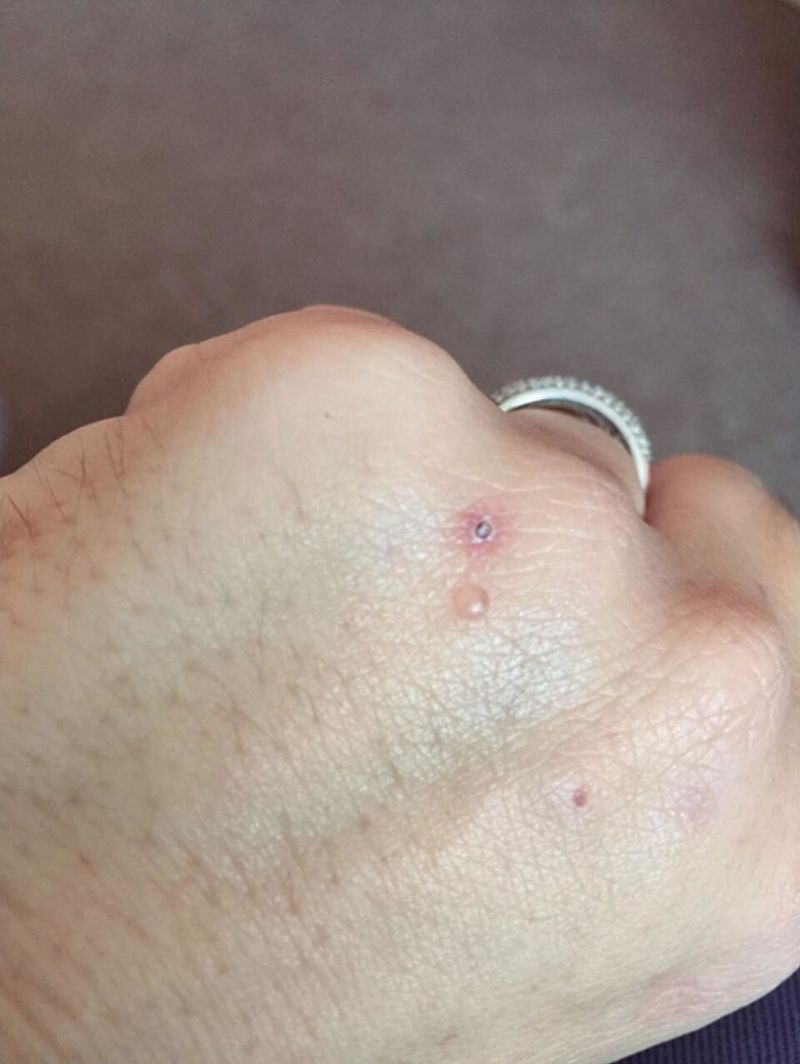
Porphyria is not one condition but a group of rare disorders, all linked to problems in the production of heme, a component of hemoglobin that helps carry oxygen in the blood. Depending on the type, symptoms can range from extreme skin sensitivity to sunlight to severe abdominal pain and neurological episodes.
Some historians believe that Porphyria may have contributed to the historical legends of vampires. People with certain forms of the condition are extremely sensitive to sunlight, may have reddish-brown urine, and can develop disfiguring skin changes.
While the vampire connection is largely speculative, it makes for a fascinating historical footnote.
Acute forms of Porphyria can cause attacks triggered by certain medications, fasting, alcohol, or hormonal changes. These attacks can be medically serious and require hospitalization.
Treatment varies by type but may include intravenous heme therapy, glucose loading, and avoiding known triggers. Genetic counseling is recommended for families with a known history of the condition.
14. Kuru Disease
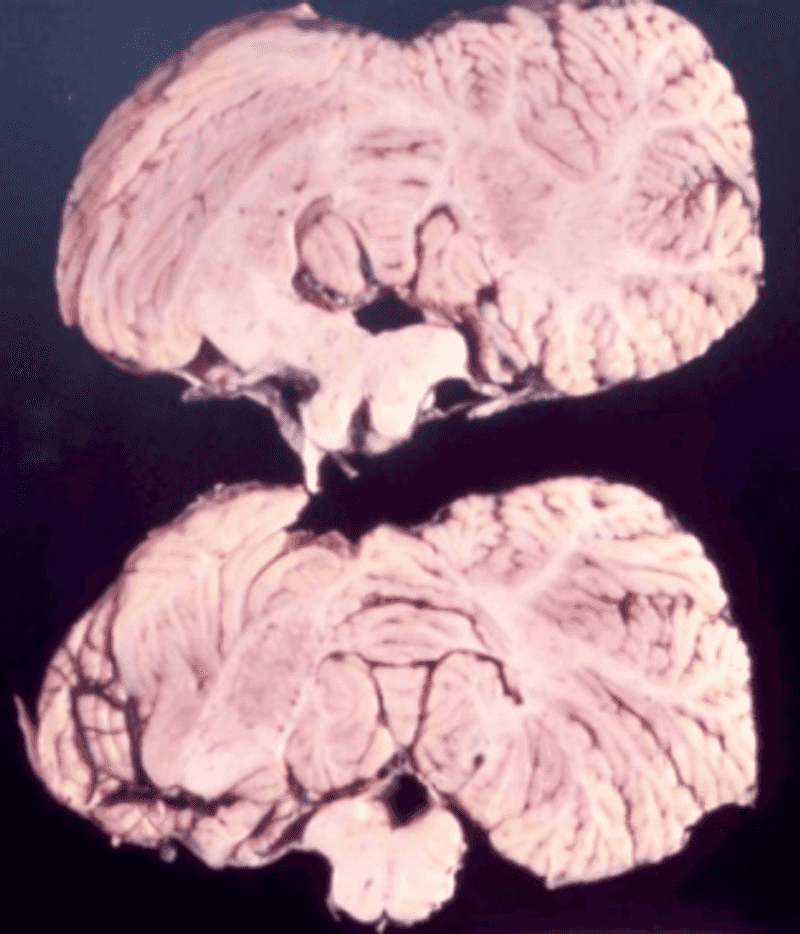
Kuru is a prion disease that attacks the brain, and its history is as remarkable as the disease itself. It was once prevalent among the Fore people of Papua New Guinea, where it spread through a funeral practice that involved consuming the bodies of deceased community members as a sign of respect and mourning.
The disease belongs to the same family as Creutzfeldt-Jakob disease and causes progressive damage to the brain. Symptoms include loss of coordination, tremors, difficulty speaking, and eventually the inability to swallow or move.
The name Kuru means trembling or fear in the Fore language, which accurately describes the visible signs of the illness.
Nobel Prize-winning researcher D. Carleton Gajdusek identified Kuru as a transmissible disease in the 1950s, revolutionizing the understanding of prion diseases.
Once funeral practices changed, the disease virtually disappeared. Today, Kuru is considered essentially eradicated, though its study continues to inform research on other prion-related brain disorders.
15. Leopard Syndrome (Noonan Syndrome with Multiple Lentigines)
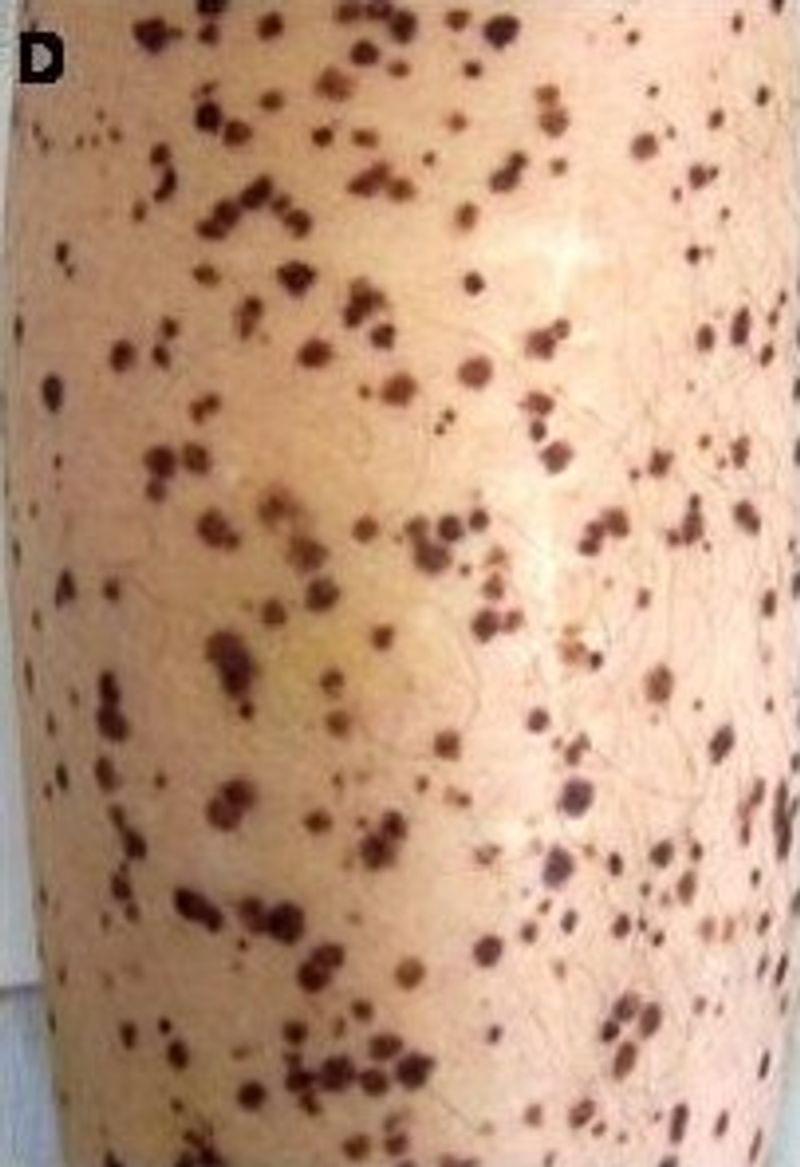
LEOPARD Syndrome is actually an acronym, and each letter stands for a different feature of the condition: Lentigines (dark skin spots), Electrocardiographic abnormalities, Ocular hypertelorism (widely spaced eyes), Pulmonary stenosis, Abnormal genitalia, Retardation of growth, and Deafness. Putting that all together gives you a picture of just how wide-ranging this condition can be.
Now more formally known as Noonan Syndrome with Multiple Lentigines, the condition is caused by mutations in specific genes that regulate cell growth and development. The dark spots that cover much of the skin can number in the thousands and are present from birth or develop in early childhood.
Heart defects are among the most medically significant features.
Despite the many systems it can affect, people with this condition often live relatively full lives with proper monitoring and treatment. Regular cardiology checkups are essential.
Hearing aids, growth hormone therapy, and educational support can all play a role in helping individuals thrive. Early diagnosis makes a meaningful difference in long-term outcomes.
Share this story