More than 80,000 Americans had reached their 100th birthday by the 2020 Census, a 50 percent increase from just ten years earlier. But those centenarians were far from evenly distributed across the country.
California led with 10,623 residents aged 100 or older, while New York and Florida followed with thousands of their own. Some smaller states also stood out when the numbers were adjusted for population size.
A U.S. Census Bureau report released in September 2025 reveals which states had the most centenarians.
This ranking uses total counts rather than percentages, and the final spot came down to a difference of just one person.
1. California: 10,623 Centenarians

Only one state crossed the 10,000 mark in the 2020 Census, and it was the Golden State. California counted 10,623 residents aged 100 or older.
A huge population helps, of course. With nearly 40 million people, California has plenty of candidates for a triple-digit birthday.
Size is not the whole story, though. The state recorded 2.69 centenarians per 10,000 residents, which beats the national average of 2.42.
Here is a fun way to picture it. More than 13 percent of all American centenarians lived in California in 2020, so roughly one out of every eight people aged 100 called the state home.
That is enough centenarians to fill a small town. Bakeries in the state probably sell a lot of candles shaped like the number one and two zeros.
Families with older relatives here often have strong support networks, including large hospital systems and many senior programs spread across the state.
2. New York: 6,921 Centenarians
Half the people, two thirds the centenarians. That quick math explains why New York earns a lot of respect on this list.
The Empire State counted 6,921 residents aged 100 or older in 2020. Its total population was roughly half the size of California’s.
New York’s rate came in at 3.43 centenarians per 10,000 residents. That figure sits well above the national average of 2.42.
So New York stands out in two ways. It has a big number of people reaching 100, and they also make up a large share of the population.
Many older New Yorkers walk daily, take public transit, and live close to shops and neighbors. Researchers often point to staying active and social as helpful habits for healthy aging.
Anyone hoping to reach 100 could borrow a page from the New York playbook. Keep moving, stay connected, and maybe skip the elevator once in a while.
3. Florida: 6,580 Centenarians
Retirement capital of America? Florida certainly earns its nickname with this third place finish.
The Sunshine State counted 6,580 centenarians in 2020. That puts it just behind New York and well ahead of every other state except California.
Florida’s age profile helps explain the ranking. Nearly 18.7 percent of residents were between 65 and 84, one of the highest shares in the country.
Its centenarian rate reached 3.06 per 10,000 residents. That number sits comfortably above the national average.
Many people move to Florida after they stop working, which boosts the older population over time. The state also offers many senior communities, golf courses, and activity clubs built around retirees.
For families planning visits to older relatives, Florida’s large network of senior services can be a real plus. Some residents joke that turning 100 there barely counts as news, since the neighbors are close behind.
4. Texas: 4,435 Centenarians
Everything is bigger in Texas, including the number of people who need a cake with 100 candles.
The Lone Star State ranks fourth with 4,435 residents aged 100 and older. That is a big count by any standard.
Look closer, though, and the picture changes. Texas recorded just 1.52 centenarians per 10,000 residents, which is well below the national average of 2.42.
Why the gap? Texas has a very large and fairly young population.
Many families moved there for jobs, which raised the number of working-age adults.
So the state reaches fourth place mostly through sheer size. A high count does not automatically mean people live longer there than elsewhere.
Keep this lesson handy as the list continues. Raw numbers and rates tell two different stories, and both matter when comparing states.
Texas proves that a big headcount can hide a modest share.
5. Pennsylvania: 3,931 Centenarians

About 13 million people lived in Pennsylvania in 2020. Out of that crowd, 3,931 had already celebrated their 100th birthday.
That count rounds out the top five. It also shows the Keystone State packs a lot of longevity into a medium-sized population.
Pennsylvania’s rate was 3.02 centenarians per 10,000 residents. That easily tops the national average.
The next generation is waiting in the wings too. The state had 315,969 residents between ages 85 and 99, which equals 2.43 percent of its population.
Many Pennsylvanians stay in the same towns for decades. Long-standing neighborhoods, churches, and community groups can keep older adults connected with friends and family.
Here is a quick tip from the data. Staying put near people who know you can make daily life easier as you age.
Pennsylvania seems to have that formula down to a science.
6. Illinois: 3,428 Centenarians

Chicago may be famous for deep dish pizza, but Illinois also serves up a hefty helping of centenarians.
The Prairie State takes sixth place with 3,428 residents aged 100 or older. That puts it firmly among the national leaders.
Its rate came in at 2.68 centenarians per 10,000 residents. That is slightly above the national average of 2.42.
The pipeline looks strong as well. Illinois counted more than 250,000 residents between ages 85 and 99 in 2020.
Many of those people could join the triple-digit club over the next decade. That makes Illinois worth watching when the next census arrives.
The state mixes a giant city with farm towns and suburbs. Older residents can find large medical centers in Chicago and quieter living downstate.
That variety gives families choices about where aging relatives can live comfortably.
7. Ohio: 2,871 Centenarians
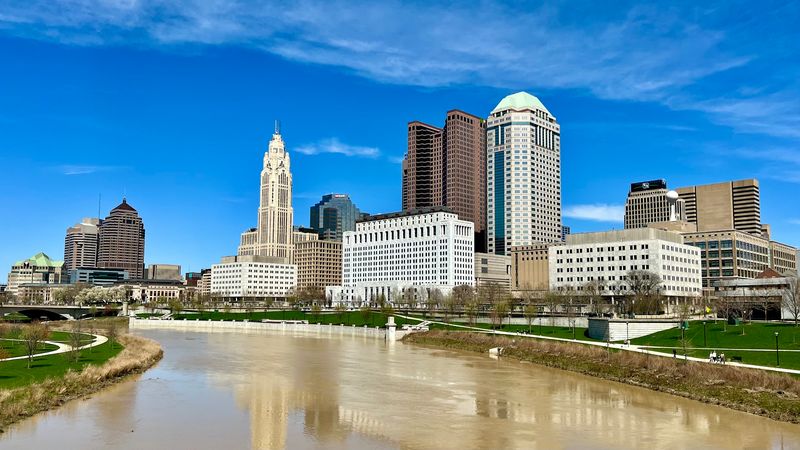
Right on the dot. Ohio’s centenarian rate matched the national average almost perfectly.
The Buckeye State ranks seventh with 2,871 residents aged 100 or older. It recorded 2.43 centenarians per 10,000 residents, nearly identical to the national figure of 2.42.
In a way, Ohio is a mirror of the whole country. If you want a snapshot of average American longevity, this state is a good place to look.
Ohio also has a very large group of younger seniors. About 1.87 million residents were between ages 65 and 84 in 2020.
That is a big crowd who could reach 90 and beyond in coming years. It also means senior centers, clinics, and community programs stay busy.
Ohio adds plenty of weight to the Midwest’s total. It proves that an average score can still earn a top ten spot.
8. New Jersey: 2,646 Centenarians
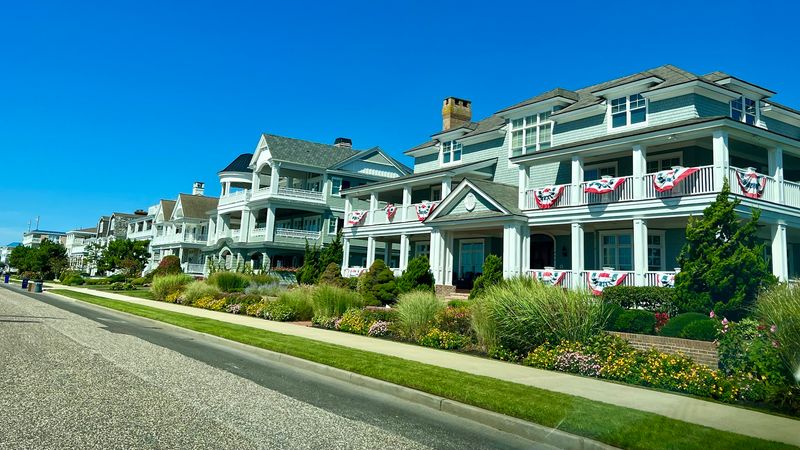
Small state, big birthday numbers. New Jersey lands in eighth place with 2,646 centenarians.
That ranking stands out because several states lower on the list have more people overall. The Garden State simply has a higher share of residents reaching 100.
Its rate was 2.85 centenarians per 10,000 residents. That clears the national average with room to spare.
More than 193,000 New Jersey residents were between ages 85 and 99 in 2020. That large group of older adults keeps the future pipeline healthy.
New Jersey is densely packed, with many towns close together. Doctors, pharmacies, and family members are often a short drive away.
Short distances can make a real difference for older residents who no longer drive far. Being close to help is one practical benefit of this compact state.
New Jersey shows that a smaller map can still produce standout results.
9. Michigan: 2,393 Centenarians
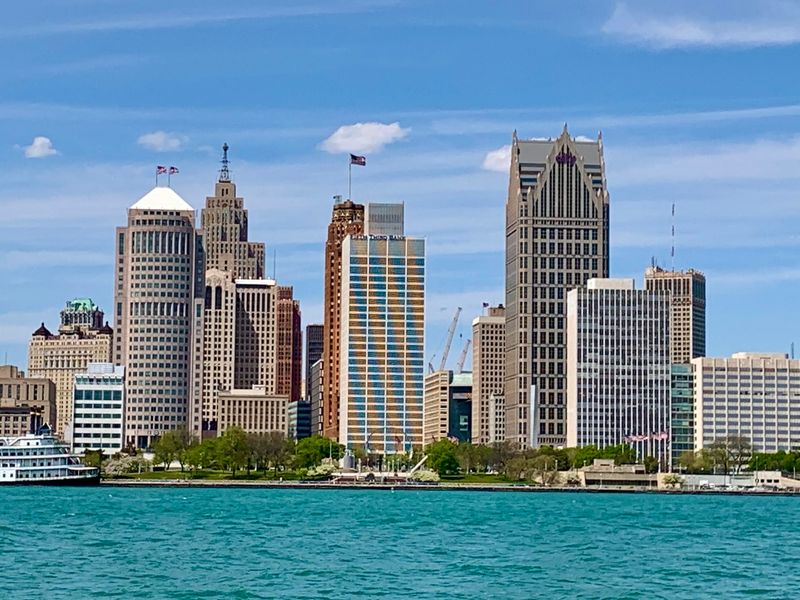
Great Lakes, great ages. Michigan claims ninth place with 2,393 residents who reached 100 or more.
That count puts the Wolverine State inside the top ten. It is a solid showing for a state known for cars, cherries, and long winters.
Michigan’s rate was 2.37 centenarians per 10,000 residents. That sits just a hair under the national average.
The state also counted more than 205,000 people between ages 85 and 99. That is a large group of older adults who could add to future totals.
Plenty of Michigan seniors spend summers near the lakes and winters indoors with family. Staying active in cold months can be tricky, so many communities offer indoor walking programs and senior fitness classes.
Those simple habits help older adults stay steady on their feet. Michigan proves a little snow does not stop people from reaching big birthdays.
10. Massachusetts: 2,237 Centenarians
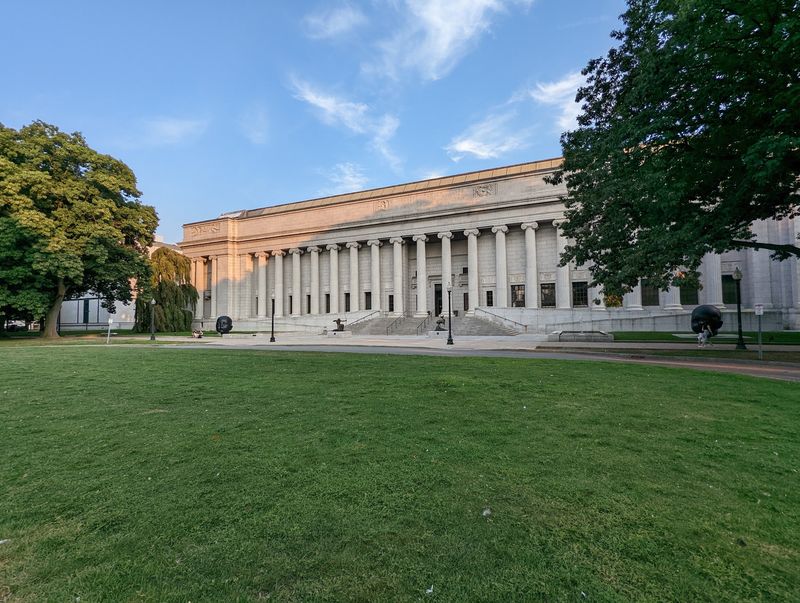
Just over 7 million people lived in Massachusetts in 2020. Even so, the state closed out the top ten with 2,237 centenarians.
That is an impressive result for a state of its size. Massachusetts punches well above its weight.
Its rate reached 3.18 centenarians per 10,000 residents. Only a few states on this list did better.
That means people aged 100 and older make up a fairly large share of the population. The Bay State is a strong example of rate mattering as much as count.
Fun fact for history fans. Many of today’s Massachusetts centenarians were born before television arrived in most homes.
The state is known for major hospitals and medical schools, especially around Boston. Access to that kind of care can help older adults manage health issues early.
Massachusetts makes a strong case that quality can rival quantity.
11. North Carolina: 2,052 Centenarians
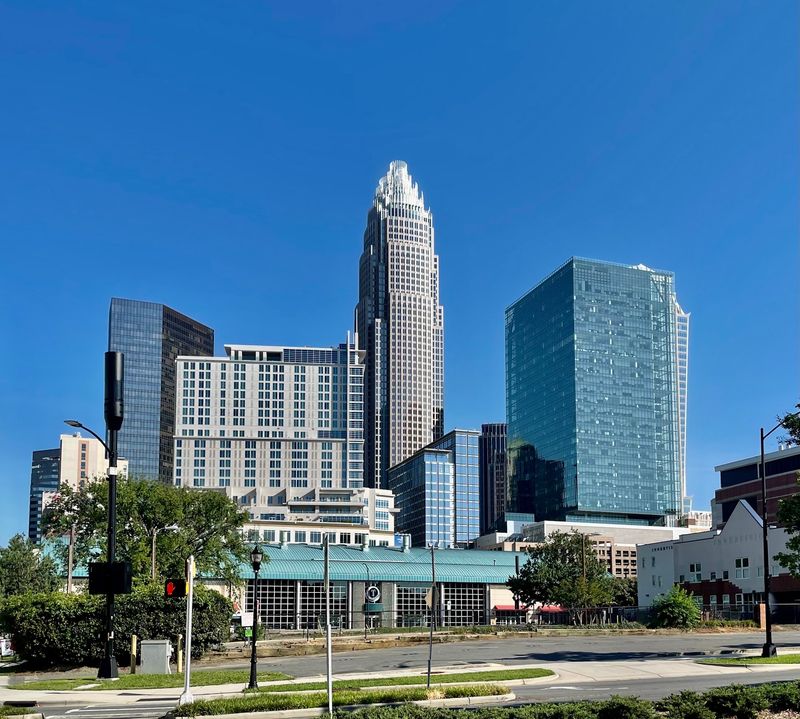
Crossing 2,000 is a nice round milestone, and North Carolina hit it in the 2020 Census.
The Tar Heel State ranks eleventh with 2,052 residents aged 100 or older. That makes it the first state outside the top ten to pass the 2,000 mark.
Its rate tells a more modest tale. North Carolina recorded 1.97 centenarians per 10,000 residents, below the national average.
The state’s large and growing population explains much of its ranking. Many younger families have moved in for jobs in cities like Charlotte and Raleigh.
North Carolina is also a popular place for retirees. Mountain towns and coastal communities attract older adults looking for a slower pace.
Those newcomers could raise the centenarian count in future years. Keep an eye on this state, since its numbers may climb as retirees settle in and age gracefully on those famous front porches.
12. Virginia: 1,831 Centenarians
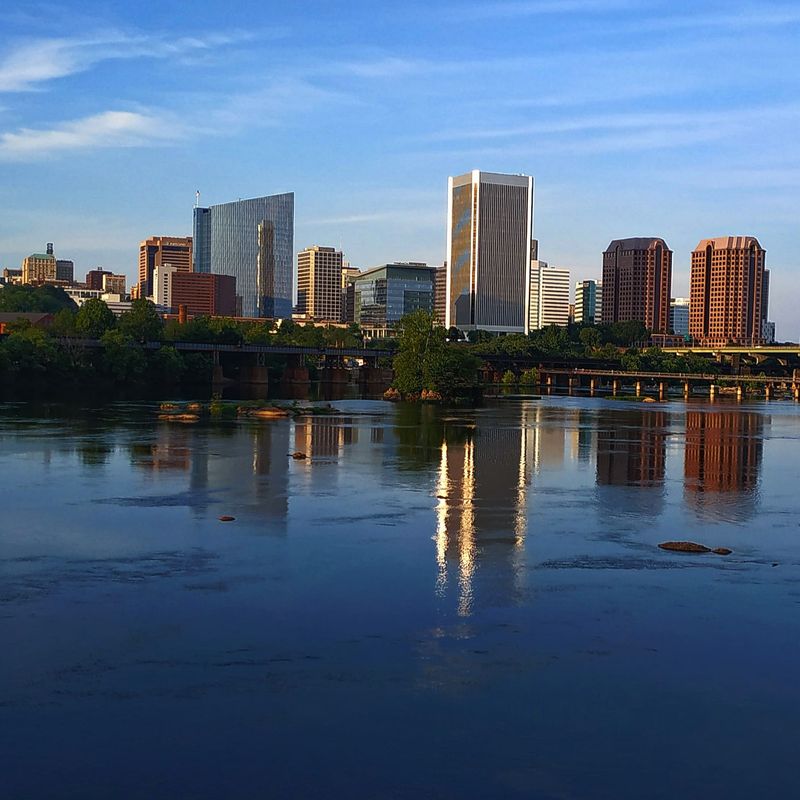
History lovers know Virginia for presidents and colonial towns. Census watchers know it for 1,831 residents aged 100 or older.
That count earns twelfth place among roughly 8.6 million residents. It is a steady result for the Commonwealth.
Virginia’s rate was 2.12 centenarians per 10,000 residents. That lands somewhat below the national average of 2.42.
Part of the reason is the state’s many working-age adults. Northern Virginia, near Washington, D.C., draws large numbers of younger workers and families.
The older crowd is still sizable. More than 148,000 Virginians were between ages 85 and 99 in 2020.
That group offers a helpful clue about the future. As those residents age, Virginia’s centenarian count could grow.
Families in rural parts of the state may want to plan ahead for medical visits. Bigger hospitals often sit farther away outside the cities.
13. Georgia: 1,737 Centenarians

Peaches get the fame, but Georgia also grows a healthy crop of centenarians. The state counted 1,737 residents aged 100 or older.
That earns thirteenth place on the list. Georgia’s rate, however, was one of the lower ones in this ranking.
The state recorded 1.62 centenarians per 10,000 residents. That is well under the national average.
Georgia’s spot comes mostly from its big total population. Atlanta and its suburbs have grown fast, adding many younger residents.
A growing state can look young on paper even when plenty of older adults live there. That is exactly what the numbers show here.
Here is a practical takeaway. Rankings by count and rankings by rate can paint very different pictures.
When reading longevity headlines, check which kind of number is being used. Georgia is a perfect example of why that detail matters so much.
14. Washington: 1,676 Centenarians

Rain, coffee shops, and 1,676 people aged 100 or older. Washington checks all three boxes.
The Evergreen State takes fourteenth place in the 2020 Census count. Its rate was 2.18 centenarians per 10,000 residents.
That figure sits slightly below the national average of 2.42. Seattle’s tech boom brought in many younger workers, which affects the math.
The older population is still substantial. Washington counted more than 129,000 residents between ages 85 and 99.
Those folks form a big part of the state’s population picture. Many of them live near Puget Sound, while others are spread across farm towns in the east.
Outdoor living is popular in Washington, even among older adults. Walking trails and parks give seniors easy ways to stay active.
Gentle daily movement is one of the simplest habits linked to healthy aging, and Washington offers plenty of scenic places to practice it.
15. Minnesota: 1,543 Centenarians
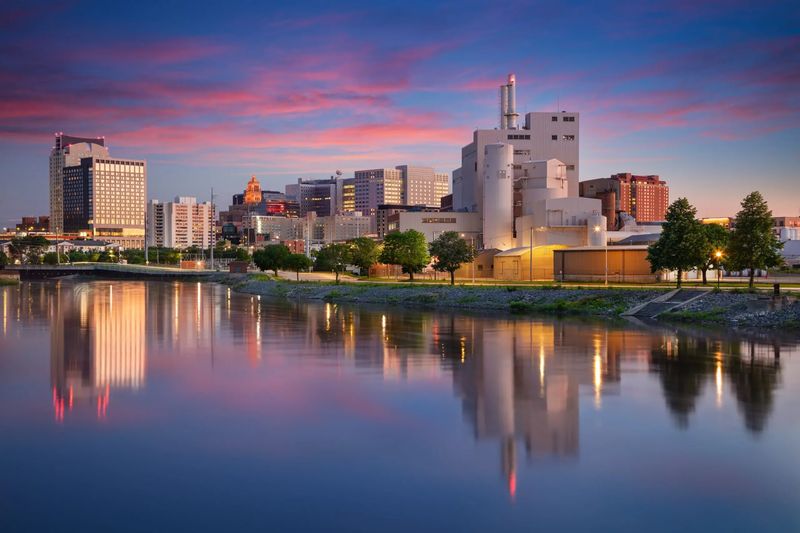
One person. That is the slim margin that put Minnesota on this list instead of Maryland.
Minnesota counted 1,543 centenarians in 2020. Maryland recorded 1,542, missing the top 15 by a single birthday.
The Land of 10,000 Lakes has a strong rate too. It reached 2.70 centenarians per 10,000 residents, above the national average.
That is impressive for a state with a much smaller population than many others here. Minnesota earns its spot through a high share of long-living residents.
The state often ranks well in national health studies. Strong community ties and active lifestyles are common there, even through cold winters.
Plenty of residents join church groups, clubs, and volunteer projects well into old age. Staying involved can help people feel connected and purposeful.
Minnesota proves that every single person counts. In this race, even one extra centenarian made the difference.
Share this story