Trains built America long before highways did. Rail lines carried gold out of mountains, timber out of forests, and families across a whole continent in days instead of months.
Plenty of that history never left. Across the country, old steam engines still pull passenger cars up steep grades, and brick roundhouses still shelter locomotives taller than a two-story house.
Some towns kept their entire railroad neighborhoods, right down to the company store. Other places restored engines so carefully that you can buy a ticket and ride behind one this weekend.
The trick is knowing where to go, because a few states have far more to offer than others. This list picks 15 standout states and one great attraction in each, plus bonus stops nearby when they are worth the detour.
You will find a train that climbs to a mountaintop, a locomotive nicknamed Big Boy, tracks only two feet apart, and a desert railroad that runs stargazing trips at night. There are museums where kids can climb aboard and workshops where volunteers rebuild engines by hand.
Grab your imaginary ticket and find a window seat. The first stop sits in a state where railroading has deep roots, and the conductor is already calling all aboard.
1. Pennsylvania
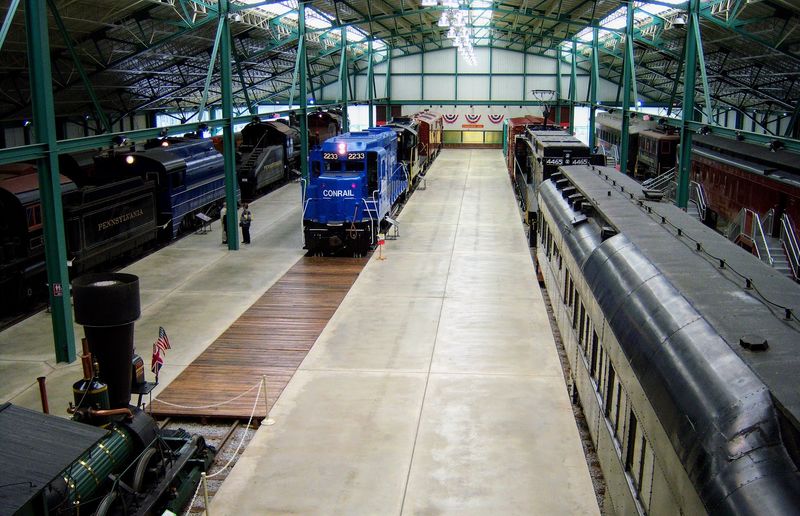
More than 100 locomotives and railroad cars share one roof here, which makes counting them a fun challenge for kids. The Railroad Museum of Pennsylvania focuses heavily on the mighty Pennsylvania Railroad, once one of the biggest companies in the country.
Visitors stroll between giant steam engines and early diesels at floor level. An elevated observation bridge then gives a bird’s-eye view of the whole collection, so bring a camera with a wide lens.
The real bonus waits directly across the road. The Strasburg Rail Road began in 1832 and is known as the oldest continuously operating railroad in the Western Hemisphere.
Its steam trains carry riders past Amish farmland in Lancaster County, and you can pick coach seats or a fancier parlor car. Plan a full day, since seeing both spots in one afternoon feels like speed-reading a great book.
2. Colorado
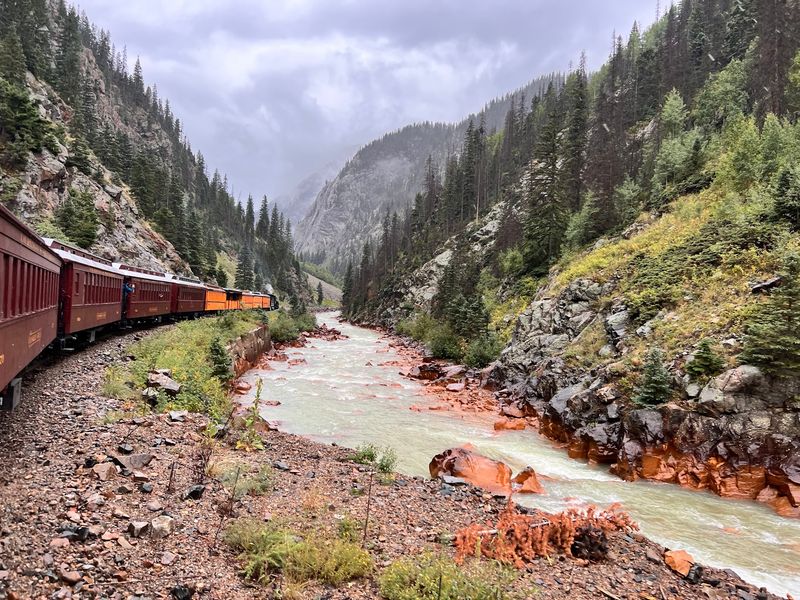
Silver miners never had it this comfortable. Back in the 1880s, this route hauled ore out of the San Juan Mountains, and today it hauls happy passengers instead.
The Durango & Silverton Narrow Gauge Railroad follows the Animas River through canyons that no road reaches. Some stretches hug ledges high above the water, so window seats go fast.
The trip runs about 45 miles each way to Silverton, an old mining town with a short layover for lunch and exploring. Book early in summer, because trains often sell out.
Colorado keeps the fun rolling elsewhere too. The Cumbres & Toltec Scenic Railroad crosses into New Mexico over a high mountain pass.
The Georgetown Loop Railroad curls over a tall trestle, and the Colorado Railroad Museum in Golden displays dozens of engines. Train fans could easily fill a week without repeating a single track.
3. California
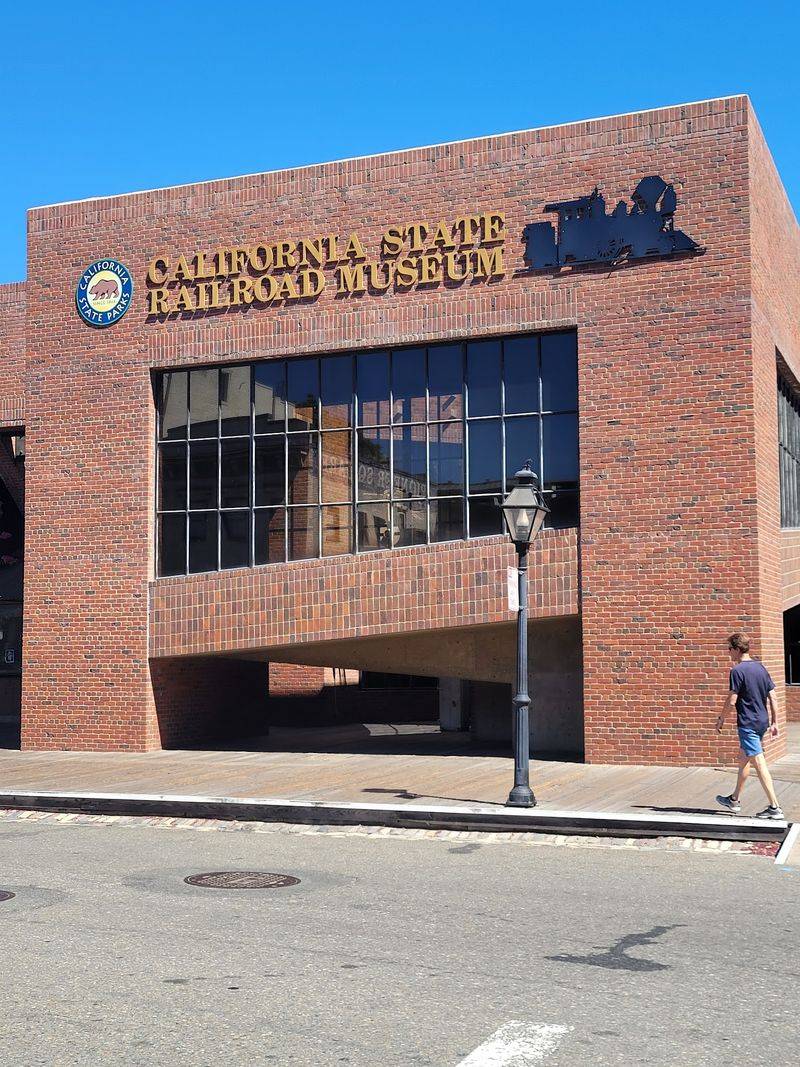
Gold brought the crowds to California, but railroads brought everyone else. Sacramento was the western starting point of the first transcontinental railroad, finished in 1869.
The California State Railroad Museum sits in Old Sacramento and tells that story with beautifully restored locomotives and passenger cars. Polished brass and bright paint make the 1800s engines look ready for a parade.
One standout exhibit covers the thousands of Chinese workers who blasted tunnels through the Sierra Nevada. Their skill and grit made the whole railroad possible, and the museum gives them proper credit.
In warmer months, excursion trains roll along the Sacramento River for a short ride. Check the schedule before visiting.
Afterward, wander the old waterfront district, where wooden sidewalks and 1850s buildings hold shops and snack stands. Kids tend to love the sleeping car exhibit, which gently rocks to imitate a night trip.
4. West Virginia
Normal locomotives would give up on these hills. At Cass, special geared steam engines called Shays still push trains up some of the steepest grades in the country.
The line was built for logging in the early 1900s, hauling timber down from the Appalachian Mountains. West Virginia turned it into a state park so visitors could ride the same rails.
Two main trips are offered. The shorter ride climbs to Whittaker Station, where a recreated logging camp shows how crews lived.
The longer trip reaches Bald Knob, one of the highest points in the state, with views that stretch for miles. Bring a jacket, since the summit runs cooler than the valley.
Back in town, the old company houses still line the streets. Some can even be rented overnight, and the former company store now sells snacks and souvenirs.
5. Illinois
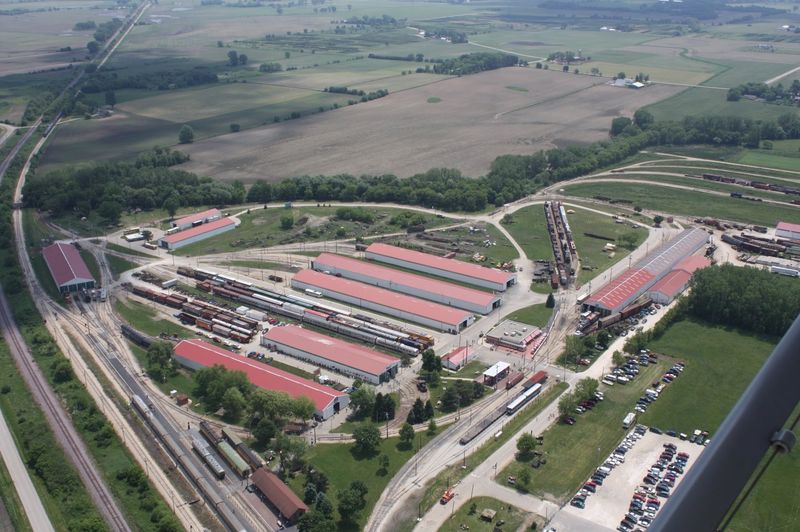
Chicago became the busiest rail hub in America, so it makes sense that Illinois hosts one of the largest railroad museums in the nation. The Illinois Railway Museum covers dozens of acres outside the small town of Union.
Its collection includes steam engines, diesels, electric interurbans, city streetcars, and even old buses. Huge storage barns hold row after row of equipment.
Here is the best part. On operating days, you do not just look at the trains, you ride them.
Visitors can hop between a vintage streetcar and a full-size passenger train, then switch again later. One ticket usually covers unlimited rides that day.
The famous Nebraska Zephyr, a shiny streamlined train from the 1930s, runs on special weekends. Wear comfortable shoes, because the grounds are large and the barns stretch longer than most parking lots.
6. Maryland
American railroading basically got its start certificate in Baltimore. The Baltimore & Ohio Railroad began here in 1827 as one of the first common carrier railroads in the country.
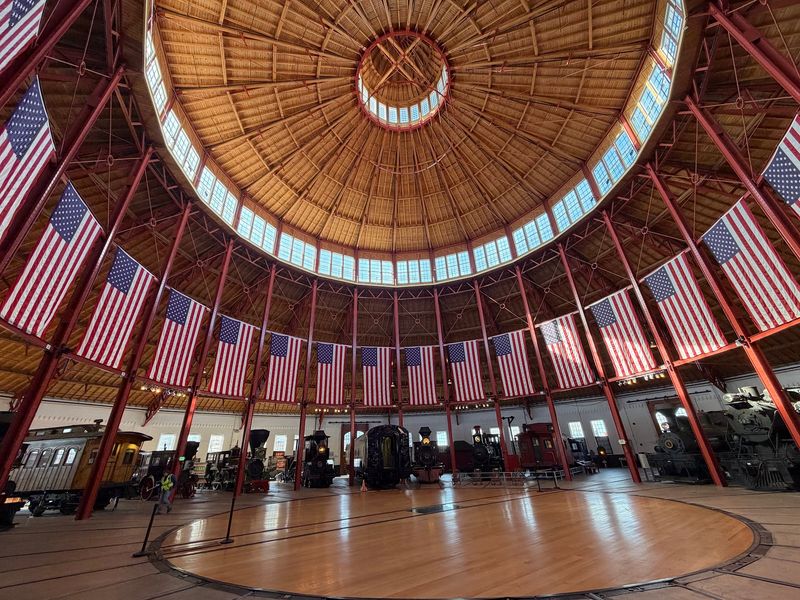
Once called the B&O Railroad Museum, the National Museum of Railroad History & Innovation sits on the historic Mount Clare complex. Its most famous feature is the 1884 roundhouse, a round building with a tall domed roof.
Inside, early locomotives circle a central turntable. Some of these engines date back to the very first years of American trains, which makes them true elders of the rails.
Exhibits also explore railroad workers and the link between the B&O and the Underground Railroad.
Many weekends, a short train ride runs on the first stretch of commercial track in the nation. Allow at least three hours, since the outdoor yard holds even more equipment.
7. North Carolina
Broken steam engines used to limp into Spencer for repairs. Southern Railway built a giant repair shop here in the late 1890s, and thousands of workers kept trains running across the South.
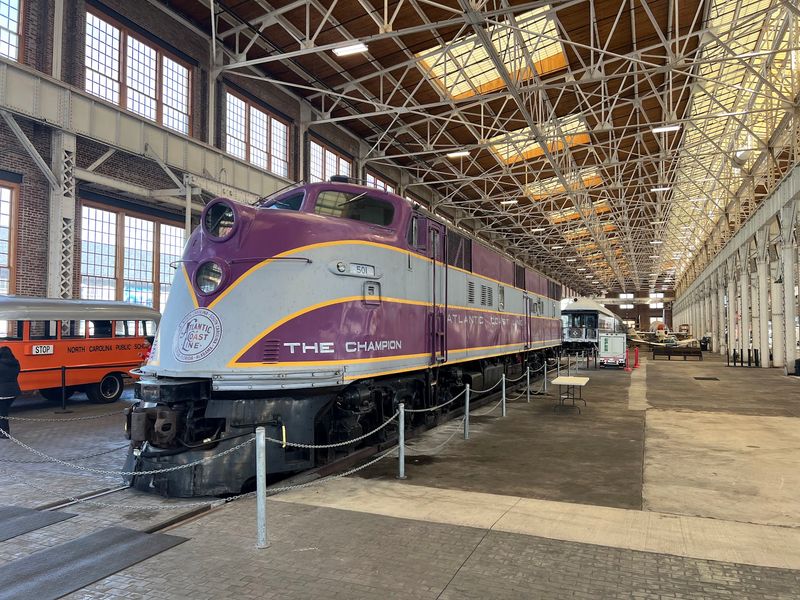
Today the 60-acre site is the North Carolina Transportation Museum. Many of the original shop buildings still stand, including the Back Shop, which is roughly as long as two football fields.
The star attraction is the Bob Julian Roundhouse, with 37 stalls full of locomotives and rail cars. A working turntable sits out front.
Seasonal train rides loop around the property, giving riders a close look at the old shops. A turntable ride is often available too.
The museum also covers cars, planes, and even early roads, so non-train fans get something to enjoy. Look for themed events, which pop up throughout the year.
8. Tennessee
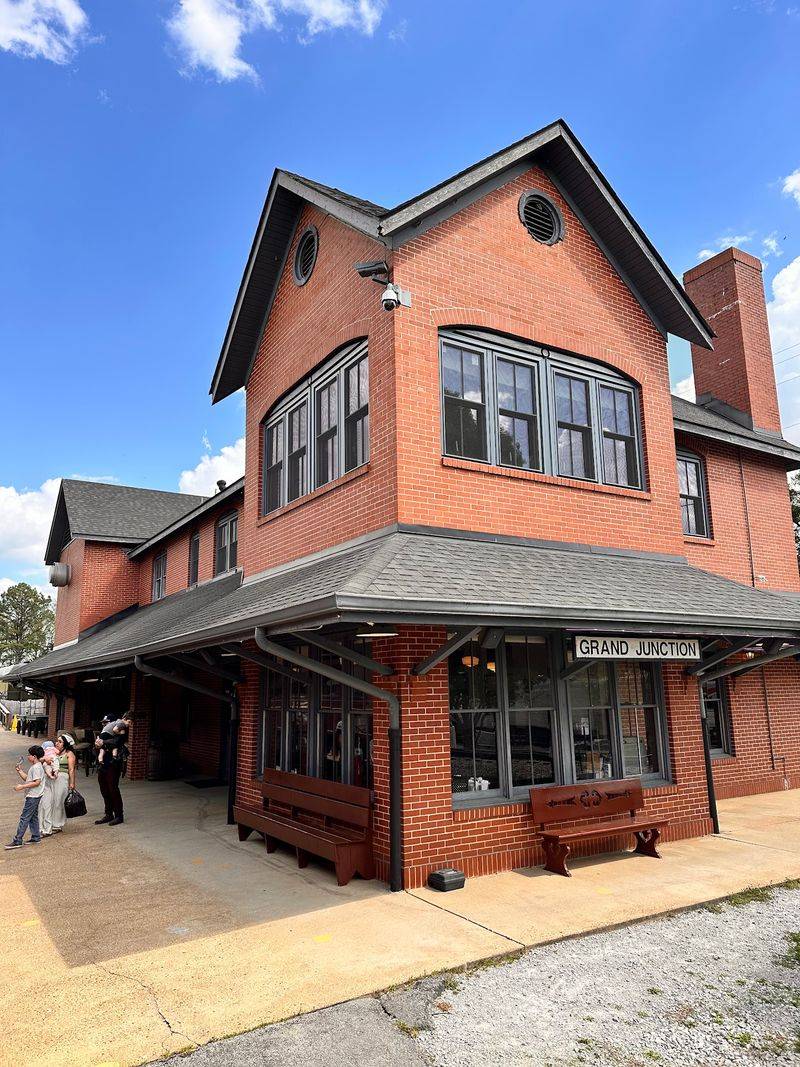
Railroads shaped Chattanooga so much that a famous song was written about a train heading there. The Tennessee Valley Railroad Museum keeps that legacy moving with real trips on real tracks.
Its most popular ride is the Missionary Ridge Local. The train passes through a tunnel dug in the 1850s, one of the older railroad tunnels in the South.
At the end of the line, the crew turns the engine on a turntable while passengers watch. Visitors can also peek into the shop where volunteers and staff restore old equipment.
Longer day trips head out into the countryside, and dining cars serve meals on certain runs. Seats in open-window cars are popular on nice days.
Families should check the event calendar for holiday-themed rides. Those trips usually sell out weeks ahead, so plan early.
9. Ohio
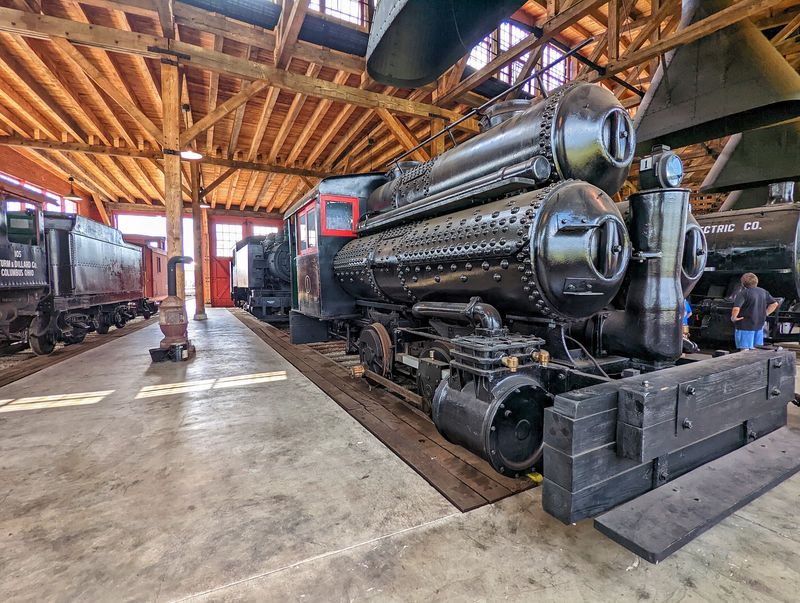
Most roundhouses built in America were torn down long ago. In Sugarcreek, someone decided to build a brand-new one anyway.
The Age of Steam Roundhouse Museum features an 18-stall brick roundhouse and a working turntable, designed to look just like the originals from the steam era. It sits in Ohio’s Amish Country.
Inside, dozens of preserved steam locomotives rest in their stalls. Some are giant mainline engines, while others are small switchers.
Visits happen through guided tours, so reserve a spot online before you go. Guides explain how engines were repaired, fueled, and turned around.
The museum does not focus on rides. Instead, it shows the hard behind-the-scenes work that kept steam railroads alive.
Visitors often see ongoing restoration projects in the back shop. It is a great pick for anyone curious about how these machines actually work.
10. Nevada
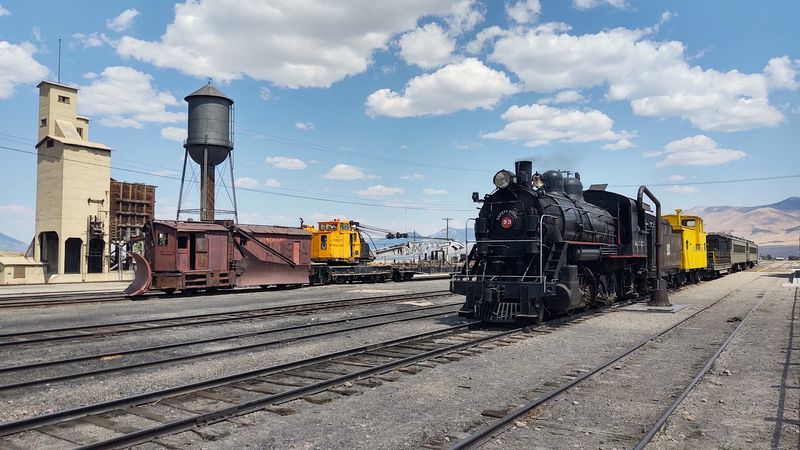
Copper made Ely rich, and the railroad carried it out. The Nevada Northern Railway opened in 1906 to serve the mines in this high desert region.
When the line shut down, nearly everything was left in place. That lucky accident means the East Ely complex still has its original depot, shops, tools, and rolling stock.
Many people call it one of the best preserved rail yards in the country. Visitors can tour the shops and see equipment that has been there for over a century.
Train rides head out across the desert on weekends in season. The night stargazing trains are a crowd favorite, thanks to very dark skies.
Want to be the engineer? Supervised programs let guests run a real locomotive after training.
Ely is remote, so fill your gas tank and plan an overnight stay.
11. Oregon
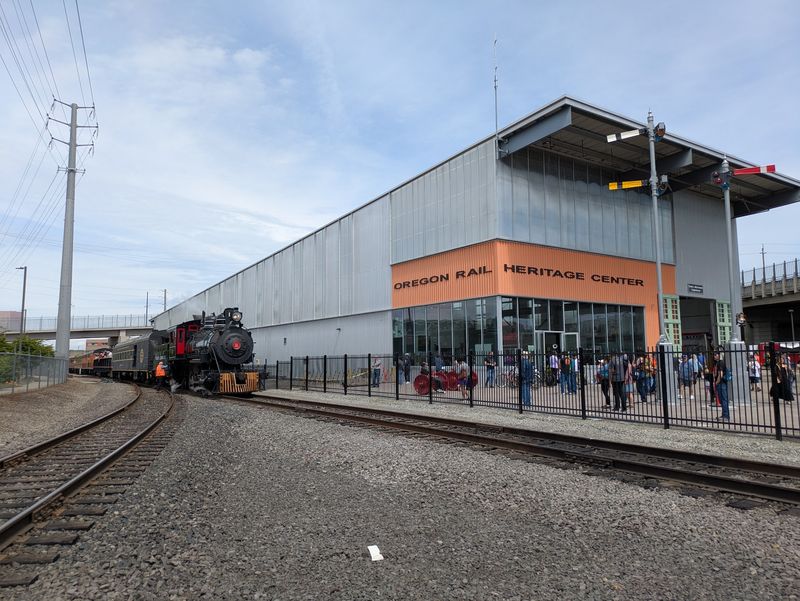
Bright orange and red paint makes Southern Pacific 4449 hard to miss. Built in 1941 to pull the Daylight passenger train, it is one of the most photographed steam engines in America.
The Oregon Rail Heritage Center in Portland is its home. Two other big steam engines share the space, the Spokane, Portland and Seattle 700 and the Oregon Railroad & Navigation 197.
The building includes a working machine shop. Volunteers maintain the engines, and visitors can often see projects in progress.
An outdoor turntable sits beside the center, a rare sight in a big city. Admission is free, though donations help keep the engines running.
Seasonal excursions roll along the Willamette River with Portland’s bridges in view. Holiday trains are especially popular, so buy tickets when they first go on sale.
12. Virginia
Roanoke started as a tiny village called Big Lick. Then the Norfolk & Western Railway arrived in the 1880s, and the town grew into a busy railroad city.
The Virginia Museum of Transportation occupies an old freight station near the tracks. It showcases engines actually built in Roanoke’s own shops.
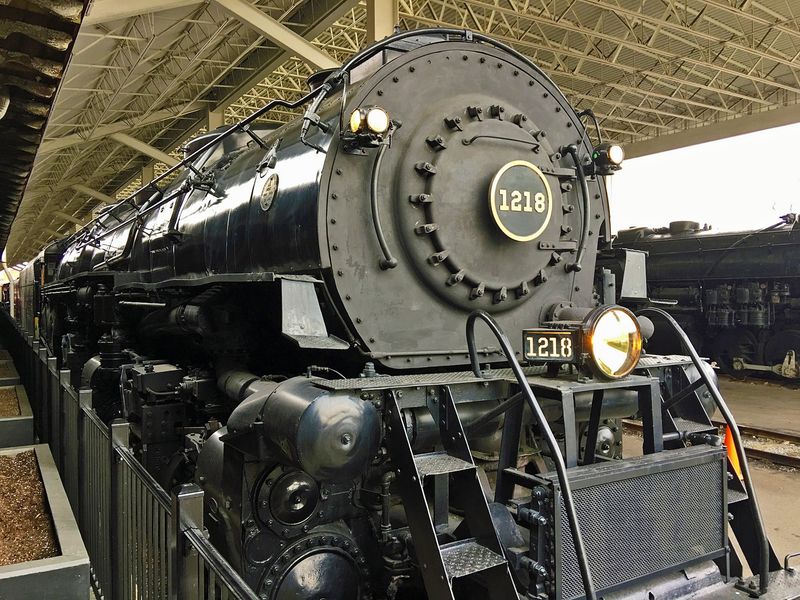
Two famous locomotives headline the collection. The Class A No. 1218 was a powerful freight hauler, while the sleek Class J No. 611 pulled fast passenger trains.
The 611 sometimes leaves for special trips or exhibits, so check before visiting if you want to see it.
Inside, model train layouts and worker exhibits fill the galleries. Outdoors, the rail yard lets you stand beside huge engines while modern freight trains roll by on active tracks nearby.
Downtown Roanoke is walkable, making lunch easy afterward.
13. Texas
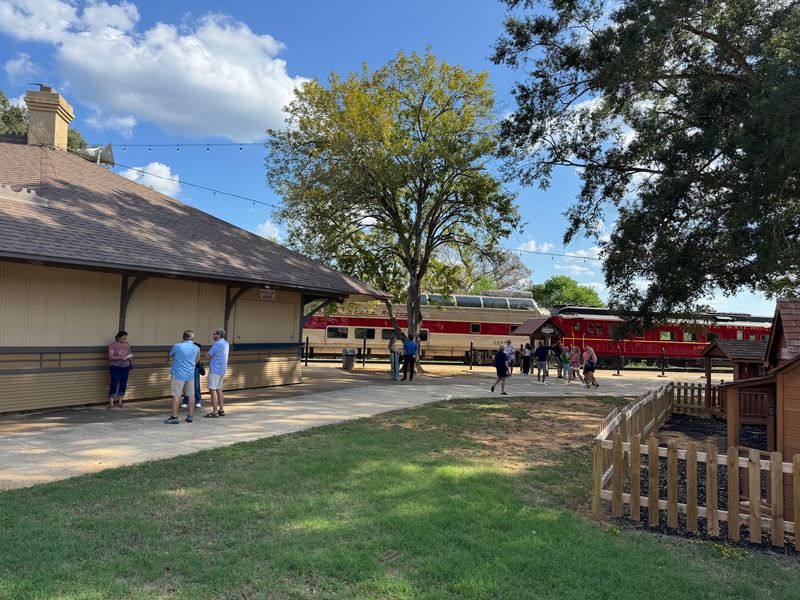
Prisoners actually helped build this railroad in the 1890s. Texas used inmate labor to lay track so a prison iron works could get supplies.
Today the Texas State Railroad carries a much happier crowd. Its 25-mile line connects Palestine and Rusk through the Piney Woods of East Texas.
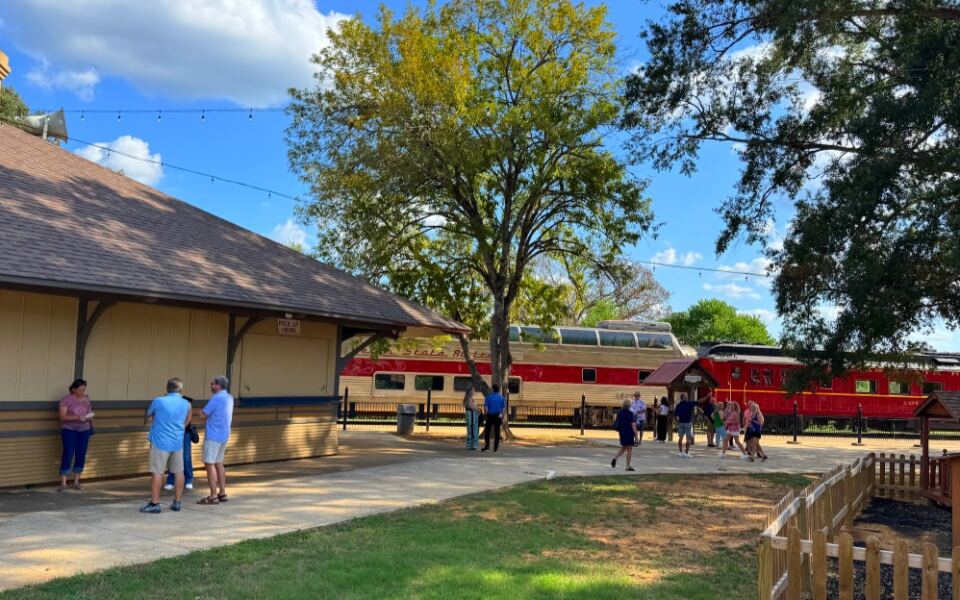
Trips begin at a Victorian-style depot, where passengers board vintage coaches. Both steam and diesel locomotives pull trains, depending on the day.
The full round trip takes about four hours, including a layover at the far depot. Shorter rides are available on some dates.
Themed trains fill the calendar, including holiday rides that families book far in advance. Picnic areas sit near the station, so packing a lunch is a smart move.
It is a relaxing break from busy Texas highways and a fun way to spend a weekend.
14. Wisconsin
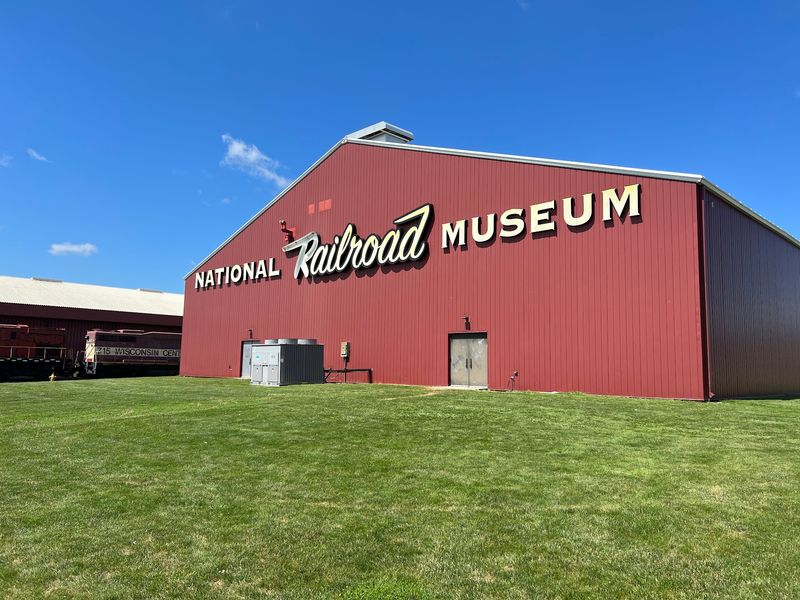
Big Boy is not a nickname you earn by accident. Union Pacific No. 4017 is over 130 feet long and weighs more than a million pounds with its tender.
Only 25 Big Boys were ever built, and this one lives at the National Railroad Museum in Green Bay. Standing beside its wheels gives you a real sense of scale.
The museum also displays a train used by General Dwight Eisenhower during World War II. His command cars came over from Britain after the war.
Another strong exhibit tells the story of Pullman porters, the workers who served sleeping car passengers.
Seasonal train rides circle the grounds in warm months. A tall observation tower offers views of the Fox River.
Families can easily spend half a day here, and kids often head straight for the hands-on areas.
15. Maine
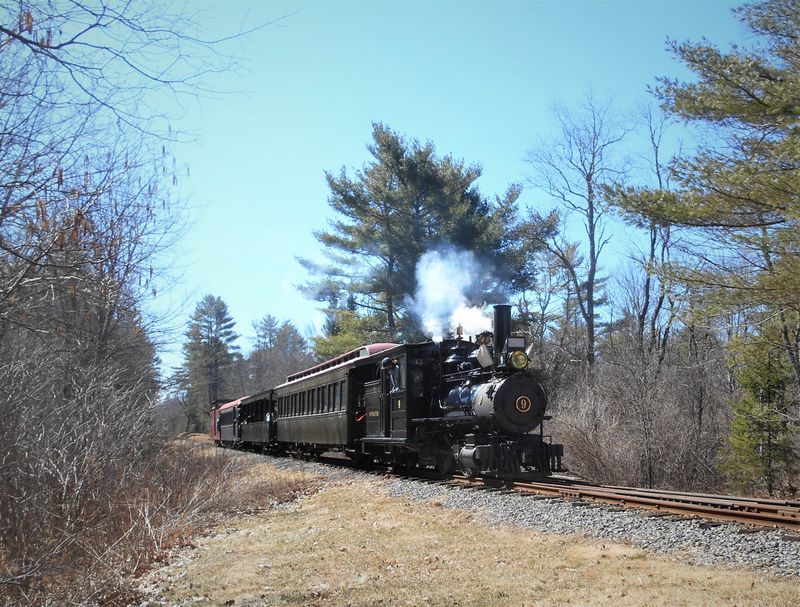
Two feet is about the width of a doormat. That is also the distance between the rails on Maine’s tiny narrow-gauge railroads.
Smaller tracks cost less to build, so they reached rural towns that big railroads ignored. The Wiscasset, Waterville & Farmington line served the Sheepscot Valley until the 1930s.
Volunteers began rebuilding it decades later. Today the museum in Alna runs restored steam engines and wooden coaches on rebuilt track.
Rides wind through forests and farm fields at a relaxed pace. The trains are small, but the dedication behind them is huge.
Visitors can tour the workshops, where crews build and repair cars using old methods. Ask questions, since volunteers love sharing stories.
Check the schedule first, as trains mostly run on weekends. It is a charming final stop on any railroad road trip.
Share this story