Ask someone about 1960s television and you will hear the same names again and again. Yet the decade was packed with shows that came and went before most people noticed.
Some lasted only a season, and one vanished after just four episodes. There were robots, cavemen, spies, ghosts, and cowboys, all fighting for a spot on the schedule.
This list pulls together 17 of those almost-forgotten series, from sitcoms with big stars to odd ideas that never found a crowd. Each one offers a small peek at what television looked like when networks were willing to try just about anything.
Read on and see how many of them you remember.
The Farmer’s Daughter
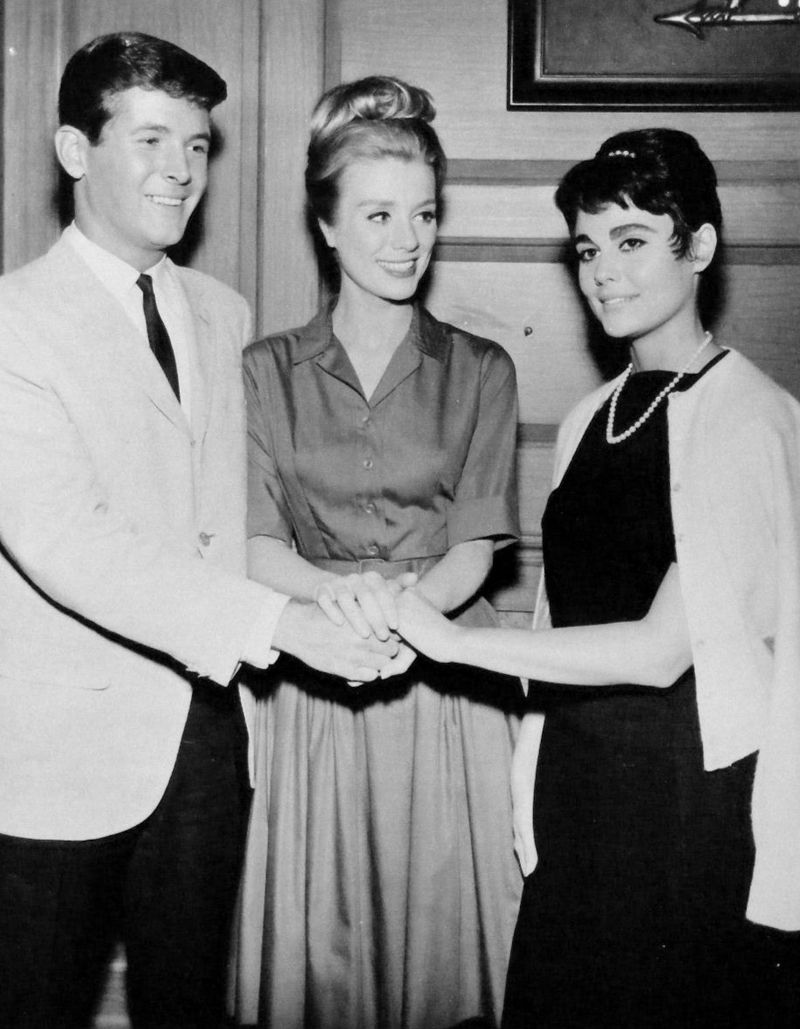
Katy Holstrum arrived in Washington with a Swedish accent and a job as a housekeeper. That setup powered The Farmer’s Daughter, which aired on ABC from 1963 to 1966.
Inger Stevens played Katy, and William Windom played Glen Morley, a widowed congressman with a household to run. Katy was not just a helper in the background.
She had opinions, and the show let her share them.
The sitcom blended family comedy with a few political and social themes, which made it a bit different from other comedies of the day. Katy had to adjust to life in the capital while also helping a busy father and his sons.
Stevens earned a Golden Globe for the part, which shows how well people responded to her work. Even so, three full seasons did not secure it a place beside the decade’s most famous sitcoms.
It is a fine pick for anyone who likes classic comedy with a gentle civic angle.
Mr. Terrific
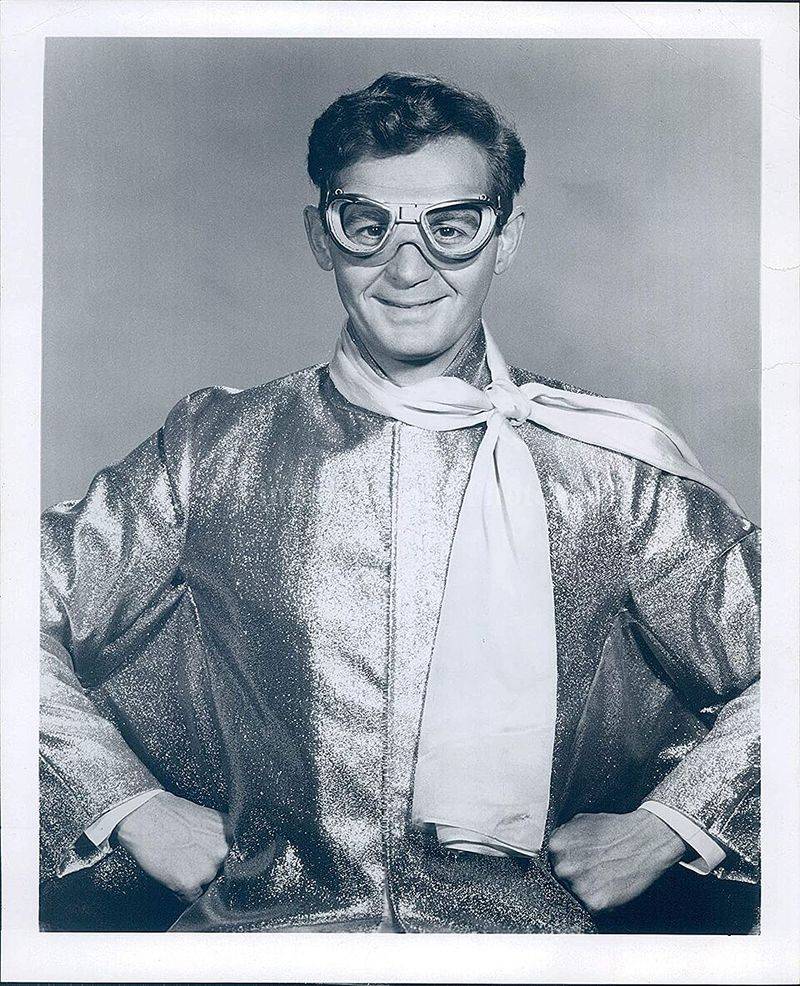
Superhero comedies feel common now, but CBS tried the idea back in 1967 with Mr. Terrific. The timing matched the big costumed-hero craze of that era.
Stephen Strimpell starred as Stanley Beamish, a mild-mannered gas station attendant. Stanley could gain amazing abilities for a short time after taking a special pill developed by the government.
Notice that the show leaned toward laughs rather than straight adventure. Stanley was an ordinary guy, and the gags came from him trying to handle sudden power with very little confidence.
The pill only worked for a limited time, so each episode had to find a way to keep the hero going. That gave the writers a handy ticking clock for the plots.
The series ended after one season, which makes it a real obscurity today. Fans of superhero spoofs may enjoy knowing that TV was poking fun at capes long before the modern boom.
My Living Doll
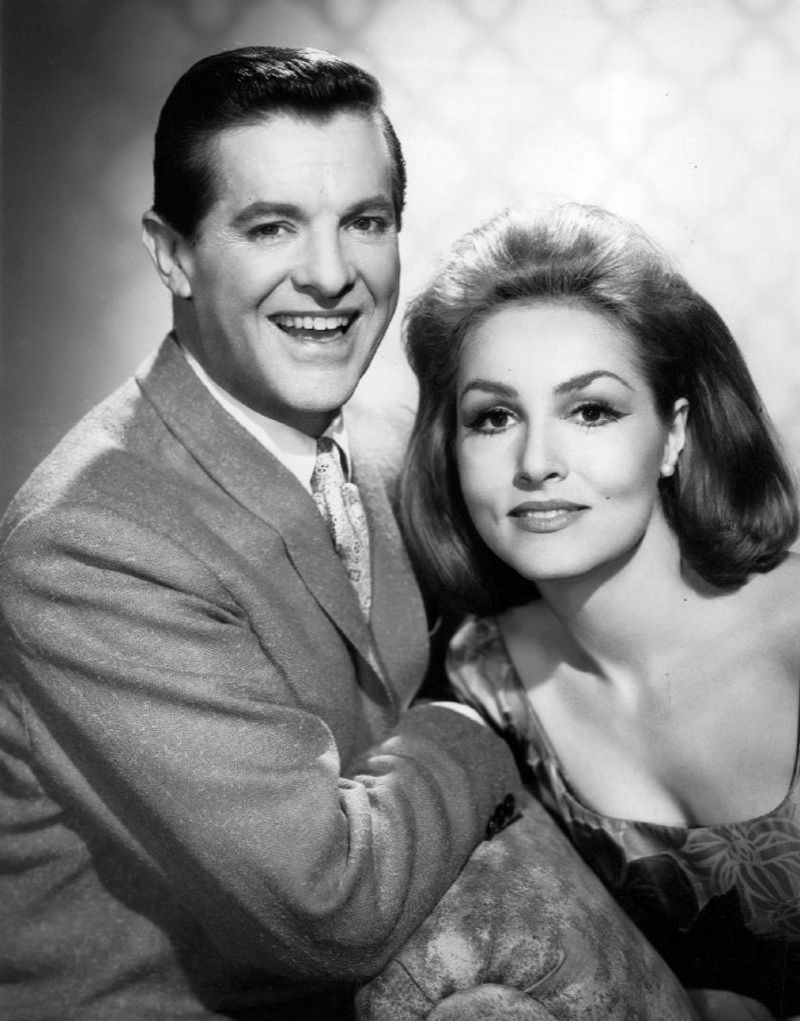
Talk of artificial intelligence is everywhere now, yet a sitcom explored the idea back in 1964. My Living Doll put a robot right in the middle of a family-style comedy.
Julie Newmar played Rhoda Miller, an advanced android. Bob Cummings played psychiatrist Bob McDonald, who was given the job of looking after her.
Much of the humor came from his attempts to teach Rhoda how humans act. Simple everyday things became big puzzles when a machine had to learn them from scratch.
CBS aired the show during the 1964-65 season, and the run was brief. It did not stick around long enough to become a household name.
Looking back, the mix of science fiction and domestic comedy seems ahead of its time. Viewers curious about early robot stories on television will find this one a fun surprise.
Pistols ‘n’ Petticoats
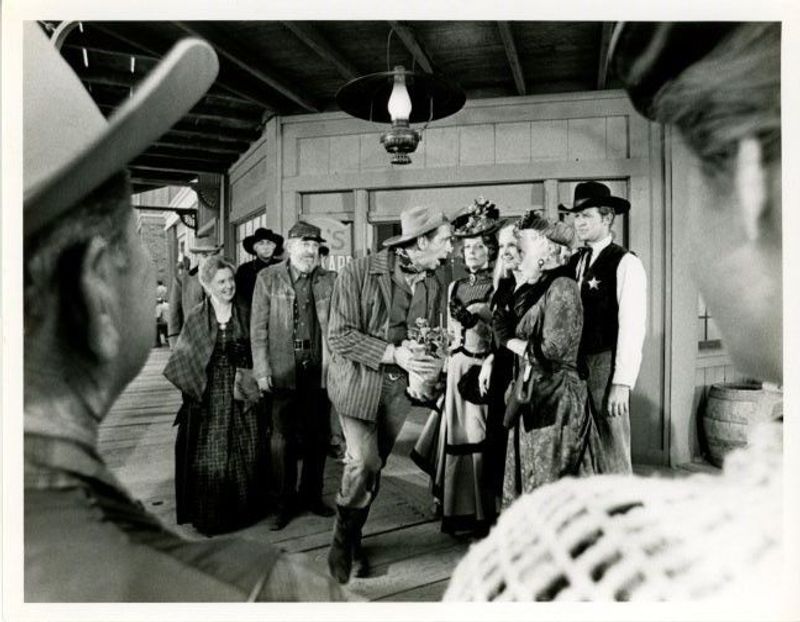
Cowboys ruled the airwaves in the 1950s and 1960s, but one Western let the women hold the guns. Pistols ‘n’ Petticoats took a comic route through the old frontier.
The CBS sitcom followed the Hanks family. The women in the household were generally better with firearms than the men around them, and that flipped a familiar Western idea upside down.
Ann Sheridan starred as Henrietta Hanks, giving the series a recognizable name at the top of the cast.
It premiered in September 1966 and ran for a single season. That is a short stay for a show with such a lively concept.
While many Westerns of the time were serious and dusty, this one favored broad comedy and frontier mix-ups. That difference helped it stand out, even if it did not keep viewers for long.
The Double Life of Henry Phyfe
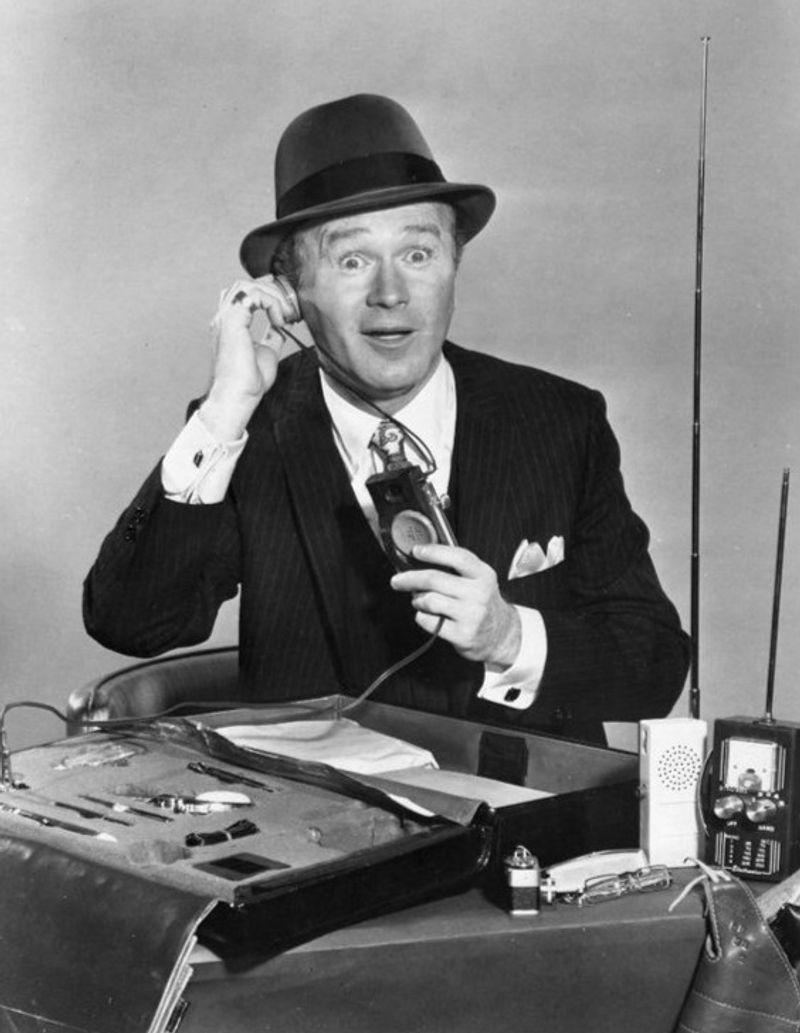
James Bond made spies cool, and The Man from U.N.C.L.E. kept the trend going. Plenty of imitators and parodies followed, including one of the stranger ones, The Double Life of Henry Phyfe.
Red Buttons played an accountant who looked like a secret agent who had died. He was recruited to take that agent’s place, even though he had no training for the job.
The idea promised easy comedy. An ordinary number cruncher stumbling through dangerous missions gave the writers many chances for gags.
ABC aired 17 episodes in 1966. The show leaned toward humor instead of suspense, so it worked more like a spoof than a thriller.
Because the run was so short, Henry Phyfe never became one of television’s lasting secret agents. He remains a funny footnote in the spy craze.
The Ugliest Girl in Town
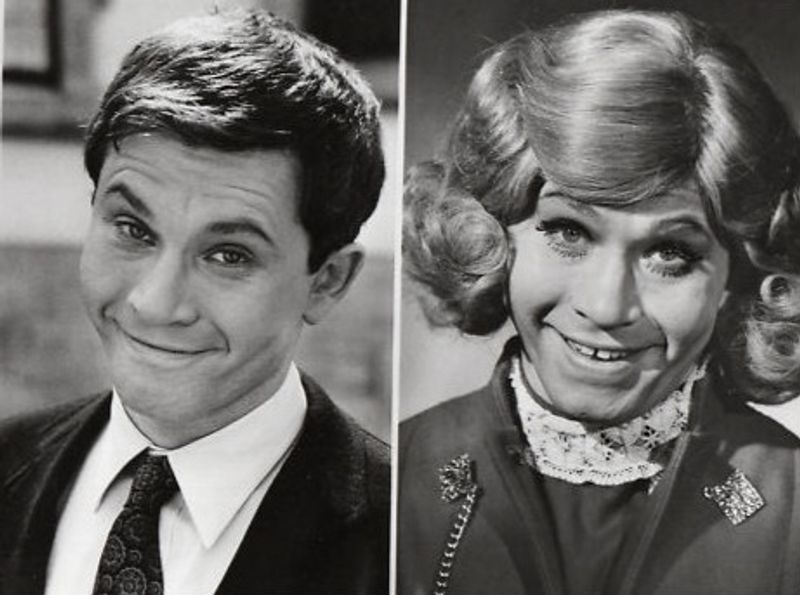
The title sounds harsh, but the show was really about a man who found success as a fashion model. The Ugliest Girl in Town used a wild twist for its comedy.
Peter Kastner starred as Timothy Blair, an American who traveled to London. Photographs of him dressed as a woman caught the eye of the fashion industry, so he adopted a female identity.
London in the late 1960s was known for bold style, and that gave the show a trendy backdrop. Timothy had to keep up the act while chasing a different goal.
ABC premiered the comedy in September 1968. Episodes continued into January 1969, and then the series disappeared after its single season.
It remains one of the more unusual premises of the decade. Few people recall it now.
Hank
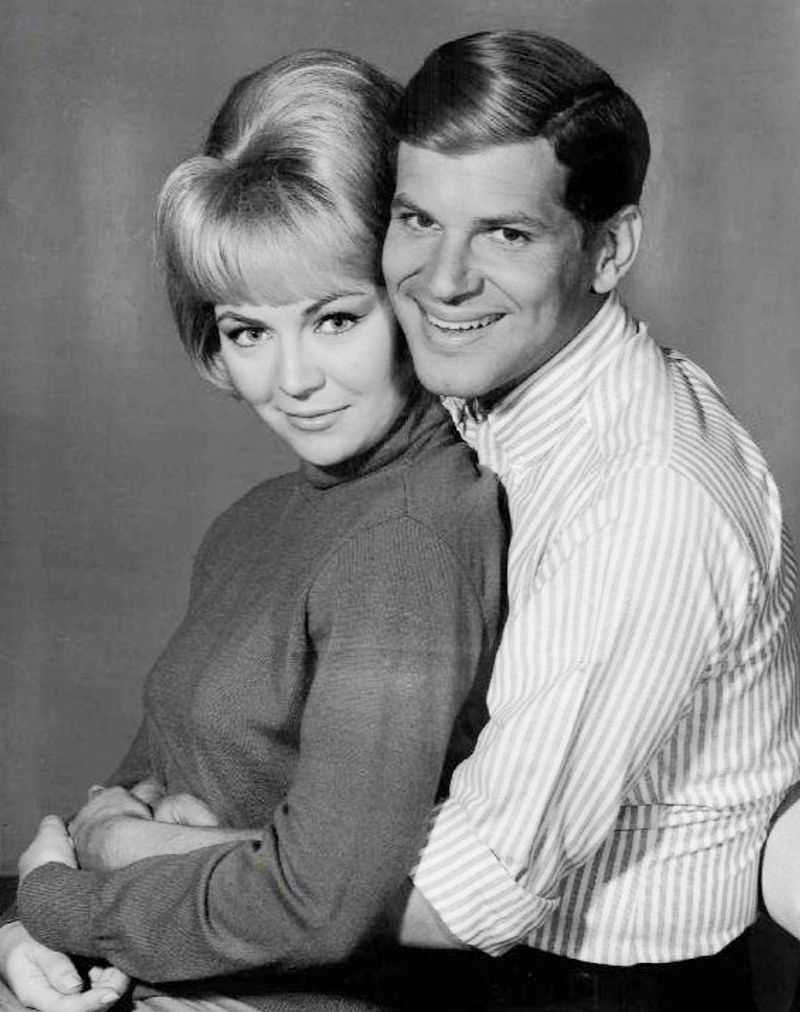
College is hard enough with a student ID. Imagine going without one.
That was the idea behind Hank.
Dick Kallman played Hank Dearborn, a young man determined to get an education even though he was not officially enrolled at Western State University. He slipped into classes and tried to dodge university officials.
The premise gave the writers plenty of close calls. Every lecture hall and hallway could hide a surprise.
NBC aired 26 episodes during the 1965-66 television season. That is a full season of adventures for a student who never quite belonged on the roster.
One neat detail is that the series was allowed to reach a real conclusion. Many shows simply stopped, but this one wrapped up Hank’s unusual academic situation.
The Baileys of Balboa
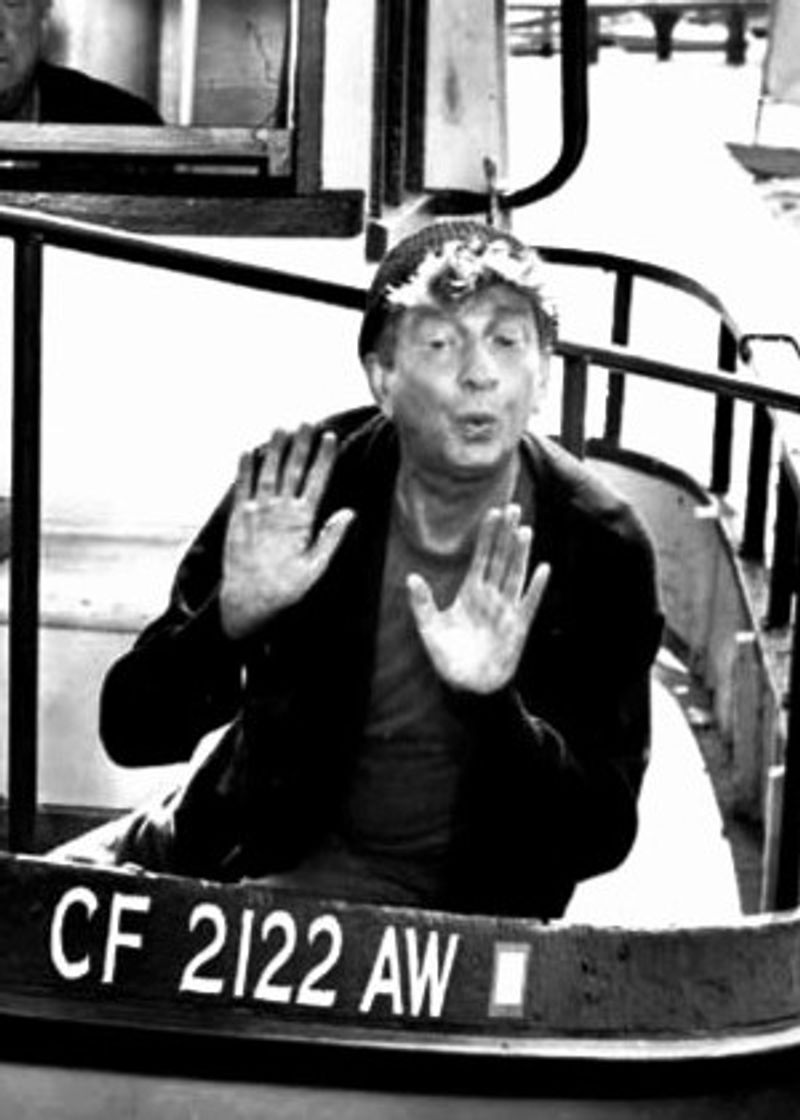
Most family sitcoms of the era took place in neat suburban homes. The Baileys of Balboa chose a marina instead.
Paul Ford starred as Sam Bailey. His family ran a rundown boat business, while wealthy yacht owners filled the harbor around them.
That contrast was the heart of the show. Modest charter work sat right beside fancy vessels and well-off neighbors.
CBS aired the sitcom during the 1964-65 season. The coastal setting gave it a different look from many comedies of the time, with docks and water in place of lawns and living rooms.
Still, the unusual surroundings were not enough to build a lasting hit. It stayed brief, but it offers a fresh view of what a TV family home could be.
It’s About Time
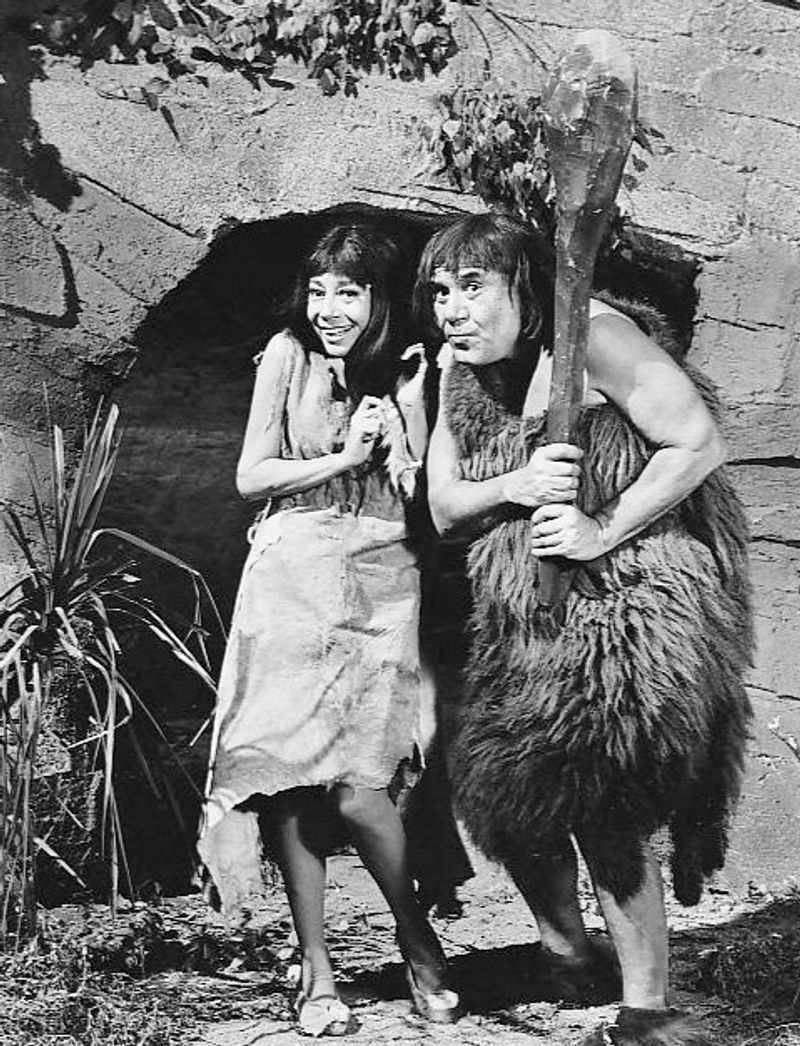
The creator of Gilligan’s Island, Sherwood Schwartz, was also behind a stranger comedy called It’s About Time.
The show followed two astronauts, Mac and Hector. They accidentally traveled back to prehistoric times and met a family of cave dwellers.
Stone-age gags and modern gadgets made for a lively mix. The astronauts tried to explain a world the cave family had never imagined.
Later in the season, the concept changed in a big way. The characters returned to modern America and brought their prehistoric friends along, which flipped the joke around.
CBS aired 26 episodes during the 1966-67 season. That makes the ambitious time-travel sitcom a one-season experiment, and a fun piece of trivia for fans of classic TV.
The Travels of Jaimie McPheeters
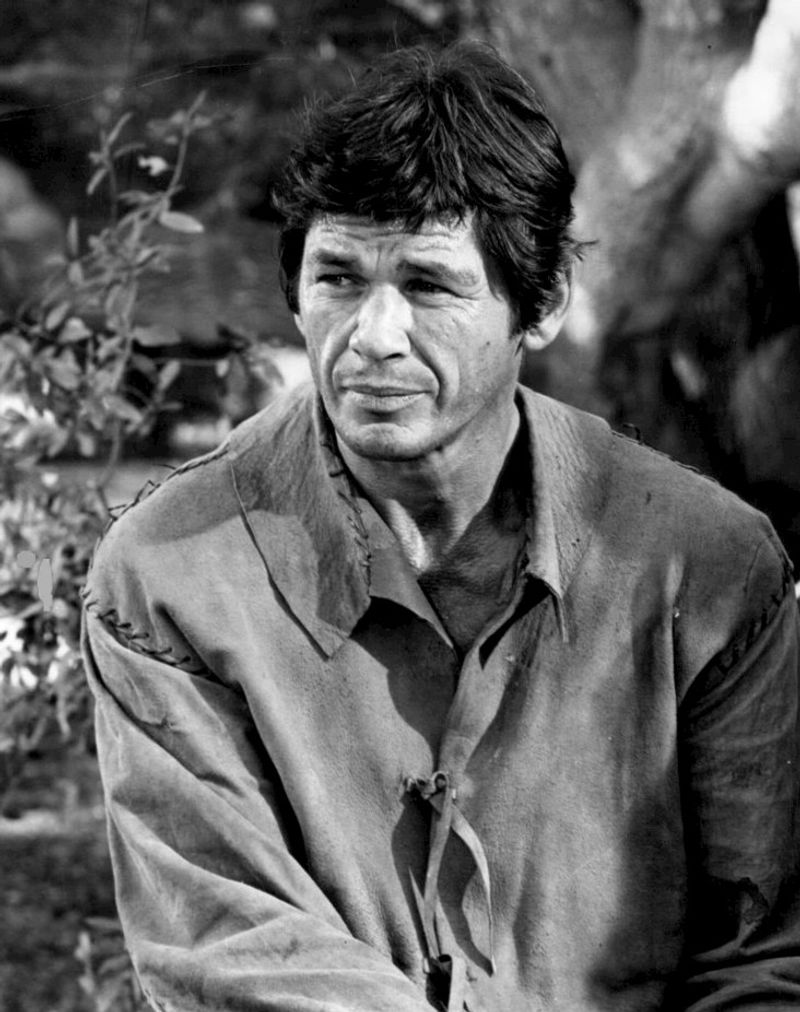
Kurt Russell is known as a major movie star, but he appeared on this ABC Western as a boy. The Travels of Jaimie McPheeters came years before his big career took off.
The series was based on Robert Lewis Taylor’s Pulitzer Prize-winning novel. It followed young Jaimie and his father, Dr. Sardius McPheeters, as they traveled west with a wagon train.
The story was set in the California Gold Rush era, so the trail was full of new faces and risky turns.
The show ran for 26 episodes, from September 1963 to March 1964.
Western adventure mixed with coming-of-age storytelling gave it a distinct flavor. It is an interesting early entry in Russell’s remarkably long career.
The Ghost & Mrs. Muir
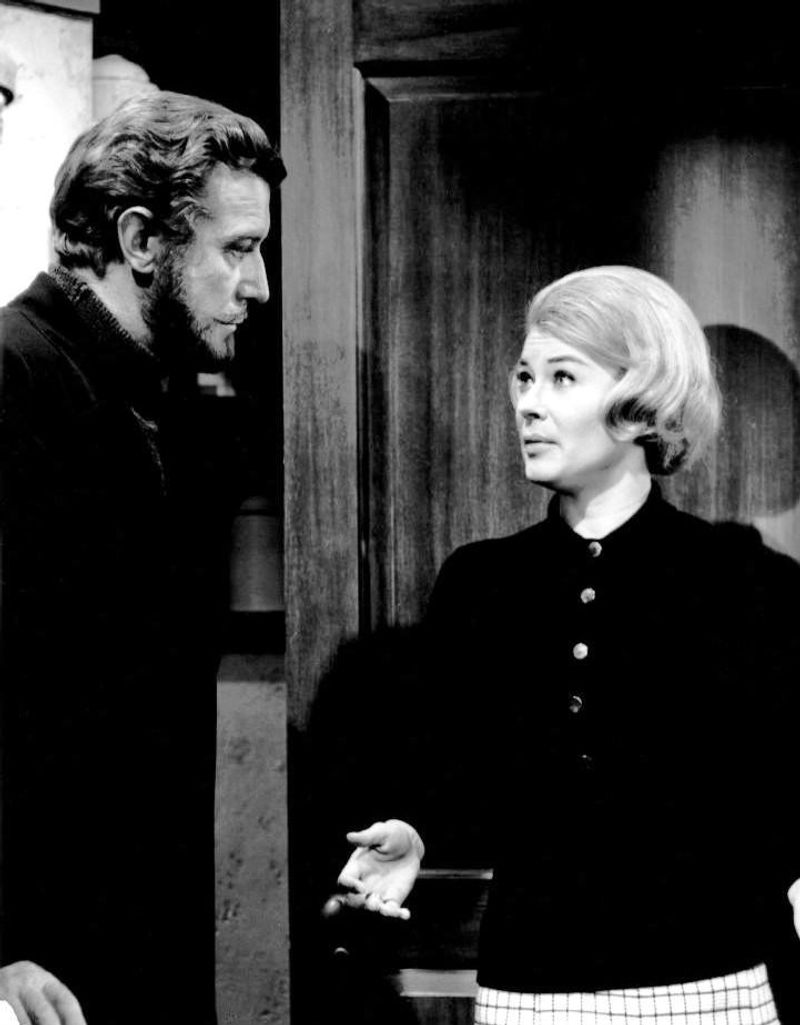
Some stories are good enough to be told more than once. The Ghost & Mrs. Muir began as a novel, became a famous 1947 film, and then turned into a television sitcom.
Hope Lange played Carolyn Muir, a widow who moved her family into a seaside cottage. The house turned out to be haunted by the irritable Captain Daniel Gregg, played by Edward Mulhare.
The show leaned on the odd friendship between the two. The captain grumbled, and Carolyn kept the household running anyway.
It premiered on NBC in 1968 and moved to ABC for its second season. The run lasted until 1970.
Lange won two Emmy Awards for her performance. That is a strong honor for a series many people have forgotten.
The Good Guys
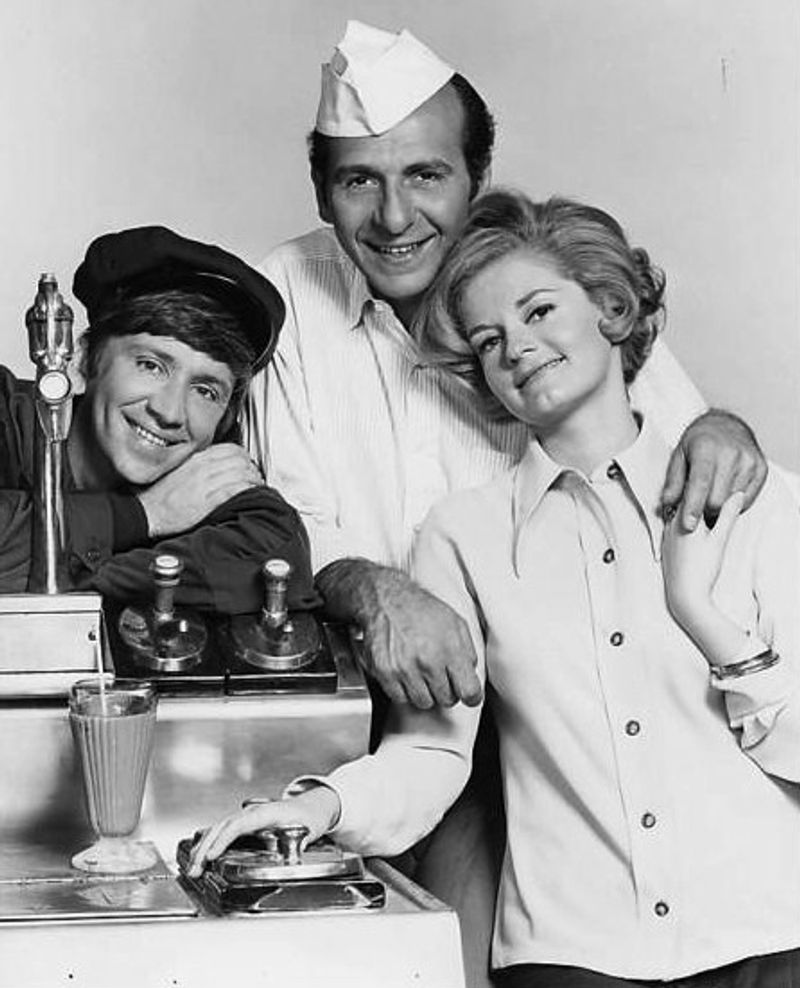
Bob Denver will always be tied to Gilligan’s Island. Soon after, though, he starred in a CBS sitcom that few people recall.
In The Good Guys, Denver played Rufus Butterworth. Herb Edelman played Bert Gramus, his longtime friend.
The pair got caught up in a string of schemes and mishaps. Many of them connected to Bert’s diner, which acted as the show’s home base.
The series began in 1968 and continued into 1970, giving it two seasons on the air.
That is a decent run, but it never matched the cultural staying power of Denver’s earlier island comedy. Fans who only know him as Gilligan may enjoy seeing him in a very different setting.
Love on a Rooftop
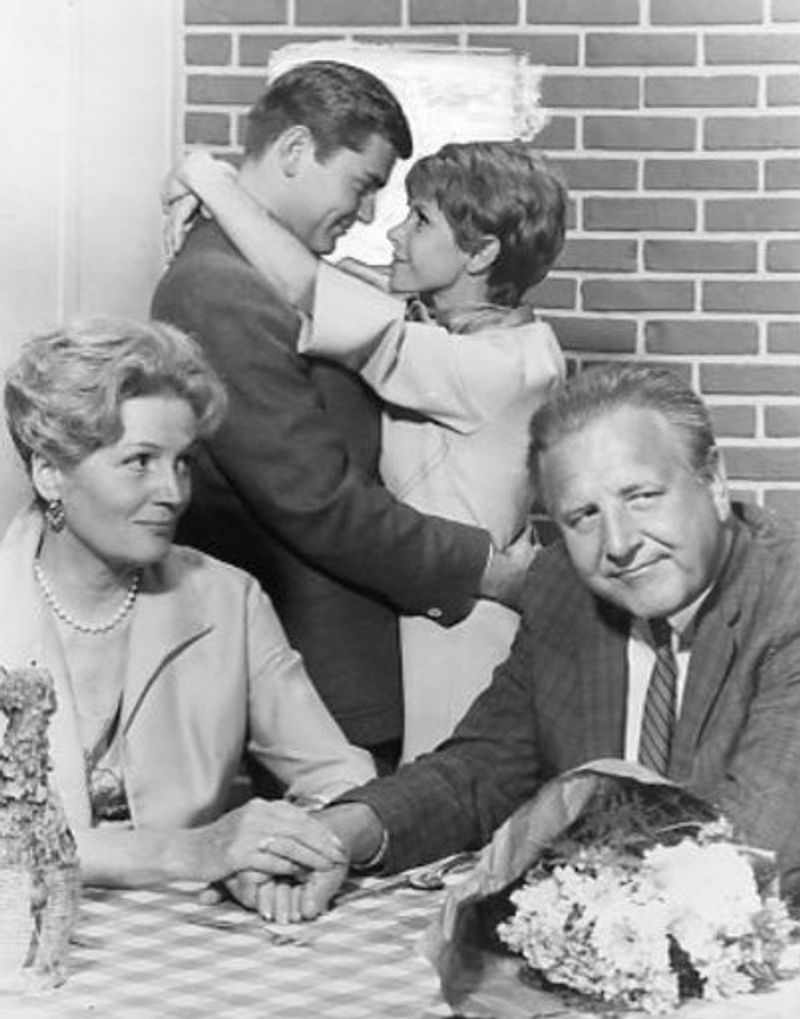
A tiny apartment on a San Francisco roof gave Love on a Rooftop its name and its charm.
Pete Duel and Judy Carne played newlyweds Dave and Julie Willis. They tried to build a life together while living on a limited income.
Money was tight, so the couple had to make do with what they had. Small problems turned into big stories, and the rooftop home was at the center of it all.
ABC aired the romantic sitcom during the 1966-67 season. It was short-lived, but it had a fresh point of view.
Its focus on a young urban couple anticipated the more contemporary relationship comedies that became common on television later. It was a little ahead of the curve.
Camp Runamuck
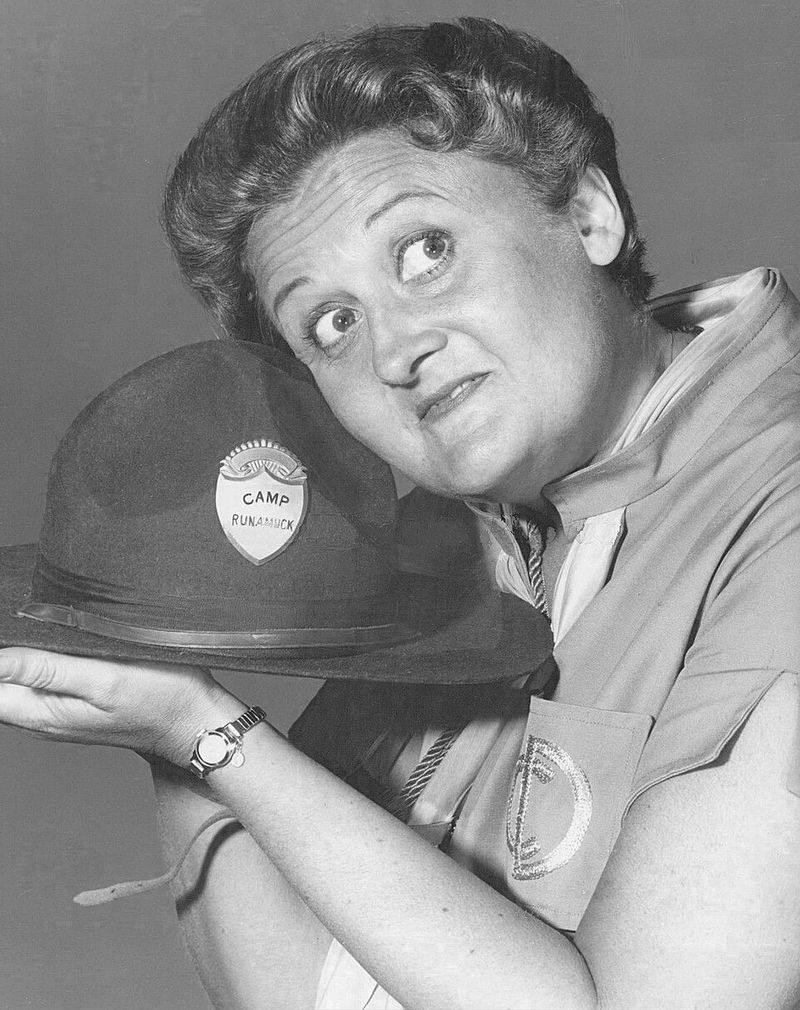
Summer-camp comedies are now a familiar movie formula, but NBC got there first with Camp Runamuck.
The sitcom took place at a boys’ summer camp. Counselors and campers kept getting tangled up in chaotic situations.
Across the lake sat Camp Divine, a girls’ camp. That gave the writers another source of stories and plenty of friendly rivalry.
The series premiered in 1965 and lasted for a single season.
Its broad slapstick humor matched the style of many mid-1960s sitcoms. Afterward, the show largely slipped out of popular memory, which makes it a fun find for anyone who loves old comedy.
He & She
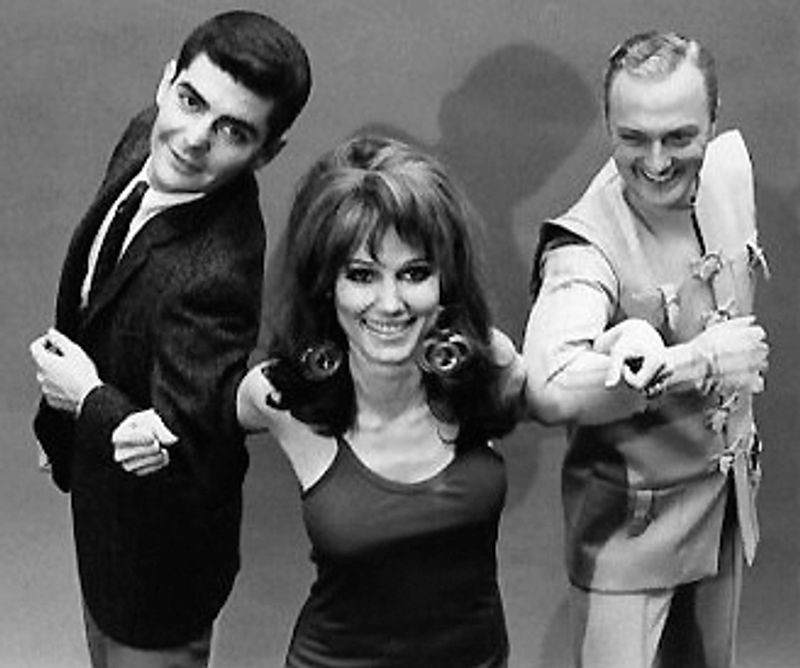
Television historians often praise He & She, even though it lasted just one season. The reason is its smart, sophisticated writing.
Richard Benjamin and Paula Prentiss starred as Dick and Paula Hollister, a married couple in New York City. Dick was a cartoonist whose creation had become a television series.
That setup let the show poke fun at the entertainment industry as well as marriage. It had a witty tone that stood apart from the broad humor of many sitcoms.
CBS aired the series during the 1967-68 season.
It struggled in the ratings, yet it still earned multiple Emmy nominations. Today it is a good pick for viewers who like sharp, grown-up comedy from the era.
Hey, Landlord!
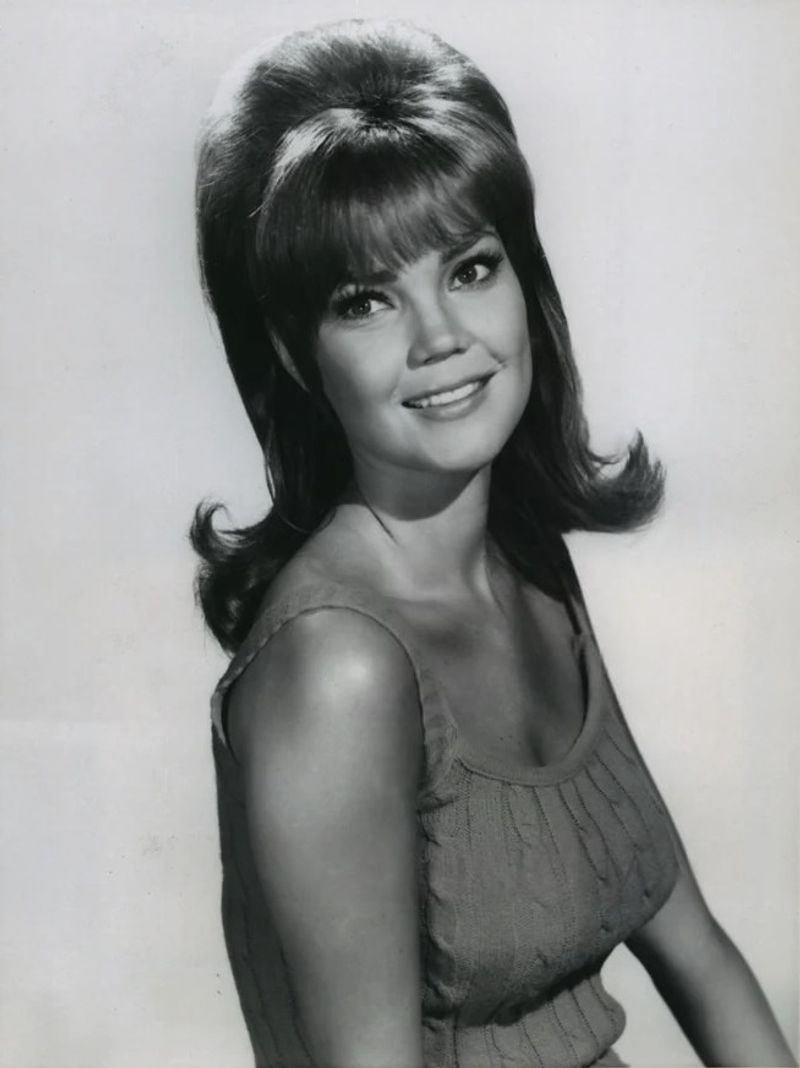
Inheriting an apartment building sounds like a dream. For Woody Banner, it was more like a daily adventure.
Will Hutchins played Woody in Hey, Landlord! Instead of simply collecting rent, he got pulled into the lives and problems of the building’s eccentric residents.
Sandy Baron co-starred as his friend Chuck Hookstratten. The two shared a Manhattan home base full of colorful neighbors.
NBC aired the sitcom during the 1966-67 television season. Its schedule also included The Monkees, I Dream of Jeannie, and Get Smart.
That was strong company, yet Hey, Landlord! lasted only one season. It remains a small piece of a very busy night of television.
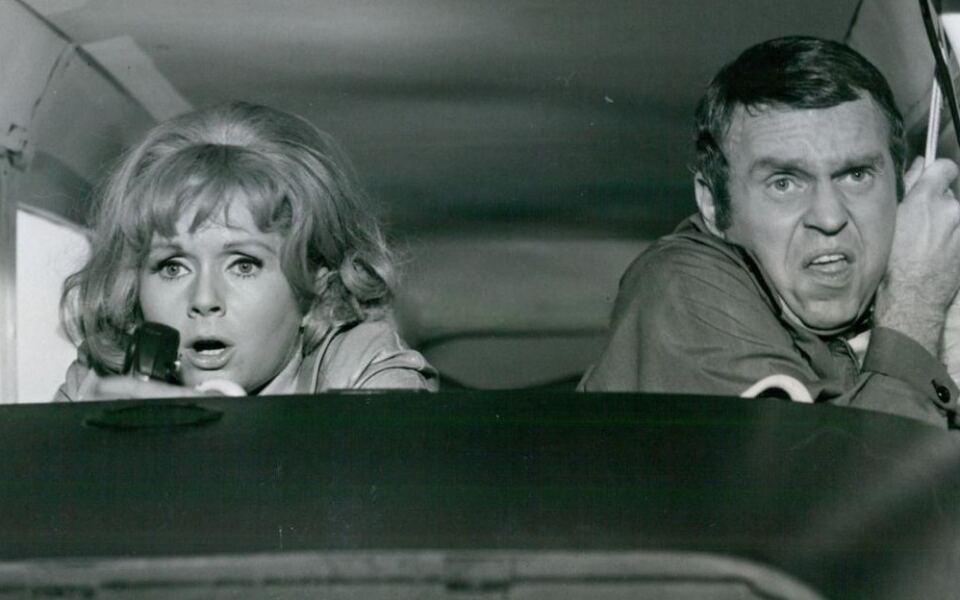
The Debbie Reynolds Show
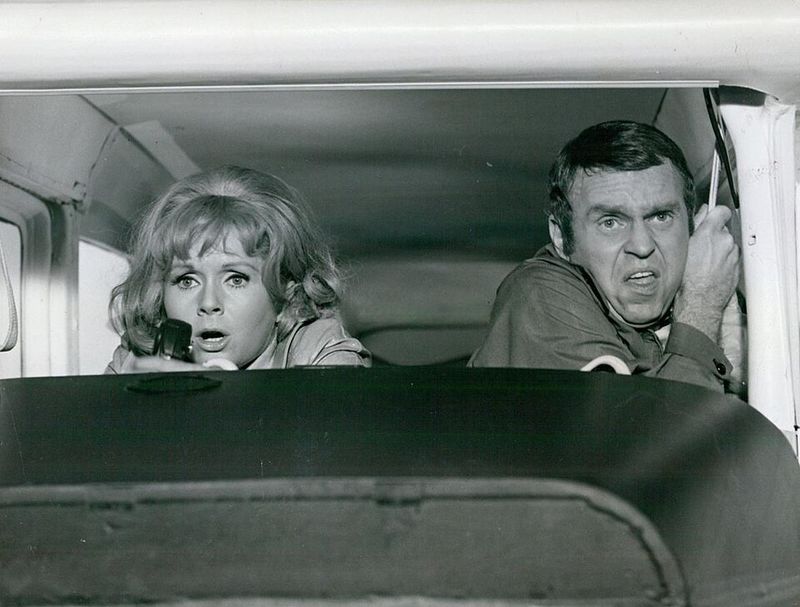
Debbie Reynolds was already a major Hollywood star when NBC gave her a sitcom of her own in 1969.
She played Debbie Thompson, wife of newspaper reporter Jim Thompson. Much of the comedy involved her ambitions to break into show business.
The idea fit the star well, since show business was her home turf. Debbie’s schemes drove many of the plots.
One trivia note is that Reynolds’ real-life husband at the time, Harry Karl, was not the model for her fictional spouse.
Despite her fame, The Debbie Reynolds Show lasted only one season, airing from 1969 into 1970. Today it is a surprisingly obscure chapter in the career of one of Hollywood’s most recognizable performers.
Share this story