A single wool blanket can take up to 12 days of work before it ever lands on your couch. I had no idea, and now I can’t stop thinking about it.
That one fact sent me down a happy rabbit hole across Minnesota. It turns out some of the things we use, ride, and snack on are made in plain-looking buildings you can actually tour.
Some of the machines still humming away date back more than a century.
I love the idea of trading a gray January afternoon for a factory floor. You get warm air, real noise, and the strange joy of seeing how stuff happens.
Plus, most of these stops end at a shop.
So which everyday favorite would you want to see built from scratch? A tractor the size of a house, or a block of fresh cheese?
1. Faribault Woolen Mill Co.
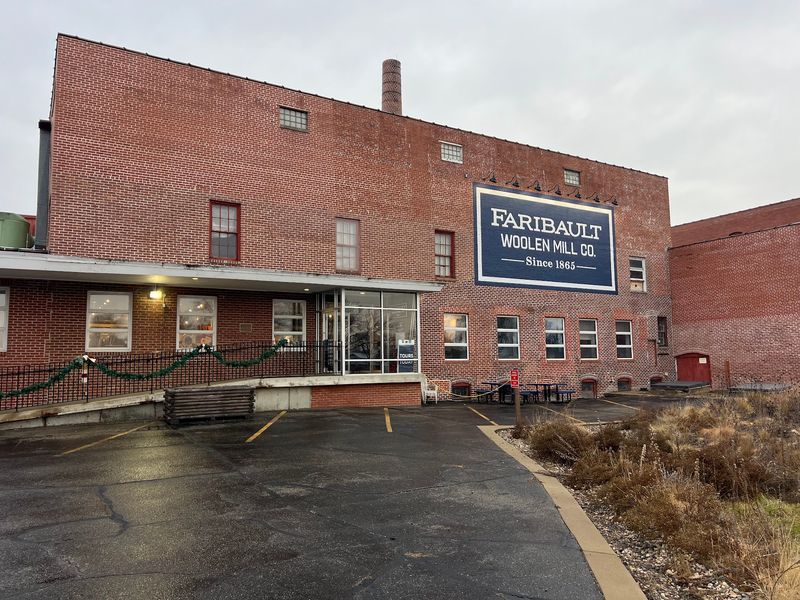
Few factories can say their machines remember the early 1900s, but this riverside mill still runs gear from that era. The looms here have been clacking along the Cannon River for generations.
The company traces its roots to 1865, which makes it one of the longest-running woolen mills in the country. That history comes alive on the factory tour, where guides explain how the mill came to be.
You’ll see raw wool begin its long trip toward becoming a finished blanket. Some blankets take up to 12 days of effort from start to finish.
That’s a lot of patience folded into one throw.
Kids tend to follow along easily, since the tour is clear and visual. Spinning, weaving, and finishing happen in steps that make sense even to younger visitors.
Winter is honestly the perfect season for this stop. You’re surrounded by wool, which feels like a joke the weather is in on.
After the tour, the attached store is a treat for browsers. Friendly staff help you sort through blankets, throws, and other goods made right here.
Bargain hunters should head straight for the seconds and clearance section. Minor flaws can mean major savings on a blanket built to last decades.
Hours typically run Monday through Saturday from 9 to 5, with shorter Sunday hours. Thursday mornings tend to be quieter if you want more elbow room.
It’s proof that small-town southern Minnesota still makes things the old-school way, and makes them well.
Address: 1500 2nd Ave NW, Faribault, MN 55021
2. The Fendt Lodge
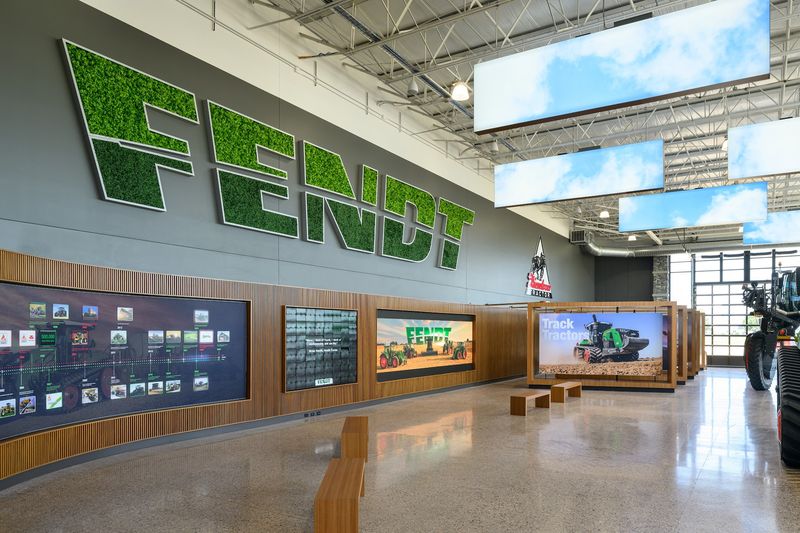
Tractors as tall as a garage are built in a small southwestern Minnesota town, and you’re invited to watch. Jackson might be the last place you’d expect a state-of-the-art showroom.
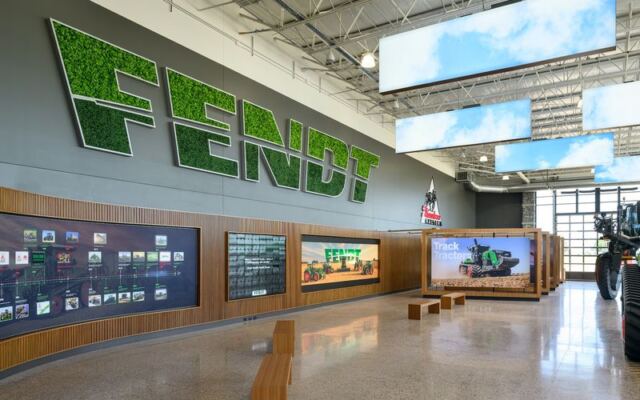
The Fendt Lodge works as a customer experience center for AGCO, the company behind the factory next door. Inside, Fendt track tractors and Rogator applicators take center stage.
Interactive exhibits explain how the machines work and what farmers use them for. You can learn a surprising amount before the guided tour even begins.
Then comes the highlight. Guided tours take you through the plant where this equipment is manufactured, including views overlooking the factory floor.
Watching massive farm machines come together is weirdly hypnotic. Tractors, Rogators, and TerraGators move through production on a scale that feels almost cartoonish.
Farm families will feel right at home here. Machinery fans and curious kids get just as much out of it, since the place is very kid friendly.
Plan around a weekday trip, because the lodge is typically open Monday through Friday from early morning to mid-afternoon. Weekends are closed.
One practical heads-up: there’s no restaurant on site. Pack snacks or grab lunch in town before or after your visit.
Big-city museums would charge a fortune for a show like this. Here, rural Minnesota simply opens its doors and lets you see how the work gets done.
Address: 202 Industrial Pkwy #38, Jackson, MN 56143
3. August Schell Brewing Co
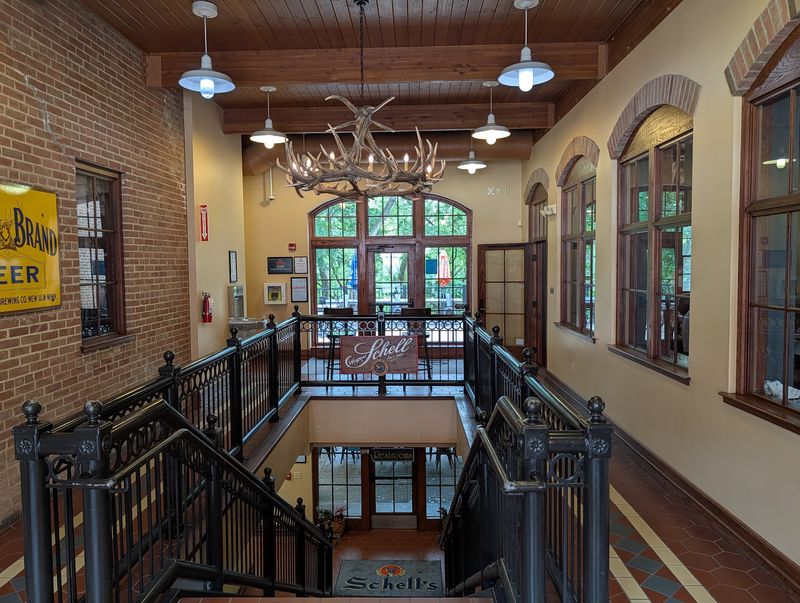
Back in 1860, a German immigrant named August Schell set up shop in New Ulm. More than 160 years later, his family company is still at it.
That makes it one of the oldest operations of its kind in the United States. Not many businesses survive that long, let alone in the same spot.
New Ulm wears its German heritage proudly, and this site fits right in. Old brick buildings and a sense of deep history set the tone the moment you arrive.
History buffs should make time for the on-site museum. It gives you a feel for how the company grew alongside the town itself.
Guided tours walk you behind the scenes of the historic production site. You’ll learn how the process has changed and what has stayed the same since the 1800s.
Once the tour wraps up, the large indoor hall offers plenty of seating. It’s a solid spot to thaw out on a frosty afternoon.
Hungry? The food menu includes pizza and a soft pretzel with cheese.
That pretzel feels like the right call in a town this proud of its roots.
Free parking makes the visit easy, with an on-site lot plus street spots. Weekday mornings tend to be calmer than busy Saturday afternoons.
Minnesota doesn’t always get credit for this kind of longevity. A stop here makes a strong case that it should.
Address: 1860 Schell’s Rd, New Ulm, MN 56073
4. Polaris Industries Inc.
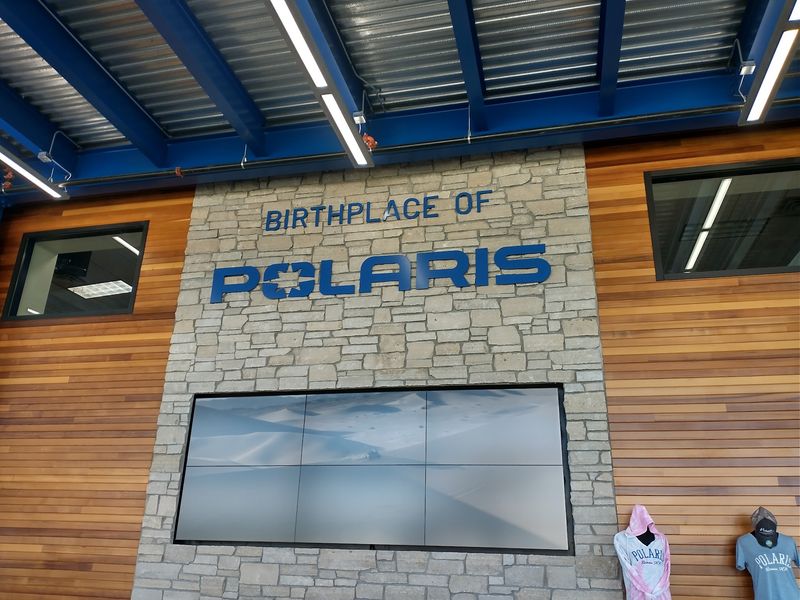
Snowmobile fans call it a pilgrimage, and they aren’t exaggerating much. Roseau is the birthplace of Polaris, founded here in 1954.
This small town sits near the Canadian border, where winter isn’t a season so much as a lifestyle. It makes perfect sense that sleds were born here.
The plant still builds machines today, including snowmobiles and off-road vehicles. Seeing production happen in the original hometown adds real weight to the visit.
Start in the lobby and experience center, which deserves its own lingering stop. Displays put Polaris history and current models right in front of you.
Tours give you a look at how these machines come together. For riders, it’s the kind of trip that lands on a lifelong bucket list.
Here’s a fun bonus. Visitors may leave with a few Polaris decals after the tour, perfect for a sled, toolbox, or kid’s bedroom door.
Timing matters on this one. The plant typically keeps weekday hours, Monday through Friday from 7 to 5, and stays closed on weekends.
Roseau is a long drive from the Twin Cities. Still, pairing the tour with a northern winter weekend makes the miles feel well spent.
Plenty of famous brands live in glossy headquarters far away. This one grew up in a small Minnesota town and never left, which is a point of pride worth driving north to see.
Address: 301 5th Ave SW, Roseau, MN 56751
5. Redhead Creamery
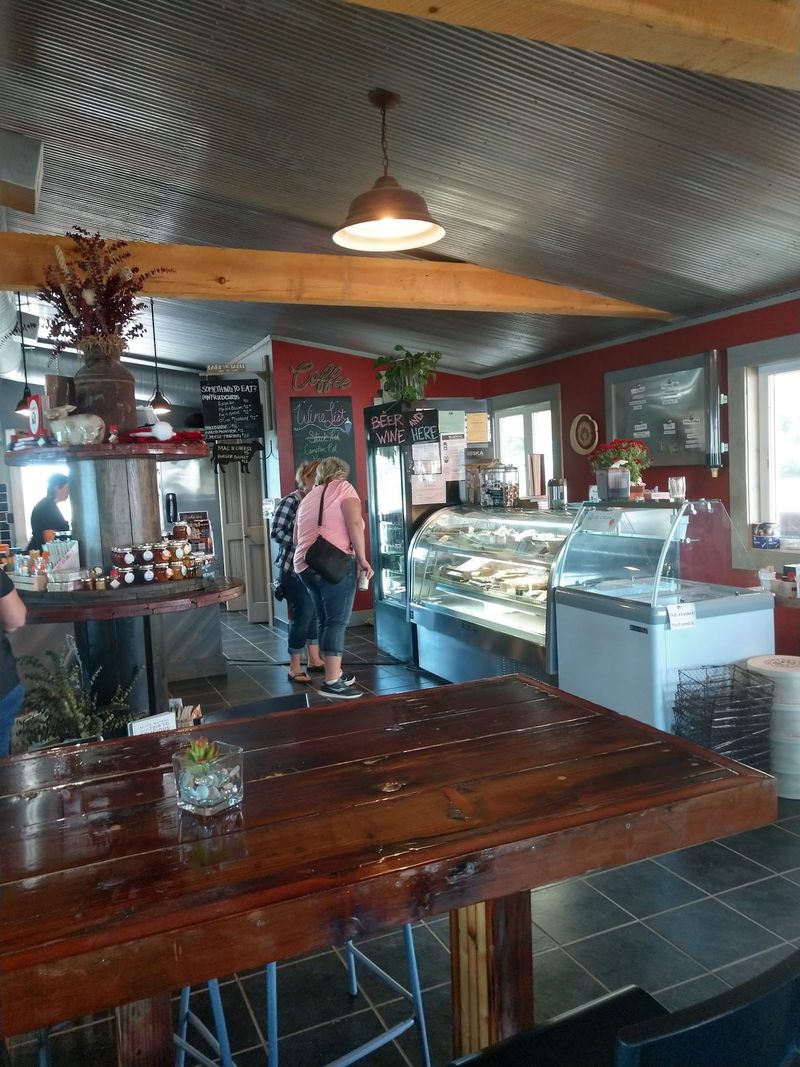
Cheese curds taste better when you’ve just met the farm that made them. That’s the whole delicious logic behind this stop in rural central Minnesota.
Redhead Creamery is both a working dairy farm and an artisan cheese shop. The cheese is handcrafted right here, close to the cows that started it all.
Educational farm tours are the main event. Guides mix storytelling with the technical side of running a dairy, so you leave knowing way more than you expected.
Questions are welcome, and the tours can stretch to a couple of hours. It feels part history lesson, part entertainment, and fully focused on cheese.
You’ll learn how milk becomes the wheels and curds stacked in the shop. Suddenly that snack in your hand has a backstory.
Speaking of the shop, it’s small, charming, and packed with tasty options. Cheese curds are a clear standout, and the menu has included a burger too.
Hours are limited, so check the calendar first. The farm is typically open Wednesday through Saturday and closed Sunday through Tuesday.
Free parking on site keeps things simple once you arrive. The farmland setting around Brooten adds a peaceful, wide-open feel even in deep winter.
Fancy city cheese counters are nice. A Minnesota farm that hands you curds made steps from the barn?
That’s tough to beat.
Address: 31535 463rd Ave, Brooten, MN 56316
6. Surly Brewing Co.
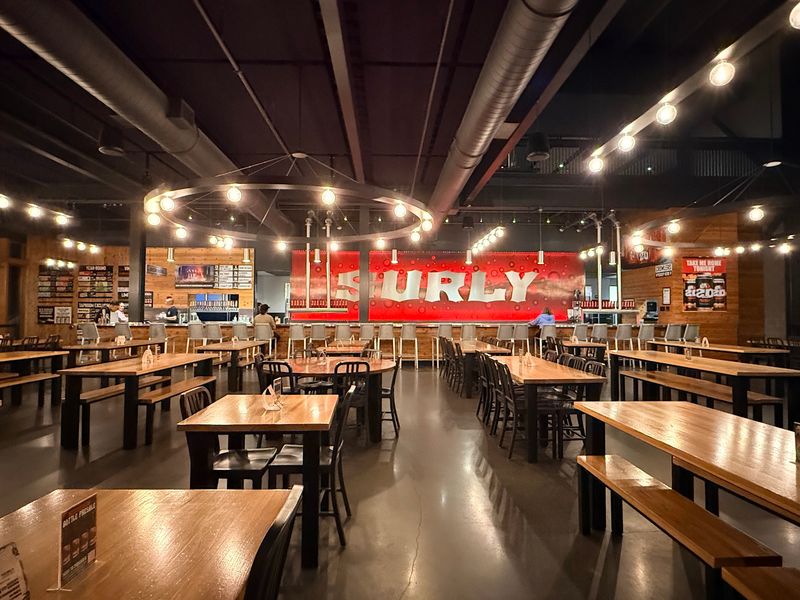
Most factories hide the action behind closed doors. In Minneapolis, Surly put a giant window right in its main hall so you can watch.
The building sits in the Prospect Park neighborhood, close to the University of Minnesota. It’s big, busy, and very much a city landmark for its industry.
Through that window, you can see parts of the production floor while you sit inside. Shiny tanks and moving crews make a great backdrop.
Want more than a peek? Guided tours walk you through the company’s history and process in much greater detail.
Guides are known for going deep on how things are made here. Smaller groups can get an especially thorough look behind the scenes.
Food is a big part of the appeal too. The main hall serves tavern-style grub, and there’s also an upstairs eatery.
During a Minnesota winter, a roomy indoor space like this earns its keep. You get warmth, food, and a show all under one roof.
Timing helps you dodge crowds. Saturday afternoons and evenings run busiest, while weeknight evenings tend to be calmer.
Weekday hours usually begin in the afternoon, with earlier openings on weekends. Parking includes a free lot plus nearby street options.
It’s a reminder that Minneapolis can hold its own with any big industrial city, and does it with style.
Address: 520 Malcolm Ave SE, Minneapolis, MN 55414
7. Panther Distillery
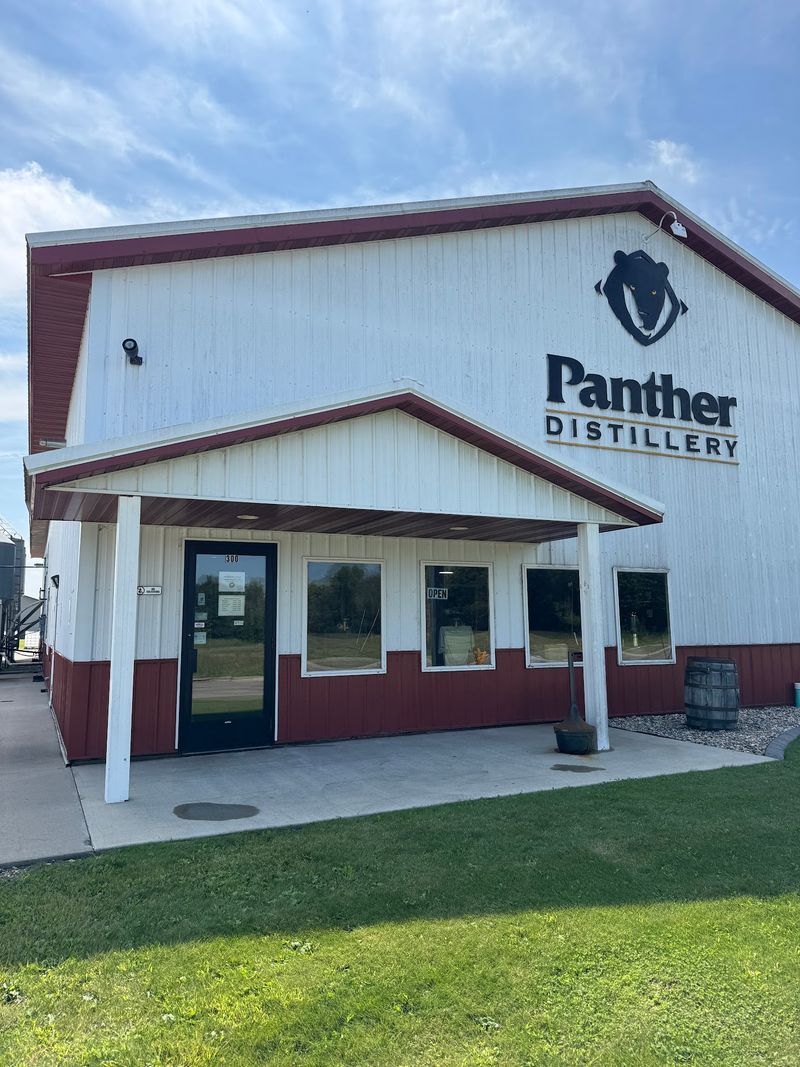
Grain from nearby fields goes in one end, and finished bottles come out the other. In tiny Osakis, the whole journey happens under one roof.
Panther Distillery handles each step itself. The team sources grain from local farmers, mills it in-house, and works in small batches.
Aging and bottling happen on site too. That start-to-finish approach is rare, and it gives the tour real substance.
The tour takes you through the fermenting and production areas. You get up close to the equipment instead of squinting from behind a rope.
Guides keep it informative without turning it into a lecture. You’ll walk away understanding how raw farm grain transforms through each stage.
Best part for budget-minded families? The tour has been offered free, which feels very Minnesota.
Osakis is a small lakeside town of roughly 1,700 people. Its main street charm makes a fine excuse to wander after your visit.
Plan for daytime hours, typically Monday through Saturday from 10 to 4. Sundays are closed, so save this one for a Saturday road trip.
Central Minnesota farm country is the star ingredient here. Supporting local growers isn’t a slogan at this place, it’s literally the first step in production.
Big operations elsewhere may churn out more. Few can match the hands-on, small-town craft happening on Pike Street.
Address: 300 E Pike St, Osakis, MN 56360
8. Summit Brewing Company
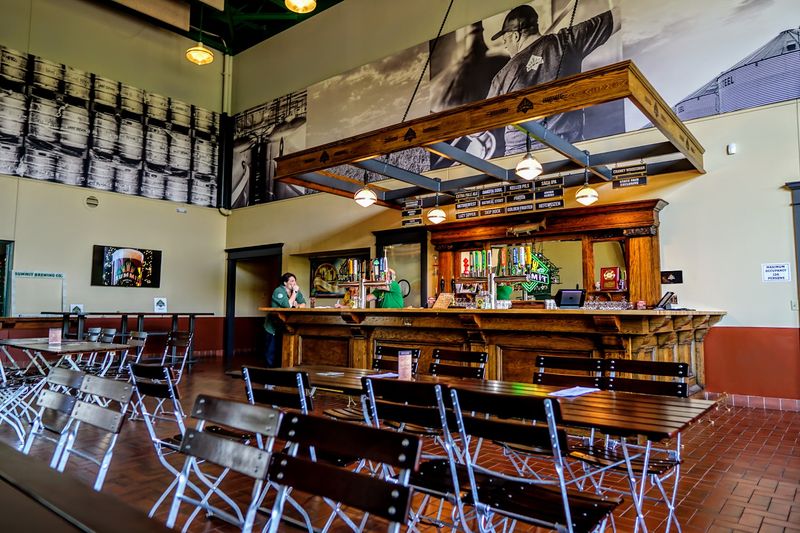
Back in 1986, Summit helped kick off a craft movement in St. Paul that’s still going strong. Decades later, it remains a cornerstone of the city’s maker scene.
The facility sits near the Mississippi River in St. Paul. It’s a short drive for Twin Cities folks looking to shake off cabin fever.
Tours lead you through the production side of the operation. You’ll hear how the company grew from scrappy startup to Minnesota institution.
Its flagship recipe has been around for roughly 40 years. That kind of staying power says a lot about consistency and care.
After the tour, the Ratskeller is the place to linger. It’s the on-site gathering room, with some offerings you won’t find anywhere else.
Food trucks often roll up, so lunch may be waiting outside. There’s also a patio for milder days, though winter visitors will likely stay indoors.
Check the schedule before heading over. Hours typically run Wednesday through Sunday, with Monday and Tuesday closed.
Thursday and Friday evenings get busy, as do Saturday afternoons. Sunday mornings are usually the quietest window.
Free parking, both in the lot and on the street, takes one more hassle off your plate. That’s a small win in a city setting.
Minnesota has plenty of makers to brag about. This one has been proving the point for nearly four decades.
Address: 910 Montreal Cir, St Paul, MN 55102
Share this story