Nothing ruins a trail adventure faster than getting soaked to the bone and shivering your way back to the trailhead. Whether you’re planning a short day hike or a multi-day backpacking trip, wet weather can strike without warning, turning a fun outing into a miserable slog. Smart hikers know that staying dry isn’t just about comfort – it’s about safety, since cold and wet conditions can lead to hypothermia even in summer. With the right rain-ready gear in your pack, you can confidently tackle any trail, no matter what the sky throws at you.
1. Waterproof-breathable rain jacket (fully seam-taped)

Your rain jacket is the single most important piece of wet-weather armor. Not all rain jackets are created equal, though. Water-resistant shells might handle mist, but a true waterproof jacket with sealed seams will keep you dry in heavy downpours.
Look for jackets with DWR (durable water repellent) coating on the outer fabric, which makes water bead up and roll off instead of soaking in. A storm hood that fits over a hat and pit zips for ventilation are game-changers when you’re working hard uphill. Without proper venting, you’ll end up as wet from sweat as you would from rain.
Quality matters here more than almost anywhere else in your kit.
2. Rain pants you can vent

Ever noticed how your legs generate tons of heat when you’re climbing a steep trail? Rain pants trap all that warmth, which sounds great until you realize you’re basically steaming yourself from the inside out. Full-length or three-quarter side zips solve this problem brilliantly.
These zippers let you pull the pants on over muddy boots without sitting down, and more importantly, they let you dump excess heat instantly. The same waterproof and DWR principles that apply to jackets matter just as much here. Cheap rain pants will leave you feeling clammy and uncomfortable.
Invest in a pair with good ventilation and you’ll actually want to wear them when conditions get ugly.
3. Pack liner + a few dry bags (add a cover if you want)

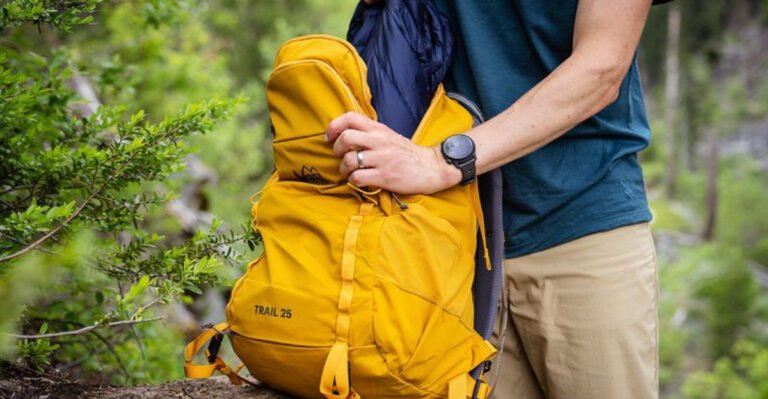
Pack covers seem like the obvious solution, but here’s the truth: rain sneaks past them through the back panel where the pack touches your body, and wind can blow them right off. A waterproof pack liner or heavy-duty trash compactor bag inside your pack creates a reliable barrier that actually works.
For your most critical items—sleeping bag, down jacket, electronics, and food—use individual dry bags as a second line of defense. Think of it as insurance within insurance. Rain covers can help keep the outside of your pack less soggy and easier to handle, but they’re optional.
Liners and dry bags are your true moisture defense system.
4. Gaiters (low to knee-high, depending on brush/snow)

Picture this: you step into a puddle, and cold water immediately sloshes over your shoe collar and soaks your socks. That’s exactly what gaiters prevent. These simple sleeves wrap around your lower legs and seal the gap between your pants and footwear.
Low-cut gaiters work fine for light trail conditions, but knee-high models shine when you’re bushwhacking through wet vegetation or dealing with deep mud. They also add valuable shin protection when scrambling over rocks. The difference between dry feet and soggy, blister-prone feet often comes down to this one piece of gear.
Once you hike with gaiters in wet conditions, you’ll never go back.
5. Waterproof (or fast-draining) footwear—matched to conditions

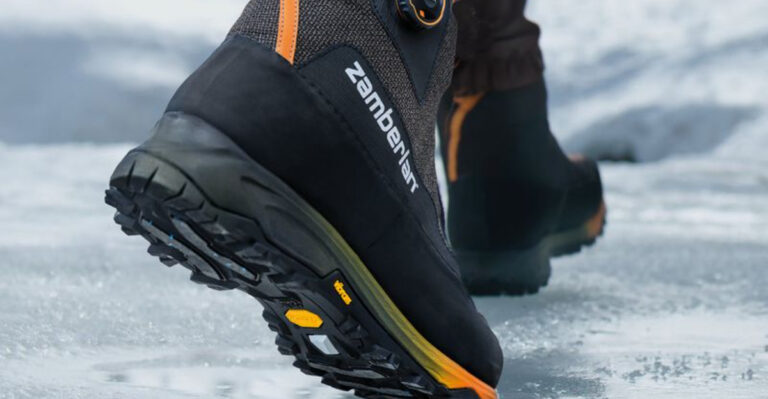
Here’s where strategy matters more than a one-size-fits-all answer. Cold, wet climates call for waterproof boots that keep your feet dry for hours, especially when combined with gaiters. But in warm rain, many experienced hikers actually prefer non-waterproof shoes.
Why? Because once water gets into waterproof boots (and it eventually will), it can’t get back out. Non-waterproof shoes drain quickly and dry faster, which can be more comfortable when temperatures are mild. Consider the conditions you’ll face: cold and wet equals waterproof; warm and wet might mean fast-draining.
Match your footwear choice to the forecast and trail conditions for maximum comfort.
6. Merino or synthetic base layers (no cotton) + spare socks

Cotton is the enemy of wet-weather hiking. It absorbs moisture like a sponge, stays wet forever, and will chill you to the bone when temperatures drop. Merino wool and synthetic fabrics do the opposite—they wick sweat away from your skin and continue insulating even when damp.
Merino is especially beloved for its moisture management, natural odor resistance, and soft feel against skin. Synthetics dry even faster and cost less. Whichever you choose, always pack at least one spare pair of dry socks in a waterproof bag.
Fresh socks can transform your morale on a soggy trail, and they might just save you from painful blisters.
7. Trekking umbrella (optional but amazing in long rain)

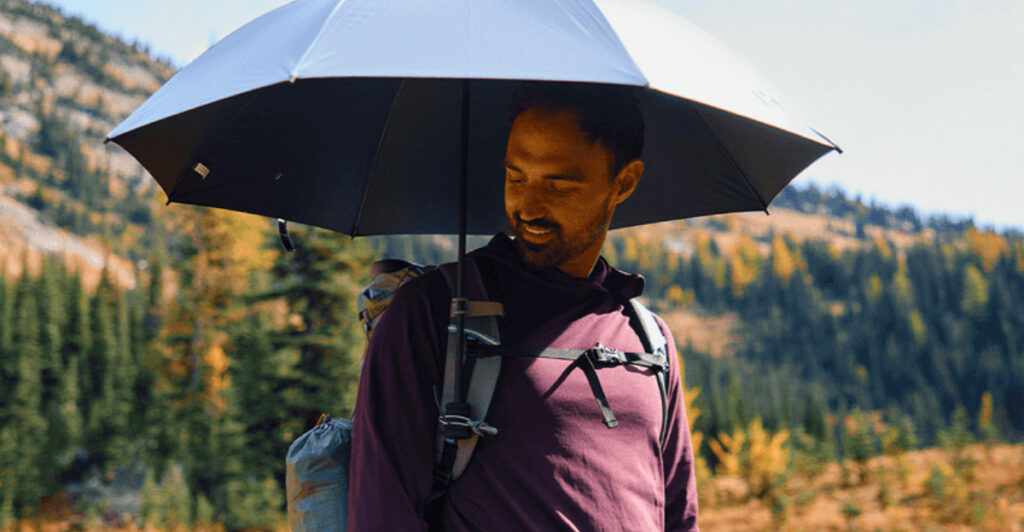
Umbrellas might sound old-fashioned, but thru-hikers—people who walk thousands of miles—absolutely swear by them. A lightweight trekking umbrella creates a personal dry zone above you, dramatically improving comfort during long, steady rains. Unlike being zipped into a rain jacket, you get excellent ventilation and can actually see where you’re going without rain pelting your face.
They work best on open trails without heavy tree cover or strong winds. Some models even attach to your pack straps for hands-free operation. If you’re facing all-day rain, this piece of gear can be the difference between enduring the weather and actually enjoying your hike.
8. Brimmed rain hat or billed cap under the hood

Rain dripping constantly into your eyes isn’t just annoying—it’s legitimately dangerous because you can’t see trail hazards clearly. A stiff-brimmed hat or billed cap worn under your jacket hood channels water away from your face like a tiny roof.
This simple trick dramatically improves visibility in downpours and makes the whole experience less miserable. Look for hats that pair well with helmet-compatible hoods if you’re doing technical terrain. The brim should be firm enough to hold its shape when wet, not floppy fabric that collapses.
This inexpensive addition to your kit punches way above its weight in terms of comfort and safety.
9. Headlamp rated IPX4 or better

Rain clouds often bring early darkness, and the last thing you need is your headlamp dying because it can’t handle moisture. IP ratings tell you exactly how water-resistant your electronics are. IPX4 means your headlamp can handle splashes from any direction, which covers most rainy hiking scenarios.
Higher ratings like IPX7 or IPX8 mean the light can survive temporary submersion, which is overkill for most hikers but provides extra peace of mind. Check your headlamp’s specs before heading out—not all models are equally protected. A dead headlamp in the rain can turn a minor inconvenience into a genuine emergency.
Make sure your light source can handle whatever weather you encounter.
10. Waterproof phone/map protection

Your phone or GPS is useless if it’s too wet to operate or, worse, water-damaged completely. Navigation in bad weather is when you need your devices most, so protection is critical. A simple zip-top freezer bag works surprisingly well for quick protection and costs almost nothing.
Dedicated waterproof cases offer better durability and touchscreen functionality even in the rain. For paper maps, waterproof map cases keep them readable when conditions get nasty. Don’t rely on your phone being water-resistant enough—manufacturer ratings rarely account for sustained exposure to rain and humidity.
Spending a few dollars on proper protection can literally save you from getting lost in a storm.
11. DWR maintenance at home, before the trip

Even the best rain jacket eventually stops repelling water if you don’t maintain it. When rain no longer beads up and rolls off but instead soaks into the outer fabric, your jacket has lost its DWR coating. This causes the fabric to wet out, which blocks the breathable membrane underneath from doing its job.
Washing your jacket and reapplying DWR treatment revives its performance dramatically. PFAS-free reproofing products are now widely available and work just as well as older formulas. This maintenance step takes maybe 20 minutes but can extend your jacket’s effective life by years.
Do it before your trip, not after you’re already soaked on the trail.
12. Foot-care tape for wet conditions (Leukotape)

Wet skin blisters faster than dry skin—it’s just physics. Moisture softens your skin and increases friction, creating the perfect conditions for painful hot spots. Leukotape has been a backpacker secret weapon for decades because it sticks remarkably well even when completely soaked.
Before your hike, tape known problem areas like heels, toes, or anywhere your boots rub. The tape creates a second skin that takes the friction instead of your actual skin. Unlike regular athletic tape or band-aids that peel off when wet, Leukotape stays put through creek crossings and all-day rain.
Preventing blisters is infinitely easier than treating them once they’ve formed on a soggy trail.
Share this story