Asia is home to some of the world’s most secure, welcoming, and well-organized cities, making it a top destination for travelers and expats alike. From gleaming Gulf metropolises to buzzing East Asian capitals, safety looks different everywhere but feels equally reassuring.
Whether you are planning a short trip or a long-term move, knowing which cities consistently rank highest for security can make all the difference. Based on the 2026 Numbeo Safety Index and leading livability assessments, here are 20 of Asia’s safest cities worth putting on your radar.
Qingdao, China
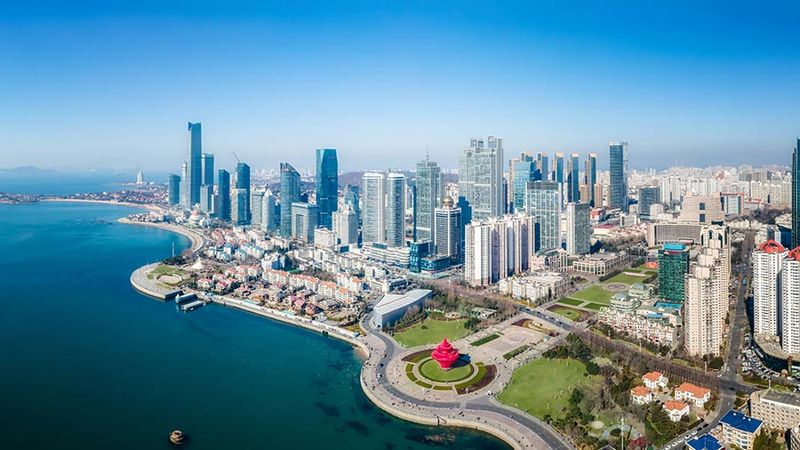
Sitting at the very top of the 2026 Numbeo Safety Index, Qingdao is not just safe, it is spectacularly so. This coastal Chinese city blends German colonial architecture with a distinctly Chinese seaside charm, creating streets that feel both historic and refreshingly orderly.
Locals and visitors stroll the oceanfront promenade at all hours without a second thought.
Public services here run with impressive efficiency. Buses, taxis, and the metro system are reliable, affordable, and well-maintained.
Street lighting, public cleanliness, and community policing all contribute to an environment where safety feels built into the city’s DNA rather than enforced from the outside.
Qingdao is also famous for its beer festival, which draws massive crowds yet maintains a remarkably calm atmosphere. Expats living here frequently cite the low cost of living, friendly neighborhoods, and strong sense of community as major draws.
For travelers seeking a Chinese city that combines coastal beauty with top-tier security, Qingdao delivers on every count.
Abu Dhabi, United Arab Emirates
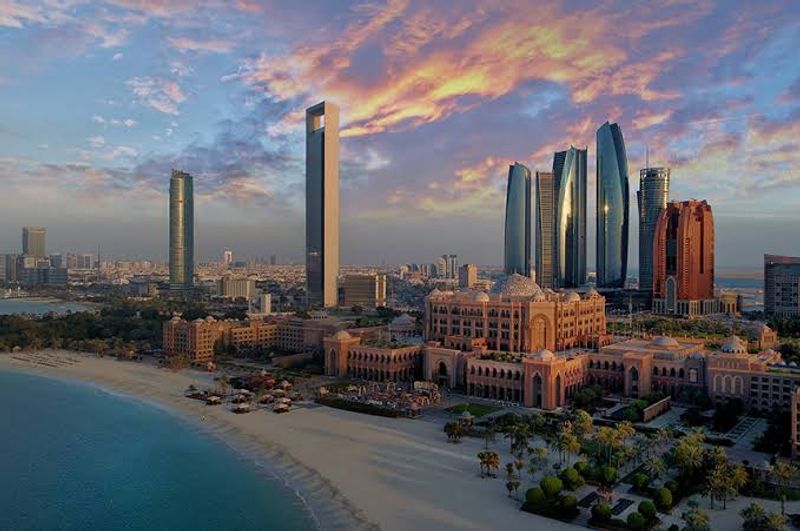
Abu Dhabi does not just talk about safety, it engineers it. The UAE capital consistently ranks among the top three safest cities on the planet, backed by cutting-edge surveillance systems, a highly trained police force, and an urban layout designed with security in mind.
Walking around the city at midnight feels no different from a midday stroll.
Healthcare here is world-class, with modern hospitals staffed by internationally trained professionals. Expats from over 200 nationalities call Abu Dhabi home, drawn by tax-free salaries, excellent schools, and a remarkably low rate of violent crime.
The city’s strict legal framework keeps public behavior orderly without feeling oppressive to most residents.
Tourists love Abu Dhabi for its cultural landmarks, including the stunning Sheikh Zayed Grand Mosque and the Louvre Abu Dhabi. Getting around is straightforward thanks to well-maintained roads and reliable taxis.
For families, solo travelers, or professionals relocating abroad, Abu Dhabi offers a level of peace of mind that is genuinely hard to beat anywhere in the world.
Doha, Qatar
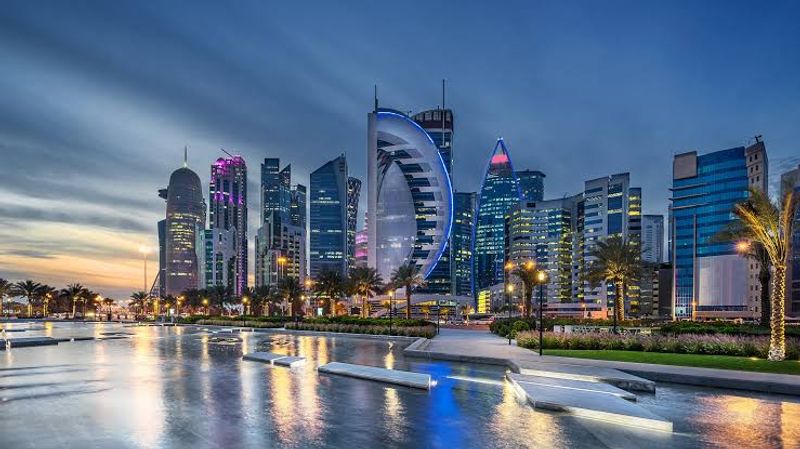
Qatar’s capital has pulled off something remarkable: building one of the world’s most modern cities from near scratch in just a few decades. Doha’s gleaming skyline, spotless streets, and ultra-modern Hamad International Airport give visitors an immediate sense that this is a city that takes quality seriously, including the quality of its public safety.
Crime rates in Doha are extraordinarily low. Petty theft, street harassment, and violent crime are all rare occurrences, making the city feel genuinely secure for solo travelers, families, and expat professionals.
The police presence is visible but not intimidating, and emergency services respond quickly across the city.
Beyond safety, Doha offers a fascinating cultural blend of traditional Qatari heritage and global cosmopolitanism. The Souq Waqif market buzzes with energy from morning to midnight, and visitors consistently report feeling comfortable exploring it alone.
Public transportation has expanded significantly since the 2022 FIFA World Cup, with a clean metro system now connecting major destinations. For expats, Qatar also offers tax-free income and excellent international schools, making it a genuinely attractive long-term base in the Gulf region.
Sharjah, United Arab Emirates
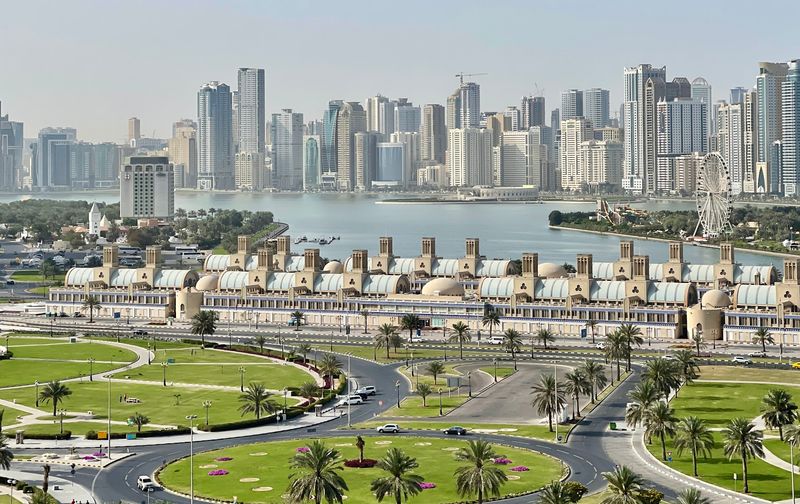
Sharjah often gets overlooked in favor of its flashier neighbor Dubai, but that is exactly what makes it such a hidden gem for safety-conscious travelers and expats. The emirate holds the title of UNESCO World Book Capital and enforces some of the strictest public conduct laws in the UAE, which translates directly into one of the region’s most orderly environments.
Families in particular love Sharjah. The city is largely alcohol-free, which keeps nightlife-related incidents virtually nonexistent.
Public parks, beaches, and cultural districts are well-maintained and genuinely safe at all hours. Crime rates sit consistently among the lowest in the entire Gulf region.
Sharjah is also a smart financial choice. Rental costs are significantly lower than in Dubai, yet the city sits just a short drive from Dubai International Airport and all the amenities of a global metropolis.
The local healthcare system is modern and accessible. For expats wanting a quieter, family-oriented lifestyle without sacrificing safety or convenience, Sharjah delivers a compelling package that many residents say they wish they had discovered sooner.
Dubai, United Arab Emirates
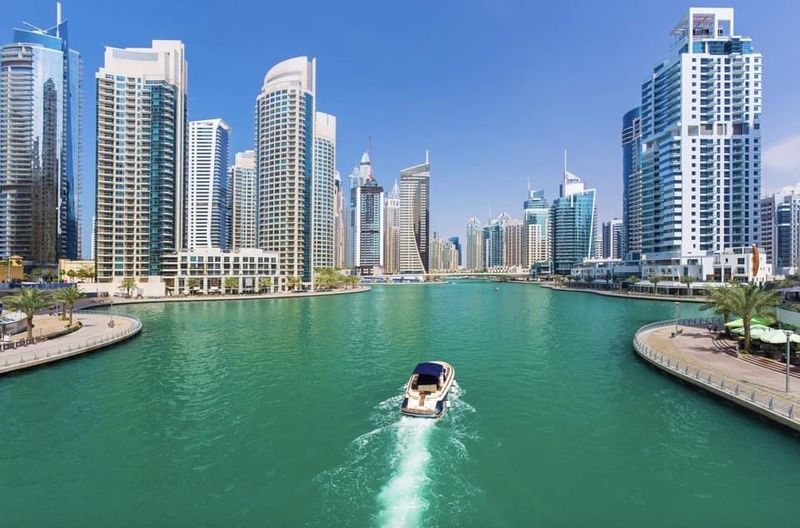
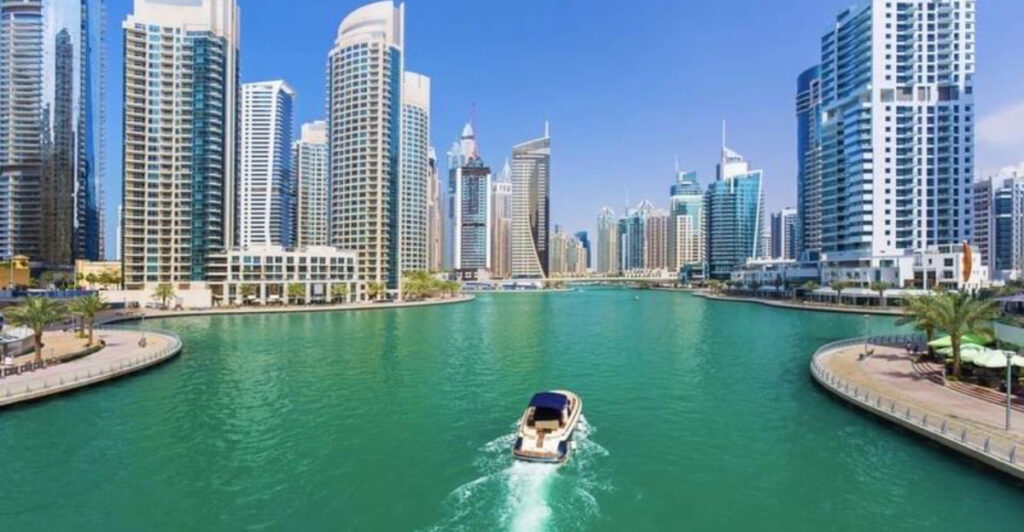
Few cities on Earth project an image of confident security quite like Dubai. Home to over 3.5 million residents from nearly every country on the planet, this Gulf megacity has built its reputation on spectacular infrastructure, strict law enforcement, and an almost uncanny ability to make visitors feel safe regardless of where they wander.
The statistics back up the feeling. Dubai’s violent crime rate is exceptionally low, and the city’s CCTV network is among the most extensive in the world.
Police response times are fast, and the force is well-trained and multilingual, which matters enormously in a city where English, Arabic, Hindi, and dozens of other languages are spoken daily.
Public transportation, including the sleek Dubai Metro, runs efficiently and safely around the clock. Expats benefit from modern hospitals, international schools, and a tax-free salary structure that attracts talent from every continent.
Solo female travelers frequently rank Dubai as one of their most comfortable destinations in Asia. Whether you are here for a weekend layover or a decade-long career move, Dubai consistently earns its reputation as one of the world’s most livable and secure urban environments.
Taipei, Taiwan
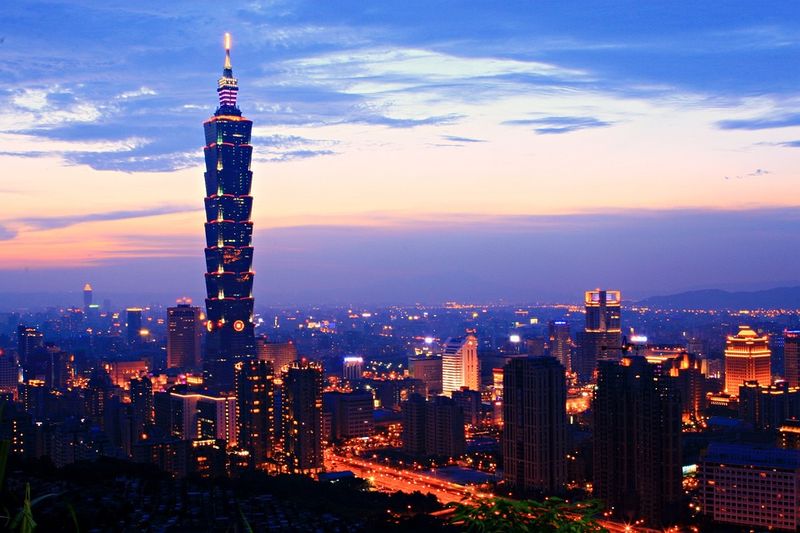
Ask any seasoned traveler which Asian city made them feel most at ease, and Taipei’s name comes up with striking regularity. Taiwan’s capital has earned a loyal following among solo travelers, digital nomads, and expats who appreciate its combination of bustling energy and genuine personal safety.
Walking home alone at 2 a.m. through a night market is not unusual here.
Taipei’s MRT system is one of Asia’s cleanest, most punctual, and most affordable metro networks. It connects virtually every neighborhood, making car ownership unnecessary and navigation stress-free even for first-time visitors.
Healthcare is exceptional and remarkably affordable, backed by Taiwan’s world-renowned National Health Insurance program.
The city’s culture of civic responsibility plays a big role in its safety record. Locals are famously helpful to confused tourists, often going out of their way to assist someone who looks lost.
Street crime is rare, and the police maintain a reassuring presence without being overbearing. Add in incredible food, vibrant arts scenes, and a cost of living that remains reasonable by East Asian standards, and Taipei becomes a genuinely compelling case for one of Asia’s most underrated safe-city destinations.
Manama, Bahrain
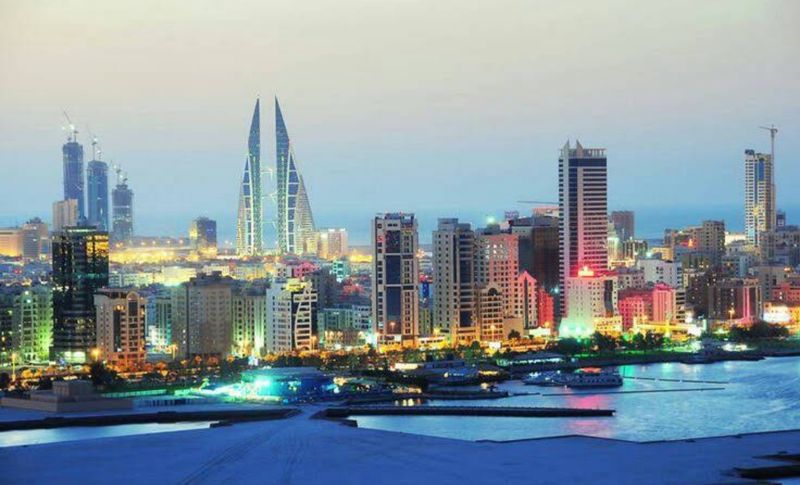
Bahrain’s compact capital punches well above its weight when it comes to livability and security. Manama is one of the Gulf’s most open and cosmopolitan cities, where expat professionals, tourists, and locals mix comfortably in a relaxed atmosphere that feels noticeably less rigid than some of its Gulf neighbors.
Crime rates in Manama are impressively low across the board. Petty theft, scams targeting tourists, and violent incidents are all uncommon, and residents frequently describe the city as one where they genuinely feel free to move around without worry.
The police force is visible and approachable, with English widely spoken among officers.
Manama offers a surprisingly rich cultural scene for its size. The Bahrain National Museum, the ancient Qal’at al-Bahrain fortress, and the lively Bab Al Bahrain souq all provide engaging experiences in a safe environment.
Getting around is easy by taxi or ride-share app. For expats, Bahrain offers competitive salaries, no income tax, and a relatively affordable lifestyle compared to Dubai or Abu Dhabi.
Many professionals who move here for work end up staying far longer than originally planned, which says a lot about daily quality of life.
Muscat, Oman
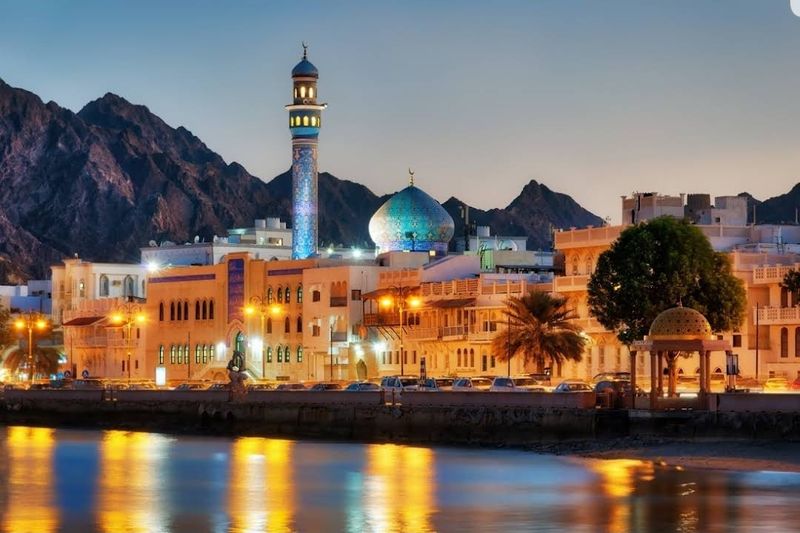
There is something quietly extraordinary about Muscat. Oman’s capital sits between jagged mountain ranges and a sparkling Arabian Sea coast, offering a setting that feels almost cinematic.
But beyond its dramatic scenery, Muscat consistently earns recognition as one of the Middle East’s safest and most welcoming cities for visitors and long-term residents alike.
Violent crime in Muscat is extraordinarily rare. Oman has cultivated a national culture of hospitality and respect that permeates daily life, and travelers frequently describe interactions with locals as genuinely warm rather than transactional.
Solo travelers, including women traveling alone, regularly rate Muscat among their most comfortable experiences in the region.
The city moves at a slower, more deliberate pace than Dubai or Doha, which many expats find deeply refreshing. Traffic is manageable, neighborhoods are clean, and public spaces are well-maintained.
Healthcare standards have improved significantly over the past decade. The cost of living is moderate compared to other Gulf capitals.
For anyone seeking a safe, scenic, and culturally rich base in the Middle East without the relentless pace of a megacity, Muscat offers a genuinely compelling alternative worth serious consideration.
Hong Kong, China
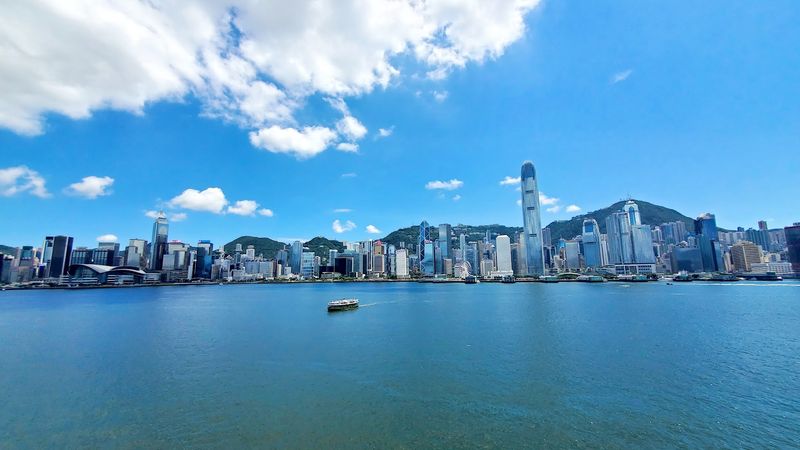
Packing over seven million people into a relatively small urban footprint and still maintaining exceptional personal safety is no small achievement. Hong Kong manages it with characteristic efficiency.
Despite its jaw-dropping density, the city consistently scores highly for low violent crime, reliable emergency services, and a public transport network that many urban planners consider the gold standard globally.
The MTR subway system is famously punctual, spotlessly clean, and covers virtually every corner of the city. Getting lost in Hong Kong is genuinely difficult, and getting home safely at any hour is even easier.
Street lighting, security cameras, and a well-trained police force contribute to an environment where most residents feel comfortable navigating solo.
Hong Kong’s healthcare system combines public and private options, with facilities that meet international standards. Expats working in finance, trade, and technology have long called Hong Kong home, drawn by career opportunities and the city’s unique blend of Eastern and Western culture.
The food scene is extraordinary, the hiking trails are spectacular, and the harbor views remain genuinely breathtaking. For travelers who want a safe, electric, world-class urban experience in Asia, Hong Kong continues to deliver in ways that few cities can match.
Chiang Mai, Thailand
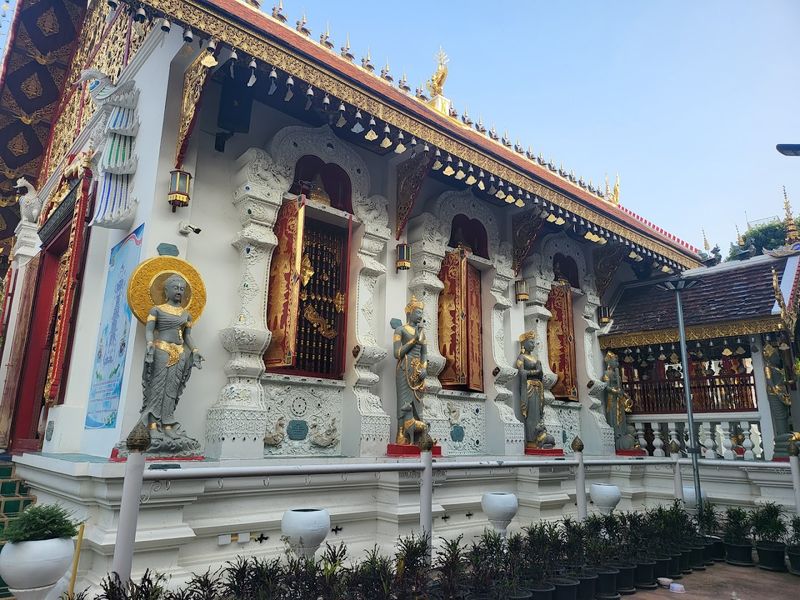
Northern Thailand’s cultural heart has quietly become one of Southeast Asia’s most beloved destinations for a very specific type of traveler: the kind who wants beauty, affordability, and genuine safety all in one place. Chiang Mai delivers all three with an ease that feels almost effortless, drawing digital nomads, retirees, and backpackers in equal measure.
The city’s crime statistics are consistently low by Southeast Asian standards. Petty theft exists, as in any tourist destination, but violent crime directed at visitors is rare.
The local population is famously warm and patient with foreigners, and the city has developed a strong infrastructure of expat support networks, co-working spaces, and international healthcare clinics over the past decade.
Chiang Mai’s old city, surrounded by a square moat and ancient walls, is compact and easily walkable. Night markets, Buddhist temples, and cooking schools fill the calendar without ever feeling overwhelming.
Costs are refreshingly low. A comfortable apartment, excellent street food, and fast internet can all be had for a fraction of what comparable comforts would cost in Bangkok or Singapore.
For expats seeking a slower, safer, and deeply rewarding Southeast Asian lifestyle, Chiang Mai remains genuinely hard to beat.
Singapore
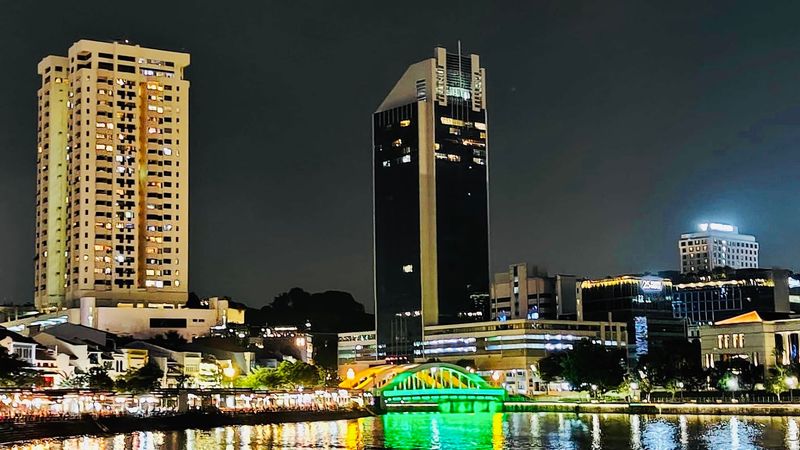
Singapore’s reputation for being one of the world’s safest cities is not just marketing. It is measurable, consistent, and backed by decades of deliberate policy.
The city-state maintains extraordinarily low rates of violent crime, and its combination of strict law enforcement, excellent public services, and a deeply civic-minded population creates an environment that travelers and expats find genuinely reassuring.
The MRT system is efficient, air-conditioned, and connects every major neighborhood. Changi Airport, regularly voted the world’s best, sets the tone for the entire Singapore experience: organized, clean, and impressively smooth.
Healthcare here is world-class, with both public and private facilities maintaining international standards that attract medical tourists from across the region.
Singapore is not cheap. Accommodation and dining costs rank among Asia’s highest.
But for expats earning competitive salaries in finance, technology, or trade, the city offers extraordinary value in terms of security, lifestyle quality, and career opportunity. Public spaces are immaculate, green parks are abundant, and the food scene blends Chinese, Malay, Indian, and Western influences into something uniquely spectacular.
Year after year, Singapore earns its place at the top of every serious safe-city ranking, and year after year, it justifies every bit of that recognition.
Riyadh, Saudi Arabia
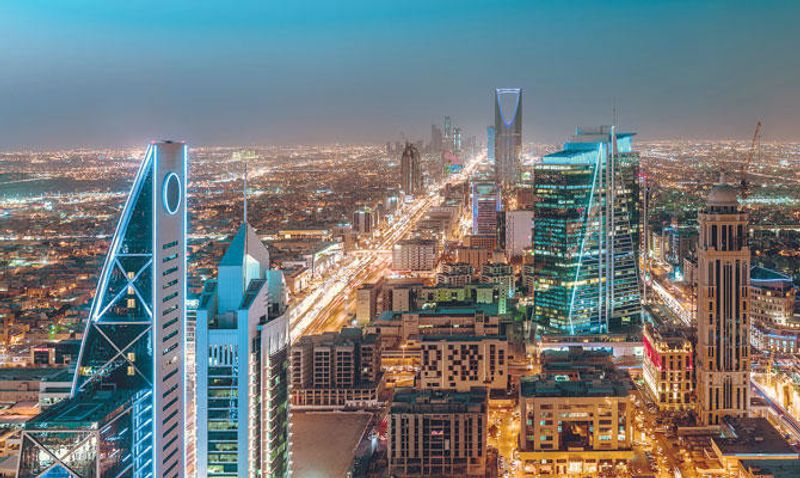
Saudi Arabia’s capital has undergone one of the most dramatic urban transformations of the past decade. Riyadh is no longer the closed, conservative megacity that outsiders once imagined.
Vision 2030 has opened the city to international tourism, entertainment, and a rapidly expanding expat community, all while maintaining the low crime rates that have long characterized life here.
Personal safety in Riyadh is genuinely impressive. Violent crime is rare, and the city’s expansive CCTV network and police presence create a secure atmosphere across its neighborhoods.
Women now move through the city with significantly greater freedom than in previous years, a change that has been widely welcomed by both residents and visitors.
Infrastructure investment has been enormous. New metro lines now connect major districts, reducing traffic congestion and making the city more accessible.
Shopping malls, restaurants, and entertainment venues have multiplied rapidly, giving residents and tourists a much wider range of experiences. Healthcare facilities are modern and well-staffed.
For expat professionals in energy, construction, technology, and finance, Riyadh offers compelling salaries and a rapidly improving quality of life. The city is changing fast, and most of those changes are making it an increasingly attractive and secure place to live or visit.
Seoul, South Korea
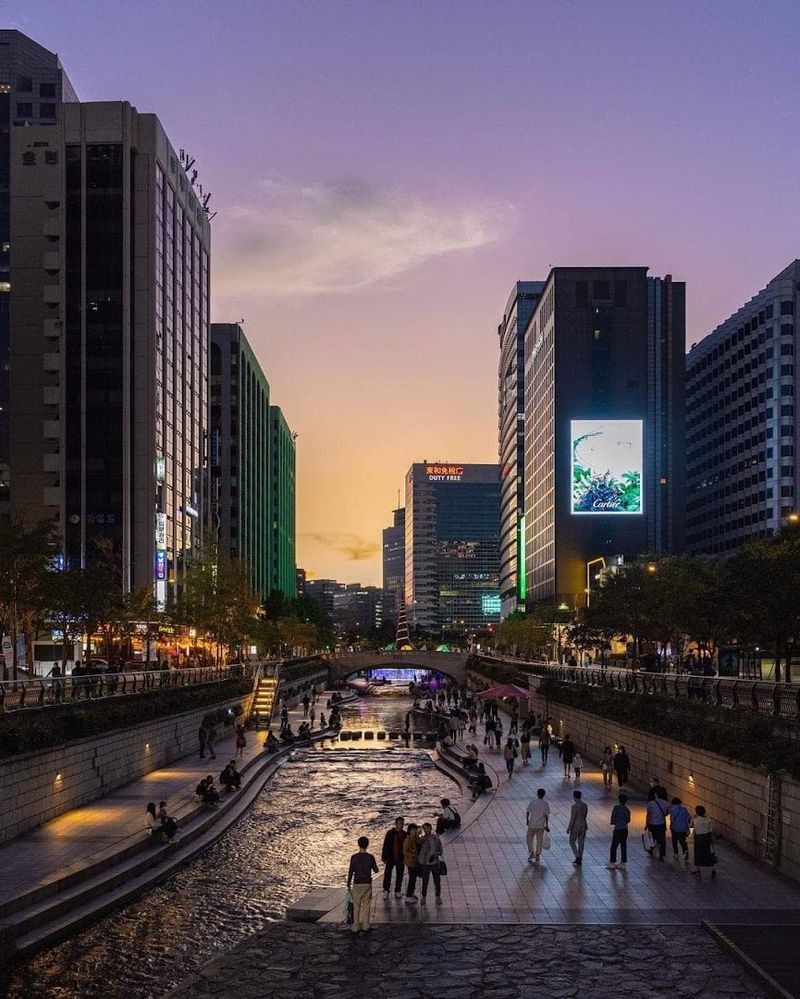
Seoul operates on a scale that should feel overwhelming but somehow does not. Home to nearly ten million people within the city proper, South Korea’s capital manages to maintain violent crime rates that rank among the lowest of any major metropolitan area in the world.
Walking through Hongdae or Myeongdong at midnight feels perfectly ordinary and perfectly safe.
The subway system is a masterpiece of urban engineering. Seoul Metro covers the entire city and surrounding regions with clockwork punctuality, affordable fares, and a level of cleanliness that puts many Western transit systems to shame.
Navigation apps work flawlessly in English, making solo travel straightforward even for first-time visitors who do not speak Korean.
South Korea’s healthcare system is both excellent and affordable by international standards, with hospitals in Seoul consistently ranking among Asia’s best. The city’s culture of public respect, where noise, littering, and antisocial behavior are genuinely frowned upon, contributes directly to its safe and orderly atmosphere.
For expats teaching English, working in tech, or building careers in K-pop adjacent industries, Seoul offers an electrifying, culturally rich, and deeply secure urban experience that keeps people coming back long after their first visit.
Shenzhen, China
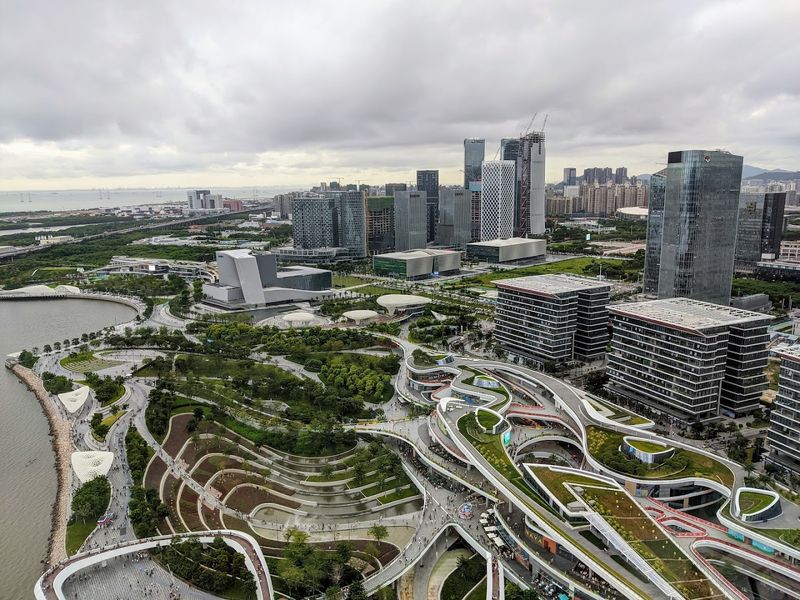
China’s tech capital grew from a small fishing village into a global metropolis in under fifty years, which is either terrifying or awe-inspiring depending on your perspective. What is undeniably impressive is that Shenzhen managed to build itself so fast while simultaneously developing one of China’s strongest safety records.
The city’s infrastructure is modern, its neighborhoods are well-planned, and its crime rates are consistently low.
Shenzhen’s metro system is one of the most extensive in the world, connecting the city’s sprawling districts with speed and efficiency. The city is home to the headquarters of tech giants like Huawei and Tencent, attracting a highly educated, internationally minded population that contributes to a generally orderly civic culture.
Parks, waterfront promenades, and cycling paths are abundant and well-maintained, giving residents plenty of outdoor space that feels safe and welcoming. Healthcare facilities are modern and numerous.
For expats working in manufacturing, technology, or trade, Shenzhen offers competitive salaries, a young and dynamic social scene, and a cost of living that, while higher than many Chinese cities, remains reasonable by international standards. The city’s rapid evolution shows no signs of slowing, and its safety reputation is evolving right along with everything else.
Jeddah, Saudi Arabia
Jeddah wears its history on its sleeve. The ancient Al-Balad district, a UNESCO World Heritage Site, stands in striking contrast to the gleaming towers of the modern city just a few kilometers away.
This layering of old and new gives Jeddah a character that is entirely its own, and the city’s steady rise in international safety rankings has made it an increasingly attractive destination for both tourists and expats.
Crime rates in Jeddah are low, and the city has benefited enormously from Saudi Arabia’s broader Vision 2030 reforms. Public spaces have been upgraded, entertainment options have expanded significantly, and the overall atmosphere has become more open and welcoming to international visitors than at any point in recent memory.
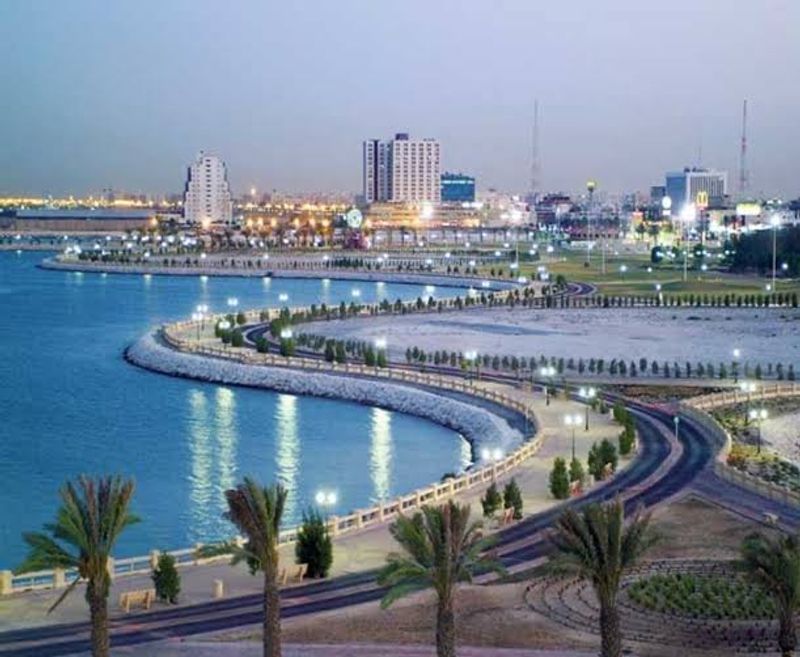
The Red Sea Corniche is one of the city’s great pleasures: a long, beautifully maintained waterfront promenade where families stroll, cyclists ride, and street food vendors set up in the evening breeze. Healthcare facilities are modern and widely accessible.
For expats in trade, finance, or the growing tourism sector, Jeddah offers a fascinating blend of cultural depth, improving infrastructure, and genuine safety. The city is changing rapidly, and those who visit now are catching it at a genuinely exciting moment in its history.
Tokyo, Japan
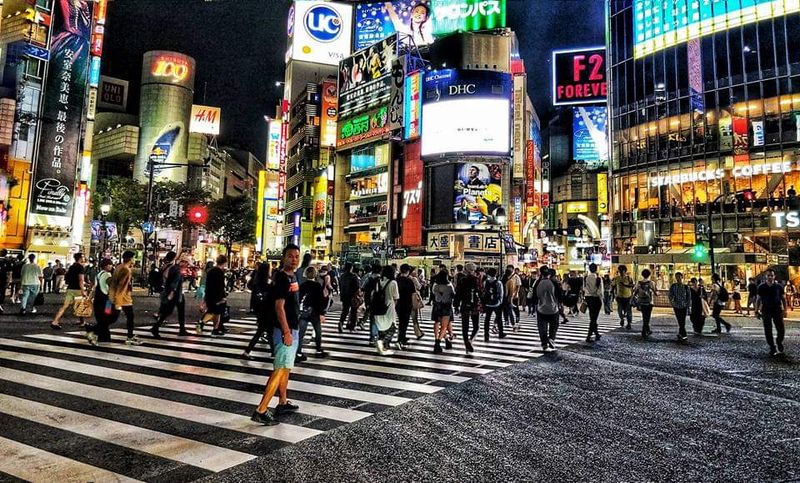
Leaving your wallet on a restaurant table and returning to find it exactly where you left it sounds like a fantasy in most cities. In Tokyo, it is a reasonably common occurrence.
Japan’s capital has built a safety culture so deeply embedded in daily life that it borders on the remarkable. With nearly fourteen million residents, Tokyo somehow manages to maintain violent crime rates that most small towns would envy.
The public transit network is legendary. Trains run with a precision that makes a one-minute delay newsworthy, and the system connects every neighborhood with a density and reliability that makes car ownership genuinely unnecessary.
Navigating Tokyo as a non-Japanese speaker is easier than ever, with English signage now standard across the metro system.
Hospitals in Tokyo maintain outstanding standards, and the city’s public health infrastructure proved its resilience during the global pandemic. Expats working in technology, education, finance, and the arts find Tokyo endlessly stimulating: a city of extraordinary food, deeply layered culture, and neighborhoods that each carry a distinct personality.
For travelers, the combination of world-class safety and world-class everything else makes Tokyo one of Asia’s most consistently recommended destinations, year after year, without apology.
Beijing, China
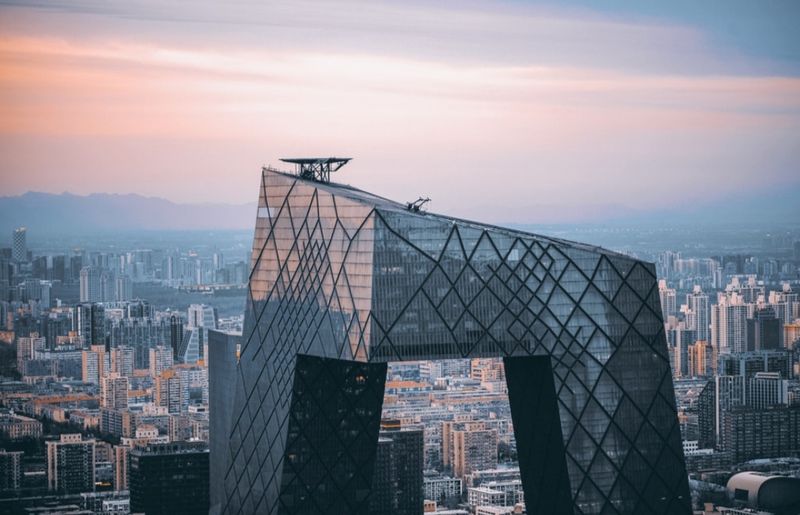
China’s capital carries the weight of thousands of years of history on its shoulders, and somehow still manages to feel remarkably functional and safe as a modern metropolis. Beijing’s combination of strong public security, an expansive subway network, and well-maintained public infrastructure contributes to safety scores that consistently place it among Asia’s most secure major cities.
The subway system here is enormous and growing. With over twenty lines and hundreds of stations, it connects the city’s vast districts with impressive efficiency.
Security checks at station entrances are standard practice, adding an additional layer of reassurance for commuters and visitors alike.
Neighborhoods like Sanlitun, Wudaokou, and the Hutong alleyways near the Drum Tower are popular with expats and tourists who find them safe to explore at all hours. Healthcare facilities in Beijing are numerous, with several hospitals offering international clinics staffed by English-speaking doctors.
The city’s air quality has improved significantly over the past decade thanks to major government investment in clean energy. For expats in diplomacy, education, technology, or international business, Beijing offers a uniquely stimulating environment that combines ancient cultural heritage with the full force of modern Chinese ambition.
Tashkent, Uzbekistan
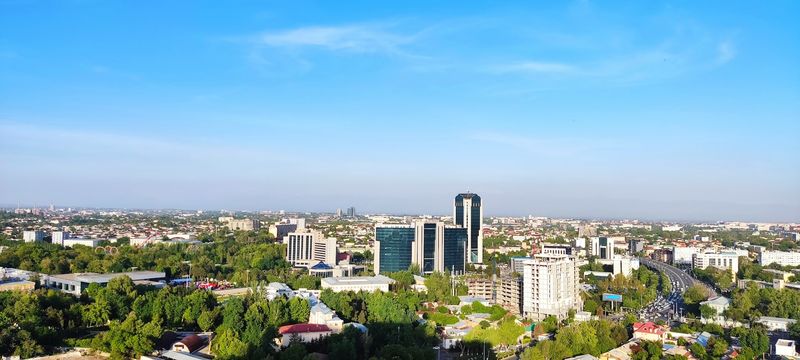
Not many people had Tashkent on their travel radar a decade ago, but Uzbekistan’s capital has been quietly winning over adventurous travelers with its wide boulevards, striking Soviet-era architecture, stunning Islamic monuments, and a warmth from locals that feels completely unforced. The city has also been climbing steadily in international safety rankings, making it one of Central Asia’s most compelling emerging destinations.
Crime rates in Tashkent are genuinely low. Tourists frequently describe being surprised by how comfortable they feel exploring the city independently, even in areas well off the standard tourist trail.
The local population is famously hospitable, and interactions between visitors and residents tend to be positive and memorable.
The city’s metro system, built during the Soviet era, is one of the most architecturally beautiful subway networks in the world, with each station decorated in a unique style. It is also clean, safe, and affordable.
Food in Tashkent is hearty and delicious, with plov, samsa, and shashlik forming the backbone of a cuisine that deserves far more international recognition. For budget-conscious travelers seeking somewhere genuinely off the beaten path that does not compromise on safety or hospitality, Tashkent is one of Asia’s most rewarding surprises.
Shanghai, China
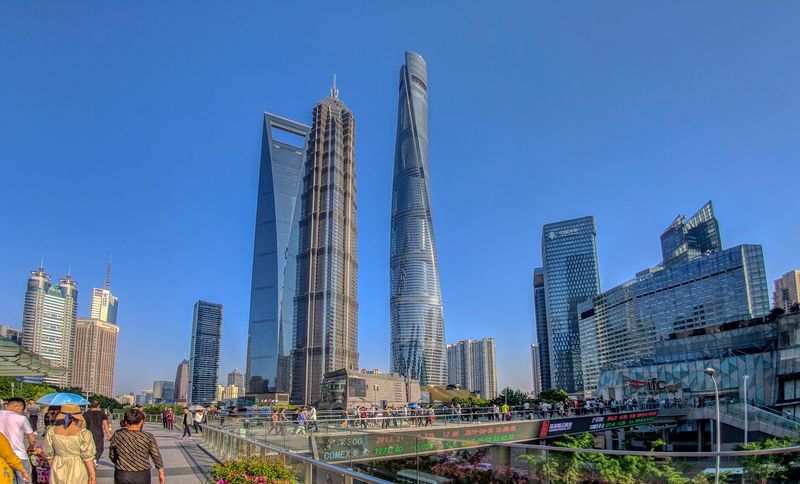
Shanghai has a flair for the dramatic. The view from the Bund at night, with colonial-era buildings on one side and the Pudong skyline blazing on the other, is one of the most iconic urban panoramas in the world.
But beyond the spectacle, Shanghai is a city that functions with remarkable efficiency and maintains a strong reputation for public safety that makes daily life genuinely comfortable.
The metro system is one of the world’s longest and most modern, connecting the city’s sprawling districts with speed and reliability. Security is visible but unobtrusive, with cameras and police presence woven into the urban fabric without creating an atmosphere of surveillance anxiety.
Petty crime exists, as in any major international city, but violent crime against visitors is rare.
Healthcare in Shanghai is excellent, with numerous internationally accredited hospitals and clinics catering to the city’s enormous expat population. The international schools, restaurants, and social networks available to foreigners make the transition to life here smoother than in many other Chinese cities.
For professionals in finance, fashion, media, or technology, Shanghai offers a career environment and a social scene that genuinely rivals any global city. Safety, style, and opportunity converge here in a way that is difficult to replicate elsewhere.
Davao, Philippines
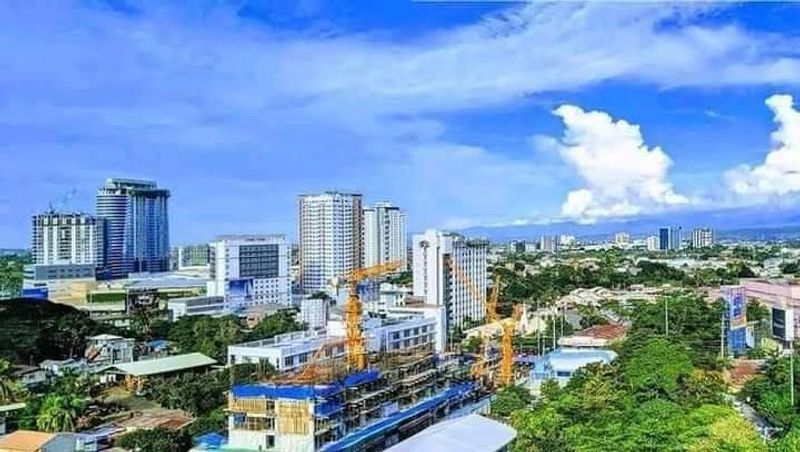
Davao has a reputation that precedes it in the Philippines, and for good reason. Long recognized as one of the country’s cleanest and most disciplined cities, Davao enforces local regulations around noise, smoking, and public behavior with a consistency that sets it apart from most other Philippine urban centers.
The result is a city that feels noticeably orderly without feeling oppressive.
Crime rates in Davao are among the lowest of any major Philippine city. Local governance has prioritized public safety for years, investing in community policing programs and rapid response systems that keep residents and visitors feeling secure.
Solo travelers, including women exploring independently, regularly report positive experiences here.
The city’s location in Mindanao gives it access to some of the Philippines’ most spectacular natural scenery. Mount Apo, the country’s highest peak, is within day-trip distance, and pristine beaches are never far away.
The local food scene is excellent, with fresh seafood, tropical fruits, and regional specialties available at very reasonable prices. Cost of living is low even by Philippine standards, making Davao a smart choice for budget-minded expats.
For anyone looking to experience the Philippines beyond the usual tourist trail in a city that takes safety seriously, Davao is a genuinely rewarding destination.
Share this story