Most lakes get their start from glaciers, rivers, or human engineering. This lake got its start from the ground tearing itself apart.
Back in 1811 and 1812, a series of massive earthquakes rocked the New Madrid Seismic Zone so hard that the land sank, the Mississippi River briefly reversed its flow, and a brand-new lake formed in what is now northwest Tennessee. That lake is still here today, and it still carries the wild, untamed character of the event that created it.
Tucked into the small town of Tiptonville, this state park pulls in birdwatchers, anglers, photographers, and history lovers who all want a piece of something that cannot be found anywhere else in the country. The cypress trees rising out of the water, the bald eagles overhead, and the flooded forest floor all tell a story worth reading up close.
Cypress Trees That Stand in the Water Year-Round
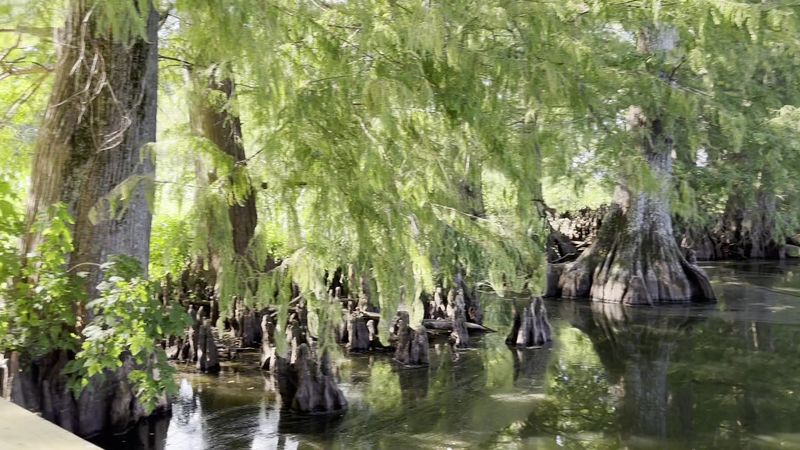
Bald cypress trees are one of the defining features of Reelfoot Lake, and they grow directly out of the water in clusters that stretch across much of the lake’s shallow surface. Their distinctive “knees,” which are woody projections that rise up from the roots, poke above the waterline and create a texture that makes the lake look like no other in Tennessee.
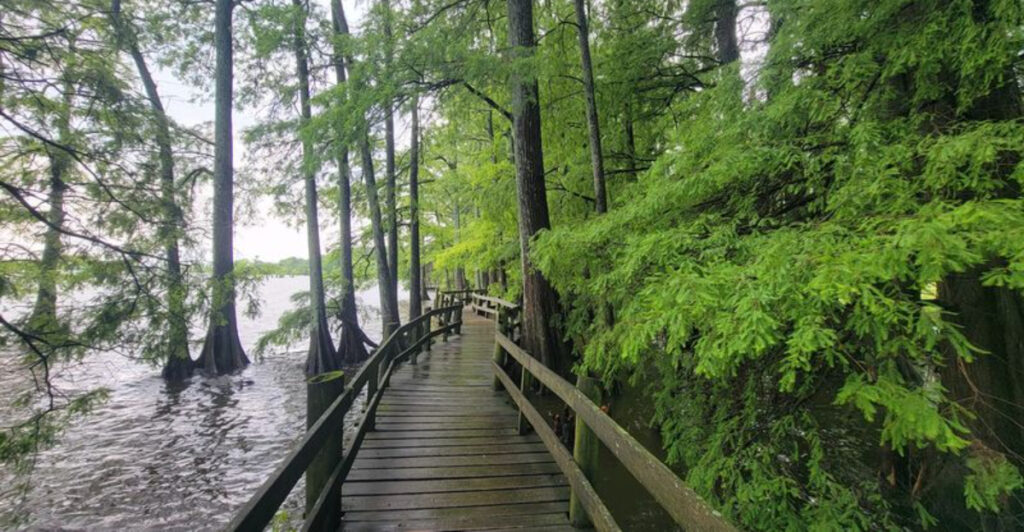
The new wooden boardwalk at the visitor center extends out over the water and directly above many of these cypress knees, giving visitors a close-up view without needing a boat. The walkway is well-constructed and designed with gazebos at various points where people can pause and take in the surroundings.
During the warmer months, the cypress canopy provides natural cover for herons, osprey, and dozens of other bird species that nest and feed among the branches. The trees themselves can live for hundreds of years, and some of the ones standing in Reelfoot today were already old when the earthquakes struck.
Bald Eagle Watching That Draws Crowds Every Winter
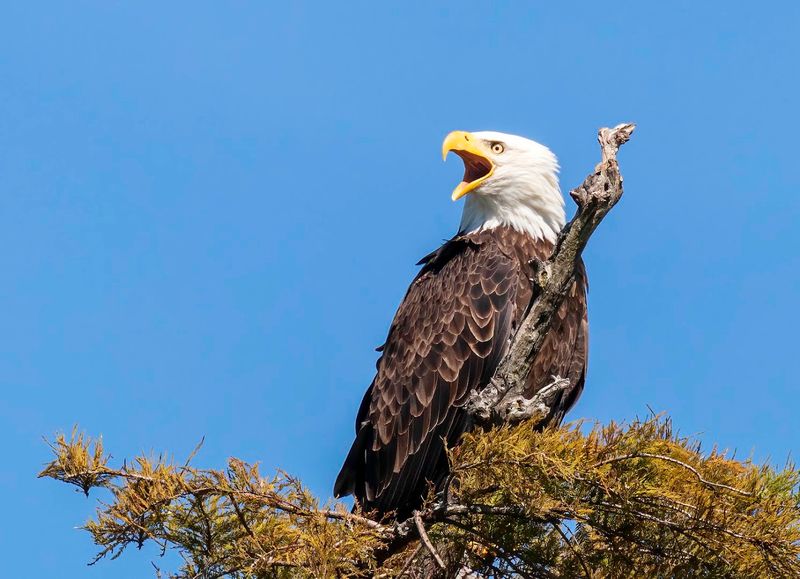
January and February are the peak months for bald eagle activity at Reelfoot Lake, and the numbers are genuinely impressive. Around 40 active eagle nests have been documented in the area, and during the winter breeding season, the population swells as eagles gather to feed and nest around the lake.
The park offers guided eagle-watching tours, including bus tours that travel along well-maintained gravel roads where eagles can be spotted from inside the vehicle. Groups of ten or more eagles feeding together in a single field have been reported during peak season, which is not something most people ever get to witness.
The park also maintains birds of prey on-site, including bald eagles, hawks, and several owl species that staff members bring out for public viewing. These are animals that have been injured and cannot be released, and seeing them up close adds a layer to the visit that guided tours alone cannot replicate.
The Boardwalk Trail Over the Lake
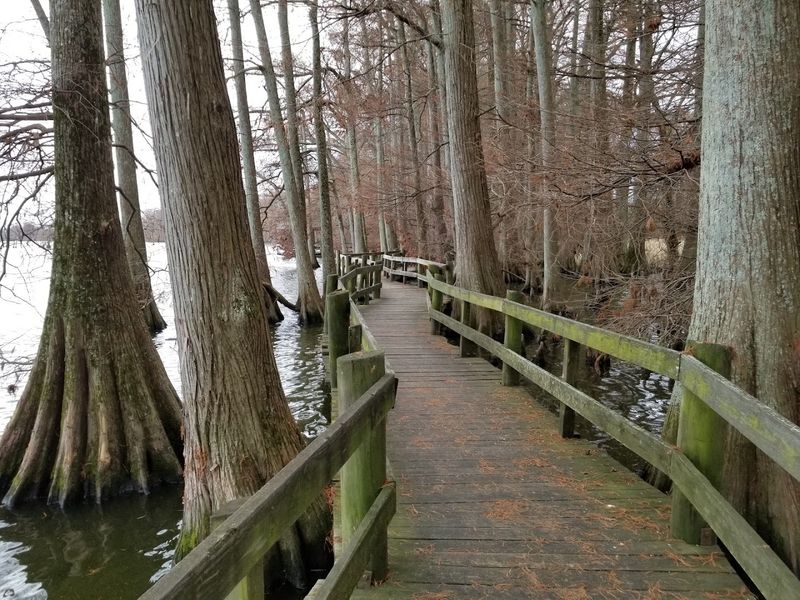
The boardwalk trail at the visitor center is consistently the most talked-about feature of the park, and it earns that reputation. Built with quality materials and thoughtful design, it extends out over the lake and winds through sections where the water is visible on both sides and cypress knees rise just inches below the planks.
Multiple gazebos are spaced along the walkway, each one positioned to offer a different angle of the lake. The trail is accessible and flat, making it manageable for most visitors regardless of mobility level.
On a clear day, the reflection of the cypress trees in the still water creates a layered visual that photographers particularly appreciate. The park has become a known destination for nature photography, and the boardwalk is typically the first stop for anyone arriving with a camera.
Early morning visits tend to offer the calmest water conditions and the best light for capturing the lake’s unusual character.
Wildlife Beyond the Eagles
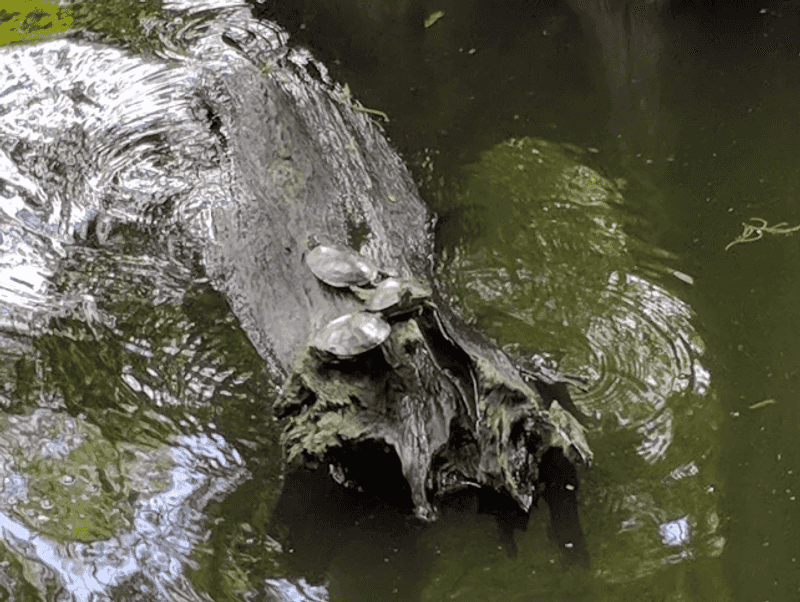
Bald eagles get most of the headlines at Reelfoot Lake, but the supporting cast is just as remarkable. The lake sits along major migratory flyways, which means the bird species present change significantly with the seasons and the calendar.
Winter brings thousands of snow geese that fill the sky in large flocks. Spring and summer shift the focus to osprey and great blue herons that nest and feed throughout the cypress forest.
Fall migration pulls American white pelicans through the area in numbers large enough that the park hosts an annual Pelican Festival to celebrate the event. Beavers live in the lake as well, though they tend to stay out of sight.
Away from the water, the surrounding woodlands support deer, raccoons, turtles, and frogs. The nature center at the visitor center also houses live snakes representing different species native to the region, which gives a more complete picture of the local wildlife community.
Fishing in a Lake Full of Obstacles
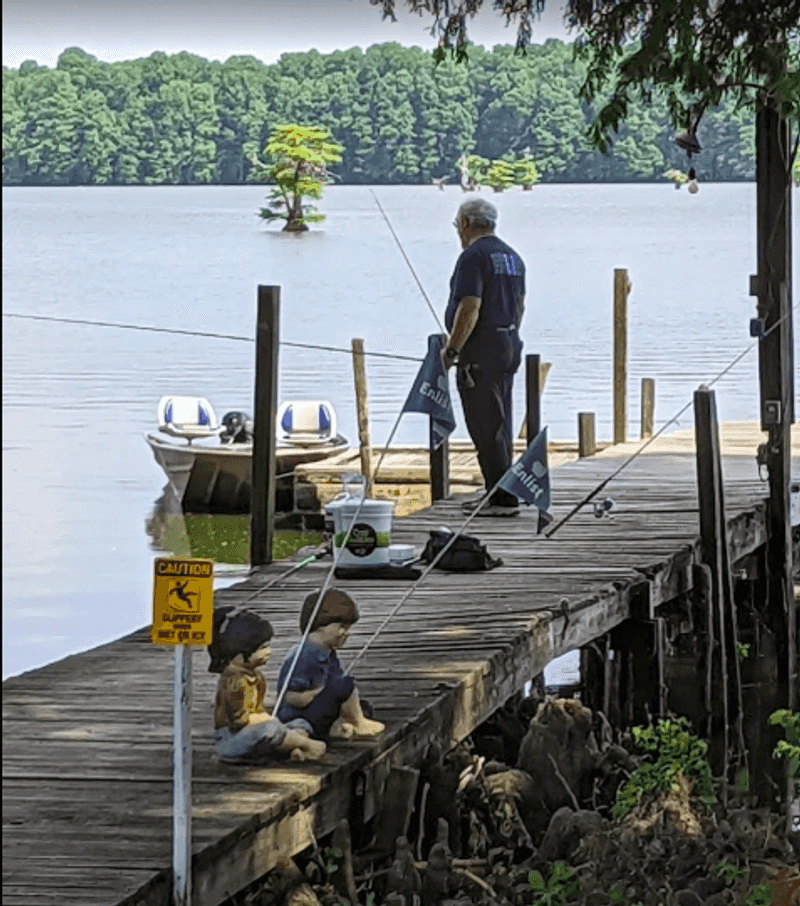
Reelfoot Lake has a well-established reputation as a fishing destination, and the species list is long. Crappie, bass, bluegill, catfish, and several other species are present in numbers that keep serious anglers coming back year after year.
The lake is shallow throughout, with a maximum depth of around ten feet in most areas and far less in others. Submerged stumps and cypress roots are everywhere below the surface, which means only flat-bottomed boats and other shallow-draft vessels are suitable for navigating the lake safely.
The stump fields that frustrate some boaters are actually part of what makes the fishing so productive, since the structure creates ideal habitat for many game fish species.
Local fishing guides operate throughout the area and know the lake’s layout well enough to navigate it efficiently. Hiring a guide is a practical choice for first-time visitors who are not yet familiar with the underwater terrain that makes Reelfoot simultaneously rewarding and challenging to fish.
Camping and Cabins Right on the Water
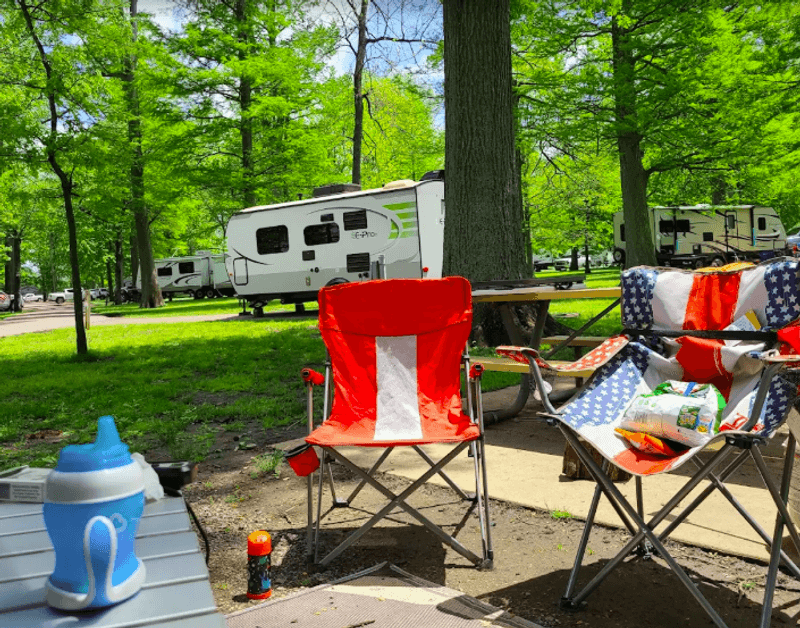
Staying overnight at Reelfoot Lake State Park is a different experience from a day visit. The park offers cabins positioned directly on the lake, with views of the water and the cypress trees from the porch.
Several of these cabins have been described as premium accommodations that deliver on the promise of a lakeside setting without requiring guests to rough it.
The campground features paved, level sites that accommodate RVs, and the bathhouse facilities are kept clean and functional. The Airpark campground section is a quieter option that tends to attract guests looking for a more relaxed stay away from the main activity areas.
For visitors who prefer to stay off-site, the town of Tiptonville and the surrounding area offer motels, inns, bed and breakfasts, and resorts at various price points. Staying near the lake means early morning access before the day crowds arrive, which makes a significant difference during eagle season and other high-traffic periods.
The Visitor Center, Museum, and Nature Center

The visitor center complex at Reelfoot Lake is more substantial than most people expect from a rural state park. It includes a main visitor center with maps, guides, and staff available to answer questions, plus a small museum dedicated to the history of the lake and the New Madrid earthquakes that formed it.
The museum display on the 1811-1812 earthquakes is particularly detailed and includes the account of the Mississippi River running backward, a fact that tends to generate genuine surprise even among visitors who thought they knew the story. Adjacent to the visitor center is a nature center housing live snakes representing species native to the region, along with fish and reptile viewing areas.
Outside the nature center, the birds of prey are kept in a dedicated outdoor area where injured eagles, hawks, and owls can be viewed up close. The entire complex can be explored in a couple of hours, and it functions as an ideal starting point before heading out onto the lake or the trails.
Hiking Trails Through the Wetlands
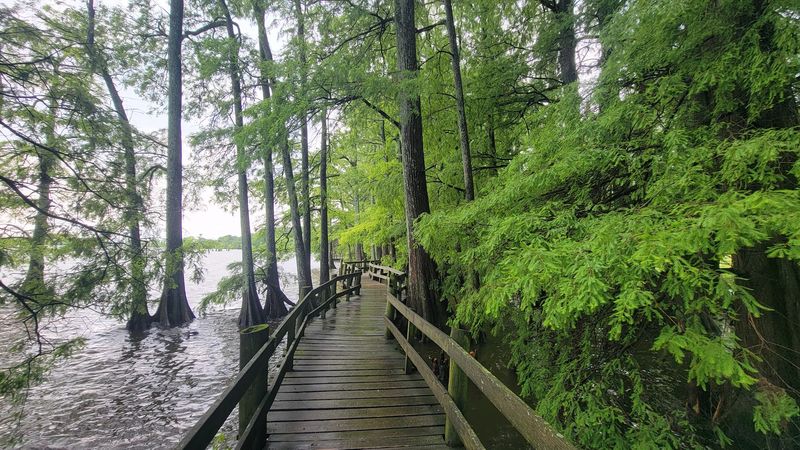
The hiking trails at Reelfoot Lake range from the well-maintained boardwalk near the visitor center to more primitive paths that push into the wetland forest surrounding the lake. The trails are all rated as easy in terms of elevation change, but the more remote ones require preparation that the boardwalk does not.
Sturdy footwear and long pants are genuinely recommended for the trails outside the main visitor area, particularly during and after wet periods when vegetation grows quickly and standing water is common. The park has experienced significant flooding in recent years, and some trail sections have required cleanup and maintenance as a result.
A paved walking trail on the east side of the lake offers a more predictable surface for those who want distance without navigating wet terrain. An auto tour route through Grass Island provides another option for covering ground without hiking, and it passes through habitat where deer, eagles, and other wildlife are regularly spotted throughout the year.
Seasonal Events and Guided Programs
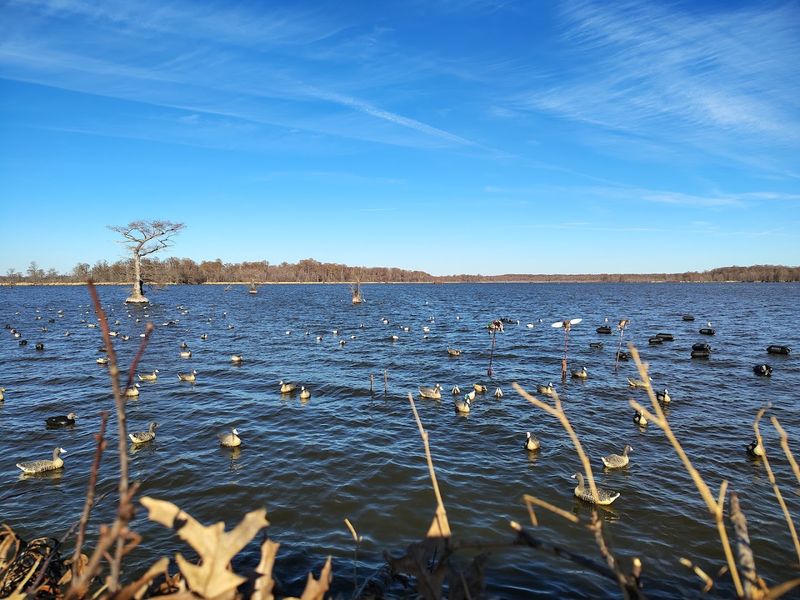
The calendar at Reelfoot Lake State Park stays active throughout the year, with events tied to the natural rhythms of the lake’s wildlife cycles. The annual Pelican Festival in the fall celebrates the migration of American white pelicans through the area and includes guided bus and pontoon tours specifically designed around locating and watching the birds.
The first weekend of October brings an Arts and Crafts festival that draws vendors and attendees from across the region. Eagle-watching season in January and February generates its own programming, including guided tours that take groups to known nesting and feeding sites around the lake.
The park’s interpretive staff run programs throughout the year covering topics from local geology and earthquake history to bird identification and lake ecology. These programs are led by knowledgeable staff who bring personal enthusiasm to the subject matter, and they tend to leave participants with a noticeably deeper understanding of what makes Reelfoot Lake unlike any other place in Tennessee.
Planning Your Visit to Tiptonville
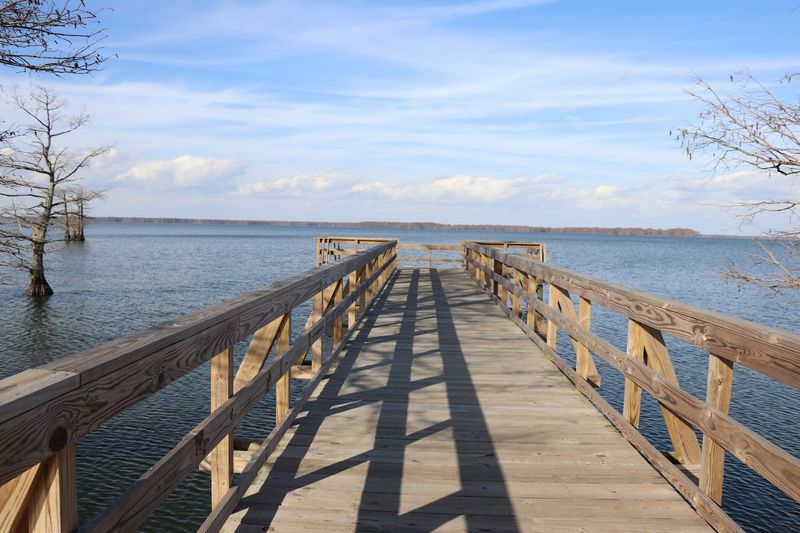
Reelfoot Lake State Park is located at 2595 TN-21 in Tiptonville, Tennessee, in the far northwest corner of the state near the Kentucky border. The drive in involves roughly 30 minutes on a single-lane road from the nearest interstate, which is part of what keeps the area feeling genuinely removed from everyday life.
The park is open daily from 8 AM to 4:30 PM, and many of the outdoor areas, including the boardwalk and lake views, are free to access. Pontoon tours, cabin rentals, and guided programs carry separate fees, though the park consistently keeps costs accessible compared to similar destinations.
Winter visits from December through February are ideal for eagle watching, while fall brings migratory birds including pelicans and snow geese. Summer shifts the focus to osprey, herons, and fishing.
There are several eateries near the park in Tiptonville for meals before or after exploring, making it easy to turn the visit into a full-day outing without needing to bring everything along.
A Lake Born From the Earth Breaking Apart
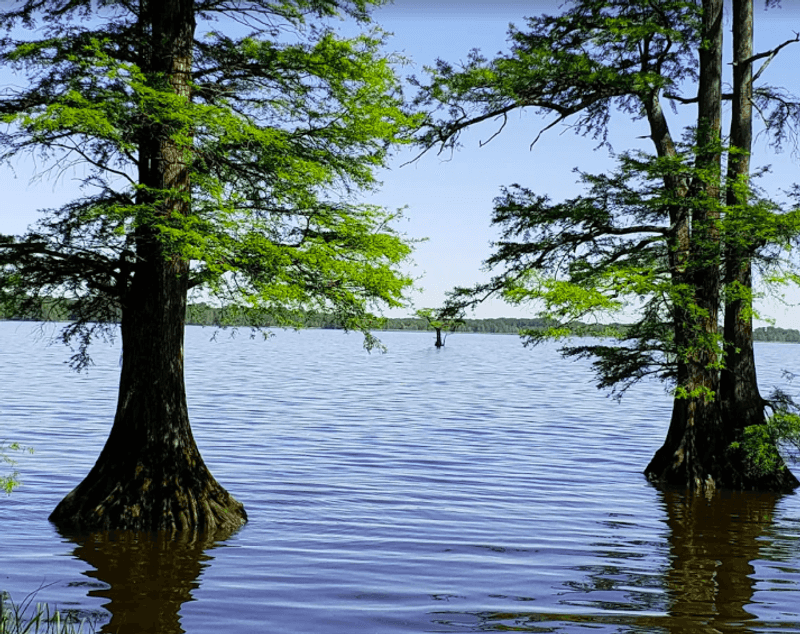
Few geological events in North American history match the scale of the New Madrid earthquakes of 1811 and 1812. The ground shook so violently that land along the Mississippi River sank several feet, creating a natural basin that quickly filled with water.
That basin became Reelfoot Lake, and it sits today at 2595 TN-21, Tiptonville, TN 38079, right along the western edge of Tennessee near the Kentucky border. The park is open daily from 8 AM to 4:30 PM.
The visitor center houses a detailed exhibit explaining exactly how the New Madrid Seismic Zone caused all of this, including the remarkable fact that the Mississippi River ran backward for roughly three days during the quakes. That single detail tends to stop people mid-step when they read it for the first time, and it sets the tone for everything else the park has to offer.
Share this story