Something remarkable is happening across the American map, and it has nothing to do with the usual big-city suspects. Smaller cities and suburbs are exploding in population, leaving demographers scrambling to update their charts.
From the Texas plains to the Utah mountains, communities that barely registered on the radar a decade ago are now among the fastest-growing places in the entire country. Buckle up, because these 15 cities are rewriting the rules of American growth in 2026.
Celina, Texas
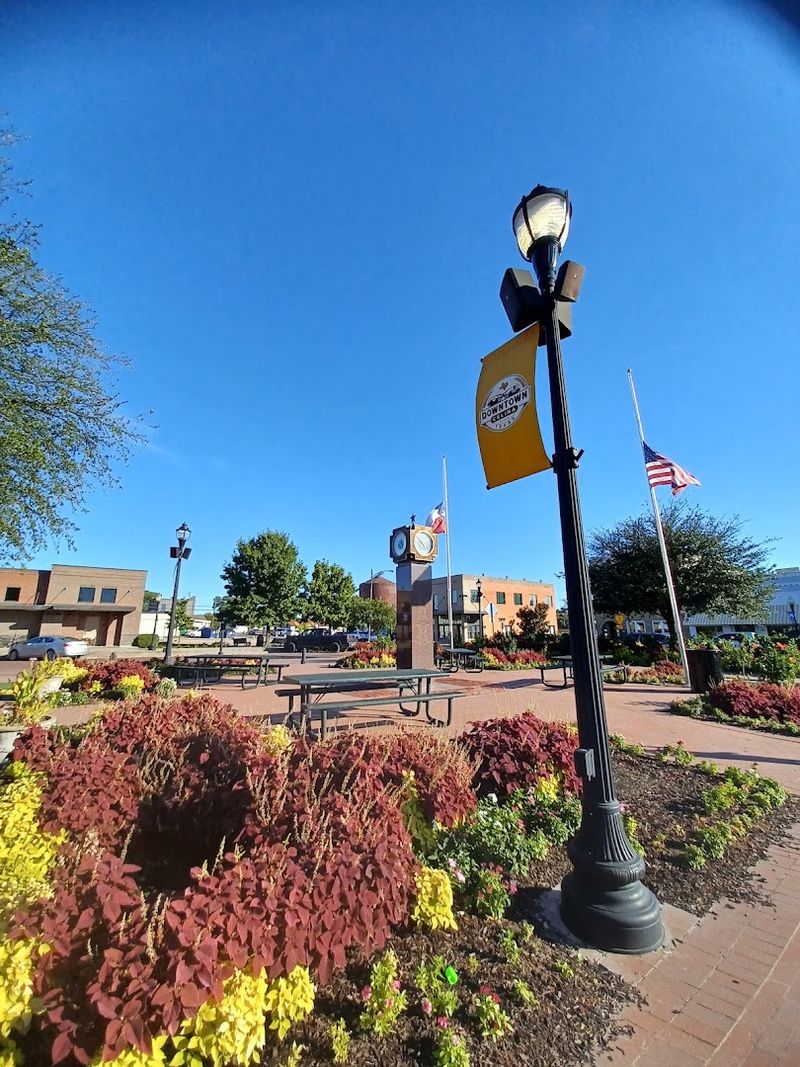
If you blinked, you might have missed Celina’s transformation from a quiet farming town into one of America’s most talked-about boomtowns. Sitting just north of Dallas, Celina posted a jaw-dropping 24.6% population increase in a single year, making it the fastest-growing city in the entire country among places with at least 20,000 residents.
That kind of growth does not happen by accident.
Builders have been racing to keep up with demand, throwing up new neighborhoods faster than road signs can be installed. Families are drawn here by spacious lots, newer schools, and home prices that still feel reasonable compared to the Dallas core.
The community vibe is friendly and neighborly, which is a big deal when you are raising kids.
Local government has been working overtime to expand infrastructure, from roads to water systems, to match the population surge. Celina has even started attracting small businesses and restaurants eager to serve its growing base.
If current trends hold, this city will look completely different by 2030, and honestly, that is not a bad thing at all.
Fulshear, Texas

West of Houston, Fulshear is quietly becoming one of the most desirable zip codes in the Lone Star State. With a 21.0% annual population increase, it is not exactly a secret anymore.
What started as a sleepy stretch of farmland has evolved into a collection of polished master-planned communities that feel almost too good to be true.
The schools here are a major selling point, consistently earning high marks from parents and education watchdogs alike. Combine that with relatively short commutes into Houston and a landscape that still feels open and uncrowded, and you have a recipe for explosive demand.
Families are not just visiting Fulshear, they are signing leases and mortgage papers at record rates.
The restaurant and retail scene is catching up quickly, with new shopping centers and local eateries opening regularly to serve the influx of newcomers. Community events and neighborhood associations give Fulshear a small-town warmth that many residents say they were desperately seeking after city life wore them out.
Growth at this pace comes with growing pains, but Fulshear seems genuinely committed to managing it well.
Princeton, Texas
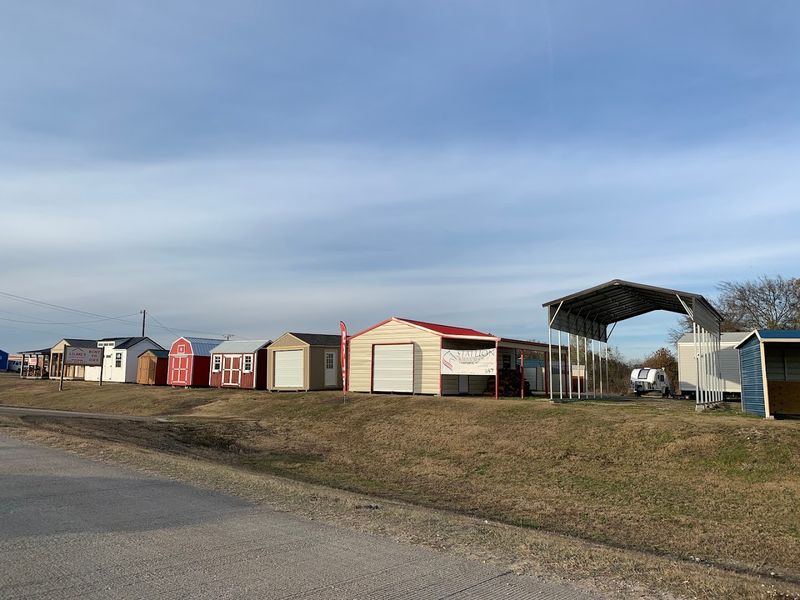
Princeton, Texas, grew by 18.1% in just one year, and the story behind that number is pretty straightforward: affordable homes in a booming metro area are basically irresistible. Tucked into the Dallas-Fort Worth sprawl, Princeton offers buyers a rare combination of lower price tags and big-city access that is increasingly hard to find anywhere in North Texas.
A few years ago, Princeton was the kind of place most Dallasites had never heard of. Today, it is showing up on homebuyer shortlists across the region.
New subdivisions are sprouting on land that used to grow corn, and local schools are scrambling to add classrooms fast enough to keep up with all the new students arriving every semester.
The city has responded to its growth by pushing infrastructure projects forward and attracting new businesses to serve the expanding population. Small shops, fast-casual restaurants, and service providers are all staking their claim here.
Princeton still has a relaxed, community-oriented feel, and long-time residents are doing their best to preserve that character even as the bulldozers keep rolling. The transformation is real, fast, and showing no signs of slowing down anytime soon.
Melissa, Texas
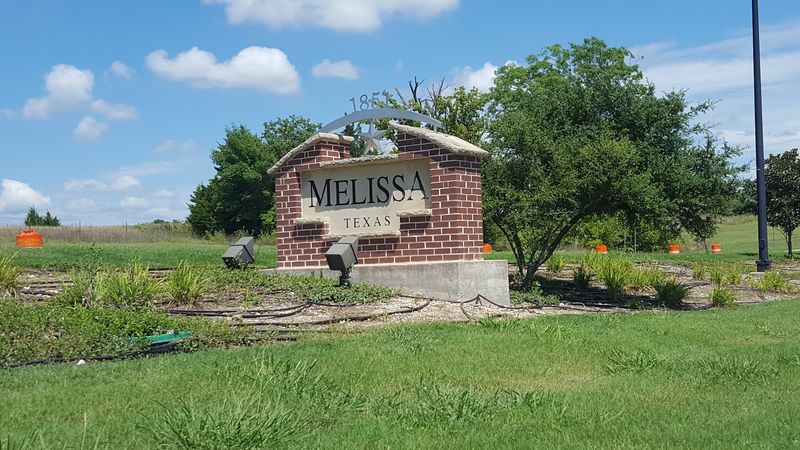
Melissa, Texas, is the kind of place where neighbors still wave from their driveways, and that warmth has apparently spread the word far and wide. With a 14.5% annual population increase, Melissa is one of North Texas’ standout growth stories in 2026.
Families keep choosing it for a very simple reason: it delivers on its promises.
New neighborhoods are rolling out across the city at a brisk pace, offering modern floor plans, community amenities, and school districts that parents rave about at every PTA meeting. The proximity to major employment hubs around Dallas means residents do not have to sacrifice career opportunities just because they want a backyard.
That balance is genuinely rare and increasingly valuable.
Local leaders have been proactive about planning for growth, investing in road expansions and utility upgrades before the need becomes a crisis. The city also benefits from a strong sense of civic pride, with community events and local organizations keeping the neighborhood spirit alive even as the population swells.
Melissa is proof that a city can grow fast without losing its soul, and that makes it one of the most exciting places to watch in the years ahead.
Anna, Texas
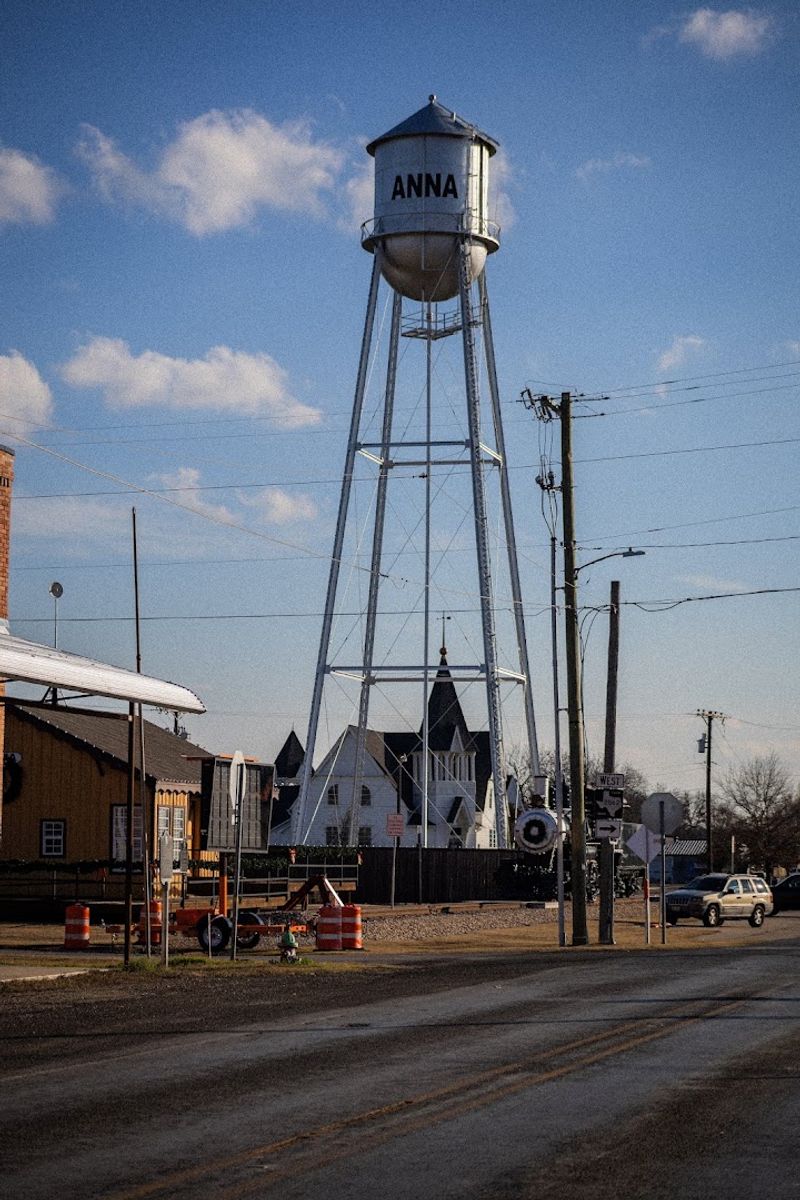
Anna, Texas, recorded 10.2% growth last year, and the city is starting to feel every single percentage point of it. Located north of Dallas in Collin County, Anna has historically been overshadowed by flashier neighbors like McKinney and Frisco.
But with those cities now priced out of reach for many buyers, Anna has stepped into the spotlight and is clearly enjoying it.
New residential developments are reshaping the city’s landscape, bringing with them the coffee shops, gyms, and grocery stores that follow rooftops like clockwork. Schools are expanding their enrollment capacity, and the local government has been investing in parks and recreation to make sure quality of life keeps pace with the headcount.
Anna is not just growing, it is maturing.
One of the underrated perks of living in Anna is the genuine small-town atmosphere that persists despite the growth. Locals know each other, community events draw real crowds, and there is a shared excitement about what the city is becoming.
New residents tend to get absorbed into that culture quickly, which is one reason retention rates remain high. Anna is a city hitting its stride, and the momentum feels far from spent.
Haines City, Florida
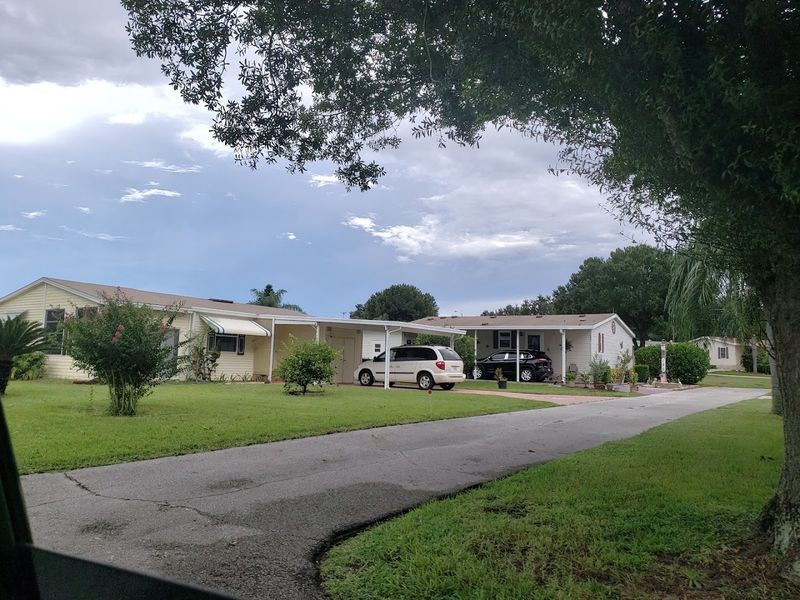
Sandwiched between Orlando and Tampa along the I-4 corridor, Haines City is Florida’s fastest-growing city in 2026 with approximately 10.0% annual growth. Location is everything in real estate, and Haines City has one of the best in the Sunshine State.
Two major metros within easy reach, plus housing prices that do not require a second mortgage on your soul, make it a genuinely compelling option.
Florida’s ongoing population boom has pushed buyers further from the urban cores, and Haines City has benefited enormously from that ripple effect. Retirees, young families, and remote workers are all landing here in search of the Florida lifestyle without the Miami or Orlando price tag.
The city’s lake-dotted landscape adds a scenic bonus that newcomers consistently mention when asked why they chose Haines City over other options.
Local development has been brisk, with new housing communities, retail centers, and schools all expanding to meet demand. The city is also working to attract employers that can provide local jobs, reducing the need for long commutes into the larger metros.
Haines City still has room to grow without feeling overcrowded, which is a luxury that many Florida communities have already lost for good.
Waukee, Iowa
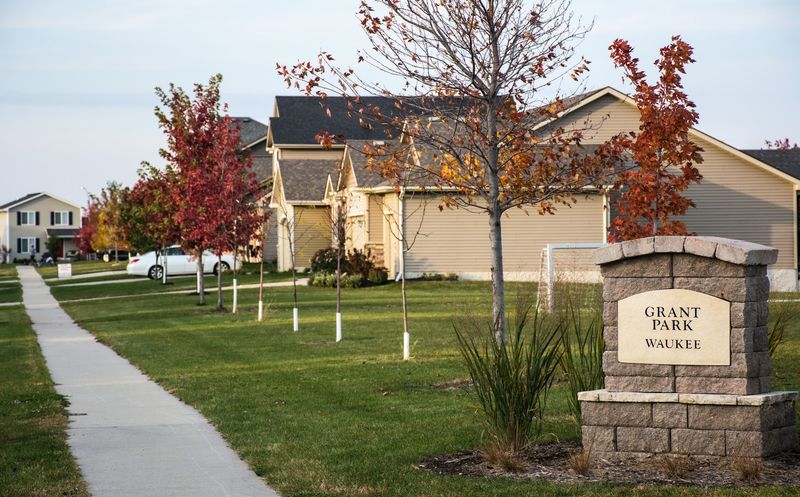
Waukee, Iowa, is the Midwest’s quiet overachiever, posting 9.3% annual growth in a region that rarely makes national headlines for population booms. Just west of Des Moines, Waukee has quietly assembled an impressive combination of top-rated schools, expanding job opportunities, and a quality of life that punches well above its weight class.
People who move here tend to stay, and they tend to tell their friends.
The school district is arguably the city’s biggest draw, consistently ranking among the best in Iowa and attracting families from across the Des Moines metro area and beyond. The city has also benefited from Iowa’s relatively strong economy, with tech and financial services employers providing steady white-collar employment nearby.
That economic stability gives Waukee a resilience that many faster-growing Sun Belt cities lack.
Community planning in Waukee deserves real credit. The city has invested heavily in parks, trails, and public amenities, ensuring that growth enhances rather than degrades the living experience.
New neighborhoods are well-designed and thoughtfully integrated into the existing community fabric. Waukee proves that you do not have to move to Texas or Florida to find a city on the rise, sometimes the Midwest has been holding the best cards all along.
Forney, Texas
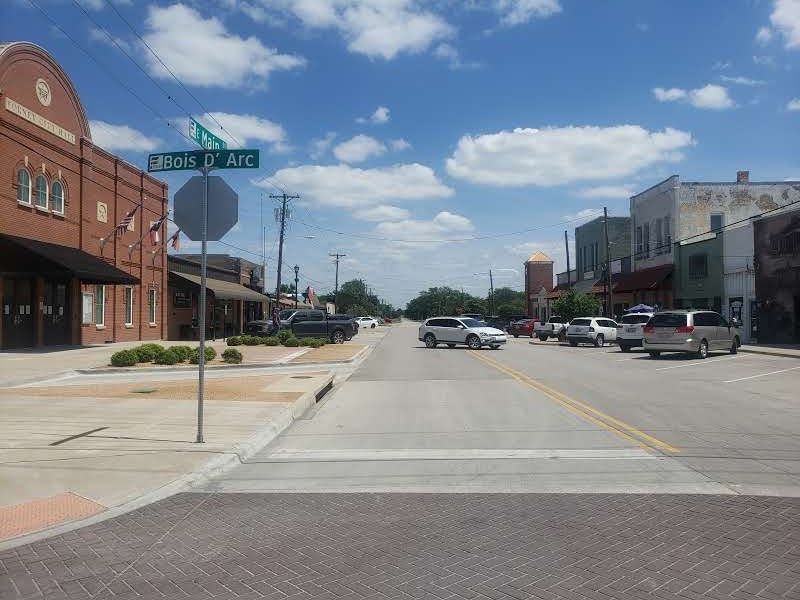
Forney sits just east of Dallas and has spent years being the affordable alternative that savvy homebuyers discovered before everyone else caught on. An 8.5% annual growth rate confirms that the secret is fully out.
With direct access to major highways leading into Dallas, Forney offers commuters a deal that is hard to pass up: reasonable home prices and a manageable drive to work.
New housing subdivisions have transformed large stretches of once-rural Kaufman County into thriving residential communities. Builders are meeting buyers at every price point, from starter homes for young couples to larger family-sized properties with generous yards.
The variety of options has helped Forney attract a diverse mix of residents, giving it a more dynamic community feel than many comparable suburbs.
Local amenities have grown alongside the population, with new retail, dining, and entertainment options appearing regularly. The city has also focused on improving its parks and recreational facilities, understanding that livability is what keeps residents happy long after the moving trucks leave.
Forney has a scrappy, determined energy that is easy to admire. It knows what it is, it knows what it wants to become, and it is moving in that direction with genuine purpose.
Eagle Mountain, Utah
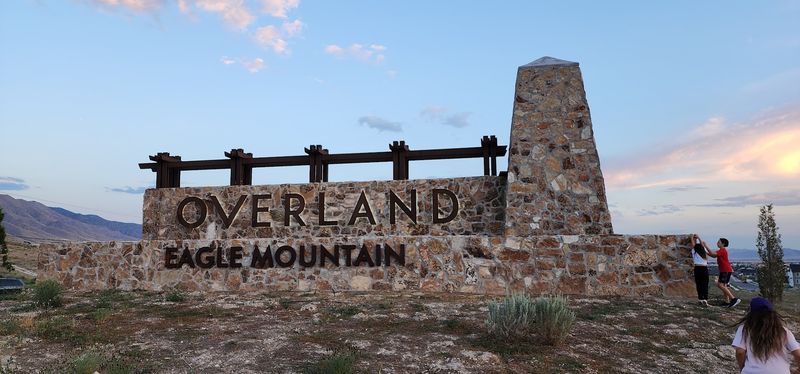
Eagle Mountain, Utah, shares Forney’s 8.5% growth rate but trades Texas flatlands for the dramatic backdrop of the Wasatch Mountains. Utah’s booming economy has been a rising tide lifting many communities along the Front Range, and Eagle Mountain is riding that wave with impressive confidence.
The city has become a go-to destination for young families priced out of Salt Lake City and Provo.
The technology sector has been a major engine of Utah’s growth, and Eagle Mountain benefits from its proximity to the so-called Silicon Slopes corridor. Residents can work in the tech industry without paying tech-hub housing prices, a trade-off that makes enormous financial sense for many households.
The outdoor recreation access is also a major perk, with hiking, mountain biking, and skiing all within reach.
Family-friendly values run deep in Eagle Mountain, and the community culture reflects that strongly. Neighborhood events, youth sports leagues, and active civic organizations give the city a cohesive identity that newcomers find welcoming rather than cliquish.
Infrastructure investment has been steady, with new schools and road improvements keeping pace with population gains. Eagle Mountain is growing up fast, and it seems to be doing so with a clear sense of who it wants to be.
Johnstown, Colorado
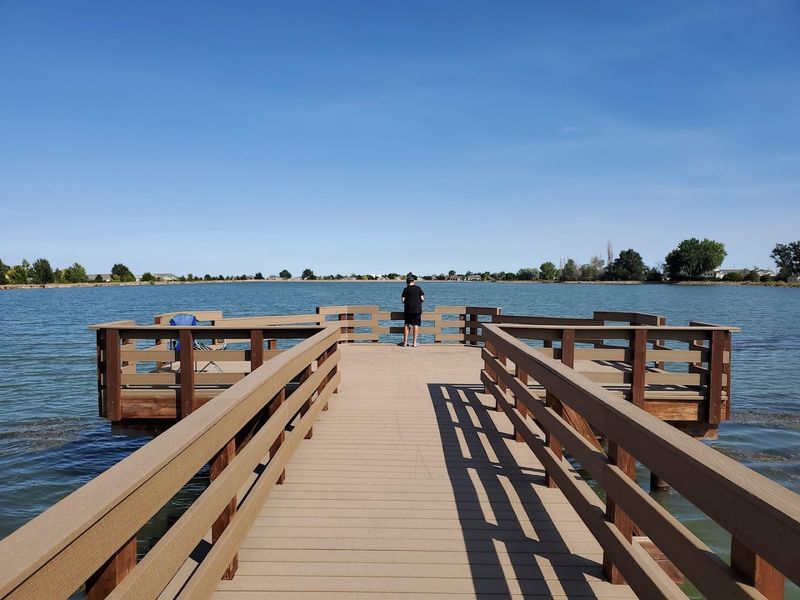
Colorado’s Front Range has been one of the most consistently hot real estate corridors in the country for years, and Johnstown is the latest city to benefit from the overflow. Posting 8.4% annual growth, Johnstown has attracted buyers seeking affordable alternatives to Fort Collins and Denver without giving up the spectacular Rocky Mountain scenery.
It is a trade-off that feels less like a compromise and more like a discovery.
The city occupies a sweet spot geographically, sitting within commuting distance of both Fort Collins and the northern Denver suburbs. That flexibility appeals to dual-income households where partners work in different directions, eliminating the need to choose one employer hub over another.
New master-planned communities have brought modern amenities and polished neighborhood designs to what was recently open agricultural land.
Johnstown’s local leadership has been working hard to attract commercial development alongside residential growth, understanding that a city needs jobs and services, not just houses. Retail corridors are expanding, and new employers have begun taking notice of the city’s growing workforce.
The community has a refreshingly unpretentious character, welcoming newcomers without the attitude that sometimes creeps into trendier Colorado towns. Johnstown is building something real and lasting on the Front Range.
Kuna, Idaho

Kuna, Idaho, sounds like a trivia question answer, but for thousands of new residents, it is home. Matching Johnstown with 8.4% annual growth, Kuna has capitalized on Idaho’s extraordinary run of popularity over the past several years.
The Boise metro area has become one of the most sought-after destinations in the American West, and Kuna offers entry into that lifestyle at a lower cost of admission.
Housing affordability relative to Boise proper is Kuna’s primary calling card, though the gap is narrowing as demand pushes prices upward. Outdoor enthusiasts find the location particularly appealing, with easy access to the Boise Foothills, the Snake River, and high desert landscapes that offer year-round recreation.
The wide-open Idaho sky and relaxed pace of life are qualities that residents mention repeatedly when asked why they chose Kuna.
The city has been investing in infrastructure and school capacity to accommodate the influx, though like many fast-growing Idaho communities, it sometimes feels like it is building just fast enough to keep up. Local businesses are thriving as the customer base expands, and a genuine community spirit keeps things feeling personal despite the rapid growth.
Kuna is not trying to be Boise, it is perfectly happy being Kuna, and that confidence is part of its charm.
Queen Creek, Arizona
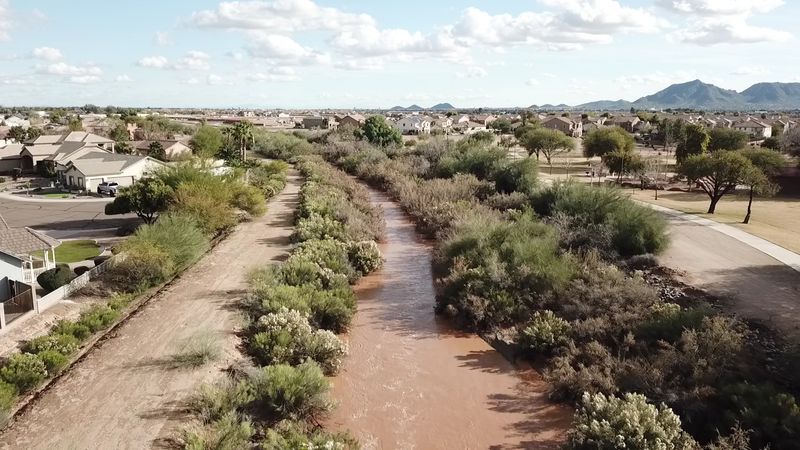
Queen Creek, Arizona, grew by 8.2% last year, continuing one of the most remarkable suburban transformation stories in the entire Phoenix metro area. Not long ago, Queen Creek was genuinely rural, a place of horse properties, citrus groves, and wide-open desert.
Today, it is a fast-moving suburb with high demand, premium amenities, and a personality that blends its agricultural roots with modern suburban comfort surprisingly well.
The Phoenix metro has been one of the Sun Belt’s biggest growth engines for over a decade, and Queen Creek sits at the southeastern edge of that expansion wave. Buyers who cannot afford Scottsdale or Chandler are finding that Queen Creek offers comparable quality at friendlier prices, at least for now.
New schools, parks, and retail centers have followed the rooftops with impressive speed.
What sets Queen Creek apart from many Phoenix suburbs is its deliberate effort to preserve its character. The city maintains equestrian trails, hosts agricultural festivals, and actively celebrates its farming heritage even as subdivisions rise around it.
That sense of identity gives Queen Creek a texture and authenticity that purely manufactured suburbs often lack. It is a city that knows where it came from and is thoughtful about where it is going, which makes the growth feel earned rather than accidental.
Hutto, Texas
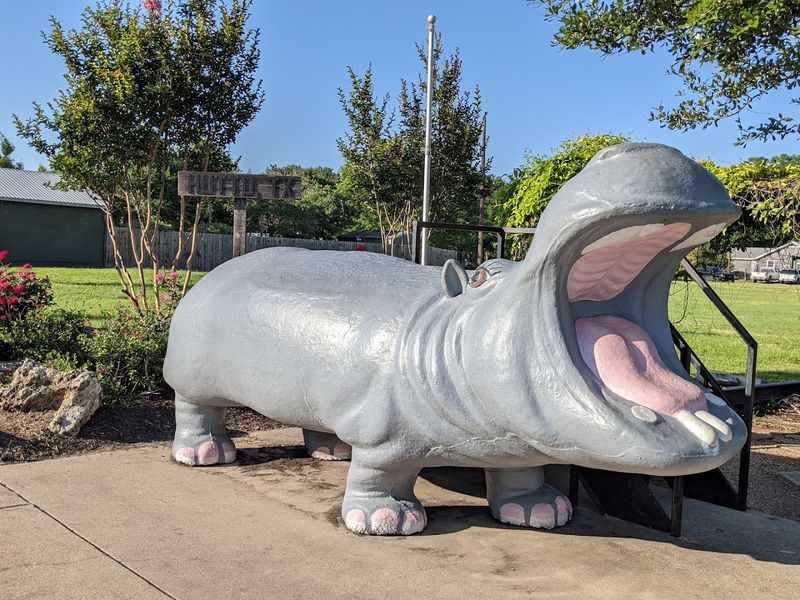
Hutto, Texas, has one of the most entertaining city mascots in America, a hippopotamus named Hilliam, and the city itself has a similarly outsized personality for its size. Growing by 7.9% annually, Hutto has ridden Austin’s technology boom outward along the US-79 corridor, offering residents a foothold in one of the country’s most dynamic regional economies without the eye-watering Austin price tags.
That is a legitimately exciting proposition.
The technology and semiconductor industries have been reshaping Central Texas at a rapid pace, and Hutto sits in the middle of that transformation. Samsung’s major chip manufacturing facility nearby has created jobs and economic activity that ripple through the entire region, and Hutto is one of the primary beneficiaries.
New residential construction has been constant, with neighborhoods targeting young professionals and growing families alike.
The city’s community culture is warm and welcoming, with local events and civic pride running high even as the population swells. Hutto Elementary recently made headlines for its creative community initiatives, which is the kind of detail that tells you a lot about a place’s character.
Infrastructure investment has been steady, and local leaders seem genuinely engaged with managing growth responsibly. Hutto is having its moment, and it is handling it with a lot of heart.
Foley, Alabama
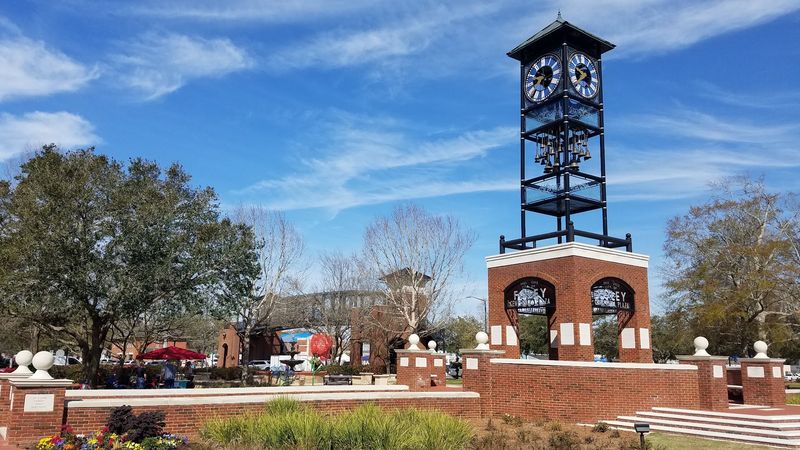
Foley, Alabama, might not be the first city that comes to mind when you think of America’s growth hotspots, but a 7.8% annual population increase commands serious attention. Positioned just inland from the Alabama Gulf Coast, Foley benefits from a combination of retirement migration, tourism-related economic activity, and a Southern charm that newcomers find genuinely disarming.
People come to visit and start looking at real estate listings before the weekend is over.
The Gulf Shores and Orange Beach area nearby has become one of the most popular beach destinations in the Southeast, and Foley functions as the commercial and residential hub supporting that coastal economy. Healthcare facilities, retail centers, and entertainment venues have been expanding steadily, making the city increasingly self-sufficient for residents who do not want to drive to Mobile for basic services.
That convenience factor matters enormously for retirees choosing a permanent base.
Affordable housing relative to Florida’s Gulf Coast communities has made Foley particularly attractive to buyers priced out of Destin, Pensacola, and Panama City Beach. Alabama does not always get credit for its coastal appeal, but the people moving to Foley clearly know something that the broader market is just beginning to figure out.
The city has a relaxed, genuine Southern hospitality that no marketing campaign could manufacture.
Greenville, Texas
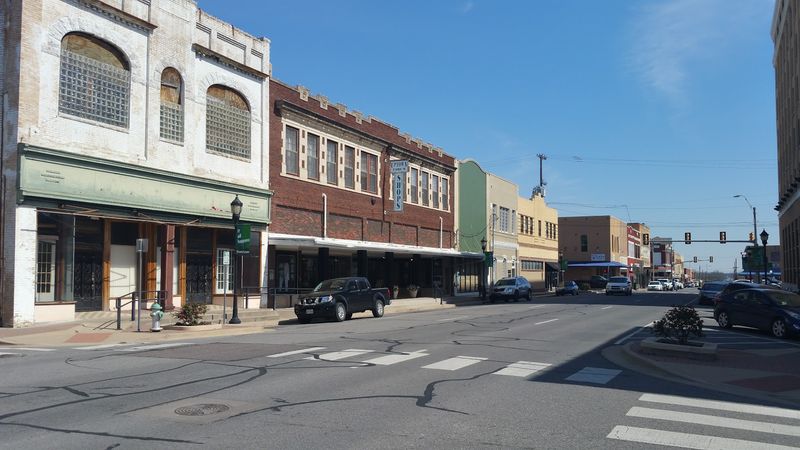
Greenville, Texas, rounds out this list with 7.5% annual growth, and it earns its spot through a combination of industrial muscle and geographic advantage that is easy to underestimate. Located northeast of Dallas along the I-30 corridor, Greenville has been quietly building an economic foundation that supports genuine, sustainable growth rather than the speculative kind that tends to collapse when interest rates move.
That distinction matters a great deal.
Manufacturing and industrial employment have long been pillars of Greenville’s economy, and those sectors have been strengthening as companies seek out affordable Texas locations with strong infrastructure and workforce access. The city’s industrial park has attracted new employers in recent years, providing the kind of stable, blue-collar job base that anchors communities through economic cycles.
Workers who value job security over trendiness are finding Greenville increasingly appealing.
Housing affordability remains one of Greenville’s strongest competitive advantages, with home prices significantly below the Dallas metro average while still offering reasonable commute access to the broader region. New residential development has been picking up pace, and local amenities are gradually expanding to serve the growing population.
Greenville does not have the flashy profile of some cities on this list, but it has something arguably more valuable: a solid economic story that holds up under scrutiny. That is a foundation worth building on.
Share this story