As more Americans seek walkable neighborhoods, vibrant downtowns, and unique local culture, many once-overlooked cities have become major travel destinations. Yet some have managed to grow without losing the qualities that made them special in the first place.
Historic districts remain lively, independent businesses continue to thrive, and local traditions still shape daily life despite rising visitor numbers. These cities prove that popularity doesn’t always mean losing authenticity.
Savannah, Georgia
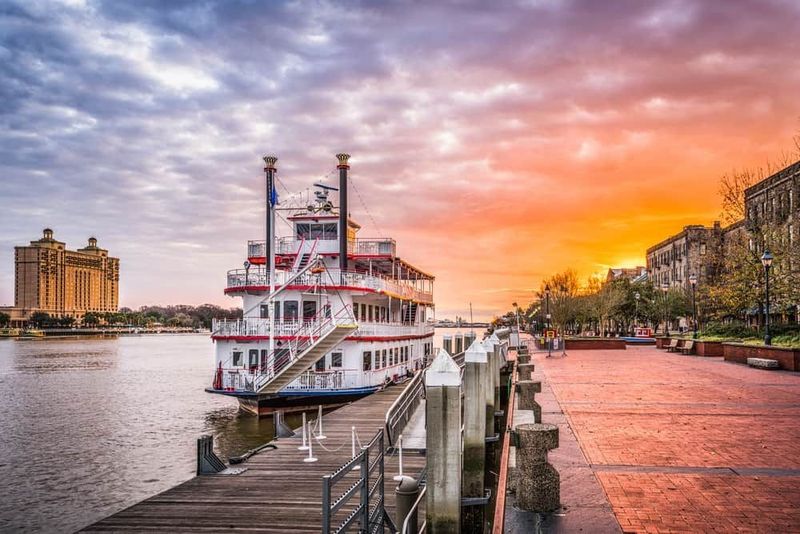
Spanish moss hanging from ancient oaks over cobblestone squares gives Savannah a mood that no other American city quite matches. Founded in 1733, it holds the title of Georgia’s oldest city, and somehow that age feels present in every brick and balcony.
Visitors often describe wandering its 22 historic squares as stepping into a living painting.
What keeps Savannah grounded is that real people actually live here. Locals grab coffee at neighborhood cafes, students from SCAD fill the galleries with fresh creativity, and families pack the farmers market on weekends.
The tourist crowds are real, but so is the everyday rhythm of the city.
Independent restaurants here are serious business. Chefs draw from Lowcountry ingredients to create dishes rooted in tradition but never boring.
Shrimp and grits prepared with care beats any chain restaurant version you’ve ever tried. Even the ghost tours feel homegrown, told by guides who genuinely love their city’s strange history.
Charleston, South Carolina
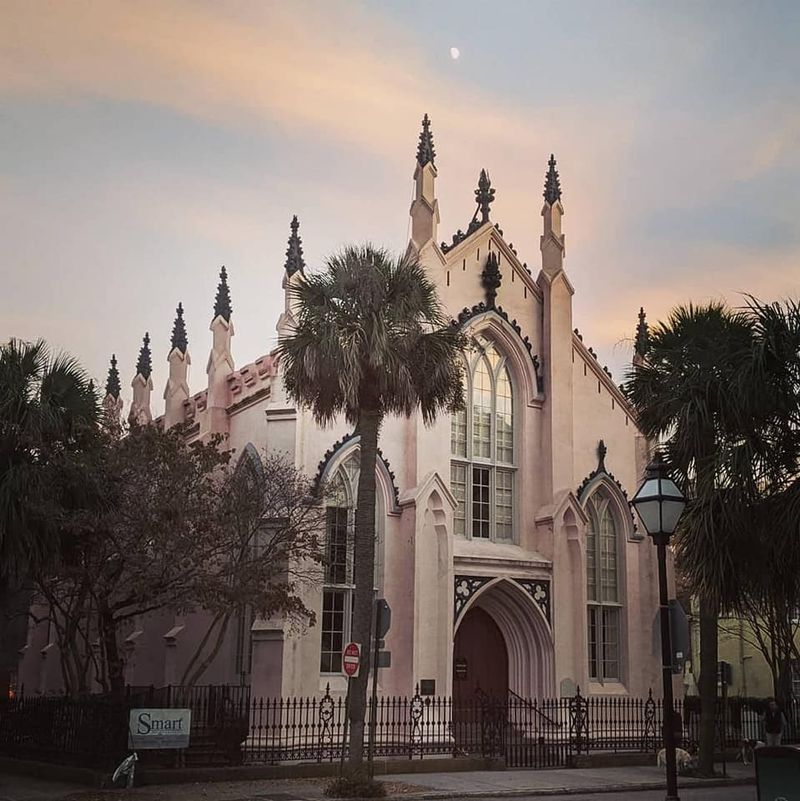
Rainbow Row might be the most photographed street in the South, but Charleston has plenty more going on beyond its famous pastel facades. The city’s cobblestone streets and centuries-old churches quietly remind you that history here isn’t just preserved, it’s inhabited.
People live above those antique storefronts and worship in those old sanctuaries every Sunday.
Lowcountry cuisine is where Charleston truly sets itself apart. Chefs have made this city a nationally recognized food destination, yet many of the best meals still come from family-owned spots that have been feeding locals for generations.
Shrimp, oysters, and She-crab soup are treated with the kind of respect they deserve.
The local shopping scene tells a similar story. King Street is lined with independent boutiques, bookshops, and galleries that resist the pull of corporate sameness.
Sweetgrass basket weavers still sell their handcrafted work along Market Street, continuing a Gullah Geechee tradition that stretches back hundreds of years. Charleston has grown popular for very good reasons, and it hasn’t forgotten what those reasons are.
Santa Fe, New Mexico
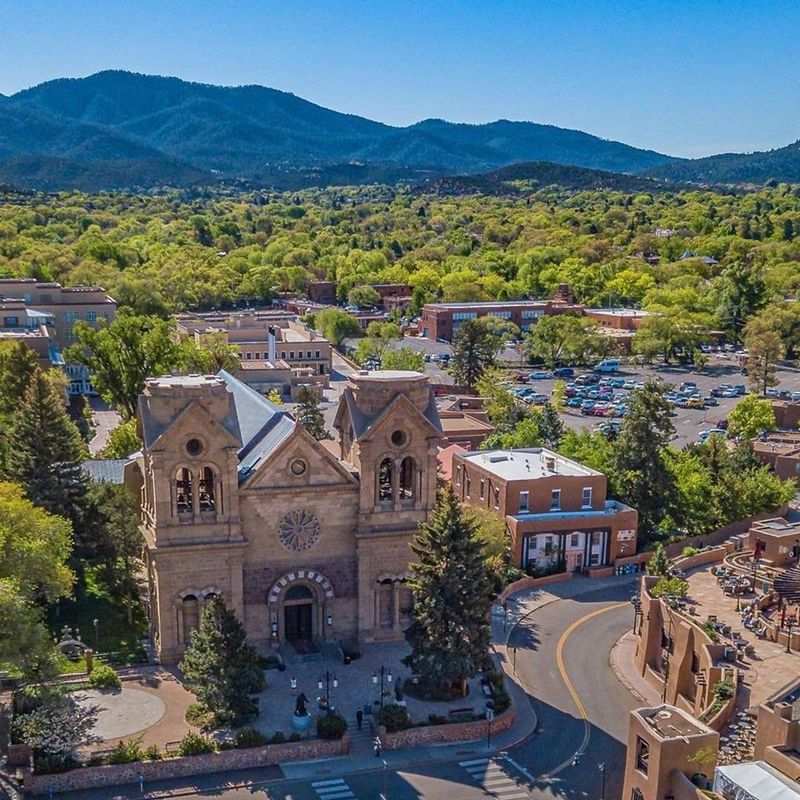
At 7,000 feet above sea level, Santa Fe already feels like a world apart before you even explore a single gallery or taste a single green chile. The air is crisp, the sky is enormous, and the adobe buildings glow amber in the late afternoon sun.
No other American city looks quite like this place.
Santa Fe’s culture runs deeper than its architecture. Native American and Hispanic traditions aren’t just preserved here, they actively shape daily life.
The Santa Fe Indian Market, held every August, draws artists from over 200 tribes and is considered one of the most important Native art events in the world. That’s not a tourist gimmick; it’s a living tradition.
The city’s food scene is equally rooted in place. Red chile versus green chile is a genuine local debate, not a marketing slogan.
Restaurants sourcing from nearby farms and pueblos keep the flavors honest and seasonal. Canyon Road remains one of the world’s greatest gallery walks, packed with serious art rather than souvenir shops.
Santa Fe earns its reputation every single day.
Portland, Maine
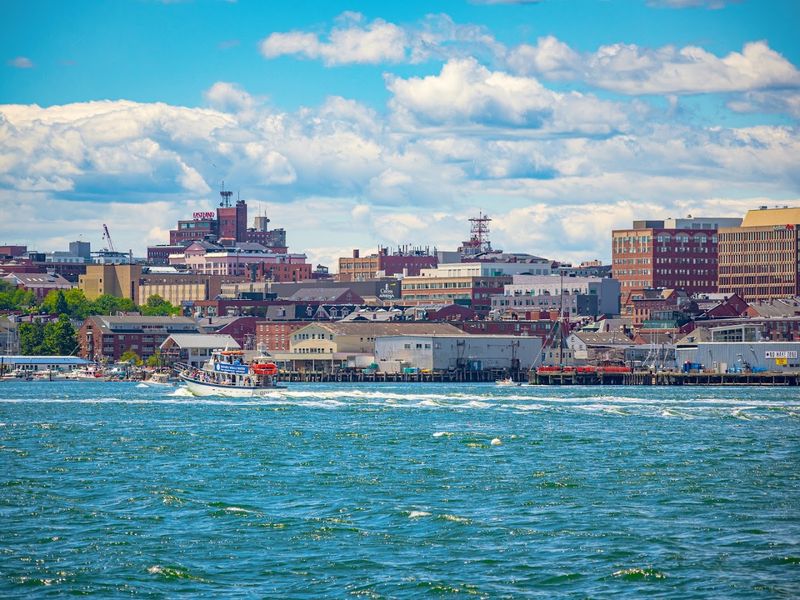
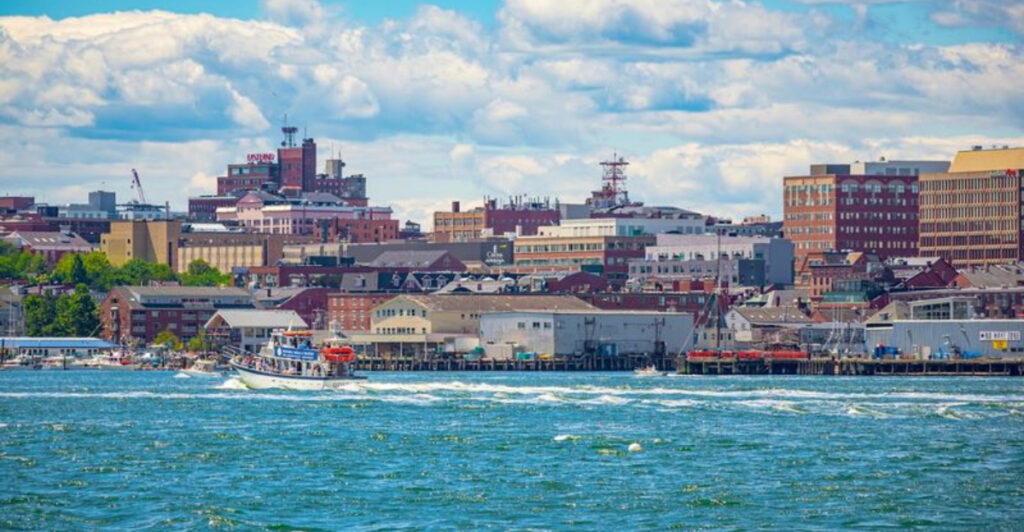
Lobster boats still leave Portland Harbor before sunrise, which tells you everything you need to know about this city’s relationship with its working roots. The Old Port district smells like the ocean, fresh bread, and coffee all at once, and that combination is entirely intentional.
Portland, Maine doesn’t perform its identity; it just lives it.
The food scene here has earned serious national attention, and rightly so. James Beard Award nominees run restaurants in buildings that used to store fish and lumber.
Chefs source ingredients from Maine farms, local fishermen, and nearby orchards, keeping menus tied tightly to the seasons. Eating well in Portland requires almost no effort at all.
Beyond restaurants, the city’s creative energy shows up in independent bookshops, local art galleries, and a music scene that punches well above its size. Neighborhoods like Munjoy Hill and the West End are full of beautifully maintained Victorian homes and locally owned businesses that have no interest in being replaced by chains.
Portland has grown in popularity, but it has done so on its own terms, stubbornly and brilliantly.
San Antonio, Texas
The River Walk gets all the attention, and honestly it deserves some of it, but San Antonio’s real soul lives in the neighborhoods that most tourists never reach. Places like the King William Historic District and Southtown are full of locally owned restaurants, art studios, and homes that have been in families for generations.
The city’s roots run deep and wide.
Tejano culture shapes San Antonio in ways that feel completely natural rather than curated. Spanish is spoken freely, family-run taquerias serve breakfast before dawn, and community festivals celebrate traditions that predate Texas statehood.
The blend of Mexican, Spanish, and Texan heritage here isn’t a theme; it’s simply everyday life.
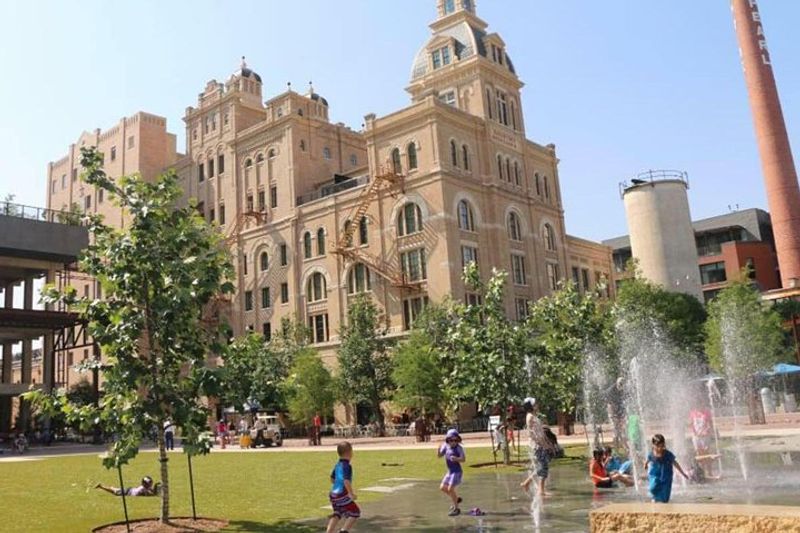
The Alamo is genuinely worth your time, but so is the Pearl District, a transformed brewery complex now home to a beloved weekend farmers market and some of the city’s most creative restaurants. San Antonio’s food scene has quietly become one of the best in Texas.
Puffy tacos, barbacoa, and caldo are local staples that no food trend has managed to overshadow. This city knows exactly who it is.
Asheville, North Carolina
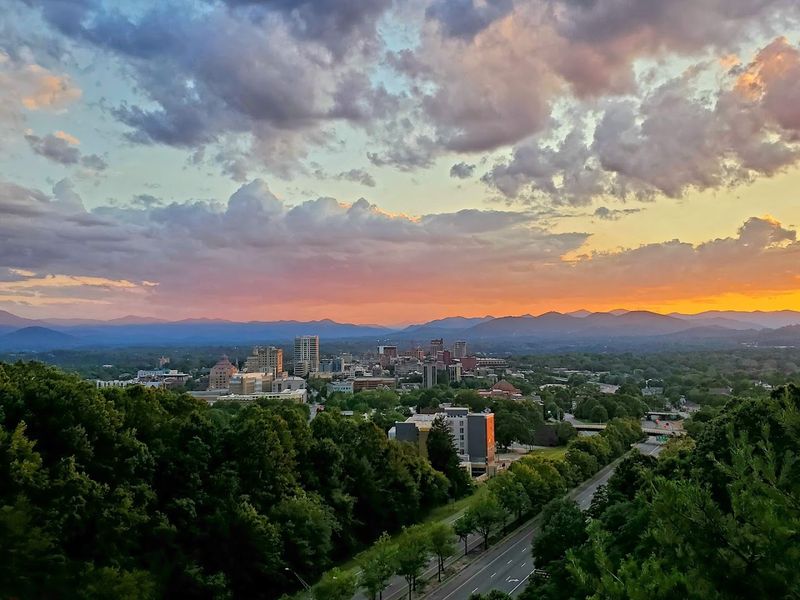
Somewhere between the Blue Ridge Mountains and a world-class brewery scene, Asheville found its personality and decided to stick with it. The city has attracted artists, musicians, and outdoor enthusiasts for decades, and that original creative energy hasn’t been diluted by the tourism boom.
If anything, it has gotten louder and more colorful.
Downtown Asheville is packed with independent businesses that refuse to be replaced by national chains. Local bookstores, vintage shops, craft studios, and live music venues fill buildings with beautiful Art Deco architecture.
The Lexington Avenue corridor in particular feels like a neighborhood that prioritizes character over commerce, and residents work hard to keep it that way.
Outdoor culture is the city’s backbone. Hiking trails in the surrounding mountains are world-class, and locals use them constantly rather than leaving them solely to visitors.
The French Broad River draws paddlers and picnickers year-round. Asheville’s craft beer scene has earned it national recognition, with more breweries per capita than almost any other American city.
Every pint feels local because it genuinely is. Asheville grew popular because it is extraordinary, and it hasn’t stopped being extraordinary.
Milwaukee, Wisconsin
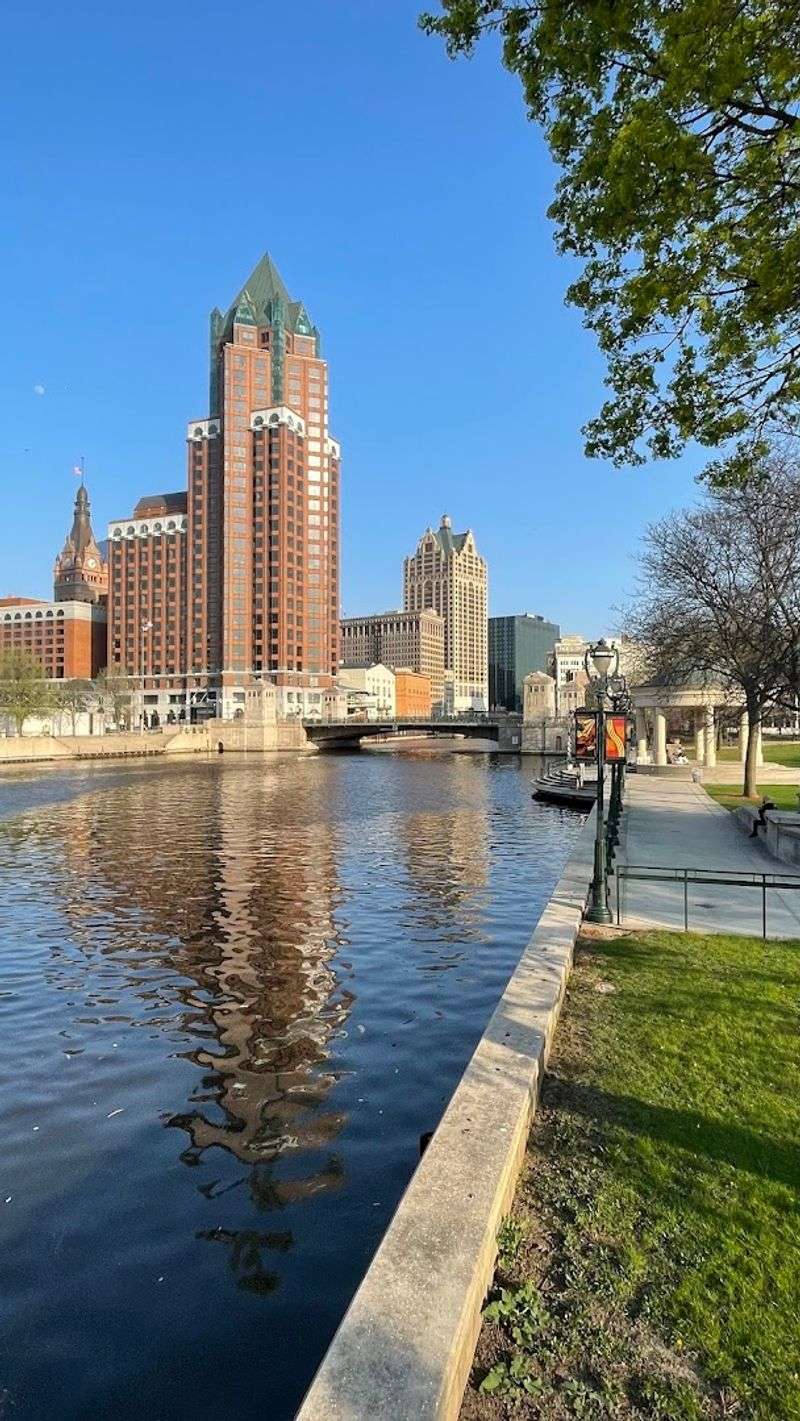
Milwaukee never asked to be trendy, and that might be exactly why it is. The city’s blue-collar honesty has always been its greatest asset, and even as national attention has grown, that straightforward character hasn’t softened.
You can still get a Friday night fish fry at a neighborhood tavern that’s been serving the same families for fifty years.
The brewing heritage here goes back to German immigrants who arrived in the 1800s and built an industry that defined the city for over a century. Historic brewery buildings have been transformed into restaurants, hotels, and event spaces, but the pride in that legacy remains completely genuine.
Milwaukee’s relationship with beer is cultural, not just commercial.
Lake Michigan gives the city a waterfront that residents actually use. Bradford Beach fills up on summer weekends, the lakefront trail is packed with cyclists and joggers, and Discovery World draws curious families year-round.
Ethnic festivals at Summerfest grounds celebrate the city’s diverse communities with food, music, and traditions that feel deeply personal rather than performed. Milwaukee rewards visitors who slow down and pay attention.
The best things here are rarely in the brochure.
St. Petersburg, Florida
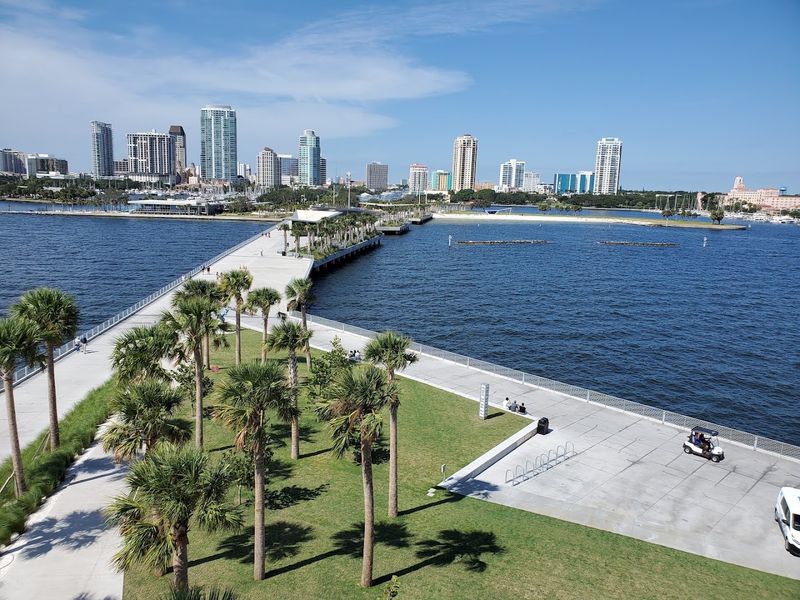
St. Pete has been called Florida’s coolest city so many times that the label almost feels worn out, but then you actually walk through the Grand Central District on a Saturday morning and understand why people keep saying it. The murals are everywhere, the coffee is excellent, and the energy feels genuinely community-driven rather than manufactured for Instagram.
The Dali Museum alone would justify a trip, but St. Petersburg’s arts scene extends far beyond its most famous institution. The city has more museums per capita than almost any other American city of its size.
Local galleries, independent theaters, and outdoor art installations fill the downtown with creative energy that surprises first-time visitors.
Waterfront living here isn’t just for wealthy residents. Vinoy Park, North Shore Park, and the miles of trails along Tampa Bay are free, accessible, and heavily used by locals who take their outdoor time seriously.
The Central Avenue corridor is lined with independent restaurants, record stores, and boutiques that give the city its distinct personality. St. Petersburg has grown fast, but it has done a remarkable job of protecting the neighborhood character that made people want to move here in the first place.
Louisville, Kentucky
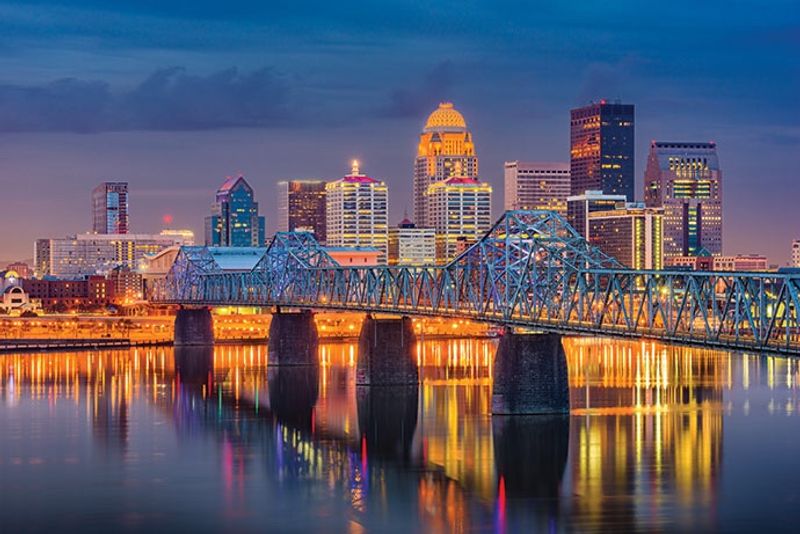
Louisville smells like toasted oak and caramel on certain mornings when the wind blows just right off the bourbon distilleries, and that is not a complaint. The city wears its whiskey heritage proudly, but bourbon is just one thread in a much richer story.
Louisville has a distinct personality that goes well beyond the Kentucky Derby and the Urban Bourbon Trail.
The NuLu neighborhood is one of the most interesting urban corridors in the entire South. Victorian storefronts house farm-to-table restaurants, independent art galleries, and local boutiques that draw both residents and curious visitors.
The creative class here feels genuinely invested in the city rather than passing through on their way somewhere else.
Muhammad Ali grew up in Louisville, and the city honors that legacy with a world-class museum that explores not just boxing but civil rights and human dignity. Churchill Downs is magnificent in May, but the surrounding neighborhoods have their own stories worth exploring.
Louisville’s food scene has quietly become one of the best in the Midwest, driven by chefs who love this city and cook accordingly. Authenticity here isn’t a marketing strategy; it’s a deeply held local value.
Providence, Rhode Island
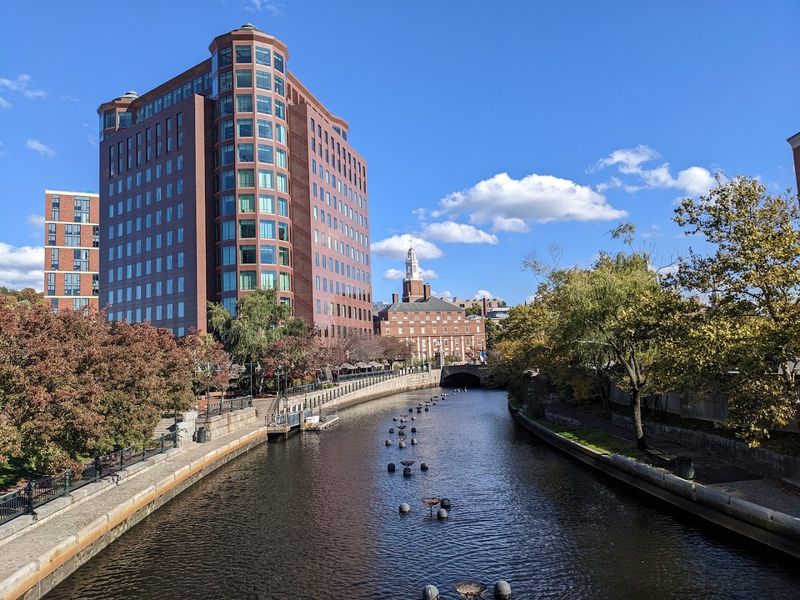
On certain autumn evenings, WaterFire lights up Providence’s rivers with floating bonfires, and the entire downtown gathers on the banks to watch. It is one of the most genuinely magical urban events in New England, and it was created by a local artist who simply wanted to bring people together.
That spirit of community creativity runs through everything Providence does well.
Federal Hill is one of America’s great Italian-American neighborhoods, and it has stayed that way through decades of change. Family-owned bakeries, old-school delis, and trattorias that have fed generations of Providence residents still anchor the corridor.
The arched gateway with its pignoli pine cone is a neighborhood landmark that locals regard with real affection.
Johnson and Wales and the Rhode Island School of Design keep a constant flow of culinary and creative talent circulating through the city. RISD’s museum is genuinely world-class and often overlooked by travelers focused on Boston.
Providence’s compact size makes it easy to walk between neighborhoods, and each one has its own distinct character. College Hill’s historic homes, the Jewelry District’s creative offices, and the Fox Point neighborhood all feel like separate villages that happen to share a city.
Providence rewards the curious traveler generously.
Bend, Oregon
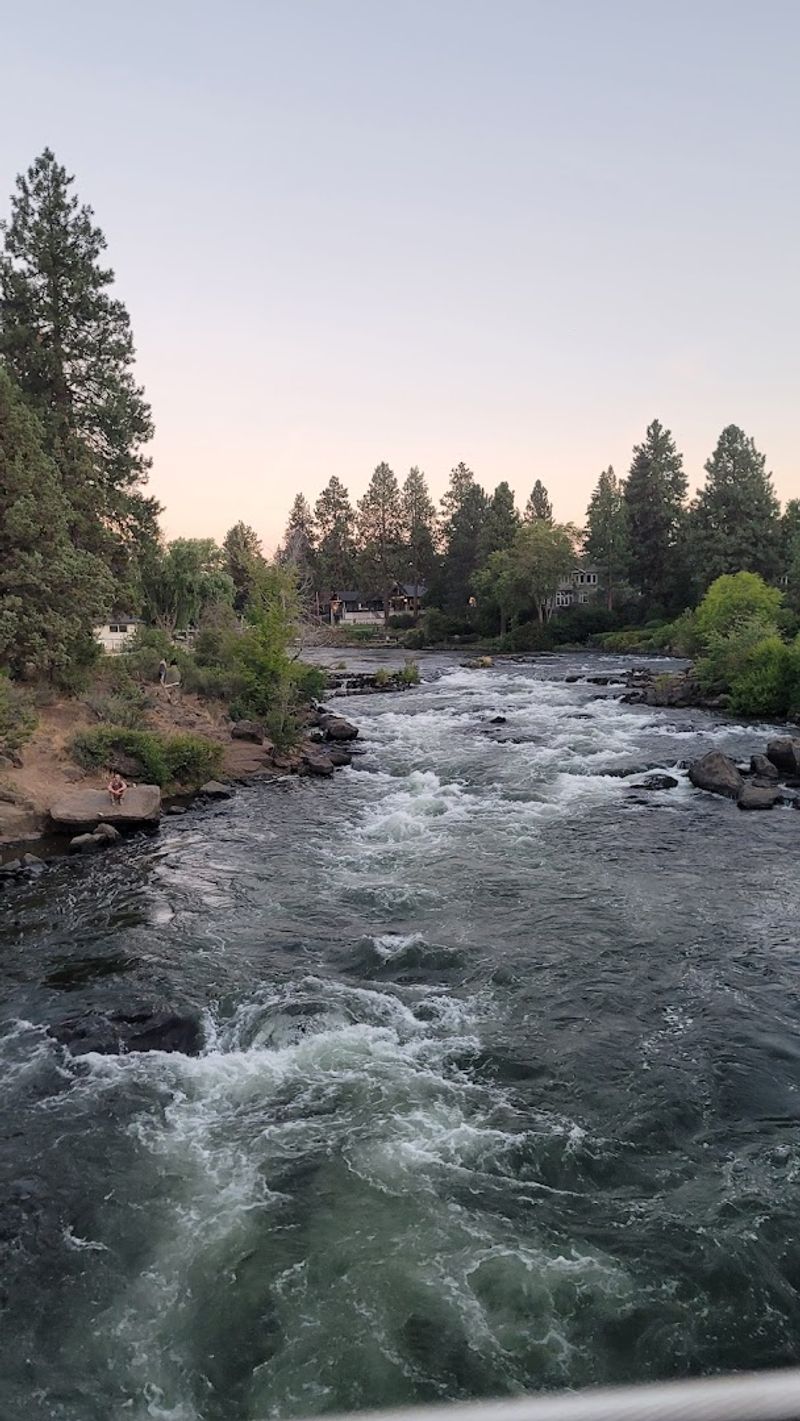
Mount Bachelor sits on the horizon like a permanent reminder that Bend’s identity was built outdoors first and indoors second. The city grew from a small lumber town into one of Oregon’s most desirable destinations, and through all of that growth, the outdoor culture has remained the true organizing principle of daily life.
People here are genuinely active, not performatively so.
The Deschutes River runs right through downtown, and locals treat it like a backyard. Kayakers and paddleboarders share the water with tubers on summer afternoons, and the riverside trail fills up with cyclists and joggers from early morning until dark.
Access to this kind of recreation isn’t a perk here; it’s an expectation.
Bend’s craft beer scene has grown into one of the most respected in the Pacific Northwest. Deschutes Brewery, which started here in 1988, helped put the city on the national map long before the population boom arrived.
Dozens of smaller breweries have followed, each with its own personality and loyal local following. Downtown Bend has attracted some chain businesses, but the independent spirit remains strong.
Farmers markets, local outfitters, and neighborhood coffee roasters keep the city’s character rooted in the community that built it.
Greenville, South Carolina
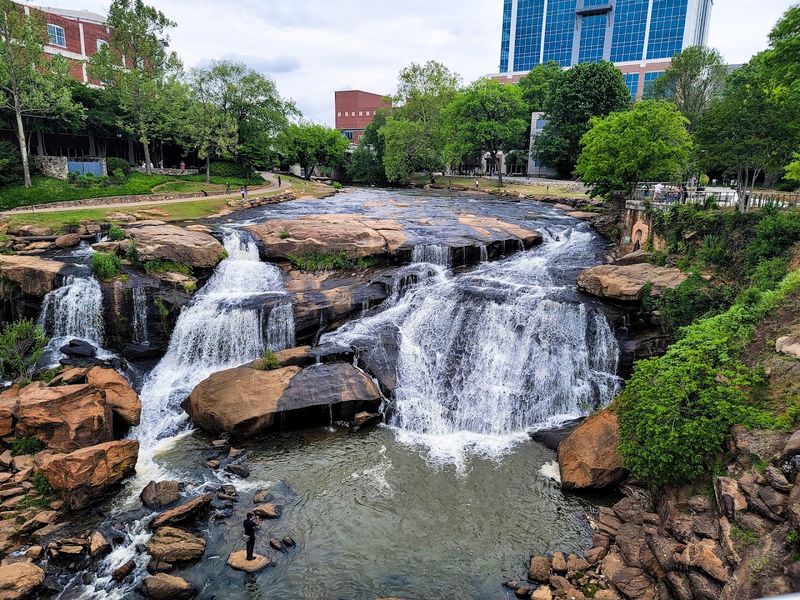
Falls Park on the Reedy sits right in the middle of downtown Greenville, and the fact that a waterfall and a suspension footbridge exist within walking distance of great restaurants and local shops tells you a lot about how this city thinks. Greenville didn’t just develop its downtown; it reimagined what a mid-sized American city could feel like when residents are treated as the primary audience.
Main Street Greenville is frequently cited as one of the best Main Streets in the country, and the praise is deserved. Locally owned restaurants, boutiques, and coffee shops line the corridor, and the sidewalks are wide enough that outdoor dining feels genuinely pleasant rather than cramped.
The whole street has a buzz to it on weekend evenings that feels organic and alive.
The city’s growth has been remarkable and rapid, but community-focused planning has kept the development from feeling soulless. Neighborhoods like North Main and Augusta Road maintain their residential character, with tree-lined streets and independent businesses that serve locals rather than tourists.
The arts scene is growing steadily, with galleries and performance venues drawing talent from across the region. Greenville is proof that smart, intentional growth can make a city better without making it unrecognizable.
Boise, Idaho
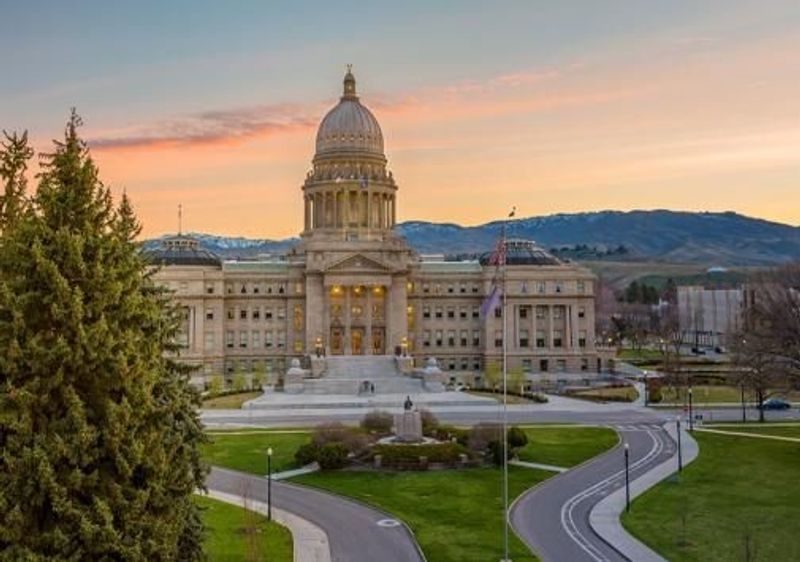
Boise has a Basque Block, which is either the most unexpected thing about this city or the most perfectly Boise thing about it, depending on how well you know the place. Thousands of Basque immigrants settled in Idaho during the 1800s to work as shepherds, and their descendants have built one of the most vibrant Basque communities outside of Spain.
You can eat pintxos and watch a game of pelota here, and that is genuinely remarkable.
The city’s outdoor scene is exceptional by any standard. The Boise Foothills trail system begins practically at the edge of downtown, offering miles of hiking and mountain biking within minutes of the urban core.
The Boise River Greenbelt runs 25 miles through the city, and locals use it constantly throughout the year.
Downtown Boise has grown considerably in recent years, but the independent business community has kept pace with that growth. The Hyde Park neighborhood retains its historic character with locally owned shops and restaurants that have been fixtures for decades.
Freak Alley Gallery transforms a downtown alley into a rotating outdoor art exhibition every year, drawing artists and audiences from across the region. Boise’s friendliness isn’t a cliche; it shows up in how the city actually functions and feels day to day.
Alexandria, Virginia
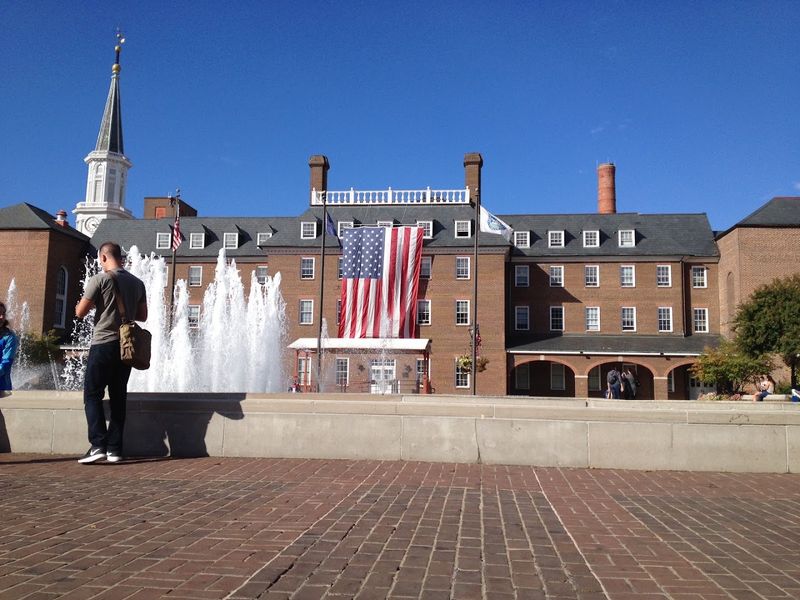
George Washington used to shop on King Street, and while that detail sounds like tourism brochure filler, it actually captures something true about Alexandria. This city has been continuously inhabited and commercially active since the 1740s, and the physical evidence of that history is preserved with remarkable care.
Walking Old Town feels like a genuine encounter with the past rather than a theme park recreation of it.
The waterfront along the Potomac River is one of the most pleasant urban waterfronts on the East Coast. Historic warehouses have been converted into restaurants and shops without losing their architectural character.
Sailboats and kayaks share the water with commuter ferries, and the whole scene has a relaxed elegance that feels earned rather than designed by committee.
King Street is lined with independent boutiques, wine bars, and restaurants that draw both locals and day-trippers from Washington. The Del Ray neighborhood, just a short distance from Old Town, has its own fiercely independent commercial strip along Mount Vernon Avenue, where locally owned businesses have created one of the most beloved neighborhood corridors in the entire region.
Alexandria has managed to grow popular without becoming generic, which is harder to pull off than it looks.
Celina, Texas
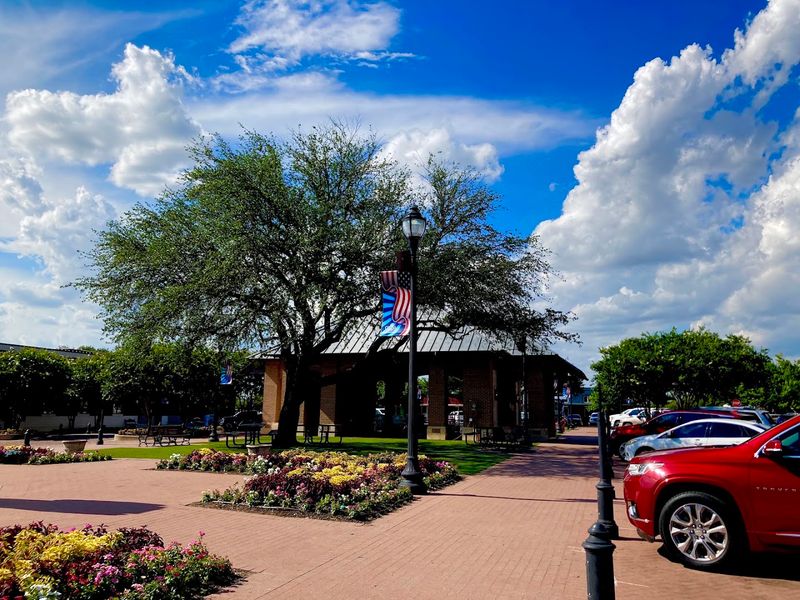
Celina is growing faster than almost any other city in the United States right now, adding thousands of new residents every single year, and yet somehow the historic downtown square still feels like the heart of a small Texas town where everyone knows your name. That balance between explosive growth and preserved identity is genuinely difficult to maintain, and Celina is working hard at it every day.
The downtown square anchors the city’s sense of self. Original storefronts from the early 1900s house locally owned restaurants, boutiques, and community gathering spaces that give new residents something real to connect with rather than just another strip mall.
Community festivals, farmers markets, and seasonal events draw families back to the square regularly, reinforcing the habits of small-town life even as the suburbs expand outward in every direction.
City leaders in Celina have been deliberate about protecting the historic core while accommodating the growth happening around it. New developments are encouraged to respect the architectural character of the original town, and local business owners have found an enthusiastic customer base among the thousands of new families eager to feel connected to their community.
Celina is an experiment in whether a fast-growing Texas city can hold onto its soul. So far, the answer looks genuinely promising.
Share this story