Beluga whales are among the most charismatic creatures in the ocean. Bright white, naturally curious, and surprisingly expressive, they have earned the nickname “sea canaries” thanks to their wide range of vocalizations. Every year, travelers from around the world make special trips just to catch a glimpse of these remarkable animals in their natural habitat. Whether you are a seasoned wildlife watcher or someone who has never seen a whale up close, the places on this list offer experiences that are hard to match.
From the Arctic waters of northern Canada to the tidal flats of Alaska, each destination brings something different to the table. Some offer guided boat tours, while others let you observe from scenic cliffs or easy walking trails. Read on to discover the 15 best places in the world to see beluga whales in the wild.
1. Churchill, Manitoba, Canada
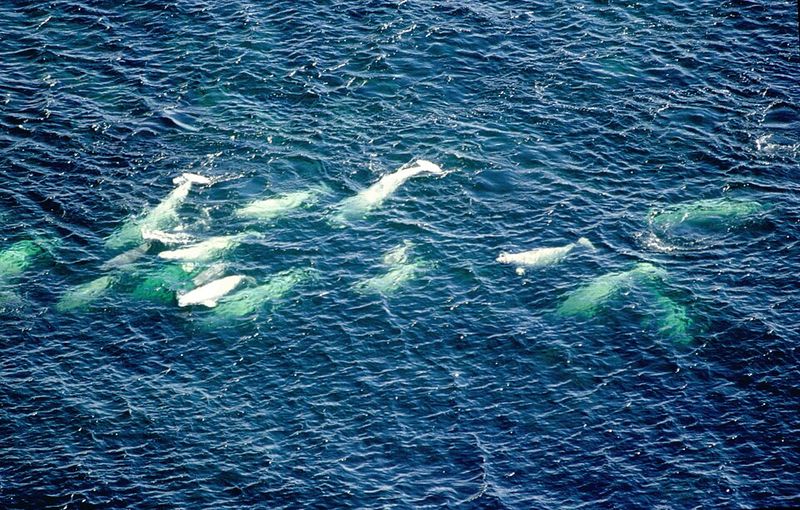
Every summer, somewhere between 3,000 and 5,000 beluga whales crowd into the Churchill River estuary, turning the water into a sea of curious white faces. This remote Hudson Bay town in northern Manitoba is widely regarded as the single best place on Earth to see belugas up close.
Visitors can choose from Zodiac tours, kayak outings, or even paddleboard excursions, and the whales often approach boats on their own. Churchill belugas are known for their playful behavior, including rubbing against the riverbed to shed old skin during their seasonal molt.
The town is only reachable by air or train, which keeps the experience feeling genuinely wild and special. Tour operators frequently use hydrophones so you can hear the belugas communicating underwater, which is a detail that tends to stick with visitors long after they return home.
2. Beluga Point, Anchorage, Alaska, United States
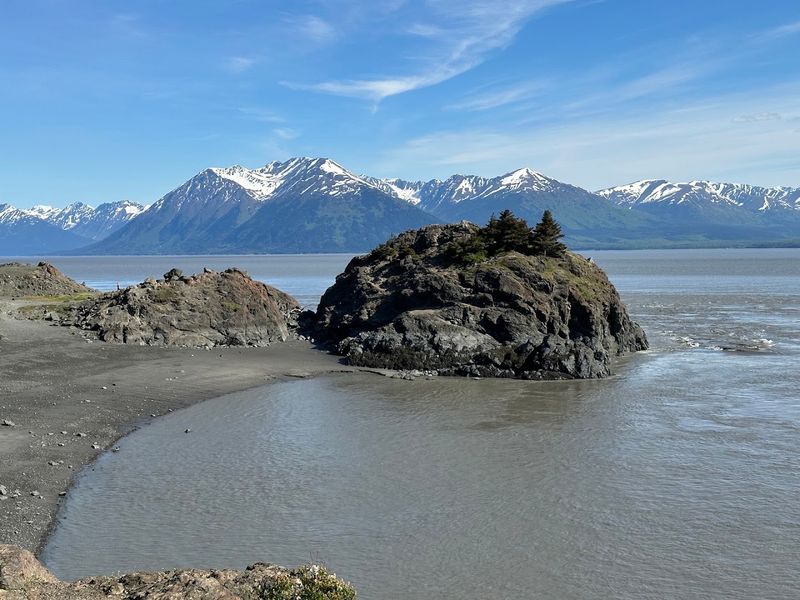
Right along the Seward Highway, about 25 miles south of Anchorage, one of Alaska’s most famous roadside wildlife stops sits perched above the sparkling waters of Turnagain Arm. Beluga Point earned its name for good reason.
During the salmon runs of mid to late summer, Cook Inlet belugas push into these waters to feed, and patient observers at the pullout have been rewarded with clear sightings from the roadside. No boat required, no guided tour necessary.
The backdrop of rugged Chugach Mountains and dramatic tidal flats makes the spot worth visiting even on quiet whale days. Binoculars are a smart addition to your kit here, since the whales can appear at varying distances depending on the tides. Arriving around high tide generally improves your odds of spotting a pod.
3. Pointe-Noire Interpretation and Observation Centre, Baie-Sainte-Catherine, Quebec, Canada
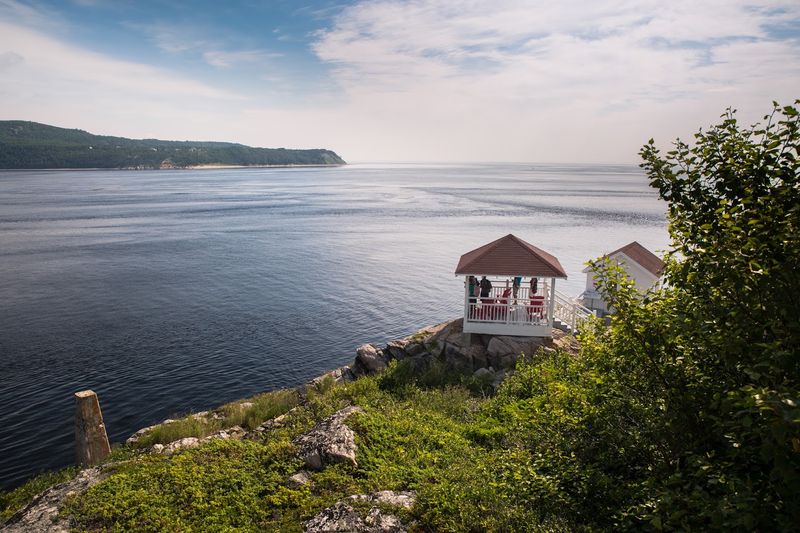
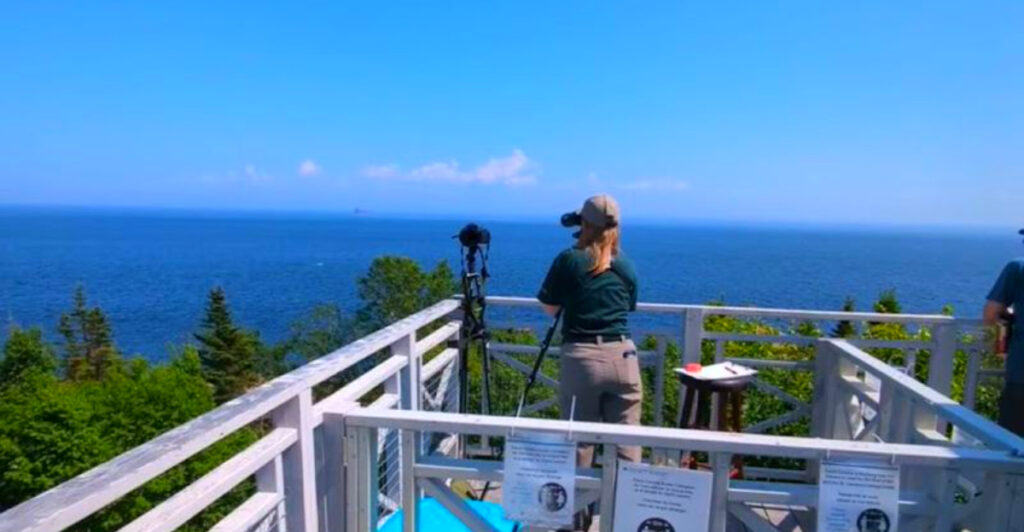
At the exact spot where the Saguenay Fjord meets the St. Lawrence River, a steady flow of marine life passes through one of the most productive whale watching corridors in Canada. The Pointe-Noire centre sits right above this meeting point, giving visitors an elevated vantage point that is genuinely hard to beat.
Knowledgeable interpreters are on hand throughout the season to help identify species and explain what the whales are doing and why. The St. Lawrence beluga population is one of the most closely studied in the world, and the staff here can share fascinating details about individual whales and their family groups.
No boat ticket is needed to have a meaningful experience. The boardwalk and viewing platforms are accessible, family friendly, and well maintained, making this an excellent choice for visitors of all ages and fitness levels.
4. Cap-de-Bon-Désir Interpretation and Observation Centre, Les Bergeronnes, Quebec, Canada
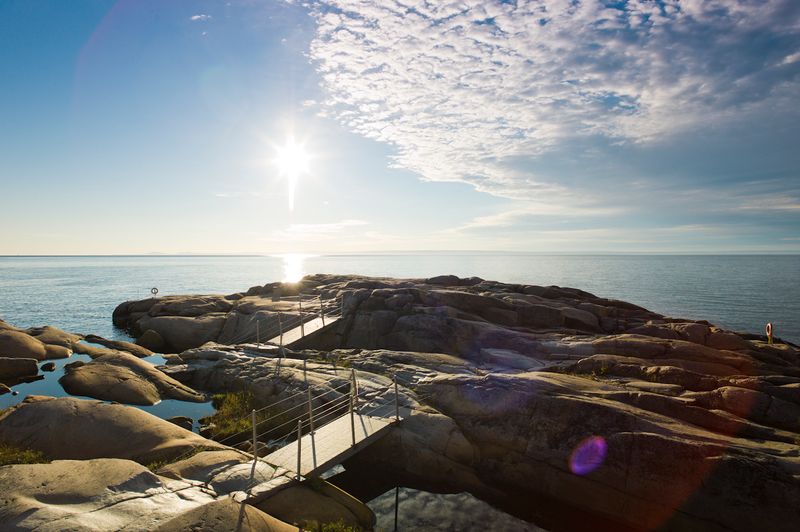
A former lighthouse station does not sound like a premier whale watching destination, but Cap-de-Bon-Désir has a way of surprising first-time visitors. Belugas, minke whales, and the occasional fin whale pass close to the rocky shoreline here with impressive regularity.
The site combines genuine maritime history with some of the best land-based whale watching in the entire St. Lawrence region. Interpretive panels explain the local ecosystem, and staff members are typically present during peak season to answer questions and point out wildlife.
Because the whales frequently come close to shore, you can have a memorable encounter without spending a single minute on a boat. The rocky foreshore is accessible by a short trail, and the lighthouse itself adds a photogenic element to the visit that most whale watching spots simply cannot offer.
5. Marine Environment Discovery Centre, Les Escoumins, Quebec, Canada
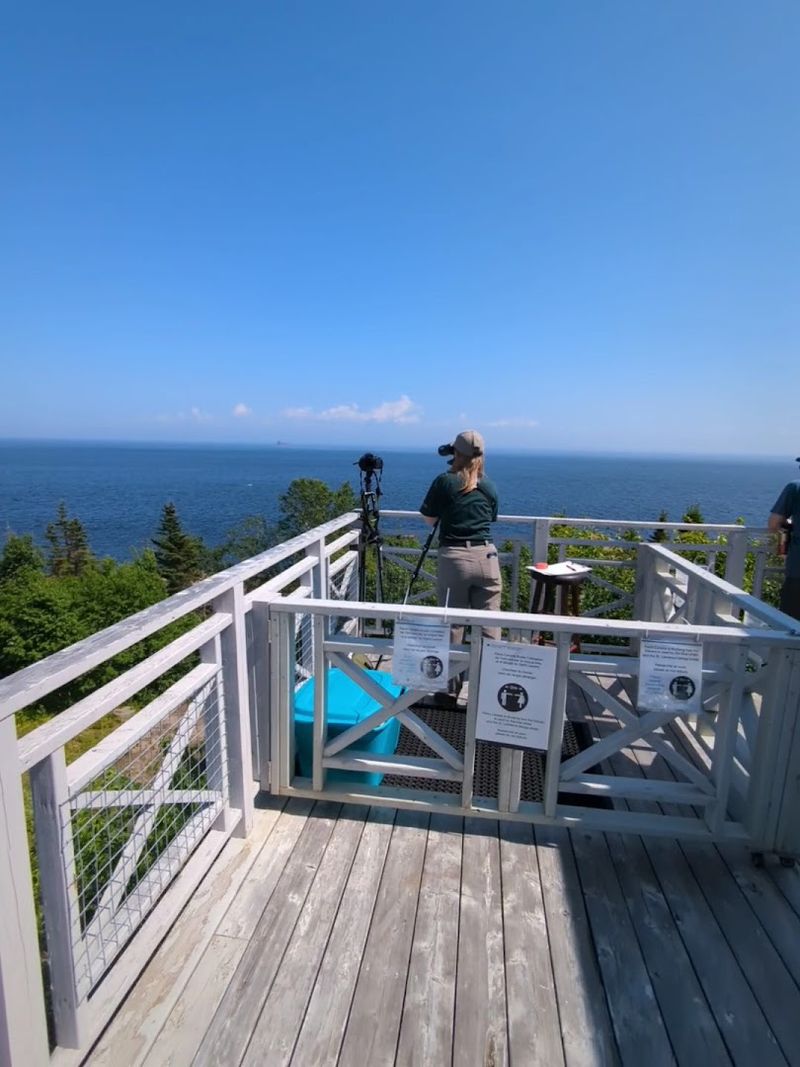
Les Escoumins sits in the heart of one of the richest marine habitats along the entire St. Lawrence Estuary, and the Marine Environment Discovery Centre makes the most of that location. The waterfront facility combines comfortable viewing areas with well-designed educational exhibits.
Seasonal interpretive programs run throughout the summer, covering topics from beluga biology to the broader St. Lawrence ecosystem. The centre is a good fit for families, school groups, and anyone who wants context to go along with their wildlife watching.
Belugas are a regular presence in these waters, and sightings from the observation areas are common during peak season. The town of Les Escoumins itself has a relaxed, unhurried character that makes it easy to spend a full day here, mixing whale watching with a stroll along the waterfront.
6. Saguenay Fjord National Park, Rivière-Éternité, Quebec, Canada
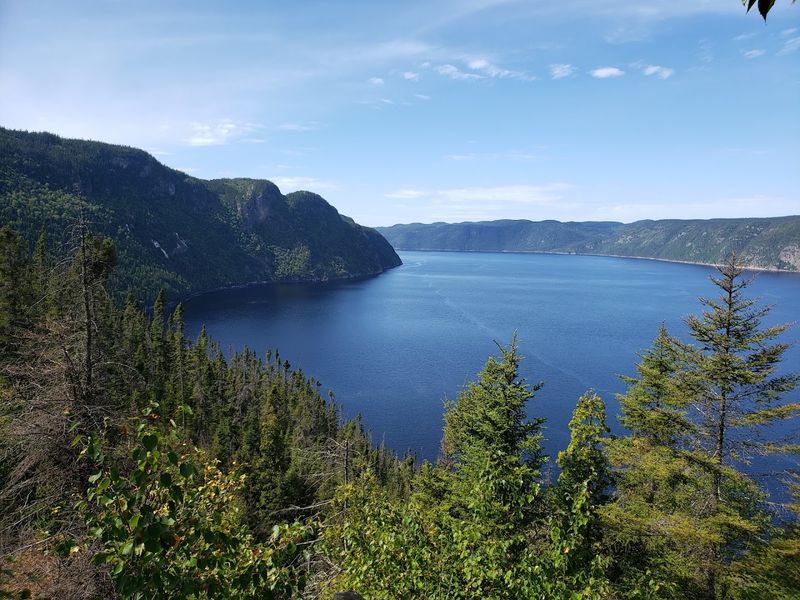
Carved by glaciers over thousands of years, the Saguenay Fjord is one of the most visually striking natural environments in all of Canada. The cliffs rise dramatically above the water, and the fjord’s depth creates ideal conditions for a wide range of marine life.
Boat excursions departing from communities near the park regularly travel through waters where the endangered St. Lawrence beluga population is known to feed and travel. Seeing a white whale surface against those towering canyon walls is the kind of moment that tends to end up as someone’s all-time favorite travel memory.
The park itself offers hiking, kayaking, and camping options that allow visitors to extend their stay and explore beyond the water. Parks Canada manages the area carefully to balance visitor access with the protection of this fragile and important ecosystem.
7. Tadoussac, Tadoussac, Quebec, Canada
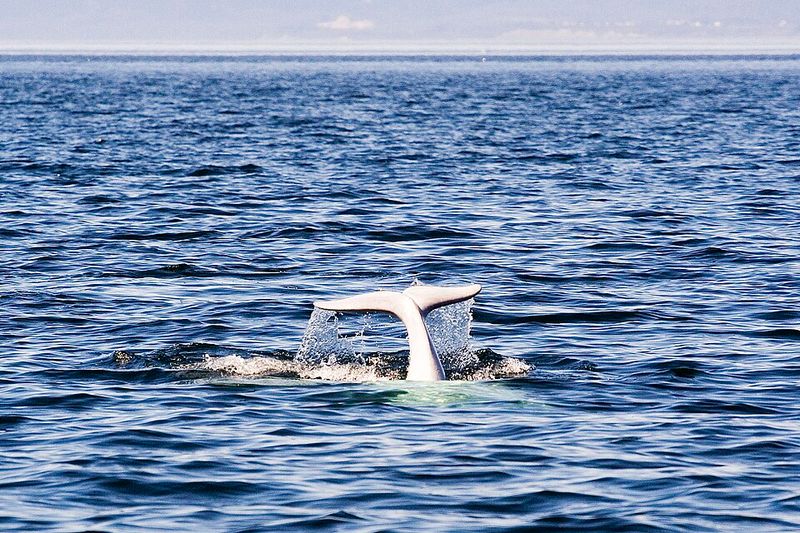
Tadoussac has been drawing whale watchers for decades, and its reputation as one of North America’s best cetacean destinations is thoroughly deserved. The town sits at the confluence of the Saguenay and St. Lawrence Rivers, where cold, nutrient-rich currents create a natural feeding buffet for multiple whale species.
Belugas are among the regulars here, and on calm days they can sometimes be spotted directly from the shore or the ferry crossing. Multiple tour operators run daily boat excursions during the summer, ranging from small inflatable Zodiacs to larger vessels with onboard naturalists.
The town itself is one of the oldest European settlements in North America, which gives it a layered character beyond the whale watching. Visitors tend to stay longer than planned, pulled in by the combination of reliable wildlife, scenic surroundings, and a genuinely welcoming local community.
8. Putep ‘t-awt Beluga Trail, Cacouna, Quebec, Canada
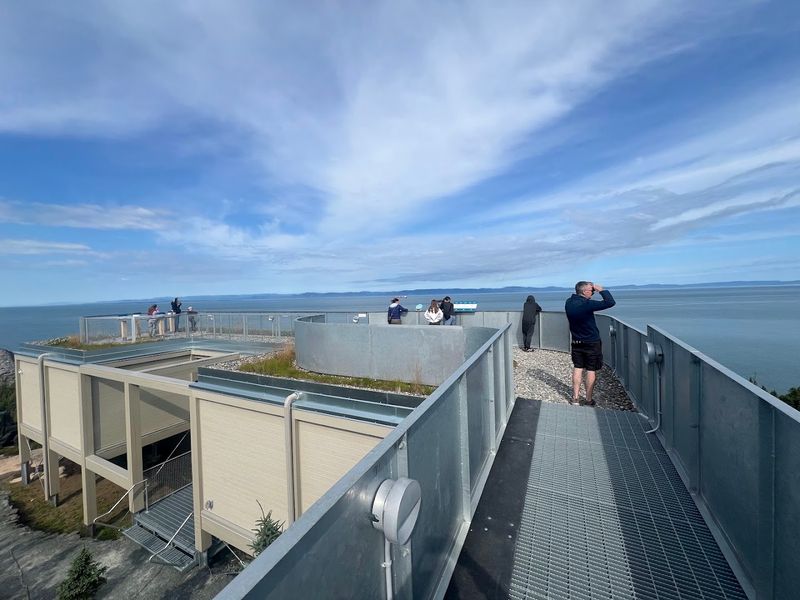
One of the newer additions to Quebec’s whale watching scene, this observation site was developed specifically to give visitors a responsible and respectful way to observe an important beluga nursery area. The location near Cacouna is recognized as critical habitat for the endangered St. Lawrence belugas, particularly for mothers and calves.
The elevated viewing platform provides a clear line of sight across the estuary without requiring visitors to enter the water or approach the whales in any way. That distance is actually part of what makes the site special, since the whales behave naturally here in ways they might not in busier locations.
Interpretive signage along the trail explains the challenges facing this beluga population and the conservation efforts underway to protect it. The trail itself is easy to walk and suitable for most fitness levels, making it broadly accessible.
9. Turnagain Arm, Anchorage, Alaska, United States
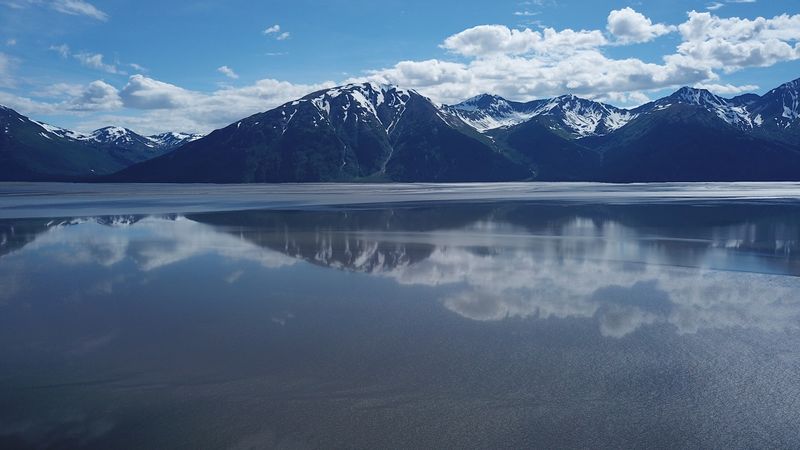
The entire stretch of Turnagain Arm, from the outskirts of Anchorage to the town of Portage, functions as an extended outdoor gallery for Cook Inlet beluga sightings. Multiple scenic pullouts along the Seward Highway give drivers easy opportunities to stop and scan the water.
The Cook Inlet beluga is a distinct and critically endangered subpopulation, with fewer than 300 individuals remaining. Every sighting carries a bit of extra weight when you know the conservation context behind it.
Timing matters considerably here. Belugas tend to follow the salmon runs, so mid-summer visits aligned with high tides give the best odds. The mountain and tidal scenery along this corridor is exceptional regardless of whether whales appear, but spotting a pod moving through the arm is an experience that makes the whole drive feel like a reward.
10. Beluga Slough Trail, Homer, Alaska, United States
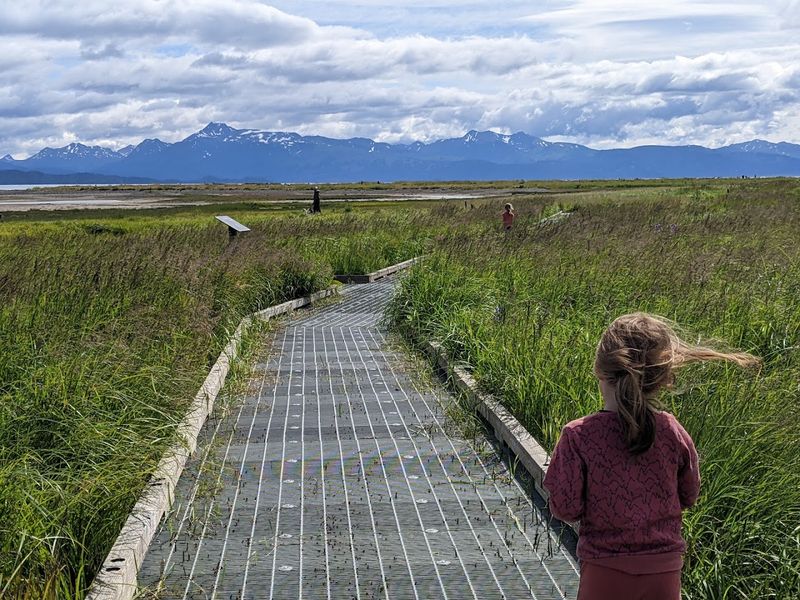
Homer is best known as the halibut fishing capital of the world, but the Beluga Slough Trail offers a quieter and distinctly different reason to visit. The easy, flat trail winds through coastal wetlands beside Kachemak Bay, where beluga whales are occasionally spotted offshore during the summer months.
Birders love this trail, and the combination of shorebirds, waterfowl, and the chance of a whale sighting makes it one of the more rewarding short walks on the Kenai Peninsula. The trail is accessible year-round, though summer brings the best wildlife activity by a wide margin.
A spotting scope or binoculars will serve you well here, since the belugas tend to appear at a distance rather than close to shore. The mountain backdrop across the bay adds a visual payoff that makes the walk worthwhile even on a quiet wildlife day.
11. Chukchi Sea Coast, Utqiaġvik, Alaska, United States
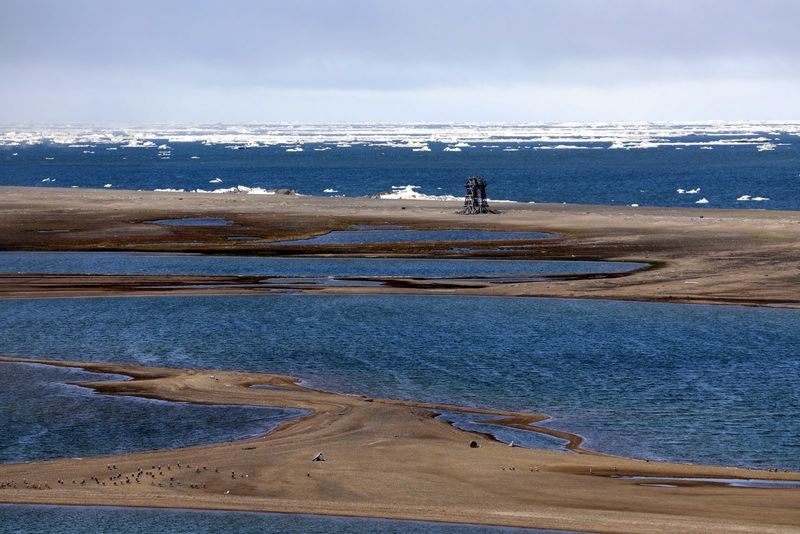
Utqiagvik, formerly known as Barrow, holds the title of America’s northernmost community, and its position at the edge of the Chukchi Sea places it directly within one of the beluga’s natural Arctic migration corridors. This is about as far north as most travelers will ever go.
Wildlife tours operating out of Utqiagvik can include opportunities to observe belugas traveling through coastal waters, particularly during the open-water season in summer. The experience of watching white whales move through an icy Arctic seascape is genuinely unlike anything available at lower latitudes.
The broader cultural experience of visiting an Inupiaq community adds significant depth to any trip here. Local guides bring a perspective rooted in generations of coexistence with Arctic wildlife, and their knowledge of beluga behavior and movement patterns is extensive and practically useful for wildlife watchers.
12. Knik Arm, Anchorage, Alaska, United States
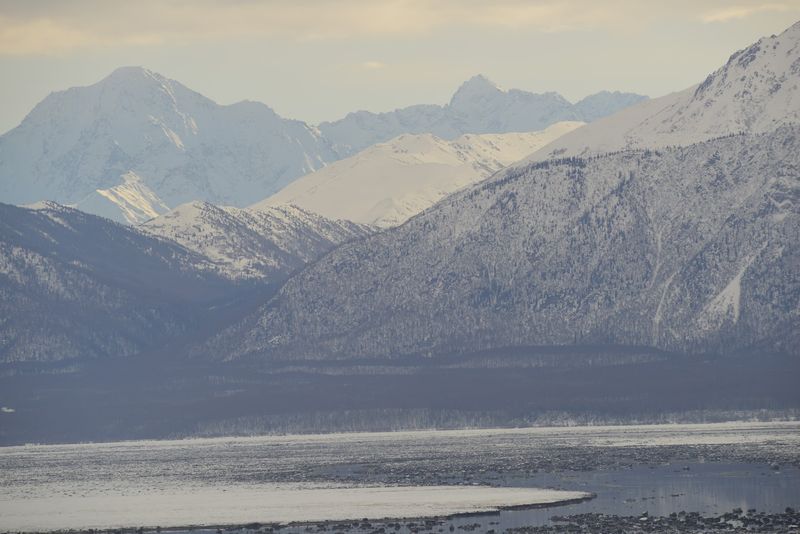
Knik Arm extends northeast from Anchorage as part of the greater Cook Inlet system, and it forms a significant part of the habitat used by the endangered Cook Inlet beluga population. Several viewpoints around the northern edges of Anchorage occasionally offer sightings of these distinctive white whales moving through tidal waters.
The belugas here are part of a population that has been the subject of intensive conservation attention for years, making any sighting feel meaningful beyond its visual appeal. Patience is a genuine requirement, since the whales move with the tides and can be unpredictable.
Combining a Knik Arm watch with other Anchorage-area beluga spots like Beluga Point and Turnagain Arm is a practical strategy for maximizing your chances across a single trip. Local wildlife organizations sometimes share real-time sighting reports that can help narrow down timing.
13. Kenai River Mouth, Kenai, Alaska, United States
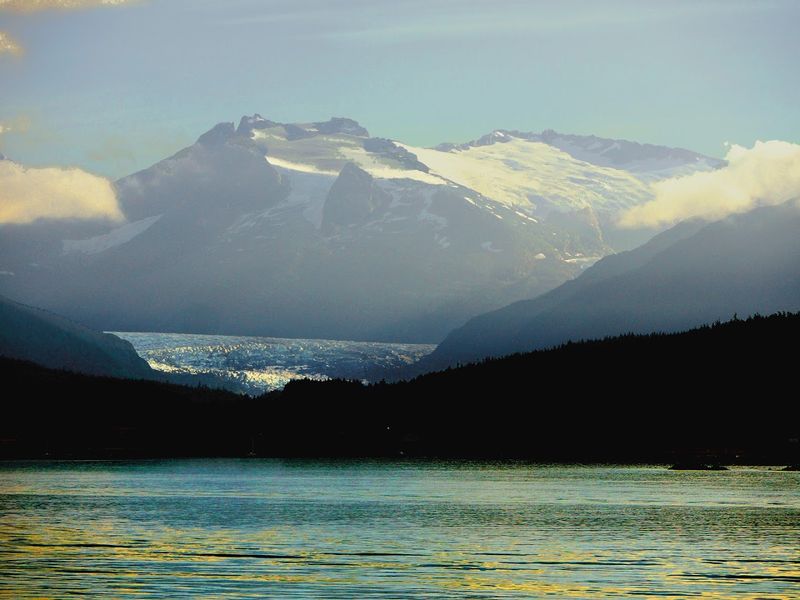
Where the Kenai River empties into Cook Inlet, seasonal salmon runs create a temporary feast that draws a wide range of marine predators, including the occasional pod of Cook Inlet belugas. The river mouth area near the city of Kenai is one of the more accessible spots to watch for these whales along the western Kenai Peninsula.
Kenai is also one of Alaska’s top sport fishing destinations, so the infrastructure for visiting is solid, with good accommodation options and easy road access. Belugas here are opportunistic feeders following the fish, which means timing your visit around the salmon runs significantly improves sighting odds.
The combination of river, inlet, mountains, and wildlife activity makes this corner of Alaska consistently interesting to explore. Even without a whale sighting, the area delivers a strong impression of Alaska’s coastal character and abundance.
14. Bird Point, Indian, Alaska, United States
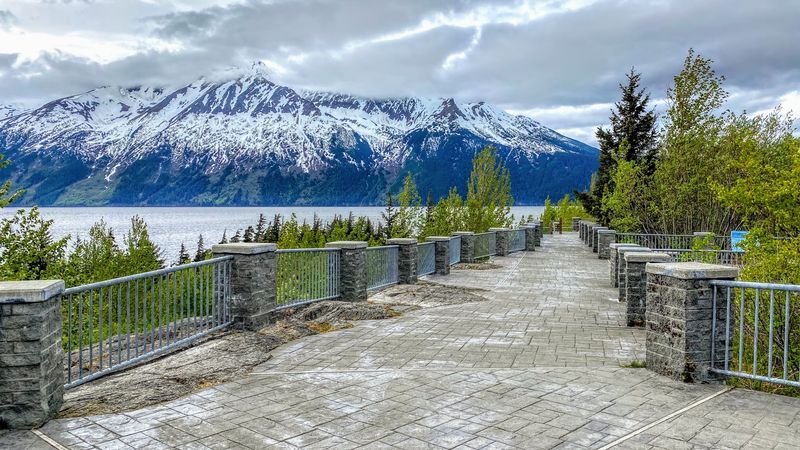
A few miles east of the more famous Beluga Point, Bird Point is another Seward Highway pullout that rewards patient observers with sweeping views across Turnagain Arm. The panorama here is considered by many Alaska visitors to be one of the finest roadside viewpoints in the entire state.
During the summer salmon runs, Cook Inlet belugas sometimes move through this section of the arm, making it a logical addition to any wildlife watching drive along the highway. The elevated perspective from the pullout gives observers a broad field of view that makes spotting pods considerably easier.
The site is also popular with photographers, and the combination of mountain reflections, tidal patterns, and potential whale activity makes it easy to spend a good chunk of an afternoon here. Bring binoculars and a camera with a decent zoom for the best results.
15. Twenty Mile River Area, Portage, Alaska, United States
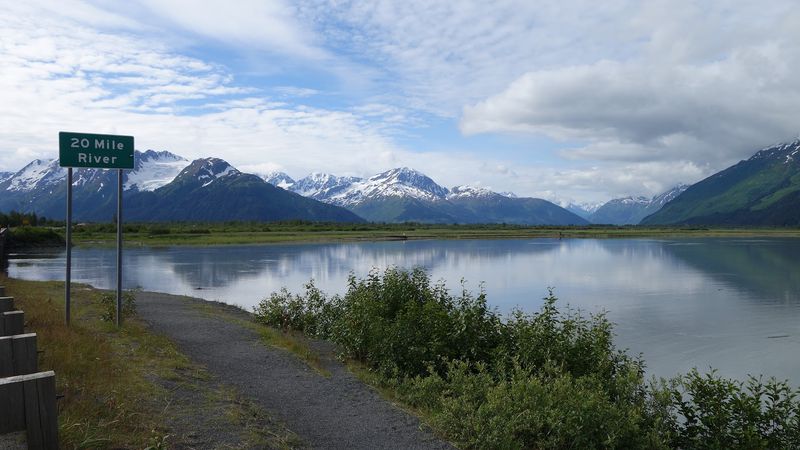
At the far eastern end of Turnagain Arm, the landscape transitions into something that feels almost theatrical, with glaciers, jagged peaks, and river channels all competing for your attention at once. The waters around the Twenty Mile River occasionally attract Cook Inlet belugas following seasonal fish movements into this upper section of the arm.
Sightings here are less frequent than at the more established pullouts closer to Anchorage, which means when they do occur, they carry an extra element of surprise. The glacial scenery provides a compelling reason to make the drive regardless of whale activity.
The nearby Portage Glacier area and Begich, Boggs Visitor Center make this a natural stop on any Seward Highway itinerary. Combining a glacier visit with a patient scan of the inlet waters gives the trip a satisfying double purpose that most visitors appreciate.
Share this story