Spain’s coastline stretches for over 8,000 kilometers, and most tourists only scratch the surface of what it has to offer. While everyone flocks to the Costa del Sol or Barcelona’s beaches, dozens of stunning seaside towns quietly go about their business, largely untouched by mass tourism.
From the cliffside fishing villages of Asturias to the windswept Atlantic shores of Andalusia, these hidden gems reward curious travelers with authentic food, jaw-dropping scenery, and a genuine sense of place. Pack your bags and get ready to discover the Spain that travel brochures often forget to mention.
Cudillero, Asturias
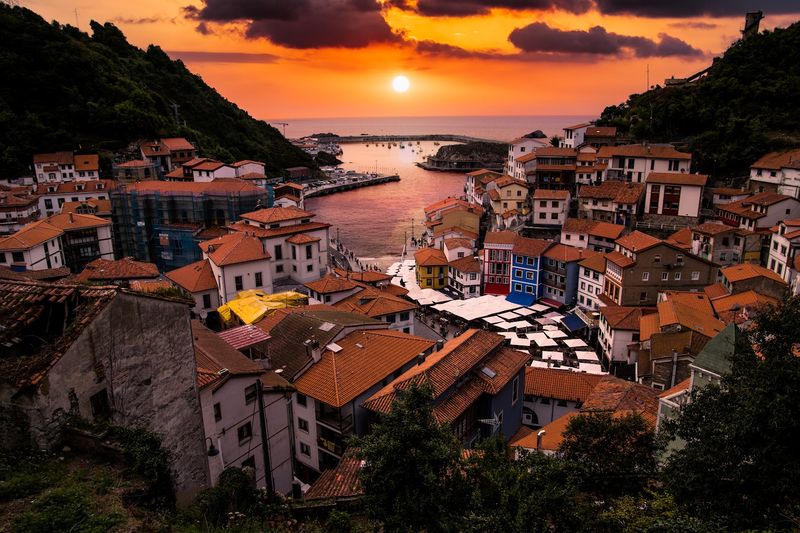
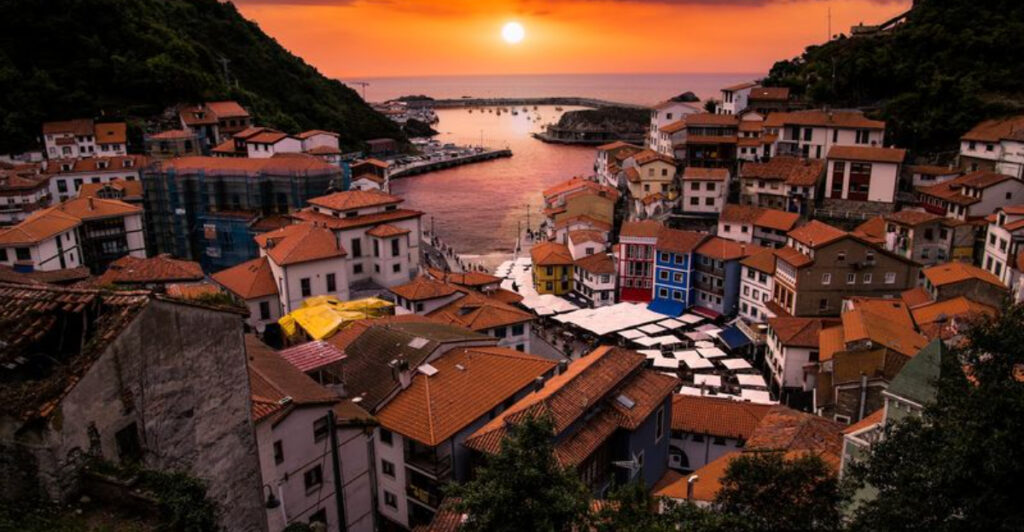
Imagine a village so steep that locals basically treat staircases as sidewalks. Cudillero tumbles down a dramatic hillside toward the Bay of Biscay like a slow-motion avalanche of painted houses in red, yellow, and orange.
The result is one of the most photographed fishing villages in all of northern Spain.
The harbor at the bottom is the real heart of the village. Fishing boats bob quietly beside seafood restaurants that serve the morning’s catch without any fuss or fanfare.
Octopus, sea bass, and percebes (barnacles that taste far better than they sound) are local staples worth ordering.
Getting here requires a bit of effort, which is exactly why Cudillero stays refreshingly crowd-free. The surrounding Asturian coastline is rugged, green, and genuinely spectacular.
Nearby beaches like Playa de Aguilar offer wild Atlantic scenery without a single beach umbrella vendor in sight. Cudillero rewards slow travelers who linger over long lunches, wander its winding lanes without a map, and watch the fishing boats come home as the sun dips toward the water.
Few places in Spain feel this effortlessly, authentically alive.
Lastres, Asturias
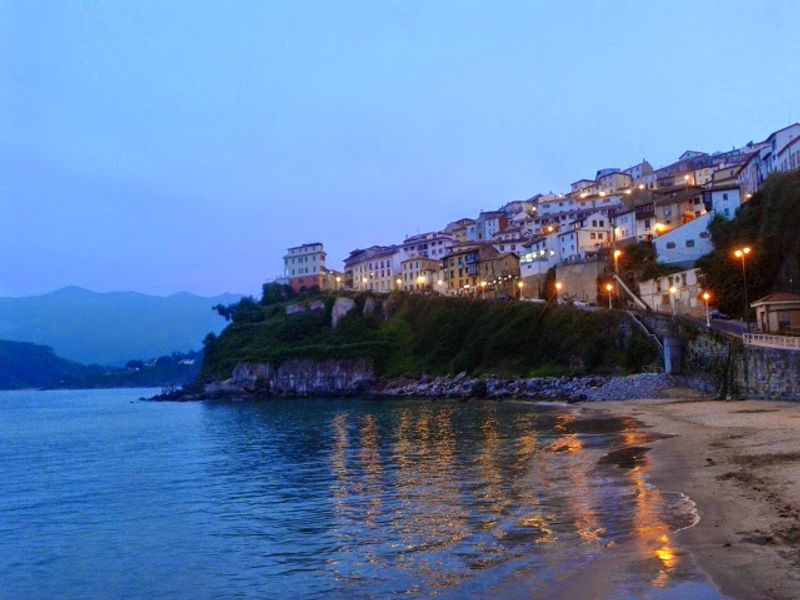
Perched on a cliff like it’s daring the sea to come any closer, Lastres is the kind of place that makes you stop mid-sentence and just stare. The views from the upper village stretch endlessly across the Cantabrian Sea, and on clear days you can spot the Picos de Europa mountains rising behind you.
That combination of ocean and mountain is almost unfairly beautiful.
The village itself is compact, medieval, and wonderfully unhurried. Narrow stone streets weave between old fishermen’s houses, and the tiny harbor below still operates as a working fishing port.
Local restaurants serve freshly caught bonito and spider crab with a simplicity that makes fancy cooking look unnecessary.
Lastres also has a quirky claim to fame: the fictional Dr. Mateo from a beloved Spanish TV series was set here, bringing a small wave of domestic fans who come looking for filming locations. Tourists from outside Spain, however, remain rare.
The village hosts a traditional blessing of the fishing fleet each summer, a ceremony full of color, music, and genuine community pride. Visiting Lastres feels less like tourism and more like accidentally stumbling into someone’s very picturesque everyday life.
Muros, Galicia
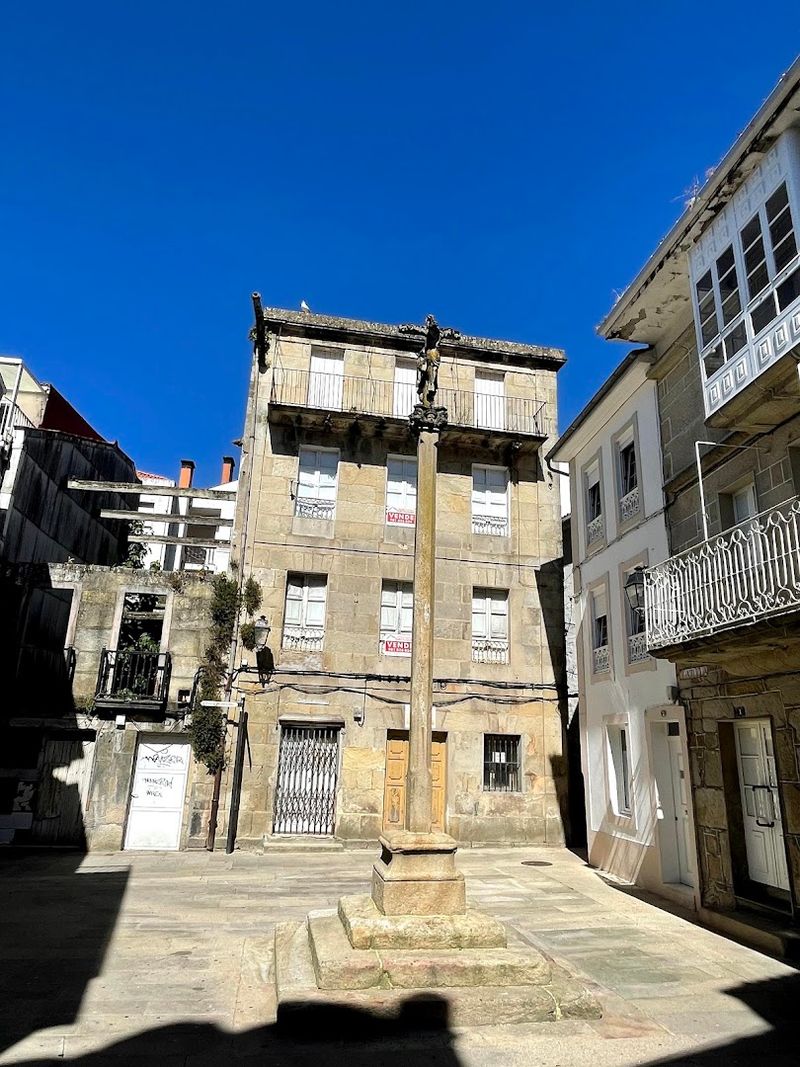
Galicia has a habit of looking more like Ireland than Spain, and Muros leans fully into that identity with its grey granite buildings, misty Atlantic skies, and moody harbor atmosphere. Situated at the mouth of the Ría de Muros e Noia, this historic port has been a working fishing community since the Middle Ages, and it has absolutely no intention of changing.
The old town is a joy to walk through. Covered granite arcades line the main streets, sheltering locals and visitors alike from the frequent Galician drizzle.
The fish market near the waterfront is a sensory overload in the best possible way, with vendors selling everything from enormous turbot to bags of tiny clams destined for someone’s kitchen that evening.
Muros also serves as a practical base for exploring the surrounding coast. The beaches of the Louro peninsula are wide, wild, and almost always uncrowded.
Seafood here is exceptional and reasonably priced, especially the famous Galician octopus cooked with olive oil and paprika. The town’s medieval quarter, with its Romanesque church and centuries-old stone houses, gives Muros a cultural depth that many prettier-looking coastal towns simply cannot match.
Genuine and unpretentious in equal measure.
Cadaqués, Catalonia
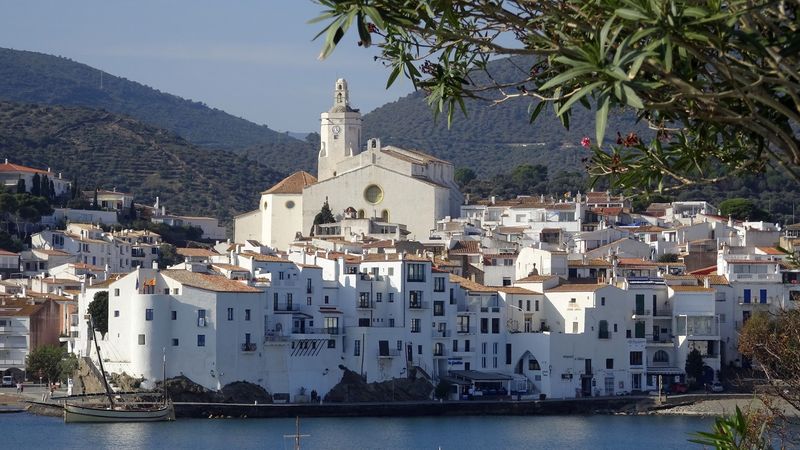
Salvador Dalí chose Cadaqués as his home, and once you see it, you completely understand why a surrealist would fall for this place. The town’s white cubic houses tumble toward a rocky cove with an almost dreamlike quality, especially in the golden light of late afternoon.
It looks like someone designed it specifically to be painted.
Reaching Cadaqués used to require navigating a winding mountain road that kept mass tourism firmly at bay. That road has improved, but the town has wisely avoided over-development, keeping its whitewashed charm largely intact.
The surrounding Cap de Creus Natural Park, the easternmost point in mainland Spain, offers extraordinary hiking trails above dramatic sea cliffs.
The artistic legacy here runs deep. The Dalí House-Museum in nearby Portlligat is one of the most fascinating artist’s homes in Europe, filled with the painter’s eccentric personal touches and surrounded by beautiful gardens.
Back in town, art galleries, independent bookshops, and excellent Catalan restaurants fill the narrow lanes. Anchovies from the nearby town of L’Escala are a local delicacy worth trying.
Cadaqués manages the rare trick of being both genuinely beautiful and genuinely interesting, a combination that keeps visitors coming back year after year.
Peñíscola, Valencian Community
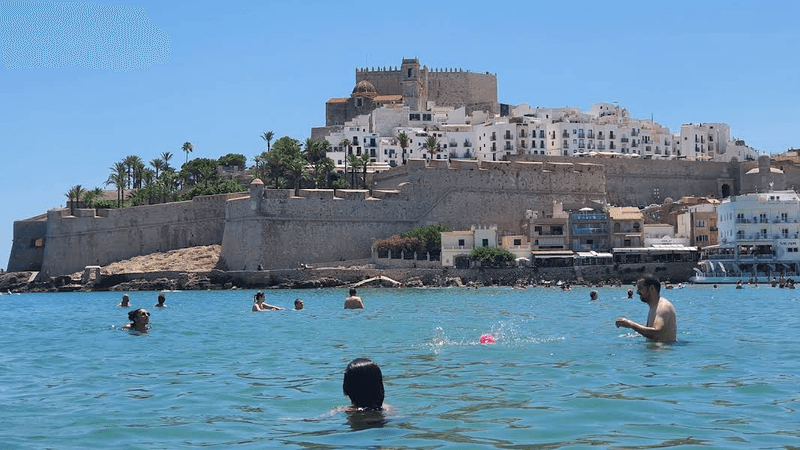
A medieval castle sitting on a rocky peninsula jutting into the Mediterranean sounds like something from a fantasy novel, but Peñíscola makes it completely real. The fortified old town, built by the Knights Templar in the 14th century, rises above the sea on all sides and is genuinely one of the most dramatic coastal silhouettes in Spain.
Inside the castle walls, the old town is a tangle of whitewashed lanes, flower-filled balconies, and small shops selling local ceramics and honey. The castle itself served as the residence of the exiled Pope Benedict XIII in the early 15th century, which gives Peñíscola an unexpectedly papal history that surprises most visitors.
The views from the ramparts over the surrounding beaches are spectacular.
Below the old town, long sandy beaches stretch in both directions, popular with Spanish families during summer but rarely overwhelming. The town is well-known to Spanish vacationers but curiously overlooked by international travelers, which means prices remain reasonable and the atmosphere stays relaxed.
Fresh seafood, particularly clams and local rice dishes, is exceptional here. Visiting outside of July and August means you get all the beauty with almost none of the crowds, which is a genuinely excellent deal.
Hondarribia, Basque Country
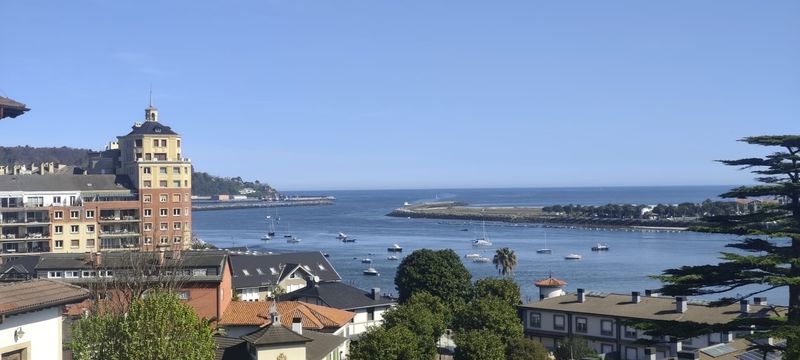
Hondarribia might be the most underrated town on the entire Spanish coast, and locals seem perfectly happy keeping that secret to themselves. Sitting at the mouth of the Bidasoa River, right on the French border, this compact Basque gem packs a medieval walled quarter, a colorful fishing district, and some of the best pintxos bars in the region into a surprisingly small space.
The old town is enclosed by walls built by Emperor Charles V and is remarkably well preserved. The main square, Plaza de Armas, is lined with grand stone buildings and a parador (state-run luxury hotel) housed in a former royal castle.
A short walk downhill takes you to the fishing district of La Marina, where brightly painted wooden houses with carved balconies overflow with hanging flower baskets.
The food scene here is extraordinary even by Basque standards, which is saying something remarkable. Pintxos bars along the waterfront serve elaborate little bites with cold cider or local txakoli wine.
The estuary views across to the French town of Hendaye are lovely, and a small ferry connects the two countries in minutes. Hondarribia rewards anyone willing to look slightly beyond San Sebastian’s well-deserved fame.
San José, Andalusia
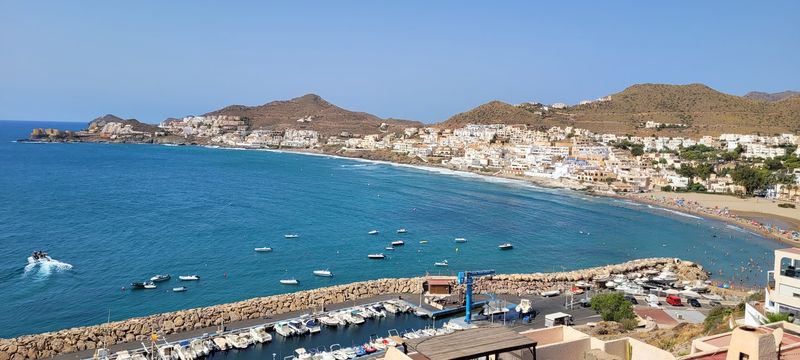
Most of Andalusia’s coastline has been developed within an inch of its life, which makes the area around San José feel like a miracle. This small, low-key village sits at the edge of Cabo de Gata-Níjar Natural Park, a protected volcanic landscape where the beaches are genuinely wild, the water is impossibly clear, and building regulations have kept concrete resorts firmly out of the picture.
The park contains some of the most beautiful and least visited beaches in all of Spain. Playa de los Genoveses is a sweeping crescent of golden sand backed by scrubby dunes, accessible only by a dirt track that discourages casual visitors.
Playa de Mónsul has dramatic volcanic rock formations that look like they belong on another planet entirely.
San José itself is a relaxed base with good restaurants, a small harbor, and a genuinely unhurried pace of life. The local specialty is fresh fish grilled simply over charcoal, usually eaten at outdoor tables while watching the sun melt into the Mediterranean.
The area gets hot in summer, so spring and autumn visits offer perfect weather alongside near-empty beaches. This corner of Andalusia is proof that Spain’s southern coast still has extraordinary wild places left to discover.
Combarro, Galicia
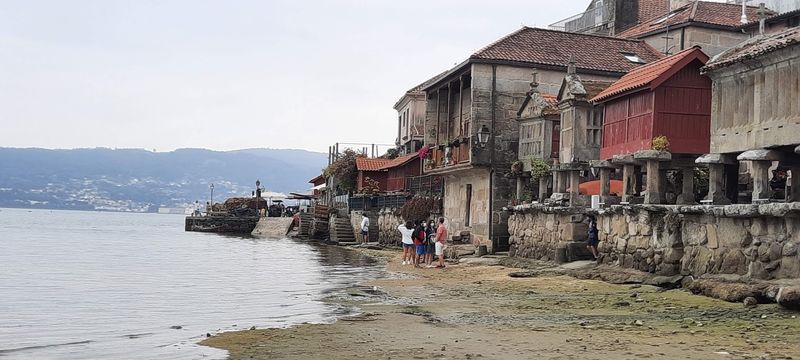
Standing on Combarro’s waterfront and watching the tide lap at the base of centuries-old stone granaries is the kind of experience that makes you feel like time has genuinely slipped sideways. These granaries, called hórreos, are raised on stone pillars to keep grain dry and rodent-free, and Combarro has one of the largest and most photogenic collections anywhere in Galicia.
It’s an unusual sight, and a completely unforgettable one.
The village sits on the Ría de Pontevedra and has been a fishing settlement for hundreds of years. Its cobblestone lanes are narrow enough that two people walking side by side have to negotiate who moves first.
Stone crosses called cruceiros dot the village at seemingly every corner, a distinctly Galician tradition that gives Combarro an almost mystical atmosphere.
Seafood taverns line the waterfront, serving razor clams, mussels, and Galician-style octopus at prices that feel almost unfairly reasonable. The nearby city of Pontevedra, just a short drive away, has a beautifully preserved old town worth combining with a Combarro visit.
Combarro itself remains small, authentic, and genuinely moving in its quiet insistence on preserving what it has always been. Few villages in Spain carry their history so naturally and so gracefully.
Luarca, Asturias
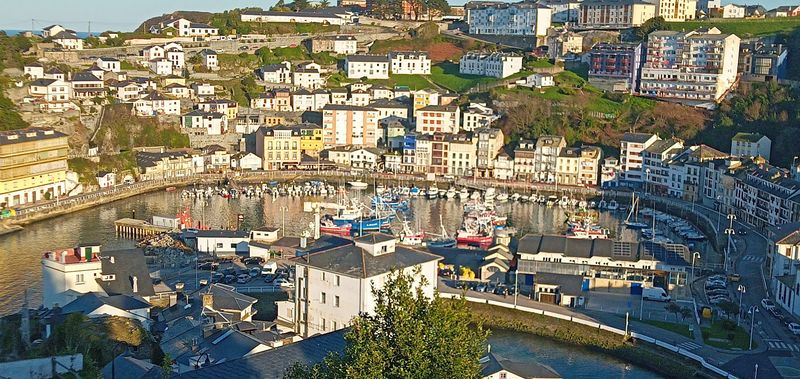
Luarca earned its nickname, the White Village of the Green Coast, with zero exaggeration. Brilliant white buildings crowd around a natural harbor carved into the Asturian cliffs, and the contrast between the whitewash, the green hills, and the dark Atlantic water is genuinely striking.
Add a hilltop cemetery with sweeping ocean views and you have a place that is equal parts beautiful and slightly theatrical.
The harbor area is lively without being touristy. Fishing boats unload their catch each morning, and the covered fish market nearby hums with activity that has nothing to do with tourism.
Local cider houses, called sidrerías, pour Asturian cider with the traditional long-pour technique that aerates the drink and impresses anyone watching for the first time.
Luarca also claims to be the birthplace of Severo Ochoa, a Nobel Prize-winning biochemist, which gives the town an unexpected scientific footnote alongside all its maritime charm. The surrounding cliffs hide small, quiet beaches accessible via coastal walking paths, and the town’s lighthouse offers one of the finest sunset viewpoints on the entire northern coast.
Luarca is the sort of place that takes about twenty minutes to fall in love with and considerably longer to leave. Plan accordingly.
Zahara de los Atunes, Andalusia
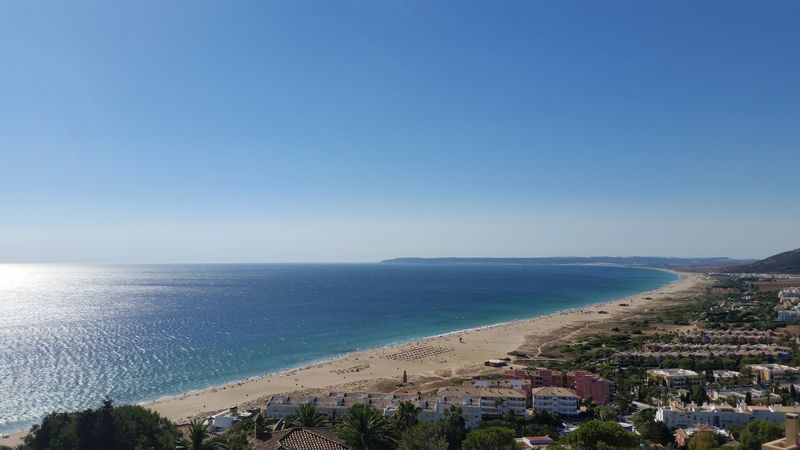
The name translates roughly to Zahara of the Tunas, and yes, this village built its entire identity around catching bluefin tuna in the Strait of Gibraltar. The ancient almadrava tuna trap method, used here for over 3,000 years, is still practiced today during the spring migration, making Zahara one of the last places in the world where this extraordinary fishing tradition survives in any meaningful form.
Beyond the tuna history, Zahara offers something increasingly rare on the Spanish coast: a long, wide, utterly gorgeous beach that the Atlantic wind keeps from ever feeling overcrowded. The Costa de la Luz beaches face west, which means the sunsets here are genuinely spectacular, painting the sky in colors that make even seasoned travelers reach for their cameras.
The village itself is small, low-rise, and refreshingly uncommercial. A handful of excellent restaurants serve fresh bluefin tuna prepared in ways that reveal why this fish commands such reverence among chefs worldwide.
The nearby town of Vejer de la Frontera, a hilltop white village just inland, makes a perfect day trip. Zahara sits close enough to Tarifa to feel the energy of Africa just across the water, adding a geographic thrill that few other Spanish beach towns can offer.
Share this story