Some cities stop you in your tracks the moment you see them. Whether it’s a skyline glittering at night or a centuries-old cathedral rising above cobblestone streets, certain places carry a magic that’s hard to put into words.
These 15 cities around the world have mastered the art of blending the old with the new, creating urban landscapes that feel both alive and deeply rooted in history. Get ready to add some serious destinations to your travel wish list.
New York City, New York, United States
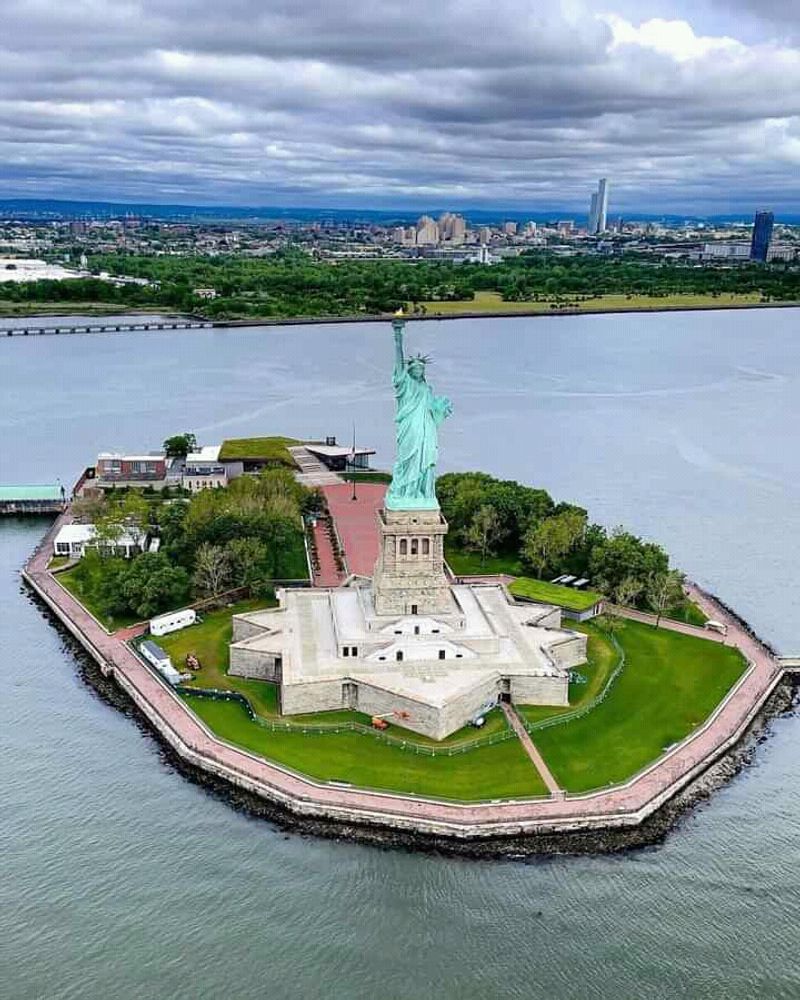
Standing at the edge of the Brooklyn Bridge and looking back at Manhattan might just be one of the greatest views on Earth. The Empire State Building, One World Trade Center, and the Chrysler Building form a skyline so iconic it has appeared in thousands of movies, photos, and dreams.
No matter how many times you see it, the sheer scale still hits hard.
Beyond the towers, New York City offers history at every corner. The Statue of Liberty has welcomed millions of immigrants since 1886, and Grand Central Terminal’s celestial ceiling still makes jaws drop daily.
Central Park provides a green escape right in the heart of the concrete jungle.
Walking through neighborhoods like the Lower East Side or Harlem adds even more layers to the story. New York rewards curious visitors who look beyond the tourist trail.
Whether you arrive by ferry, subway, or on foot, this city greets everyone with the same electrifying energy that has made it legendary for well over a century.
Paris, France
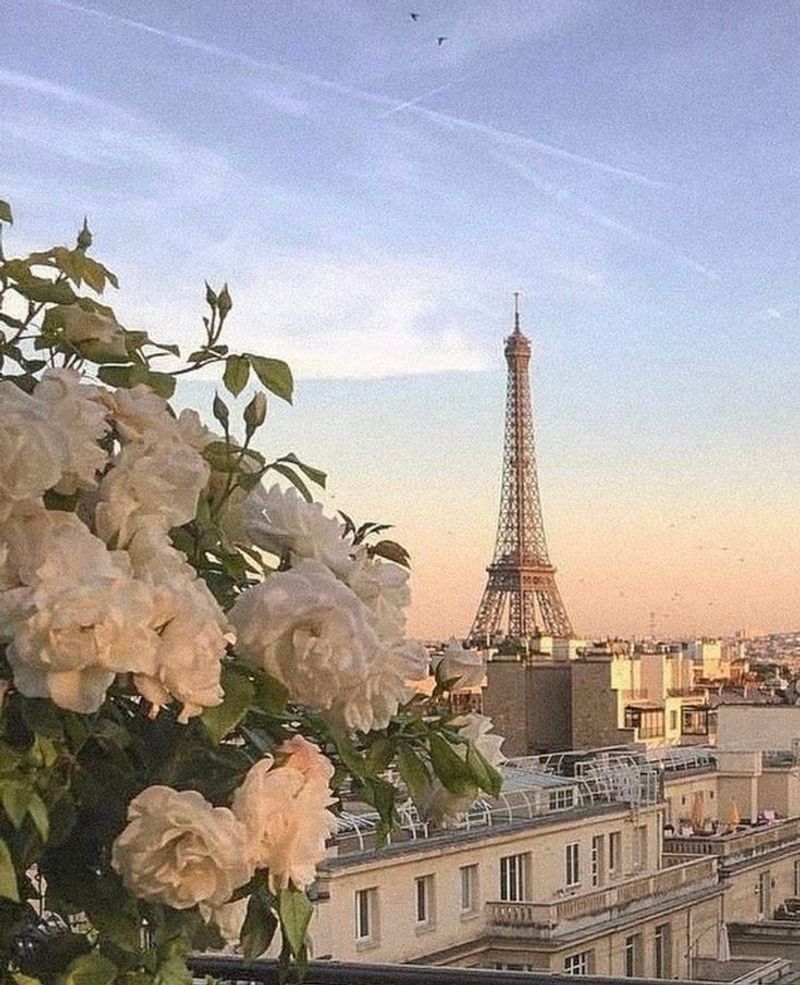
There is a reason people have been painting Paris for centuries. The city moves at a pace that feels almost cinematic, with wide boulevards lined by creamy limestone buildings, flower stalls spilling onto sidewalks, and the Eiffel Tower appearing around unexpected corners.
It earns every bit of its reputation as one of the most beautiful cities ever built.
History runs incredibly deep here. Notre-Dame Cathedral, currently undergoing restoration after a devastating 2019 fire, dates back to the 12th century.
The Louvre holds over 35,000 works of art, including the Mona Lisa, and could honestly keep you busy for a week. The Arc de Triomphe sits at the center of twelve radiating avenues, a layout that reflects Napoleon’s bold ambitions.
Head to La Defense on the western edge and you will find a completely different Paris, one of glass towers and modern architecture. The contrast between old and new is handled with such style that it feels intentional rather than jarring.
Paris does not just preserve its beauty; it actively adds to it, making every visit feel fresh and full of discovery.
Istanbul, Türkiye
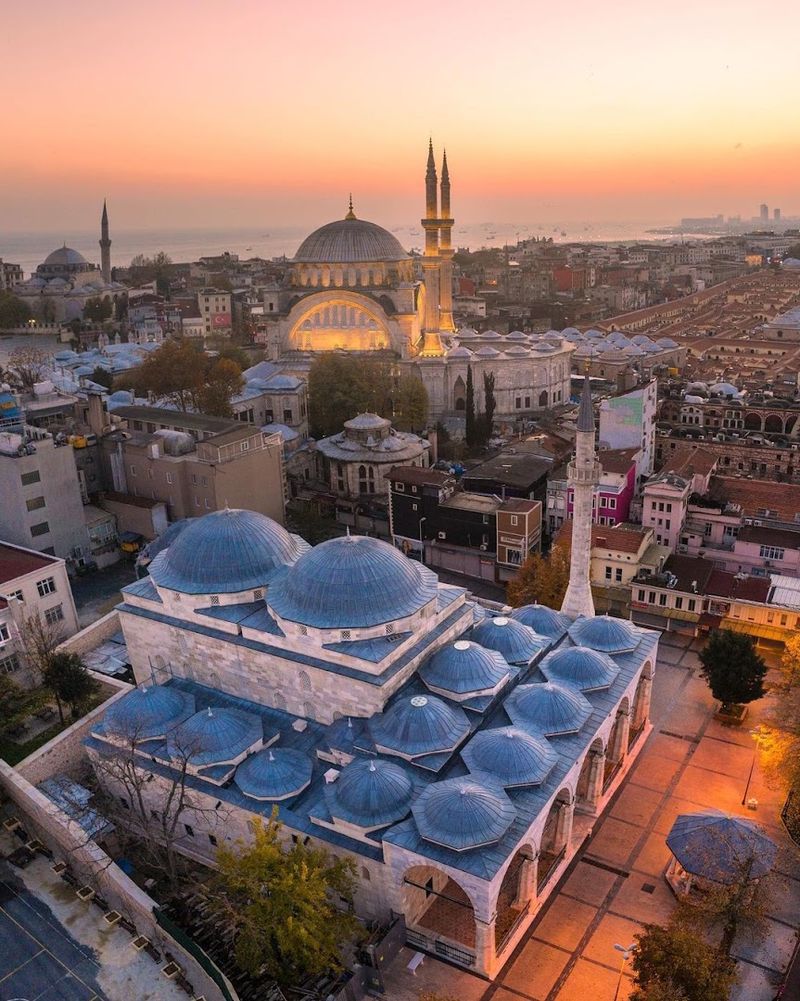
Istanbul is the only city in the world that sits on two continents, and honestly, that detail alone should be enough to book a ticket. The Bosphorus Strait separates Europe from Asia, and ferries crossing it daily offer some of the most breathtaking urban views imaginable.
The skyline of domes and minarets rising above the water is nothing short of extraordinary.
Hagia Sophia has been standing since 537 AD, which means it has survived empires, earthquakes, and centuries of change while remaining one of the most impressive structures ever built. The Blue Mosque next door features six minarets and an interior decorated with over 20,000 hand-painted tiles.
Topkapi Palace, home to Ottoman sultans for centuries, overlooks the strait with a commanding presence.
Beyond the grand monuments, Istanbul rewards slow exploration. The Grand Bazaar covers 61 covered streets and around 4,000 shops, making it one of the oldest and largest covered markets in the world.
Neighborhoods like Balat and Kadikoy offer colorful streets, local cafes, and a glimpse into everyday Istanbul life. Few cities carry this much history while feeling so vibrant and alive today.
Sydney, Australia
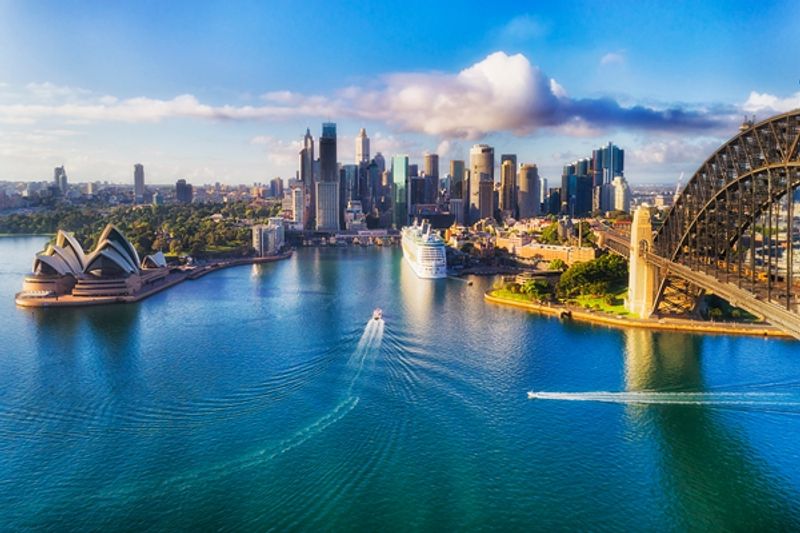
Seeing the Sydney Opera House for the first time from the water is a genuinely jaw-dropping experience. Its curved white shell roofs seem to float above the harbor like a fleet of sailing boats frozen mid-voyage.
Jorn Utzon’s design was so radical when it was proposed in 1957 that many people thought it could never actually be built.
The Harbour Bridge stretches 503 meters across the water and offers one of Sydney’s most thrilling experiences: a guided climb to the very top, 134 meters above sea level. On a clear day, the panoramic views of the city, harbor, and surrounding suburbs are absolutely unforgettable.
The bridge has been connecting the city since 1932 and remains an engineering marvel.
Sydney’s character goes far beyond its two signature icons. The Royal Botanic Garden sits right beside the Opera House and offers a peaceful green escape with harbor views.
Neighborhoods like The Rocks preserve colonial-era sandstone buildings that date back to 1788. Bondi Beach adds a relaxed, sun-soaked energy that balances the city’s more polished side.
Sydney somehow manages to feel cosmopolitan and laid-back at exactly the same time.
Chicago, Illinois, United States
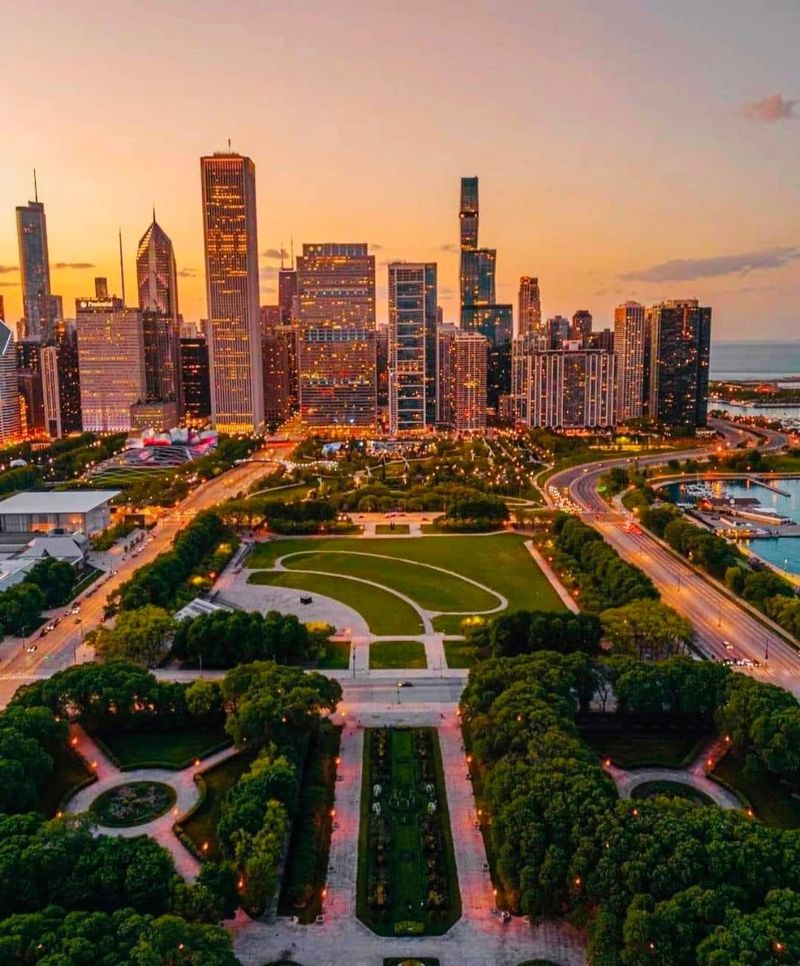
Chicago essentially invented the modern skyscraper, and the city has never let anyone forget it. After the Great Fire of 1871 wiped out much of the city, architects arrived with bold new ideas and iron frameworks that would change urban design forever.
Walking along the Chicago Riverwalk today feels like flipping through a living textbook of architectural history.
The Willis Tower, formerly known as the Sears Tower, held the title of world’s tallest building for 25 years after its completion in 1973. Its Skydeck offers a glass-floored ledge extending four feet out from the 103rd floor, which is either thrilling or absolutely terrifying depending on your tolerance for heights.
Either way, the view of Lake Michigan stretching to the horizon is worth every nervous step.
Chicago’s historic character shows up in unexpected places. The Wrigley Building glows white along the river, while Tribune Tower features stones embedded in its base collected from famous sites worldwide, including the Colosseum and the Great Wall of China.
Navy Pier juts into Lake Michigan with a Ferris wheel and stunning water views. Deep-dish pizza, blues music, and world-class museums round out a city that consistently over-delivers on every front.
Rome, Italy
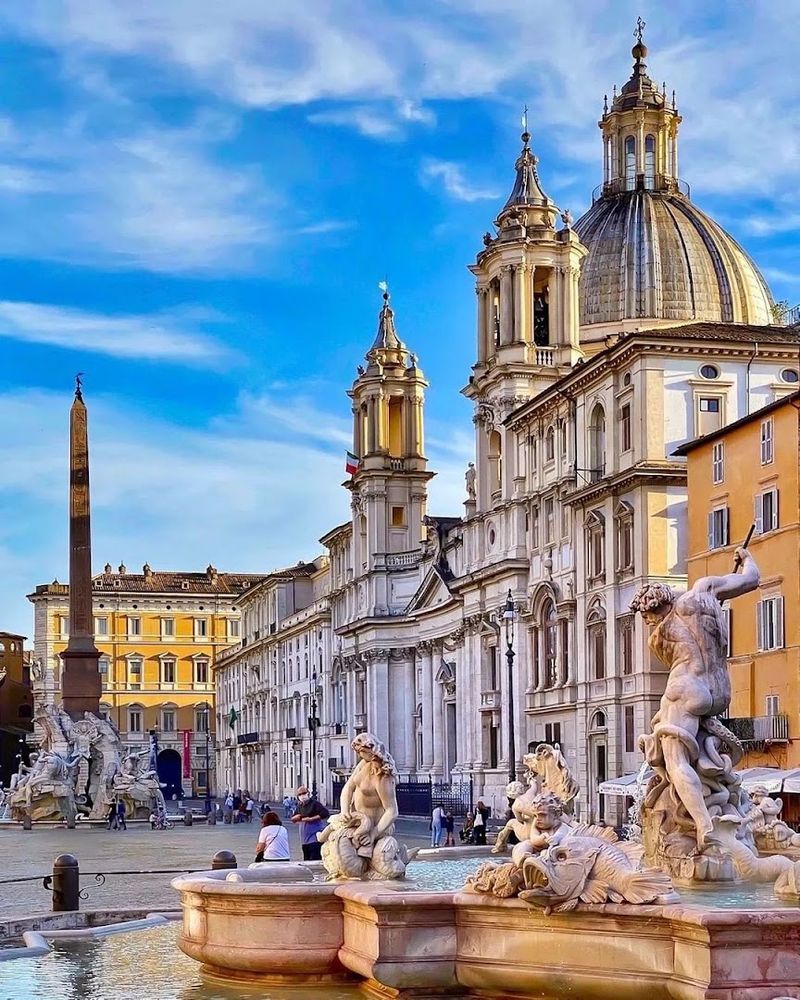
Rome does not just have history; Rome is history. Walking through the city sometimes feels like moving through time itself, with 2,000-year-old ruins sitting casually beside bustling coffee bars and gelato shops.
The Colosseum, completed in 80 AD, once held up to 80,000 spectators watching gladiatorial contests, and it still draws crowds that would have impressed even the Roman emperors.
The Roman Forum stretches out beside the Colosseum as a vast open-air site of temples, arches, and ancient roads that once formed the heart of the Roman Republic. The Pantheon nearby has been standing for nearly 2,000 years and still features its original unreinforced concrete dome with a 9-meter circular opening at the top.
Rain falls straight through, drains away instantly, and somehow that feels perfectly Roman.
Vatican City sits within Rome’s boundaries and adds yet another layer of wonder. St. Peter’s Basilica, Michelangelo’s Sistine Chapel ceiling, and the Vatican Museums together represent one of the greatest concentrations of art and architecture anywhere on Earth.
Toss a coin into the Trevi Fountain, wander through Trastevere’s cobblestone alleys, and eat cacio e pepe at a sidewalk table. Rome makes even ordinary moments feel historically significant.
Hong Kong, China
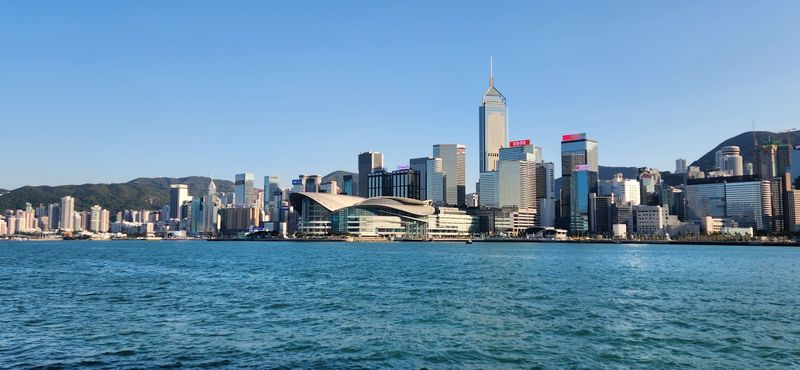
Seen from Victoria Peak at night, Hong Kong looks like someone scattered a million diamonds across a hillside and forgot to clean them up. The density of the skyline is almost incomprehensible, with skyscrapers packed so tightly together that the city seems to defy any normal idea of space.
Hong Kong has more buildings taller than 150 meters than any other city on Earth.
What makes Hong Kong especially fascinating is how dramatically the ultra-modern contrasts with the deeply traditional. Temples like Man Mo, dedicated to the gods of literature and war, sit quietly in the shadow of glass towers.
Traditional wet markets sell live seafood just blocks away from gleaming luxury malls. The city holds both worlds simultaneously without apology.
Victoria Harbour separates Hong Kong Island from Kowloon, and the Star Ferry crossing between them has been running since 1888. The nightly Symphony of Lights show illuminates the skyline with lasers and searchlights synchronized to music, drawing crowds to the waterfront every evening.
Hiking trails on Lantau Island offer sweeping views and a surprising escape from the urban intensity. Hong Kong constantly reminds visitors that a city can be many things at once.
Prague, Czech Republic
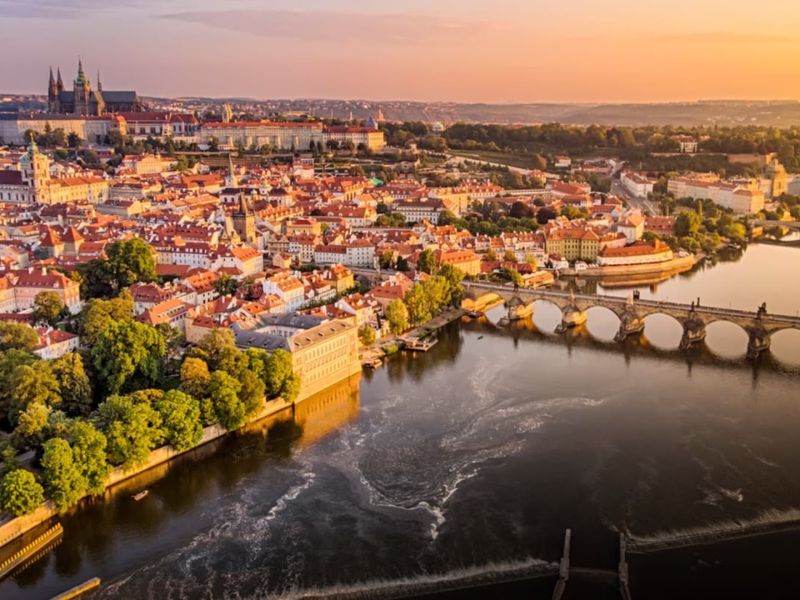
Prague sometimes feels less like a real city and more like a fairy tale someone forgot to end. The skyline of Gothic spires, Baroque domes, and medieval towers has earned the city its nickname, the City of a Hundred Spires, though the actual count is reportedly much higher.
Standing on Charles Bridge at dawn, before the crowds arrive, is one of Europe’s most quietly magical experiences.
Prague Castle is the largest ancient castle complex in the world by area, covering over 70,000 square meters on a hilltop above the Vltava River. St. Vitus Cathedral inside the castle grounds took nearly 600 years to complete, from 1344 to 1929.
The stained glass windows inside create a light show that no modern technology could reasonably improve upon.
The Old Town Square below features the Astronomical Clock, which has been marking the hours since 1410. Every hour, figures of the apostles parade past two small windows while a skeleton rings a bell to remind onlookers that time is passing.
It is wonderfully theatrical and completely medieval. Prague’s preserved architecture means the city looks remarkably similar to how it appeared 400 years ago, which is either astonishing or slightly eerie depending on your mood.
London, England, United Kingdom
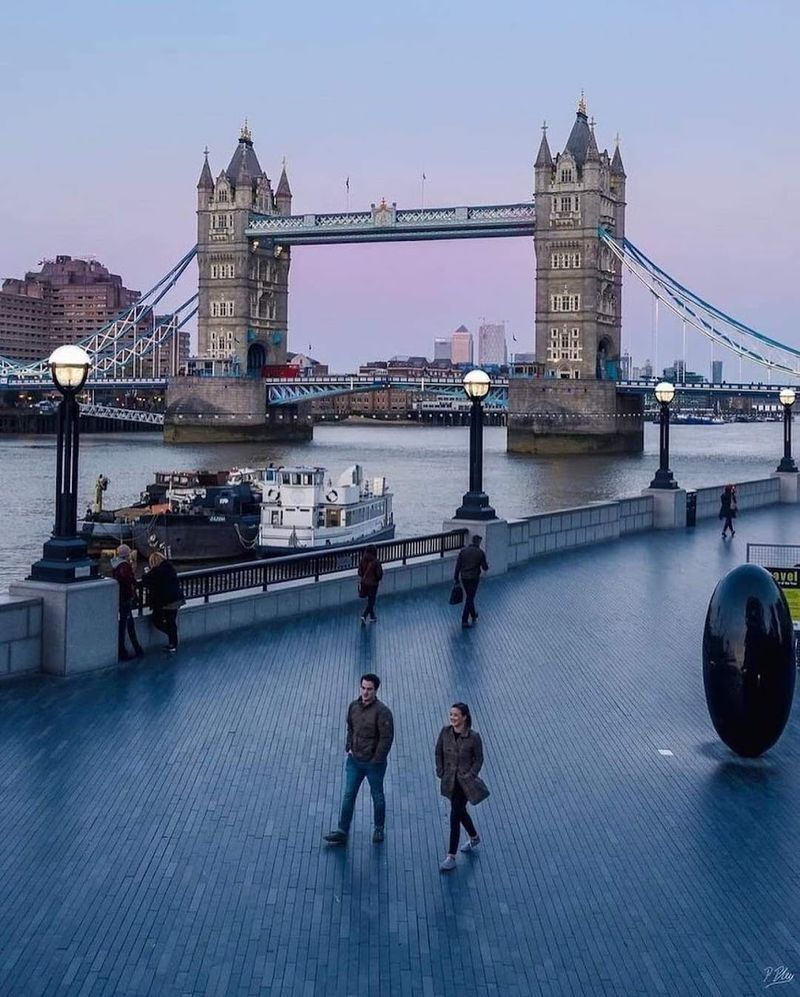
London has been continuously inhabited for over 2,000 years, and somehow the city manages to feel both ancient and completely current at the same time. The Romans called it Londinium and built the first bridge across the Thames around 50 AD.
Today, that same river flows past The Shard, one of Western Europe’s tallest buildings, making for a timeline that spans two millennia in a single glance.
Tower Bridge is one of the most photographed structures in the world, and it earns that attention. Built in 1894, it still raises its bascules to allow tall ships through the Thames, which happens around 800 times per year.
The Tower of London next door served as a royal palace, prison, and execution site over its 1,000-year history, and the Crown Jewels are still kept safely inside.
Westminster Abbey has hosted every royal coronation since 1066 and contains the graves of over 3,000 notable figures, from scientists to poets to monarchs. Buckingham Palace, Hyde Park, the British Museum, and the London Eye all add to a city that simply refuses to run out of things to offer.
Grab fish and chips, hop on a red double-decker, and let London do what it does best.
Cape Town, South Africa
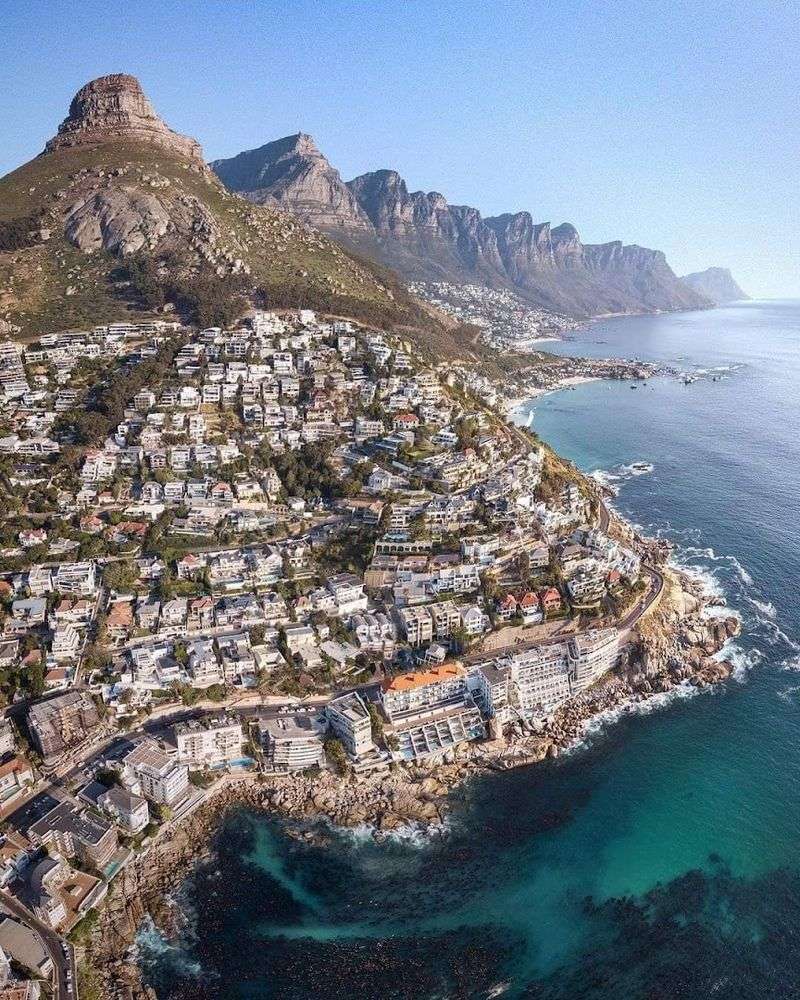
Table Mountain does not just serve as a backdrop for Cape Town; it essentially defines the entire city’s identity. The flat-topped mountain rising 1,086 meters above the ocean is visible from nearly everywhere in the city, and on certain days a layer of cloud spills over its edges like a tablecloth, creating a scene that feels almost theatrical.
It is one of the New Seven Wonders of Nature for very good reason.
The Bo-Kaap neighborhood adds a burst of color to the city’s character, with houses painted in vivid pinks, yellows, and blues lining steep cobblestone streets. The area has been home to Cape Malay culture for centuries, and the local cuisine reflects that heritage beautifully.
The Castle of Good Hope, completed in 1679, is the oldest surviving colonial building in South Africa and sits near the city center.
Victoria and Alfred Waterfront combines historic harbor buildings with modern restaurants, shops, and cultural venues, all set against mountain and ocean views. Robben Island, visible across the bay, carries the powerful history of Nelson Mandela’s 18-year imprisonment.
Cape Town manages to be a city of extraordinary natural beauty and profound historical weight at exactly the same time, which makes it deeply unforgettable.
Singapore
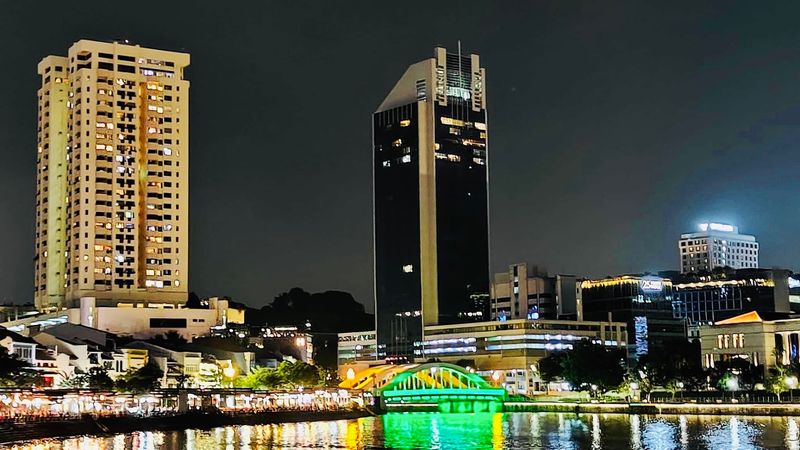
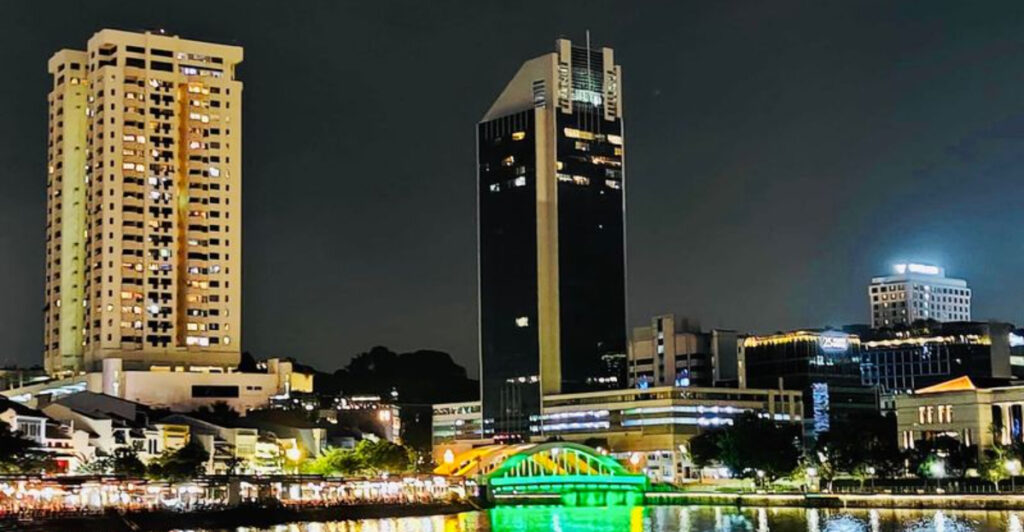
Singapore packs more visual drama per square kilometer than almost any city on Earth. The Marina Bay Sands hotel, with its three towers topped by a massive boat-shaped sky park, has become one of the most recognizable structures in Asia since opening in 2010.
The rooftop infinity pool stretching 150 meters above the city is the kind of thing that makes people question their life choices when they see it on someone else’s vacation photos.
Gardens by the Bay adds another layer of spectacle with its Supertree Grove, where towering steel tree structures between 25 and 50 meters tall light up in synchronized color shows each evening. The Cloud Forest dome inside contains a 35-meter indoor waterfall surrounded by thousands of tropical plants.
Singapore makes futuristic design feel completely natural rather than forced or gimmicky.
The city’s preserved heritage neighborhoods provide a striking contrast to all this gleaming modernity. Chinatown features temples and traditional shophouses; Little India bursts with color, spice shops, and garlands of marigolds; Kampong Glam centers around the golden-domed Sultan Mosque.
Singapore’s street food scene, celebrated worldwide, ties all these cultures together at hawker centers where extraordinary meals cost just a few dollars. It is a city that genuinely has it all.
Edinburgh, Scotland, United Kingdom
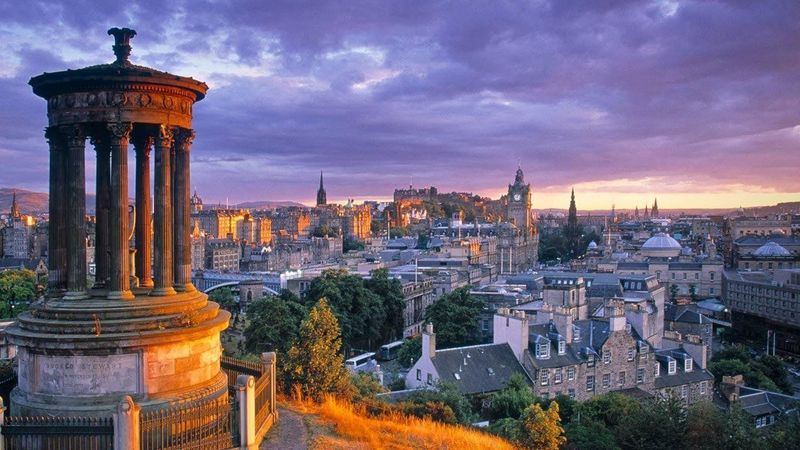
Edinburgh Castle sits on top of an ancient volcanic rock called Castle Rock, which has been fortified for over 3,000 years. The view from the castle’s esplanade takes in the entire city, from the medieval Old Town scrambling down the Royal Mile to the elegant Georgian grid of New Town stretching toward the Firth of Forth.
It is one of the most satisfying urban panoramas in all of Europe.
The Royal Mile connecting the castle to the Palace of Holyroodhouse is packed with closes, which are narrow alleyways hiding courtyards, hidden bars, and centuries of stories. Mary Queen of Scots once lived in Holyroodhouse, and the palace still serves as the official Scottish residence of the British monarch.
Arthur’s Seat, an ancient volcano rising 251 meters above the city, offers a surprisingly accessible hike with staggering views.
Edinburgh also hosts the world’s largest arts festival every August, the Edinburgh Festival Fringe, which transforms the city into a nonstop performance venue with thousands of shows happening simultaneously. Scottish cuisine has come a long way from its haggis-and-neeps reputation, with a thriving restaurant scene showcasing local seafood, whisky, and creative cooking.
Edinburgh rewards visitors who take their time and wander without a fixed plan.
Dubai, United Arab Emirates
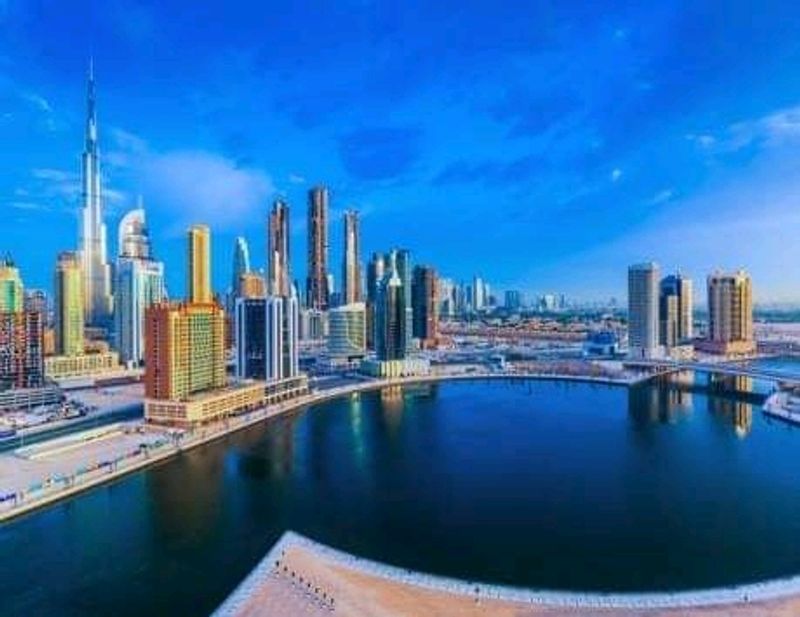
The Burj Khalifa stands 828 meters tall, making it the tallest building in the world by a margin that still feels slightly unbelievable. When construction finished in 2010, Dubai essentially told the rest of the world that it was just getting started.
The observation deck on the 148th floor offers views stretching over 95 kilometers on a clear day, which means you can actually see the curvature of the Earth.
What surprises many visitors is how much genuine history Dubai holds alongside its futuristic image. The Al Fahidi Historical Neighbourhood features wind-tower architecture dating back to the 1890s and now houses art galleries and museums in its restored buildings.
Traditional wooden abras still ferry passengers across Dubai Creek between the gold and spice souks, just as they have done for generations.
The Palm Jumeirah, an artificial palm-shaped island built into the Persian Gulf, hosts luxury hotels and residences that can be seen from space. Dubai Mall, one of the largest shopping centers in the world, contains an indoor ice rink and an aquarium holding 33,000 aquatic animals.
Dubai builds things that most cities would only dream about, and then builds something bigger the following year. The ambition here is genuinely on another level.
Kyoto, Japan
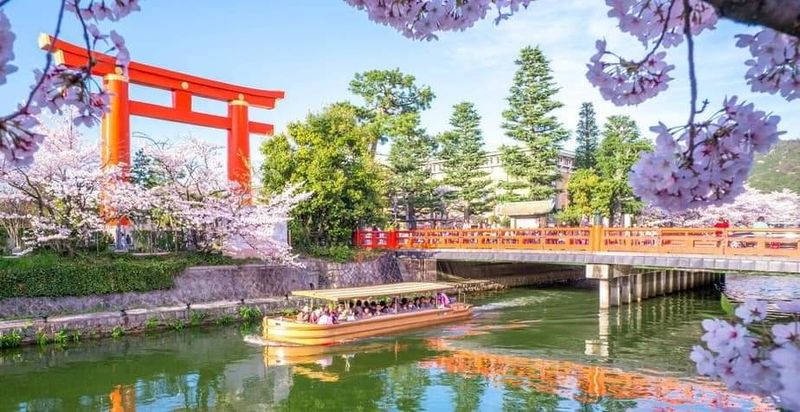
Kyoto was Japan’s imperial capital for over a thousand years, and the city has treated that legacy with extraordinary care. Unlike Tokyo’s vertical ambitions, Kyoto keeps its skyline intentionally low, allowing temples, shrines, and wooden districts to remain the visual focus.
The result is a cityscape that feels contemplative and unhurried, as if time here runs by different rules.
The city contains 17 UNESCO World Heritage Sites, including Kinkakuji, the Golden Pavilion, which reflects perfectly in the pond beside it on calm mornings. Fushimi Inari Shrine features thousands of vermilion torii gates winding up a forested mountain, creating one of Japan’s most photographed and genuinely awe-inspiring walking experiences.
The Arashiyama Bamboo Grove nearby produces an almost surreal rustling sound when the wind moves through its towering stalks.
Gion, Kyoto’s most famous geisha district, preserves wooden machiya townhouses along lantern-lit streets where the past feels genuinely present rather than staged. Kyoto’s kaiseki cuisine, a multi-course meal built around seasonal ingredients and meticulous presentation, is considered by many chefs to be among the world’s most refined dining experiences.
Visiting during cherry blossom season in late March or early April turns the entire city into something close to a living painting.
Lisbon, Portugal
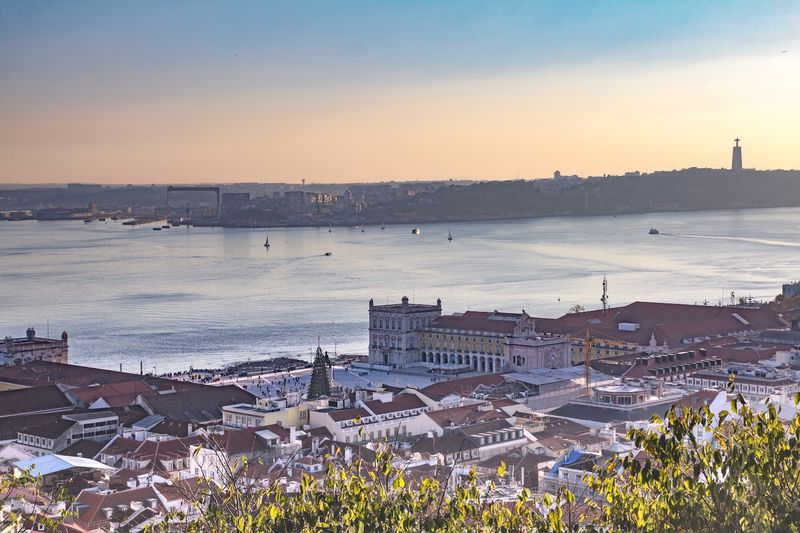
Lisbon is the kind of city that sneaks up on you. It does not shout its beauty the way some European capitals do; instead, it reveals itself gradually through tilework, tram bells, river light, and the sound of fado music drifting from an open doorway.
Built across seven hills above the Tagus River, the city offers a new viewpoint from every hilltop, each one worth the climb.
The Alfama district, Lisbon’s oldest neighborhood, survived the catastrophic 1755 earthquake that destroyed much of the city and still features a maze of narrow medieval streets winding up toward Sao Jorge Castle. Belem Tower, built in 1519 to guard the mouth of the Tagus, is a masterpiece of Manueline architecture, a distinctly Portuguese style mixing Gothic forms with maritime motifs.
Jeronimos Monastery nearby was built to celebrate Vasco da Gama’s historic voyage to India.
The iconic yellow Tram 28 rattles through the city’s steepest and most scenic streets, passing through Alfama, Graca, and Estrela in a ride that costs just a few euros and delivers more atmosphere per kilometer than almost any transit experience in Europe. Modern Lisbon has grown confidently along the Tagus waterfront with restaurants, cultural centers, and a creative energy that feels fresh without erasing what came before.
Share this story