Idaho is one of those states that keeps surprising you. Most people picture potatoes, but the real story is written in glacial lakes, volcanic plains, hidden hot springs, and forests so quiet you can hear your own thoughts again. From the jagged Sawtooth Mountains in the north to the Snake River canyon country in the south, the state is packed with places that genuinely slow life down. What makes Idaho special is not just the scenery but the fact that so many of these spots remain uncrowded, unhurried, and completely free of the usual tourist chaos.
This list covers fifteen destinations across the state where peace is not just possible but practically guaranteed. Some require a short hike, others just a parking spot and a good pair of walking shoes. Either way, each one delivers something most people are desperately looking for: a real break from everything.
1. Redfish Lake, Stanley, Idaho
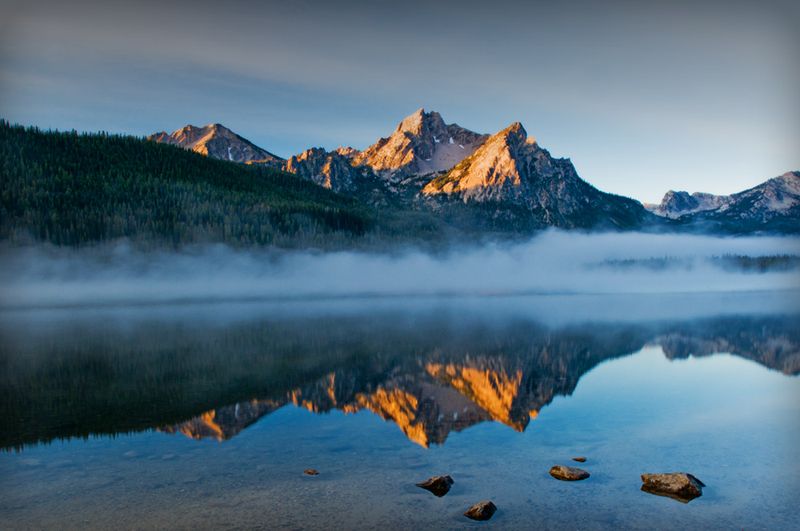
At 4.5 miles long and reaching depths of 387 feet, Redfish Lake is the largest lake in the Sawtooth National Recreation Area, and it earns every inch of that reputation.
Today, visitors come for hiking trails that stretch up to 17.5 miles, kayaking on glacially clear water, and fishing for rainbow trout and Chinook salmon.
Redfish Lake Lodge runs a seasonal marina with boat rentals and a cross-lake ferry that hikers actually use to reach trailheads. Multiple campgrounds are bookable through recreation.gov, and wildlife including elk, mule deer, and black bears roam the surrounding Ponderosa pine forests.
2. City of Rocks National Reserve, Almo, Idaho
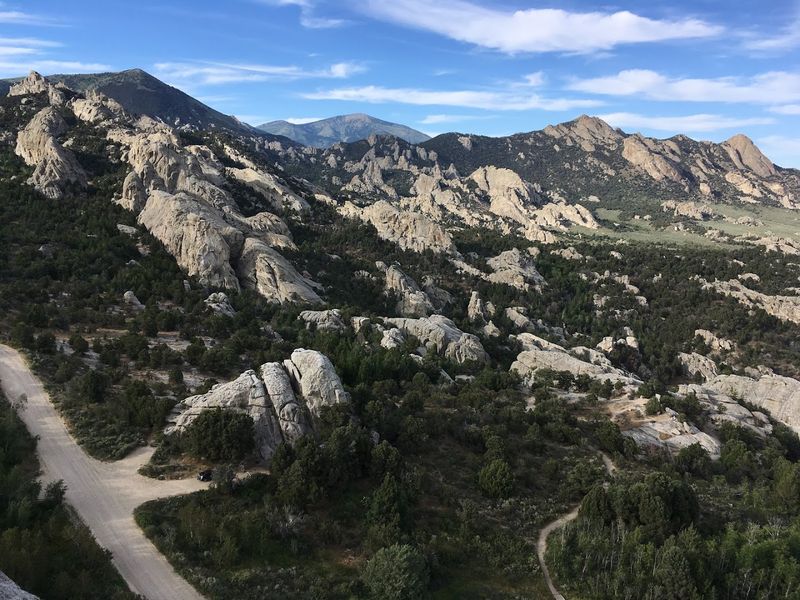
Some of these granite spires rise sixty stories into the air, and they have been doing so for roughly 2.5 billion years, which makes them some of the oldest exposed rocks in the entire western United States.
The reserve earned its nickname, the Silent City of Rocks, honestly. Erosion has carved the formations into windows, arches, and hollow chambers that look like something from another planet entirely.
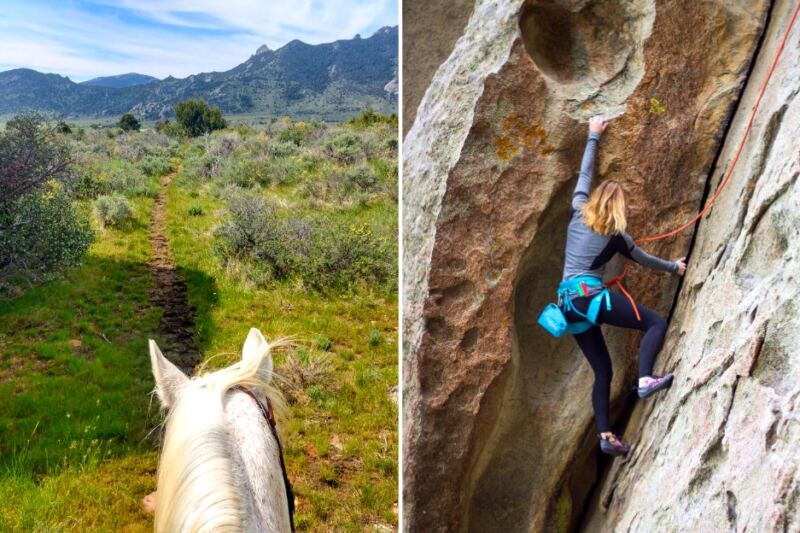
Rock climbers have logged over 1,000 routes since the 1980s, but non-climbers have access to 22 miles of hiking trails across the high desert. In January 2023, the reserve earned International Dark Sky Park status, adding exceptional stargazing to its long list of draws.
3. Harriman State Park, Island Park, Idaho
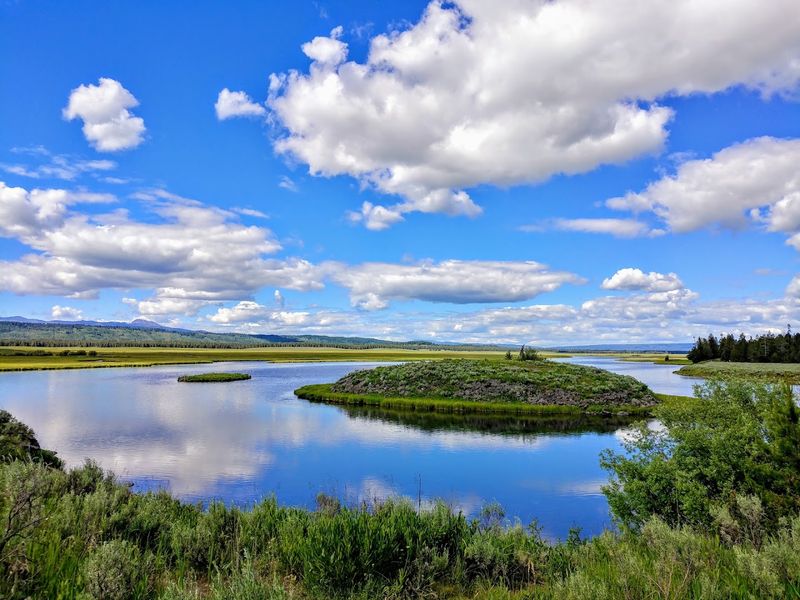
Before it became a state park, this sprawling property was a private cattle ranch and retreat for the Harriman and Guggenheim families, who kept it to themselves from 1902 until donating it to Idaho in 1977.
Two-thirds of the contiguous United States trumpeter swan population winters here, alongside moose, elk, sandhill cranes, coyotes, and the occasional grizzly bear.
Eight miles of the Henrys Fork of the Snake River run through the park, offering world-class catch-and-release fly fishing for rainbow trout. Over 20 miles of trails cover meadows, riverbanks, and evergreen forests, and in winter, 33 miles of groomed routes open for cross-country skiing, snowshoeing, and fat biking.
4. Goldbug Hot Springs, Salmon, Idaho
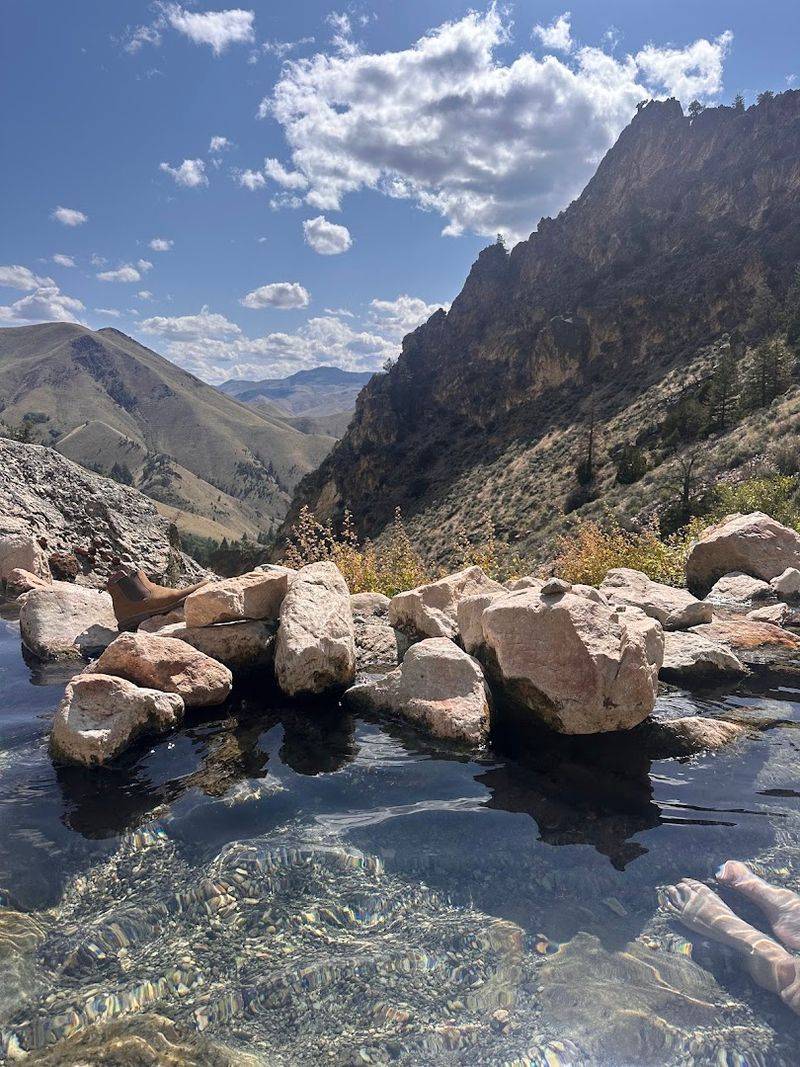
Earning a soak here requires actual effort. The payoff is a series of rock-and-boulder-dammed pools with clear, greenish-blue water ranging from 90 to 105 degrees Fahrenheit, fed by a source spring that tops out at 113 degrees.
A heart-shaped top pool is a popular favorite, and a hidden cave pool with a waterfall entrance waits below the main soaking area for those willing to explore a little further.
Fall is widely considered the best season to visit, with fewer crowds, dry trail conditions, and comfortable air temperatures. No facilities exist at the springs themselves, so packing out everything you bring in is expected. The trailhead parking lot does provide a vault toilet for convenience.
5. Blue Heart Springs, Hagerman, Idaho
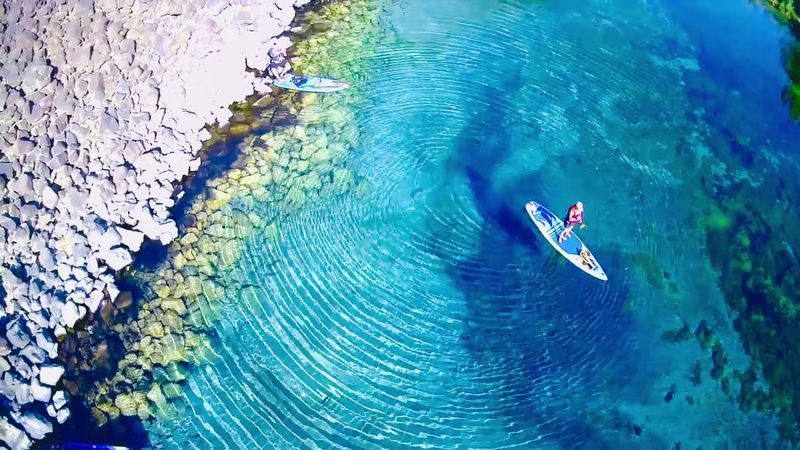
There are no roads to Blue Heart Springs, no hiking trails, and no parking lot with a view. The only way in is by water, which is exactly what makes it worth the trip.
Most visitors paddle in by kayak, canoe, or paddleboard from nearby launch points, with the journey taking anywhere from 20 minutes to an hour depending on where they start. Rentals and guided tours are available through Blue Heart Kayaking and Banbury Hot Springs nearby.
Bald eagles, osprey, river otters, and white pelicans are regularly spotted in the surrounding canyon. Weekday mornings offer the calmest experience.
6. Maple Grove Hot Springs, Thatcher, Idaho
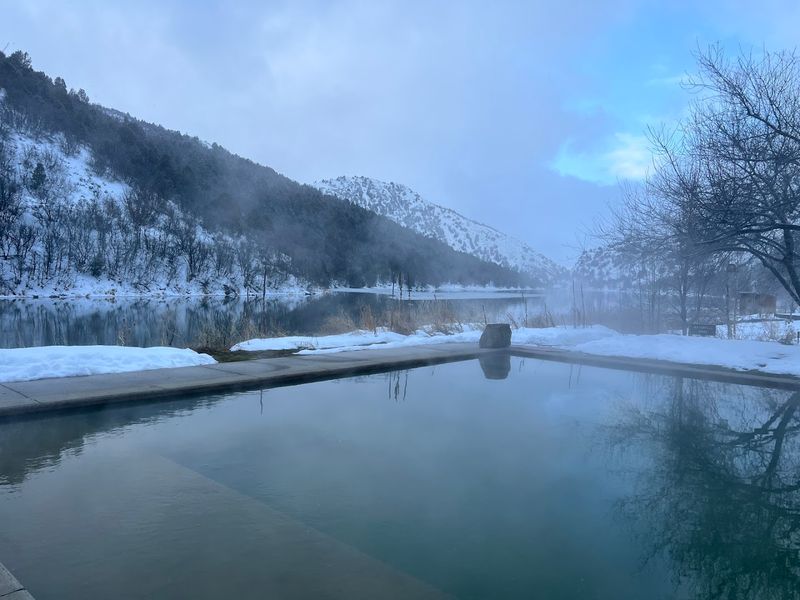
Tucked into the Oneida Narrows canyon along the Bear River, Maple Grove Hot Springs operates as an off-grid wellness retreat spread across 45 to 60 acres of quiet canyon land in southeastern Idaho.
Overnight guests choose from yurts, furnished stone shelters, a year-round cabin, or tent and van camping spots, with 24-hour pool access included. Day visitors are welcome but must book a three-hour soaking block in advance to keep the atmosphere calm.
Canoes and paddleboards are available for use on the Bear River, and a communal riverside sauna offers contrast therapy. The River House General Store stocks snacks, firewood, and complimentary coffee and tea for overnight guests.
7. Priest Lake, Coolin, Idaho
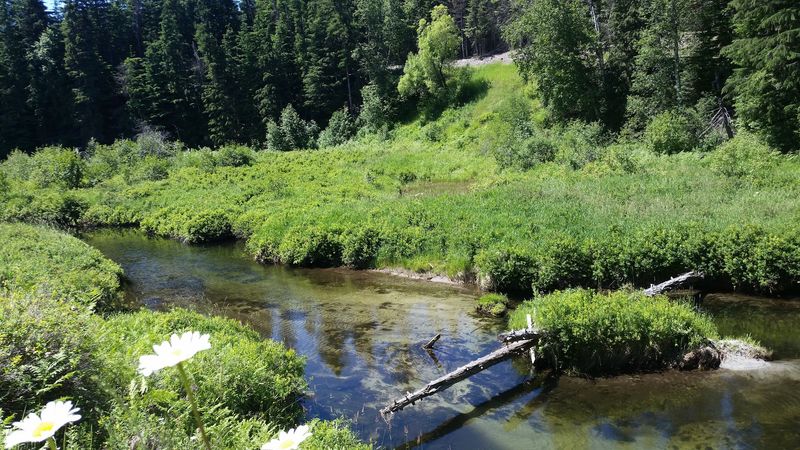
Carved by glaciers 10,000 to 15,000 years ago, Priest Lake stretches 19 miles through the Idaho Panhandle and plunges over 300 feet deep, making it one of the most dramatic alpine lakes in the entire Pacific Northwest.
Fishing here has produced some remarkable records, including the world’s largest Mackinaw trout caught in 1963. Boating, kayaking, paddleboarding, and swimming are popular throughout summer, with rentals available from local marinas.
A 2.5-mile no-wake waterway called the Thorofare connects the main lake to Upper Priest Lake, offering a remote paddling experience with almost no motor traffic. The Roosevelt Grove of Ancient Cedars, featuring trees between 800 and 2,000 years old, rounds out the natural highlights.
8. Boise River Greenbelt, Boise, Idaho
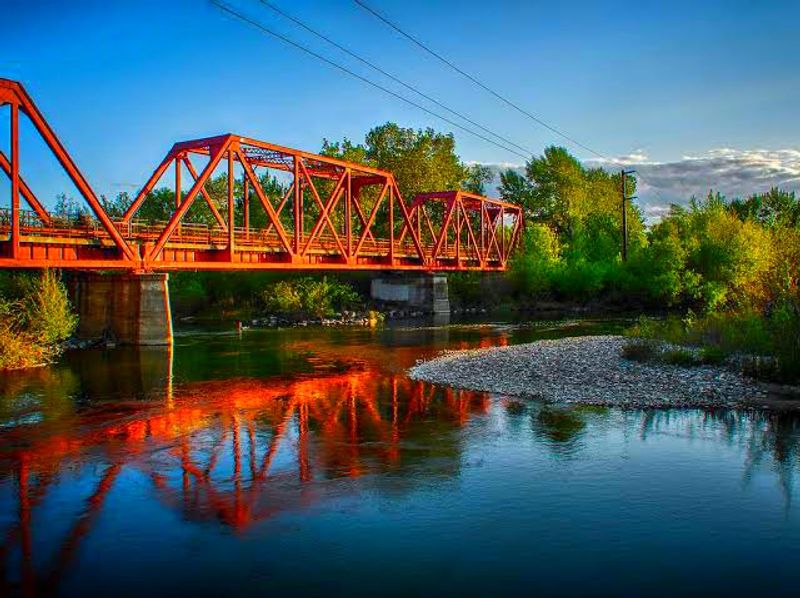
The Boise River Greenbelt connects Lucky Peak Dam in the east to Eagle in the west, passing through parks, wildlife corridors, gardens, and quiet riverside benches along the way. It opened its first segment in 1975 after a grassroots campaign rescued the river from years of neglect and pollution.
Bald eagles, peregrine falcons, osprey, beavers, deer, mink, and great blue herons are regularly spotted along the corridor, which forms part of the Idaho Birding Trail. The river itself is stocked by Idaho Fish and Game and supports trout, whitefish, and bass fishing.
Bike repair stations and picnic areas are scattered throughout the route. Motorized vehicles are prohibited, keeping the path calm and accessible for walking, cycling, paddleboarding, and kayaking year-round.
9. Thousand Springs State Park, Hagerman, Idaho
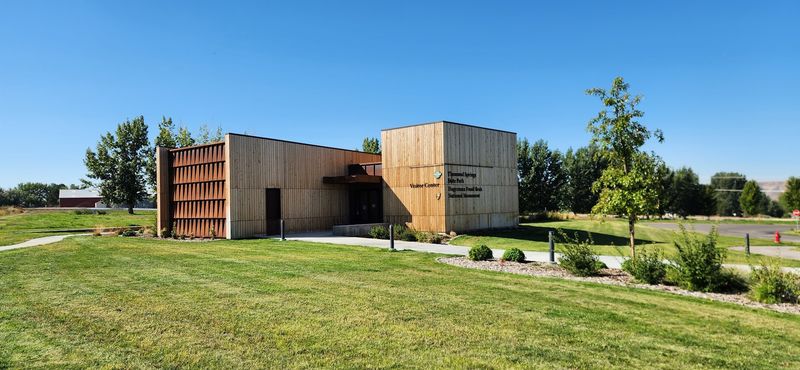
Water that fell as rain or snow near the Craters of the Moon lava fields can travel underground for nearly 200 years before emerging here, bursting directly from volcanic canyon walls into the Snake River in dramatic curtains of clear water.
Malad Gorge sends the Malad River plunging 250 feet through Devil’s Washbowl into a canyon with teal-colored water that photographers consistently underestimate until they see it in person.
The park is also home to the Shoshone sculpin, a fish found nowhere else on Earth. Bald eagles gather in winter, white pelicans arrive from March through July, and visible Oregon Trail wagon ruts can still be followed along the Kelton Trail.
10. Sawtooth Botanical Garden, Ketchum, Idaho
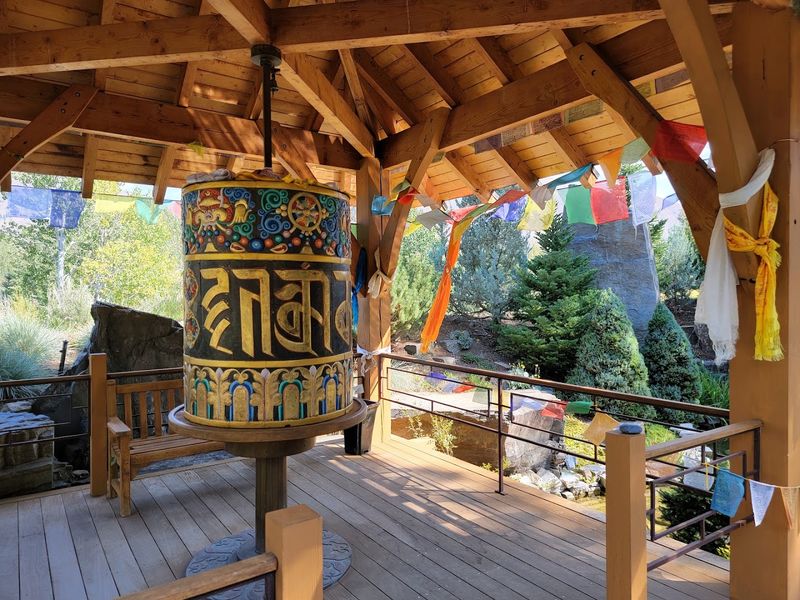
Most botanical gardens sit in flat, manicured settings. The Sawtooth Botanical Garden in Ketchum decided to do things differently by placing five acres of thoughtfully designed display gardens directly against the panoramic backdrop of the Sawtooth Mountains.
Established in 1994, the garden organizes its plantings into five distinct biome zones: Sagebrush Steppe, Lava Rock, Alpine, Montane, and Riparian, each representing a real ecosystem found in south-central Idaho.
Self-guided tours run from dawn to dusk year-round. Summer admission is $7, with free entry for seniors, children under 12, military veterans, and members. Dogs are welcome on the paths, and paved walkways ensure the garden is accessible to all visitors.
11. Camas Prairie Centennial Marsh, Fairfield, Idaho
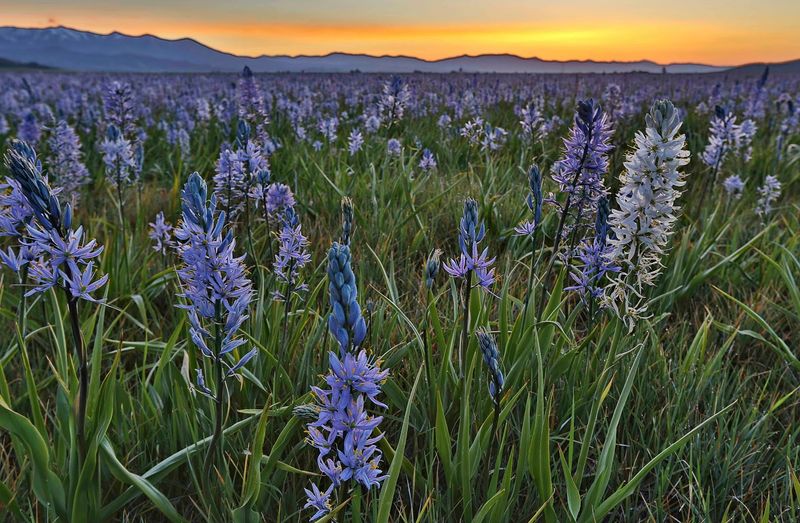
Every spring, something remarkable happens across this 3,100-acre high prairie wetland near Fairfield. The entire valley floor turns purple and blue as Camas Lilies erupt in what can only be described as a full-scale wildflower takeover, typically peaking between late May and early June.
The Bannock, Shoshoni, and Northern Paiute tribes harvested camas lily bulbs here for thousands of years as a primary food source, and the community of Fairfield still honors that history each year with the Camas Lily Days and Sho-Ban Homecoming celebration during the first weekend of June.
Birdwatchers arrive in force during this period, with ruddy ducks, northern pintails, tundra swans, Canada geese, and various teals all nesting and breeding in the wetland. Pronghorn, elk, and sage grouse occupy the surrounding upland areas.
12. Kathryn Albertson Park, Boise, Idaho
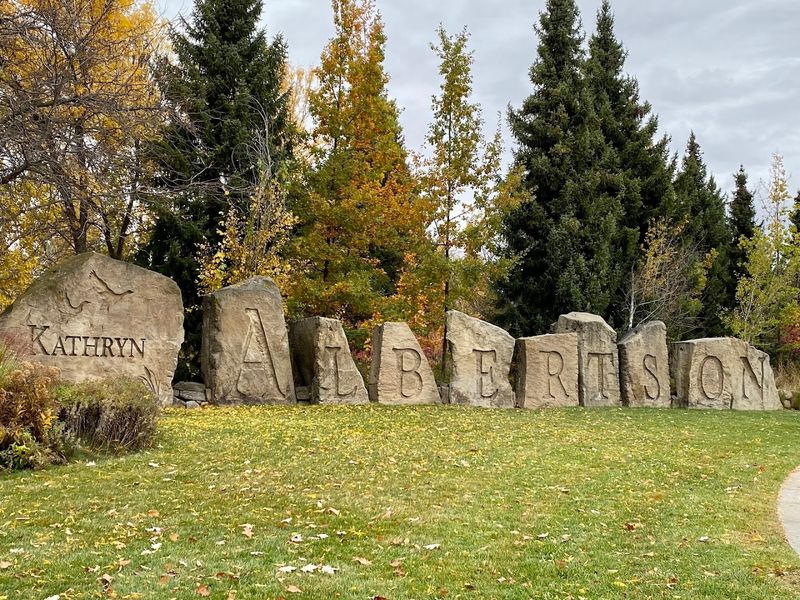
Donated to Boise in 1989 by Joe and Kathryn Albertson, this 41-acre park was carved out of what was once a gravel pit and transformed into one of the most thoughtfully designed urban wildlife refuges in the American West.
The main loop trail covers about a mile of paved paths and accessible boardwalks that wind through meadows, wetlands, and around ponds. Gazebos positioned throughout the park offer quiet spots for watching wildlife without disturbing it. One gazebo, called The Rookery, features a red tile roof salvaged from the original Albertsons supermarket.
Wildlife here is genuinely diverse: painted turtles, bullfrogs, salamanders, beavers, raccoons, herons, owls, and occasionally red foxes all share the park with human visitors. It is part of the Idaho Birding Trail, and early mornings consistently produce the best sightings.
13. Hummingbird Trail, South Hills Near Twin Falls, Idaho
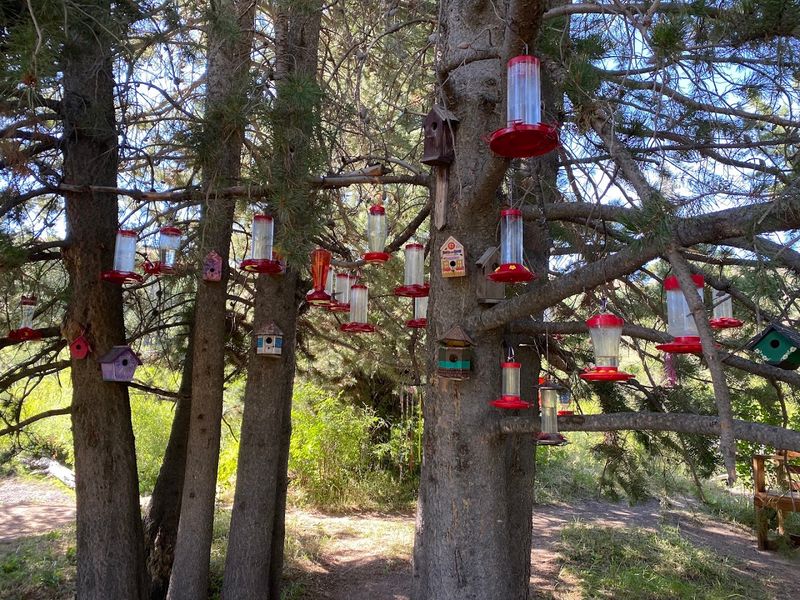
About an hour to an hour and a half south of Twin Falls, a group of dedicated volunteers has been quietly maintaining dozens of feeders hanging in the pines each summer, attracting hundreds of hummingbirds to one of Idaho’s most unexpected and charming destinations.
Four of Idaho’s five regularly occurring hummingbird species visit the site, and because the feeders hang at close range, watching them is less like birdwatching and more like standing inside a nature documentary. These birds can reach speeds of 50 miles per hour, yet they hover with complete precision just a few feet away.
The trail itself is an easy, short walk from the parking area, running alongside a creek in a relaxed forest setting. Sunset draws the most activity, making late afternoon the ideal time to arrive.
14. Craters of the Moon National Monument and Preserve, Arco, Idaho
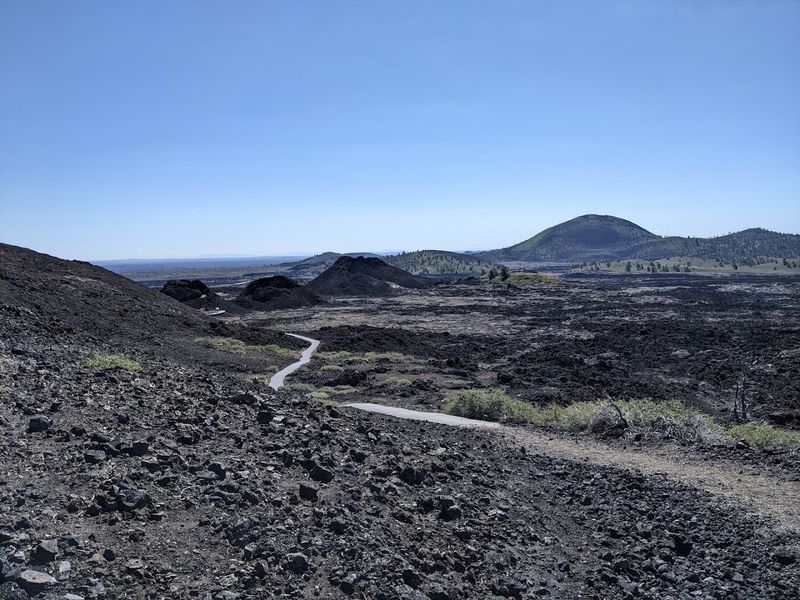
The most recent volcanic activity here happened just 2,000 to 2,100 years ago, and geologists are fairly confident this landscape is not finished yet. Craters of the Moon covers 750,000 acres of lava flows, cinder cones, spatter cones, and lava tubes on the Snake River Plain, all created by eruptions along the 52-mile-long Great Rift crack in the Earth’s crust.
Visitors can walk through exposed fissures, explore the 800-foot Indian Tunnel lava cave with a free permit, and stand on the rim of Big Cinder Butte, a cinder cone rising 700 feet. The Blue Dragon lava flow adds unexpected color to an already dramatic landscape.
15. Tubbs Hill, Coeur d’Alene, Idaho
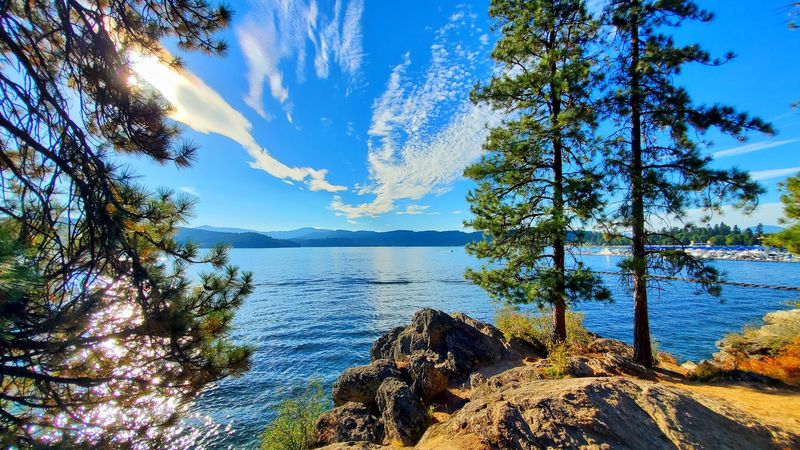
Tony Tubbs, a German immigrant, claimed this rocky peninsula in 1884 with plans to develop it into residential lots. The terrain was so uncooperative that he eventually gave up, and the rest of Coeur d’Alene has been quietly grateful ever since.
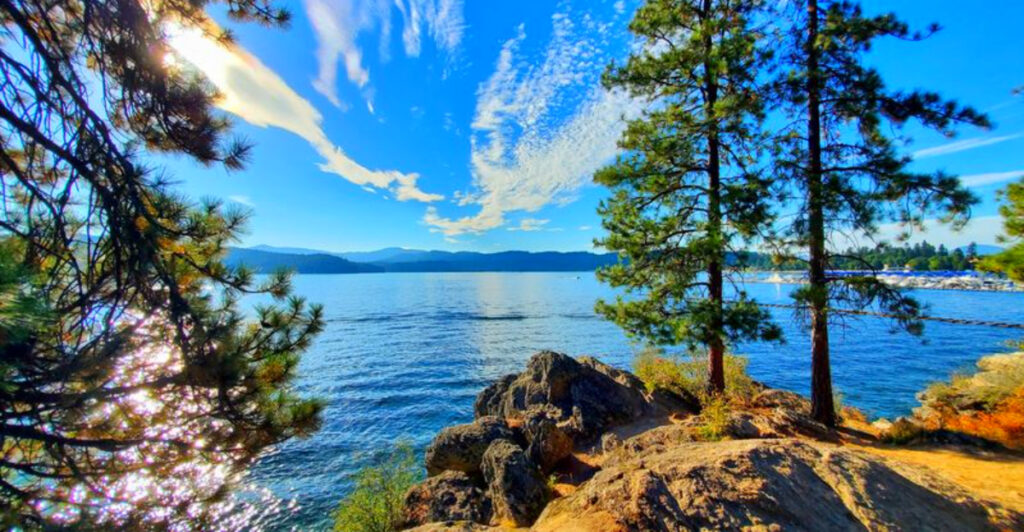
Today the 120- to 165-acre forested peninsula sits just steps from downtown, surrounded by Lake Coeur d’Alene on three sides and connected to McEuen Park on the fourth. The 2.2-mile interpretive loop trail traces the entire shoreline perimeter, delivering continuous lake and mountain views from start to finish.
Main trailheads sit at the south ends of 3rd and 10th Streets, with parking, restrooms, and picnic spots at both. The park stays open daily from 5 a.m. to 11 p.m., and dogs are welcome on a leash.
Share this story