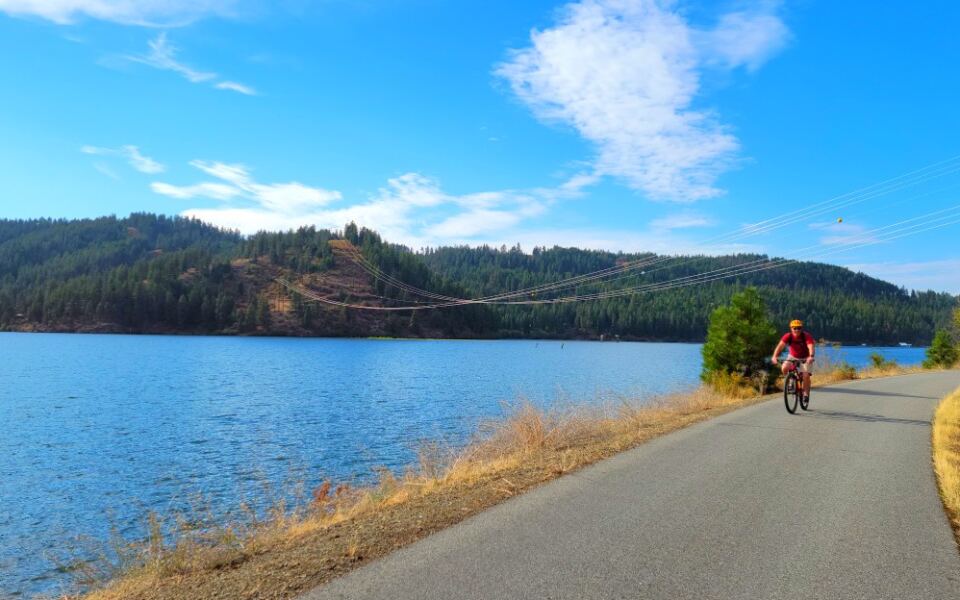
Idaho’s oldest state park combines three interconnected lakes, waterfront camping, wildlife, and one of northern Idaho’s best-known paved bike trails. Heyburn State Park has been welcoming visitors since 1908, and there is far more here than its history.
The Trail of the Coeur d’Alenes runs directly through the park, while Chatcolet, Benewah, and Hidden lakes open up opportunities for paddling, fishing, and swimming. Add hiking trails and historic structures, and it is easy to turn a quick stop into a full weekend.
Idaho’s Oldest State Park and Where to Find It
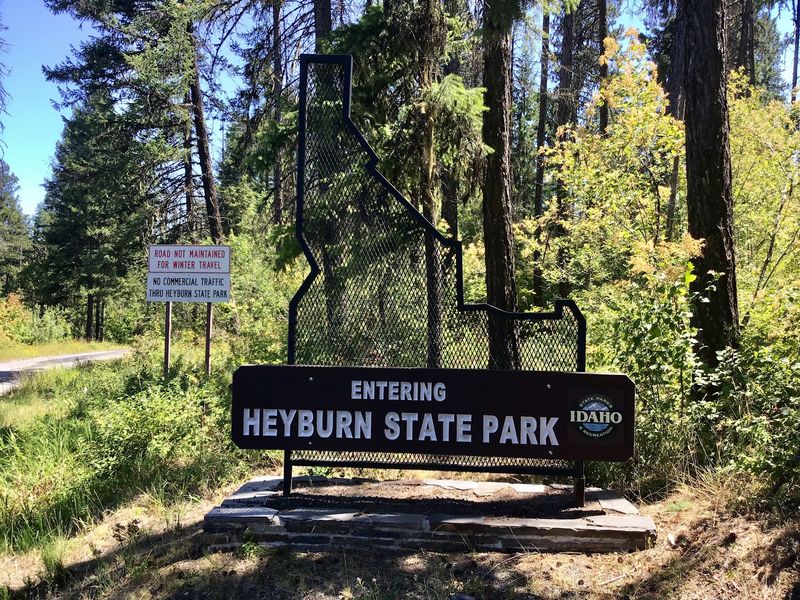
Not every state park can claim more than a century of continuous operation, but Heyburn State Park earns that distinction with quiet confidence. Officially established on April 20, 1908, through an Act of Congress signed by President William Howard Taft, it holds the title of the oldest state park in the entire Pacific Northwest.
The park sits at 57 Chatcolet Lower Road, Plummer, ID 83851, nestled in Benewah County with a small extension into Kootenai County. It covers a remarkable 5,744 acres of land and an additional 2,332 acres of water, creating a landscape that feels genuinely expansive the moment you arrive.
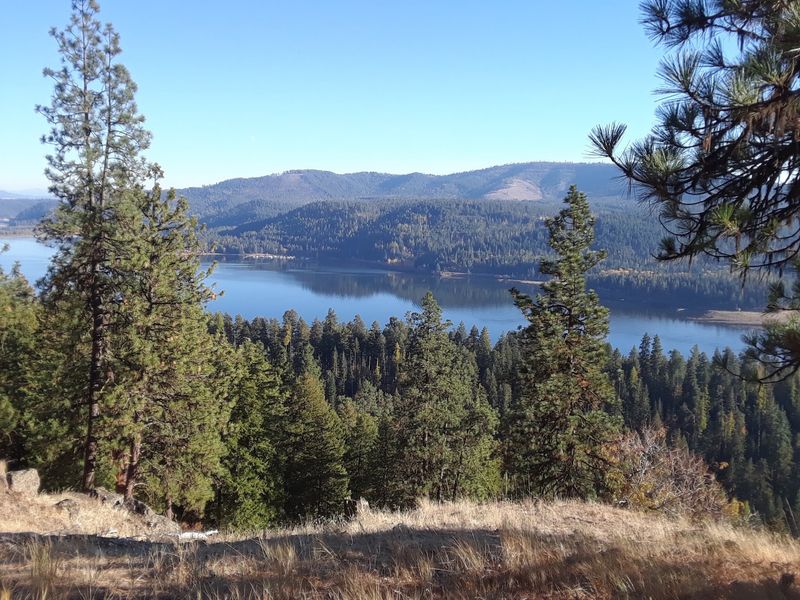
Three interconnected lakes, Chatcolet, Benewah, and Hidden, anchor the park’s watery heart, all feeding into the larger Lake Coeur d’Alene. The visitor center staff are friendly and knowledgeable, and picking up a trail map on arrival is a smart first move.
Few parks in Idaho pack this much history and natural variety into one address.
A History That Runs Deeper Than the Pines
Long before the park had a name or a deed, the Coeur d’Alene people, who called themselves Schitsu’umsh, meaning Those Who Are Found Here, thrived across this landscape for generations. They relied on the lakes for fish, waterfowl, and a way of life deeply tied to the rhythms of the water and forest.
The land was carved from the Coeur d’Alene Indian Reservation in 1908 and named in honor of U.S. Senator Weldon B.
Heyburn, a tireless advocate for its preservation. Then, in the 1930s, the Civilian Conservation Corps arrived and transformed the park, building roads, trails, bridges, campgrounds, and the iconic Rocky Point Lodge, many of which still stand today and are listed on the National Register of Historic Places.
Even older is the Mullan Road, constructed through the park area in 1859, which also carries that same historic designation. Every trail here has a story layered underneath it, and that depth makes exploring feel like more than just a walk in the woods.
The Trail of the Coeur d’Alenes: Cycling at Its Finest
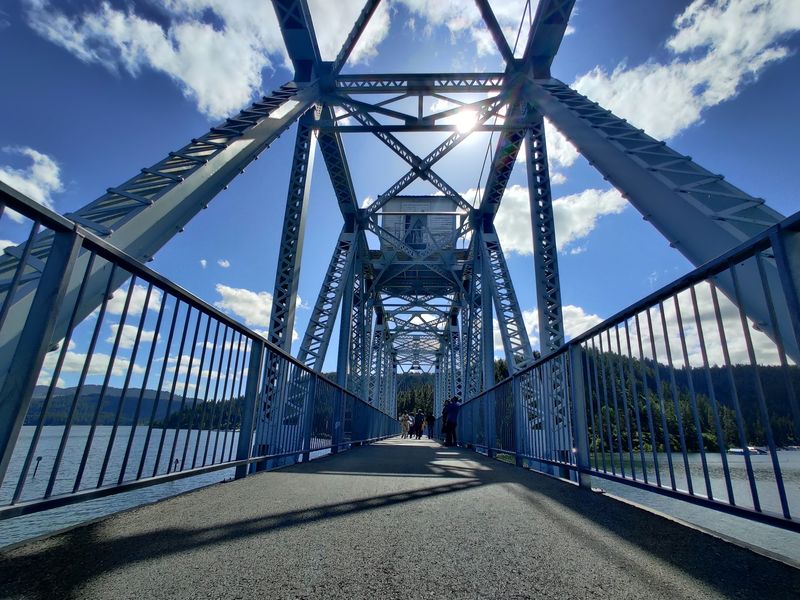
Arguably the park’s most celebrated feature, the Trail of the Coeur d’Alenes runs 72 miles of smooth, paved surface directly through Heyburn State Park, following a historic railroad corridor that once carried freight across northern Idaho. The gentle grade makes it genuinely accessible for riders of all skill levels, from casual weekend pedalers to serious cyclists logging serious miles.
The undisputed highlight of the route through the park is the 3,100-foot trestle bridge spanning the St. Joe River. Riding across it delivers sweeping views of the river, the surrounding lakes, and distant mountain ridges, a perspective you simply cannot get from a car window.
Bicycle rentals are available at park headquarters, so arriving without your own gear is not a problem. Beyond the main trail, the park also offers multi-use loops like the Whitetail Loop, Rocky Top Loop, and Shoeffler Butte Loop for those craving a more rugged, off-pavement challenge.
Campers consistently note how easy it is to roll directly from their campsite onto the trail each morning.
Three Lakes and a River Worth Exploring by Water
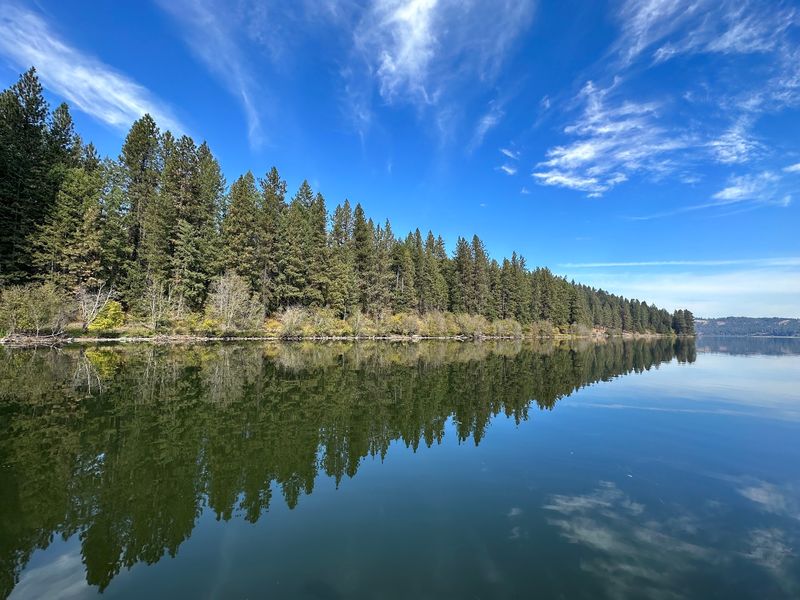
Heyburn State Park is as much a water destination as a land one, and the trio of lakes at its core, Chatcolet, Benewah, and Hidden, offer something for every type of water lover. All three connect to the broader Lake Coeur d’Alene system, and the St. Joe River borders the park’s eastern edge, adding yet another aquatic dimension to an already water-rich setting.
Kayaking and canoeing are popular ways to explore the quieter coves, and rentals are available at both the Rocky Point Marina and the Chatcolet Marina. Boating and waterskiing draw bigger crowds during summer weekends, while paddleboarders tend to gravitate toward the calmer morning hours when the surface sits glassy and still.
Sandy beaches and a lakeside promenade along Lake Chatcolet provide easy access for swimmers and strollers alike. Plummer’s Point, accessible within the park, features a gravelly beach and a dock that is popular with swimmers and dogs in equal measure.
The water is refreshingly cool even in summer, which makes a midday dip feel like a genuine reward.
Fishing Spots That Reward Both Patience and Skill
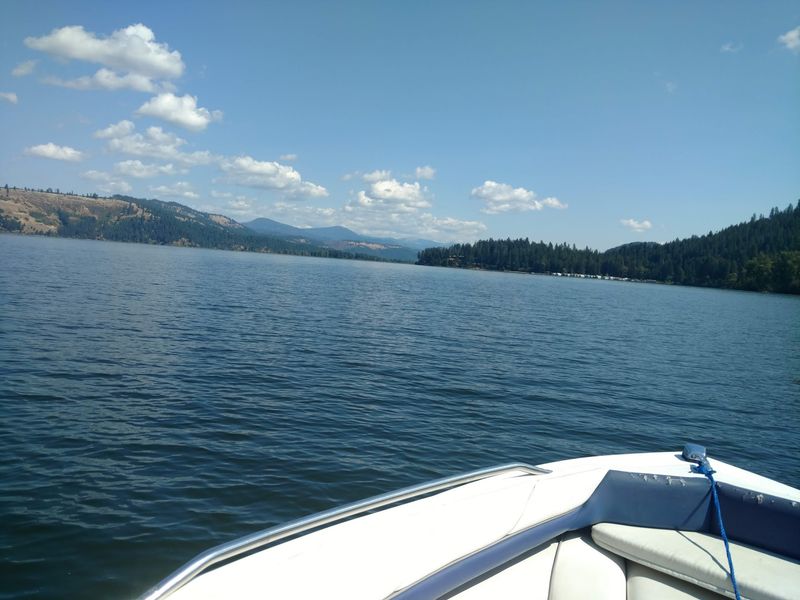
There is a particular kind of quiet that settles over you when you are sitting on a dock at Heyburn, line in the water, nothing pressing on the schedule. The park’s lakes and waterways support a surprisingly diverse range of fish species, making it a rewarding destination for anglers of varied preferences and experience levels.
Lake Chatcolet, Lake Benewah, and Hidden Lake all hold pike, bass, crappie, perch, bullheads, sunfish, and trout. Plummer Creek, which meanders through the park, is known to harbor elusive cutthroat trout for those willing to work a little harder for their catch.
Fishing from the dock, the shoreline, or a boat are all viable options depending on your style and what you are targeting.
A valid Idaho fishing license is required before you cast, so sorting that out ahead of time keeps the day running smoothly. The park’s marinas can point you toward productive spots if you are new to the area.
Early mornings on the water here have a way of making the rest of the day feel like a bonus.
Hiking Trails That Reveal the Park From Every Angle
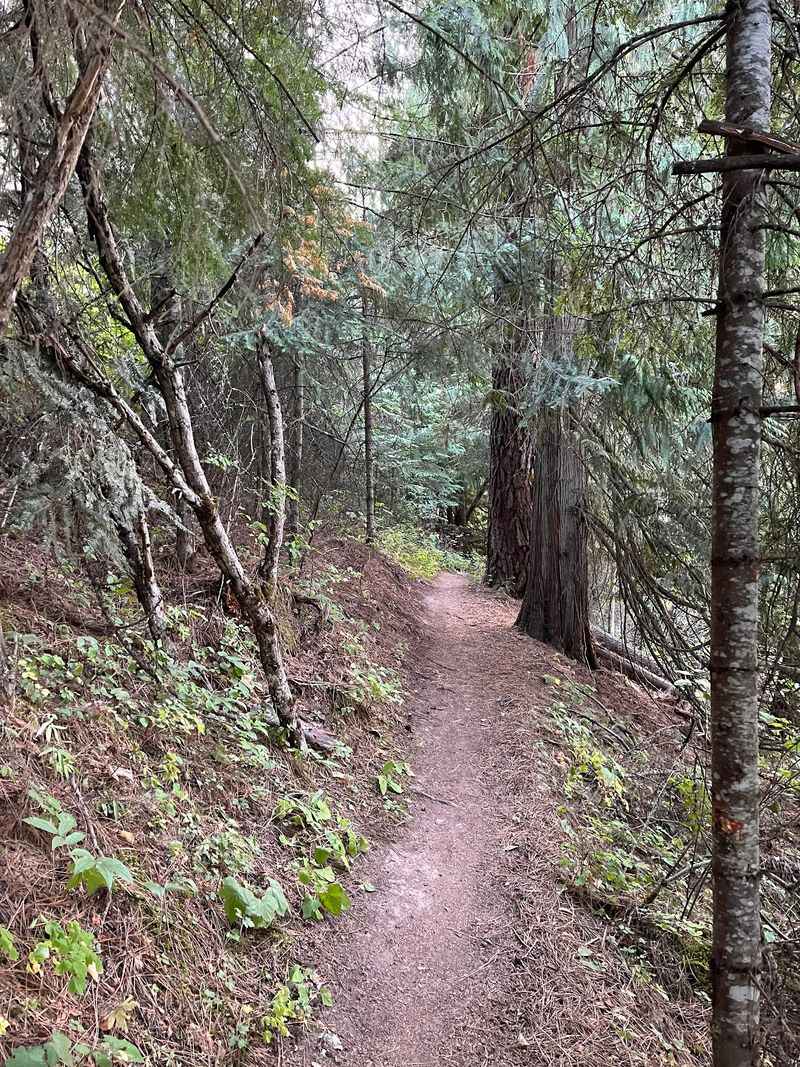
Beyond the paved cycling route, a network of hiking trails winds through the park’s varied terrain, offering perspectives that range from intimate forest walks to sweeping hilltop panoramas. The Indian Cliffs Trail, a roughly 2.5-mile loop, is one of the most rewarding, climbing through dense timber before opening up to views of Mount Baldy to the east and the St. Joe River far below.
History buffs will appreciate the CCC Nature Trail, a one-mile loop that follows paths originally built in 1937, passing worn basalt ledges and moss-draped rock slides that feel almost otherworldly. The Shoeffler Butte Loop climbs to an elevation of 3,366 feet, rewarding the effort with broad views of the Harrison Flats and Indian Mountain to the west.
For a gentler option, the Lakeshore Loop Trail covers a flat 0.9 miles right alongside the water, making it ideal for birdwatching or a quiet early-morning stroll. The historic Mullan Trail, a 1.5-mile route, traces a corridor once used by the Coeur d’Alene people and later by early American road builders.
Each trail here feels like a different chapter of the same great story.
Wildlife Sightings That Stop You Mid-Stride
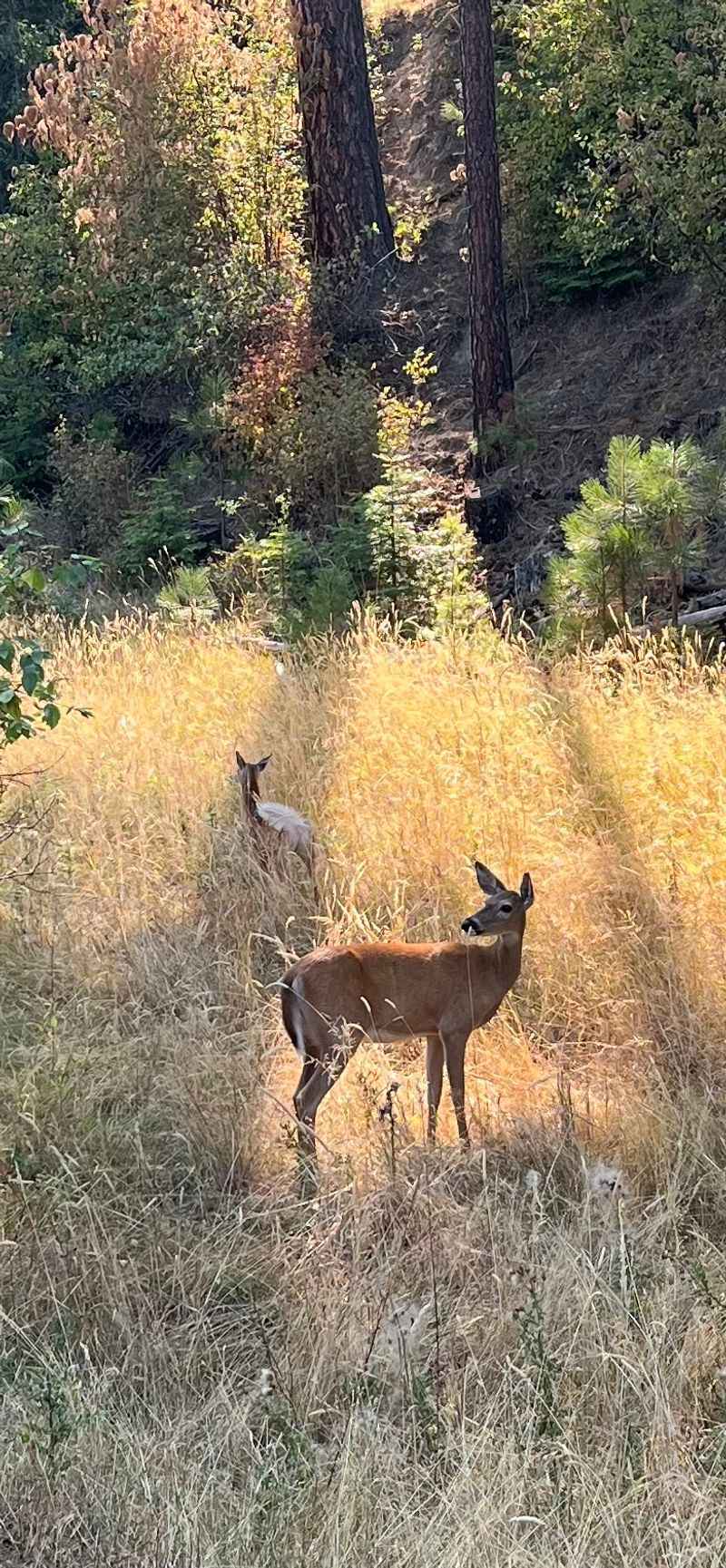
Few parks in the Pacific Northwest pack this much wildlife activity into one relatively compact area. Heyburn is home to a thriving great blue heron rookery that can host between 35 and 50 breeding pairs, a genuinely spectacular sight when the colony is active and the air above the trees is busy with large, slow-flapping wings.
Osprey are a near-constant presence over the lakes, circling high before folding into steep dives that almost always end with a fish in their talons. Bald eagles make regular appearances too, and during migration season the lakes attract between 5,000 and 10,000 waterfowl, turning the shoreline into a birder’s paradise.
Canada geese and wood ducks are year-round regulars, with nest structures maintained by park staff to support their populations.
On land, white-tailed deer browse calmly through campgrounds and along trail edges, barely bothered by passing hikers. Bear, elk, and moose have all been spotted in the park as well, though those sightings require a bit of luck and a quiet approach.
The Plummer Creek marsh boardwalk offers one of the best close-up looks at a functioning wetland ecosystem you will find anywhere in Idaho.
Ancient Trees and Wildflower Meadows Worth Slowing Down For
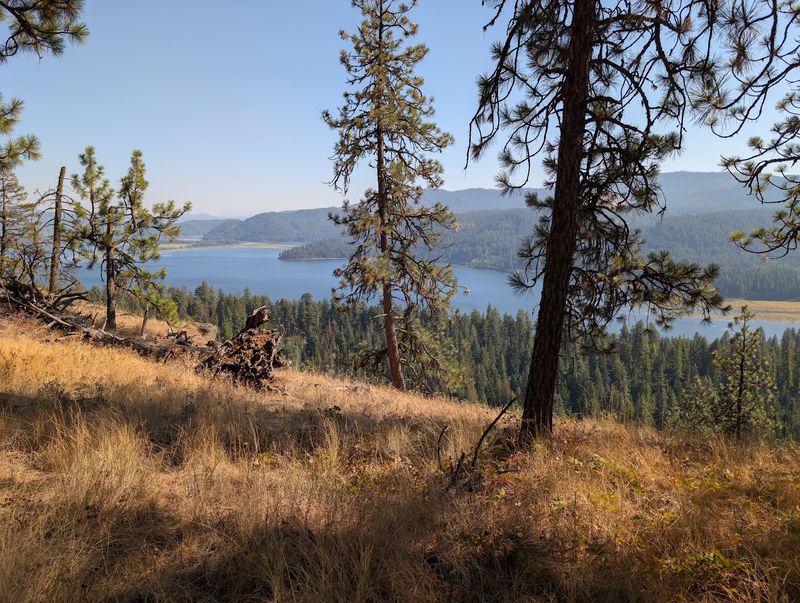
The plant life at Heyburn is not a backdrop, it is a destination in its own right. Towering Ponderosa pines dominate much of the landscape, with some individual trees estimated to be over 400 years old, their thick, plated bark carrying the marks of centuries of seasons.
In shadier, moister pockets, Western white pines, Idaho’s state tree, grow alongside fragrant cedars and elegant hemlocks.
Come spring and early summer, the park’s open meadows transform into vivid color shows. Heartleaf Arnica brings bright yellow, Arrowleaf Balsamroot adds bold splashes of gold, and Coulter’s Lupine contributes tall purple spires that sway gently in the breeze.
Pollinators work through these meadows with cheerful intensity, and the contrast between the deep green forest edge and the blooming open ground is genuinely striking.
Along the lake margins and wetland areas, cattails, rushes, and floating lily pads create a completely different botanical world. Water potatoes also grow here, a plant historically important to the Coeur d’Alene people.
The flora here is not just beautiful, it tells the ecological and cultural story of this remarkable place in living color.
Campgrounds and Cabins for Every Kind of Overnight Visitor
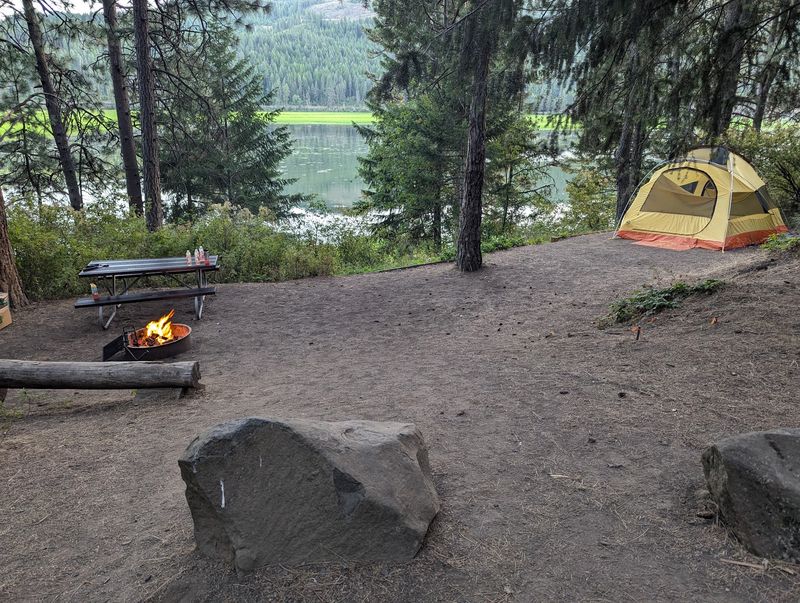
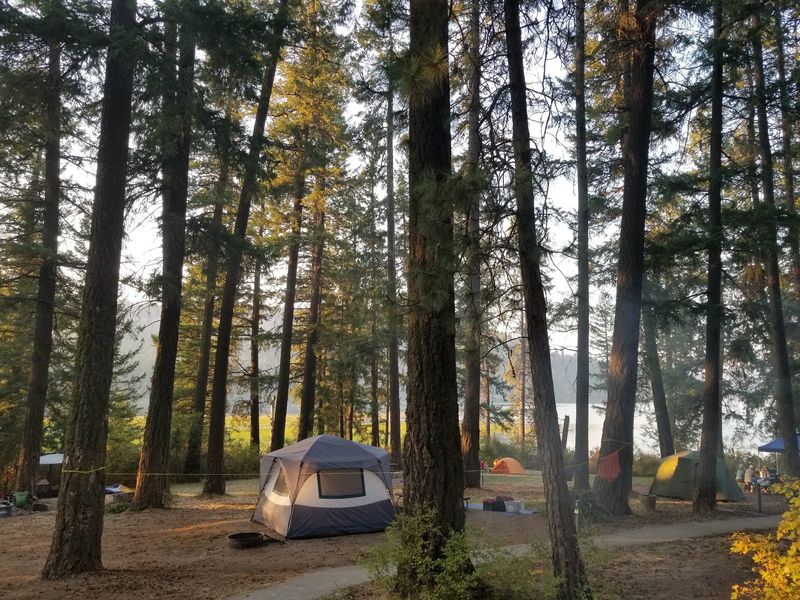
Heyburn offers three distinct campgrounds, Hawleys Landing, Benewah, and Chatcolet, each with its own character and set of amenities. Sites range from primitive tent spots tucked close to the water’s edge to full RV hookup sites with electric, water, and sewer connections.
Some sites can accommodate rigs up to an impressive 98 feet in length, which covers most setups on the road.
Hot showers and flush toilets are available at central facilities, and reviewers consistently praise both the cleanliness and the fact that the showers are free. Dump stations are on-site, picnic tables and fire rings come standard, and the campground hosts are known for being friendly and well-stocked with firewood.
Pets are welcome in developed areas and on trails, provided they stay leashed and their owners clean up after them.
For those who prefer a roof overhead, the park offers two cozy cabins, named Blue Heron and Osprey, each sleeping up to five or six people, plus two larger cottages accommodating up to eight. All are reservable year-round, and booking early is strongly advised during summer and holiday weekends.
The screened porch views over the lake at the cottages are, by all accounts, genuinely hard to leave.
The Best Seasons to Visit and What Each One Offers
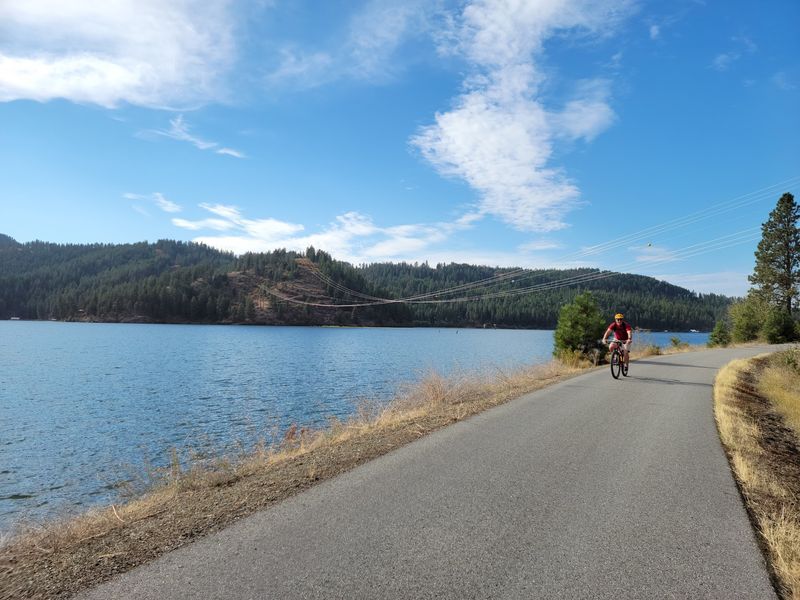
Each season at Heyburn brings a different version of the park, and knowing what to expect from each one helps you plan a visit that matches what you are actually looking for. Summer, roughly early July through late August, delivers the full menu of water activities, with lake temperatures warm enough for swimming and boating traffic at its peak.
July averages a high of around 87 degrees Fahrenheit, though the forest canopy provides generous shade on most trails.
Fall is genuinely special here. From September through November, the crowds thin, the mosquitoes disappear, and the forest ignites with color.
Daytime temperatures settle into the mid-60s, mornings drop into the 30s and 40s, and the lakes become mirror-calm for paddling and fishing. Wildlife activity also picks up noticeably as animals prepare for the colder months ahead.
Winter brings ice fishing opportunities and snow-dusted scenery that feels almost surreal in its quiet. Spring, particularly May, is beloved for returning waterfowl, fresh green growth, and the early wildflower displays before summer crowds arrive.
Checking current park conditions before any visit, especially after significant weather, is always a practical first step.
Practical Tips That Make the Visit Run Smoothly
A little preparation goes a long way at Heyburn, especially during peak summer weekends when campsites and cabins fill up fast. Reservations for camping and overnight accommodations should be secured well in advance, and the park’s visitor center can be reached at (208) 686-1308 or by email at [email protected] for current conditions and availability updates.
Day-use areas are generally open from 7 AM to 10 PM, while the visitor center operates from 8 AM to 4 PM daily.
Cell service is limited in much of the park, with Verizon performing better than most other carriers in the area. Downloading maps and relevant information before you arrive is a smart move, particularly if you plan to explore the more remote trail sections.
Insect repellent is not optional during warmer months, as the marshy areas around Plummer Creek and Cottonwood Creek can produce ambitious mosquito populations.
The town of Plummer sits about six miles west of the park, and St. Maries is roughly ten miles away, both offering grocery stores and basic supplies if you need a resupply run. Parking a valid Idaho fishing license before arrival saves time and keeps the day on track from the first cast onward.
Share this story