Some places in the world are so famous that visiting them feels more like standing in a theme park than exploring a real city. But tucked just beyond the tourist radar are cities that carry the same spirit, beauty, and history as their celebrity counterparts.
These hidden versions offer the same magic with a fraction of the crowds and cost. Pack your bags and get ready to discover places that might just become your new favorite destinations.
Utrecht, Netherlands (instead of Amsterdam)
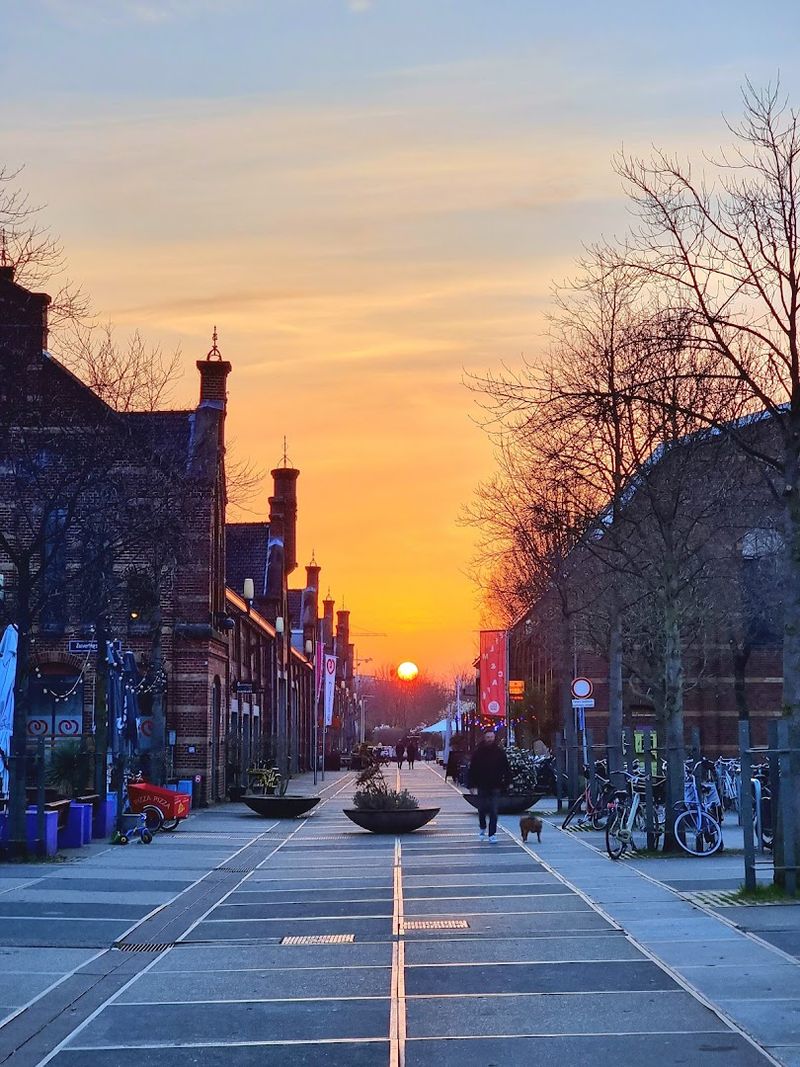
Forget fighting for space on Amsterdam’s famous bridges. Utrecht is the city the Dutch actually love to live in, and once you visit, you’ll understand why.
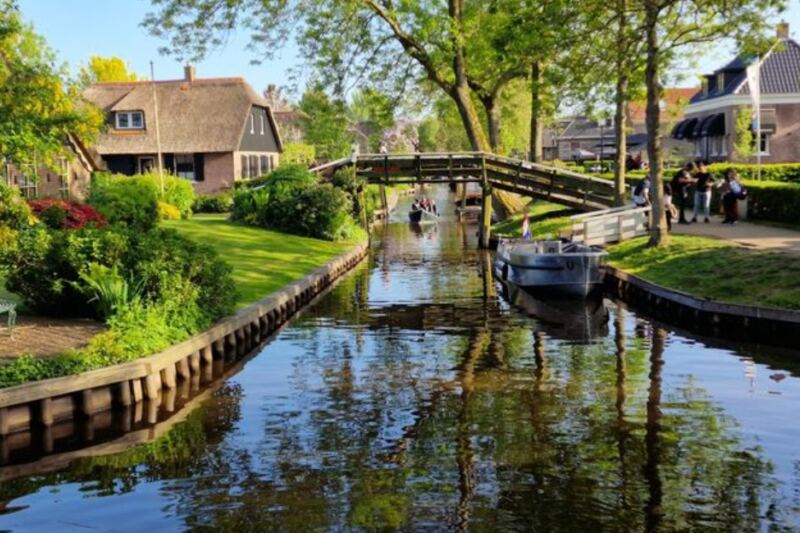
Its canals are genuinely unique because the cafes and restaurants sit right at water level, giving you a front-row seat to boats drifting past.
The city center is built for cycling, with smooth bike lanes weaving past Gothic churches, cozy bookshops, and open-air markets. Utrecht’s famous Dom Tower is taller than anything in Amsterdam’s skyline and worth every step of the climb.
Students from Utrecht University keep the energy young and the nightlife buzzing without things ever feeling overwhelming.
Prices here are noticeably lower than Amsterdam, whether you’re grabbing a coffee or booking a hotel room. The city’s smaller size means you can explore most of it comfortably on foot in a weekend.
Utrecht doesn’t try to compete with Amsterdam. It simply does its own thing, and that confidence is exactly what makes it so refreshing to visit.
Nantes, France (instead of Paris)
A giant mechanical elephant walks through the city streets. That sentence alone tells you Nantes is not your average French destination.
This creative, energetic city on France’s Atlantic coast has been quietly building a reputation as one of the country’s most exciting places to explore.
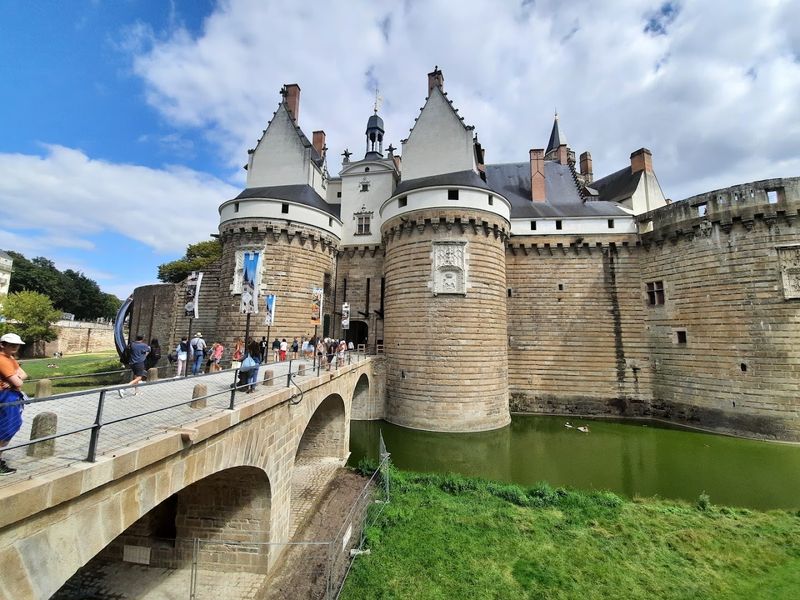
The food scene here rivals anything you’d find in Paris, with incredible seafood, classic French bistros, and a thriving market culture centered around the famous Marche de Talensac. Nantes also has impressive museums, including the Chateau des Ducs de Bretagne, a stunning medieval fortress right in the heart of the city.
History lovers will find centuries of stories packed into every cobblestone street.
What really sets Nantes apart is its commitment to public art and bold creative projects through the Les Machines de l’Ile attraction. Without the Parisian price tag or the tourist gridlock around major landmarks, you can actually breathe here.
Locals are warm, the pace is relaxed, and the city genuinely rewards curious travelers who take time to wander. Nantes earns its place on any European travel list with zero effort.
Ghent, Belgium (instead of Bruges)
Bruges gets all the postcards, but Ghent gets all the locals. While Bruges can feel like a beautifully preserved museum piece, Ghent pulses with real city life.
Students, artists, and young professionals fill its streets, giving the city an energy that Bruges simply doesn’t have.
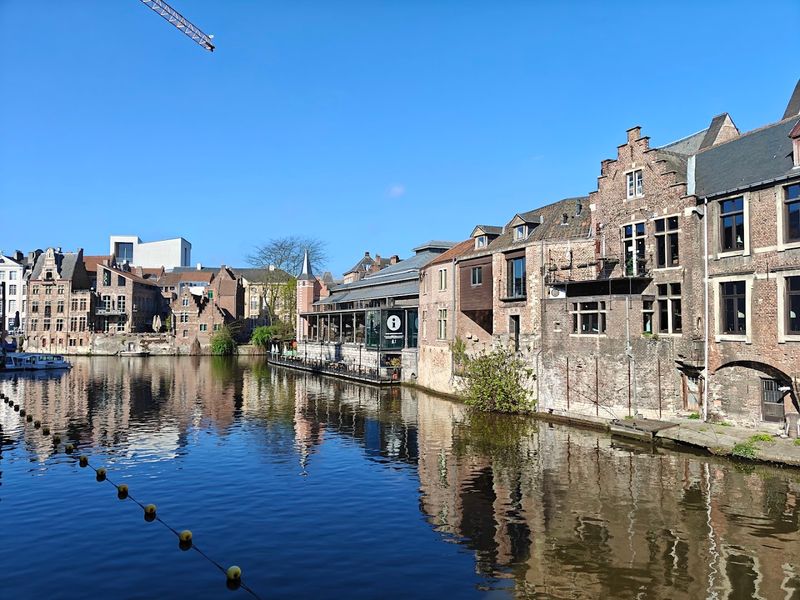
The medieval architecture is just as stunning here, with the Gravensteen Castle sitting dramatically in the middle of the city like something out of a fantasy novel. Ghent’s canals are gorgeous, especially at night when the old guild houses reflect golden light across the water.
The Graslei and Korenlei waterfronts are among the most beautiful spots in all of Belgium.
Food is another serious advantage. Ghent has more vegetarian-friendly restaurants per capita than almost any other European city, making it a surprisingly forward-thinking place to eat well.
The nightlife is lively without being rowdy, and the bar scene around Vrijdagmarkt square draws everyone from students to retirees. Day-trippers from Bruges rarely make it here, which means you get the charm without the crowds.
Ghent is Bruges with a heartbeat, and that makes all the difference.
Girona, Spain (instead of Barcelona)
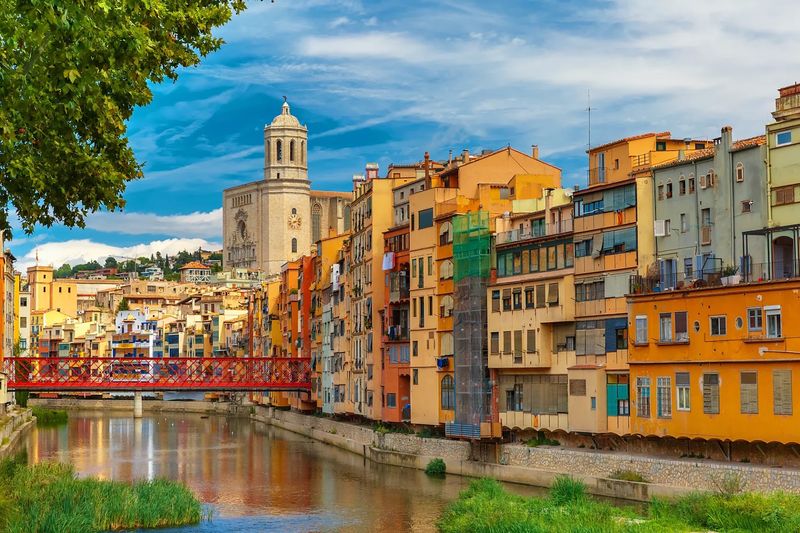
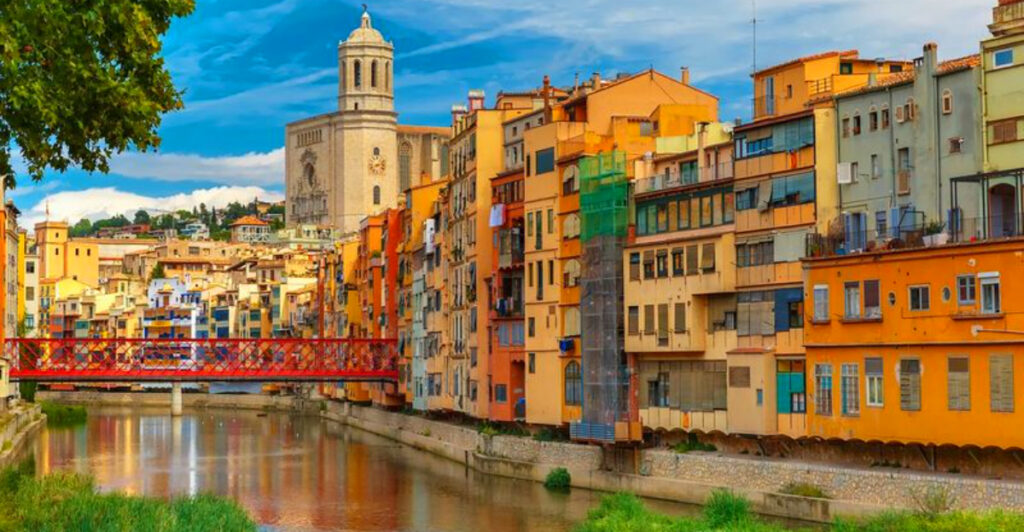
Game of Thrones filmed scenes here, and honestly, Girona’s medieval streets look like they belong on screen. The old city rises dramatically above the Onyar River, with colorful houses clinging to the water’s edge in shades of yellow, orange, and red.
It’s one of Spain’s most photogenic views, and most people have never seen it in person.
The cathedral at the top of the old town sits above a grand staircase and offers sweeping views across the city’s rooftops. Inside, it houses one of the widest Gothic naves in the world.
History is genuinely layered here, with Roman walls, a Jewish quarter called El Call, and Arab baths all within easy walking distance of each other.
Girona is also one of the best places in Spain to eat Catalan food at its finest. Chef Joan Roca’s three-Michelin-star restaurant El Celler de Can Roca is based here, which tells you everything about the city’s serious food credentials.
Barcelona is only 38 minutes away by high-speed train, so you can easily combine both cities. But Girona’s relaxed pace and stunning old quarter might just convince you to stay longer than planned.
Bologna, Italy (instead of Rome)
Bologna has been feeding people exceptionally well for centuries, and locals are not shy about reminding you of it. This is the city that gave the world Bolognese sauce, mortadella, and fresh egg pasta, which is reason enough to visit.
But beyond the incredible food, Bologna is one of Italy’s most intellectually rich and visually striking cities.
The university here is the oldest in the Western world, founded in 1088, and that academic energy still shapes the city today. Students crowd the porticoes, which stretch for over 38 kilometers throughout the city and keep you dry even during the rainiest days.
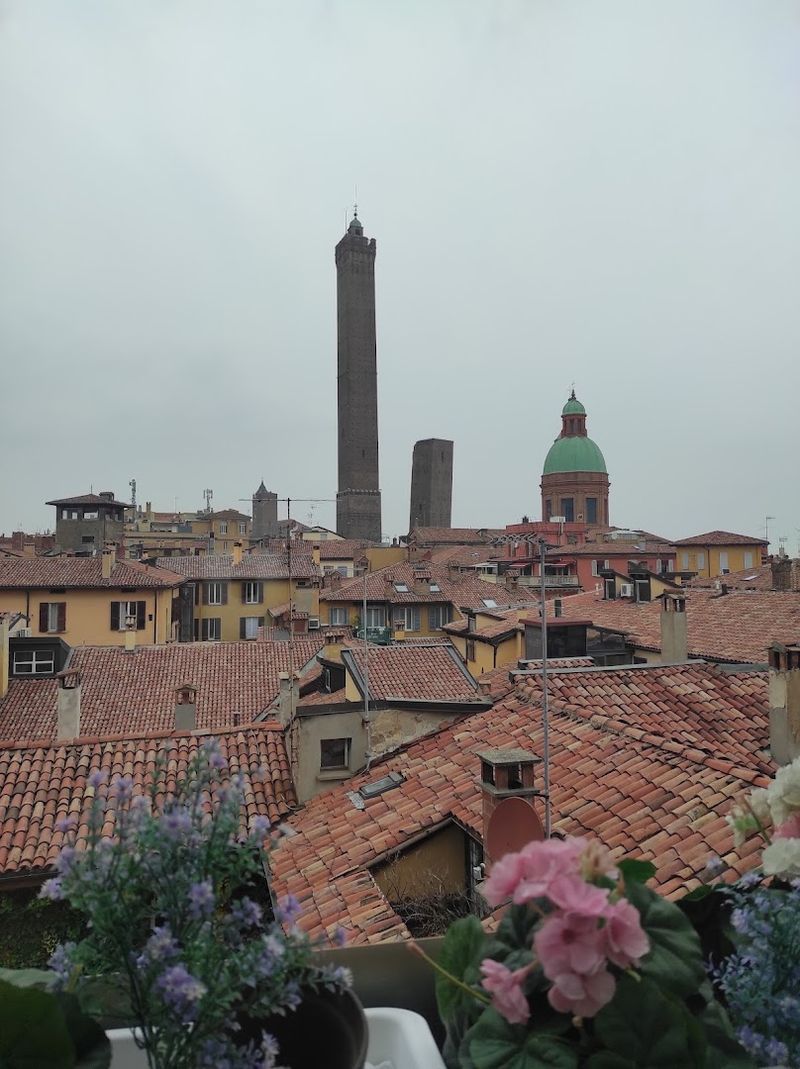
The Two Towers, Asinelli and Garisenda, lean noticeably and have been part of Bologna’s skyline since the 12th century.
Rome’s glory comes with massive crowds, long queues, and prices that keep climbing. Bologna offers a more authentic Italian experience where residents actually outnumber tourists on most days.
The covered arcades create a unique walkable city that feels both grand and intimate at the same time. Markets, bookshops, and family-run trattorias fill every corner.
Bologna rewards slow travel, the kind where you sit down for a three-hour lunch and don’t feel even slightly guilty about it.
Porto, Portugal (instead of Lisbon)
Porto sits at the mouth of the Douro River and refuses to be anyone’s second choice. While Lisbon often gets top billing in Portugal, Porto has been quietly winning over travelers with its raw, layered beauty and genuine character.
The city feels lived-in and real in the best possible way.
Azulejo tile panels cover entire building facades here, turning ordinary walls into stunning outdoor art galleries. The Ribeira waterfront district is a UNESCO World Heritage Site, packed with colorful buildings, riverside restaurants, and the iconic Dom Luis I Bridge stretching dramatically overhead.
Crossing that bridge on foot at sunset is one of travel’s great simple pleasures.
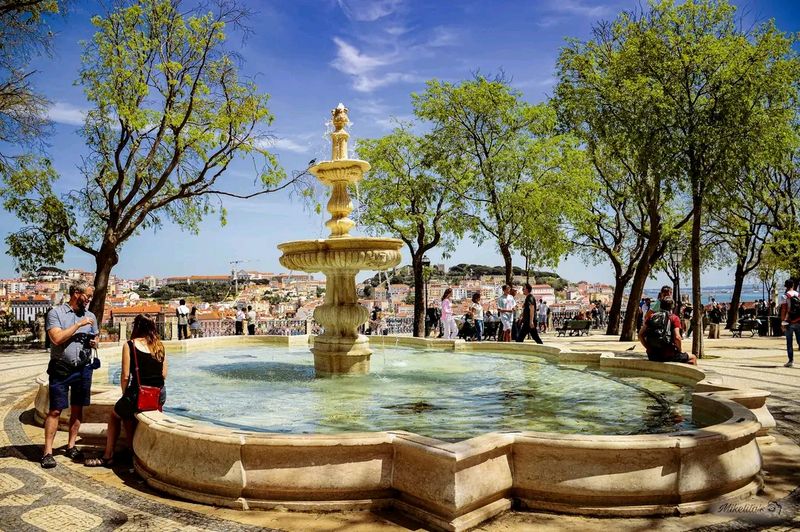
Port wine is obviously a major draw, and the wine lodges across the river in Vila Nova de Gaia offer free or cheap tastings that are far more relaxed than anything you’d find at a tourist-heavy destination. Porto’s hills mean constant viewpoints called miradouros, where the whole city spreads out below you.
Lisbon has its famous trams, but Porto has its own vintage tram line and an extraordinary train station covered in blue-and-white azulejo panels. Porto earns its admirers honestly, with beauty that takes absolutely no effort to notice.
Korcula, Croatia (instead of Dubrovnik)
Dubrovnik is breathtaking. It is also packed with cruise ship passengers from the moment the sun rises.
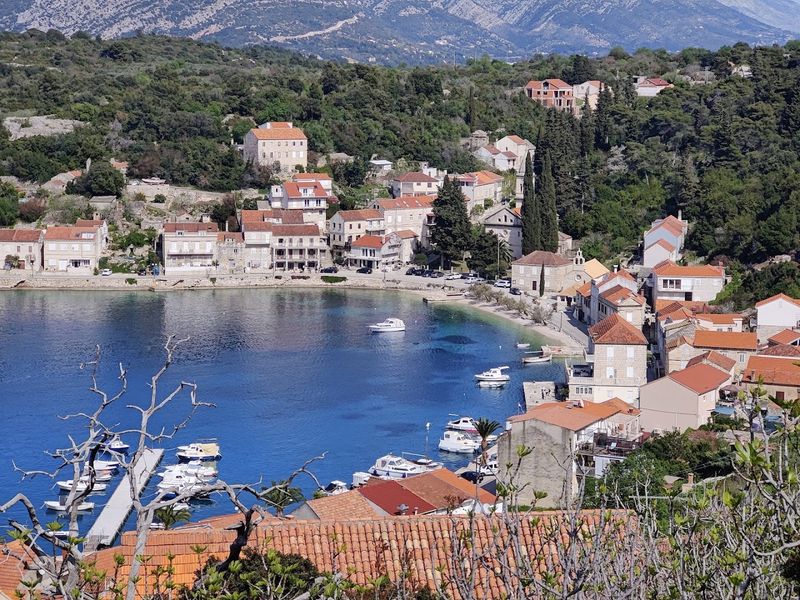
Korcula offers almost everything that makes Dubrovnik special, including medieval walls, narrow stone streets, and Adriatic views, but without the queues, the noise, or the inflated prices.
The old town sits on a small peninsula that juts into the sea, giving it a shape that looks almost perfectly designed. Marco Polo is believed to have been born here, and locals are quite proud of that fact, with a tower and museum dedicated to the explorer.
The streets inside the walls follow a clever herringbone pattern designed to channel sea breezes while blocking harsh winds.
Local wine from the Korcula vineyards, especially Posip and Grk, is outstanding and widely available at family-run konobas across the island. The pace of life here is genuinely slow, with afternoons reserved for long lunches and evening walks along the harbor.
Ferries connect Korcula to Split and Dubrovnik, making it an easy addition to any Croatian itinerary. Travelers who discover Korcula tend to talk about it the way people talk about a secret they almost don’t want to share.
Zadar, Croatia (instead of Split)
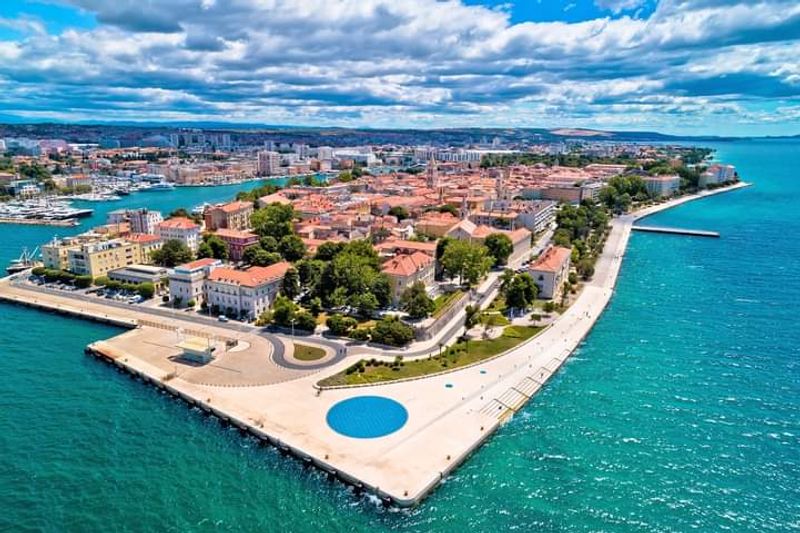
The Sea Organ in Zadar is one of the most unusual things you’ll encounter in any city on earth. Architect Nikola Basic designed a series of tubes beneath marble steps along the waterfront, and the movement of the Adriatic waves pushes air through them to create haunting, ever-changing music.
Alfred Hitchcock once called Zadar’s sunset the most beautiful in the world.
Roman ruins are scattered casually throughout the old town, with the Forum dating back to the first century BC sitting open and accessible in the city center. The Church of St. Donatus, a round pre-Romanesque building from the ninth century, rises dramatically nearby.
History here doesn’t sit behind velvet ropes. It’s just part of the neighborhood.
Split is wonderful, but it draws significantly more visitors, especially during summer months when Diocletian’s Palace fills with tour groups. Zadar’s old town sits on a narrow peninsula and is almost entirely pedestrianized, making it a genuinely pleasant place to explore at any pace.
The Greeting to the Sun installation beside the Sea Organ creates a light show at night using solar energy collected during the day. Zadar is imaginative, ancient, and surprisingly affordable for a city this beautiful.
Wroclaw, Poland (instead of Prague)
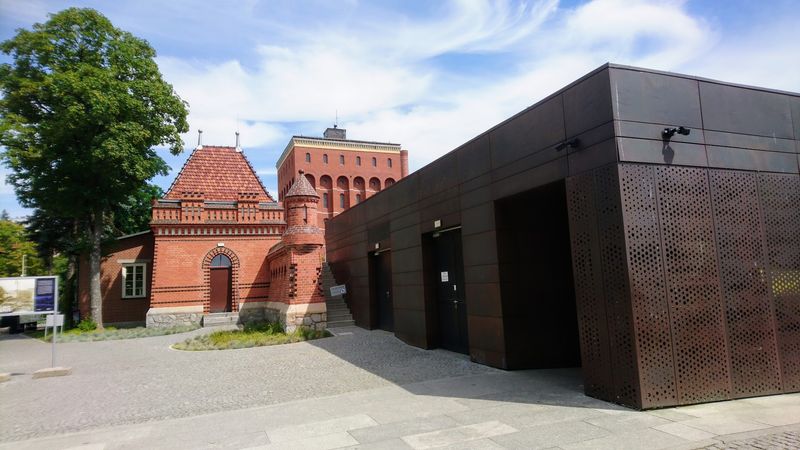
More than 300 tiny bronze dwarf statues are hidden across Wroclaw, tucked around corners and perched on ledges throughout the city. Finding them has become a beloved local tradition that turns an ordinary walk into something genuinely fun.
That playful spirit captures something essential about Wroclaw’s personality.
The main market square, called Rynek, is one of the largest and most colorful medieval squares in Central Europe. Gothic townhouses in every shade of pastel surround it, and the whole space buzzes with outdoor cafes, street musicians, and locals going about their day.
The Gothic Church of St. Elizabeth nearby is a landmark worth climbing for the rooftop view.
Prague’s beauty is undeniable, but its tourist density in peak season can be genuinely exhausting. Wroclaw sits on twelve islands connected by over a hundred bridges, giving it a geography that rewards wandering.
The city was almost entirely rebuilt after World War II, which makes its well-preserved appearance all the more remarkable. University life keeps the restaurant and bar scene affordable and lively.
Wroclaw genuinely surprises first-time visitors who arrive expecting a second-tier version of Prague and leave convinced they’ve found something better.
Linz, Austria (instead of Vienna)
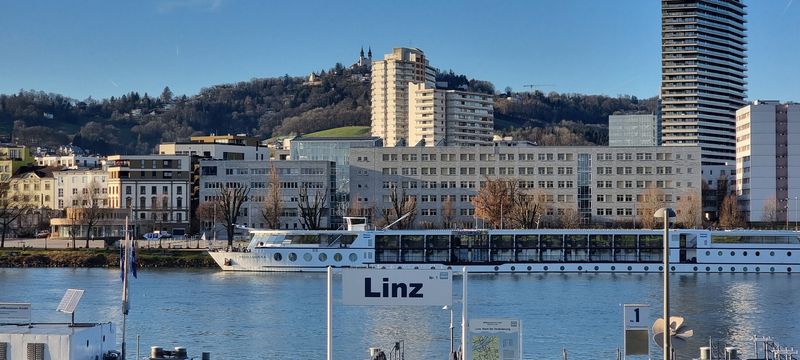
Linz has a complicated history that it has transformed into something genuinely impressive. Once associated with heavy industry and a dark chapter in European history, the city has reinvented itself as one of Austria’s most forward-thinking cultural destinations.
The contrast between its Baroque old town and its bold modern museums is part of what makes it fascinating.
The Ars Electronica Center on the Danube riverfront is one of Europe’s leading museums dedicated to technology, art, and science, with interactive exhibits that draw visitors from around the world. Just across the river, the old town retains its elegant Habsburg-era architecture, with the Hauptplatz main square considered one of the finest Baroque squares in Austria.
The two sides of the city feel like a conversation between past and future.
Linz also hosts the Linz Bruckner Orchestra and major classical music festivals, honoring composer Anton Bruckner who was born nearby. Vienna is only about an hour and a half away by train, but Linz offers a far more relaxed pace and significantly lower prices for accommodation and dining.
The Linzer Torte, considered the world’s oldest recorded cake recipe, is reason enough to visit a local bakery. Linz rewards curious travelers who look past the obvious Austrian cities.
Malmo, Sweden (instead of Stockholm)
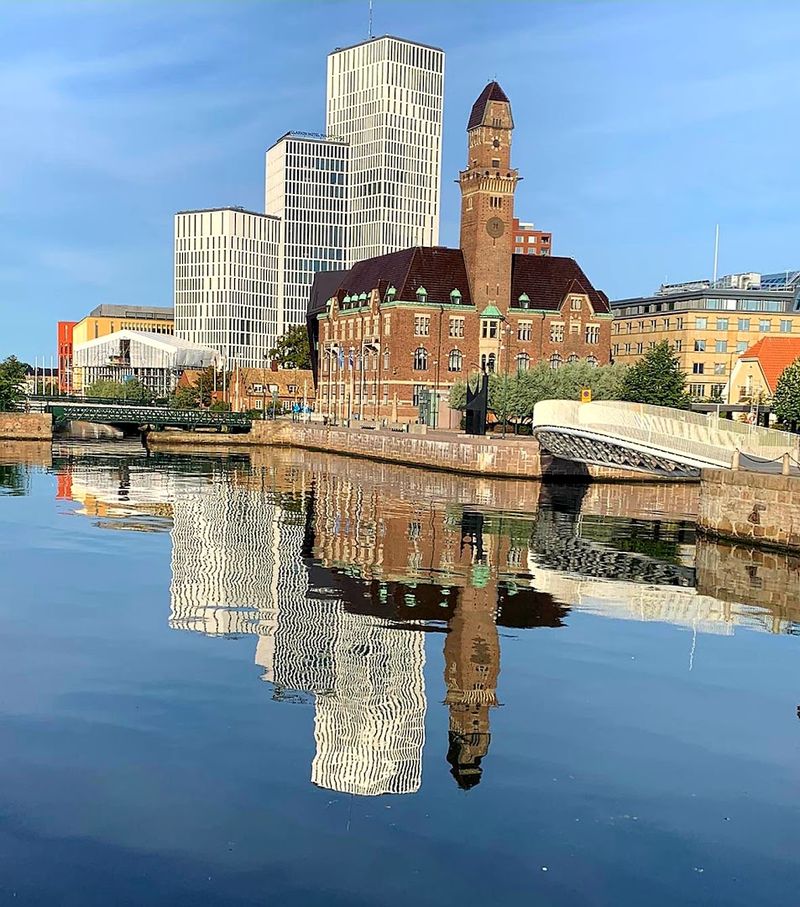
The Turning Torso skyscraper twists dramatically above Malmo’s waterfront like a building that simply refused to stand still. It’s a fitting symbol for a city that has spent the last two decades reinventing itself from a declining industrial port into one of Scandinavia’s most livable and forward-thinking urban spaces.
Malmo is genuinely exciting right now.
The historic center around Stortorget square feels quintessentially Swedish, with colorful half-timbered buildings and a relaxed cafe culture that makes it easy to spend an entire afternoon doing very little productively. Cycling infrastructure here is outstanding, with smooth dedicated lanes connecting the beach, parks, and city center.
Malmo is the kind of place where a bike is genuinely the best way to see everything.
Copenhagen is just a 35-minute train ride away across the Oresund Bridge, making Malmo a smart and affordable base for exploring both cities. Stockholm’s prices and size can feel overwhelming for a short break, but Malmo is compact enough to feel comfortable within hours of arriving.
The Western Harbour district showcases sustainable urban design that has won international recognition. Malmo punches well above its size and budget, delivering a Scandinavian city experience that leaves most visitors pleasantly surprised.
Cork, Ireland (instead of Dublin)
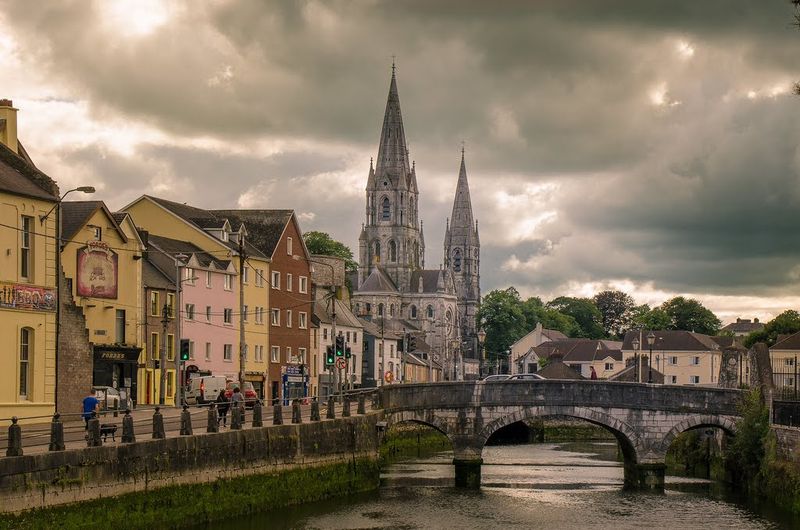
Cork people will tell you, with complete sincerity, that their city is the real capital of Ireland. Dubliners disagree, but Cork keeps making a compelling case.
The city sits on an island between two channels of the River Lee, giving it a layout that feels more like a continental European city than a typical Irish town.
The English Market is one of the finest covered food markets in Europe, selling everything from local farmhouse cheese to fresh fish and traditional black pudding. Cork’s food scene has grown impressively over the past decade, with a cluster of excellent restaurants and artisan producers making it a genuine culinary destination.
The city’s pride in its local food culture is infectious and completely justified.
Pubs here feel authentically Irish in a way that Dublin’s tourist-heavy Temple Bar district often doesn’t. Traditional music sessions happen organically on weekday evenings in neighborhood pubs like The Oval or Sin E.
The nearby town of Cobh, where the Titanic made its last port of call, adds a layer of poignant history to the region. Blarney Castle is just 20 minutes away if you’re determined to kiss that famous stone.
Cork is smaller, friendlier, and far less rushed than Dublin, which is exactly the point.
Ljubljana, Slovenia (instead of Prague or Vienna)
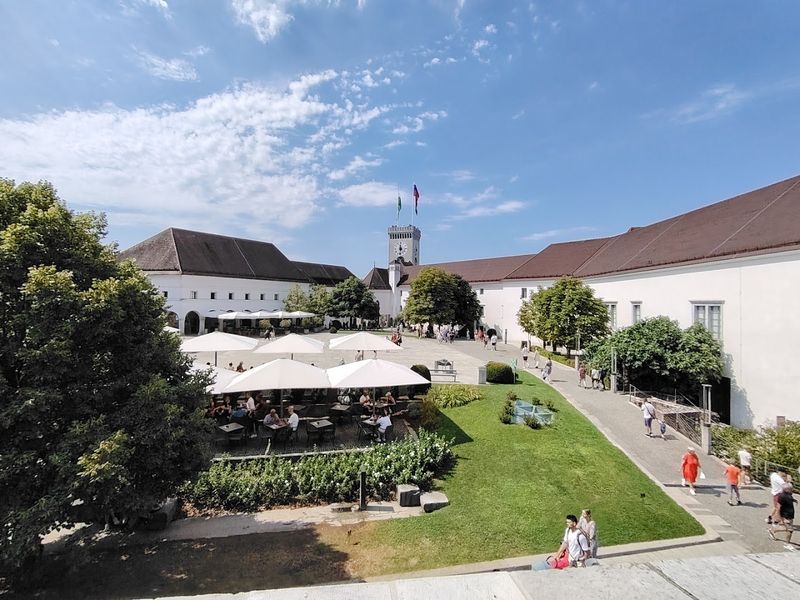
Ljubljana might be the most underestimated capital city in all of Europe. Compact enough to walk across in an afternoon, yet rich enough in architecture, culture, and cafe life to keep you happily occupied for days, it occupies a sweet spot that larger European capitals can only dream about.
The city center is almost entirely car-free.
The Ljubljanica River runs through the heart of the old town, lined on both sides with outdoor restaurants and cafes that fill up from morning until late at night. Ljubljana Castle sits on a forested hill directly above, accessible by funicular or a pleasant uphill walk, and offers panoramic views across the city and toward the Julian Alps.
The view on a clear day is genuinely stunning.
Architect Joze Plecnik transformed much of Ljubljana in the early 20th century, leaving behind distinctive bridges, colonnades, and public spaces that give the city its unique visual identity. The Triple Bridge crossing the river is one of his most celebrated works and an iconic Ljubljana landmark.
Prices here are significantly lower than Prague or Vienna, making Ljubljana one of Europe’s best-value city breaks. Slovenia’s natural beauty, including Lake Bled, is only 55 minutes away by bus, adding serious outdoor adventure potential to any visit.
Tallinn, Estonia (instead of Helsinki)
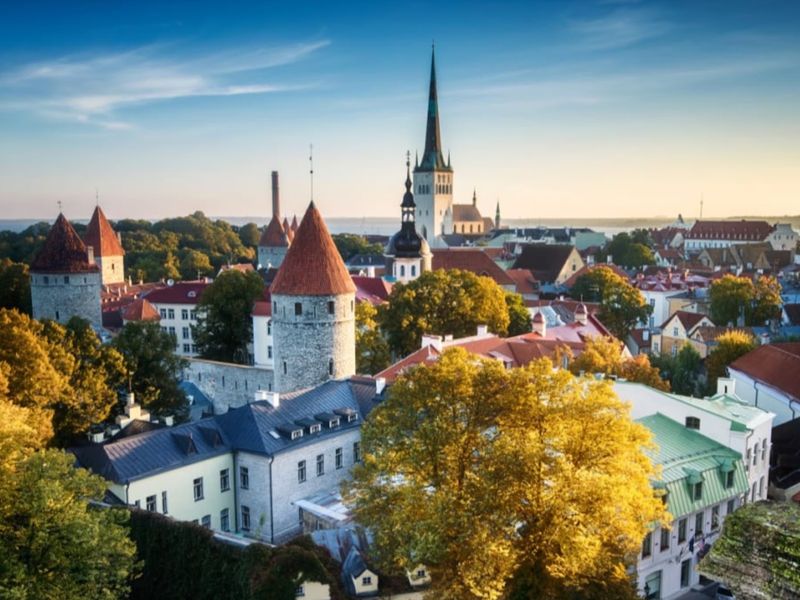
Tallinn’s old town is so well preserved that walking into it genuinely feels like stepping into the 14th century. Limestone towers, cobblestone streets, and Gothic guild halls sit within medieval walls that have survived wars, occupations, and the passage of seven centuries.
It is one of the best-preserved medieval city centers anywhere in Northern Europe.
Toompea Hill divides the old town into two distinct levels. The upper town was historically home to bishops and nobles, while the lower town belonged to merchants and craftspeople.
That social divide is still reflected in the architecture today, and exploring both levels reveals completely different atmospheres within the same small area. The views from Toompea across the red rooftops are spectacular.
Helsinki is just a two-hour ferry ride across the Gulf of Finland, and many travelers combine both cities in a single trip. Tallinn, however, offers far more visual drama and historical depth at considerably lower prices.
The city has also developed a thriving food and cocktail scene in recent years, with innovative restaurants tucked inside medieval buildings throughout the old town. Estonia’s digital-forward reputation means free wifi is genuinely everywhere.
Tallinn rewards travelers who arrive with curiosity and leave with a long list of reasons to return.
Berat, Albania (instead of Santorini’s historic villages)
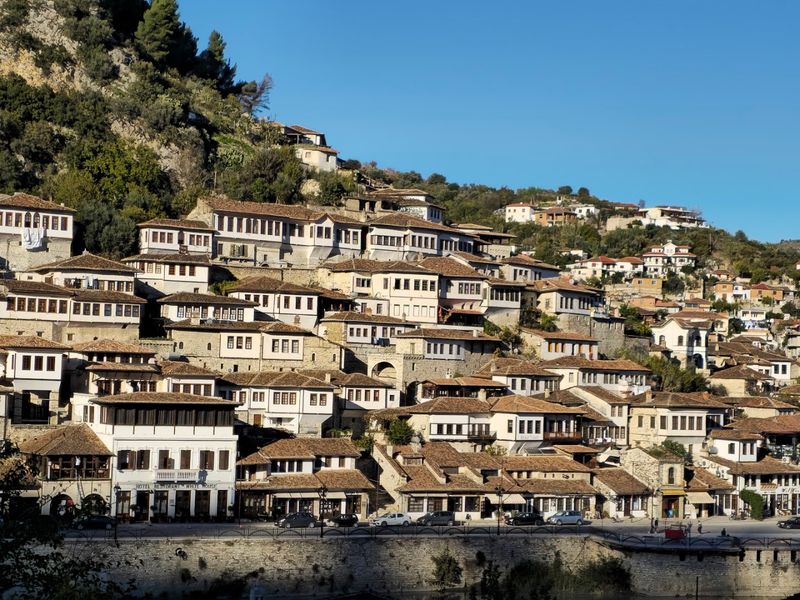
Berat earned its nickname, the City of a Thousand Windows, because its hillside Ottoman houses are stacked so closely together that their rows of large windows seem to multiply endlessly as you look up from the valley below. It is one of the most visually striking cityscapes in the entire Balkans, and almost nobody outside of dedicated travelers has heard of it.
The Kala citadel at the top of the hill is not a ruin. People actually live inside its medieval walls, making it one of the few continuously inhabited castle neighborhoods in the world.
Wandering through its narrow lanes, you’ll pass family homes, a Byzantine church converted into a museum, and locals hanging laundry outside doors that are centuries old. The ordinariness of daily life inside a medieval fortress is quietly extraordinary.
Santorini delivers iconic white architecture and clifftop views, but it comes with prices and crowds that can drain the joy out of the experience. Berat offers comparable visual drama at a fraction of the cost, with a genuine local culture that hasn’t been flattened by mass tourism.
Albania’s currency, the lek, means your budget stretches remarkably far here. Berat is a UNESCO World Heritage Site that genuinely deserves far more attention than it currently receives from international travelers.
Share this story