Tucked into the far western mountains of North Carolina, there is a place where people trade their phones for hammers, clay, and quiet afternoons. The John C. Campbell Folk School in tiny Brasstown lets folks spend a whole week learning old crafts like pottery, blacksmithing, and weaving with their own two hands. It is the kind of local treasure that feels almost secret, hidden in the Blue Ridge foothills and beloved by regulars who return year after year.
If you have ever wished you could slow down and make something real, this is a spot worth knowing about.
A Craft Haven Hidden in Brasstown
Way out in the southwestern corner of North Carolina, past the busy interstates and tourist stops, sits a little community called Brasstown. That is where you will find the John C. Campbell Folk School at One Folk School Rd, a place built entirely around making things by hand.
It is an art school, but calling it just that misses the point. People come here to spend days learning pottery, blacksmithing, weaving, woodturning, and dozens of other traditional Appalachian crafts from working artists.
Visitors describe it as one of the most unique and inviting places they have ever set foot in. With a 4.7-star rating across 175 reviews, word has clearly spread among folks who love authenticity over flash. Yet it still holds onto that overlooked, tucked-away feeling that makes stumbling across it feel like a genuine discovery.
Heritage Passed Down Through Willing Hands
The whole idea behind this place is beautifully old-fashioned. Regulars talk about learning crafts exactly the way they were done a century ago, taught by dedicated artists who care about keeping those skills alive.
One visitor put it simply, saying it is a place where crafts are preserved and passed along through talented artisans. That mission runs through everything from the blacksmith shop to the weaving studio.
Rooted in Appalachian folk tradition, the school has long served as a gathering point for regional crafters, makers, welders, quilters, and storytellers. For a reader who treasures heritage and history, there is real satisfaction in knowing that walking these grounds means touching a living tradition. You are not just watching history in a museum case; you are picking up the same tools and techniques people used generations back.
A Setting That Feels Like Another World
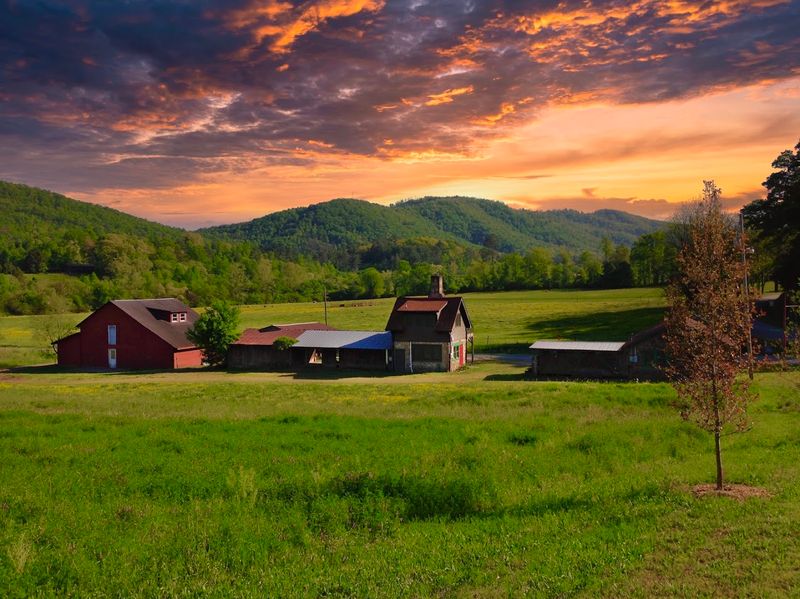
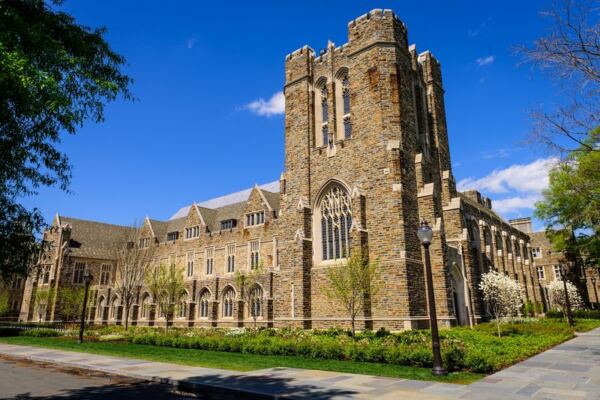
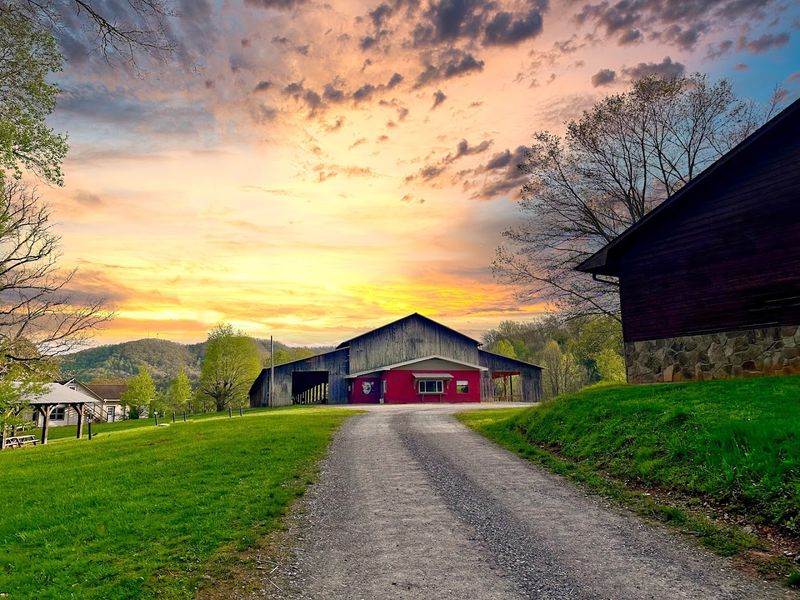
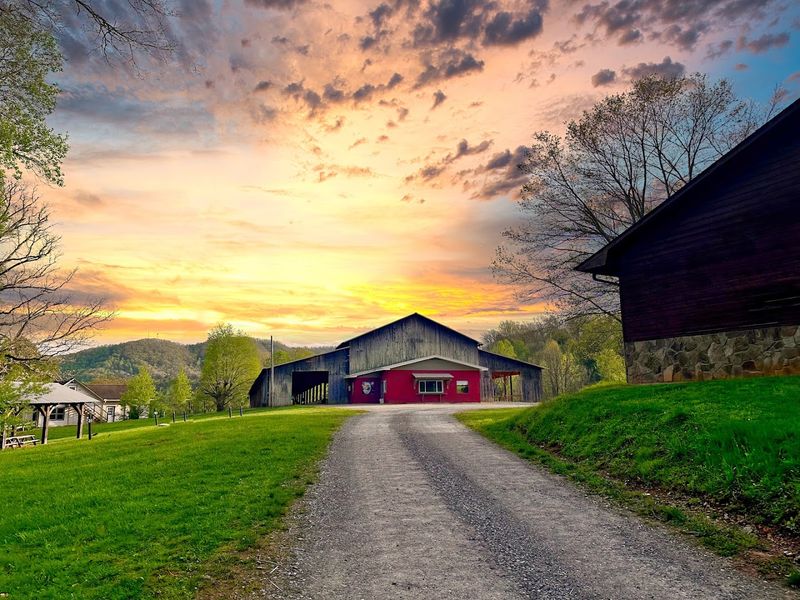
Picture rolling green hills, quiet walking paths, and mountain views that make you exhale the second you arrive. The campus sits in the gorgeous North Carolina mountains, and guests keep coming back to that peaceful, unhurried atmosphere.
One reviewer described landing here easily and yet feeling like they had stepped into a different world, one where they were nurtured in mind, body, and spirit. Another simply called it a pleasant, quiet campus.
There is a Brasstown River Walk to wander and craft studios scattered across the grounds to explore between sessions. Folks mention the quaint accommodations with amazing views and how relaxing the whole place feels. For anyone worn out by expensive, exhausting travel, the setting alone offers a reason to make the drive west. It gives off the sense that time slows down the moment you cross onto the property.
Blacksmithing and the Ring of the Forge
Few things feel as old and elemental as standing at a glowing forge, hammer in hand, shaping hot metal. Blacksmithing is one of the signature crafts here, drawing people who want to try their hand at an art that predates almost everything else we make.
The school is known among regional welders and makers as a place to sharpen serious skills. Reviewers note that whether you arrive as a total beginner or an experienced maker, there is something built for your level.
Classrooms and studios come well-equipped, which matters a great deal when you are working with fire and iron. Guests praise the quality of instruction and the care put into the tools and spaces. Spending a week at the forge is not something you can rush, and that is exactly the point; the craft demands patience, and the school gives you the days to earn it.
Shaping Clay in the Pottery Studio
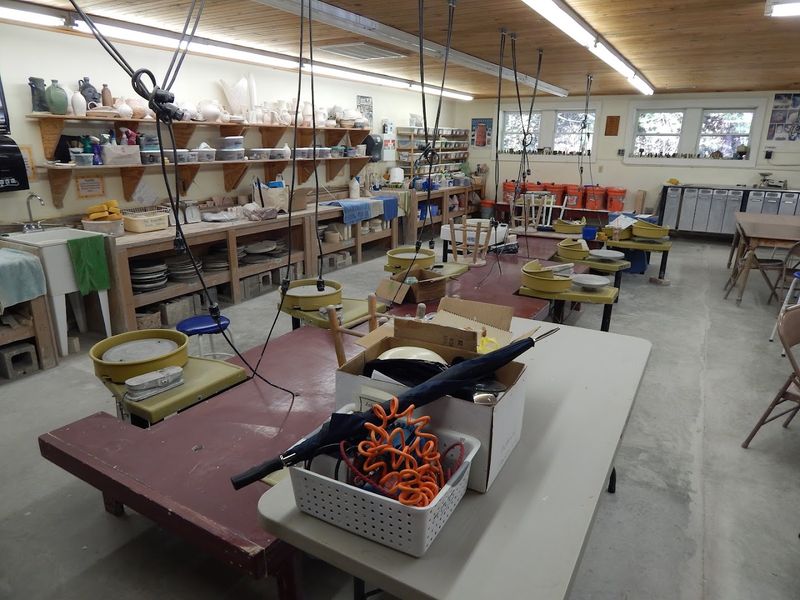
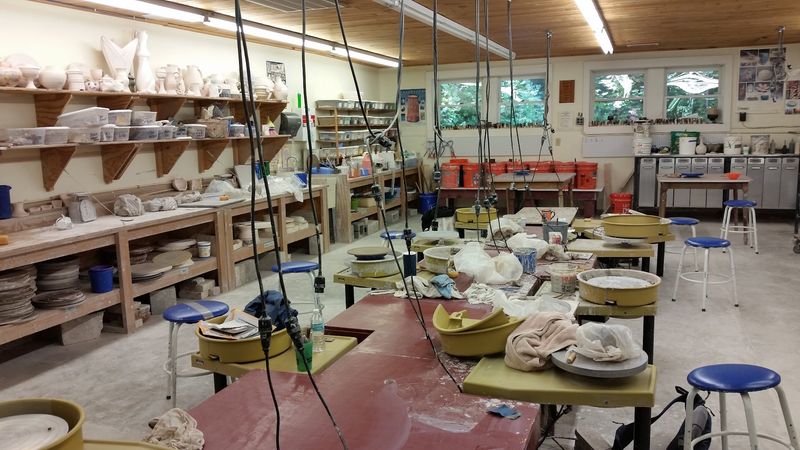
There is a special kind of joy in pulling a lump of wet clay into something you can actually use. Pottery is another cornerstone craft at the folk school, offering hands-on days at the wheel and the worktable.
Students routinely leave surprised by what they managed to create. One rookie in a different studio walked away with pieces she was genuinely proud of, and that spirit runs across the class offerings.
The studios are described as well-equipped and thoughtfully set up for makers of every experience level. Instructors are called top in their fields, the sort of teachers who make a beginner feel capable rather than overwhelmed.
Because classes stretch across a full week, there is time to fail, adjust, and try again without the pressure of a rushed weekend workshop. That patience is baked into the whole approach, and it is why so many people return to keep building their skills.
Dozens of Crafts Under One Umbrella
Blacksmithing and pottery may headline the story, but the range of classes here is genuinely staggering. Guests rave about the diversity of subjects, from jewelry making and silversmithing to enameling, felting, woodturning, and even shape note singing.
One visitor discovered the school while searching online for the nearly lost art of shape note singing, then got pulled in by everything else on offer. Another took a week-long jewelry class as a complete beginner and left inspired and challenged.
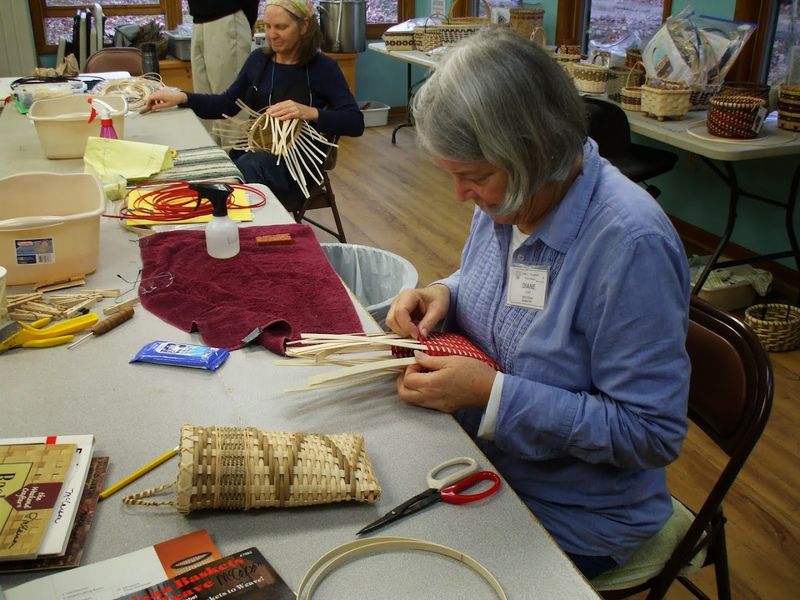
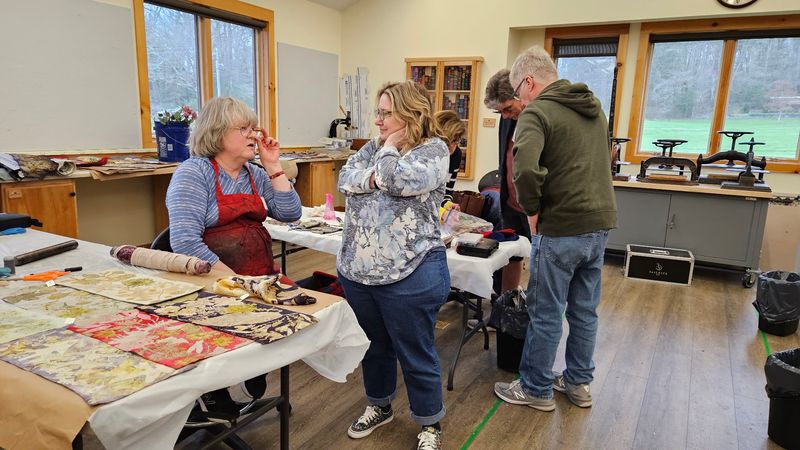
Woodturning students praise both the instructors and the equipment. Ecoprinting on leather, basket weaving, quilting, and dance all show up on the schedule too.
Whatever quiet curiosity you have been carrying around, odds are good there is a class for it. That wide-open menu is a big part of why people describe the place as endlessly returnable, with fresh things to try on every visit.
Room, Board, and Food Worth Talking About
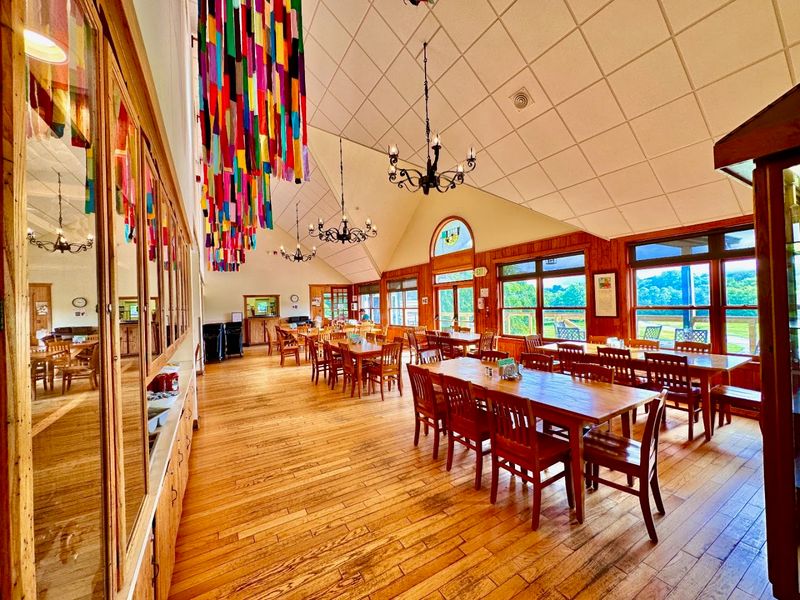
Staying on campus turns a class into a full retreat, and the meals are a highlight all their own. One self-described foodie raved that the food was fresh, well-seasoned, and full of variety.
Breakfast came with yogurt, lunch and dinner included a salad bar, and desserts like lemon bars, cherry pie, and chocolate cake made regular appearances. Dinners featured trout, roast beef, and chicken, with alternatives always offered for anyone with dietary needs.
Guests with gluten, dairy, or vegan preferences mention feeling well taken care of. The on-site rooms are called quality room and board, quaint, and paired with those lovely mountain views.
Eating meals together also feeds the community feeling that visitors love so much. Sharing a table with fellow students, swapping stories about the day’s work, becomes part of the experience rather than an afterthought.
The Welcoming, Non-Competitive Spirit
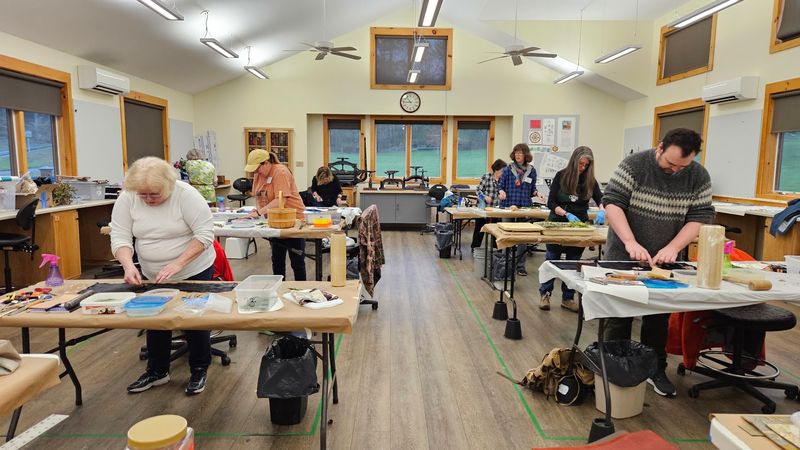
What keeps people coming back, sometimes 25 times over, is the feeling in the air. Reviewers repeatedly describe a warm, relaxed, non-competitive environment where beginners and masters learn side by side.
One longtime guest loves that the concept of learning something new without pressure resonates so deeply. Another said the community atmosphere is amazing, with people relaxed and friendly thanks to the instructors, staff, and management living out the school’s mission.
It has been called camp for grown-ups, a phrase that captures the mix of new friends, shared meals, and gentle challenge. Craftspeople are treated respectfully, and the whole place hums with music and art.
Honesty matters, though, so it is fair to say the experience can hinge on the class and instructor you draw. Most guests find exactly the nurturing community they hoped for, which is why the words treasure and magical keep showing up in their descriptions.
The Gift Shop and Its Handmade Treasures
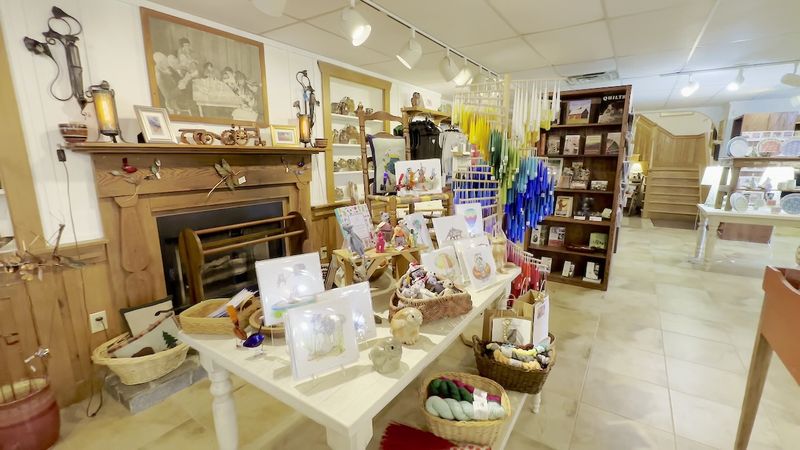
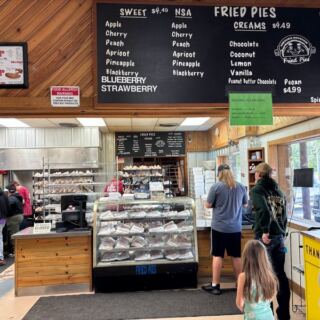
Even if you never sign up for a class, the campus gift shop is a reason to stop by. It is filled with beautiful, hand-crafted things made by local artists, teachers, and students.
Browsing the shelves feels like walking through a curated gallery of Appalachian talent. Every piece carries the fingerprints of someone who learned or teaches their craft right there on the grounds.
Visitors describe the level of craftsmanship as top notch, and it is a lovely way to take home a genuine piece of the place. Instead of a mass-produced souvenir, you get pottery, jewelry, or woodwork with a real story behind it.
For a reader who prizes authenticity over tourist-trap trinkets, this little shop delivers exactly the kind of find worth bragging about. Supporting the makers directly makes the purchase feel even better.
Festivals That Light Up the Calendar
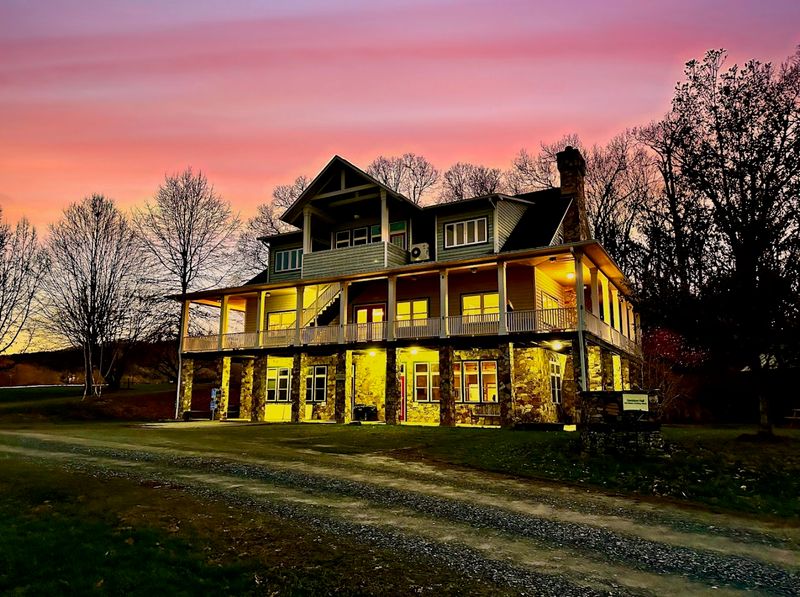
Once a year the whole campus bursts to life for the Fall Festival, an annual celebration held around the weekend of October 6th through 8th. Locals call it a mecca for regional crafters, makers, welders, dancers, storytellers, and quilters.
One reviewer named it the best quality craft show they had seen since moving to North Carolina. Another loved that the art show winds through the surrounding woods, with fall leaves drifting down as teachers give demonstrations of their classes.
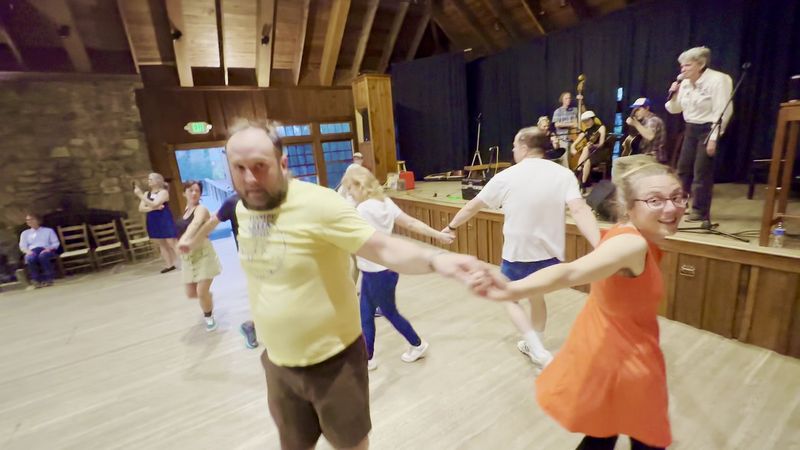
Beyond the big fall event, the school hosts contra dances at the Keith House, concerts, and special gatherings throughout the year. A shape note singing day and other one-off events pop up on the schedule too.
These celebrations offer a wonderful low-commitment way to sample the school if a full week is not in the cards. You get the crafts, the music, and the mountain setting all in an afternoon.
Planning Your Visit and Getting There
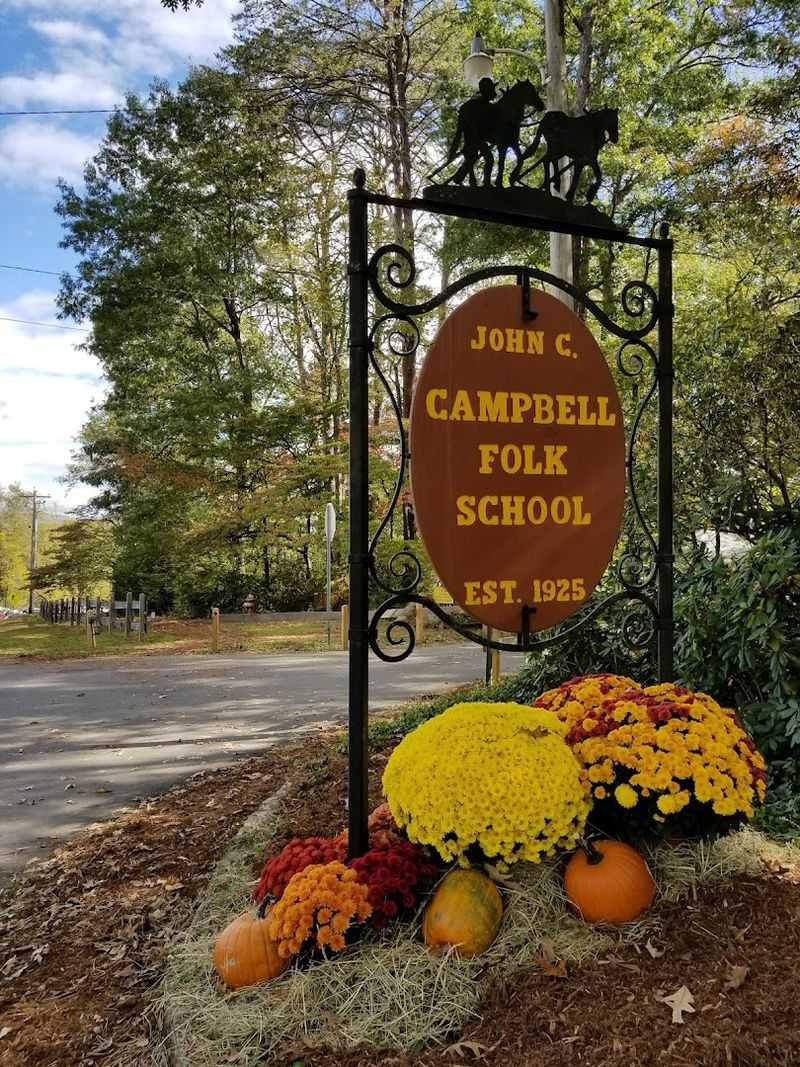
Ready to go? The school sits at One Folk School Rd in Brasstown, NC 28902, out in the far western mountains near the Georgia border. The office is open Monday through Friday from 8 AM to 5 PM and closed on weekends, so plan any calls or drop-ins accordingly.
You can reach the staff at 828-837-2775 or browse classes and register through folkschool.org. Reviewers describe communication with the school as excellent, and one group that missed a shuttle even had their fares refunded.
For travelers flying in, a shuttle from the Atlanta airport is an option, and staff readily suggest alternatives like a rideshare when plans go sideways. Weeklong classes come with room and board packages, though some students choose to stay off campus, especially if they are traveling with a pet.
Honest heads-up: guests note the experience runs pricey, so it is worth budgeting ahead of time.
Why This Mountain Retreat Stays With People
Something about spending a week making things by hand tends to stick. Guests use words like magical, treasure, and better than a vacation, and many have returned for a decade or more.
One retiree said the place made her feel like a kid again, full of the excitement of new friends and new skills. Others simply count down the days until their next class.
It is not flawless, and a rare visitor has walked away disappointed by an off-fit class or a heavier price tag than expected. Still, the overwhelming sentiment is one of joy, growth, and genuine belonging.
If you crave a slower, more meaningful kind of getaway rooted in real Appalachian tradition, this quiet corner of North Carolina delivers something hard to find anywhere else. Come for a single festival afternoon or stay a whole week at the forge; either way, you are likely to leave with more than you arrived with.
Share this story