
Tucked away on Duke University’s campus in Durham, there’s a leafy 85-acre spot where more than 200 lemurs swing, sunbathe, and groom each other just a few feet from visitors. The Duke Lemur Center holds the most diverse group of these wide-eyed primates found anywhere outside Madagascar, and it doubles as a serious research and conservation center. Most people driving through the Triangle have no idea it’s even here, which makes finding it feel like uncovering a real North Carolina secret. If you love animals, science, or just want an unforgettable morning, this place belongs on your list.
A Hidden Primate Haven in Durham

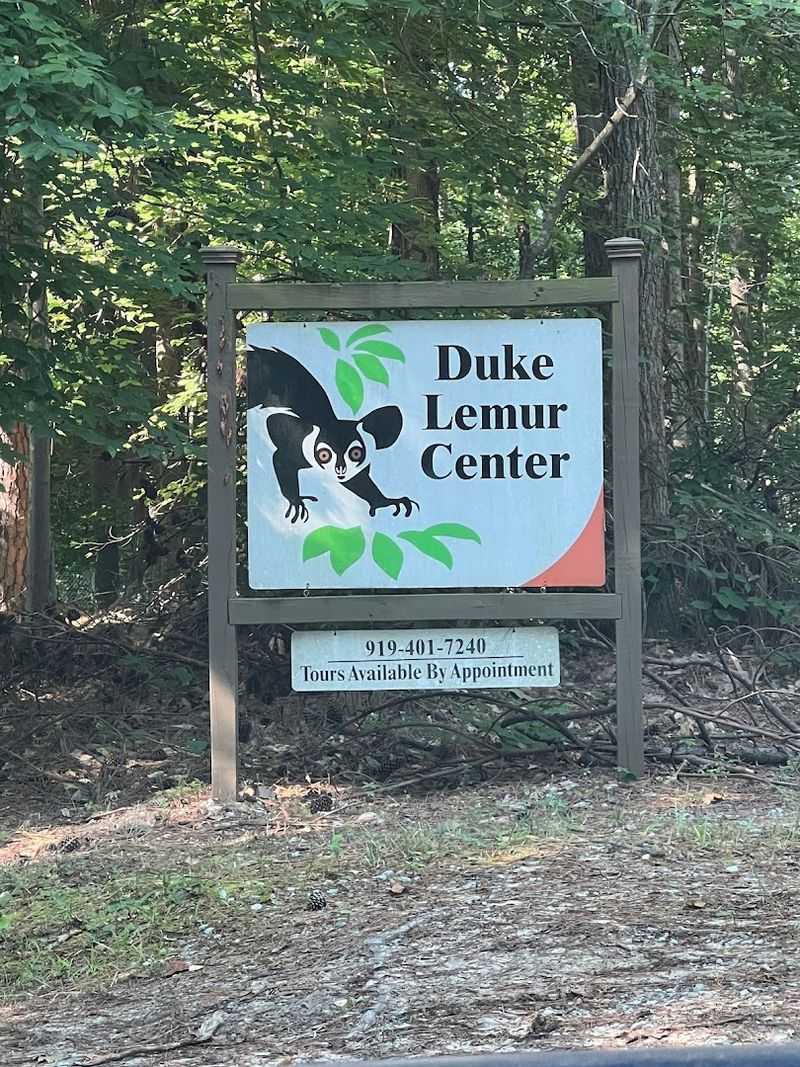
Set at 3705 Erwin Rd in Durham, the Duke Lemur Center sits right on Duke University’s campus, spread across a wooded 85-acre property. Plenty of locals pass by without realizing what’s living just beyond the tree line.
It’s officially a research foundation, not a zoo, and that distinction matters. The lemurs here aren’t kept for show; they’re part of an ongoing scientific mission to understand and protect one of the planet’s most endangered groups of animals.
What draws visitors in is the sheer number and variety. With over 200 lemurs representing many different species, this is the most diverse collection of these primates anywhere outside their island home of Madagascar. One visitor summed it up nicely, calling it a lovely little place they wish more people knew about.
From a Yale Researcher’s Problem to a World-Class Center

The whole thing started because of a logistics headache. A researcher at Yale had been collecting lemurs and simply had nowhere suitable to keep them, so the colony made its way south.
Those animals became the foundation of what opened here in 1966. Nearly six decades later, the center has grown into a globally recognized institution, and visitors often mention learning this transplant-from-Yale origin story during their tours.
The numbers tell you how far it has come. Over the years, the center has bred roughly 3,400 lemurs, carefully managing genetics to keep species diverse and healthy. That kind of long-term dedication is exactly why regulars describe it as a true gem and a world-class asset to the Triangle.
Meeting the Ring-Tailed Stars and Their Cousins

Ring-tailed lemurs, with those unmistakable striped tails, tend to steal the spotlight, but they share the grounds with a whole cast of characters. Coquerel’s sifakas bounce through their enclosures, and the mongoose lemurs and crowned lemurs win people over with their sweet, expressive faces.
Visitors love watching them do their everyday lemur things, especially grooming one another, which several describe as genuinely adorable. On a single guided walk, guests have spotted three to five different species across a couple of enclosures.
Each species has its own quirks and personality. Getting to see so many kinds in one visit is part of what makes the experience feel special rather than repetitive, and it deepens your appreciation for how varied these animals really are.
Choosing Between the General, Walking, and Behind-the-Scenes Tours

You can’t just wander in off the street, and that’s by design. The center offers a few different tour levels, each giving a slightly different flavor of the place.
The General Tour is self-guided and the most affordable option. You follow a path at your own pace within a set time window, with docents and volunteers stationed along the way to answer questions and keep the lemurs safe.
For something more immersive, the Walking with Lemurs tour puts you in a small group of about eight people and takes you into the forest for closer views. There’s also a private tour and a behind-the-scenes experience for those who want the deepest dive. Regulars who’ve done several say the forest walk is their personal favorite.
Guides Who Turn a Visit Into a Lesson
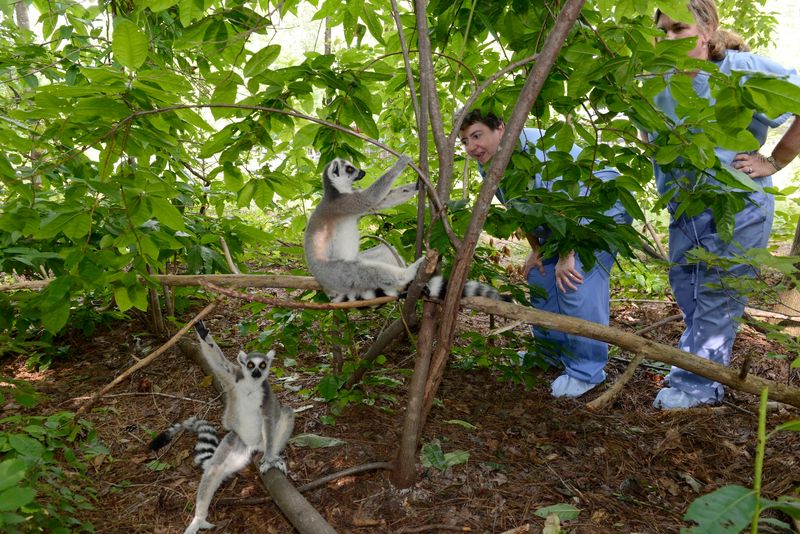
Ask anyone who has been, and the guides come up almost immediately. Whether they’re graduate students, educators, or longtime volunteers, they bring an energy that visitors call contagious.
People describe them as knowledgeable, engaging, and clearly passionate about lemurs and the conservation work behind them. On the immersive tours, guides even go out of their way to help guests find the best angles for photos.
That enthusiasm changes the whole outing. One guest on a two-hour behind-the-scenes tour said the time completely flew by and they would have happily stayed longer. Another noted that the guides always keep both the visitors and the lemurs safe, which speaks to how seriously they take their roles.
Watching Lemurs Live on Their Own Terms
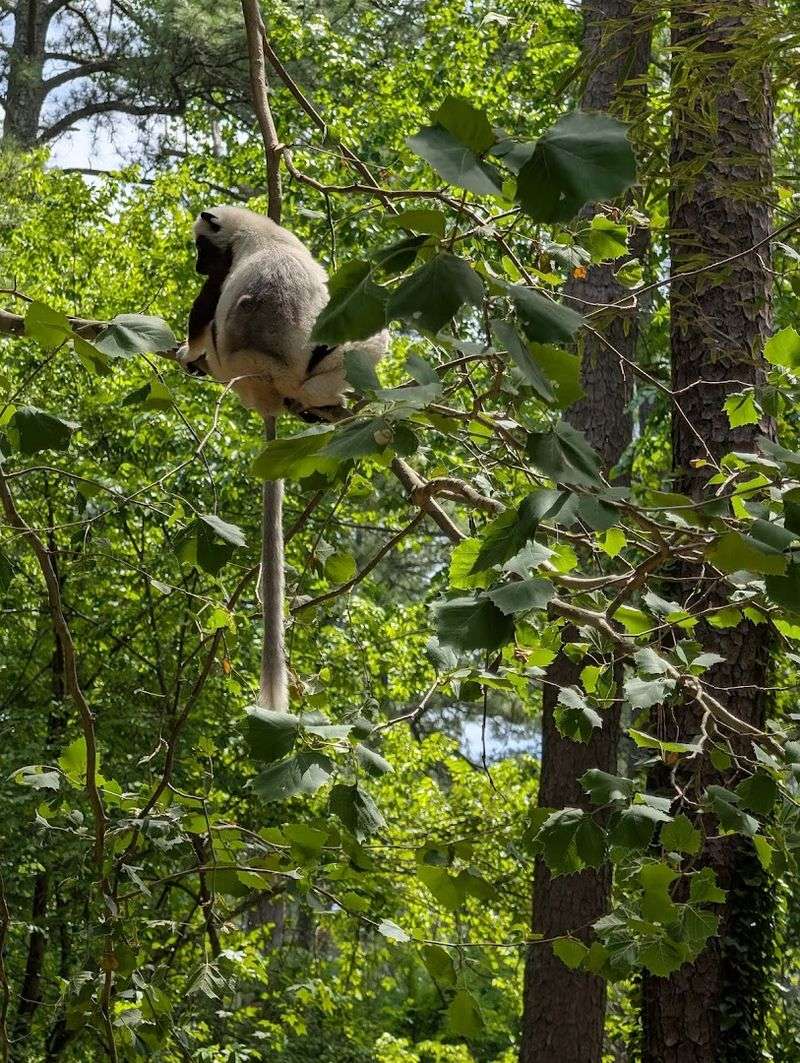
One of the most charming parts of a visit is that the lemurs get to decide how much they want to be seen. They aren’t performers, and nobody forces them into view.
On some walks, a few will lounge way up high in the trees while others come down close for a memorable eye-level moment. During warmer months, the animals get outdoor access and range freely through their habitats, which makes for the best sightings.
Behind-the-scenes guests have watched staff practice recall training to prepare the lemurs for outdoor time, and one visitor even caught a three-month-old baby cheekily stealing a peanut from its mother. Moments like that remind you these are real, wild-hearted creatures with minds of their own.
The Quiet World of the Nocturnal Lemurs
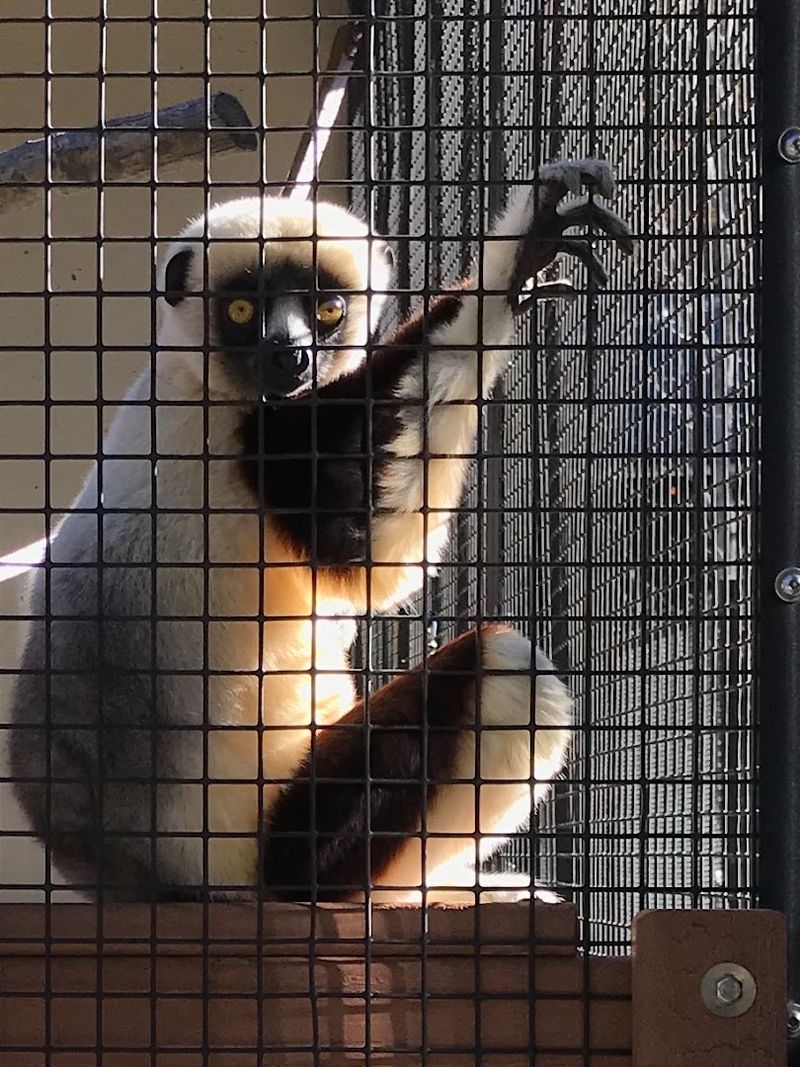
Not every lemur enjoys the daylight, and the center makes special room for the ones that don’t. The nocturnal species live in their own dimly lit habitat designed around their natural rhythms.
Visitors are asked to be very quiet in this space and to never shine lights at the animals, all for the sake of their health and comfort. It’s a small ask that makes the experience feel respectful and a little magical.
On certain behind-the-scenes visits, guests have even watched staff feed some of the smallest nocturnal species up close. Seeing these secretive little primates going about their business is a side of lemur life most people never get to witness.
Conservation and Research at the Heart of It All

Behind the cuteness lies a serious mission. Lemurs rank among the most endangered animals on Earth, largely because their forest homes in Madagascar are being mined and cleared away.
The center studies them non-invasively, meaning research happens without harming the animals. Every admission fee goes directly toward their care and toward preserving these threatened species.
Guests come away with a real sense of purpose. One visitor said the experience increased both their appreciation for lemurs and their awareness of the threats these primates face. Another put it plainly, rating the conservation work itself a full five stars and tipping their hat to the scientists, educators, and caretakers who make it happen.
Learning Signs, Skulls, and STEM Inspiration

Even between enclosures, there’s plenty to soak up. The pathways are lined with signs that visitors describe as both informative and genuinely pleasant to look at.
Inside the visitor center, a small room displays lemur skulls alongside biographies of women in STEM. It’s a thoughtful touch, and one guest liked imagining young girls seeing those displays and feeling inspired to chase science careers of their own.
All this educational richness gives the place a museum-like feel rather than an amusement-park vibe. For curious minds who love reading every placard and asking questions, it turns a simple animal viewing into a genuine learning trip.
Souvenirs That Support a Good Cause
Before you leave, the gift shop is worth a stop, and not just for the fun of it. Every purchase helps fund the lemurs’ care, so a little shopping doubles as a donation.
The shelves hold a surprisingly wide range, from T-shirts and plush stuffed lemurs to polished ammonite fossils and the center’s own magazines. Visitors mention how tidy the shop is and how friendly the cashiers are.
Regulars recommend grabbing some swag on your way out as a memento of the day. It’s a small way to carry a piece of the experience home while giving a bit back to the animals who made it memorable.
Reservations, Parking, and Planning Your Trip
A little planning goes a long way here. You’ll need a reservation, and the center strongly recommends buying tickets online ahead of time so you don’t get turned away at the gate.
One would-be visitor learned the hard way, showing up without a booking and missing the lemurs entirely. Timing matters too, since tours run on a seasonal schedule.
Parking, happily, is easy and free. There’s a main lot plus an overflow lot, and if both fill up, staff will simply point you toward another spot. The address to plug in is 3705 Erwin Rd, Durham, and you can call ahead at 919-401-7240 with questions.
Hours and the Best Season to Visit

The center keeps steady daytime hours, opening at 10 AM and closing at 4 PM Wednesday through Monday, with Tuesdays closed. Some guided walks start much earlier, and guests who booked morning slots swear the early wake-up is worth it.
An 8:30 AM tour, for example, meant many different lemur species were easy to spot. Cooler months can make winter-habitat viewing trickier, and a portion of the animals sometimes choose to stay tucked indoors out of sight.
For the liveliest experience, aim for warmer weather. Visitors repeatedly say to come during summer so you can catch the lemurs in their outdoor enclosures, when they’re most active and easiest to see.
Knowing What Kind of Visit to Expect
Setting expectations makes all the difference here. This isn’t a traditional zoo with big open windows and constant close-up animal action, and going in with that mindset can lead to disappointment.
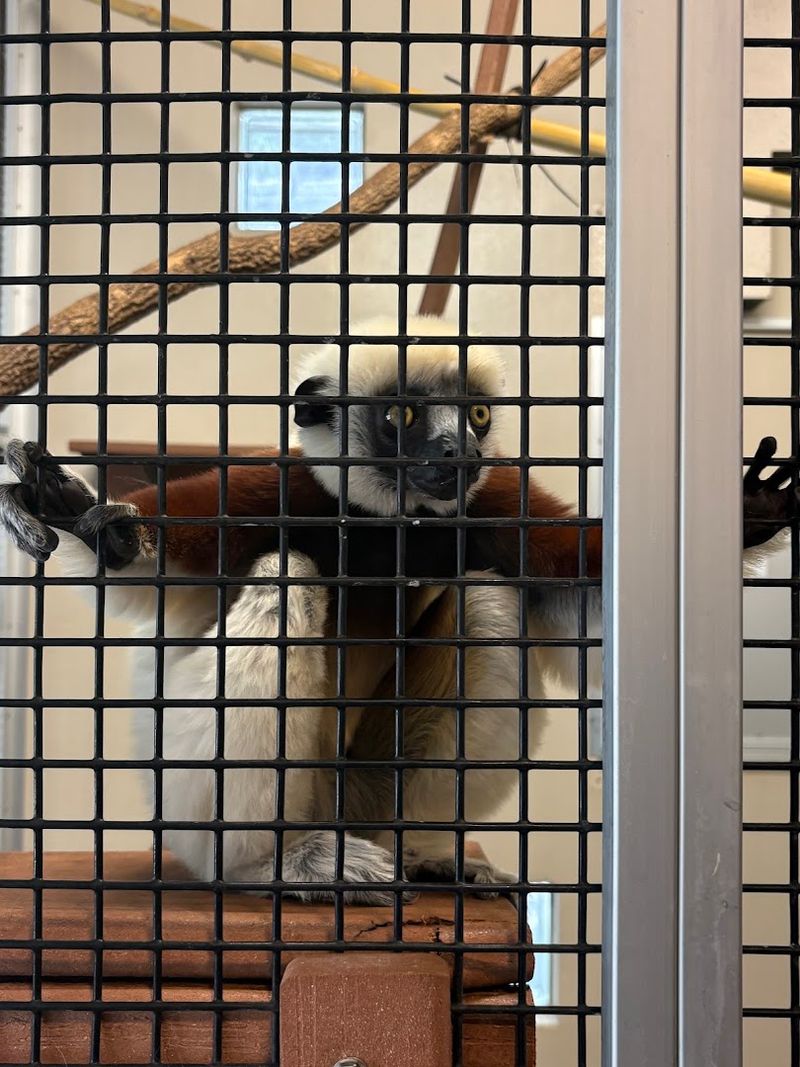
The outdoor enclosures sit behind protective double mesh fencing, and one honest reviewer noted the cages can make lemurs a bit harder to see. If you rush through without engaging the guides, you could breeze past in 15 to 30 minutes.
Slow down, though, and it transforms. Visitors who stop to ask questions and absorb the education call it meaningful and absolutely worth it. Families with very young children should know little ones expecting a zoo may lose interest, so the experience suits curious kids, teens, and adults best.
Why This Overlooked Gem Earns Its Fans

Holding a 4.7-star rating across nearly 200 reviews, the Duke Lemur Center clearly leaves a mark on the people who make the trip. Guests routinely describe their visits as unforgettable and top-tier.
The magic comes from that rare mix of getting close to endangered animals, learning from passionate guides, and knowing your ticket directly funds real conservation. As one longtime fan noted, no photo or video quite does the tour justice; you have to soak it up in person.
For North Carolinians hunting an authentic, purpose-driven day out that most tourists overlook, this is about as good as it gets. Whether you pick the budget-friendly self-guided walk or splurge on the forest tour, you’ll leave with new appreciation for these fuzzy, wide-eyed primates and the team working to save them.
Share this story