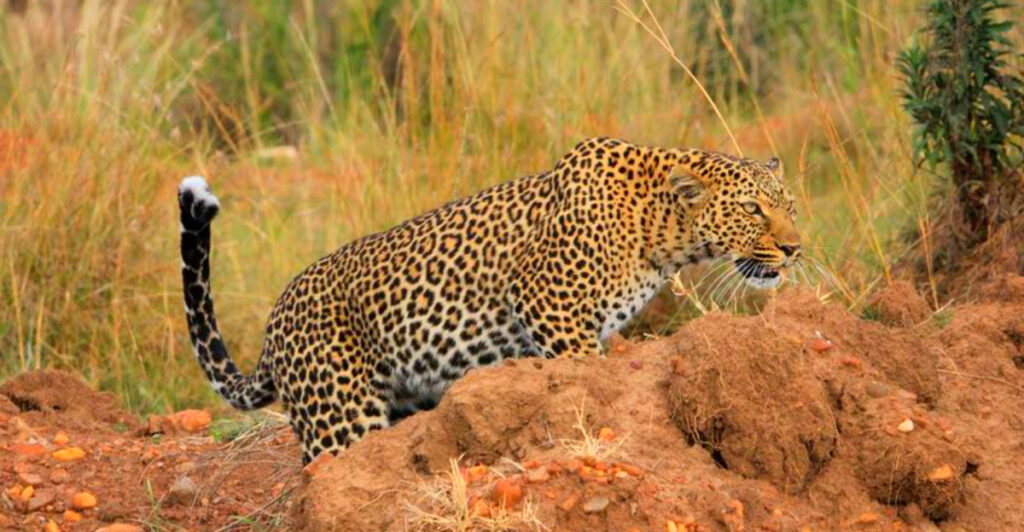
Leopards are one of the most sought-after animals on any African safari, yet they are also the hardest to find. These spotted cats are masters of camouflage, capable of disappearing into a tree or a patch of tall grass before you even realize they were there. Spotting one in the wild feels like winning a jackpot you did not even know you had entered. Africa has dozens of national parks and private reserves, but not all of them offer the same chances of a leopard encounter.
Some destinations have earned legendary reputations among guides, photographers, and wildlife enthusiasts because their landscapes, prey availability, and conservation efforts have created the perfect conditions for leopards to thrive. This guide covers the 15 best places on the continent to find these elusive cats, complete with practical tips and key details to help you plan the safari of a lifetime.
1. Sabi Sand Game Reserve, Mpumalanga, South Africa
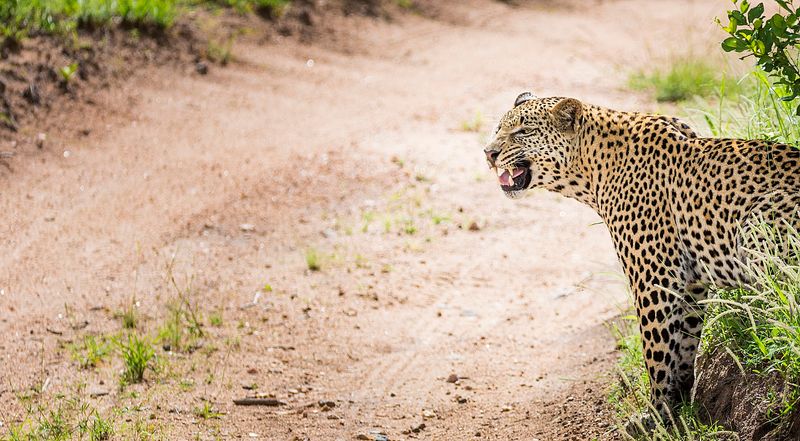
Camera trap surveys have confirmed a leopard density of 12.2 individuals per 100 square kilometers in Sabi Sand, making it the highest recorded density for any protected area in South Africa. Around 85 resident leopards are identified and actively monitored by guides who essentially double as citizen scientists for the Sabi Sands Leopard Project by Panthera.
The project has logged over 110,000 unique leopard sightings since 2003, which is a staggering number that speaks to just how reliably these cats show up here. Decades of responsible guiding have made the leopards remarkably relaxed around safari vehicles, allowing for close-up, unhurried observations.
The Sand and Sabi Rivers flow year-round, supporting healthy prey populations including impala, bushbuck, and nyala. August and September are peak months, when sparse vegetation and concentrated water sources make leopard sightings almost routine.
2. South Luangwa National Park, Eastern Province, Zambia
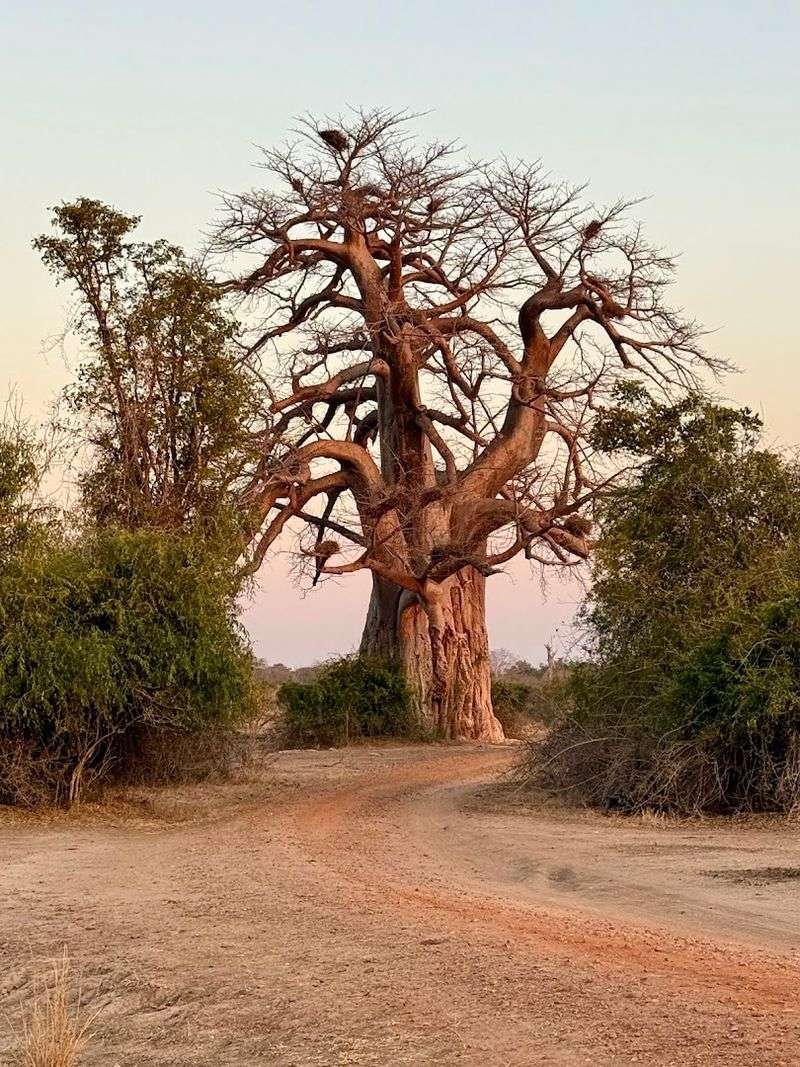
Night drives are the signature experience at South Luangwa, and they are genuinely unlike anything offered at most other African parks. Zambia is one of the few countries that officially permits night game drives, which means visitors get a front-row seat to leopards beginning their hunts after dark, with sightings occurring almost every single evening during peak season.
The park covers 9,050 square kilometers of the Luangwa Valley, bisected by the Luangwa River and a network of oxbow lagoons. Tall trees throughout the woodland provide both elevated resting spots and natural cover that leopards exploit brilliantly.
Healthy populations of impala, puku, and bushbuck ensure the cats are never short of a meal. The dry season from June to October is the best time to visit, when thinning bush and concentrated wildlife along the river make encounters especially frequent.
3. Serengeti National Park, Mara Region, Tanzania
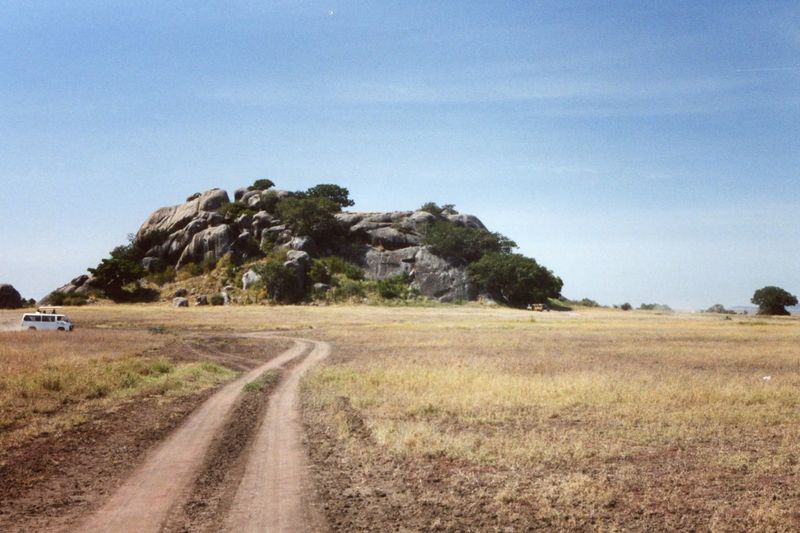
The Seronera Valley sits at the heart of the Serengeti and has built a separate reputation entirely from the Great Migration, because it is one of the most reliable leopard-spotting corridors on the continent. Guides know to scan acacia and Kigelia trees carefully, since a dangling spotted tail is often the only clue that a leopard is overhead.
A 2020 population study estimated a leopard density between 5.41 and 5.72 individuals per 100 square kilometers across the park, with an overall population of approximately 1,000 individuals. The Lobo Valley in the northern section is another productive area that receives fewer visitors than Seronera.
Leopards here actively avoid lions, particularly during the dry season when competition for prey intensifies. Citizen-science initiatives like Snapshot Africa contribute ongoing data that supports conservation planning across the ecosystem.
4. Maasai Mara National Reserve, Narok County, Kenya
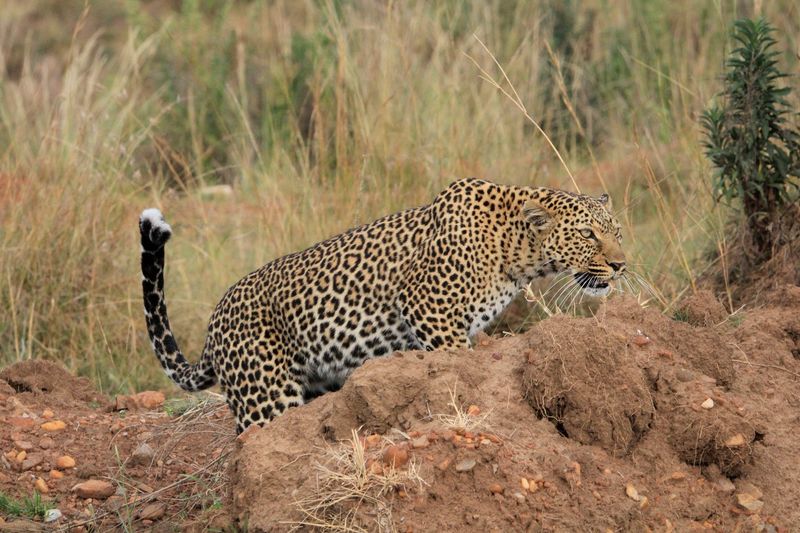
Some of the most famous wildlife documentaries ever filmed were shot right here, following individual Maasai Mara leopards across seasons and years. Experienced guides in the reserve often recognize specific cats by name, having tracked their movements and behavior for a decade or more.
The river systems and wooded corridors along the Mara and Talek Rivers are the most productive zones for leopard encounters. These areas support dense populations of impala and other medium-sized antelope that form the core of the leopard’s diet in this ecosystem.
Every game drive carries genuine potential for witnessing a full hunting sequence, which is as rare as it is thrilling. Balloon safaris over the reserve also provide an aerial perspective on the landscape, helping visitors understand just how much territory a single leopard covers. The dry months of July through October offer the clearest sightings.
5. Moremi Game Reserve, North-West District, Botswana
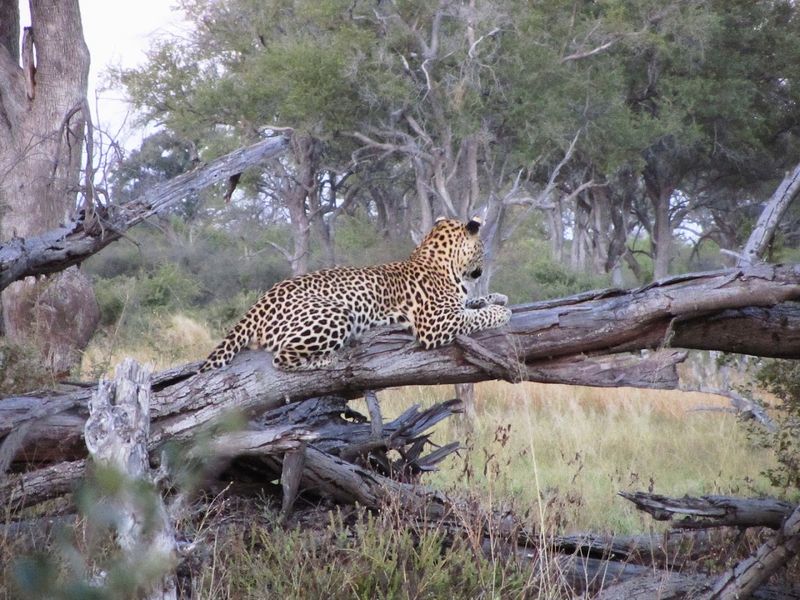
Moremi sits inside the Okavango Delta ecosystem, which means its habitats shift dramatically with the seasons, cycling between flooded islands and dry woodland in a rhythm that keeps wildlife constantly on the move. Leopards adapt brilliantly to this changing landscape, using dense riverine vegetation as cover while targeting antelope that gather at the water’s edge.
The Chief’s Island area within Moremi consistently produces strong leopard sightings, particularly during the dry season when animals concentrate around permanent water sources. The reserve’s mix of mopane woodland, floodplain, and acacia forest gives each game drive a different character.
Unlike some busier parks, Moremi limits the number of vehicles at any sighting, which keeps encounters calm and natural. Visitors who spend at least three nights here significantly improve their chances of multiple leopard encounters across different habitats.
6. Okavango Delta, North-West District, Botswana
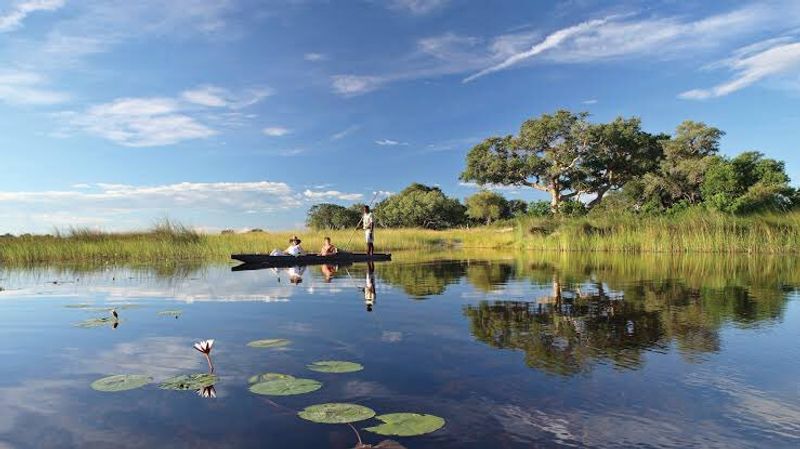
No other safari destination on the planet combines boat safaris, mokoro canoe excursions, and traditional game drives the way the Okavango Delta does, and leopards are present across all three environments. The islands scattered throughout the delta are essentially leopard territory, where the cats patrol forest edges and use the dense vegetation as natural cover.
The delta’s seasonal flooding, which peaks between June and August, concentrates wildlife onto higher ground and creates remarkably productive wildlife corridors. Private concessions surrounding the delta, including Linyanti and Kwando, have earned strong reputations for consistent leopard encounters.
Because much of the delta is accessible only by small aircraft or boat, visitor numbers remain low relative to the area’s size, which translates directly into more natural animal behavior. A leopard spotted from a mokoro gliding silently through the channels is genuinely one of Africa’s most memorable wildlife moments.
7. Kruger National Park, Mpumalanga and Limpopo, South Africa
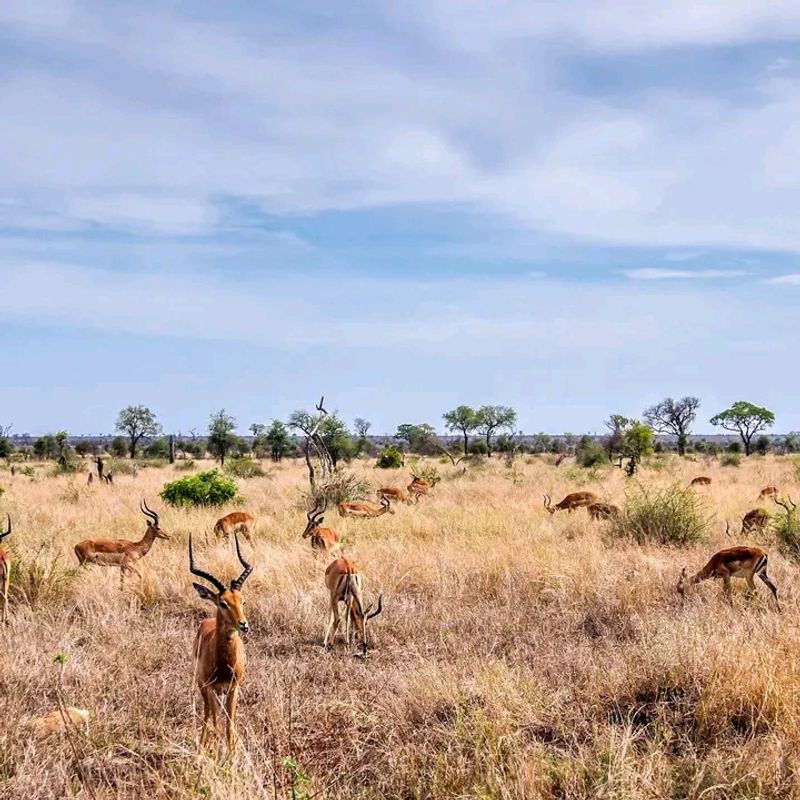
The stretch of road between Skukuza and Lower Sabie along the Sabie River is considered one of the highest-density leopard corridors in the world, a fact that keeps self-drive visitors circling this route on repeat. Kruger’s overall leopard population sits at approximately 1,000 individuals, with densities ranging from 9 to 16 per 100 square kilometers depending on the zone.
The H7 road from Orpen Gate and the S51 ring road near Phalaborwa Gate are also consistently productive. Dawn and dusk are the prime windows, when leopards move along drainage lines and riverbanks before retreating into thick cover.
Kruger’s extensive tarred and dirt road network makes it one of the most accessible parks on the continent for self-drive visitors. The dry season from May to September strips away vegetation and pushes wildlife toward permanent water, maximizing sighting opportunities considerably.
8. Ruaha National Park, Iringa Region, Tanzania
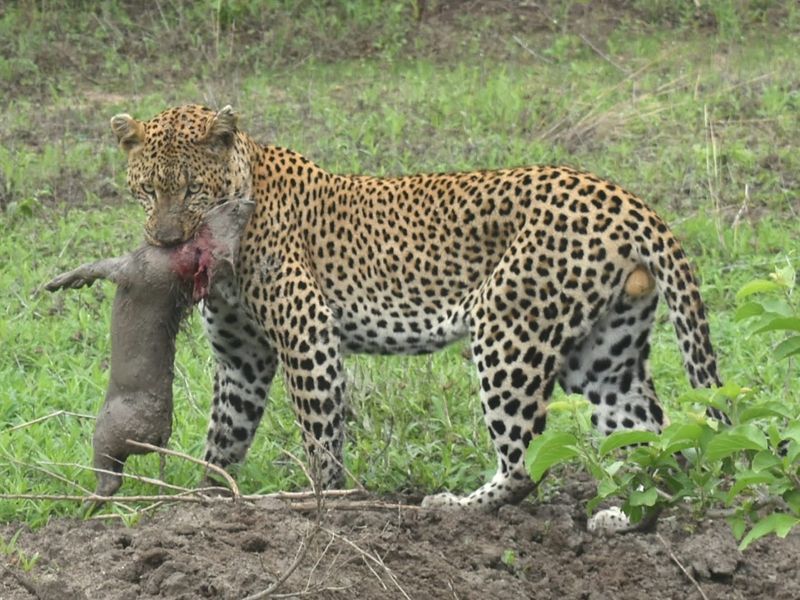
Ruaha is Tanzania’s largest national park and receives a fraction of the visitor numbers that flow through the Serengeti, which means the wildlife here behaves with a freedom that feels genuinely unfiltered. Leopards favor the rocky outcrops and riverine forests along the Great Ruaha River, where they can hunt, rest, and move without much disturbance.
Early morning drives between 6:00 and 9:00 AM and late afternoon sessions from 4:00 to 6:30 PM are the most productive windows for activity. Skilled guides read signs like paw prints, tree scratches, and scent marks to dramatically improve the odds of a successful sighting.
The park’s varied terrain, from miombo woodland to open plains, supports healthy populations of impala, duiker, and bushbuck that keep leopard numbers stable. The dry season from June to October is optimal, when thinning vegetation and concentrated water sources make spotting significantly easier.
9. Tsavo West National Park, Taita-Taveta County, Kenya
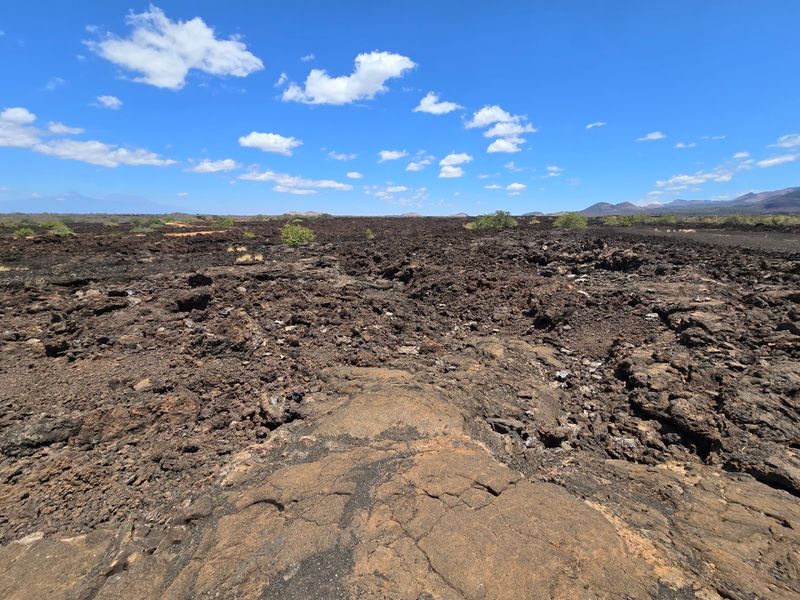
Tsavo West is one of Kenya’s most geologically dramatic parks, where ancient lava flows and volcanic formations create a rugged terrain that leopards navigate with characteristic ease. The thick bush that covers much of the park is exactly the kind of environment these cats prefer, offering cover for hunting and privacy for resting.
Patience is genuinely required here, since the dense vegetation makes sightings harder to come by than in more open parks. But that challenge is precisely what makes a successful encounter so satisfying, especially when a leopard materializes from what looked like an empty hillside.
The Ngulia Rhino Sanctuary and the Mzima Springs area are productive zones worth prioritizing. Visitor numbers at Tsavo West remain lower than at the Mara or Amboseli, giving the entire experience a quieter, more personal character that serious wildlife enthusiasts tend to value highly.
10. Lake Nakuru National Park, Nakuru County, Kenya
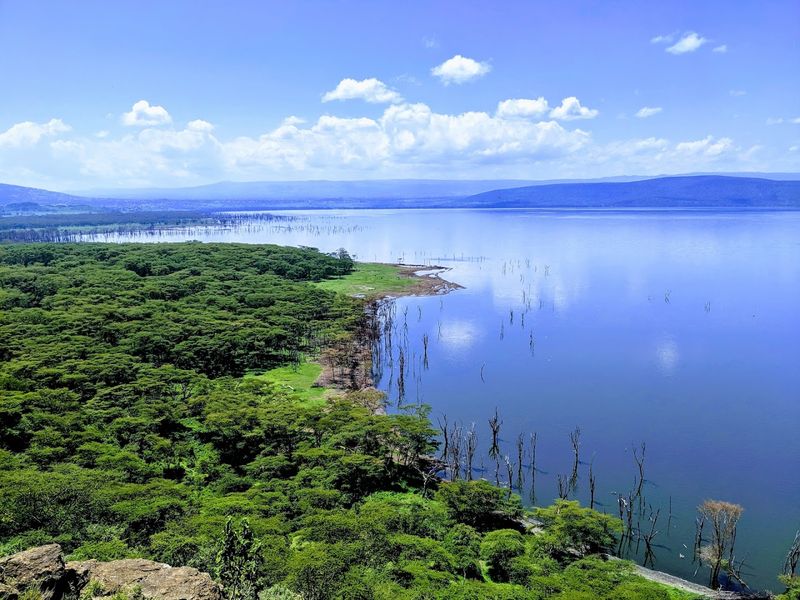
Lake Nakuru is fully fenced, which is an unusual feature for a Kenyan park and one that has created a contained, thriving ecosystem where leopard populations are notably healthy. The rocky Baboon Cliff escarpment on the western edge of the park is one of the most reliable leopard zones, where the cats use boulders and ledges as natural vantage points.
The woodland surrounding the lake supports a consistent prey base, and the compact size of the park, just 188 square kilometers, means that game drives cover productive ground efficiently. Visitors frequently encounter leopards, lions, rhinos, and buffalo all within a single morning drive.
The park is only a two-hour drive from Nairobi, making it an accessible option for shorter safari itineraries. For travelers who want a rewarding leopard experience without committing to a week-long expedition, Nakuru delivers genuine value.
11. Kafue National Park, Central and North-Western Provinces, Zambia
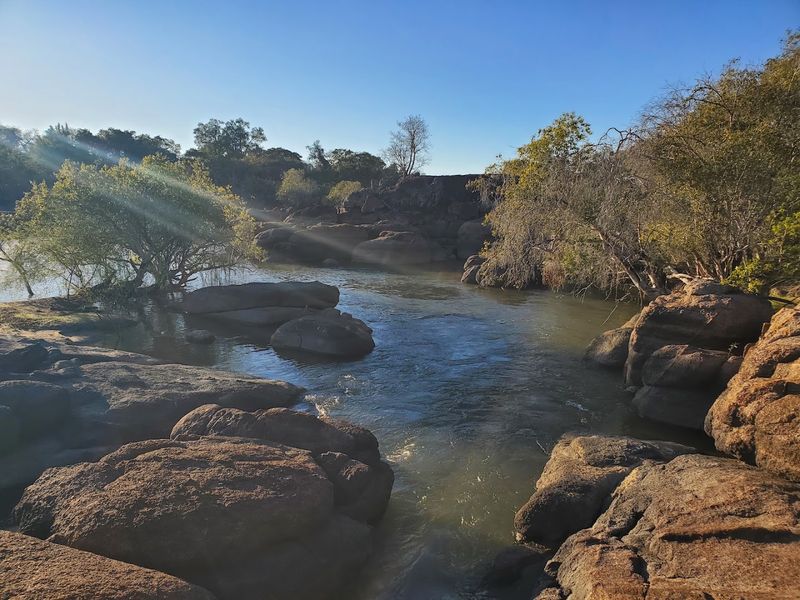
Conservation news from Kafue has been genuinely exciting recently. Leopard populations in certain areas of the park have nearly tripled following long-term efforts by Panthera, with densities reaching as high as 9 individuals per 100 square kilometers in some study sites during 2024. Camera traps identified 95 individual leopards in that year alone.
The park covers approximately 22,400 square kilometers, making it one of the largest protected areas in Africa and one where solitude comes standard. Its diverse habitats, ranging from miombo woodland to riverine forest along the Kafue River, support a thriving prey base of impala, puku, and reedbuck.
Anti-poaching patrols and community engagement programs are credited with driving the population recovery, making Kafue a model for cost-effective conservation. For travelers who prefer wide open spaces over crowded game reserves, this park delivers an authenticity that is hard to match.
12. Mana Pools National Park, Mashonaland West Province, Zimbabwe
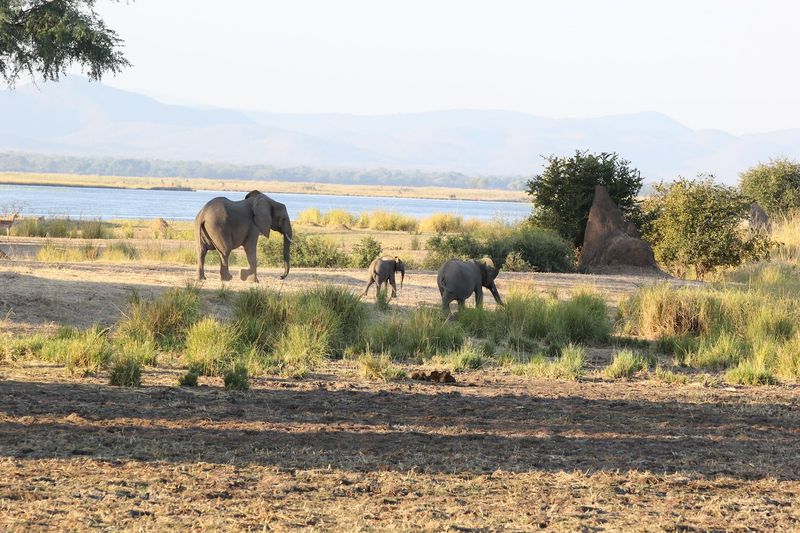
Mana Pools is one of only a handful of African parks where visitors are permitted to walk unguided in the bush, which gives the entire destination an atmosphere of raw, unfiltered wilderness. The walking safari tradition here is world-renowned, and guided walks specifically targeting leopard tracks along the Zambezi floodplain are among the most sought-after experiences in Zimbabwe.
The dry season, from August to October, is when the park truly delivers. Animals pack into the riverine forests and floodplains around the four permanent pools left behind by the receding Zambezi, and leopards follow the prey concentration closely.
The forest canopy along the river, dominated by large mahogany, ebony, and acacia trees, provides ideal resting spots for leopards between hunts. Mana Pools has UNESCO World Heritage status, and the conservation standards here are consistently high across both private and public areas of the park.
13. Hwange National Park, Matabeleland North Province, Zimbabwe
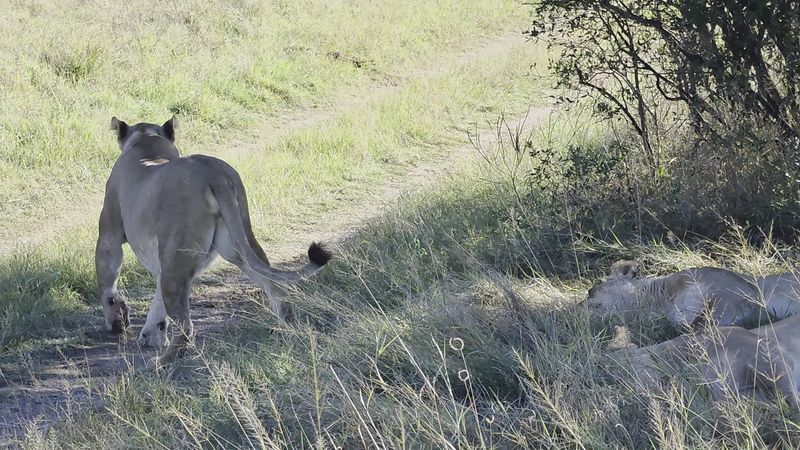
Hwange’s waterholes are the secret weapon of this park, and they work just as effectively for leopard sightings as they do for its famous elephant herds. Artificial pumping keeps dozens of waterholes active year-round, drawing a continuous parade of prey species that leopards cannot afford to ignore.
The hides positioned at key waterholes allow visitors to observe wildlife from ground level without being detected, which consistently produces intimate and unhurried encounters. Dom Camp and Linkwasha are two areas within the park that have earned strong reputations specifically for leopard activity.
Hwange covers over 14,600 square kilometers, meaning its leopard population has enormous territory to work with and genuine room to thrive. Game drives in the early morning and late evening are most productive, but spending a full afternoon at a busy waterhole hide can be equally rewarding and far less predictable in the best possible way.
14. Etosha National Park, Oshikoto Region, Namibia
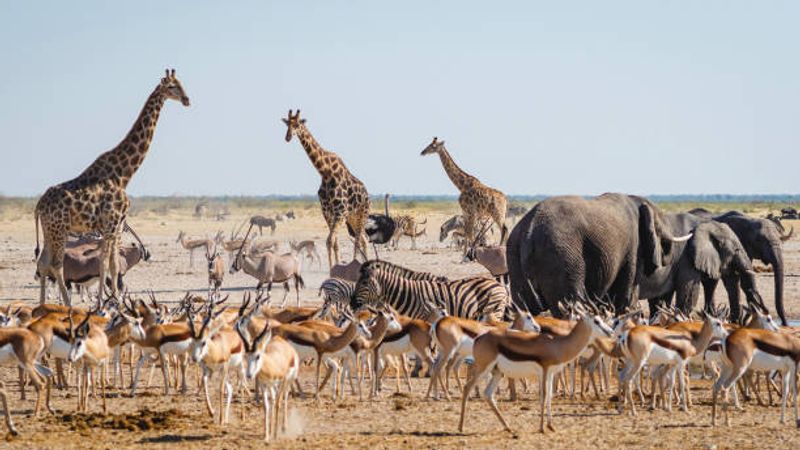
Etosha operates on a completely different logic from most African parks, and once you understand it, the whole experience clicks into place. The massive salt pan at the center of the park is essentially barren, which forces all wildlife to funnel toward a network of productive waterholes around its edges, and leopards know this as well as any animal.
Many of Etosha’s rest camps have floodlit waterholes that remain open throughout the night, allowing guests to watch leopards arrive to hunt or drink without leaving camp at all. This nocturnal viewing setup is genuinely unusual and makes Etosha one of the most accessible parks for after-dark wildlife observation.
The stark white pan and dry Namibian bush give wildlife photography here a visual character that differs sharply from greener East or Southern African destinations. October and November, just before the rains, are peak months for waterhole activity and leopard appearances.
15. Okonjima Nature Reserve, Otjozondjupa Region, Namibia
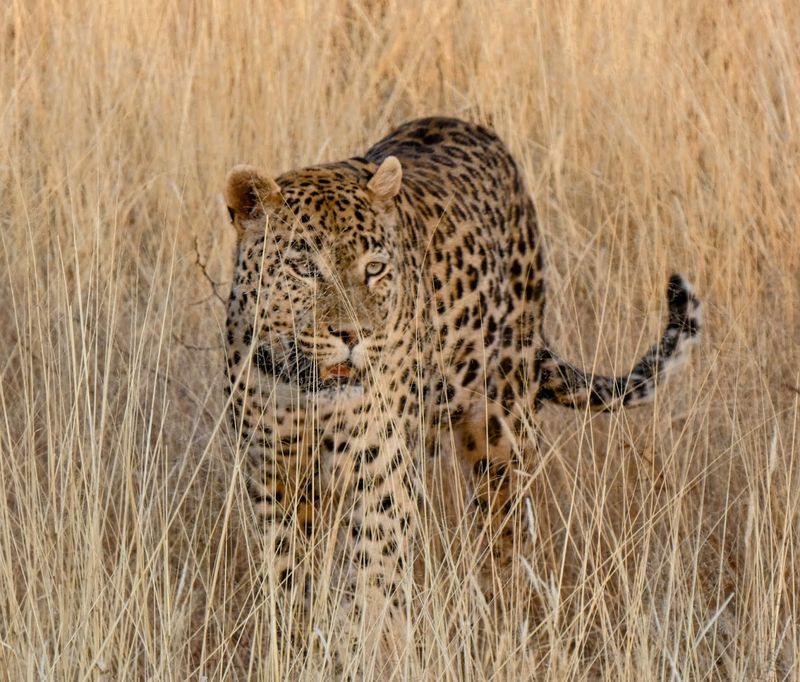
Okonjima is home to the AfriCat Foundation, an organization that has spent decades rehabilitating and researching leopards and cheetahs in Namibia, giving this reserve a scientific depth that most safari destinations simply cannot offer. Guided tracking experiences here are built around genuine research protocols, meaning visitors contribute directly to data collection while learning about individual cat behavior.
The reserve covers 220 square kilometers of Namibian thornbush, and its leopards are monitored with a level of detail that makes encounters unusually informative. Guides explain territorial boundaries, hunting strategies, and social dynamics in ways that transform a wildlife sighting into an actual education.
Okonjima suits travelers who want more than a quick glimpse from a vehicle. The combination of conservation credibility, expert guides, and a landscape that keeps visitor numbers genuinely low creates a safari experience that is measured in understanding as much as in sightings.
Share this story