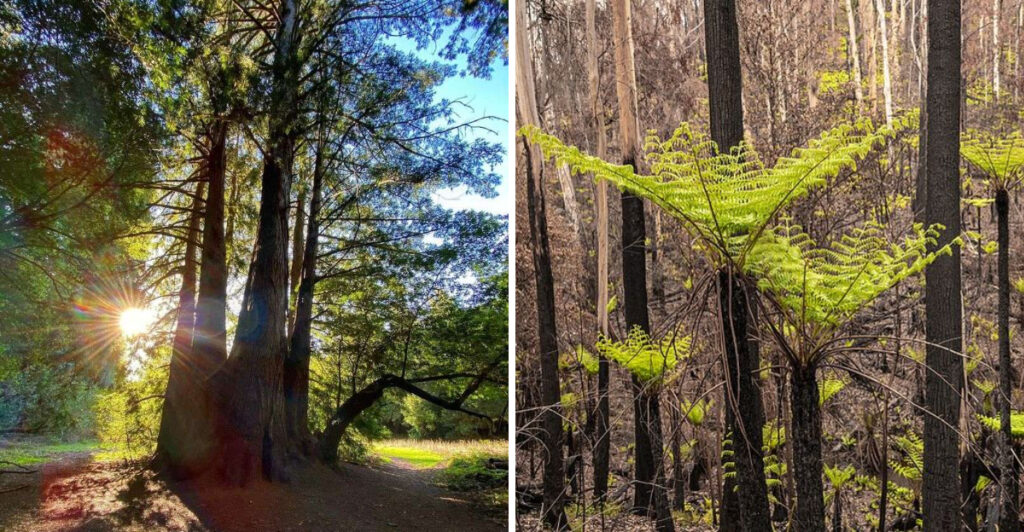
Forests cover about 31% of the Earth’s total land area, playing a huge role in keeping our planet healthy. They absorb carbon dioxide, provide homes for millions of species, and supply clean water and air to billions of people.
Some countries are home to massive stretches of forest that dwarf entire continents. Here is a look at the 15 countries with the largest forest areas on Earth, ranked from biggest to smallest.
1. Russia
No country on Earth comes close to matching Russia when it comes to forest cover. Russia holds roughly 815 million hectares of forest, making it the most forested nation by a wide margin.
That is more than the entire Amazon rainforest.
Most of Russia’s forests are part of the taiga, also called the boreal forest, which is the world’s largest land biome. These cold, dense forests of spruce, pine, and fir stretch across Siberia for thousands of miles.
They play a critical role in regulating the global climate by storing enormous amounts of carbon.
Russia’s forests face threats from logging, wildfires, and climate change, with Siberian wildfires becoming more frequent and severe in recent years. Protecting this massive woodland is one of the most important environmental challenges of our time.
2. Brazil
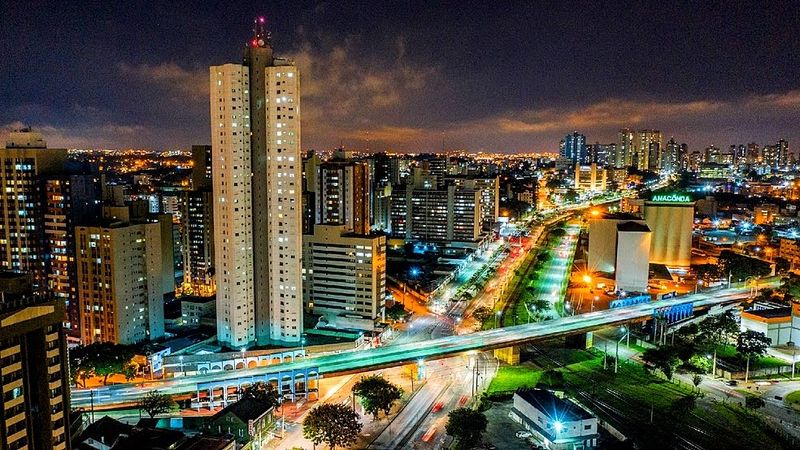
Brazil is home to the legendary Amazon rainforest, the largest tropical forest on the planet. With around 497 million hectares of forest, Brazil ranks second globally and holds a staggering share of the world’s biodiversity.
The Amazon alone contains about 10% of all species on Earth, from jaguars and anacondas to thousands of plant species found nowhere else. Local Indigenous communities have lived within and protected these forests for thousands of years, carrying deep knowledge of the land.
Deforestation driven by agriculture, cattle ranching, and illegal logging has put significant pressure on Brazil’s forests over the past few decades. Conservation programs and stricter enforcement have helped slow the damage in some regions, but the fight to protect the Amazon remains urgent.
The health of Brazil’s forests affects weather patterns and ecosystems far beyond South America.
3. Canada
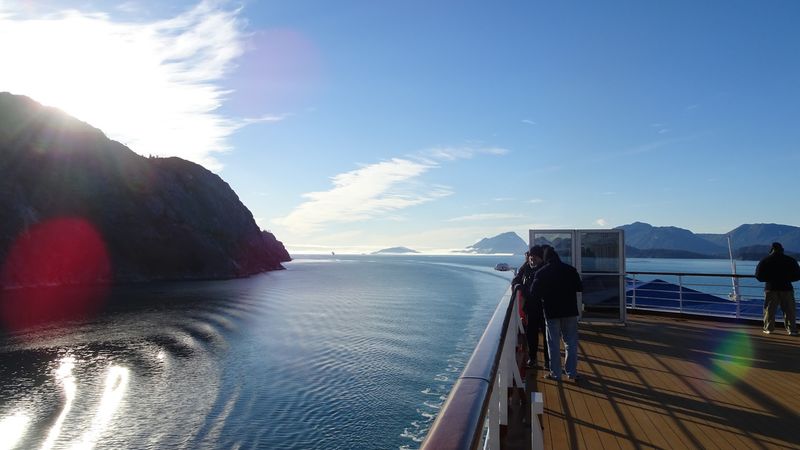
Canada’s forests are legendary in their scale. Spanning about 347 million hectares, Canada’s woodlands cover nearly half of the country’s total land area.
From the Pacific coast rainforests of British Columbia to the vast boreal stretching across Ontario and Quebec, the variety is remarkable.
The Canadian boreal forest alone is one of the largest intact forest ecosystems remaining on Earth. It stores more carbon than any other terrestrial ecosystem and provides habitat for woodland caribou, wolves, black bears, and billions of migratory birds each year.
Canada’s forest industry is also economically significant, supporting hundreds of thousands of jobs in logging, paper production, and related sectors. Balancing economic use with conservation is an ongoing challenge.
Indigenous communities across Canada have long been stewards of these lands, and their knowledge is increasingly recognized in modern forest management strategies.
4. United States
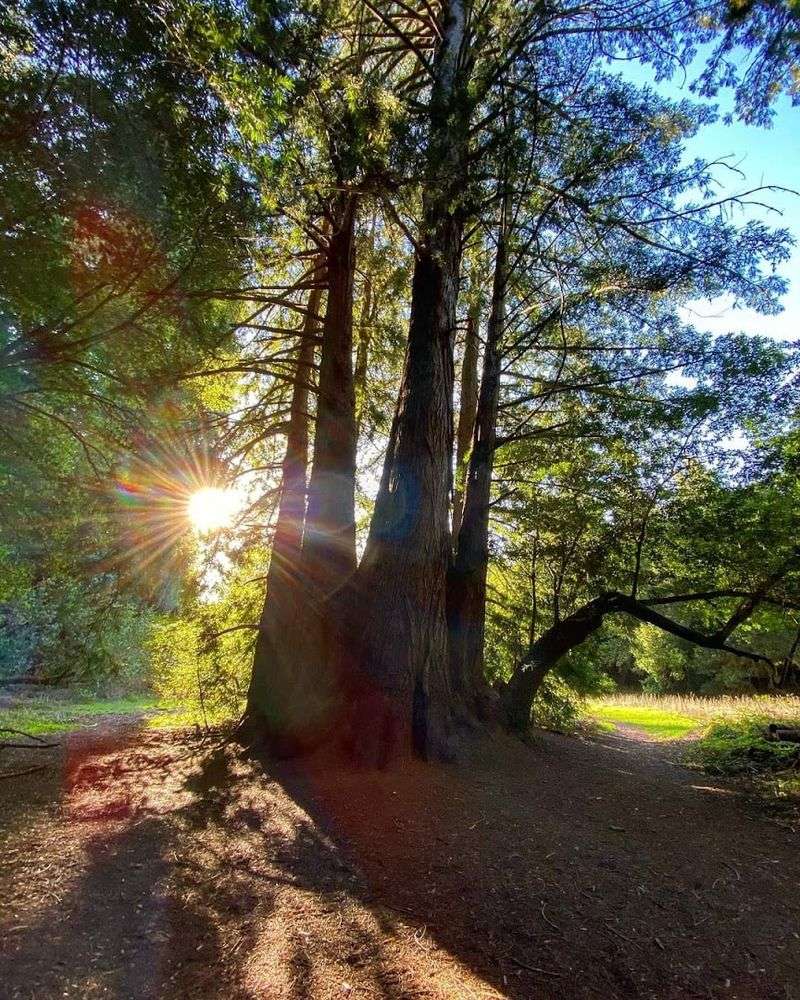
The United States has an incredibly diverse range of forests, from the ancient redwoods of California to the hardwood forests of the Appalachian Mountains. With approximately 310 million hectares of forest, the U.S. ranks fourth in the world for total forest area.
American forests include tropical forests in Hawaii and Puerto Rico, temperate rainforests in the Pacific Northwest, and longleaf pine savannas in the Southeast. National parks and protected lands like Tongass National Forest in Alaska help preserve some of the most pristine woodland environments left on the continent.
Forest fires have become a growing concern, especially in the western United States, where drought and rising temperatures have fueled increasingly destructive wildfire seasons. Reforestation efforts, better land management, and community fire prevention programs are helping address these challenges as the country works to protect its natural forest heritage.
5. China

China’s forest story is one of remarkable recovery. Decades of aggressive reforestation programs have helped China grow its forest area to approximately 220 million hectares, placing it fifth in the world.
The government has planted billions of trees as part of large-scale environmental campaigns.
One of the most ambitious projects is the “Great Green Wall,” a massive belt of trees planted across northern China to hold back the advancing Gobi Desert. China also has rich natural forests in the south and southwest, including subtropical and tropical forests in Yunnan province that are biodiversity hotspots.
Despite these gains, critics point out that many planted forests consist of single-species plantations that do not support the same wildlife as natural forests. Still, China’s commitment to expanding tree cover has made a measurable impact on reducing soil erosion and improving local air quality across several regions.
6. Democratic Republic of the Congo
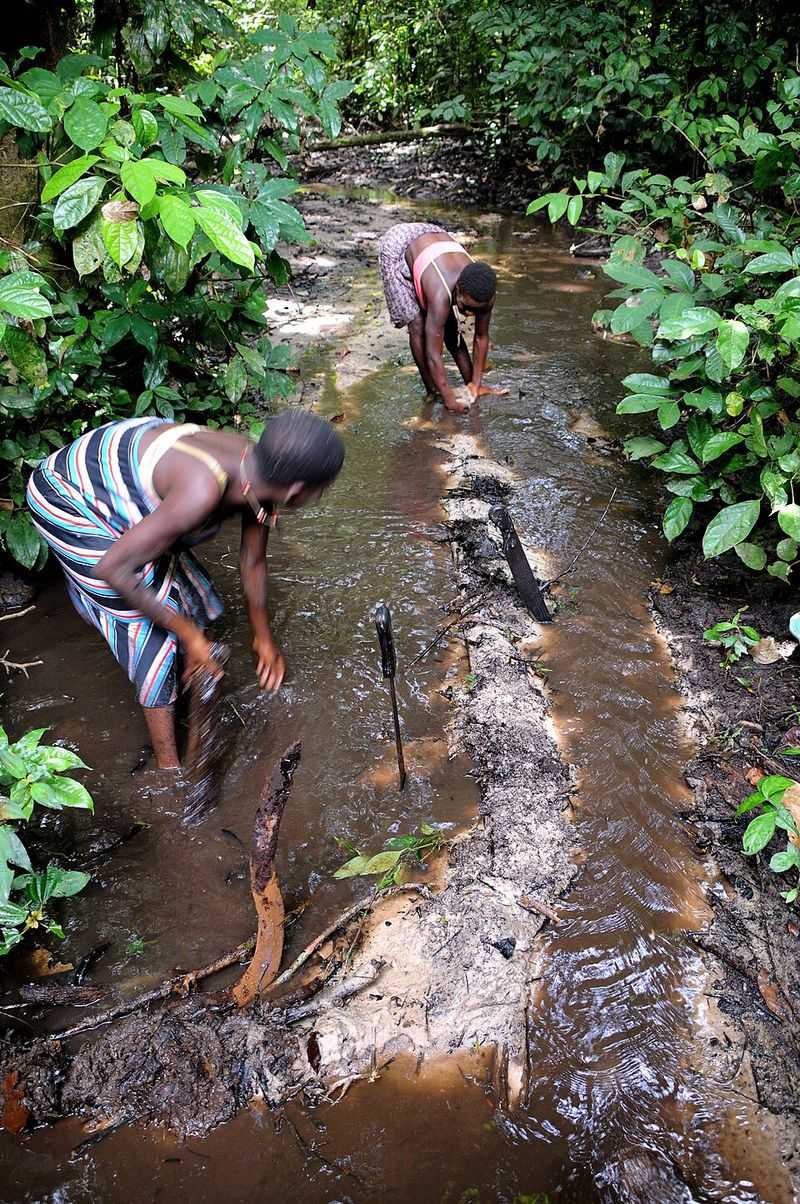
The Democratic Republic of the Congo holds the second largest tropical rainforest in the world, after the Amazon. With around 152 million hectares of forest, the Congo Basin is a global biodiversity treasure and a critical carbon sink for the entire planet.
This vast jungle is home to gorillas, forest elephants, bonobos, and okapis, along with thousands of plant and insect species. Many of these animals exist nowhere else on Earth.
The Congo River, the world’s deepest river, winds through this remarkable landscape.
Poverty, conflict, and illegal logging have put serious pressure on the DRC’s forests in recent years. Charcoal production for cooking fuel is one of the biggest drivers of deforestation in the region.
International conservation organizations are working alongside local communities to protect what remains of this extraordinary ecosystem before more of it disappears.
7. Australia
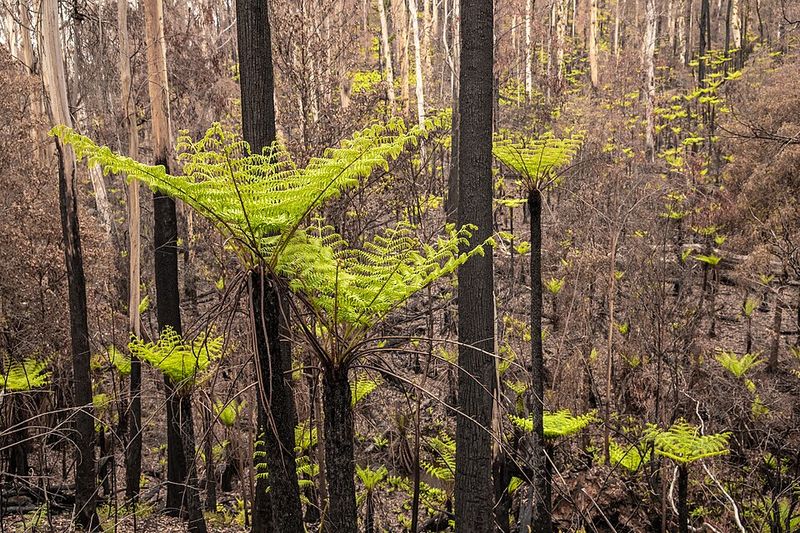
Australia might not be the first place you picture when you think of forests, but it holds around 134 million hectares of woodland and forest. Much of Australia’s tree cover consists of eucalyptus, or gum trees, which are uniquely adapted to the country’s dry climate and periodic wildfires.
The tropical rainforests of Queensland, including the ancient Daintree Rainforest, are among the oldest on Earth and harbor an extraordinary range of plants and animals. Australia is also home to the famous jarrah and karri forests of Western Australia, which are beloved for their towering beauty.
The devastating 2019 to 2020 bushfire season, often called the Black Summer, burned through millions of hectares of Australian forest and killed or displaced an estimated three billion animals. Recovery has been ongoing, and the fires sparked national conversations about climate change and forest management policy.
8. Indonesia
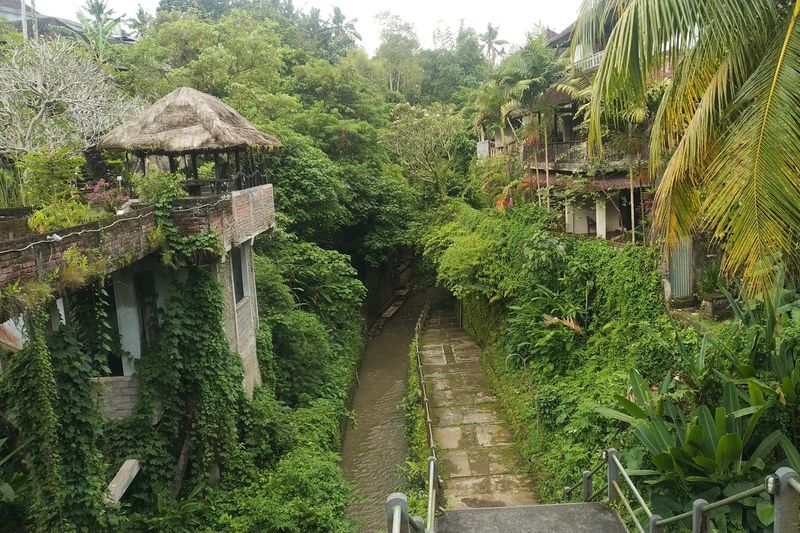
Spread across more than 17,000 islands, Indonesia contains some of the most biodiverse forests on the planet. With approximately 92 million hectares of forest, Indonesia is a critical habitat for orangutans, Sumatran tigers, pygmy elephants, and thousands of other species found nowhere else.
The islands of Borneo and Sumatra are especially important, hosting ancient rainforests that have evolved over millions of years. These forests also contain vast areas of peatland, which store enormous amounts of carbon and are extremely vulnerable to fires.
Palm oil production has been one of the primary drivers of deforestation in Indonesia, with millions of hectares cleared over the past few decades. The Indonesian government has introduced moratoriums on new deforestation permits, and international pressure on palm oil companies to adopt sustainable practices has grown significantly.
Protecting Indonesia’s forests is vital for both wildlife survival and global climate stability.
9. Peru
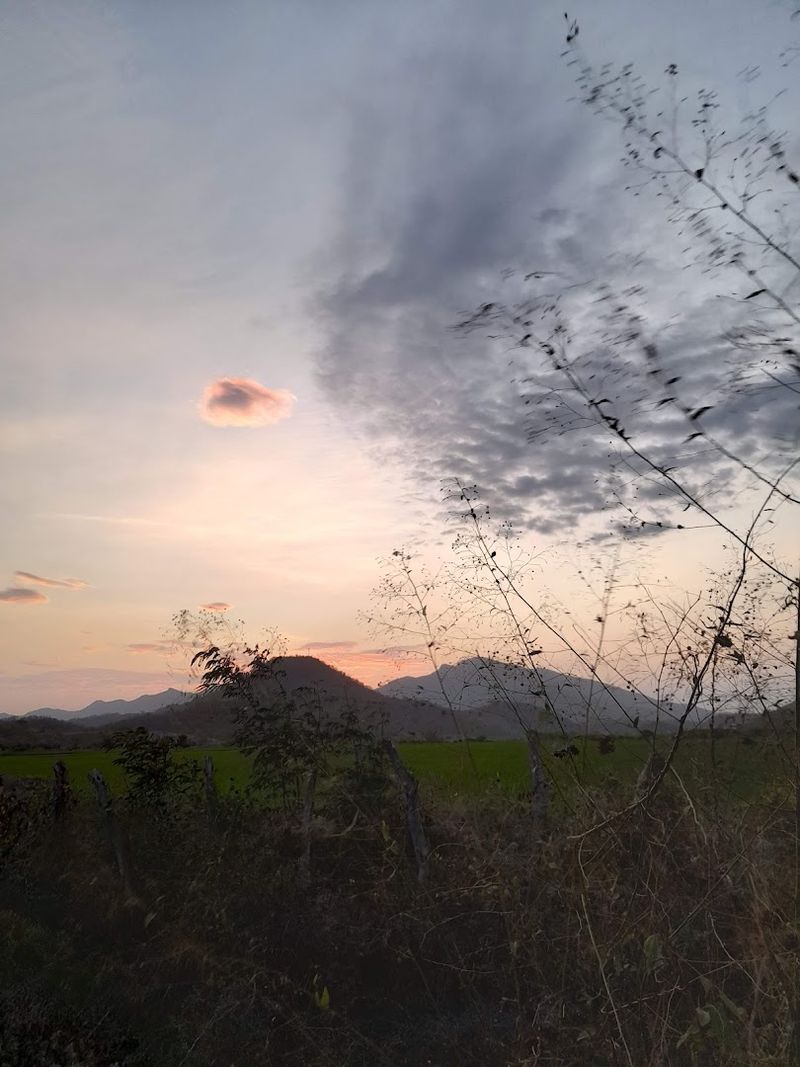
Peru is a country of extraordinary ecological variety, and a huge portion of its territory is blanketed in forest. About 74 million hectares of Peru are covered by trees, the vast majority of which is Amazon rainforest in the eastern lowlands.
This places Peru among the top ten most forested countries on Earth.
Peruvian forests are among the most biologically rich places on the planet. The Madre de Dios region alone is considered one of the world’s top biodiversity hotspots, packed with rare birds, reptiles, amphibians, and plant species.
Indigenous communities in Peru’s jungle regions have protected these lands for generations.
Illegal gold mining and coca cultivation have caused significant deforestation in some areas, particularly in remote river valleys. Peru has established numerous protected reserves and national parks to safeguard its forests, and environmental advocates continue to push for stronger enforcement of existing conservation laws.
10. India
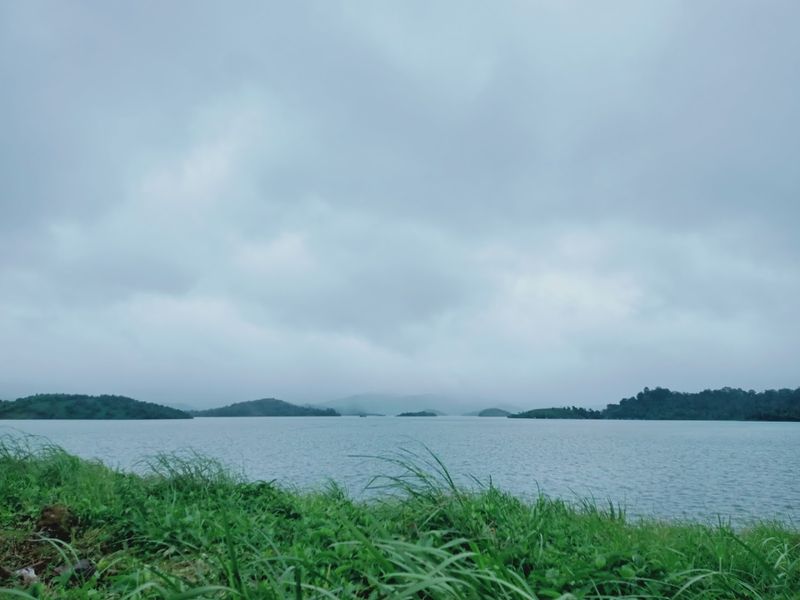
India may be one of the world’s most densely populated countries, but it still maintains a significant forest cover of around 72 million hectares. Forests are spread across very different environments, from the tropical jungles of the Western Ghats and the Northeast to the dry forests of Rajasthan and the mangroves of the Sundarbans.
India’s forests support incredible wildlife, including Bengal tigers, Asian elephants, leopards, and Indian rhinos. The country has a long history of forest conservation, with dedicated tiger reserves and wildlife sanctuaries established across multiple states.
India has also made notable progress in increasing its tree cover through national afforestation programs. However, rapid urbanization, agricultural expansion, and infrastructure projects continue to put pressure on forested land.
Balancing development with conservation in a country of over a billion people is one of India’s most complex and ongoing environmental challenges.
11. Mexico
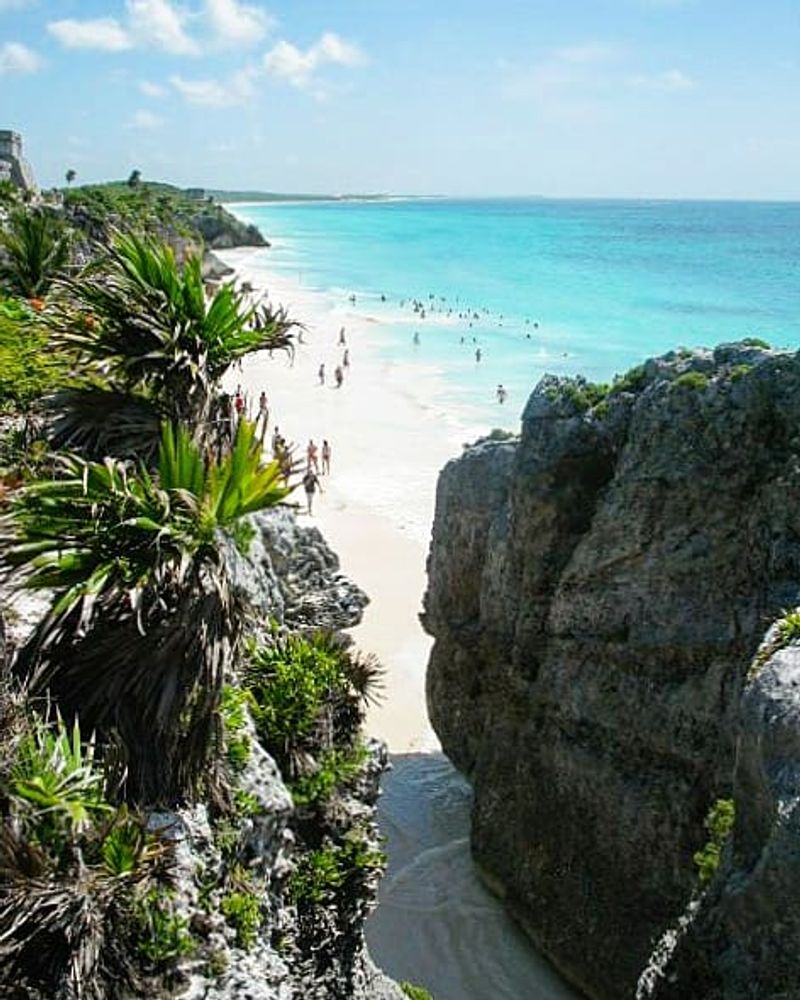
Mexico’s geography creates a striking variety of forest types across its territory. With approximately 66 million hectares of forest, Mexico’s woodlands range from pine-oak forests in the Sierra Madre mountains to tropical rainforests in Chiapas and the Yucatan Peninsula.
The country is recognized as one of the world’s megadiverse nations.
The monarch butterfly’s famous migration ends in the oyamel fir forests of central Mexico, where millions of butterflies gather each winter in a breathtaking natural spectacle. Mexico also has important mangrove forests along both its Pacific and Gulf coasts, which protect shorelines and support fisheries.
Deforestation driven by agriculture, illegal logging, and urban growth has reduced Mexico’s forest cover significantly over the decades. Government reforestation programs and community-managed forest enterprises have shown real promise in reversing some of these losses while also supporting rural livelihoods in forested regions across the country.
12. Colombia
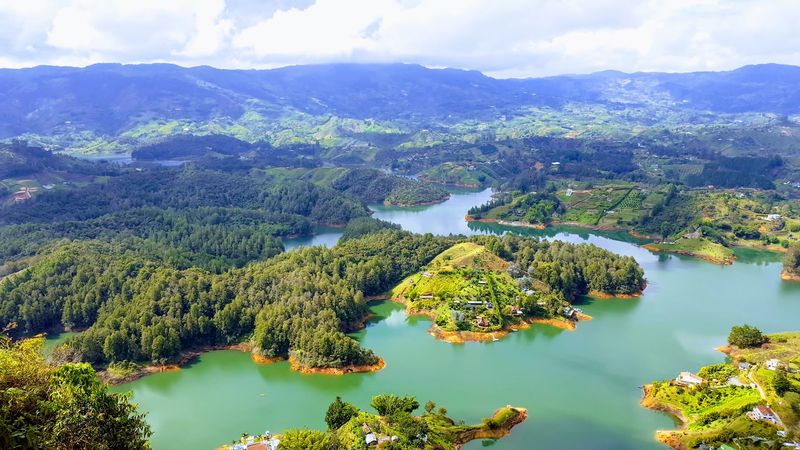
Colombia punches well above its weight when it comes to biodiversity and forest richness. With around 59 million hectares of forest, Colombia contains a remarkable blend of Amazon rainforest, Andean cloud forests, Pacific rainforests, and dry forests, all within one country’s borders.
Colombia is the most biodiverse country per square kilometer on Earth, home to more bird species than any other nation. Its forests shelter jaguars, spectacled bears, tapirs, and an extraordinary array of orchids and bromeliads.
The cloud forests draped over the Andes are particularly magical environments.
Years of armed conflict inadvertently protected some of Colombia’s remote forests by limiting access to loggers and settlers. However, since the 2016 peace agreement, deforestation has accelerated in previously restricted areas.
The Colombian government and conservation groups are racing to establish protections before these newly accessible forest areas are permanently cleared.
13. Bolivia
Bolivia is a landlocked country that still holds an impressive 57 million hectares of forest. Much of this forest sits in Bolivia’s northern and eastern lowlands, where the Amazon basin extends into South American heartland.
Bolivia’s forests are among the least studied and most pristine remaining in the region.
The Madidi National Park in northern Bolivia is considered one of the most biologically diverse protected areas on Earth. Scientists regularly discover new species of birds, mammals, and plants within its boundaries.
Indigenous communities have lived within and managed these forests sustainably for centuries.
Unfortunately, Bolivia has experienced some of the highest deforestation rates in South America in recent years, driven largely by agricultural expansion for soy and beef production. Massive wildfires, some deliberately set to clear land, have destroyed millions of hectares of Bolivian forest.
Strengthening land-use laws and enforcement is critical to reversing these damaging trends.
14. Angola
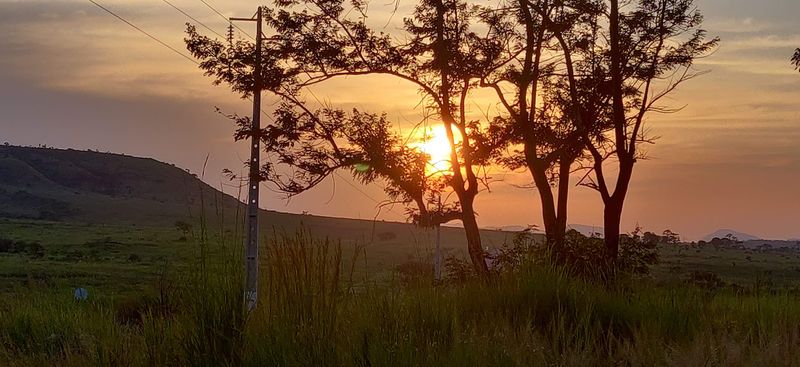
Angola is not always the first country that comes to mind in forest discussions, but it holds approximately 53 million hectares of forest and woodland. Much of Angola’s tree cover consists of miombo woodland, a type of open forest dominated by Brachystegia and Julbernardia trees that is unique to southern and central Africa.
Miombo woodlands are ecologically important, supporting elephants, lions, wild dogs, and hundreds of bird species. They also provide firewood, food, and building materials for millions of rural Angolans who depend on these landscapes for their daily survival.
Angola’s forests suffered during decades of civil war, which ended in 2002, but recovery has been slow. Charcoal production and agricultural clearing continue to reduce forest cover.
Conservation efforts in Angola are still developing, and increased investment in sustainable land management is needed to protect what remains of this underappreciated and vital African forest ecosystem.
15. Venezuela
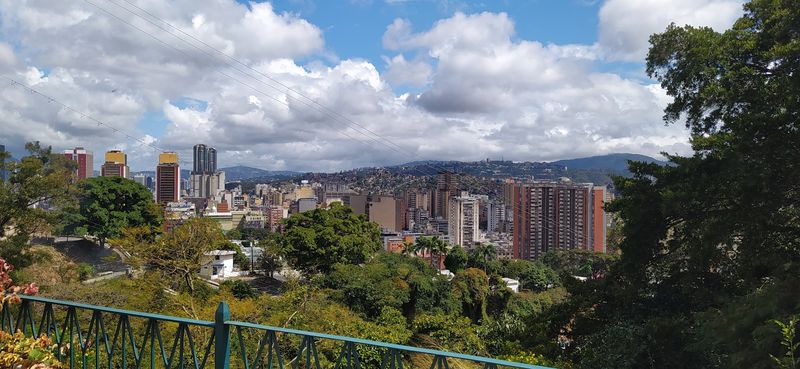
Venezuela’s forests are as dramatic as the country’s famous tepui mountains and Angel Falls. With around 46 million hectares of forest, Venezuela covers a wide range of ecosystems, from the Amazon rainforest in the south to cloud forests in the Andes and mangroves along the Caribbean coast.
The Canaima National Park, a UNESCO World Heritage Site, protects ancient tepui plateaus that rise above the jungle like lost worlds. These flat-topped mountains are home to species found nowhere else on Earth, making them one of the most unique ecosystems on the planet.
Venezuela’s severe economic and political crisis in recent years has weakened environmental enforcement and accelerated illegal mining and logging in protected areas. Gold mining in the Orinoco Mining Arc has caused alarming deforestation and mercury pollution in some of Venezuela’s most ecologically sensitive forest regions.
International support for conservation in Venezuela remains critically needed.
Share this story