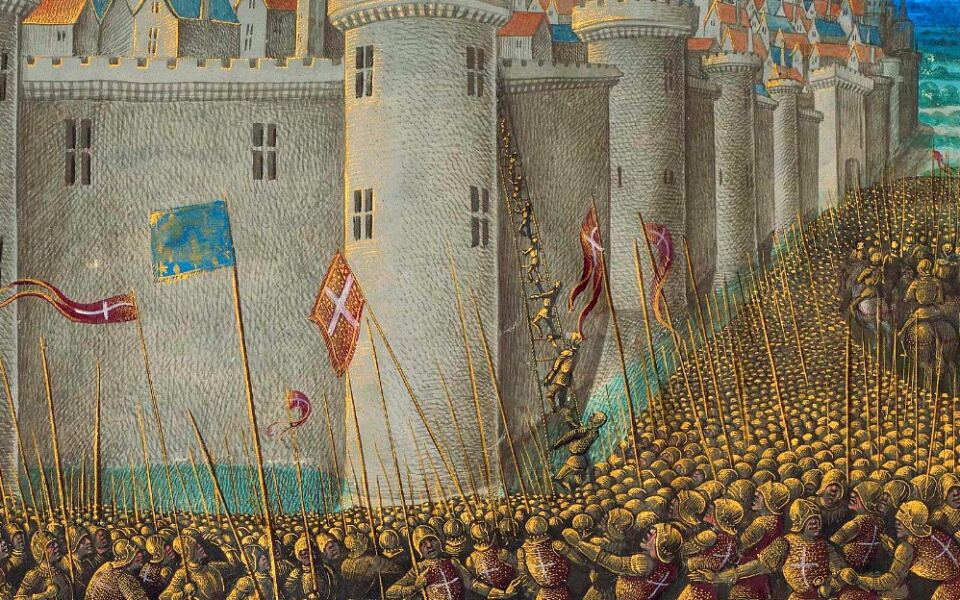
Medieval sieges were long waiting games, not quick battles. Armies surrounded walled cities and castles, then waited for hunger, sickness, or bad luck to force the people inside to give up.
From the 700s to the late 1400s, these contests shaped empires, crowned new kings, and even changed daily customs still practiced today. Yet many sieges did not end with soldiers simply climbing over walls.
Some were decided by winter weather, secret deals with a single guard, or ships dragged across dry land. Others ended because a teenager arrived with a banner, or because a ruler chose payment over battle.
The tools changed a lot over these centuries, moving from Greek fire and wooden towers to giant cannons that could shake stone walls. Leadership, geography, and plain stubbornness mattered just as much as weapons.
In the stories ahead, you will learn how small garrisons outlasted huge armies, how attackers suddenly became the defenders, and why one long standoff in Wales inspired a famous song. Each case shows how a single choice or surprise could change history.
1. Siege of Constantinople, Constantinople, Byzantine Empire (717–718)
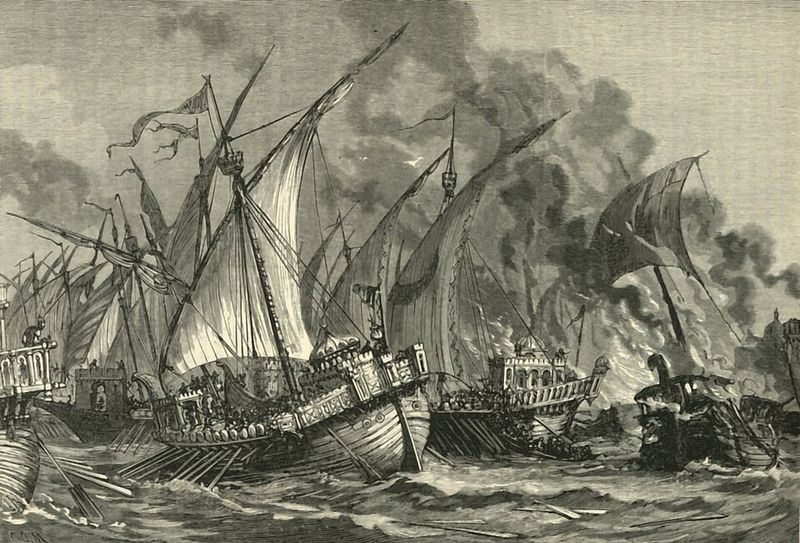
Winter turned out to be one of the best soldiers Constantinople ever had. In August 717, a huge Umayyad army and fleet arrived, hoping to capture the Byzantine capital.
The city had two big advantages. The Theodosian Walls protected it on land, and its navy carried Greek fire, a weapon that could keep burning on water.
Byzantine ships used Greek fire to break up parts of the enemy fleet. That stopped a full sea blockade, so food kept arriving by boat.
Then came a brutally cold winter. The attackers ran short of food and fell sick, while Emperor Leo III kept the defense organized.
Bulgar forces under Khan Tervel added pressure from behind the attacking army. Caught between walls, weather, and new enemies, the Umayyad force gave up on August 15, 718.
Here is the twist. Storms hit the retreating fleet, and some sources claim only five ships reached home.
The victory slowed large-scale expansion into southeastern Europe for centuries.
2. Siege of Paris, Paris, West Francia (885–886)
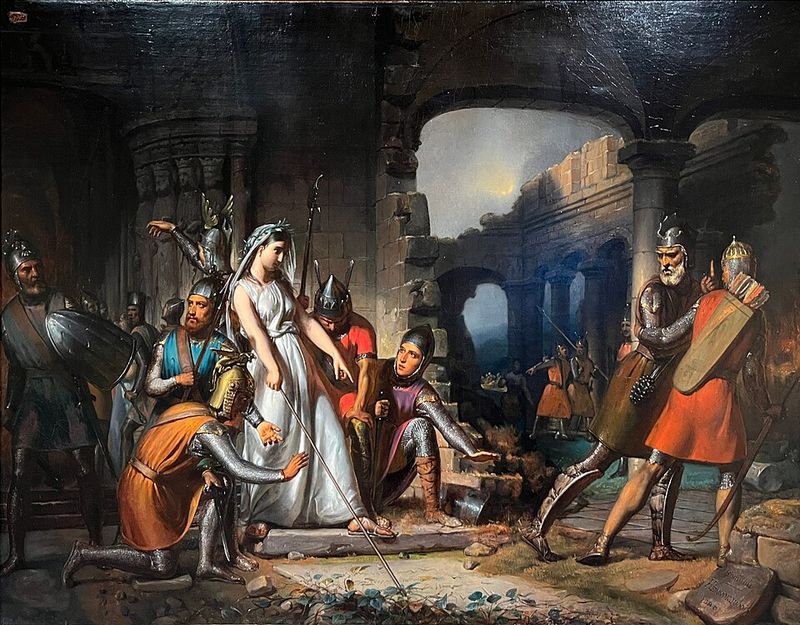
Hundreds of Viking ships sailed up the Seine in November 885, and their leaders expected Paris to pay up quickly. They were wrong.
Paris sat on the Ile de la Cite, guarded by fortified bridges that blocked boats from going farther upriver. Count Odo and Bishop Gozlin led the defense with only a few hundred fighters.
The Vikings attacked again and again with siege machines. Defenders pushed them back by pouring hot wax and pitch over the walls.
Months passed, and the city held through winter. Finally, in October 886, Emperor Charles the Fat showed up with a large army.
Instead of fighting, Charles paid the Vikings 700 pounds of silver. He also let them sail on to raid Burgundy, a region that was rebelling against him.
Parisians were furious about the deal. Still, Odo came out a hero, and in 888 he was elected king of West Francia.
Sometimes defending a bridge can lead straight to a crown.
3. Siege of Antioch, Antioch, Principality of Antioch’s Future Territory (1097–1098)
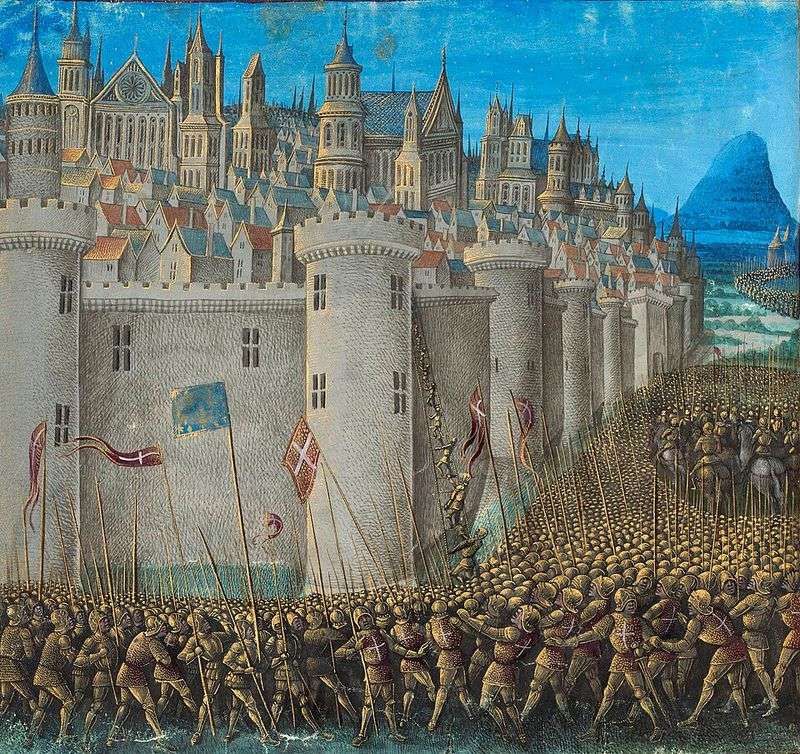
One rope ladder changed everything. That is the short version of Antioch, a siege that flipped upside down twice.
Crusaders arrived on October 20, 1097, during the First Crusade. The city had strong Byzantine walls, plus marshes and a mountain ridge that made it hard to surround.
For months, the crusaders struggled with hunger, illness, and soldiers leaving camp. Then Bohemond of Taranto made a secret deal with Firouz, a guard who controlled the Tower of the Two Sisters.
Firouz let a small group climb in by rope ladder. By June 3, 1098, most of Antioch belonged to the crusaders.
Almost immediately, a large relief army under Kerbogha of Mosul surrounded them. The attackers were now trapped inside the city they had just taken.
A mystic named Peter Bartholomew claimed he found the Holy Lance in a church. People argued about whether it was real, but morale soared.
On June 28, the crusaders marched out and defeated Kerbogha’s divided army.
4. Siege of Jerusalem, Jerusalem, Kingdom of Jerusalem’s Future Territory (1099)
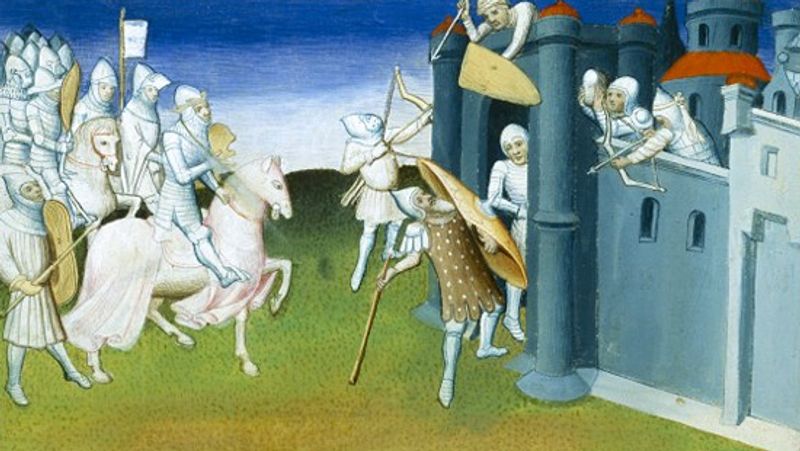
A shipment of wood and rope does not sound exciting. In 1099, it decided the fate of a famous city.
The First Crusade reached Jerusalem on June 7, 1099. Fatimid forces guarded the city, and its walls were thick and well built.
The first crusader attack on June 13 failed. The main problem was simple: they did not have enough siege equipment, and good timber was hard to find nearby.
On June 17, English and Genoese ships landed at the port of Jaffa. They carried timber, rope, and other supplies the army badly needed.
Builders got to work fast. Within weeks they had two large siege towers on wheels, plus catapults and battering rams.
On July 15, Godfrey of Bouillon’s men crossed from a repositioned tower onto the northern wall. The aftermath was harsh for the city’s Muslim and Jewish residents, and sources describe it with alarm.
Soon after, the crusaders set up the Kingdom of Jerusalem.
5. Siege of Acre, Acre, Kingdom of Jerusalem (1189–1191)
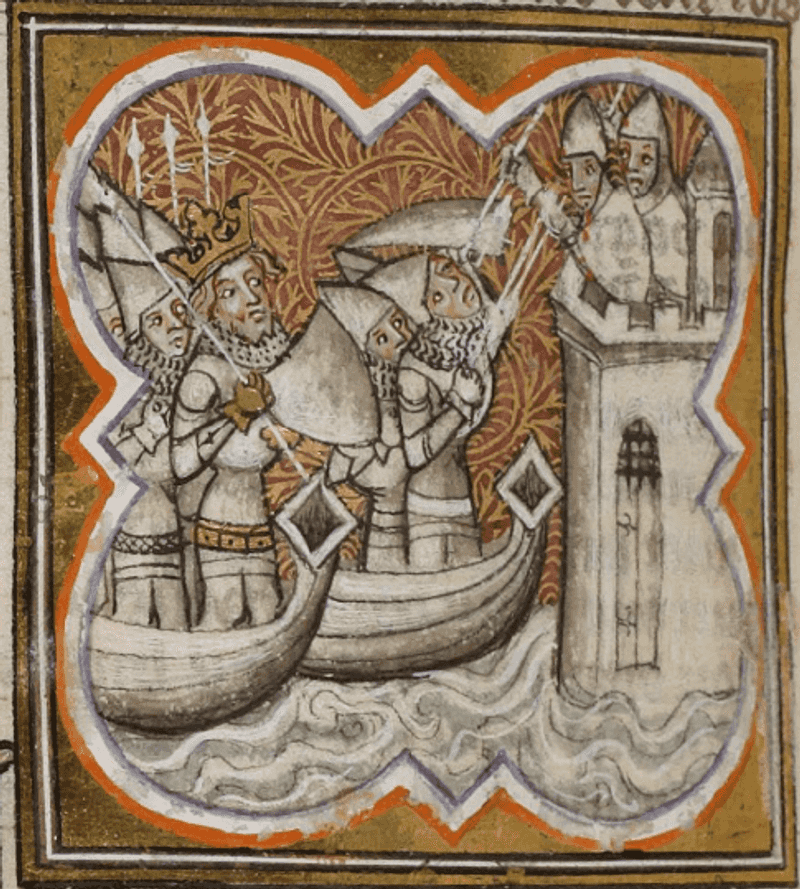
Picture a sandwich where the bread and the filling are all at war. That was Acre during the Third Crusade.
Crusaders began surrounding the port city in August 1189. Soon Saladin’s army arrived and surrounded them in turn, creating a rare double siege.
Both sides depended on supplies brought by sea. Control of the water mattered just as much as control of the land.
The standoff dragged on for nearly two years. Sickness and food shortages hit Christian and Muslim forces alike.
Big help came in 1191. King Philip II of France arrived in April, and King Richard I of England followed in June with fresh leadership and siege machines.
After heavy bombardment, Acre surrendered on July 12, 1191. Talks over prisoners, ransom, and the return of the True Cross then broke down, and both sides responded with harsh acts against captives.
Acre stands out for its long timeline, its royal visitors, and its strange double encirclement.
6. Siege of Château Gaillard, Les Andelys, Normandy (1203–1204)
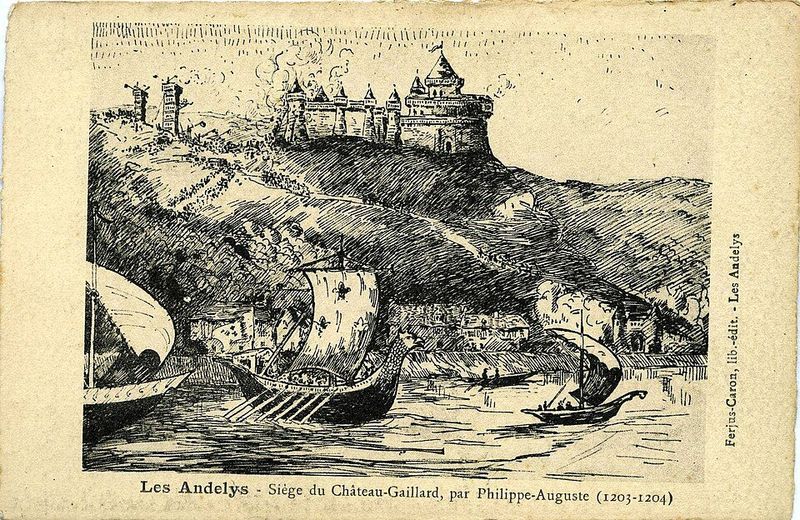
Richard the Lionheart called it his finest castle. Then French soldiers found a way in that nobody had planned to guard.
Built between 1196 and 1198, Chateau Gaillard sat on a cliff above the Seine. It had layered walls and machicolations, openings that let defenders drop things on attackers.
In September 1203, King Philip II of France laid siege to it. He wanted Normandy back from King John of England.
French troops first tunneled under an outer tower. Next they reached the second ward of the castle.
Then came the famous moment. A soldier named Roger Bogis and his companions reportedly crawled in through a latrine shaft, a waste chute for the castle’s toilets.
Once inside, they surprised guards, started fires, and lowered a drawbridge for the rest of the army. On March 6, 1204, the garrison of 20 knights and 120 soldiers surrendered.
Lesson learned: even a cutting-edge castle needs to watch its plumbing.
7. Siege of Dover Castle, Dover, England (1216)
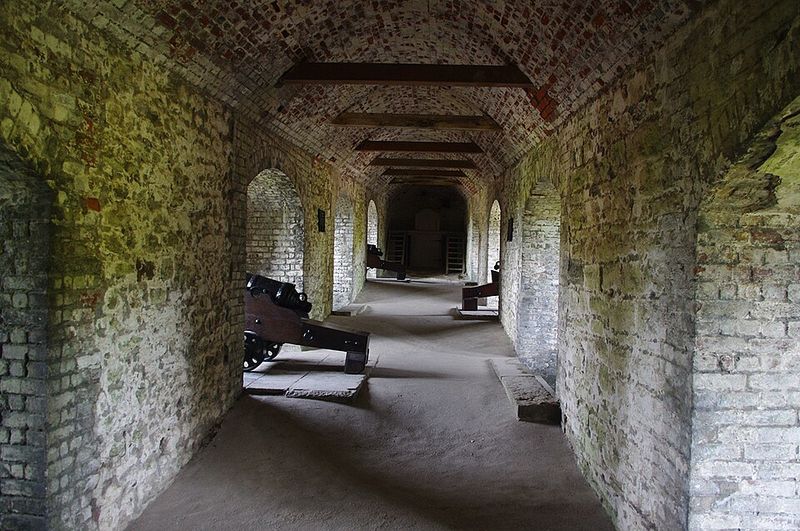
England almost got a French king in 1216. A stubborn castle on the white cliffs helped stop it.
Prince Louis of France invaded during the First Barons’ War, backed by English barons who opposed King John. To control the kingdom, Louis needed Dover Castle, often called the Key to England.
Hubert de Burgh, Justiciar of England, defended it with about 140 knights and more than 140 sergeants. The French brought siege engines and dug tunnels.
Louis captured the northern barbican, an outer gate defense. His miners then made one tower of the main gatehouse collapse.
That should have been the end. Instead, defenders filled the gap with timbers, rubble, and earth, and kept the French out.
Louis lifted the siege that autumn. He returned in May 1217, but royalist victories at Lincoln and at sea near Sandwich forced him to start peace talks.
Dover held, and the Plantagenet dynasty kept its throne.
8. Siege of Montségur, Montségur, County of Foix (1243–1244)
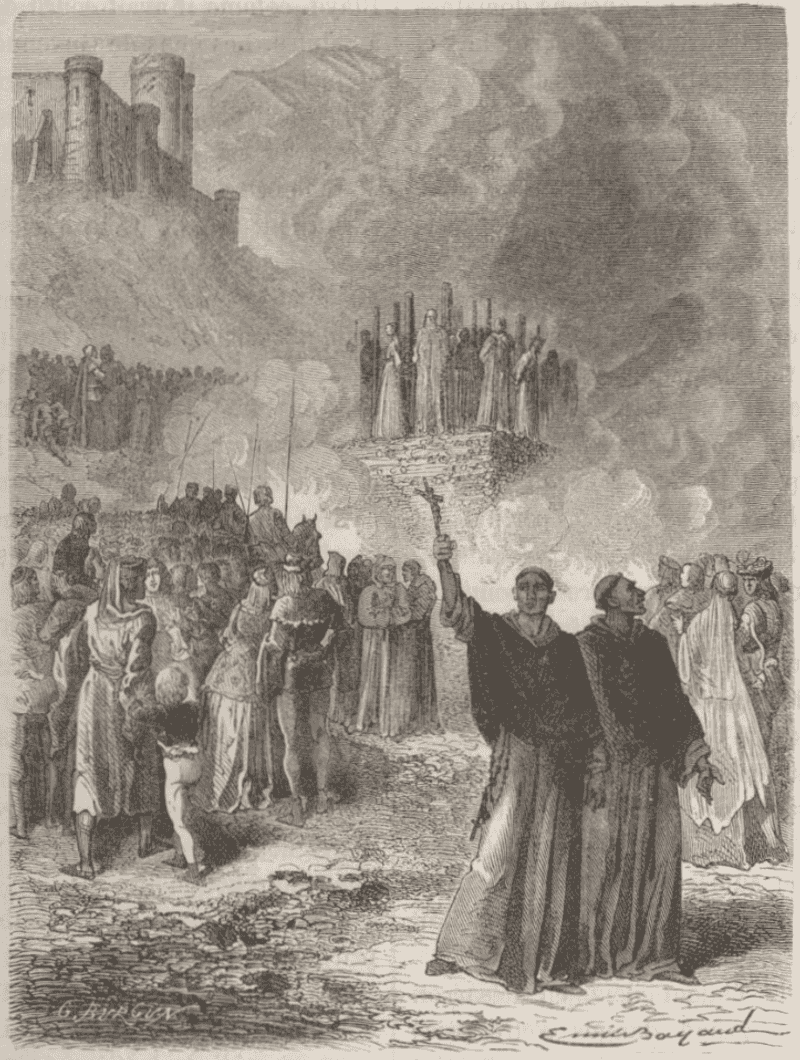
Some sieges are remembered for clever tricks. Montsegur is remembered for people who would not change their beliefs.
The mountain fortress was the last major stronghold of the Cathars. They were a Christian movement the Catholic Church had declared heretical.
In May 1243, a royal army of about 10,000 soldiers began the siege. King Louis IX and Church leaders both supported the campaign.
Around 400 people lived in the fortress, including soldiers and Cathar believers. The steep rocky peak made direct attacks very hard, so they held out for ten months, through winter.
By March 1244, attackers had built strong positions near the top, and supplies inside were running out. The defenders agreed to a 15-day truce.
People who gave up the Cathar faith could leave. Between 200 and 225 believers refused and faced a severe sentence from the authorities.
Later legends describe secret escapes with hidden treasure. Historians treat those tales carefully, separate from the documented record.
9. Siege of Constantinople, Constantinople, Byzantine Empire (1453)
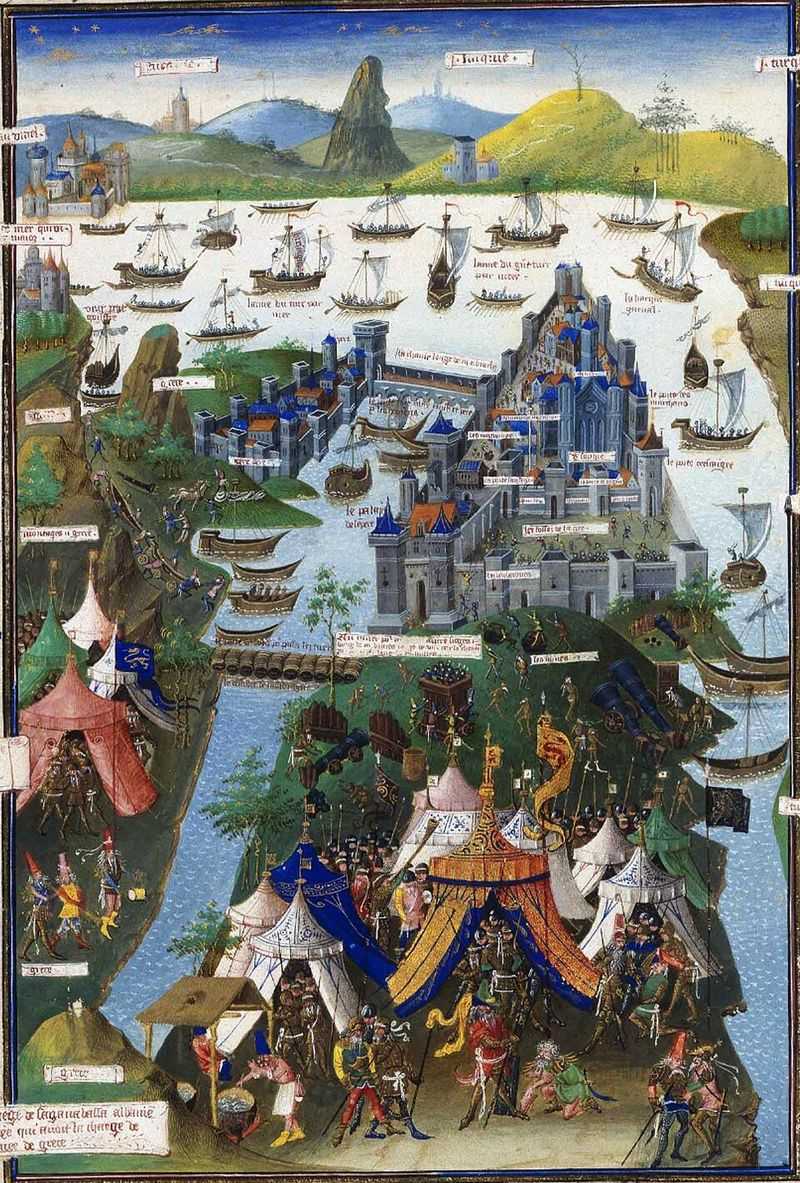
Ships are supposed to stay in the water. Sultan Mehmed II had other ideas.
By 1453, the Byzantine Empire had shrunk to little more than its capital. Mehmed, then about 21, brought an army of 60,000 to 100,000 men and huge cannons, including one called the Basilica.
Those guns pounded the ancient Theodosian Walls for weeks. Emperor Constantine XI and his outnumbered defenders kept making repairs for 55 days.
A giant chain blocked the Golden Horn, the city’s inner harbor. So on April 22, the Ottomans pulled dozens of light warships over a hill behind Galata on greased rollers.
Suddenly the weaker harbor walls needed guards too. The defenders had to spread themselves even thinner.
On May 29, the final assault broke through near the Gate of St. Romanus. Constantine XI was never seen again, and his fate became the subject of legend.
The city became the Ottoman capital, later known as Istanbul, ending more than a thousand years of Byzantine rule.
10. Siege of Orléans, Orléans, Kingdom of France (1428–1429)
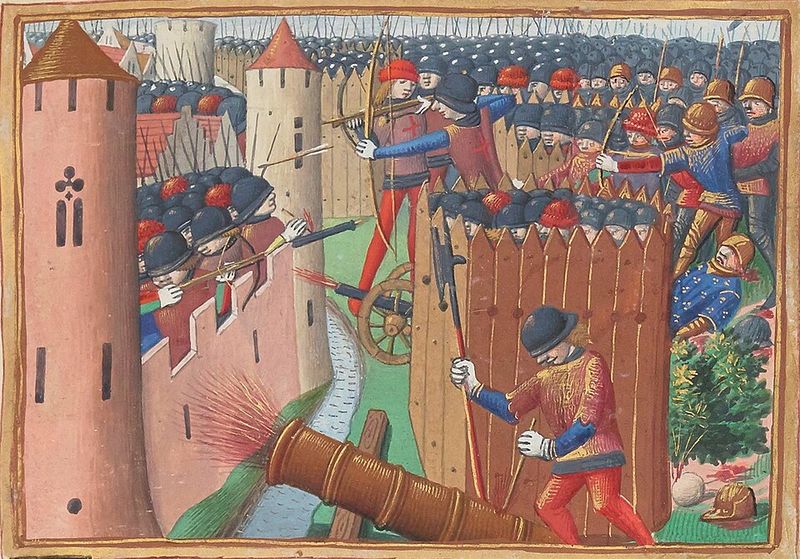
Nine days. That is how long it took a teenage peasant to help turn around a siege that had lasted more than six months.
English and Burgundian forces surrounded Orleans in October 1428. The city guarded a key crossing on the Loire River.
The English built fortified posts called bastilles around much of the city. By spring 1429, some defenders were thinking about giving up.
On April 29, Joan of Arc arrived, about 17 years old and claiming guidance from God. Soldiers and townspeople suddenly had fresh energy.
Things moved fast after that. The French took Saint-Loup on May 4 and Les Augustins on May 6.
On May 7, they attacked Les Tourelles, a fortified bridge complex. Joan was hit by an arrow but came back to rally the troops, and the position fell.
The next morning, May 8, 1429, the English packed up and left. The win opened the road for Charles VII to be crowned at Reims.
11. Siege of Belgrade, Belgrade, Kingdom of Hungary (1456)
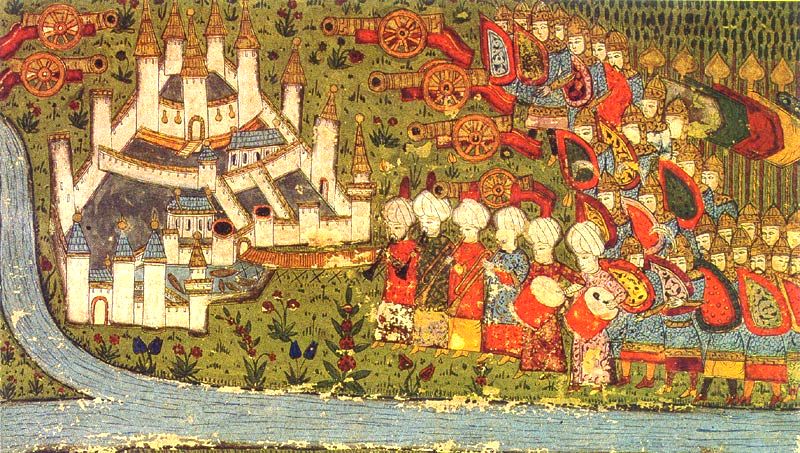
Ever wonder why many church bells ring at noon? Part of the answer goes back to Belgrade in 1456.
Fresh from taking Constantinople, Sultan Mehmed II marched on Belgrade, a fortress guarding the road into Hungary. He brought a huge army, over 300 cannons, and a fleet on the Danube.
Hungarian commander John Hunyadi led the defense. Friar John of Capistrano rallied thousands of peasant crusaders to help.
On July 14, Hunyadi’s boats smashed the Ottoman river blockade. Supplies and reinforcements poured into the fortress.
A full assault followed on July 21, and Janissaries broke into the lower town. Hunyadi was ready, with burning bundles of tarred wood that cut them off from their main army.
The next day, peasant crusaders launched a surprise counterattack, and Hunyadi’s cavalry joined in. They overran the Ottoman camp and turned its cannons around.
Mehmed was wounded and retreated. Pope Callixtus III then made the noon bells a lasting tradition.
12. Siege of Rhodes, Rhodes, Knights Hospitaller Territory (1480)
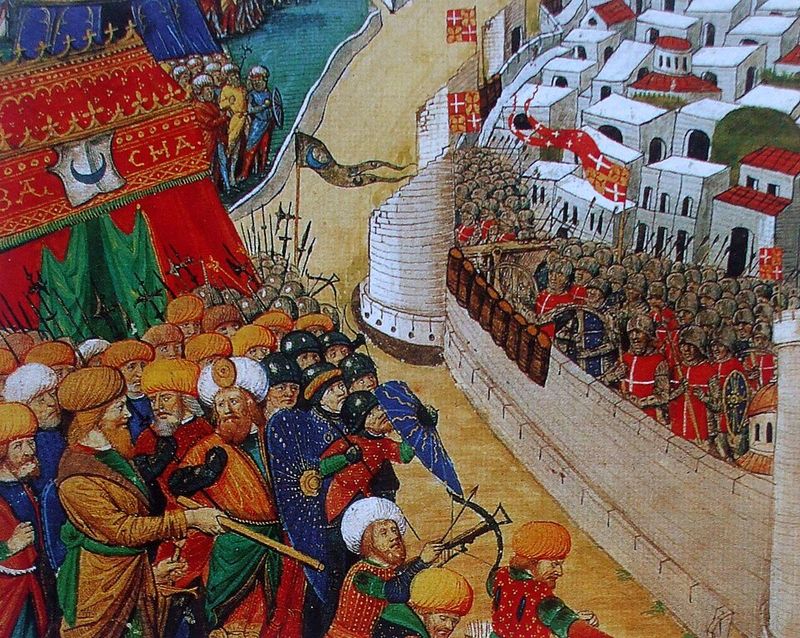
Sultan Mehmed II reportedly called Rhodes a nest of vipers. In 1480, the vipers bit back.
That May, Mesih Pasha led up to 160 ships and around 70,000 soldiers against the island. The Knights Hospitaller had perhaps 500 knights and 2,000 to 4,000 local militia.
Grand Master Pierre d’Aubusson had prepared well. Rhodes had thick, sloped walls built to soak up cannon fire.
And the cannon fire was serious. Ottoman bronze guns could launch stone balls weighing up to 500 pounds.
Defenders patched damage day after day. On July 27, attackers broke through and grabbed a foothold near the Tower of Italy and the Jewish Quarter.
D’Aubusson led the counterattack himself and was wounded several times, yet he kept going. His knights also used fire-hoops, rings soaked in oil and sulfur.
By August 17, the Ottomans sailed away. Smart wall design had beaten the big guns, and Rhodes stayed with the Knights for 42 more years.
13. Siege of Harlech Castle, Harlech, Wales (1461–1468)
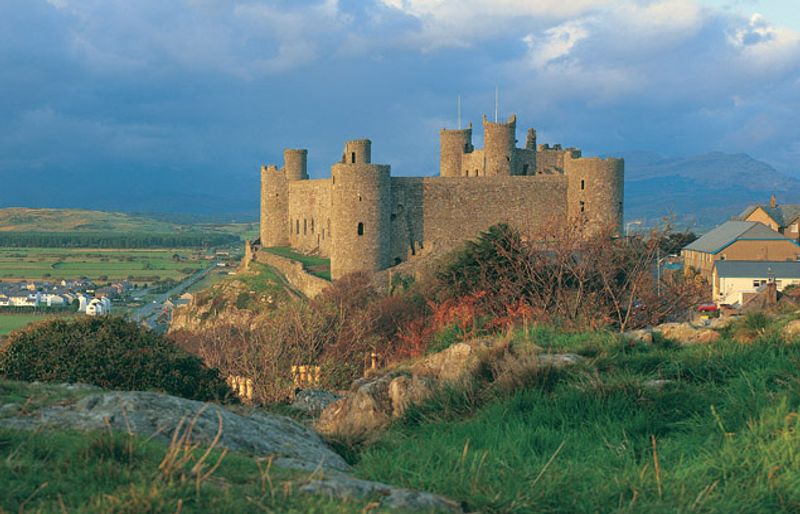
Long after everyone else had given up, a small Welsh garrison was still saying no. Their stubbornness lasted about seven years.
When Edward IV of York took the English throne in 1461, Harlech Castle stayed loyal to the Lancasters. It became their last major stronghold in England and Wales.
The castle stood on a rocky hill above the sea. A fortified staircase called the Way from the Sea let boats bring in supplies.
For years, the siege was mostly a loose blockade with occasional attacks. Constable Dafydd ap Ieuan simply refused to hand over the keys.
In 1468, Jasper Tudor landed with French help and used Harlech for raids. Edward responded by sending up to 10,000 men under William Herbert, Earl of Pembroke.
After about a month of tight pressure, the garrison surrendered on August 14, 1468. Surprisingly, Dafydd and his men received pardons.
Their defiance is still remembered in the rousing Welsh song Men of Harlech.
Share this story