Tucked into the mountains near Bakersville, North Carolina, there is a place where regular people can spend a weekend melting glass, throwing clay, or hammering hot iron. It is called Penland School of Craft, and it has been teaching hands-on making since 1929. You do not need to be a professional artist to sign up, which is part of what makes it feel like such a special local secret. If you love the idea of learning a real skill while surrounded by gorgeous Blue Ridge scenery, this quiet mountaintop campus is worth knowing about.
A Mountaintop Campus in Bakersville
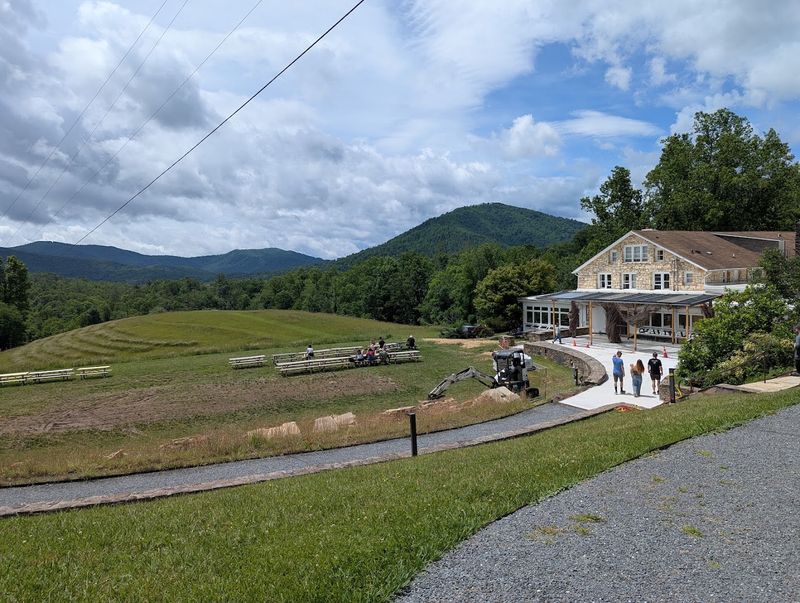
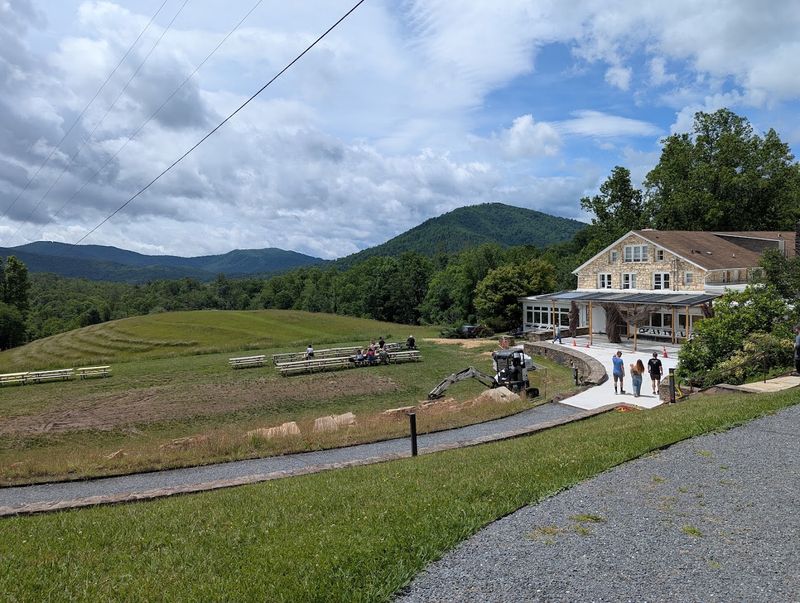
Roughly an hour and twenty minutes east of Asheville, and about an hour from Boone, you will find a cluster of unique buildings scattered across a mountain slope at 67 Doras Trl in Bakersville. That address belongs to Penland School of Craft, an education center where people come to make things with their hands.
Visitors describe the setting as beautiful and idyllic, the kind of spot where the view out your window on the first morning stops you in your tracks. The campus spreads across 400 acres, so there is plenty of room to wander between studios and soak in the mountain air.
What sets it apart is how central it feels to the wider region. Sitting almost exactly between Asheville and Boone, it puts you within reach of Linville Falls, Crabtree Falls, Grandfather Mountain, Roan Mountain, and the Blue Ridge Parkway. You can spend a weekend making art and still have neighbors worth exploring.
Founded in 1929 by a Weaver With a Mission
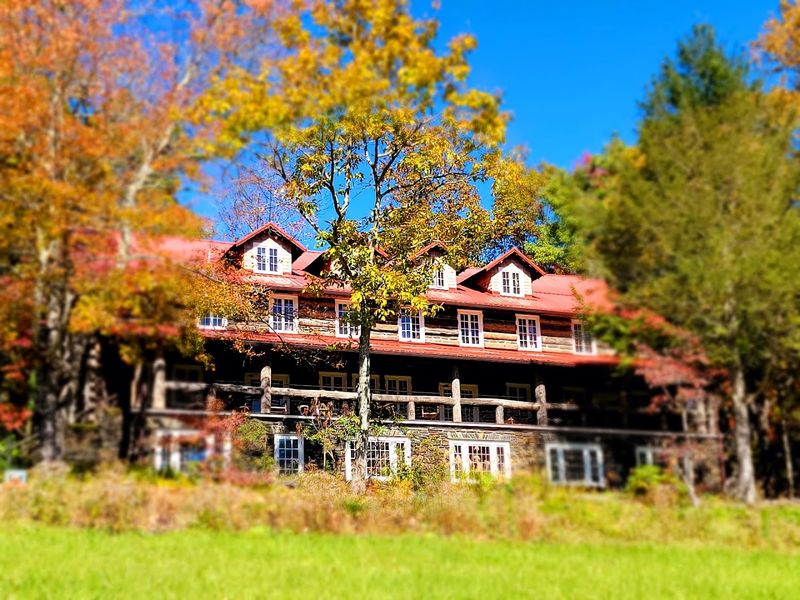
Long before it drew artists from around the country, Penland began with one woman and a single cabin. A roadside historical marker at the intersection of Penland Road tells the short version: the school was founded in 1929 by Lucy Morgan, who lived from 1889 to 1981, to promote traditional crafts including pottery, metalworking, and weaving.
Morgan started by reviving traditional weaving in western North Carolina, training locals in a cabin at the Episcopal Appalachian School and selling their work to tourists. She teamed up with other regional craft leaders to help establish the Southern Highlands Handicraft Guild, then slowly expanded the school’s offerings to include pottery, metalwork, and silversmithing.
After Morgan retired, a director named Bill Brown added woodworking and glassblowing to the mix. That growth turned a humble weaving project into the sprawling 400-acre school it is today, one that hosts more than 1,200 artists every year. The marker itself, number N-46, was erected by the North Carolina Office of Archives and History in 2007.
Glass, Clay, Metal, and Everything in Between
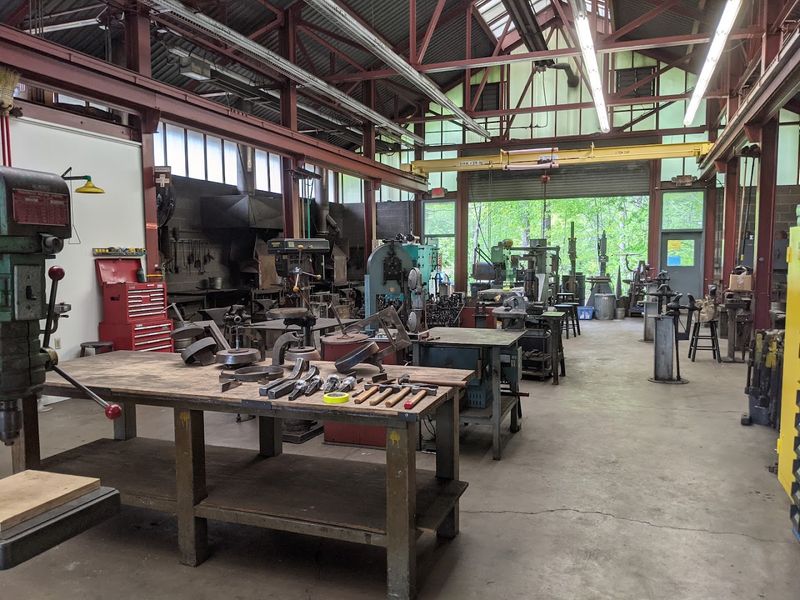
The real thrill here is the sheer variety of crafts you can put your hands to. Wander the campus and you will pass studios for glasswork, ceramics, ironwork, woodworking, printing, papermaking, knitting, and weaving, all humming with activity.
Reviewers rattle off the list with obvious delight: jewelry making, pottery, woodworking, weaving, glass making, and even a foundry for iron working. One visitor called it a genuinely educational place precisely because so many mastered crafts live side by side under one school.
That range is a big part of why people keep coming back. You might arrive planning to throw a pot and leave curious about blowing glass or hammering metal. For a weekend maker, the menu of options is almost the whole point.
Watching Live Art in the Making
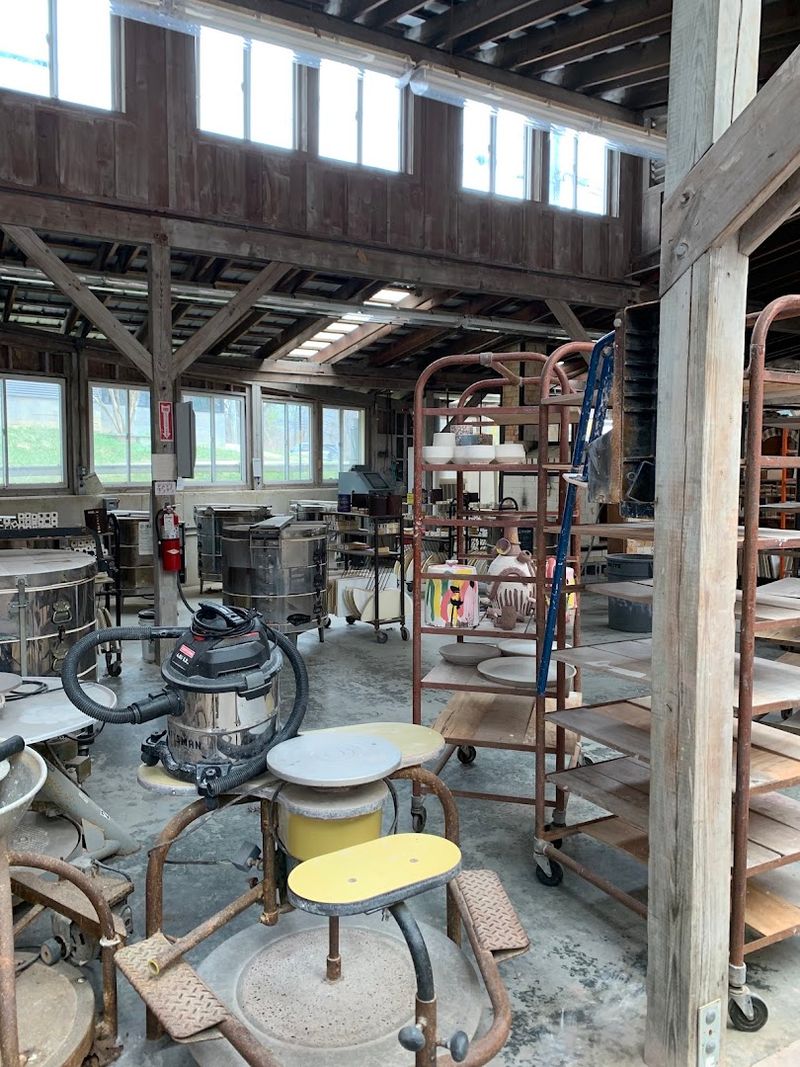
One of the most memorable things you can do at Penland does not require signing up for anything at all. The public can peer through the windows of various studios, clay, iron, glass, and wood among them, and watch artists and students actually working.
A longtime visitor called it the best place to see live art in the making within 150 miles, and it is easy to understand the enthusiasm. There is something quietly mesmerizing about seeing glass glow orange or watching a potter center clay on the wheel in real time.
Better still, you can often meet the makers. Reviewers mention chatting with artists and students between buildings, which turns a simple walk-through into something more personal. Just keep in mind the campus is busiest when classes are in session, so timing your visit around active sessions pays off.
Start Your Trip at the Welcome Center and Galleries
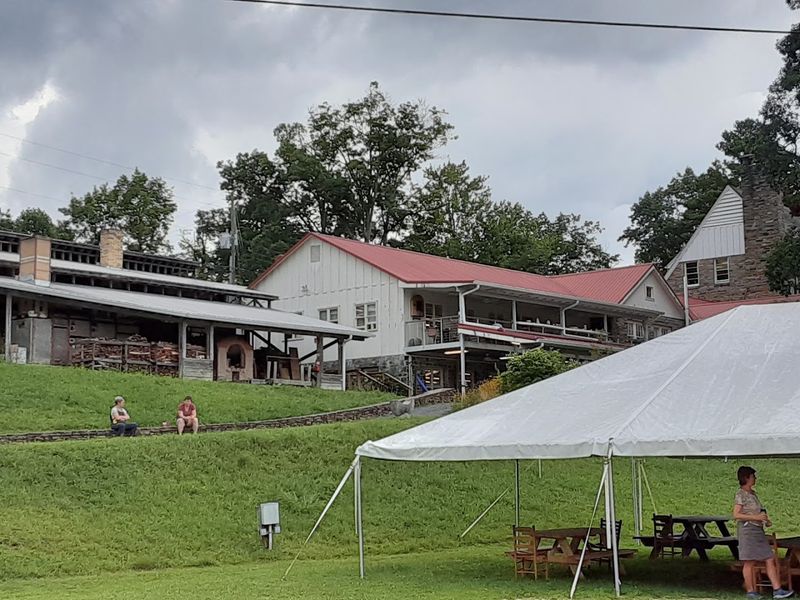
Before you head up to the working campus, savvy visitors point you toward the Welcome Center and Galleries first. That is where you grab a map for a self-guided tour, so you know which studios to seek out and how to find your way around.
The gallery itself is open to the public and showcases nationally known artists, along with makers who live nearby. Guests describe the display spaces as superb and the visitor center exhibits as exquisite, the kind of showcase that can inspire you to pick your own creative hobby back up.
Bring a little extra room in your bag, too. Shoppers happily report leaving with treasures, from a favorite pair of earrings to a piece of Penland to add to a growing collection. One reviewer jokingly warned to pack an extra bag because resisting is hard.
Coffee, Soup, and Ice Cream Sandwiches at Pine Hall
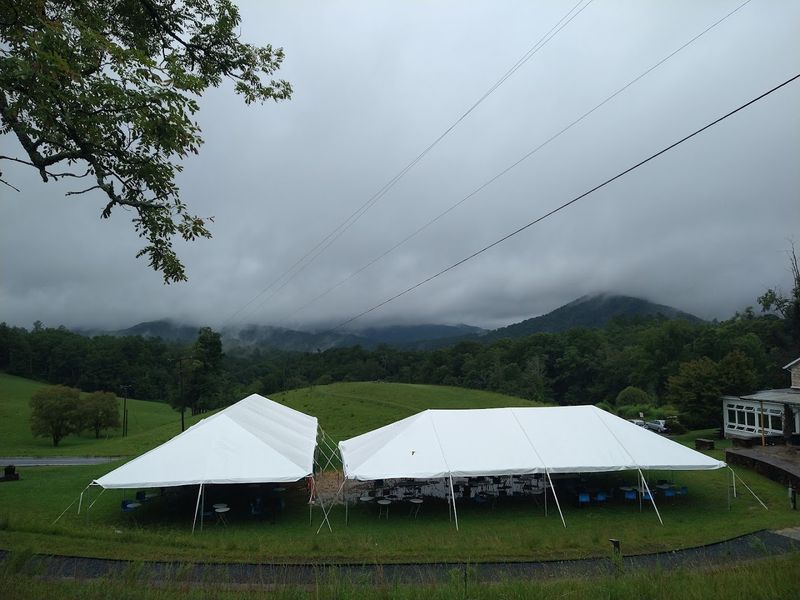
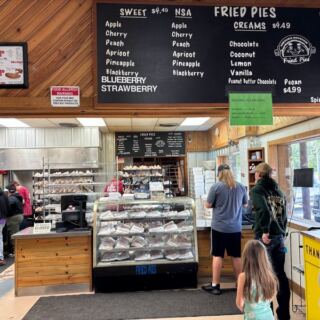
Making art is hungry work, and the campus has a spot to refuel. The Pine Hall Cafeteria serves up coffee, tea, sandwiches, and soup, giving you a reason to slow down between studio visits.
Guests rave about the food more than you might expect from a school cafeteria, with one visitor simply gushing about the meals as part of the whole wonderful experience. There are large outdoor tents where you can settle in with a sandwich, a beverage, and one of those ice cream sandwiches from the coffee shop.
A word to the wise on scheduling: one traveler who came on a Tuesday afternoon found the coffee shop and gallery closed that day, even though they are usually open. Checking hours before you drive up can save you a hungry disappointment.
Well-Equipped Studios and Gifted Instructors
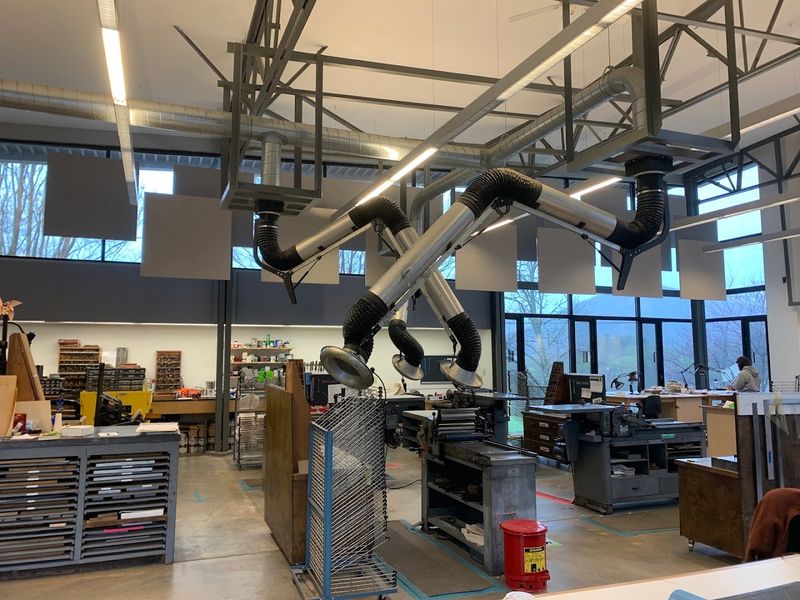
Sign up for a class and you land in studios that former students describe as neat, clean, and well-supplied. The equipment and facilities earn top marks, with one reviewer calling everything from the tools to the instructors top tier.
The teachers get plenty of love, too. Students describe them as friendly, gifted, and genuinely eager to share their skills and interests, the sort of mentors who make a beginner feel welcome rather than out of their depth.
A newer building on campus has added space for large group activities, which regulars note makes gatherings and demonstrations easier. For anyone weighing a weekend workshop, the message from past students is consistent: the setup is built to help you actually learn.
The Atmosphere and Who It Suits Best
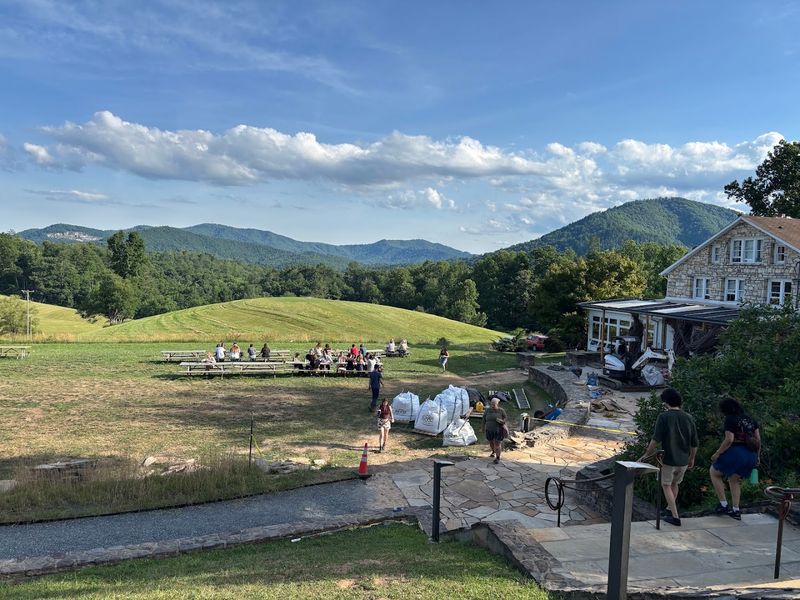
Ask past students what stays with them and they often land on the feeling of the place rather than any single project. One described being able to do what they love for two weeks straight in such a beautiful setting as a jaw-dropping, almost magical experience.
The vibe tends to draw people who are focused on their craft but also curious about what everyone else is making. Reviewers say the community welcomes artists new and old, encouraging you to be yourself and express whatever talent you bring. Scholarships, like the work study option one student mentioned, have made attending possible for makers who might not otherwise afford it.
Honesty matters, though. A couple of guests found the social scene cliquey and felt the staff were not well versed in handling conflict, and one reviewer described a troubling experience around inclusivity that the school did not resolve to their satisfaction. Weigh those voices alongside the many glowing ones as you decide if a longer stay fits you.
Planning Your Visit: Getting There and What It Costs
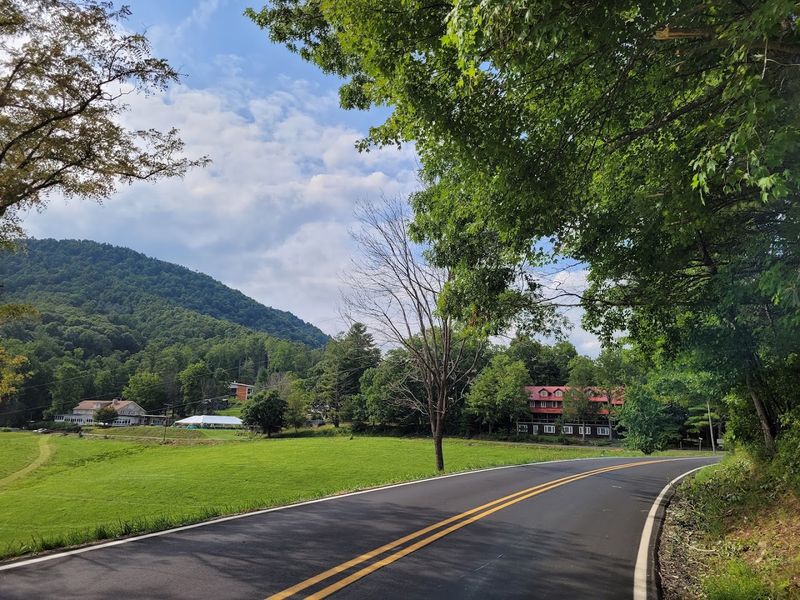
Finding the turnoff is easy enough. Travelers note the highway marker is simple to spot at the intersection of Penland Road, with the campus about a mile southwest. From Asheville you are looking at roughly an hour and twenty minutes of driving, and Boone sits about an hour away in the other direction.
Casual visits are the affordable entry point. Walking the grounds, watching artists through studio windows, and browsing the public gallery cost you little more than the gas to get there, which suits a thrifty weekend day trip.
Longer courses are a bigger commitment. One student estimated spending in the range of $5,000 to $10,000 on rent, food, and resources for an extended stay, on top of travel. Classes run at various times throughout the year, so it is worth checking the school’s website at penland.org or calling ahead at 828-765-2359 before you plan around a specific session.
Why This Hidden Mountain Gem Is Worth the Drive
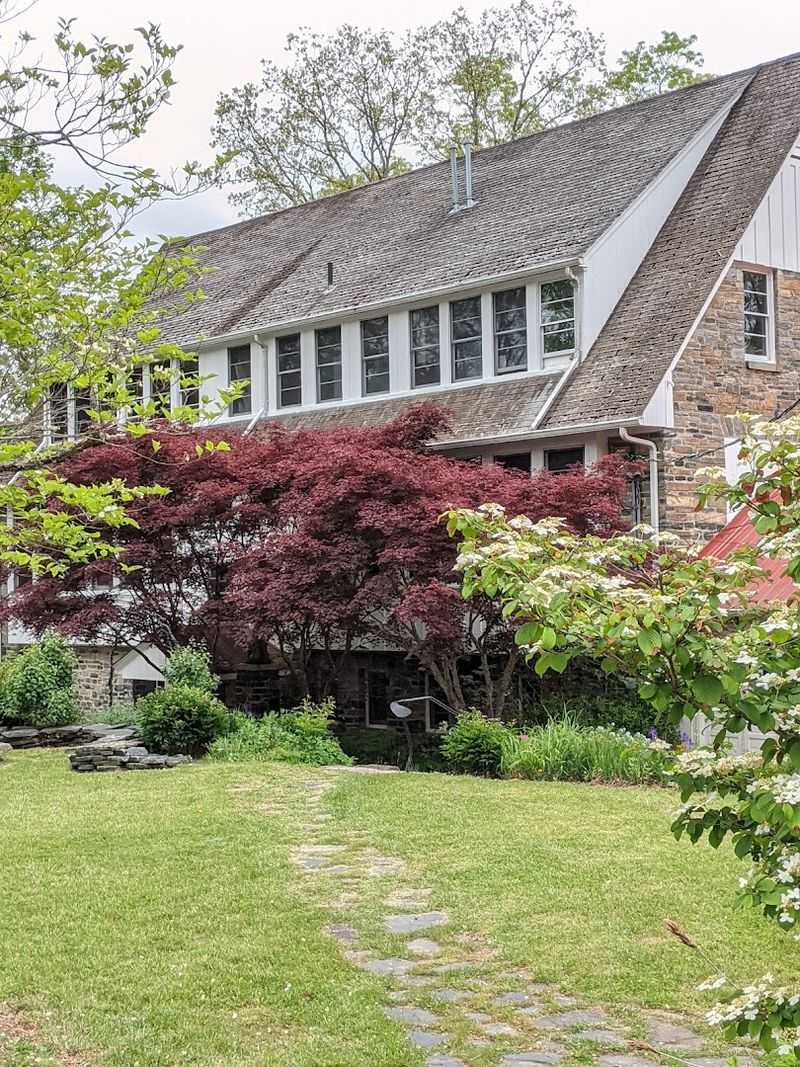
Holding a steady 4.8-star rating across its reviews, Penland has earned its reputation as what more than one visitor calls a hidden gem in the mountains. People who love art tend to leave inspired, and a few even credit the place with rekindling a creative spark they had set aside for years.
For a low-key weekend, it is hard to beat: gorgeous mountain views, working studios you can peek into, a gallery full of talented local and national artists, and good food under an open tent. Guests keep circling back to the same short verdict, that it is a must-see and a place they cannot wait to return to.
Whether you come to simply watch craft happen or to spend a weekend shaping glass, clay, or metal yourself, this quiet corner of Bakersville rewards the drive. Do a little planning around open hours, keep the mixed reviews in mind for longer stays, and you will likely walk away understanding why so many North Carolinians treasure it.
Share this story