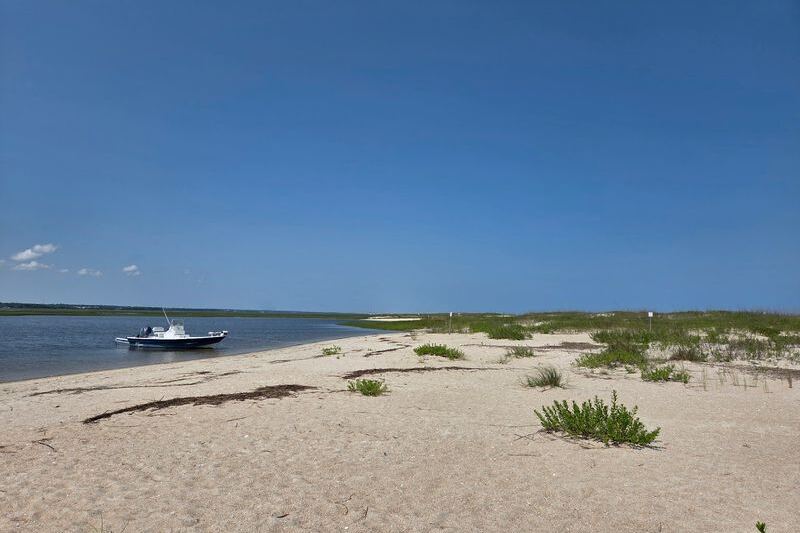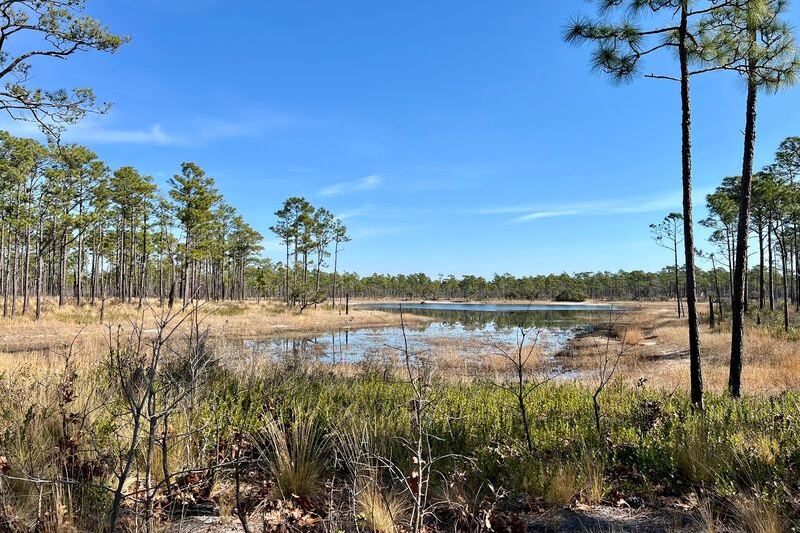
Tucked at the far end of North Carolina’s Outer Banks sits a little village you can only reach by boat. Ocracoke is a tiny island community with a lighthouse from 1823, a graveyard for World War II sailors, and old pirate stories that still float around the harbor. Best of all, once the ferry drops you off, you can trace three centuries of history on foot without spending much at all. If you love finding the real, overlooked corners of North Carolina before the tourists catch on, this quiet coastal spot belongs on your list.
A Village At The End Of The Outer Banks
Far past the busier beach towns of the Outer Banks, the road quite literally runs out and the water takes over. Ocracoke sits on Ocracoke Island in coastal North Carolina, a small village wrapped around a sheltered harbor called Silver Lake. It is remote in the best way, the kind of place where the pace slows the moment you step off the boat.
The village itself is compact, with narrow lanes, weathered cottages, and shops and restaurants lining the water. Boats bob in the harbor, and the whole scene feels like a fishing community that time gently forgot. You get the sense that locals here have known each other for generations.
Part of the fun is that Ocracoke has never turned into a big commercial resort. It stays small, salty, and genuinely local, which is exactly why North Carolinians who prize authenticity keep coming back. Reaching a place this tucked away makes the arrival feel like a small reward all its own.
The Ferry Ride That Sets The Mood
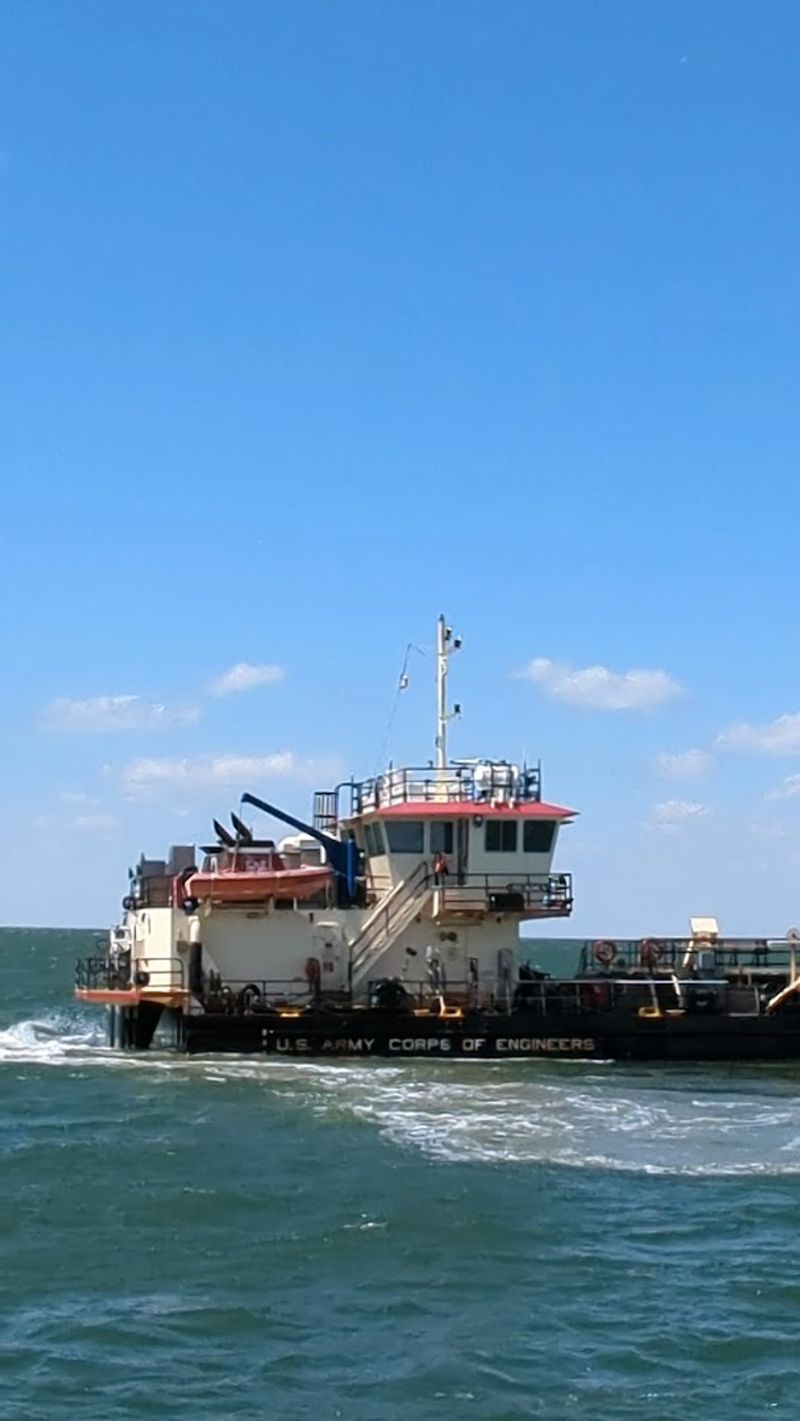
Getting to Ocracoke is half the story, because there are no bridges here. The only way onto the island is by ferry, gliding across open water with the wind in your hair and gulls trailing the boat. By the time you spot the village on the horizon, you already feel a world away from the mainland.
That boat ride does something to your mood. Phones lose their grip, shoulders drop, and you start watching the water instead of the clock. Families lean on the rail counting pelicans, and regulars settle in like they have made the crossing a hundred times.
Because the ferry is the front door, arriving feels like an event rather than just parking a car. It also keeps the crowds naturally thin, since you cannot simply drift over on a whim. For anyone chasing that beat-the-tourists feeling, the crossing is where the whole trip officially begins.
Pirate Legends And Three Centuries Of Story
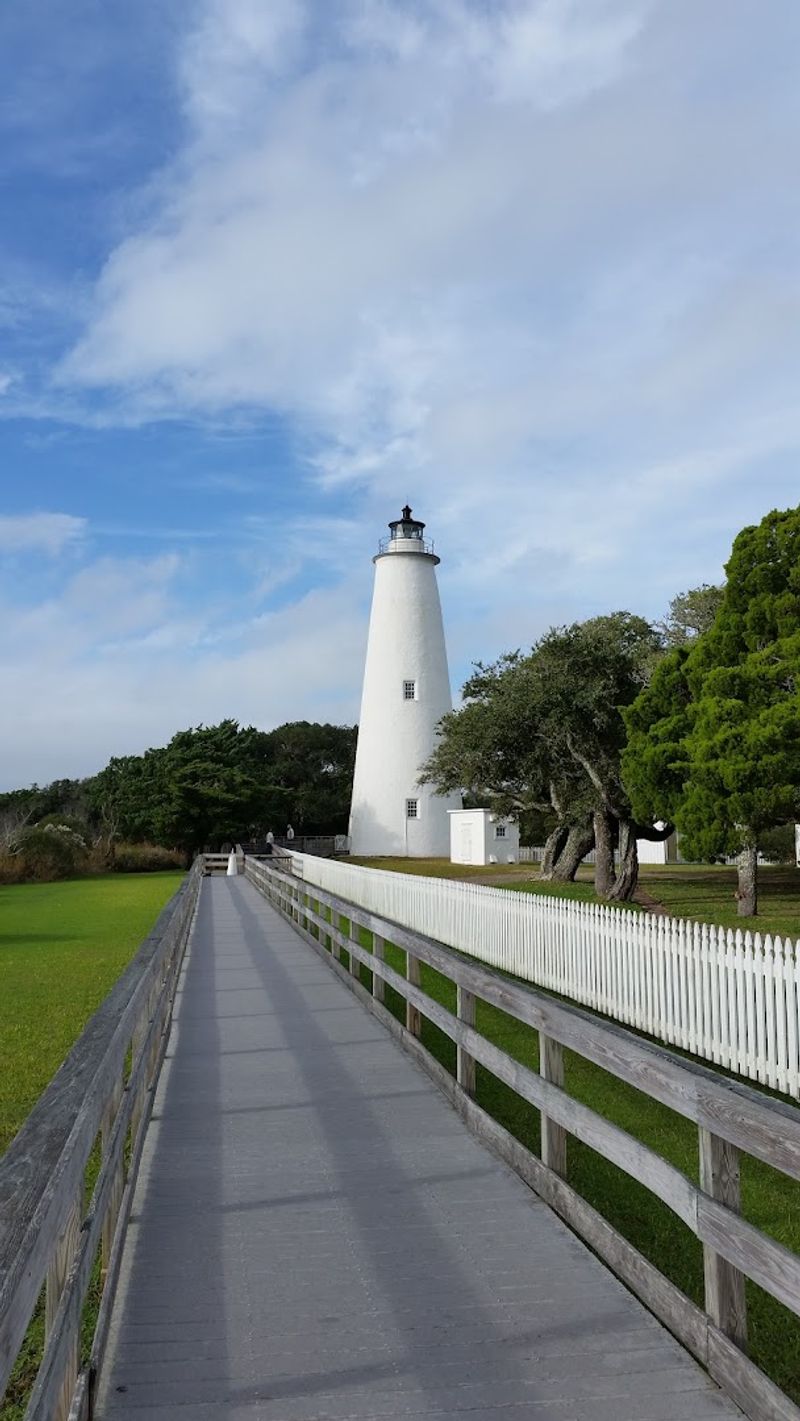
Few small towns can claim a resume quite like this one. Ocracoke’s waters are woven into old tales of pirates prowling the Carolina coast, and the island has carried its reputation for roughly 300 years. Walking the village, you are literally tracing centuries of history underfoot.
The layers pile up as you explore. There are markers of a working maritime past, a lighthouse from the 1820s, and a cemetery tied to World War II, all packed into a place you can cover on foot in an afternoon. Each corner seems to hold another chapter.
What makes it special is how casual it all feels. History is not roped off behind glass here so much as it is scattered through everyday streets, gardens, and shorelines. Did you know? The island’s storied past and its connection to seafaring legend are exactly why history-minded visitors treat a walk through the village like an open-air time machine.
The 1823 Lighthouse On Pamlico Sound
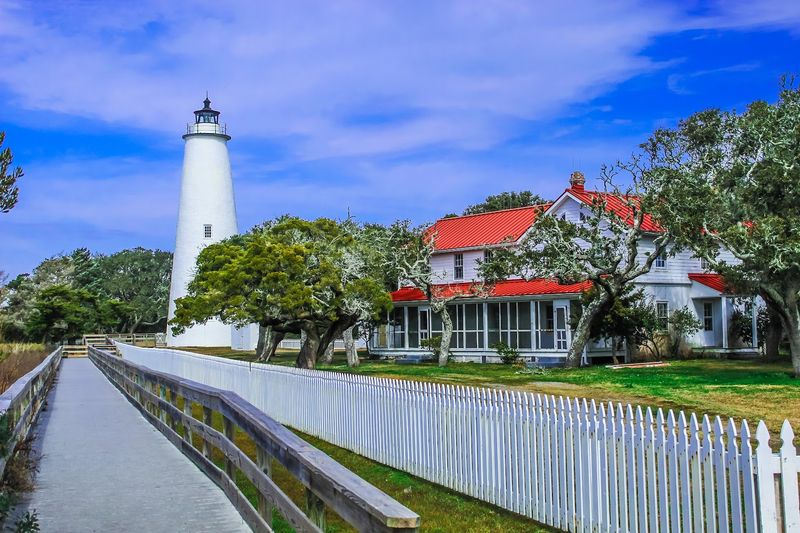
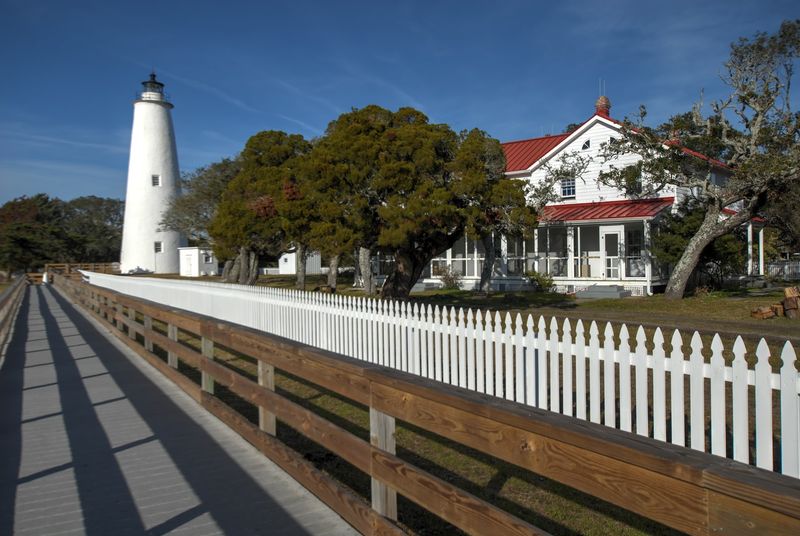
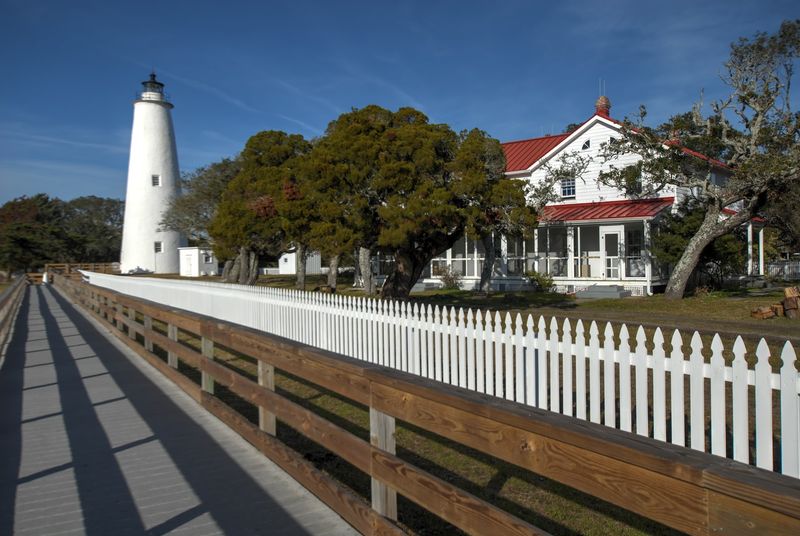
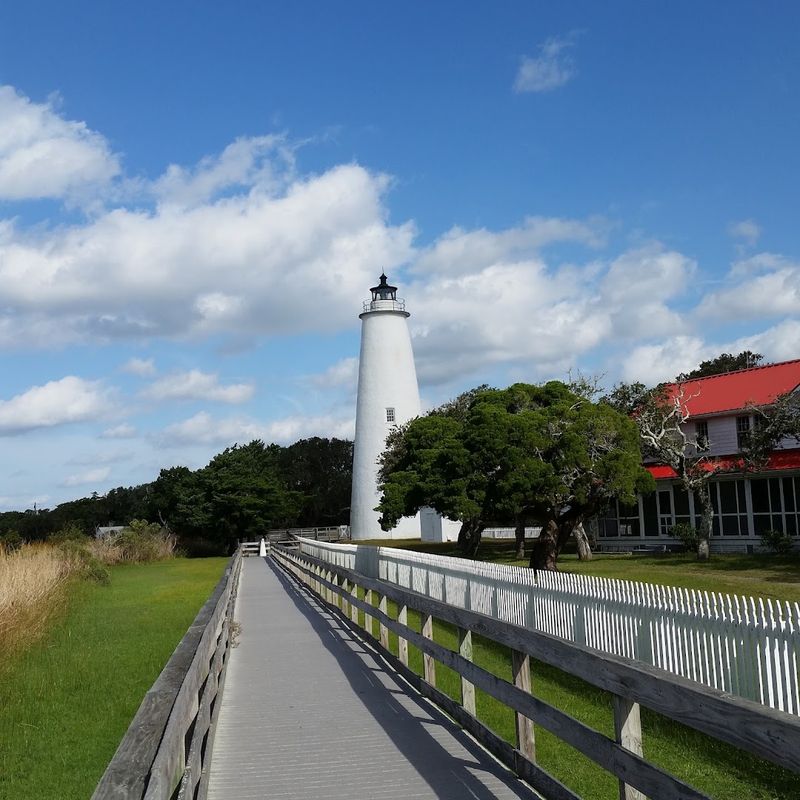
Standing watch over the village is a stout white tower that has been guiding boats since 1823. The Ocracoke Lighthouse overlooks both the village and the broad waters of Pamlico Sound, and it ranks among the oldest working lighthouses in the country. Its simple, whitewashed shape has become the unofficial symbol of the island.
You do not need to climb it to appreciate it. The lighthouse sits within easy walking distance of the harbor, tucked among trees and cottages, and it makes for a lovely short stroll. Morning light and late afternoon both give it a soft glow that photographers chase.
Because it has stood for two centuries, the tower ties the whole island together across time. Sailors once relied on it, and today visitors gather beneath it to snap photos and soak in the quiet. It is the kind of free, humble landmark that rewards a slow walk far more than a rushed one.
A Museum Set In An Early 1900s House
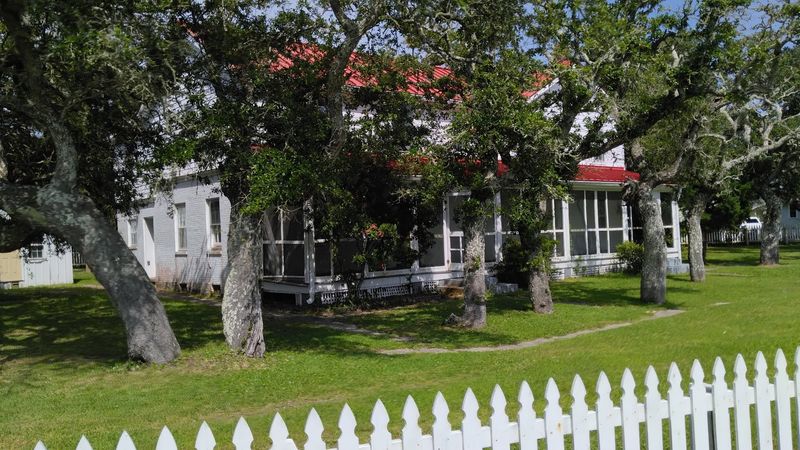
Curiosity about how islanders actually lived out here finds its answer inside a modest old home. The Ocracoke Preservation Society Museum occupies an early 1900s house and traces the island’s history through its rooms and displays. Wandering through, you get a feel for daily life shaped by fishing, isolation, and the sea.
The setting is part of the charm. Rather than a sleek modern building, the museum lives in a genuine period house, so the walls themselves are an exhibit. It is the sort of heritage stop that flatters your inner history buff without demanding much of your day.
For travelers who love century-old places and local stories, this little museum punches above its size. It gathers the threads of Ocracoke’s past into one easy, walkable stop near the harbor. Pair it with the lighthouse and the cemetery, and you have a self-guided history walk that costs almost nothing.
The Tiny British Cemetery
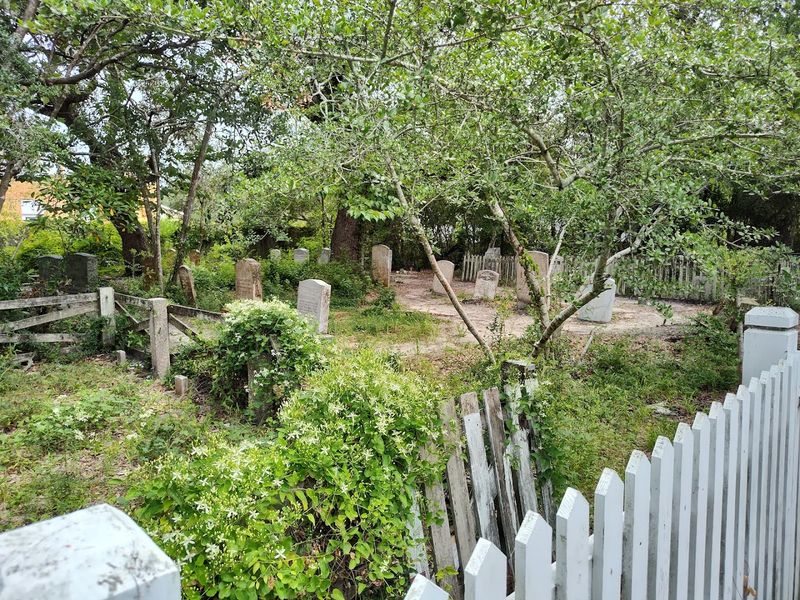
Not far from the village lanes lies one of the most quietly moving spots on the island. The tiny British Cemetery holds the graves of World War II sailors, a small patch of ground that tells a big story. It is easy to miss and impossible to forget once you find it.
The graves connect this remote island to a much wider chapter of history, when the coast of North Carolina saw wartime activity offshore. Standing there, the distance between a sleepy fishing village and world events feels surprisingly short.
Because it is small and solemn, the cemetery invites a respectful pause rather than a photo dash. Visitors often mention how unexpectedly touching it is to come upon such a place tucked into a Carolina beach town. It adds a layer of meaning to an island already thick with stories, and it costs nothing but a moment of your attention.
Silver Lake And Its Harbor Life
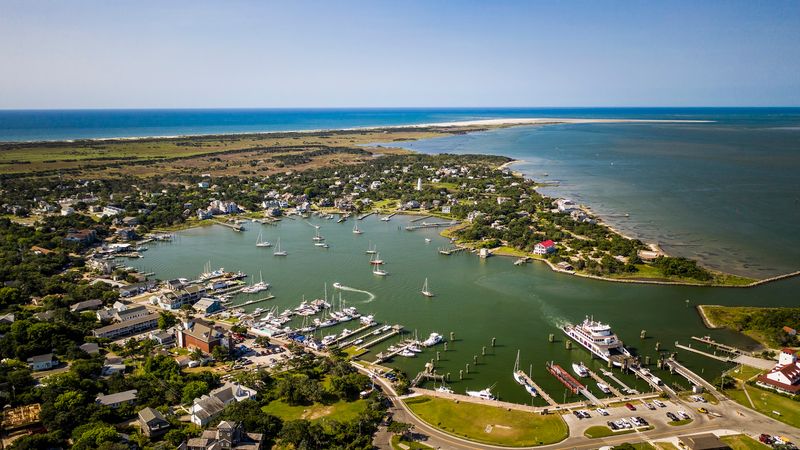
At the heart of the village, a sheltered pocket of water gathers all the island’s comings and goings. Silver Lake is dotted with boats, from working fishing vessels to little sailboats, and its curved shoreline is lined with shops and restaurants. It functions as the town square, except it is made of water.
Life here circles the harbor. You can watch fishermen unload their catch, grab a bite at a waterside spot, or simply sit and let the boats drift past. Sunsets over the lake draw a small crowd that lingers until the colors fade.
The harbor is also where the salty, unhurried character of Ocracoke shows most clearly. There is no glitzy boardwalk, just a genuine maritime community going about its day. For visitors who want the real coastal North Carolina rather than a polished tourist strip, an afternoon wandering the Silver Lake shoreline delivers exactly that.
Exploring The Whole Island On Foot
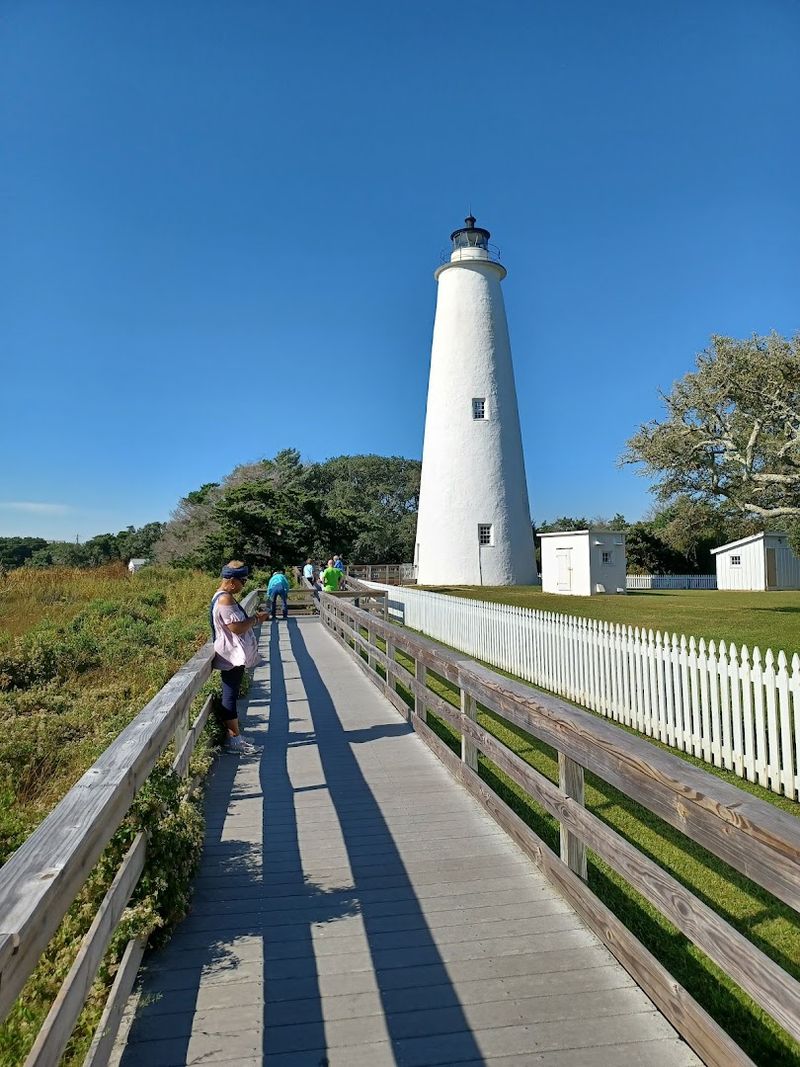
One of the quiet joys of Ocracoke is that you can leave the car behind. The village is compact enough to trace on foot, linking the lighthouse, the museum, the British Cemetery, and the harbor along a loose walking loop. Everything worth seeing sits within an easy stroll.
Going slow is the whole point. On foot you notice the small things, a shady lane, a garden gate, a hand-painted shop sign, that you would blow right past in a vehicle. Bikes are popular too for covering a little more ground between stops.
Because so much history is packed into such a small footprint, walking turns the village into one long open-air exhibit. You set your own pace, follow whatever catches your eye, and stitch together three centuries of stories one block at a time. It is a low-cost, low-stress way to explore that suits the island’s gentle rhythm perfectly.
Who The Island Suits Best
Picture the kind of traveler who would rather wander a quiet lane than fight for a parking spot at a crowded resort. Ocracoke is made for them. It rewards history lovers, unhurried couples, families with curious kids, and anyone who counts a good ferry ride as part of the adventure.
The vibe leans peaceful and low-key. If you crave nightclubs and big attractions, this is not your island, but if you want lighthouses, old graves, harbor sunsets, and salt air, you will feel right at home. It suits budget-minded explorers especially well, since so much of the island’s charm is free to enjoy.
It is also perfect for that in-the-know North Carolinian who likes discovering places before the crowds do. Reachable only by boat and proud of its small size, Ocracoke stays refreshingly under the radar. Bring comfortable shoes, a little curiosity, and a willingness to slow down, and the island meets you exactly where you are.
Getting There And Making The Trip
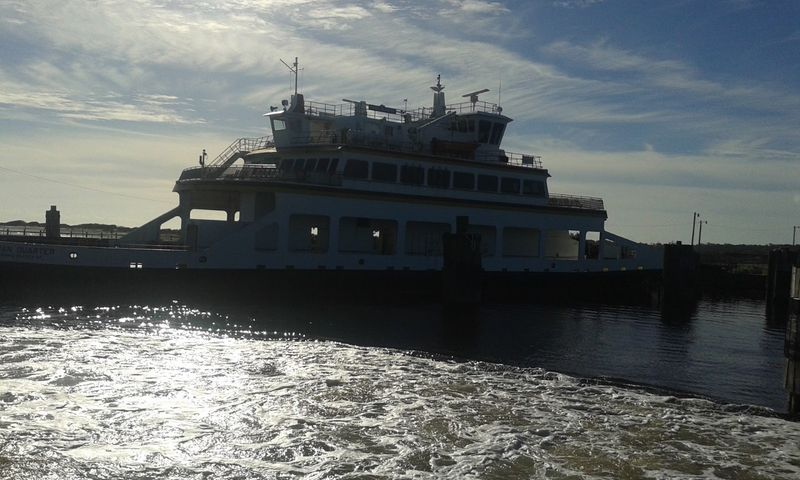
Planning a visit comes down to one main thing, the boat. Ocracoke sits on Ocracoke Island in North Carolina’s Outer Banks, and since there are no bridges, you arrive by ferry across the water. Once you land, the village and its landmarks are close enough to reach without a car.
Set your sights on the highlights that cluster near the harbor: the 1823 lighthouse over Pamlico Sound, the Preservation Society Museum in its old house, the little British Cemetery, and the shops and restaurants ringing Silver Lake. All of it connects on foot, so pack good walking shoes and give yourself unhurried time.
As a getaway, Ocracoke leans gentle rather than grand, and that is exactly its appeal. You come for salt air, three centuries of history, and the satisfying feeling of reaching a place most people never bother to. If you want a slice of the real, overlooked North Carolina coast, this small pirate island is well worth the crossing.
Share this story