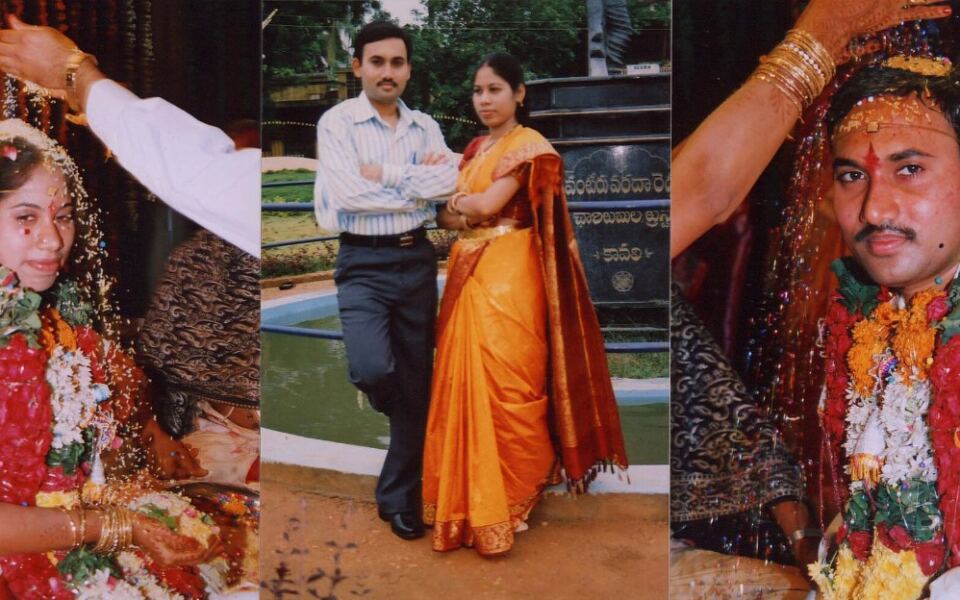
Arranged marriages have been part of human culture for thousands of years, and they remain common in many parts of the world today. In some countries, families play a major role in choosing a spouse for their child, often based on shared values, religion, or social standing.
While opinions on this practice vary widely, understanding where and why it happens helps us see the world through a broader lens. From South Asia to the Middle East, here are 15 places where arranged marriages are still practiced today.
1. Pakistan
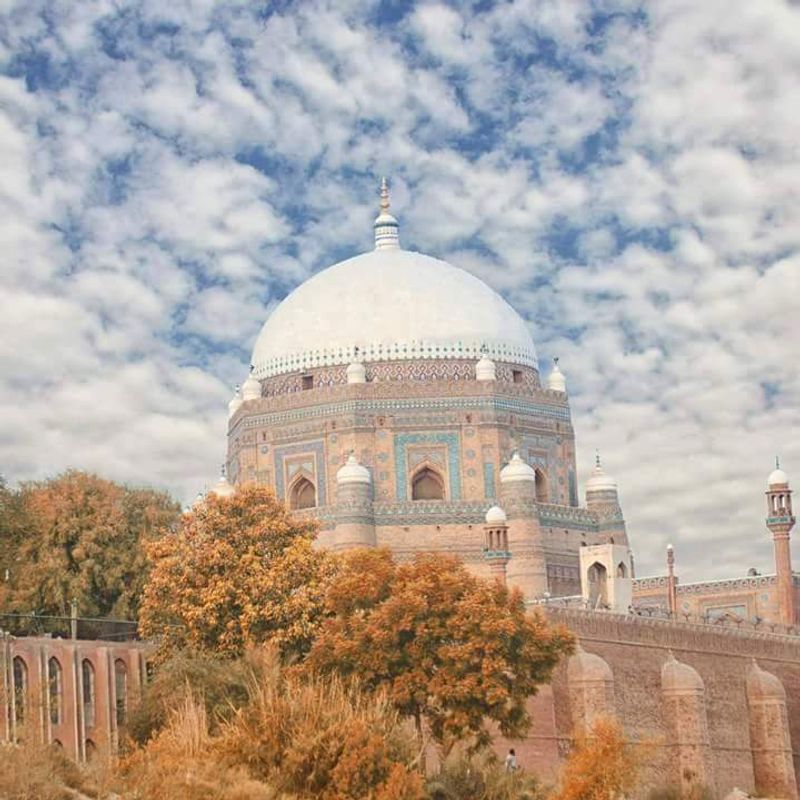
Arranged marriages are deeply woven into Pakistani society, where family honor and community ties hold significant weight. Parents consider it their duty to find a suitable spouse for their children, often beginning the search when the child is still a teenager.
Religion plays a central role in the matching process, with most families seeking partners within the Muslim faith. Factors like financial stability, family reputation, and education level are also carefully considered.
In rural areas especially, marriages between cousins are common and socially encouraged.
While urban Pakistanis are slowly gaining more say in who they marry, the overall structure remains family-driven. The bride and groom may meet only a few times before the wedding.
Despite ongoing conversations about personal choice and women’s rights, arranged marriages continue to dominate across both rural and urban communities in Pakistan.
2. Bangladesh
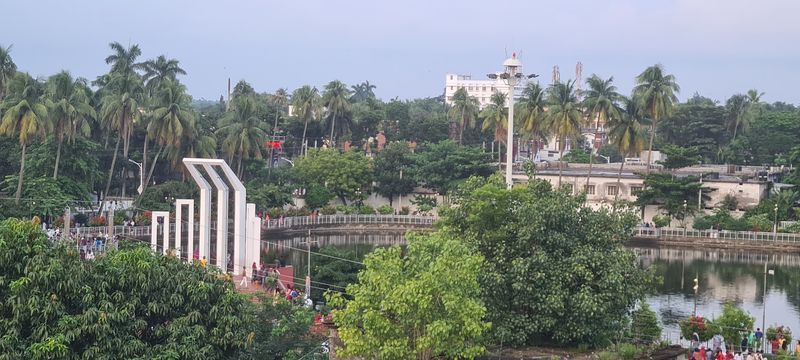
Bangladesh has one of the highest rates of arranged marriages in South Asia. Families typically take the lead in finding a match, with parents, aunts, uncles, and even neighbors all playing a role in the process.
Religion is a major guiding factor, as the majority of Bangladeshis are Muslim. Compatibility in terms of family background, financial status, and education is closely evaluated.
Unfortunately, child marriage remains a concern in rural Bangladesh, where girls are sometimes married off at a young age before they finish school.
The government has taken steps to raise the legal marriage age and protect young women, but enforcement can be inconsistent in remote areas. In cities like Dhaka, younger generations are slowly gaining more influence in choosing their partners.
Still, the arranged marriage system remains the most common path to matrimony across the country.
3. India
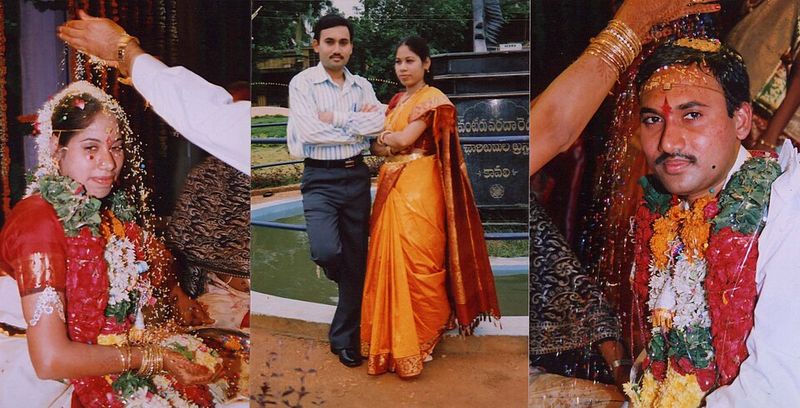
India is perhaps the most well-known country when it comes to arranged marriages. Families here have practiced this tradition for centuries, and even today, the majority of marriages in India are arranged by parents or extended relatives.
The process typically involves matching horoscopes, comparing family backgrounds, and assessing compatibility based on religion, caste, and social status. Many families use matrimonial websites and newspaper ads to find suitable matches.
Modern arranged marriages in India often give the couple a chance to meet and get to know each other before committing. This blend of tradition and choice has made arranged marriages widely accepted, even among educated urban Indians.
Studies suggest that over 90% of Indian marriages are still arranged in some form, making it a deeply rooted cultural norm across the country.
4. Nepal
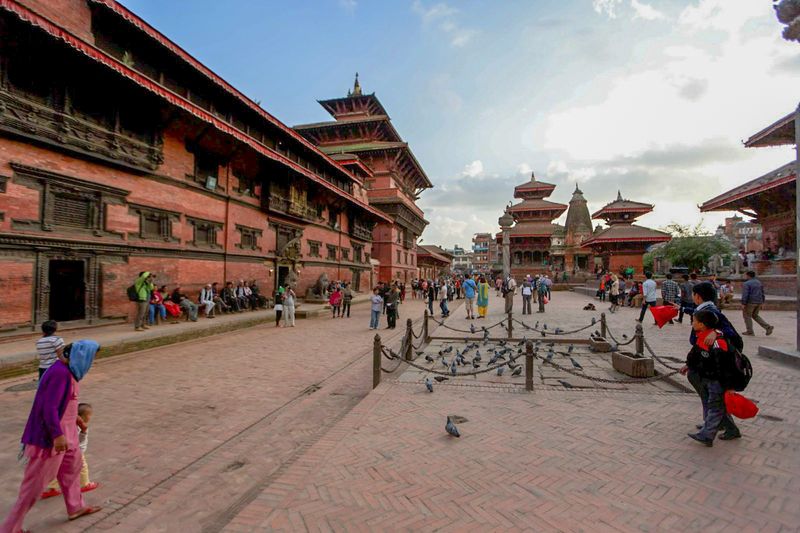
Nestled in the Himalayas, Nepal holds tightly to its tradition of arranged marriages, especially in rural and mountainous communities. Families often consult astrologers and religious priests to determine whether two individuals are a compatible match before any formal introduction takes place.
Caste and ethnic background play a strong role in who is considered an acceptable partner. In many communities, marrying outside one’s caste is still frowned upon, although younger generations in cities like Kathmandu are beginning to challenge these norms.
Love marriages are slowly becoming more accepted in urban Nepal, but they still represent a small fraction of all unions. Most families prefer the security and social approval that comes with a properly arranged match.
For many Nepali parents, arranging a good marriage for their child is seen as one of their most important responsibilities in life.
5. Afghanistan
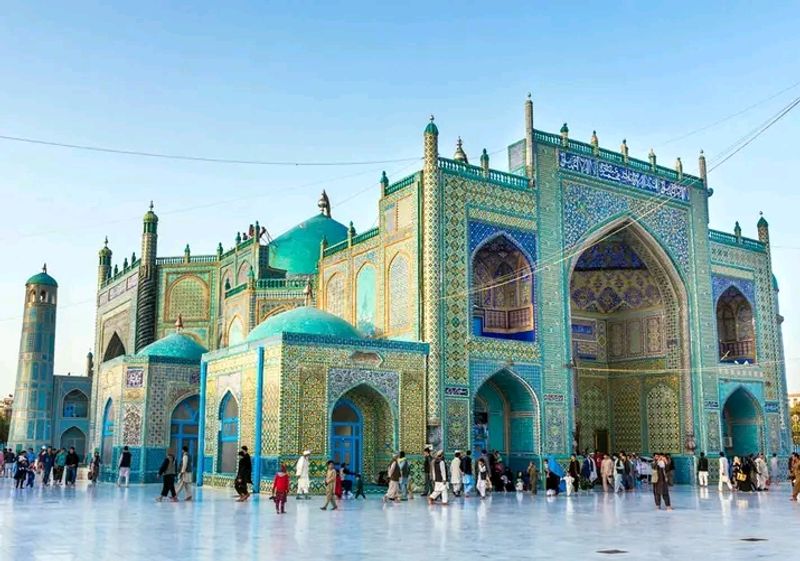
Afghanistan has one of the most traditional approaches to arranged marriage in the world. Marriages are almost entirely family-arranged, with very little input from the individuals getting married, particularly women.
The groom’s family typically initiates the process by approaching the bride’s family with a formal proposal.
Bride price, known locally as “walwar,” is a common practice where the groom’s family pays a sum to the bride’s family. This tradition has deep cultural and economic roots, though it has also been criticized for commodifying women.
Child marriage remains a serious issue in many Afghan provinces.
Years of conflict and conservative social norms have made it especially difficult for women to exercise choice in marriage. International organizations continue to work on raising awareness about women’s rights in Afghanistan.
Despite these challenges, the practice of arranged marriage remains virtually universal in the country.
6. Saudi Arabia
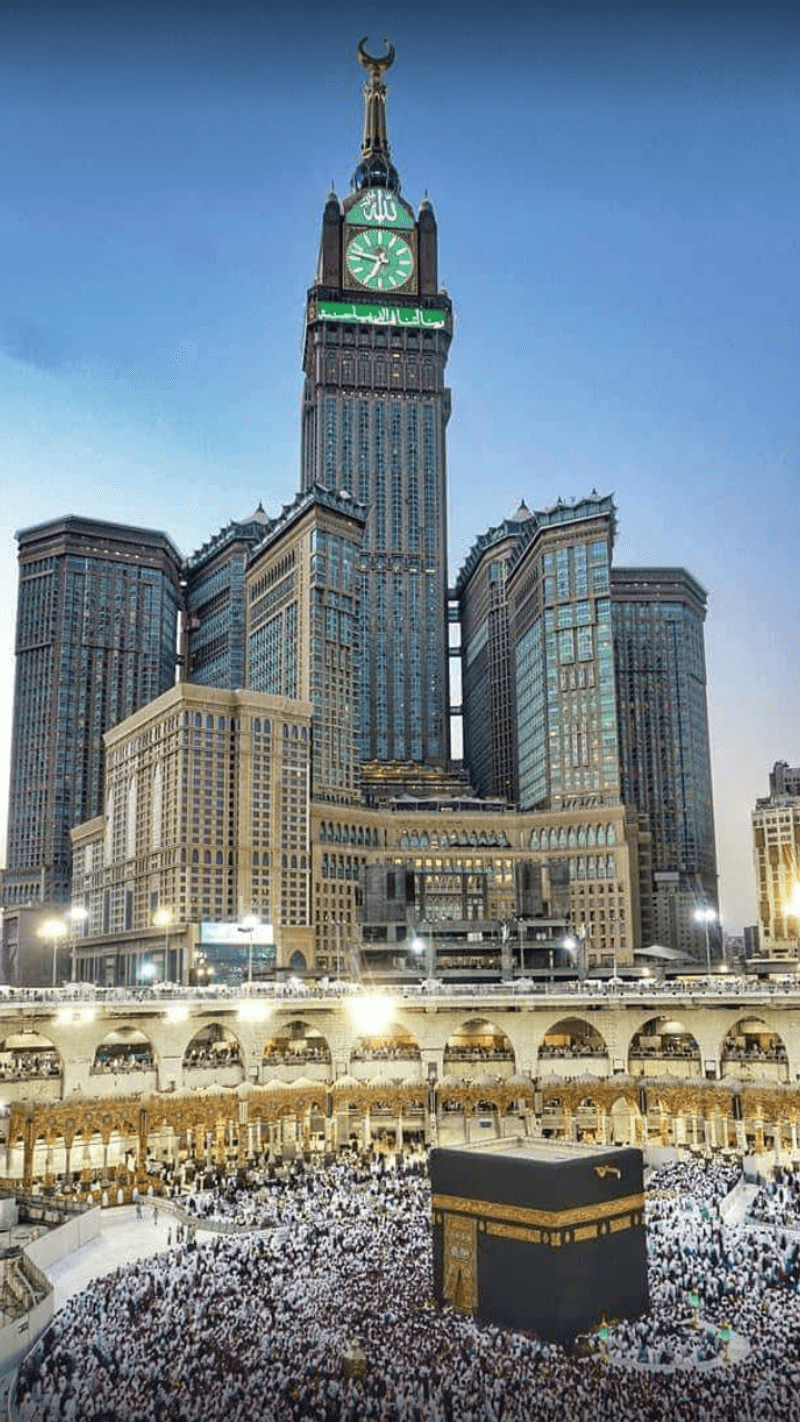
Saudi Arabia follows Islamic law closely, and marriage customs reflect these religious values. Arranged marriages are the norm, with families playing a central role in selecting a suitable partner.
The father or male guardian, known as a “wali,” traditionally gives formal consent for the marriage to proceed.
Men and women in Saudi Arabia often have limited social interaction before marriage, making the arranged system a practical framework for finding a spouse. Families look for compatibility in terms of tribe, family reputation, and religious devotion.
Weddings in Saudi Arabia are typically lavish affairs, with separate celebrations held for men and women.
Recent social reforms under Vision 2030 have allowed more freedoms for young Saudis, including mixed social events and entertainment. However, arranged marriages remain the dominant practice.
Many young Saudis still prefer family involvement in choosing a life partner, viewing it as a sign of respect and cultural pride.
7. Qatar

Qatar is a small but wealthy Gulf nation where arranged marriages are deeply embedded in social tradition. Families, particularly from established tribes and clans, place enormous importance on marrying within their community.
Tribal lineage and family reputation are often the most important factors when selecting a match.
The role of the family is considered sacred in Qatari culture, and parents are expected to guide their children toward suitable partners. Young people may express preferences, but the final decision often rests with the family elders.
Marriage ceremonies in Qatar tend to be elaborate, multi-day events with gender-segregated celebrations.
Qatar’s rapid modernization has introduced new social dynamics, especially for younger Qataris educated abroad. Some are beginning to seek more personal input in choosing a spouse.
Even so, most Qatari families continue to embrace arranged marriages as a cherished cultural and religious practice that strengthens family and community bonds.
8. United Arab Emirates

The United Arab Emirates blends ultra-modern city life with deeply traditional cultural values, and arranged marriages sit comfortably at that intersection. Emirati families take great pride in carefully selecting spouses for their children, with tribal background and family prestige being top priorities.
The UAE government has even set up a Marriage Fund that provides financial assistance to Emirati men who marry Emirati women, encouraging citizens to marry within the national community. This policy reflects how seriously the country takes the preservation of its cultural identity through marriage.
Expats living in the UAE bring their own arranged marriage traditions from countries like India, Pakistan, and Egypt. So while the UAE is cosmopolitan on the surface, arranged marriages thrive among both Emiratis and the large expatriate population.
For many families in the UAE, an arranged marriage is not a restriction but a thoughtful gift to their children.
9. Oman
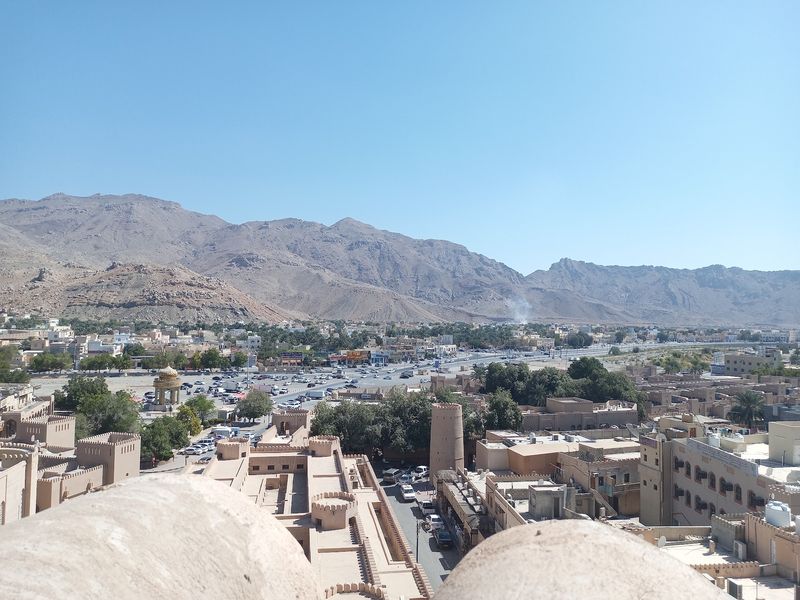
Oman is known for its warm hospitality and rich traditions, and arranged marriages are a key part of its cultural fabric. Omani families place a high value on social harmony, and marriage is seen as a union between two families, not just two individuals.
Tribal affiliation and family lineage are important considerations when families look for a match. Religious compatibility is also a major factor, as most Omanis are Muslim.
Families often rely on trusted community members or relatives to recommend potential matches, making it a very relationship-driven process.
While Oman has modernized significantly over the decades, traditional marriage customs have remained surprisingly intact. Young Omanis may have more opportunities to interact socially than in previous generations, but family approval is still considered essential before any marriage can move forward.
Arranged marriages in Oman are viewed as a way to preserve cultural values and strengthen community ties.
10. Kuwait

Kuwait is a prosperous Gulf nation where family ties run exceptionally deep. Arranged marriages are the standard practice, with families playing an active role in identifying and approving potential spouses.
Tribal and family connections are highly valued, and many marriages take place between members of the same extended family or tribe.
The matchmaking process in Kuwait often begins with mothers networking among their social circles to identify suitable candidates. Once a match is considered, the families meet formally before the couple is introduced.
The couple may then have a limited amount of time to decide whether they wish to proceed.
Kuwait’s younger generation is growing up with more global exposure through education and social media, which is gradually influencing attitudes toward marriage. However, family-arranged marriages remain the most socially accepted and preferred method in Kuwaiti society, with personal freedom and family duty often going hand in hand.
11. Bahrain
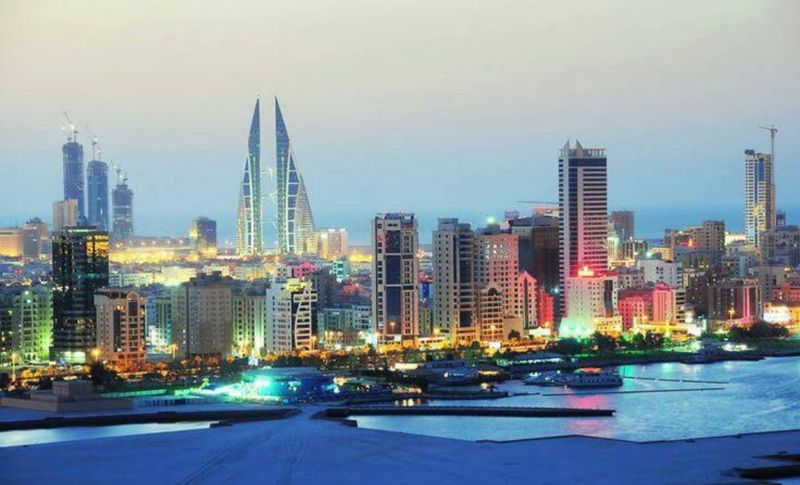
Bahrain may be the smallest country in the Arab world, but its cultural traditions are anything but small. Arranged marriages have been practiced in Bahrain for generations, rooted in Islamic values and strong family loyalty.
Parents and relatives actively participate in identifying compatible partners for their children.
Family honor and social standing play significant roles in the matchmaking process. Bahraini families often prefer matches within their own social circle, religious sect, or tribal group.
The formal proposal, known as a “khutba,” is a structured ceremony where the two families officially agree to the union.
Bahrain has seen growing exposure to Western culture through tourism and international business, and younger Bahrainis are increasingly open to having more say in who they marry. Yet even among the younger generation, family approval remains a non-negotiable step.
Arranged marriages in Bahrain continue to represent a respected and widely followed tradition across the island nation.
12. Jordan
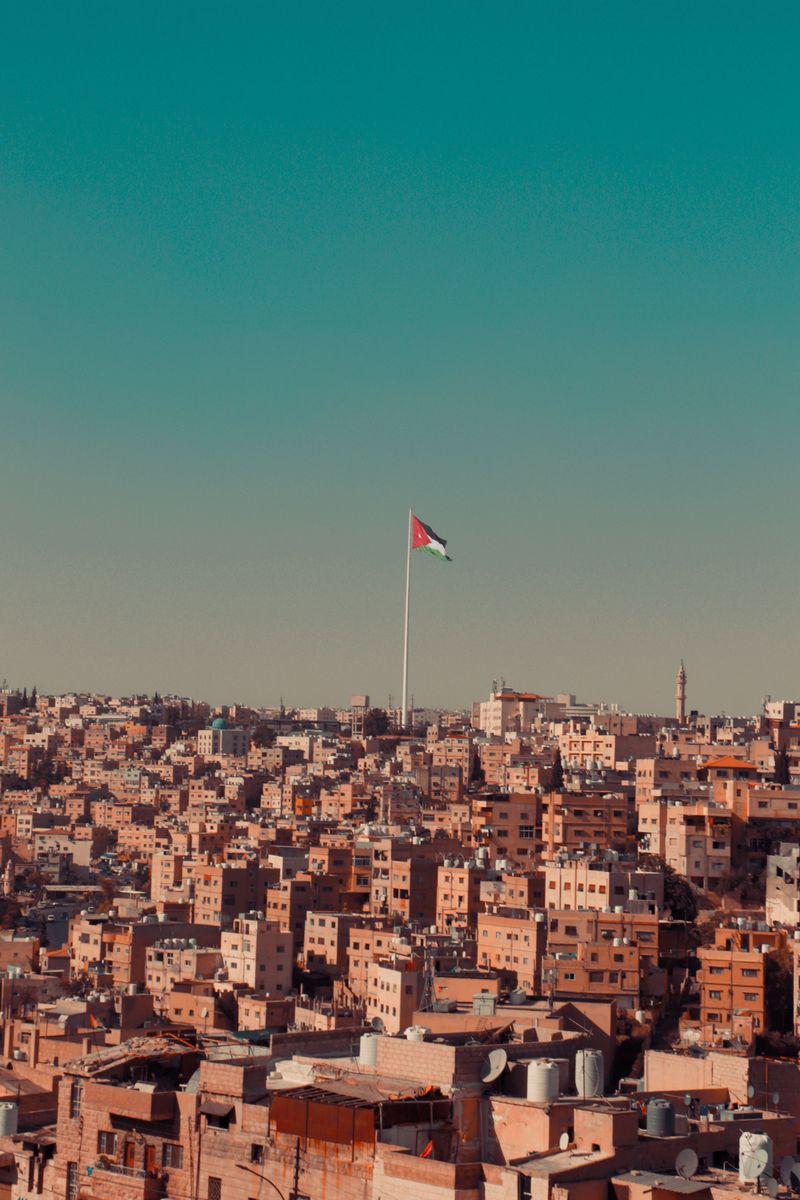
Jordan sits at a cultural crossroads between tradition and modernity, and this balance is clearly reflected in its marriage customs. Arranged marriages are common throughout the country, particularly in rural areas and among more conservative families.
Parents and relatives typically take the lead in finding a suitable match.
Cousin marriages are especially prevalent in Jordan, where marrying within the extended family is seen as a way to strengthen bonds and keep family wealth intact. According to some estimates, nearly one-third of all marriages in Jordan involve cousins.
This practice is rooted in tribal customs that date back centuries.
Urban Jordanians, especially those with higher education, are more likely to have input in choosing their partners. However, even in Amman, most families still expect to be heavily involved in the marriage process.
Arranged marriages in Jordan are often viewed as a practical and loving act of family responsibility.
13. Iraq
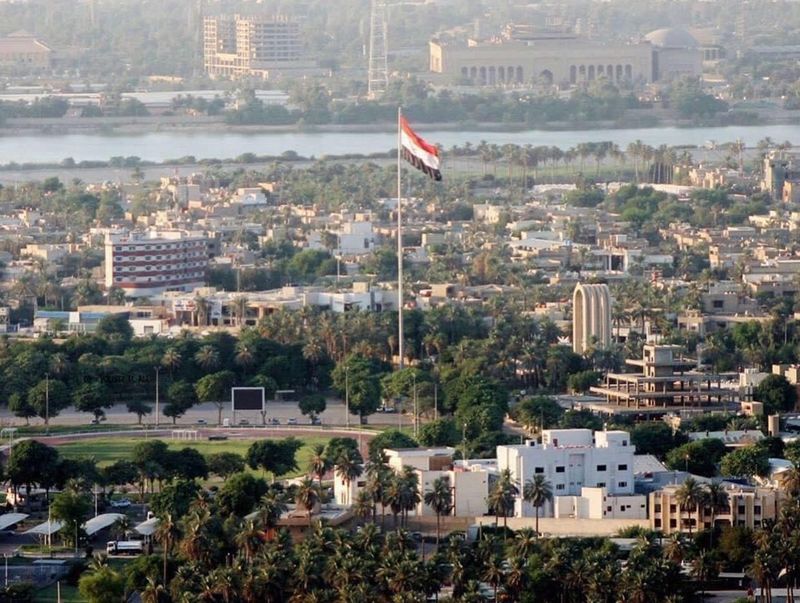
Iraq has a rich cultural heritage, and arranged marriages have long been central to its social structure. Tribal affiliations and family reputation carry enormous weight when families search for a spouse for their child.
In many Iraqi communities, the idea of a young person choosing their own partner without family input is still considered unusual.
Like Jordan, Iraq has a high rate of cousin marriages, particularly in rural and tribal communities. Families believe that marrying within the extended family creates stronger bonds and ensures shared values.
The formal engagement process involves multiple meetings between family elders before any agreement is reached.
Decades of war and instability have disrupted many aspects of Iraqi life, but marriage traditions have remained relatively intact. Young Iraqis in cities like Baghdad are gradually gaining more freedom in expressing preferences.
Still, family-arranged marriages remain the most socially accepted norm across much of the country.
14. Iran

Iran has a long and fascinating history of arranged marriages that stretches back thousands of years. While the tradition has evolved over time, family involvement in the marriage process remains strong across both urban and rural communities.
The formal matchmaking process, known as “khastegari,” involves the groom’s family visiting the bride’s home to formally express their interest.
During the khastegari, both families discuss compatibility, financial expectations, and religious values. The bride typically has the right to accept or refuse the proposal, which gives her some agency within the traditional framework.
Weddings in Iran are known for being joyful and elaborate celebrations filled with music, dancing, and traditional rituals.
Younger Iranians in cities like Tehran are increasingly choosing their own partners, sometimes meeting through universities or social media. However, family approval remains culturally important even in modern relationships.
Arranged marriages in Iran represent a tradition that continues to adapt while staying deeply connected to its cultural roots.
15. Indonesia
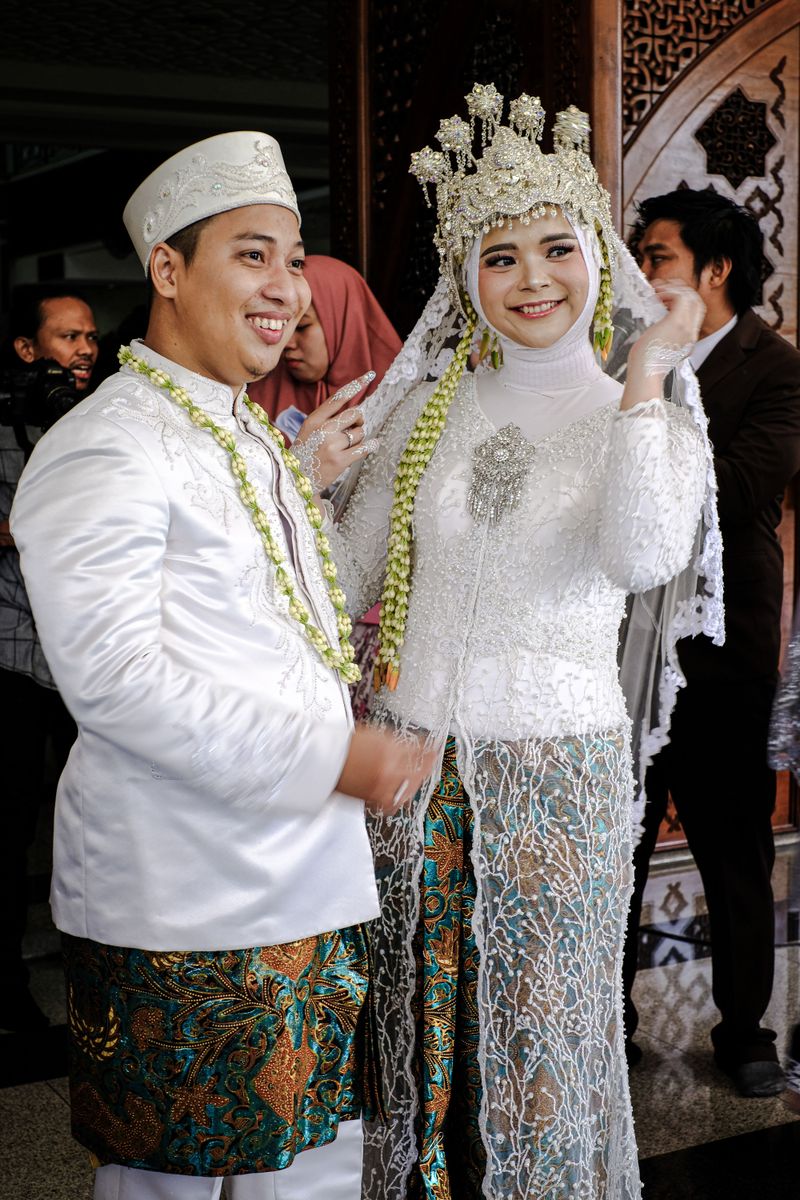
Indonesia is the world’s largest Muslim-majority nation, and while it is incredibly diverse with hundreds of ethnic groups, arranged marriages are practiced across many of its communities. In regions like West Sumatra, the Minangkabau people follow a matrilineal system where the bride’s family holds significant power in arranging marriages.
In Java, the most populous island, traditional Javanese weddings are grand affairs with elaborate rituals that reflect the family’s social standing. Parents often consult religious leaders and community elders when evaluating potential matches.
Compatibility in terms of religion, social background, and character are all carefully weighed.
Indonesia’s growing middle class and expanding access to education and the internet are gradually shifting attitudes about marriage among younger generations. Dating apps and social media have introduced new ways of meeting people.
Even so, many Indonesian families still prefer to be involved in selecting a spouse, keeping the spirit of arranged marriage alive in a modern form.
Share this story